greens turning to golds
fall, silent, without a splash,
blowing hot and cold
(click images for larger view)



R8/DMR, 15 mm Super Elmar
greens turning to golds
fall, silent, without a splash,
blowing hot and cold
(click images for larger view)
R8/DMR, 15 mm Super Elmar
The morning of the anniversary of my birth I walked out onto the porch and noticed this tiny (30 mm) birthday cake.
(click images for larger view)
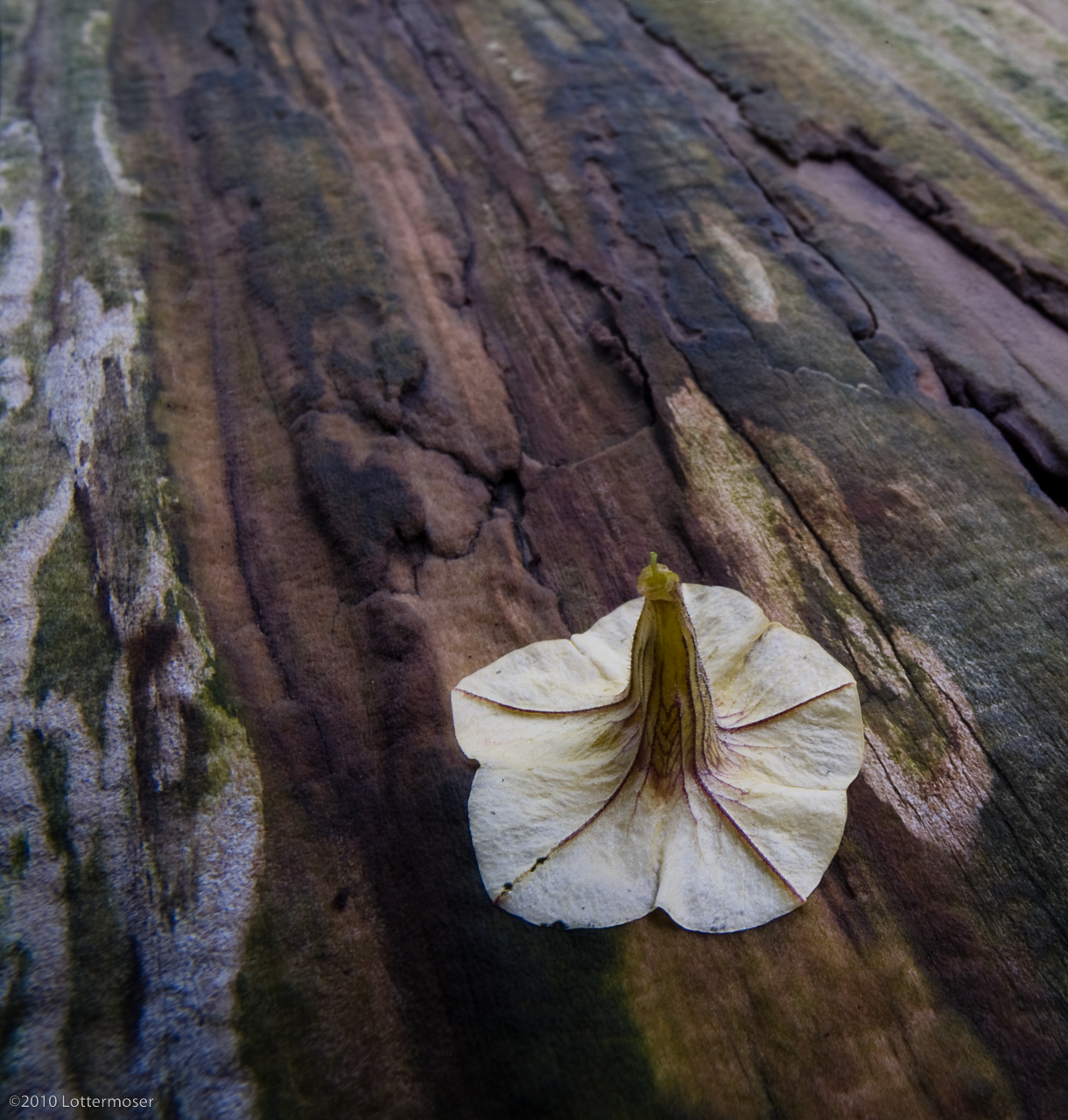
Leica R8/DMR, 15 mm Super Elmar
The shamrock dropped a bloom on the rotting cedar. It appeared as both a beautiful object and appropriate seasonal event. Attempting to capture, in a photograph, my thoughts and feelings upon encountering this tiny specimen proved elusive (as it so often does). The light changing by the minute. Which lens? How close? What’s the subject trying to say? Which point of view reveals the poem? Why can’t I find the message? These questions did not come consciously to mind; they rather occur non verbally while looking, focusing, moving, changing cameras and lenses, and points of view.
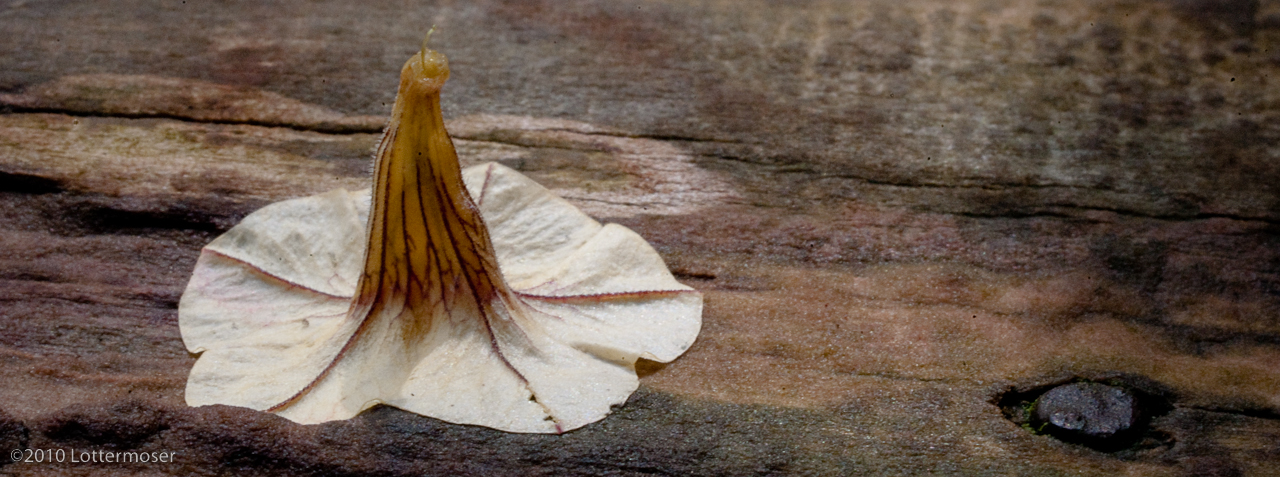
For me these transitional events, summer to fall, water becoming solid, aging, ice becoming liquid, hyper awareness of life in the process of change, hold magical potential; yet this idea seems difficult to express in a still photograph. 3 lenses, 2 cameras; and I don’t know if I’ve achieved anything near what I saw, thought or felt.
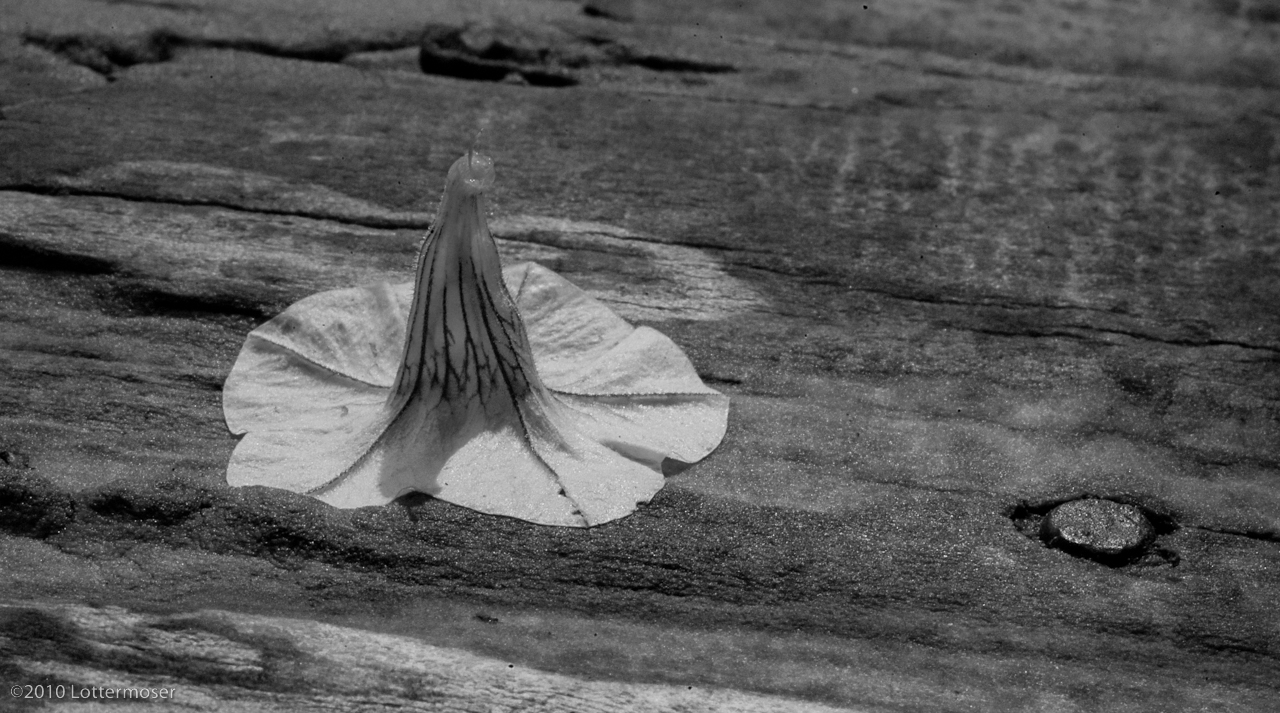
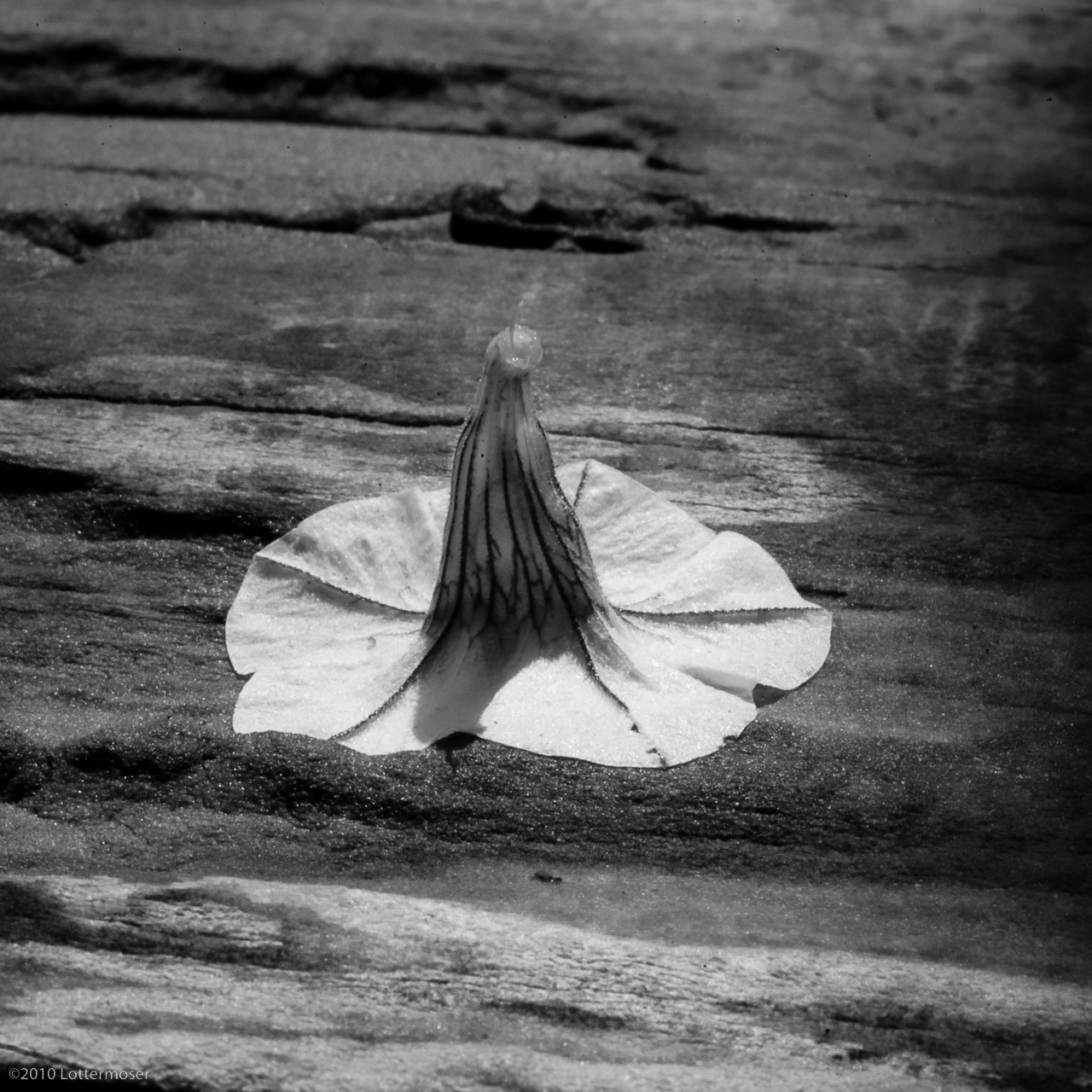
Leica M8, 65 mm Elmar on Visoflex
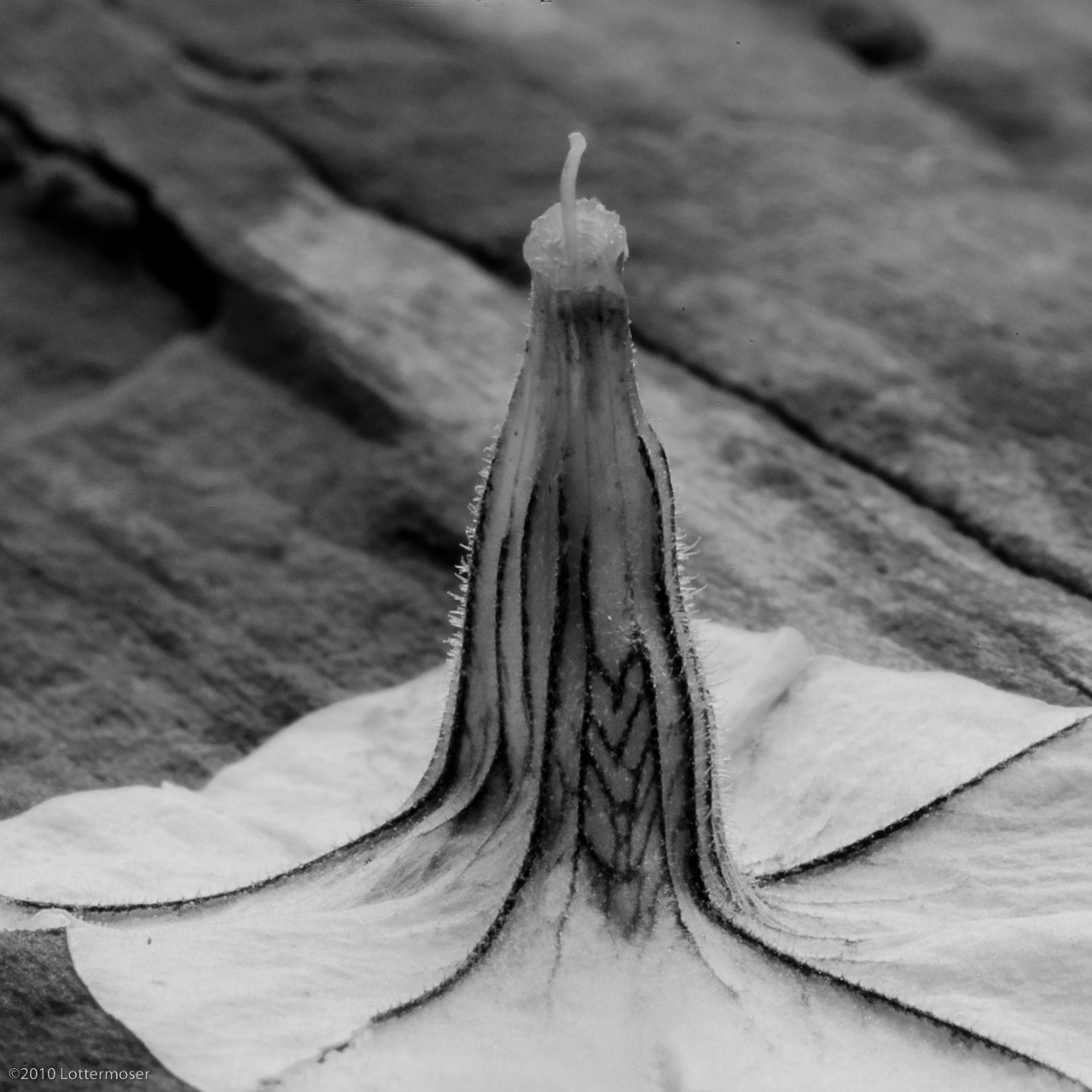
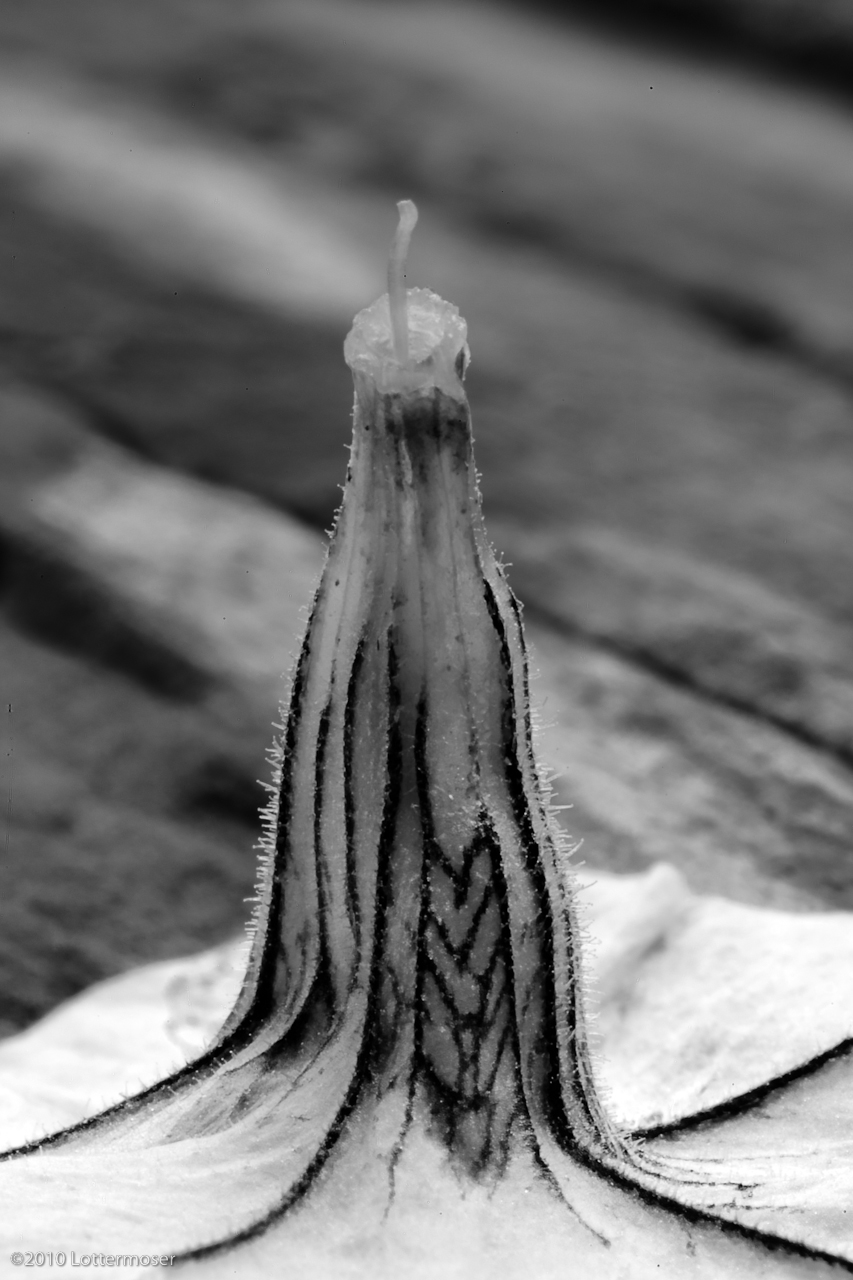
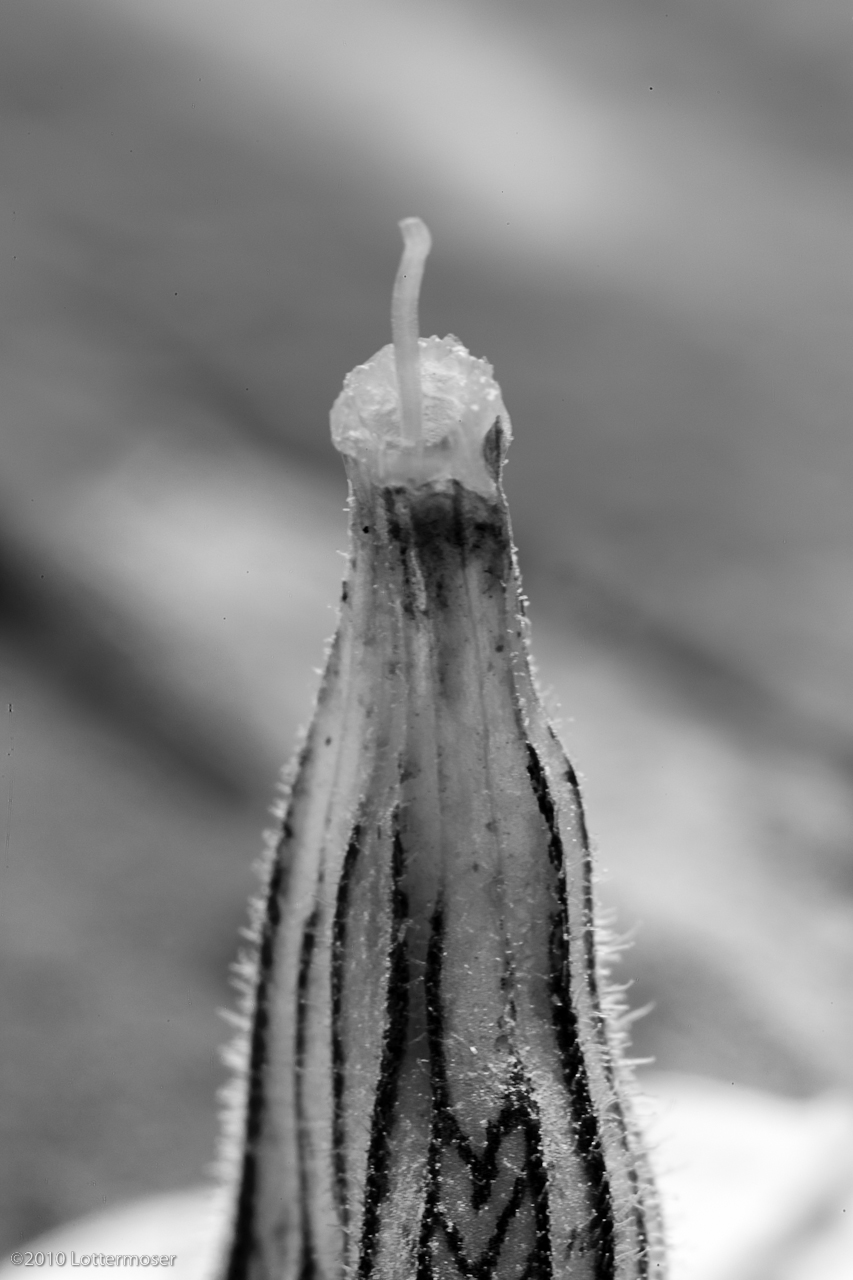
Leica R8/DMR, 100 mm Apo Macro Elmarit
(click image for larger view)

M8, 135 Elmar on Visoflex
In an eMail Alan Magayne-Roshak said of my August 24th blog post, “I love it. It’s easy to get lost in it (in a good way). This reminds me of a David Vestal column where he quoted Picasso as saying, “I don’t seek, I find.” ( The column is at home; I hope I got it correct.) I would say this is a “miksang” photograph.”
After searching the term (beyond the wikipedia link Alan provided) I took it as a compliment; and felt surprise in finding that miksang has taken hold, as a sort of “school” of photography, around the world. Miksang: a Tibetan word meaning “good eye” based on the Dharma Art teachings of Chögyam Trungpa, in which the artist’s eye perceives in perfect harmony with a contemplative mind. This type of visual perception, when applied to the practice of photography, produces a particular sort of photograph. Miksang photographs tend to bring the observer back into the author’s original state of contemplation; behaving, in my opinion, in ways similar to haiku.
Mihály Csíkszentmihályi posited that people feel most happy while working within a similar state; which he referred to as a state of flow.
While I have no idea if these photographs qualify as miksang; I certainly felt in a state of contemplative flow as I made them; and believe they do invite the viewer’s eye/mind to return to that state.
(click on images for larger view)
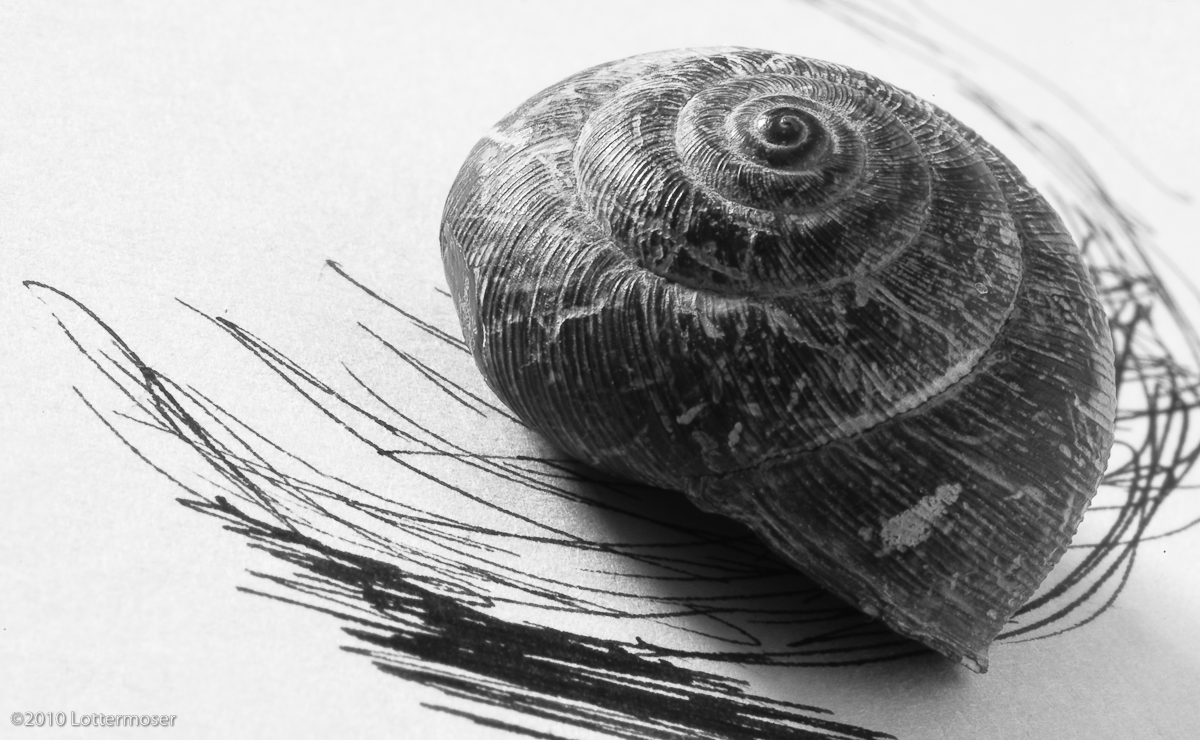
love marks on paper
heat becomes a memory
beach remains in notes
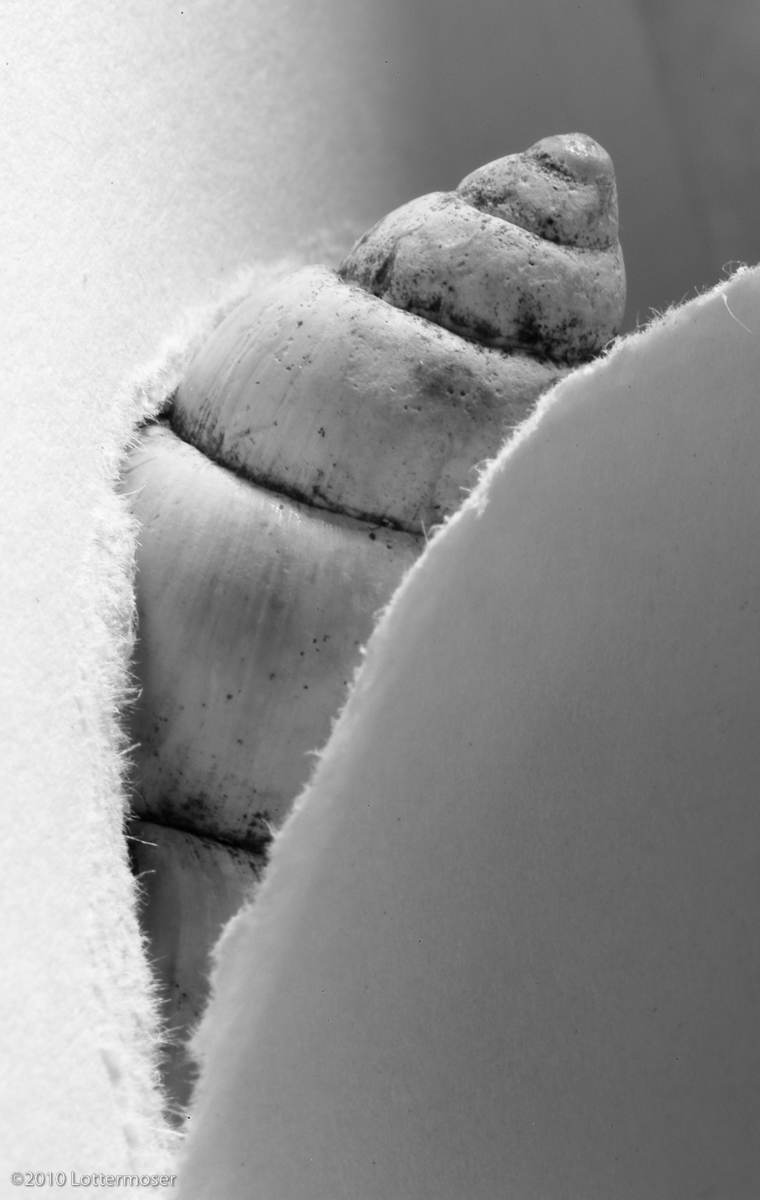
Leica R8/DMR, 65 mm Elmar on R bellows
We look at so many photographs on the web, on the backs of our little digicams or phones and in print. Some minimal fraction of those images surprise us because the photographer has shown us a subject we’ve never seen before; or shown us a familiar subject in some unfamiliar way; or has managed to harmoniously arrange, within the square or rectangular frame, all the visual elements of photography (the rendering of light, color or mono-tonality, the composition of form, shape, line) while representing a compelling subject or event.
Photography, by its very nature, takes an infinitesimal slice out of infinite time and space; whether we expose for 1/10,000th of a second or 1/24th of a day; whether we fill the frame with a view of our own planet or the head of a beetle. Why do images made with a lens fascinate us so? Why do some of us spend decades searching for yet another two dimensional “view” of our three dimensional world?
(click image for larger view)
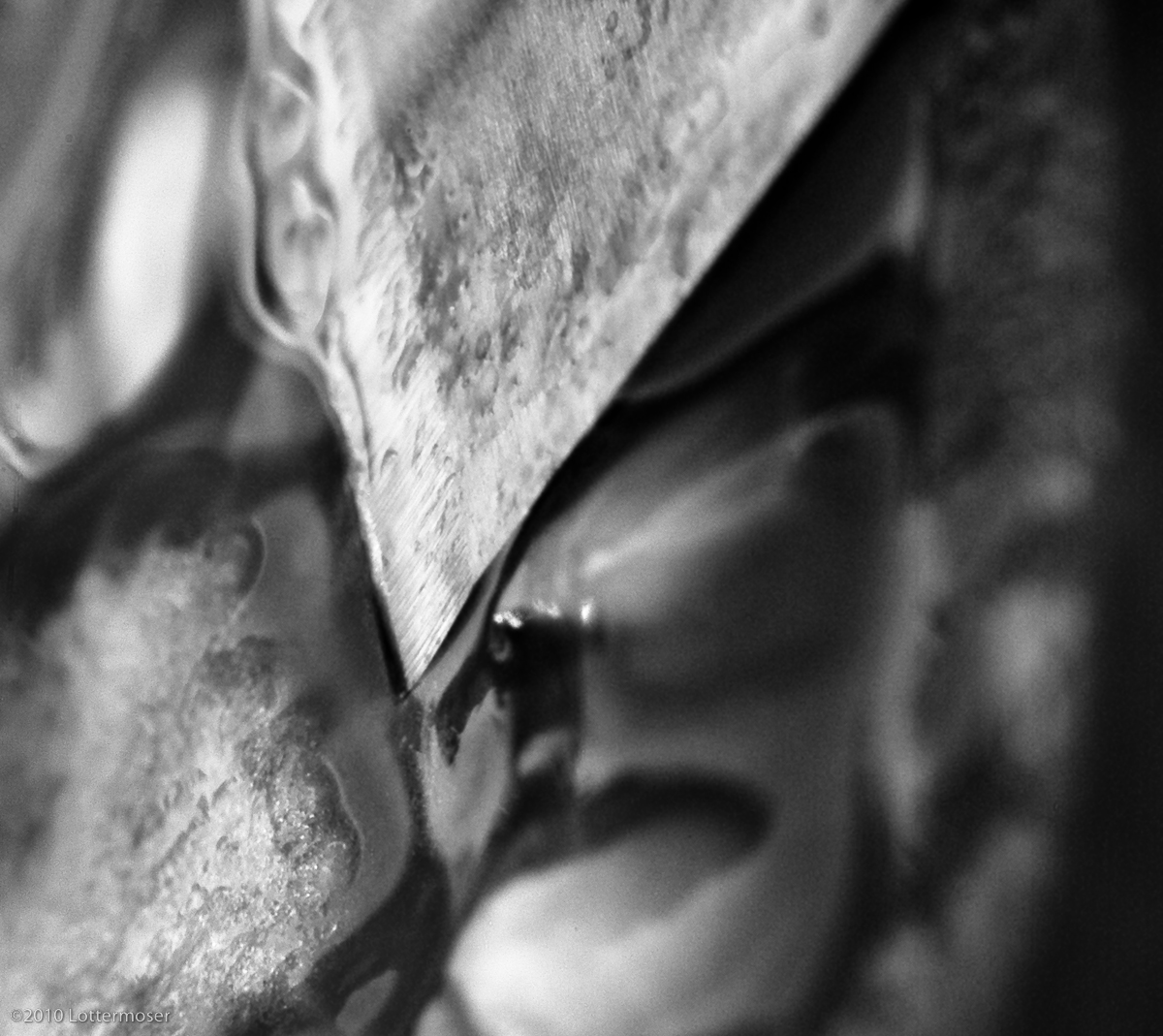
Leica R8/DMR, 65 mm Elmar on R Bellows
Why did I make this photograph? Because: I really enjoy the process; the looking hard; the hands and eyes on equipment; the light; the variations; the post processing; and finally — the simple pleasure of looking at the image — that extremely thin slice — allowing my eyes to roam around it. For me this image has qualities akin to a beautiful charcoal drawing. It’s also very personal. I’ve thought about photographing this, or similar event, for years. Yesterday, when I finally attempted to capture some of those thoughts, it didn’t go at all as imagined. The photograph I had in my mind did not appear. That idea served only as a catalyst to work — to arrive at this unimagined photograph. While working I enjoyed memories of reading Edward Weston’s day books; and how he chose and worked with his pepper; finally placing it in a tin funnel to arrive at the final, iconic photograph.
The macro (and even micro) world attracts my attention (again and again); wanting to get ever closer; seeking to discover forms, shapes and lines which my naked human eye fails to appreciate. The constant struggle to achieve both depth and visual poetry simultaneously frustrates and seduces the optical explorer of the world; whether one travels the globe or looks within a few inches of this amazing planet. So I continue to peek through my old Bausch & Lomb binocular microscope, and try every lens, tube, bellows and sensor I have, to discover an occasional aesthetic slice out of 10 to 50 mm of space and 1/100th to 1/1,000th of a second of time.
“The details are not the details. They make the design.” — Charles Eames
This particular “event” surprised this small world traveler and momentarily satisfied the insatiable curiosity which keeps him constantly searching for the next discovery.
(click image for larger view)
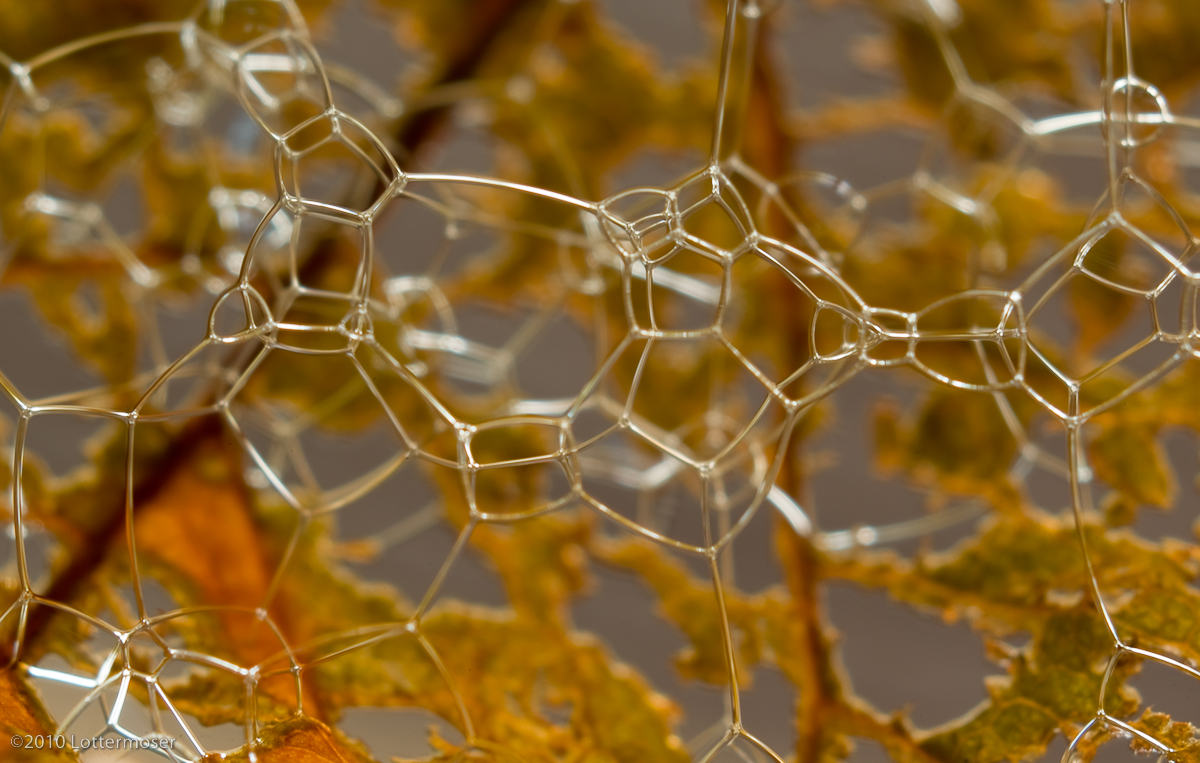
R8/DMR, 100 mm apo macro elmarit on bellows with maximum extension
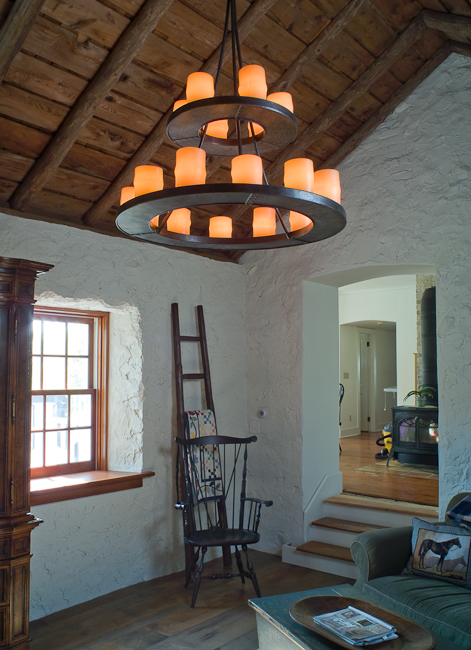
Back in May I had the opportunity to photograph a chandelier designed, forged and fabricated by Nathaniel Reinartz. In his portfolio catalog Nathaniel describes it as mild steel, fire scale and beeswax finish, diameter: 36” height: 48”. The wax lamp shades have each taken on its own subtly different shape from the heat of the electric lamps and provide the feeling of warm candle light. Nothing quite like having artists create functional work specific to a site — whether an architect designing a building, a metal smith designing a lamp, a graphic designer working out elements for a web site, or a photographer providing images for a site.
Upon arriving at the location I felt immediate appreciation for how beautifully the piece integrated with its surroundings. Not knowing what either the piece or environmental conditions would require I brought three Elinchrom studio strobes with various umbrellas and soft boxes; but needed to use only one light in an octagonal soft box to achieve some highlight modeling on the right side of the chandelier’s two rims.
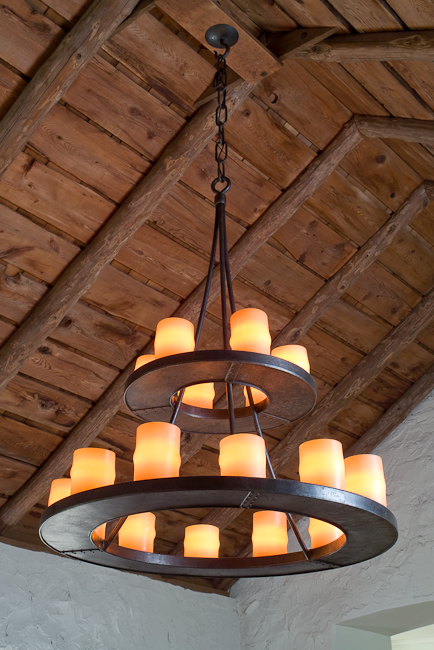
Leica R8/DMR, 35 mm Summilux
Leica R8/DMR, 21 mm Super Angulon
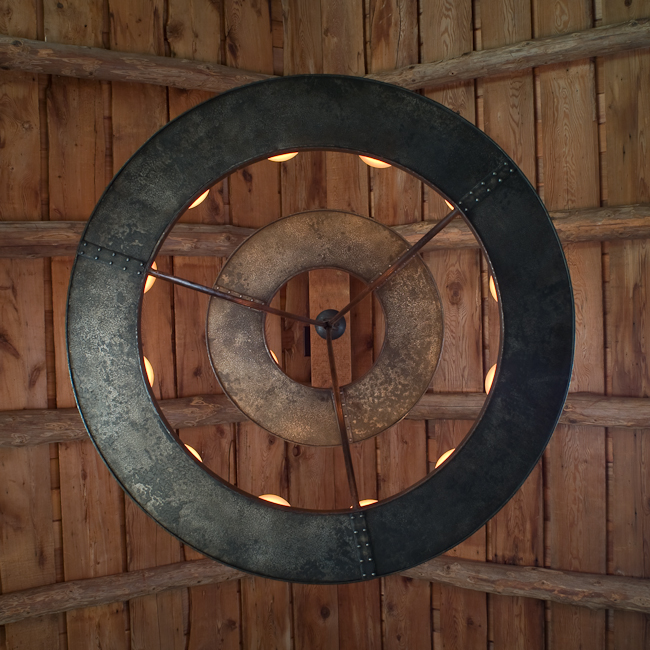
Leica R8/DMR, 60 mm Macro Elmarit
A couple weeks ago Seth Tyler completed two chandeliers. In this particular case Seth felt a “neutral” background would be preferable to their installed environment. We met to discuss how best to photograph them in the studio before they were permanently installed in the commissioner’s home.
So the challenge begins with questions like, “Do you want the illusion of a ceiling meeting a wall? Or the look of a ceiling meeting two walls (as in a corner)? Or the feeling of a studio sweep (more of an abstract space)?” Each of these possibilities requires a different approach to set design and construction as well as lighting; and of course budget in terms of time and materials. We must also consider the space limitations of my two relatively small shooting areas. In the end we decided to create an “upside down” sweep using a 4×10 foot sheet of gray Formica which I had in inventory; with the bottom edge held firmly in the channel of my Foba shooting table; we had only to figure out how to suspend the other 10 feet. When creating studio sweeps gravity is normally your friend. Gravity becomes your enemy when turning the sweep upside down. To save “my” time I drew up a suggested frame design that Seth could build and bring on the day of the shoot. But on the day we stood in my studio, discussing that approach, we also started pulling out nearly every light stand, clamp, and horizontal pole support I own. Three hours later we had the sweep inverted and needing only a 2″x4″x8′, properly drilled, to mount the chandeliers to. Lighting through the maze of light stands was, of course, yet another challenge. (additional chandelier details and lighting options can be seen in this slide show).
(click image for larger view)


Leica R8/DMR, 60mm Macro, (additional image slide show includes 100 mm Apo Macro)
(click image for larger view)

snow will soon cover the paths
walked with Sophia
and ice the river
from which this mandala emerged
her fourth fall
my sixty third
(click image for larger view)
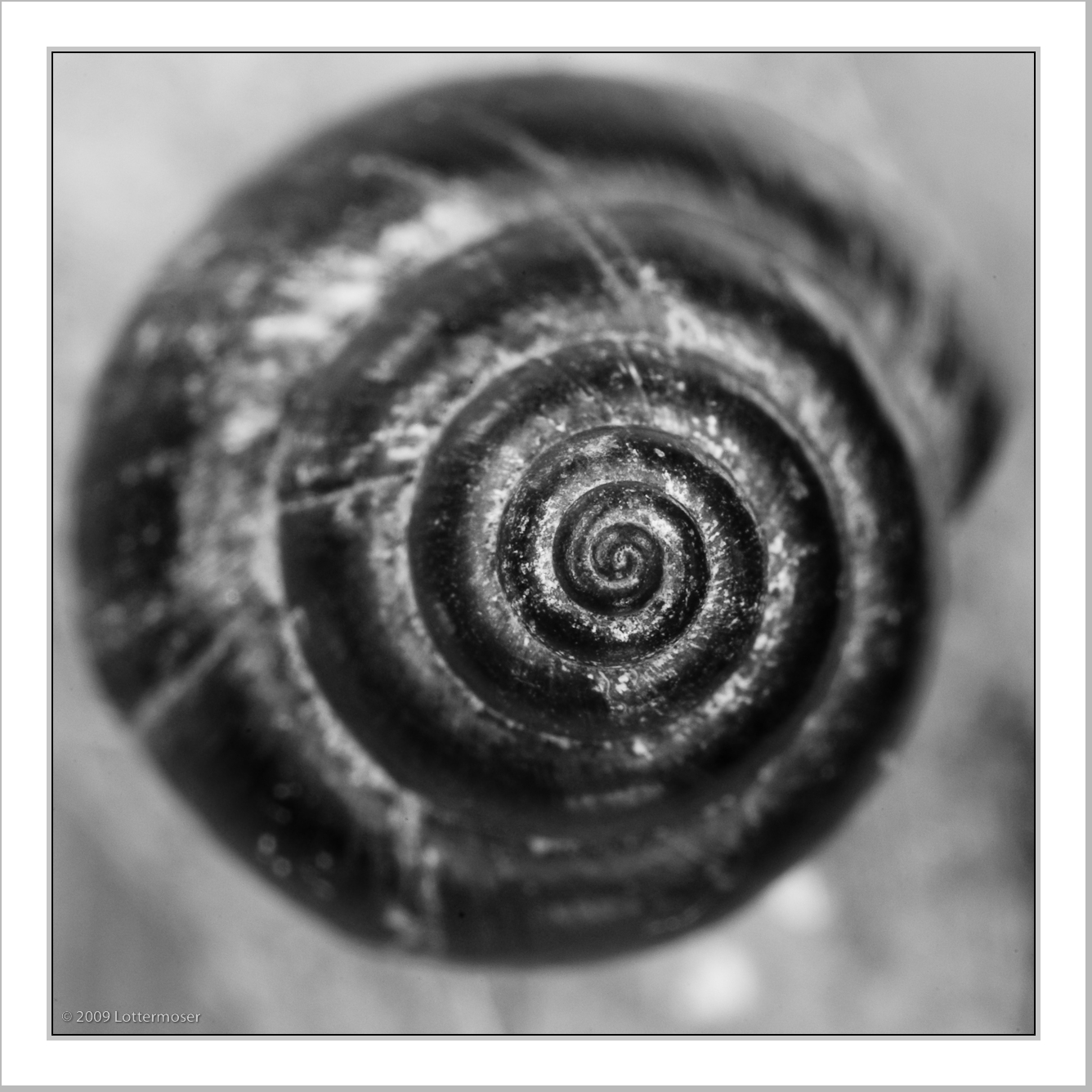
Leica R8/DMR, 60 mm Macro Elmarit