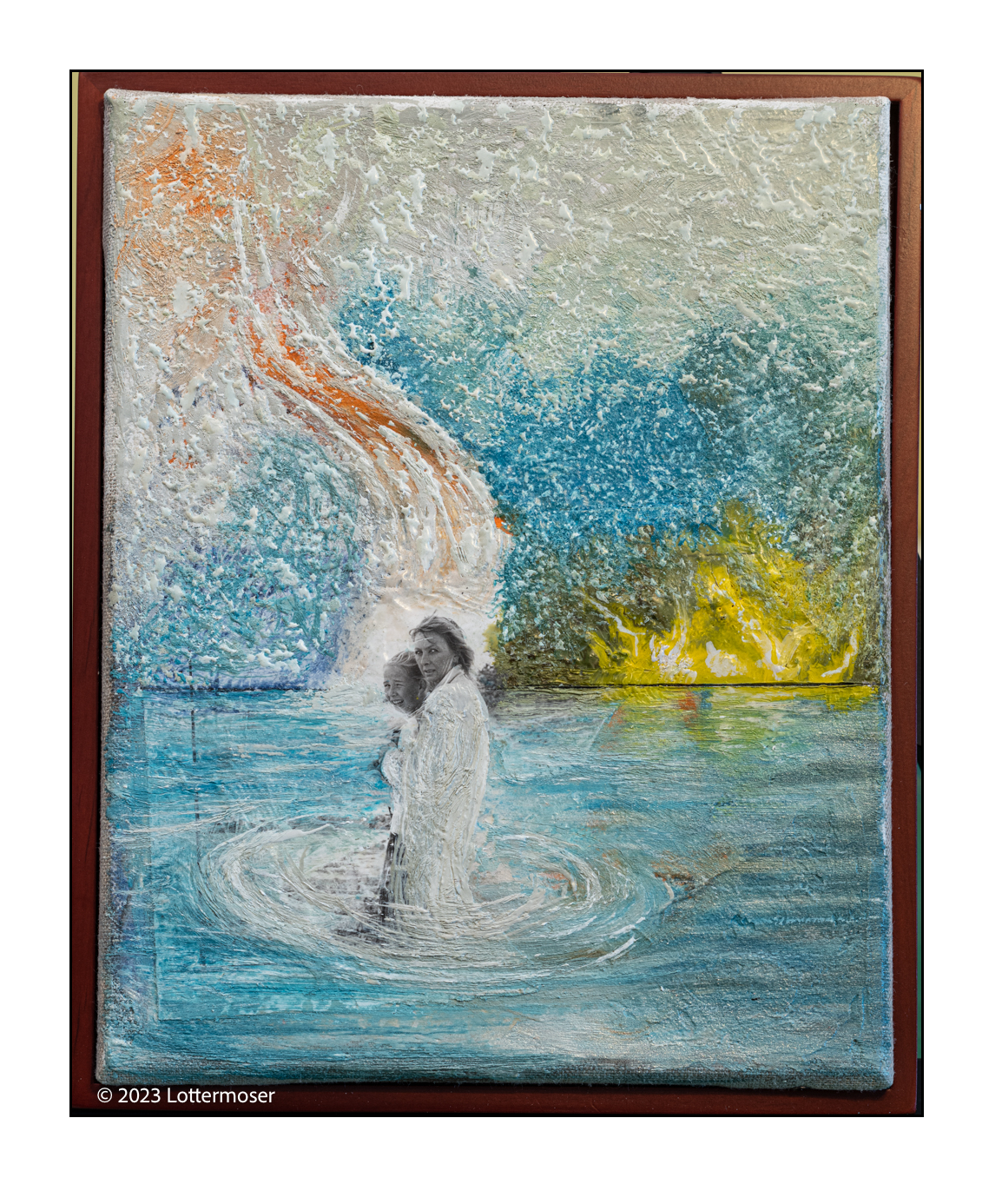
…the working title of this recently completed encaustic painting.
Though words seem to interfere with visual aesthetic experience:
 (click image for larger view)
Encaustic paint, on stretched fabric, and RC silver print, ruined by flood.
I found myself unable to throw away this particular scratched and ruined print,
with the others which were laminated to it by moisture.
I’d soaked the stack for days; hoping to separate and save the memories.
This photograph was made on the Eastern shore of the Great Lake Michigan;
sometime around 2005; give or take a few years.
This encaustic painting was created on the Western shore of the Great Lake Michigan in 2023.
Category: Business News
What’s happening?
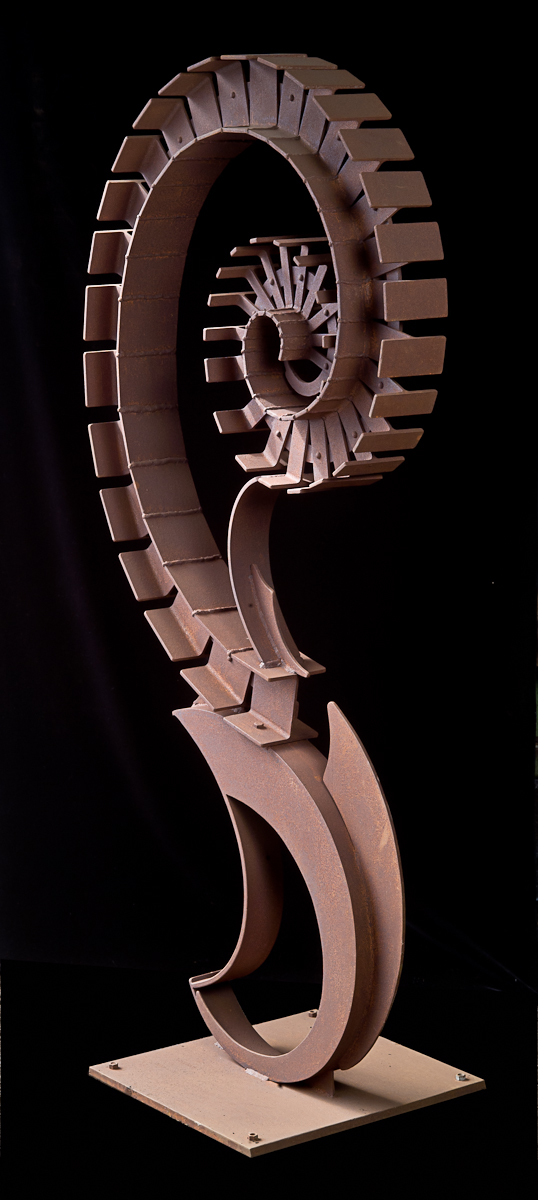
Diversion… by Dan Nauman
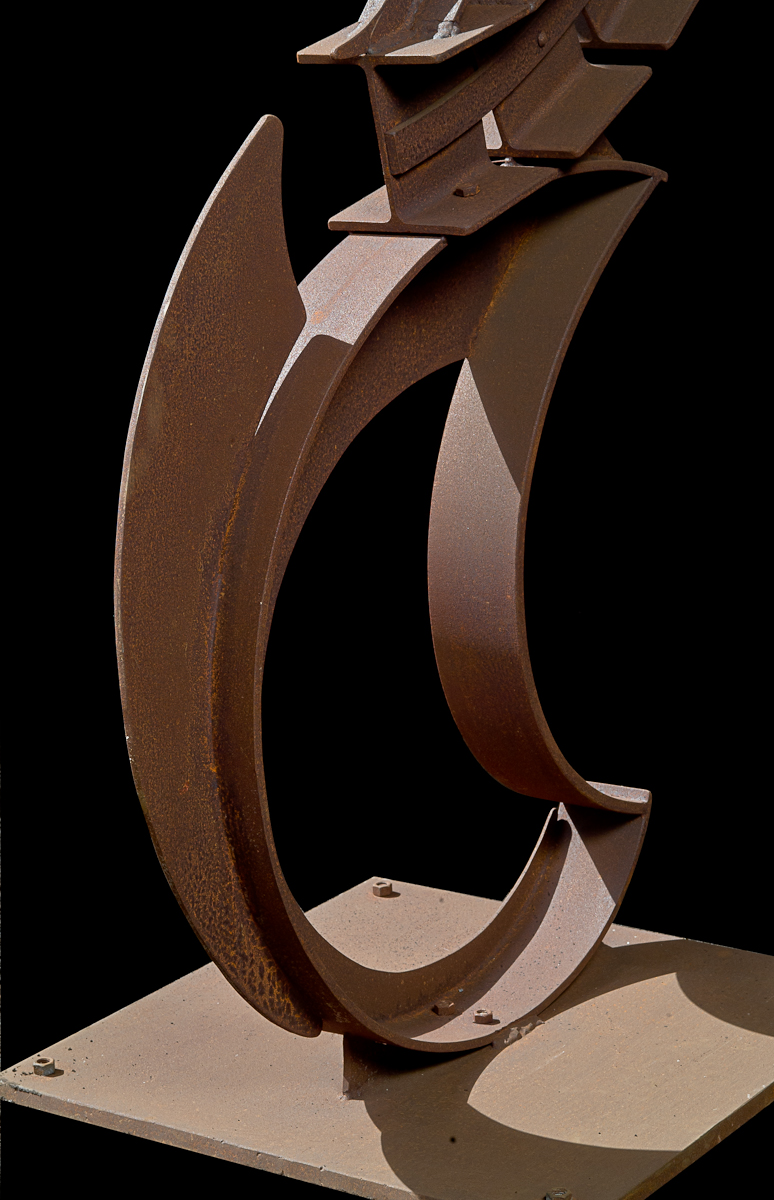
Dan Nauman delivered his new sculpture, Diversion, to Edgewood Orchard Gallery in Door County last week. Before loading it into the truck we photographed the work at his shop. The work stands 88″ tall, 48″ wide, and 6″ deep.
(click photograph for larger view)
Leica R8/DMR, 60 mm Macro Elmarit
Dan Nauman picked up his prints. Where are the artist’s salons?
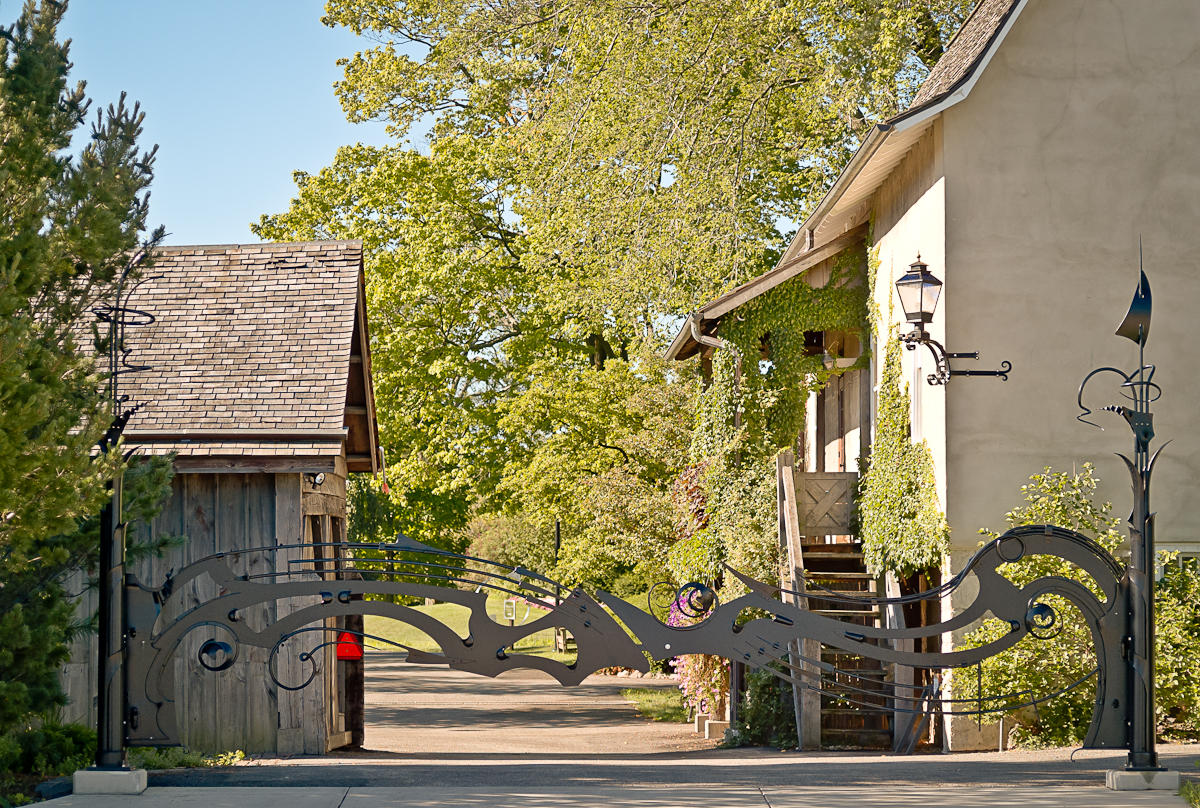
This morning Dan Nauman, of Bighorn Forge, picked up three prints to represent his Lynden Sculpture Garden Gate in a competition. I’d photographed the main west Gate for Dan back in early August of last year. Below – you can see the photographs Dan chose for the competition. You can see the rest of the shoot as well, including the east, exit gate here.
We had a wonderful conversation about art and artists, craft and craftspersons. The last couple times Dan and I have been together we talked about the importance of exchanging ideas; talking to other artists in other mediums; critiques; etc. I’m currently reading Patti Smith’s Just Kids. I’m at the point in the book where she and Robert Mapplethorpe are living in the Chelsea Hotel – one of the artistic salons of the 50s, 60s, 70s – reminiscent of the Left Bank of Paris in the 20s – and reminding me of my own experiences in the 60s and 70s on the east side of Milwaukee.
Some many years ago I managed to get a couple salons together. A small group – a novelist, a poet, a couple singer-songwriters, a photographer – got together to sing, read, look at photographs. It was good fun. I’d like to do more like that. How about you?
As Dan walked out the door I asked him, “When, where and whom should we invite to the first artist’s salon of 2013?” And now I throw it out to you all – Want to get together with other “creatives?” Show and tell? Challenge one another? Let me know when and where you may like to do so. Let’s make 2013 a creative year of sharing.
(click photograph for larger view)


Leica R8/DMR, Various lenses
Interior panorama
two horizontal frames, using 24 mm focal length, merged.
(click photograph for larger view)

Canon 5D, 24 – 70 mm L US
What are friends for?
Wendell Berry wrote, “Lovers must not, like usurers, live for themselves alone. They must finally turn from their gaze at one another back toward the community. If they had only themselves to consider, lovers would not need to marry, but they must think of others and of other things. They say their vows to the community as much as to one another, and the community gathers around them to hear and to wish them well, on their behalf and its own. It gathers around them because it understands how necessary, how joyful, and how fearful this joining is. These lovers, pledging themselves to one another “until death,” are giving themselves away, and they are joined by this as no law or contract could join them. Lovers, then, “die” into their union with one another as a soul “dies” into its union with God. And so here, at the very heart of community life, we find not something to sell as in the public market but this momentous giving. If the community cannot protect this giving, it can protect nothing…” — Wendell Berry, from Sex, Economy, Freedom, and Community (He also published a collection of essays titled What Are People For?)
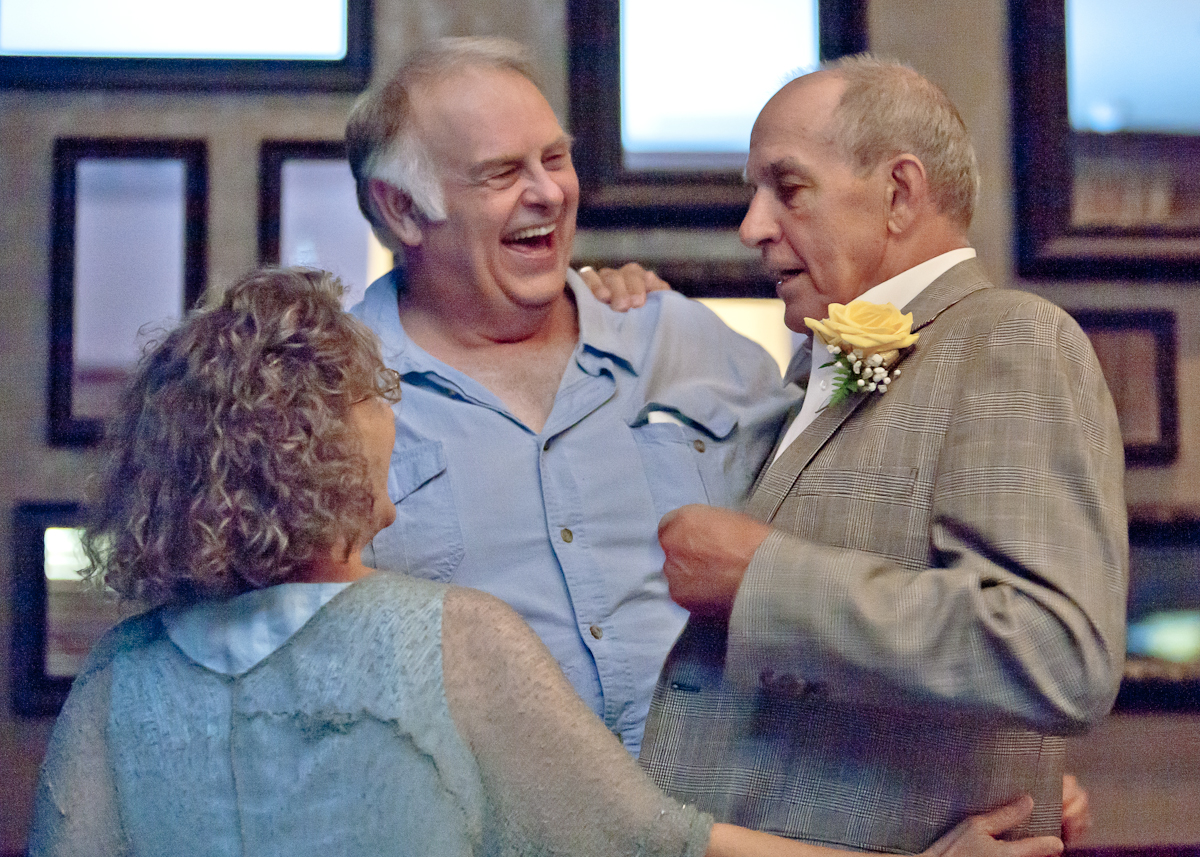
This photograph of my friend Doug, with a couple friends, at his 50th Wedding Anniversary dinner seems to express all this.
(click photograph for larger view)
Canon 5D, 70 – 200 mm L USM IS
A new web site requires new photography
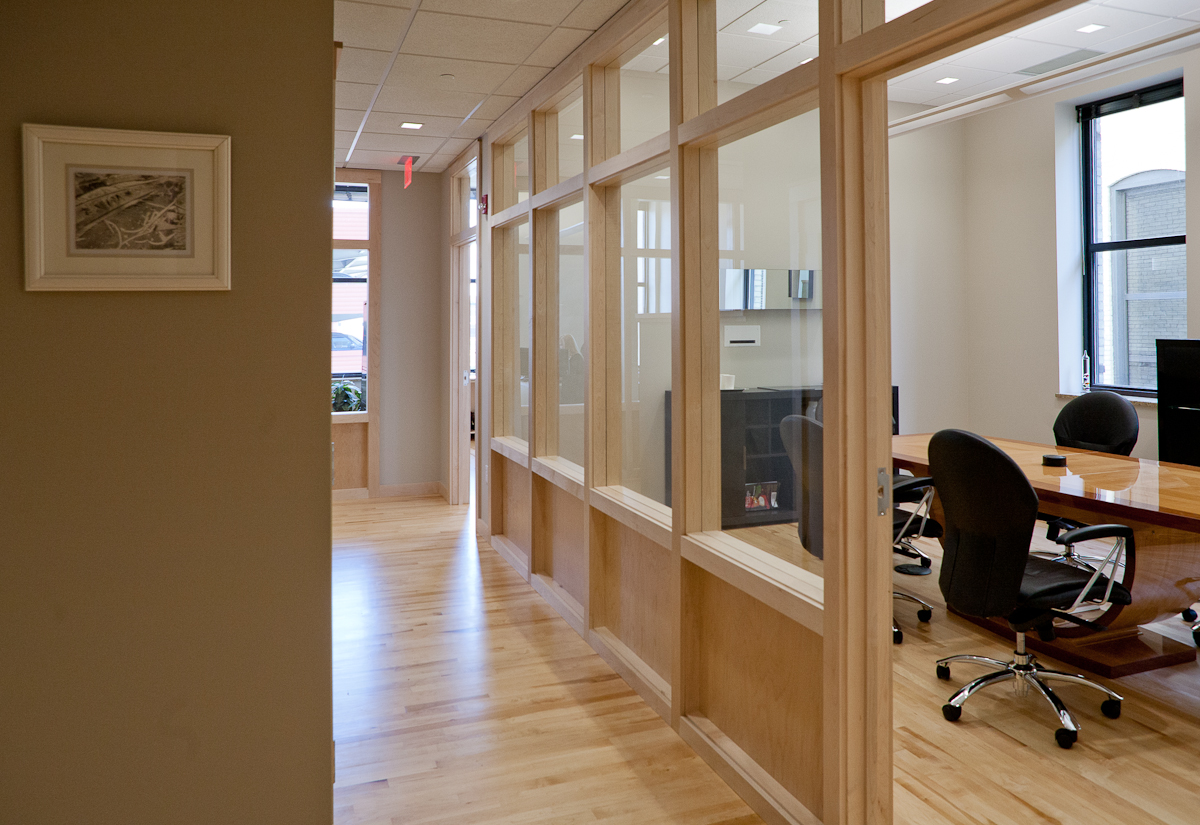
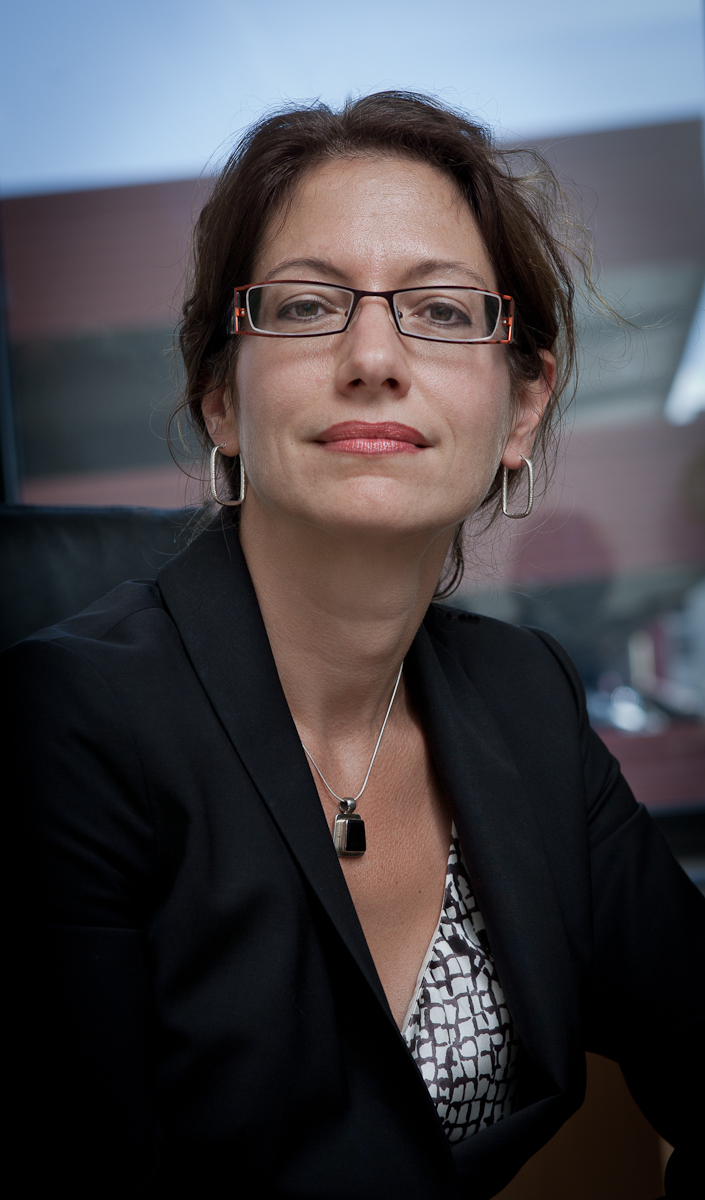
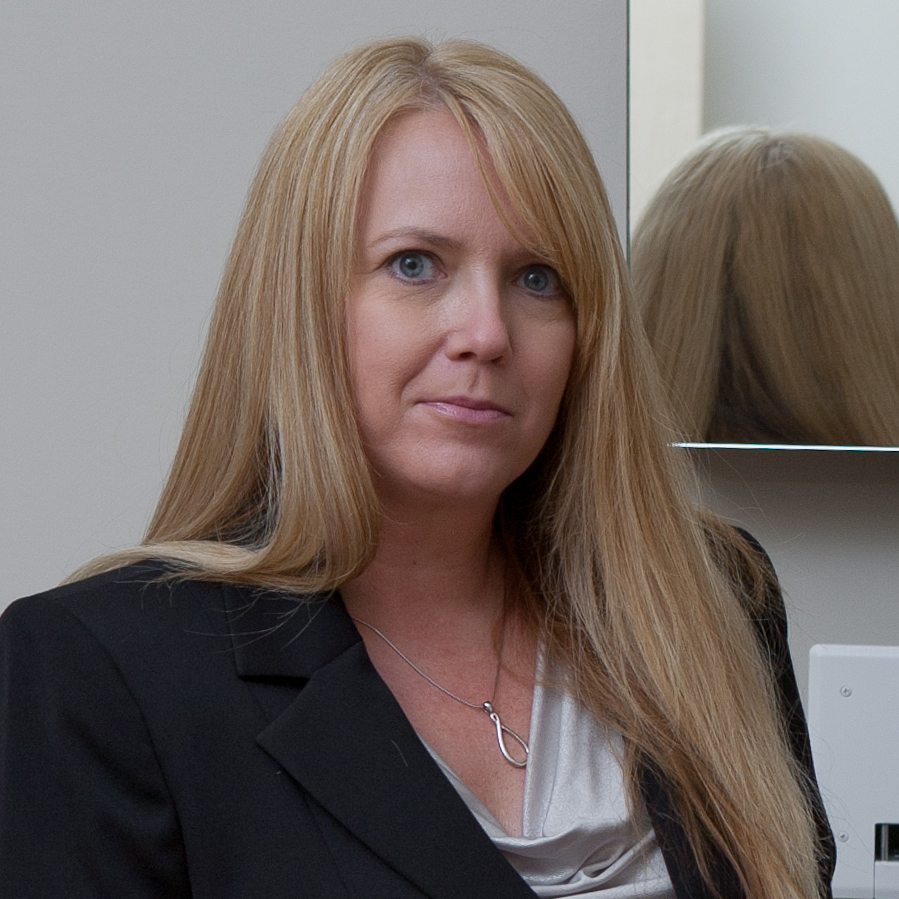
Ivanovic Law Offices will soon launch their new web site and I had the honor of providing some new photographs for the site. I’ll return when the finished signage is installed.
(click photographs for larger view)






A new Fireplace Tool Set by Dan Nauman at Bighorn Forge
Inspired by the Arts and Crafts movement, Dan Nauman created this, 43″ tall, Fireplace Tool Set using mild steel, copper and mica. Additional photographs of this piece can be seen here.
You can see more of Dan’s work here; and follow his blog here.
(click photograph for larger view)
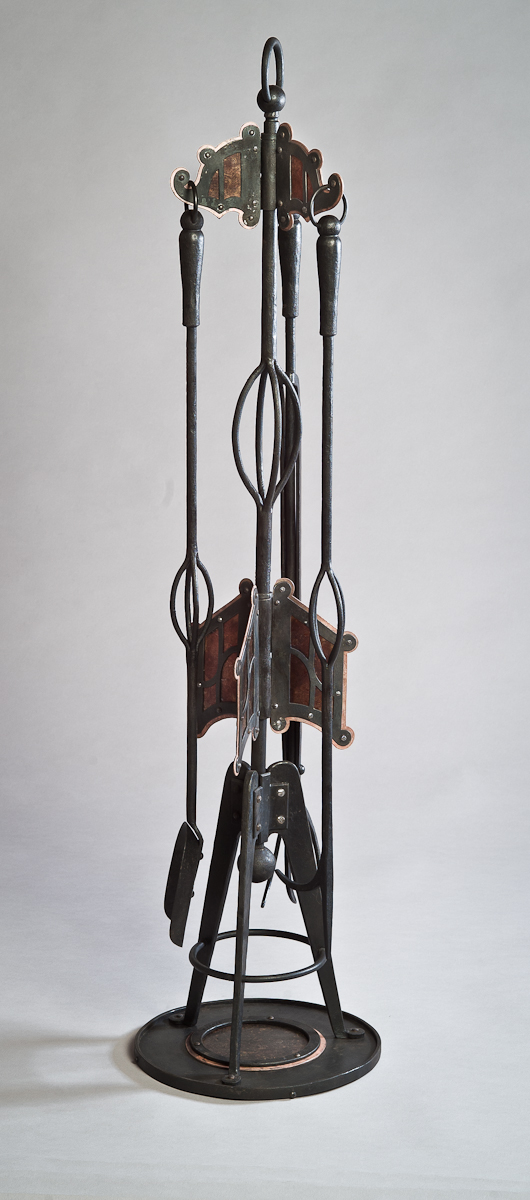
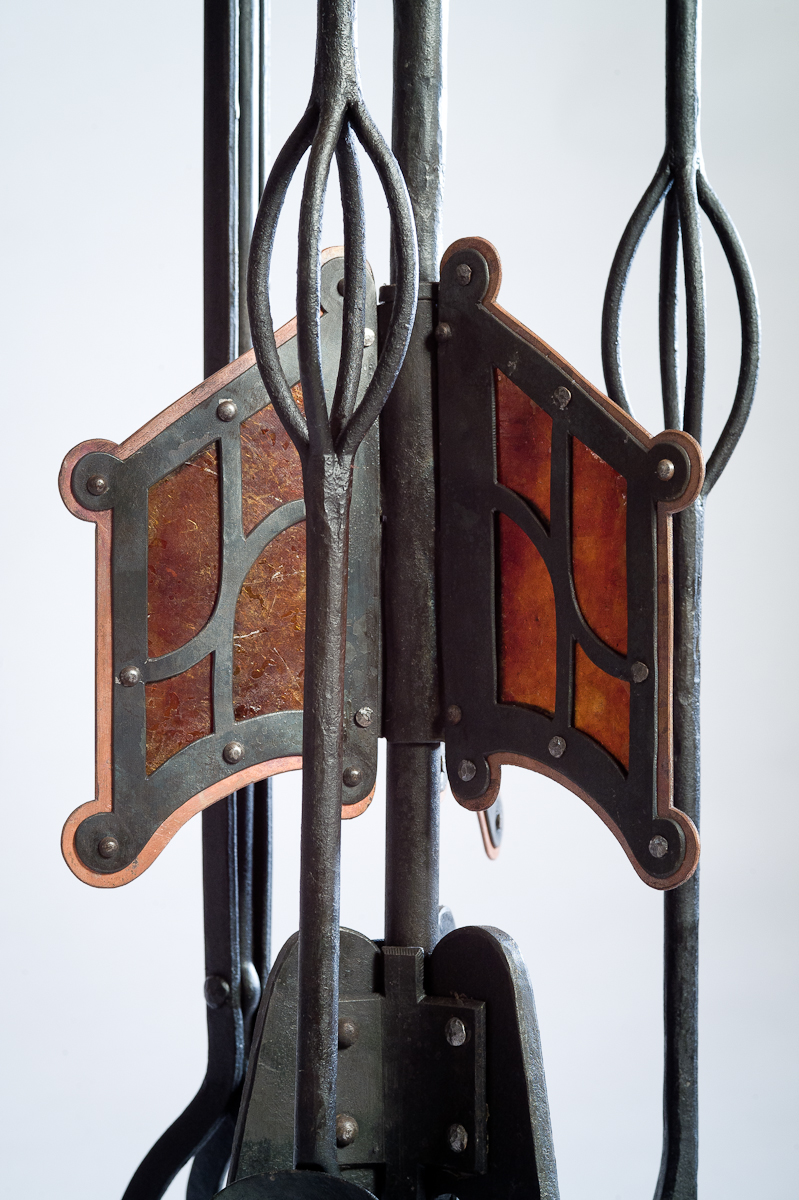
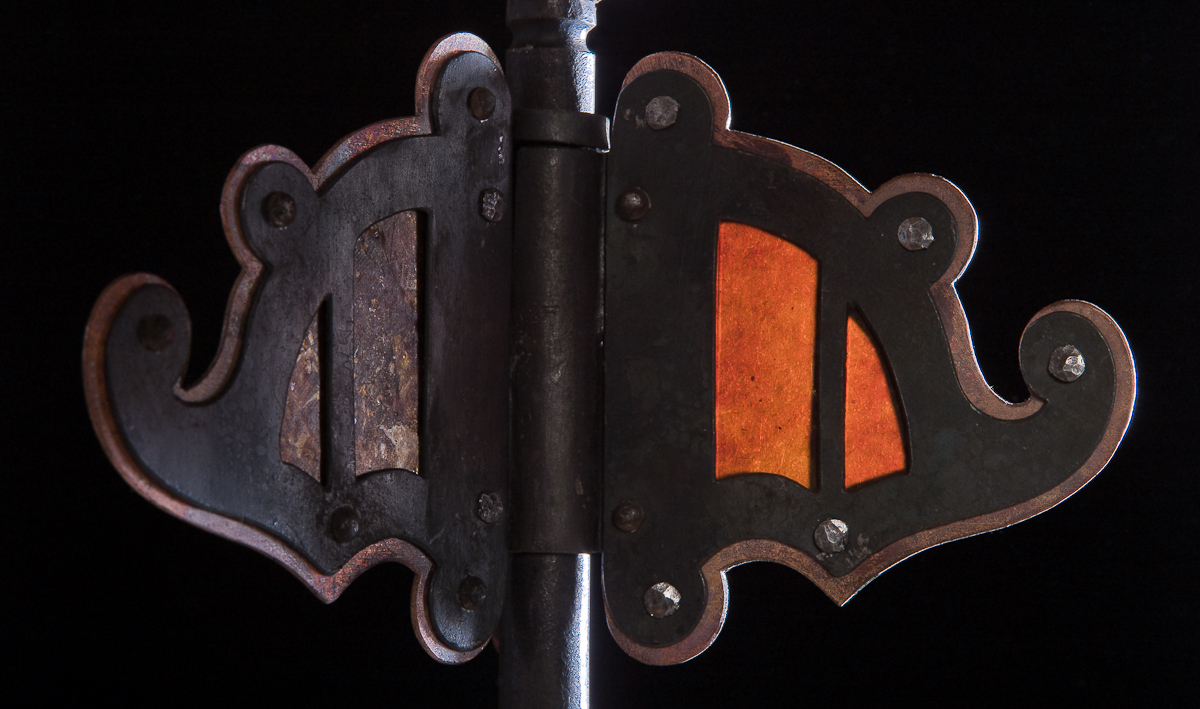
Leica R8/DMR, 60 mm Macro Elmarit
Friday: Food
Working with the Balzac Restaurant, Milwaukee, WI
Great food and spirits served in a casual, intimate setting.
(click photograph for larger view)
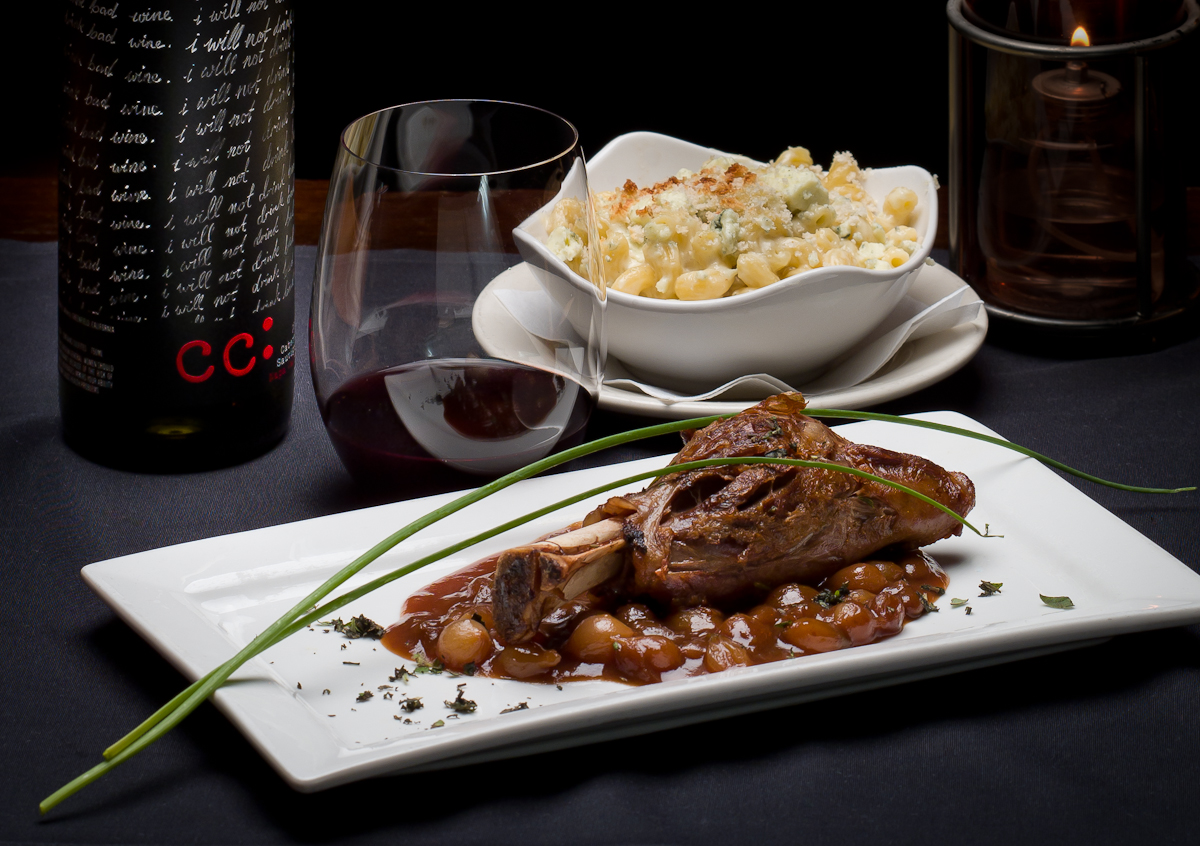
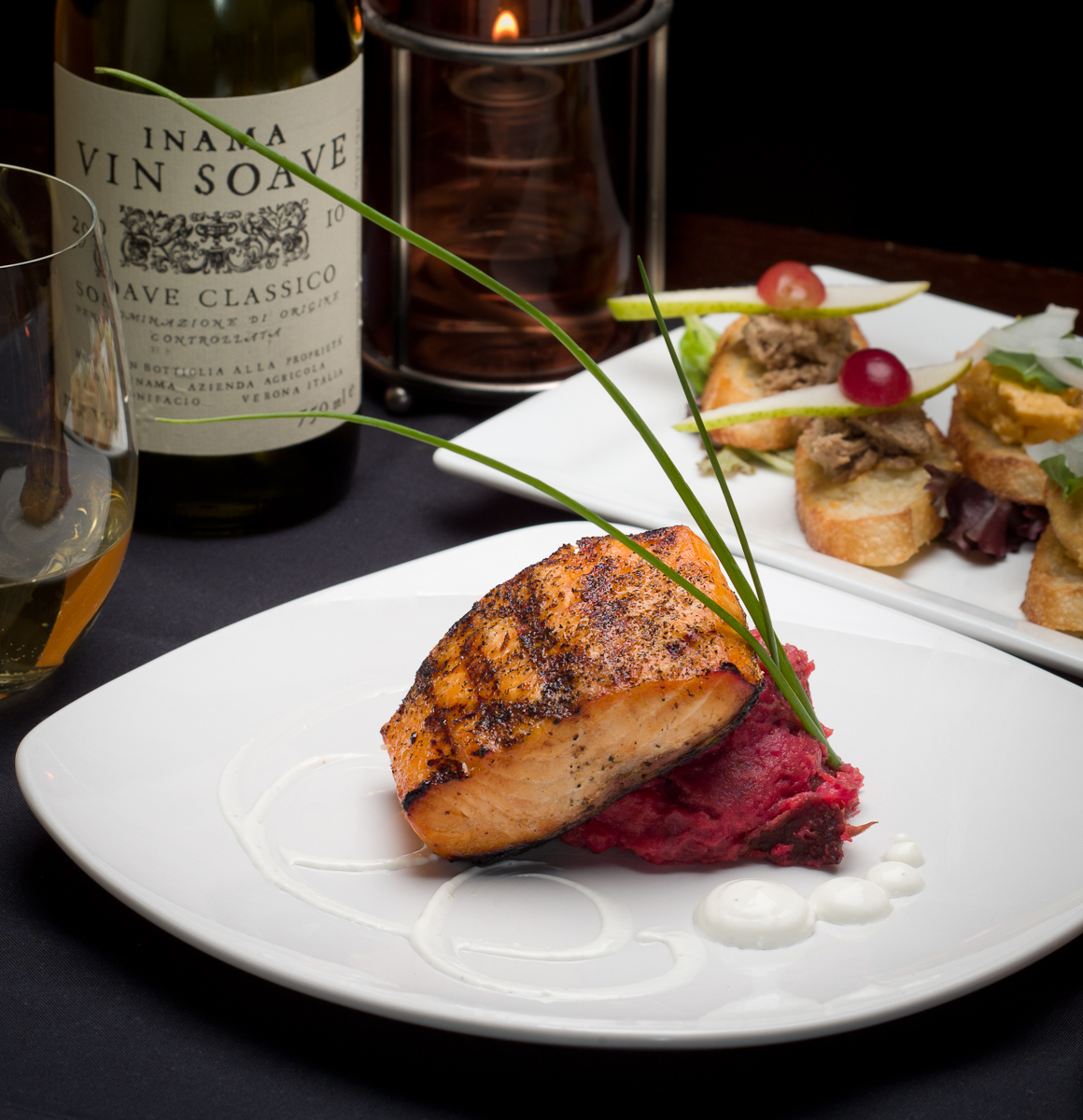
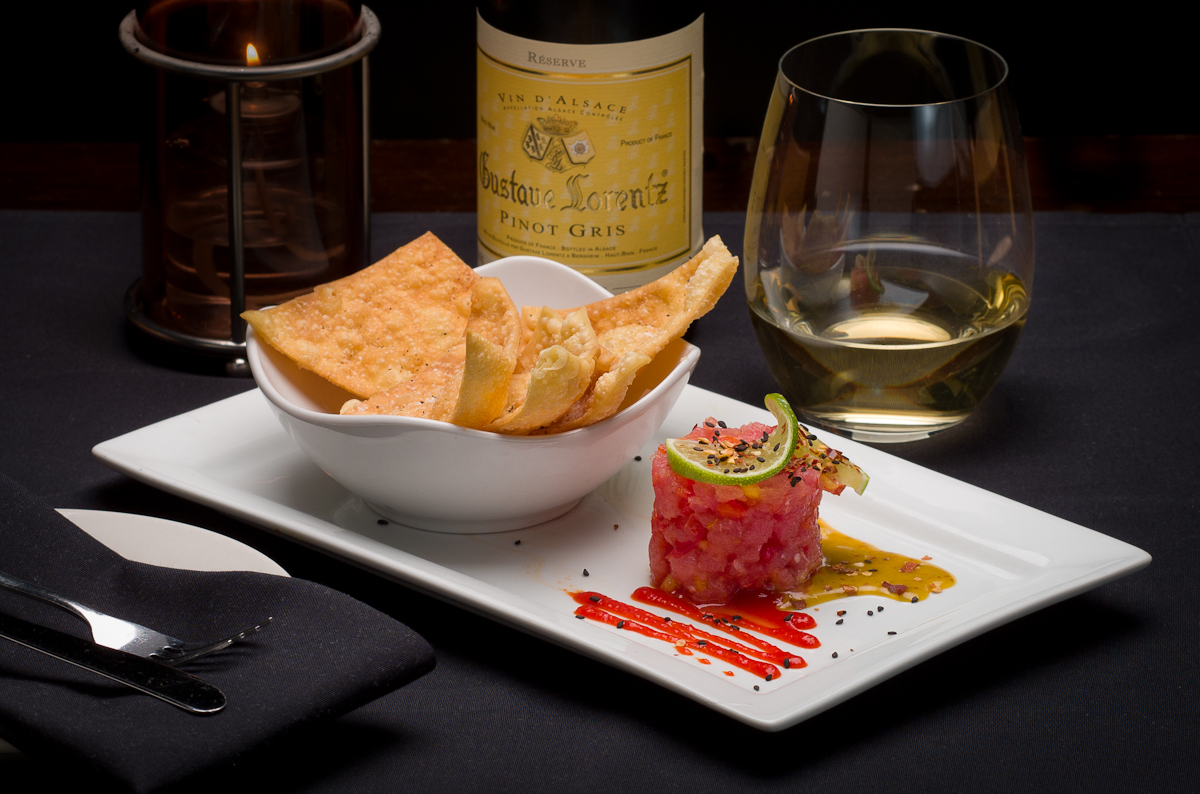
Leica R8/DMR, 100 mm Apo Macro Elmarit
The Occupy Message

Do not ignore the [extreme] income disparity
Get smart
Take the money out of the politics
End corrupt government
Help those in need
Recall corrupt officials when and where you can
Keep corporate hands off government
Stop greed
Wake up
End corporate “personhood”
Stop funding war
Start funding education, health and safety
Repair and maintain existing infrastructure
Design/build a strong, modern infrastructure
End corporate gangster activity
Put these issues on peoples screens.
Educate, inform, discuss.
Speak and write clearly.
Know your issue(s).
Apply pressure to government officials:
through numbers, petitions, voter registration and votes.
Remove the “evil doers.”
Install those who “care” about “we the people.”
Get yourself some Occupy Love and Get Occupied

Let’s face it. We threw the jobs out with the adoption of new technology
For the last month I’ve engaged in the process of going through and throwing away almost 4 decades of color and black & white negatives, transparencies, polaroid prints, layouts and key line mechanicals on illustration board, as well as final separation films for advertisements, catalog sheets, posters, and annual reports. Each of the thousands of color negatives had with it a note from the custom lab printer (complete with his or her name).
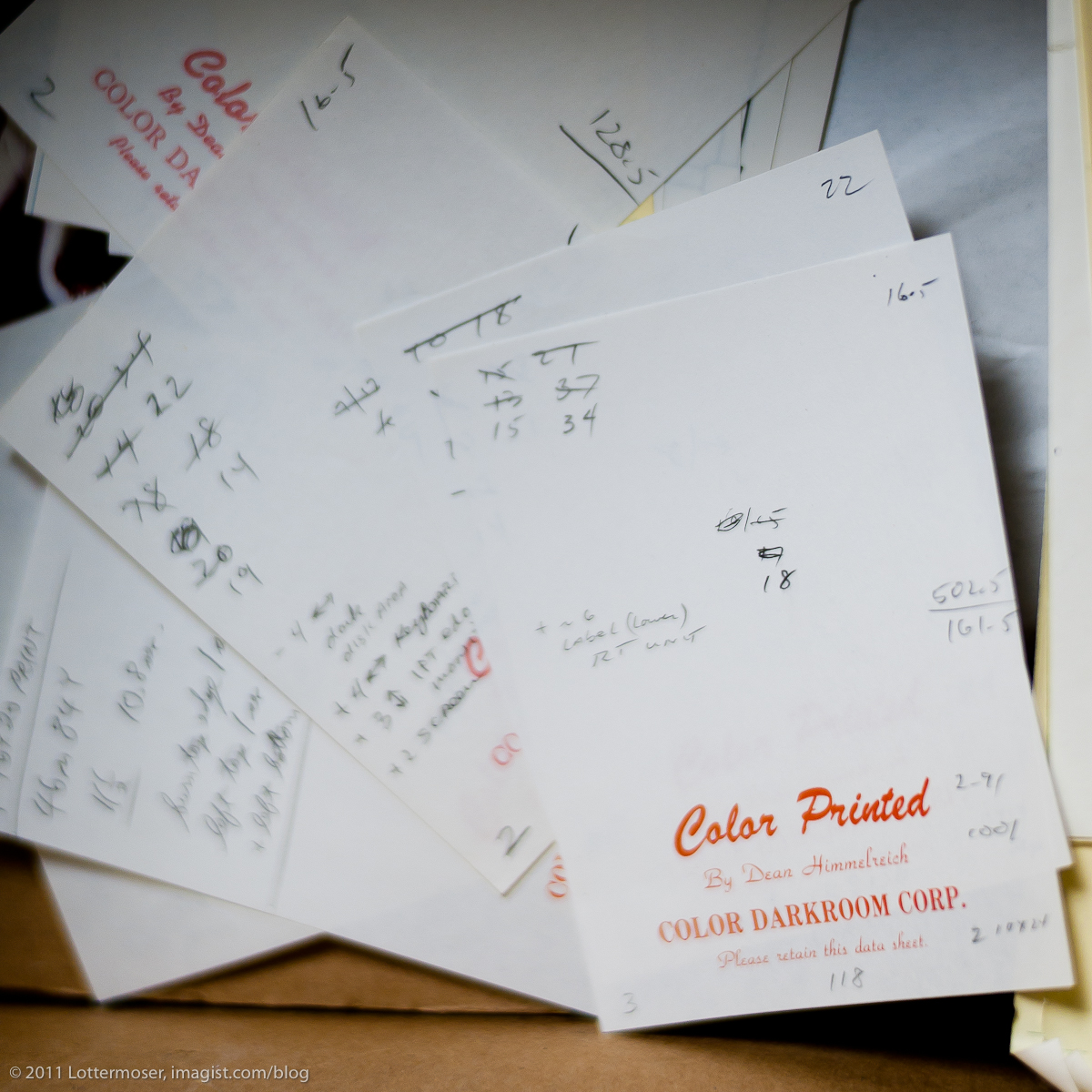
During this process of thinning the files I found myself reliving (or at least remembering) each photograph; each marker drawing during concept development; each meeting with the client; each run to: the lab to drop off exposed film and pickup the proofs and reproduction prints; the art supply stores for inks, pens, boards and cover sheets; the typesetting houses with layouts and copy all specced out in the margins; the professional photography stores for cases of sheet film (of the same emulsion number to insure color balance). It became very clear that I was a “job creator.” Our greater Milwaukee market supported 4 professional art supply stores, 3 large professional photo stores and half a dozen professional labs, numerous airbrush retouchers, typesetters and many hundreds of stripping light tables. These facilities employed thousands of people (basically doing highly skilled “hand work”).
Clearly these shifts in technology have done away with a whole lot of jobs. Some of them highly skilled — others, just as important, not so skilled. Every little advertisement we did in the 60’s, 70’s and early 80’s was touched by at least a half dozen people — from the person selling us the markers, pens and inks to the folks making and selling us the films and prints. By 1986 we began setting our own typography on our Macs though still requiring high resolution printouts by prepress departments and still requiring “pasteup” and “process camera” work and stripping. Though a couple years later it was all happening in the computer and we simply sent disks for printing out film ready to burn to plates. The typographers and strippers — gone — along with the manufacturers who made the typesetting and stripping materials and equipment.
The digital revolution in photography did away with the film, film manufacturers, Polaroid, local pro photo stores and labs; as well as the manufacturers of the professional lab equipment. Now it all happens on our desktops; including majority of our own retouching. We’re down to one art supply store. No reliable labs and one semi-professional photo store. And this is just the graphic arts industry.
For the last decade I’ve received several calls per month from “off shore” sources offering “design” services for $10 or less per hour. I watch ads on TV which offer “web site design” for “free.” In other words offering to do my job for far less than I can reasonably offer to do the same work. What was once highly skilled work requiring “local talent” has become a commodity of little value which can be done anywhere in the world at a small fraction of what we consider a “living wage.”
The off-shoring of jobs certainly plays a big role in the current unemployment rates — so also do the rapid changes in technologies — and our adoption of them — across all industries.