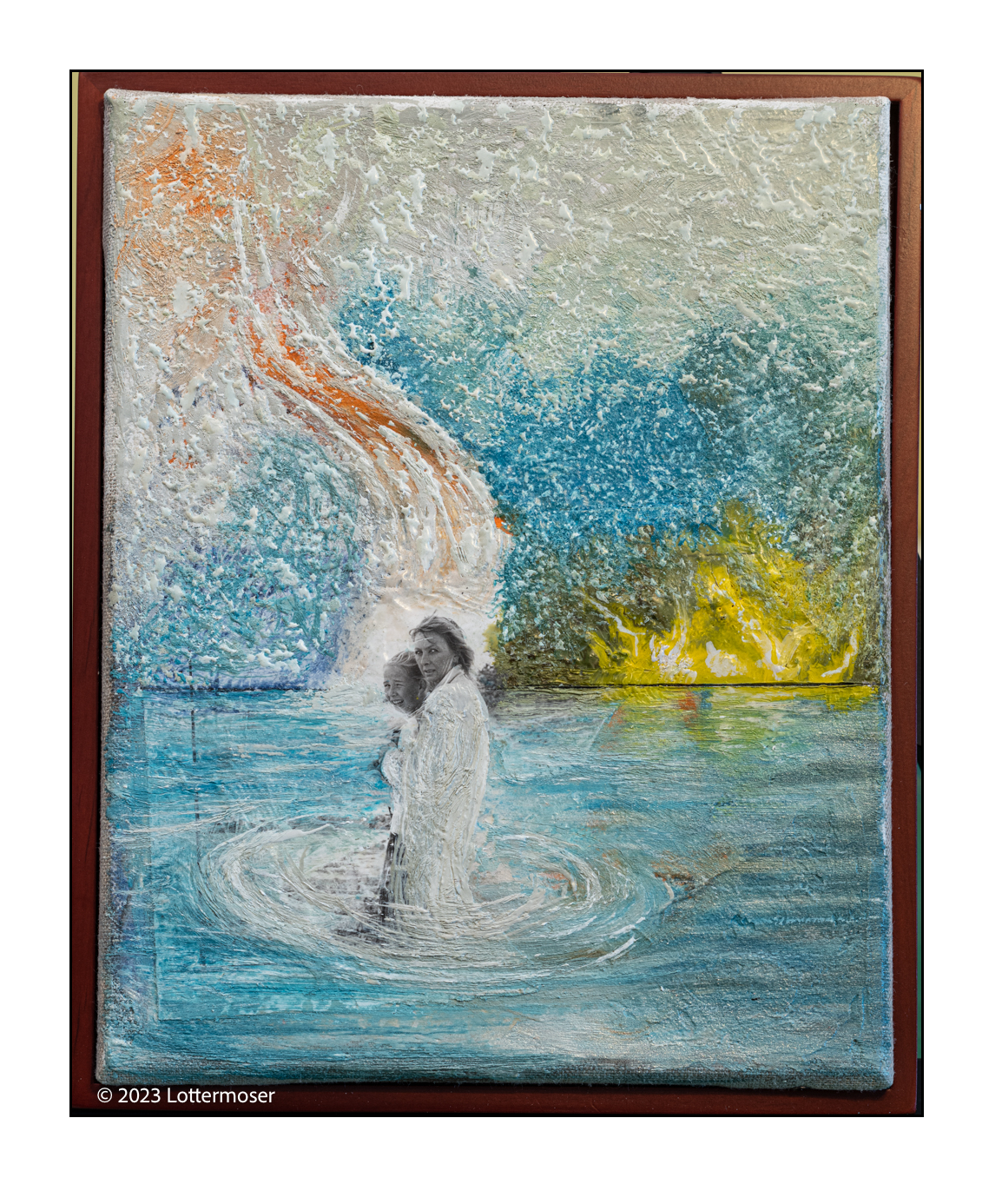
…the working title of this recently completed encaustic painting.
Though words seem to interfere with visual aesthetic experience:
 (click image for larger view)
Encaustic paint, on stretched fabric, and RC silver print, ruined by flood.
I found myself unable to throw away this particular scratched and ruined print,
with the others which were laminated to it by moisture.
I’d soaked the stack for days; hoping to separate and save the memories.
This photograph was made on the Eastern shore of the Great Lake Michigan;
sometime around 2005; give or take a few years.
This encaustic painting was created on the Western shore of the Great Lake Michigan in 2023.
Category: Drawing
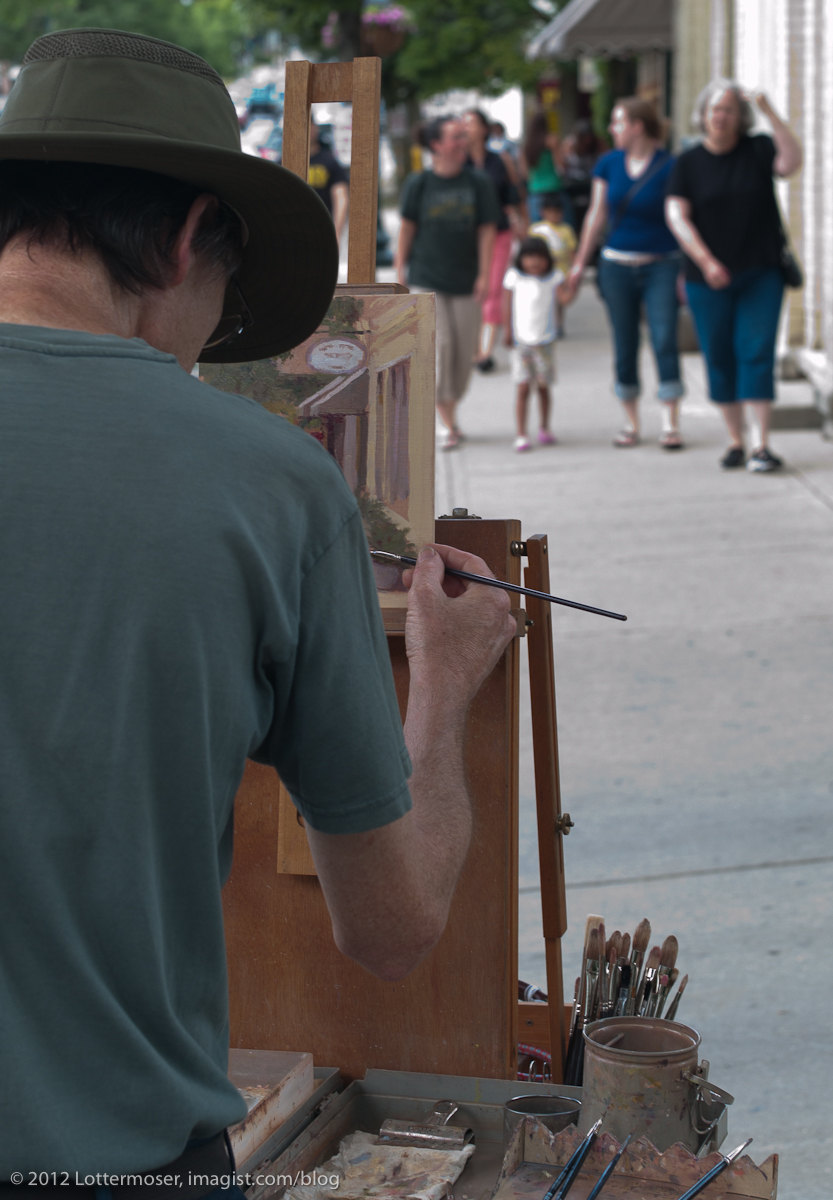
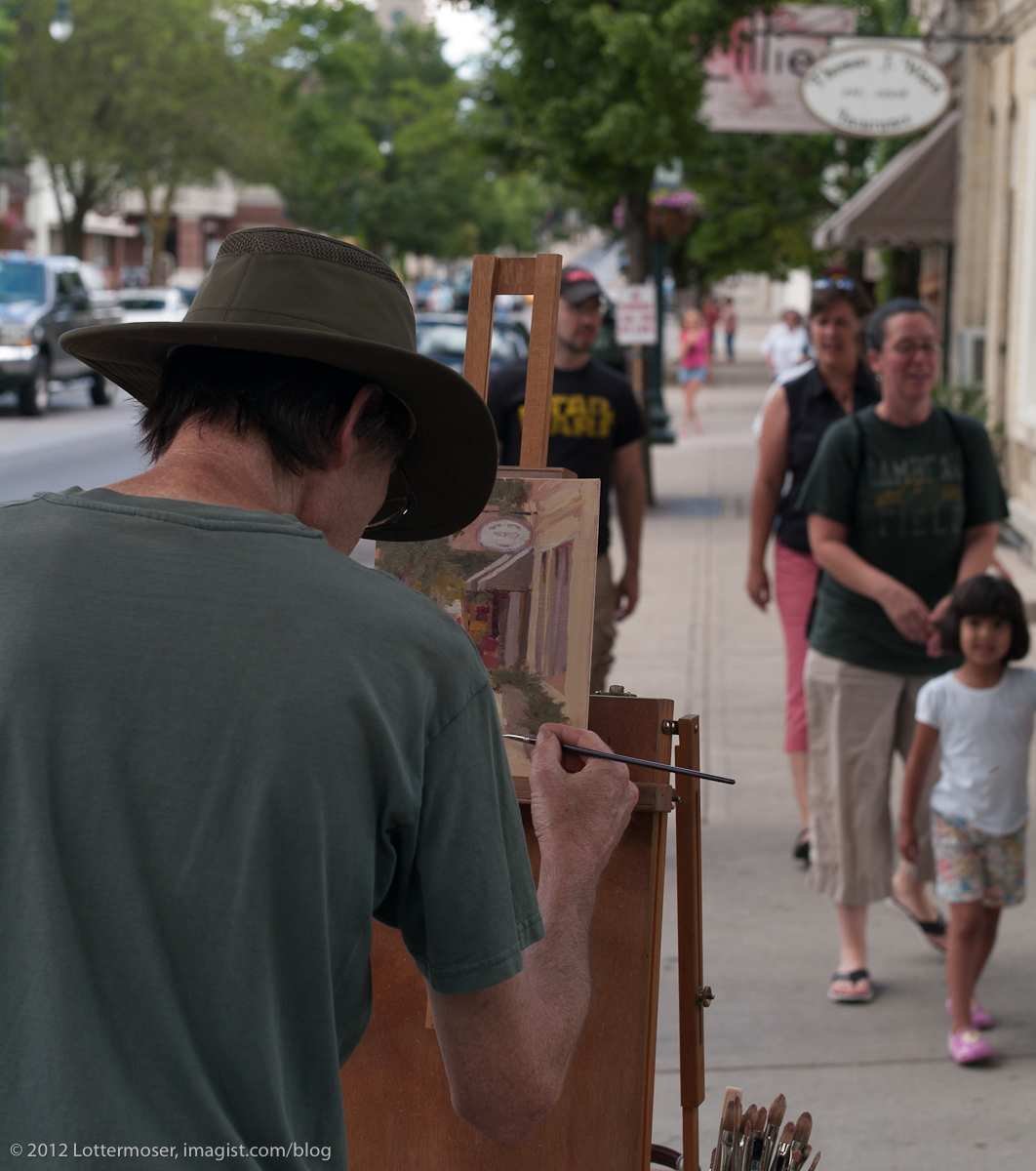
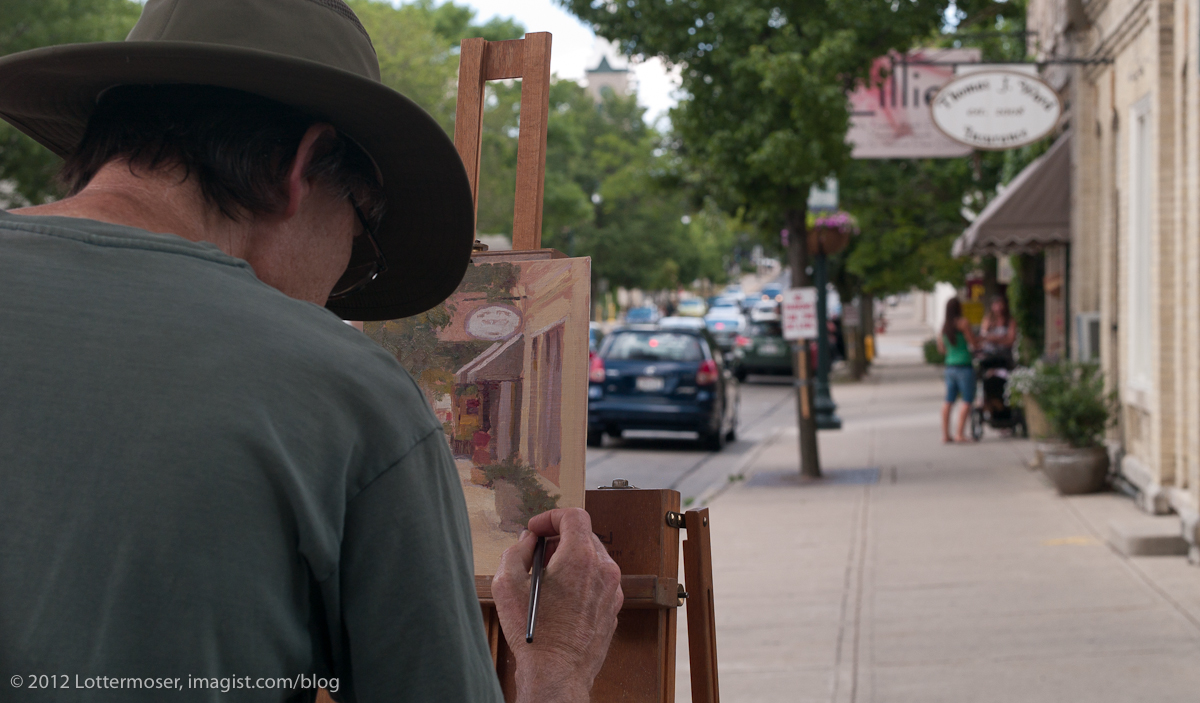
Plein air painting in Cedarburg, WI
One can often see Mike Neilson, winner of many state plein air awards, painting around Wisconsin. This past Friday, the day before the Cedarburg Strawberry Festival weekend, was no exception. The Cedarburg Cultural Center sponsors a number of plein air painting competitions.
(click photograph for larger view)
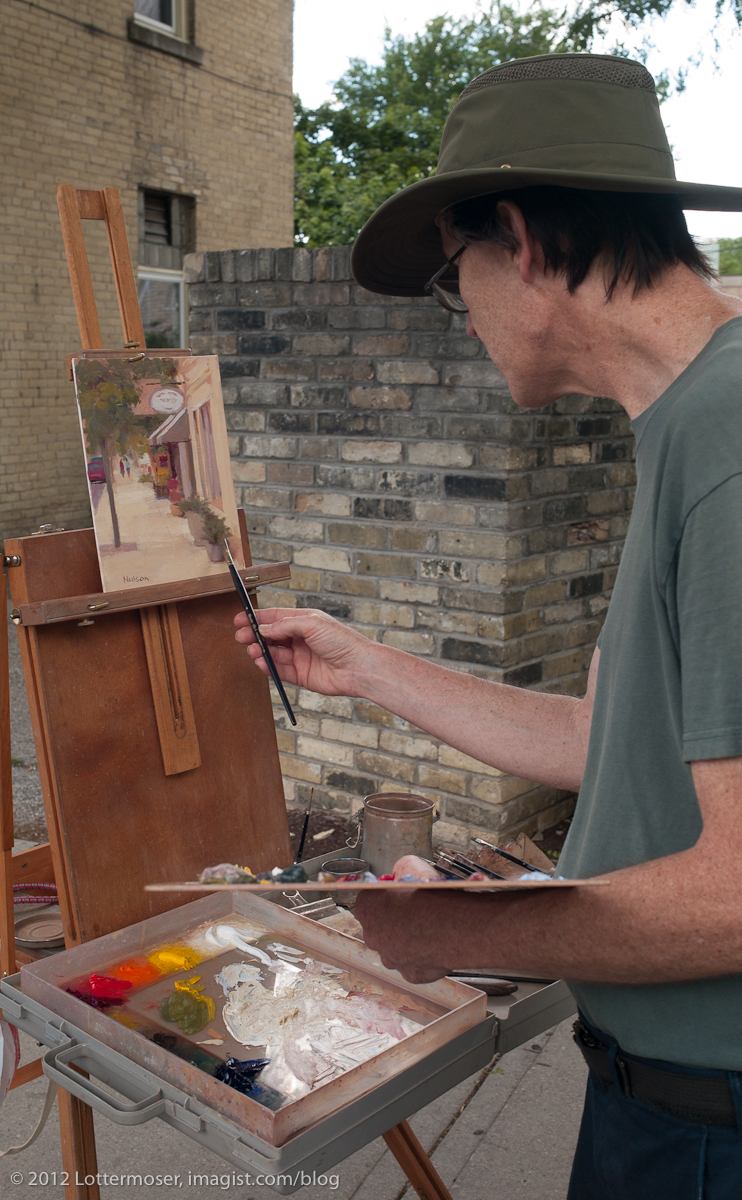
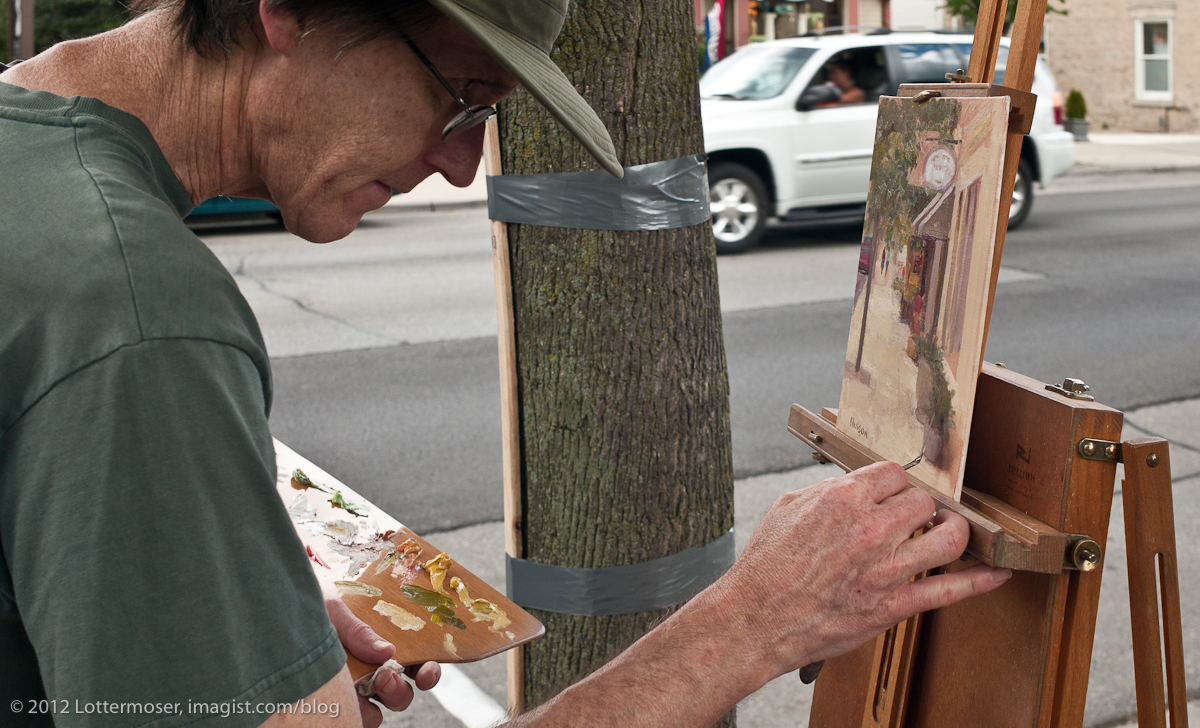
Leica M8, 28 mm Summicron Asph
New iPad sketches
continuing to enjoy and experiment with the iPad as a sketching device
(click graphics for larger view)
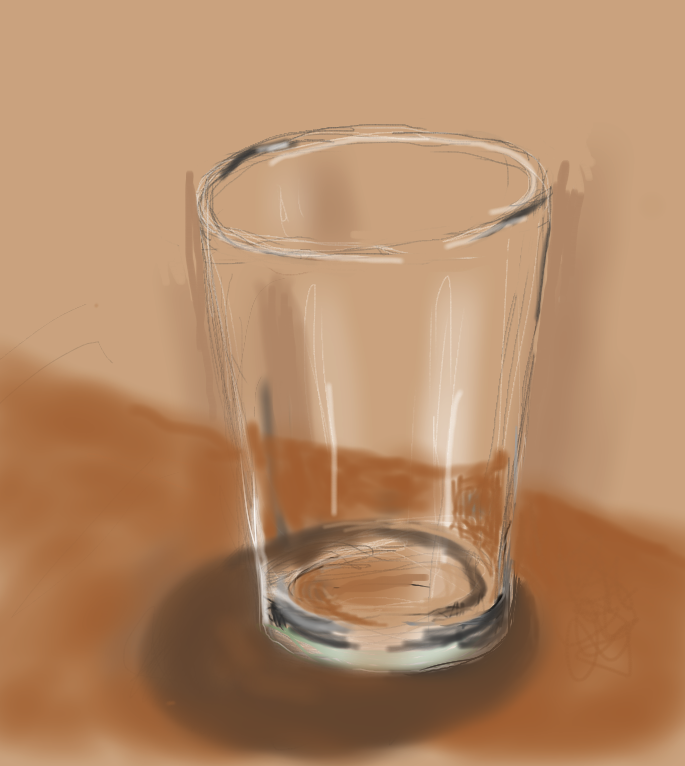
“still life neither half empty or half full” — created © 2011 by Lottermoser with AutoDesk SketchBookPro App
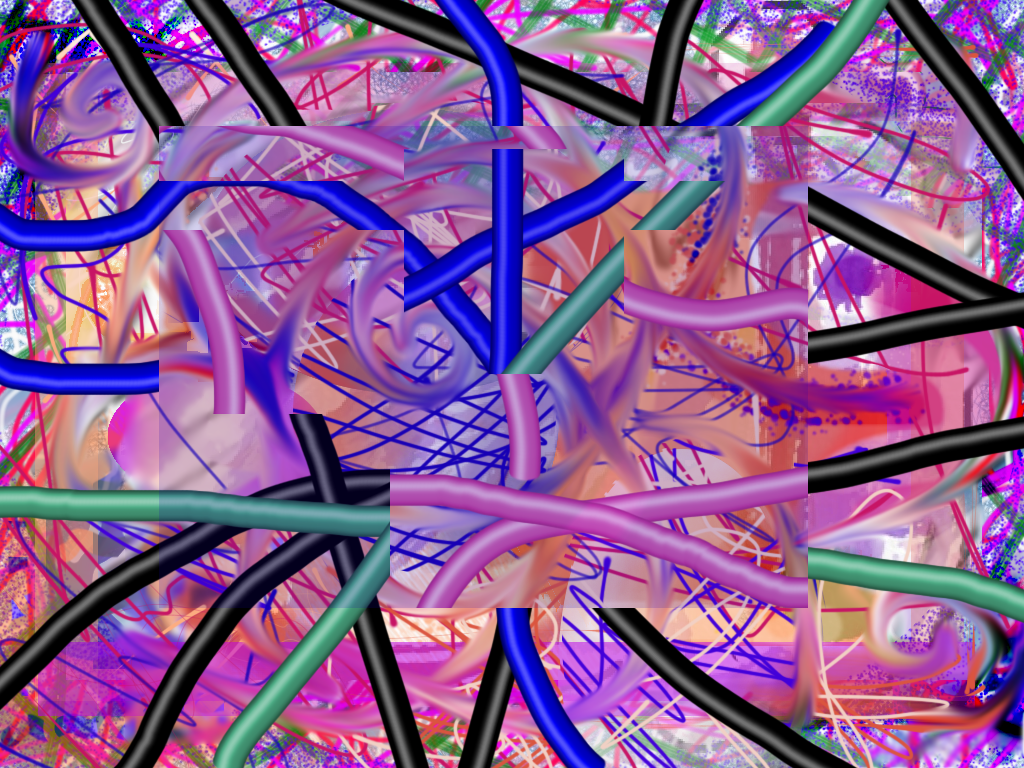
“all about networking” — created © 2011 by Lottermoser with ArtStudio App
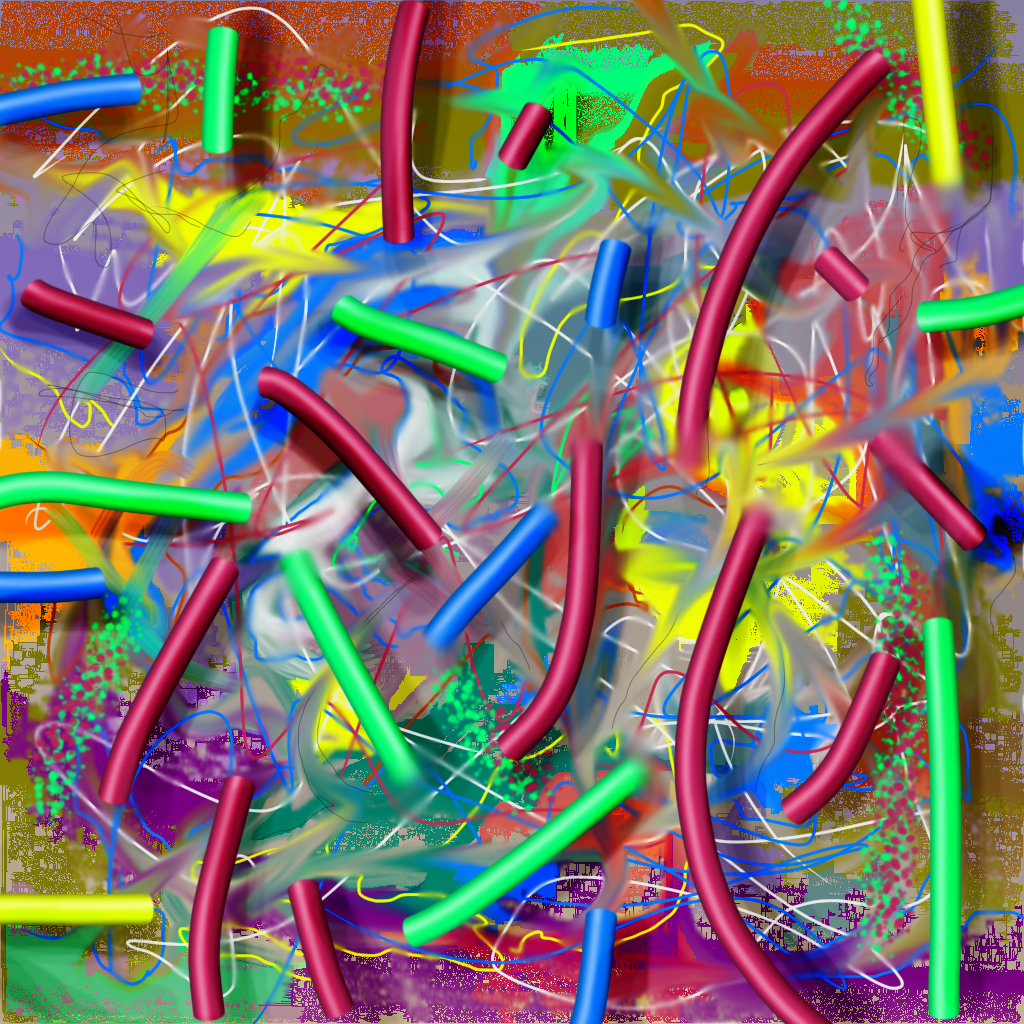
“social media explained” — created © 2011 by Lottermoser with ArtStudio App
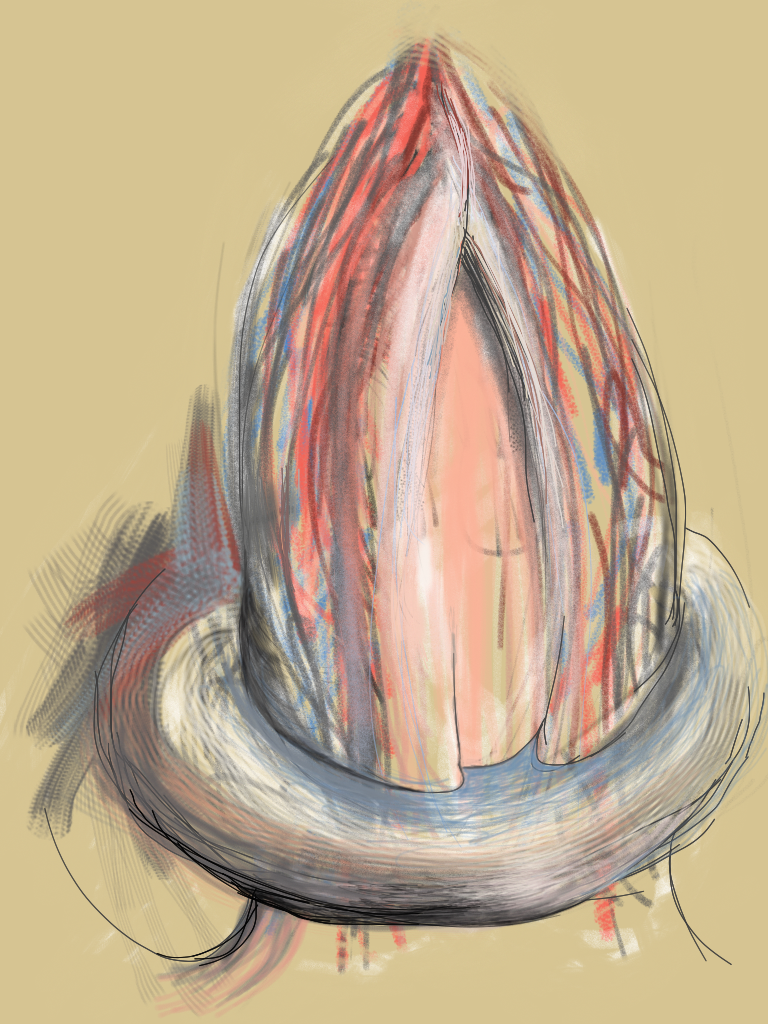
“just thinking” — created © 2011 by Lottermoser with Brushes App
How did you do that drawing? Below is a video showing the process. The video can be viewed full screen and and in HD.
Valentine card design
(click illustration for larger view)
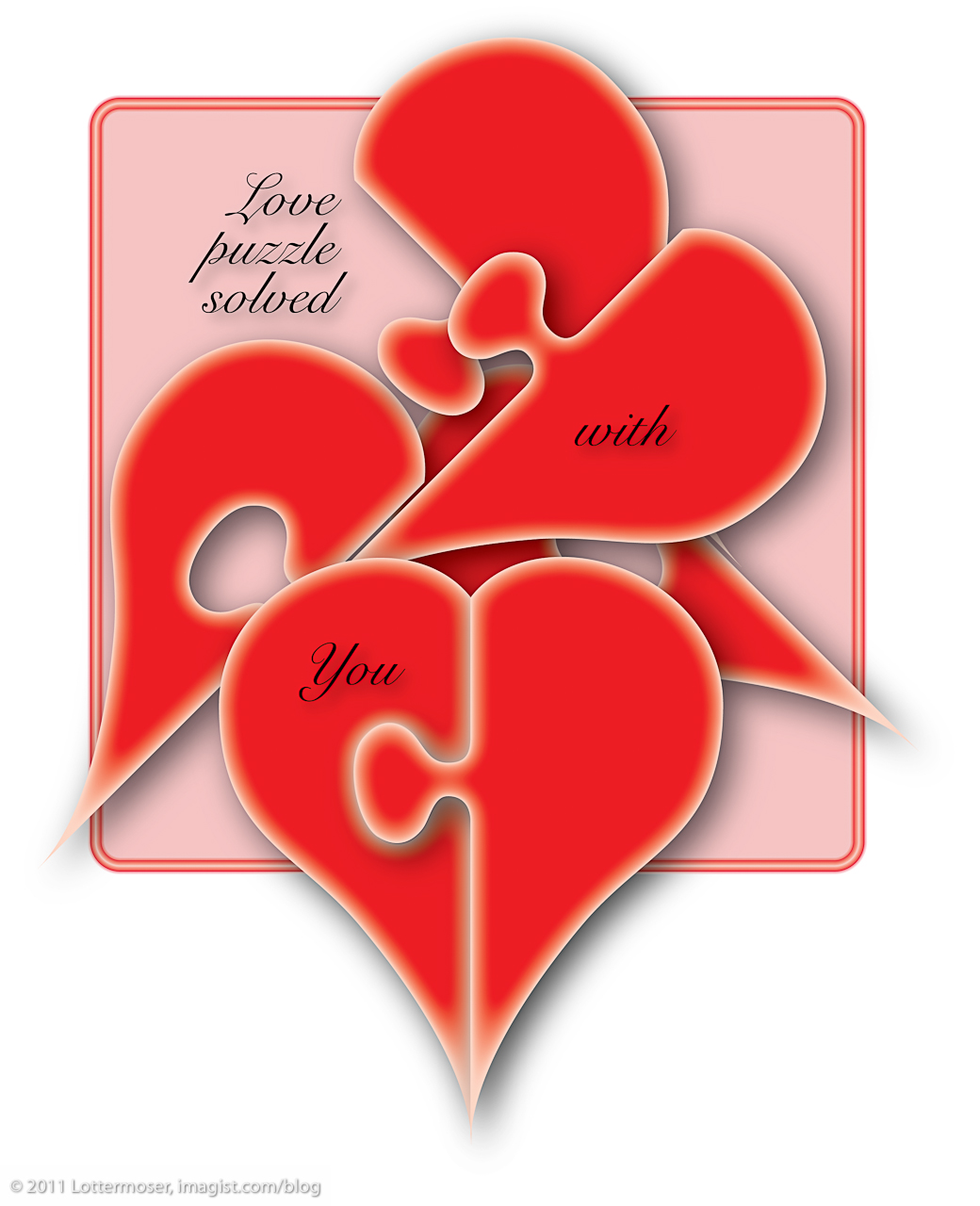
iPad as artPad
For the artist, as well as the photographer, technology has most certainly evolved. I purchased Adobe Illustrator 88 (in that year), for something close to $500, to do design work on my $3,500 Mac SE. And of course also had to have Photoshop soon after. In 1990 Fractal Painter came along for another few hundred dollars. As the years went on the computers kept getting bigger and faster; and each iteration cost another $3 – $3,500; plus continuous software, memory and harddrive upgrades. The “serious” digital artist also needs calibrated monitors for accurate prepress work; and a Wacom tablet, starting at around $300, to most closely approximate the “feel” of traditional art materials. The 12″ Wacom Cintiq, which incorporates an LCD screen into the tablet will run $1,000; with the 21″ version running a cool $2K. And all this pretty much needs to be tied down to the desk.
Today I can grab a $500 iPad and any one of a number of $5 (ArtStudio) to $8 (Brushes or SketchBook Pro) apps and have an experience “similar” to using a $1K tablet on a $3.5K computer while sitting in a coffee shop, on a plane or in a train. The accuracy of the finger (or stylus) will not equal that of a Wacom pen… but… hey it’s a sketch pad.
(click images for larger view)
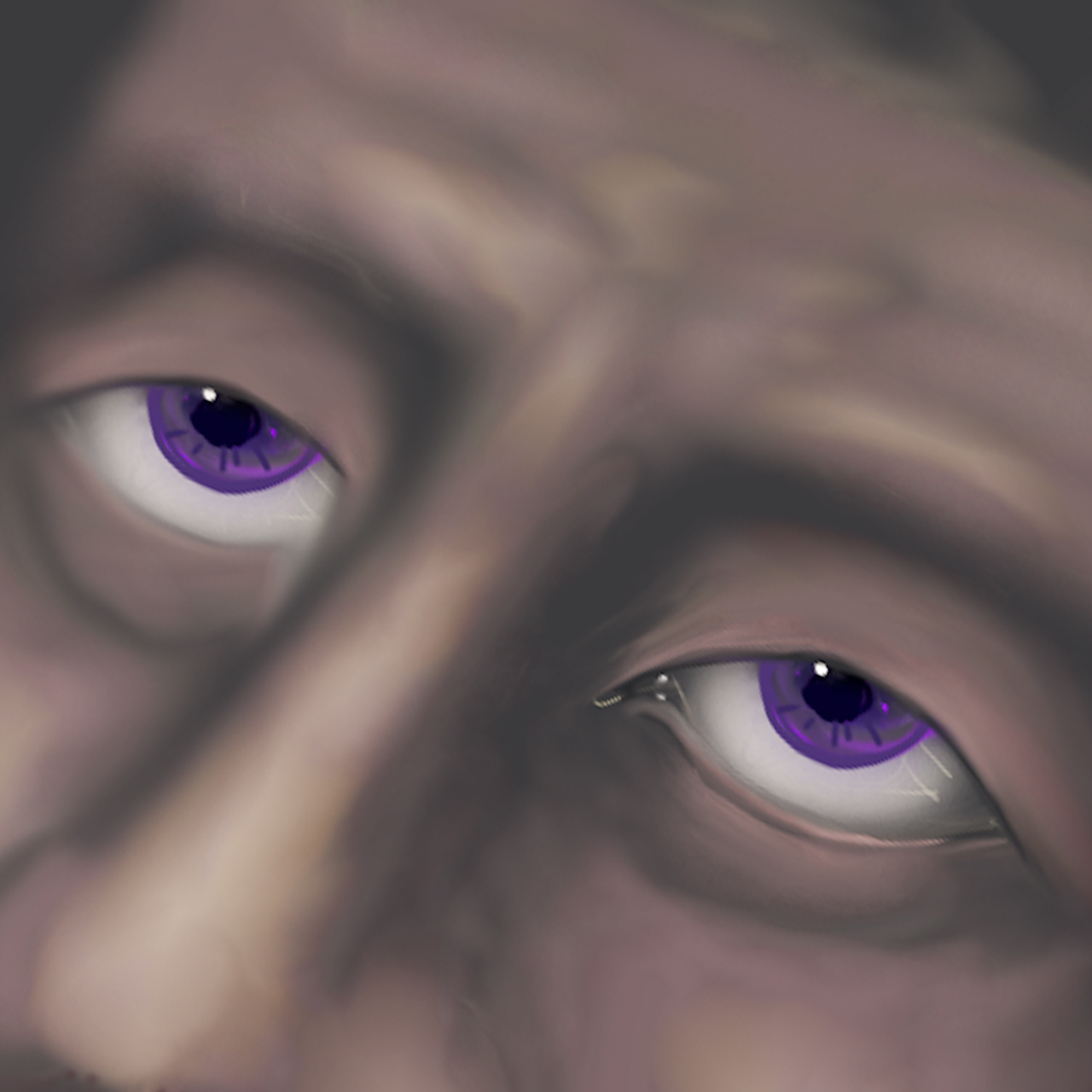
figuring — iPad “painting” by Lottermoser
And of course one can bring photos into the apps for “artistic” effects as well.
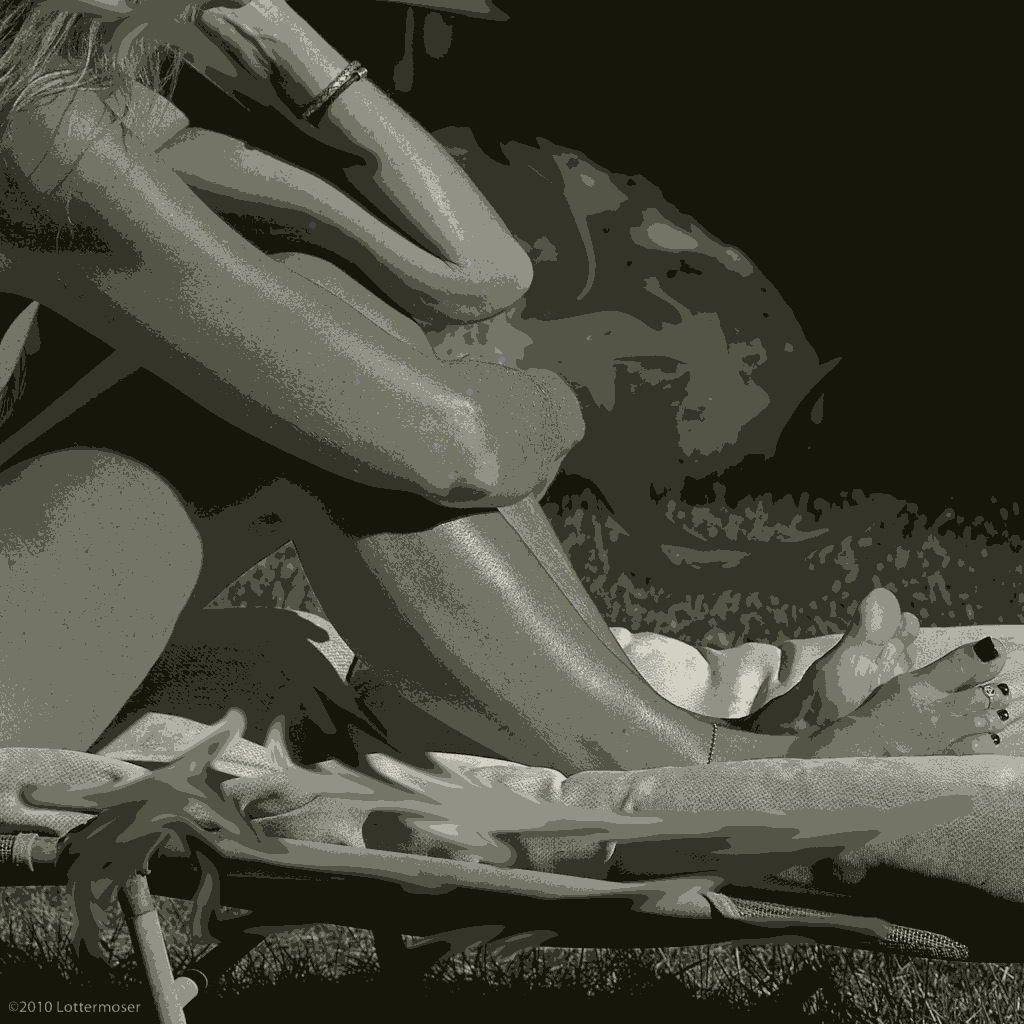
ann — iPad photo manipulation by Lottermoser
At this time the iPad artwork is limited in pixel dimensions. Yet it offers the artist a very portable, clean and useful set of tools whether a figurative, representational, or abstract expressionist. David Hockney recently exhibited a series of work done on his iPhone and iPad using the Brushes app.
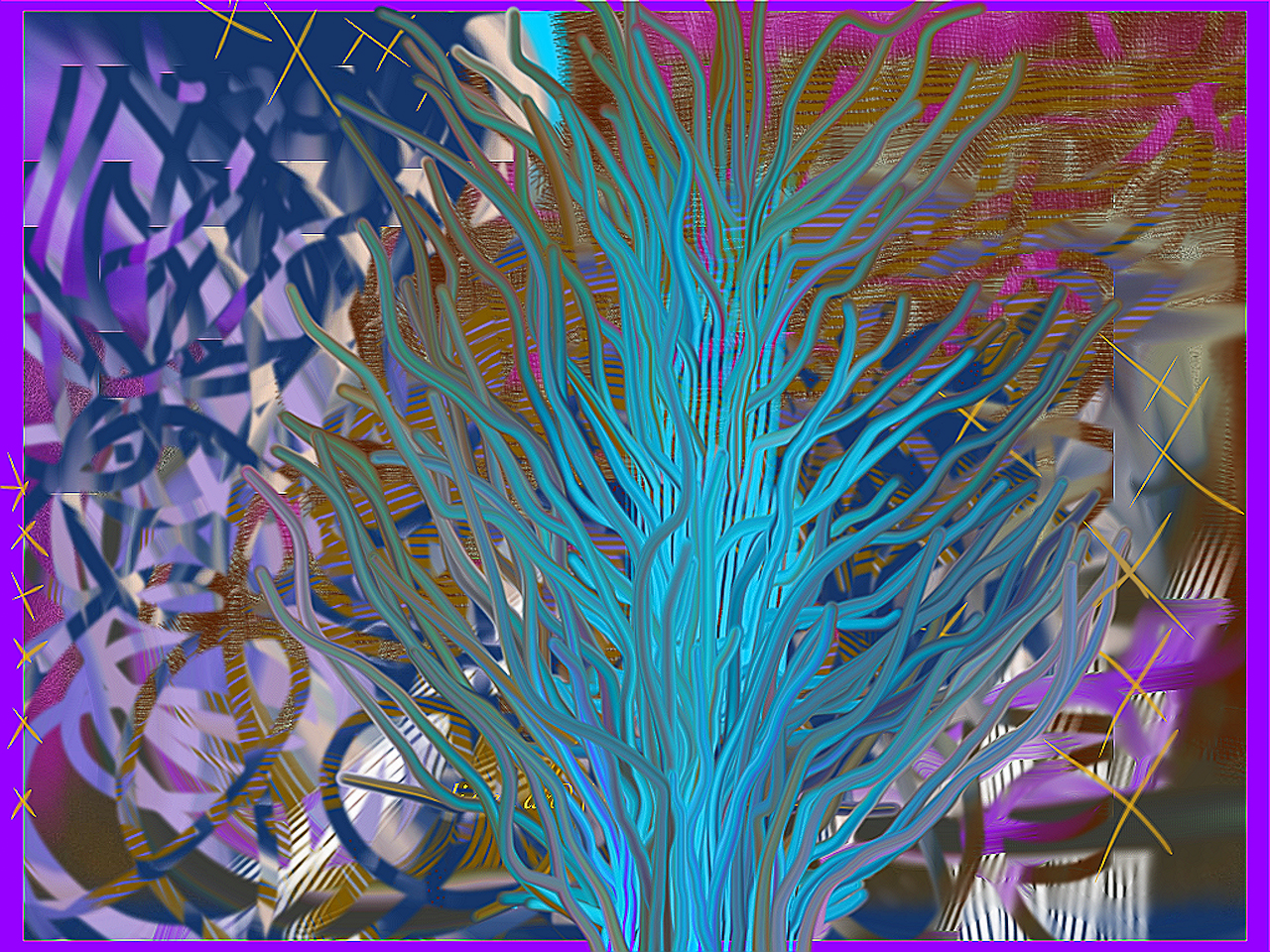
growing during chaos — iPad “painting” by Lottermoser
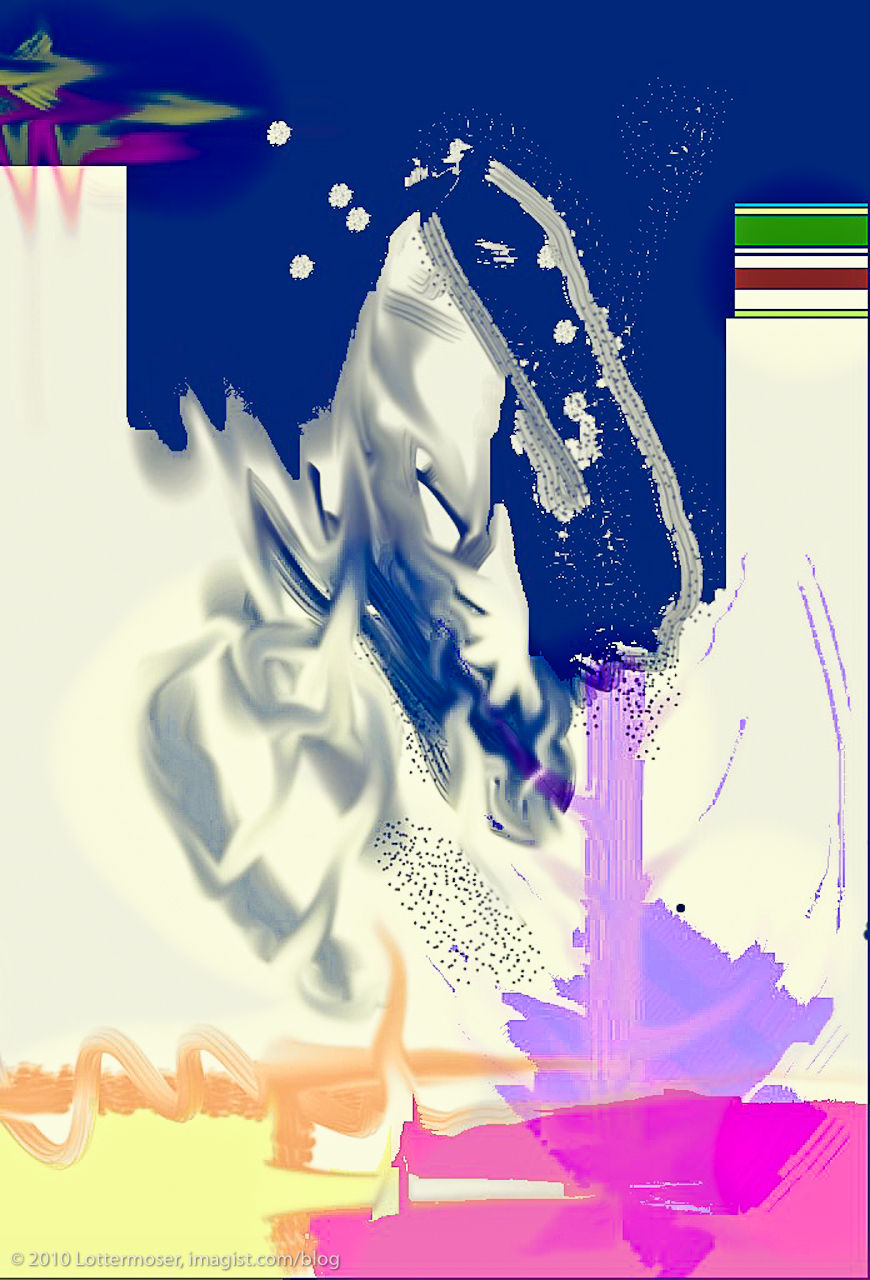
first out — iPad “painting” by Lottermoser
My friend, and painter, Jack Hernon, recently visited. I plugged in the headphones and set him loose in ArtStudio. We certainly agreed that the iPad would be a great companion on his flight home to Winston-Salem, NC.
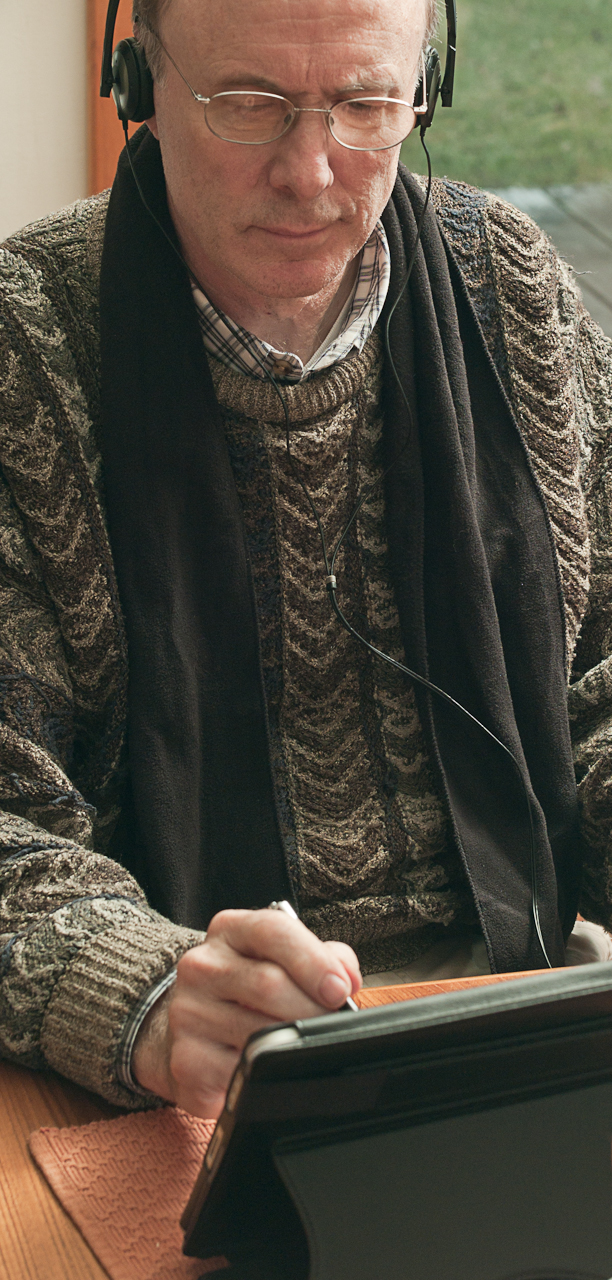
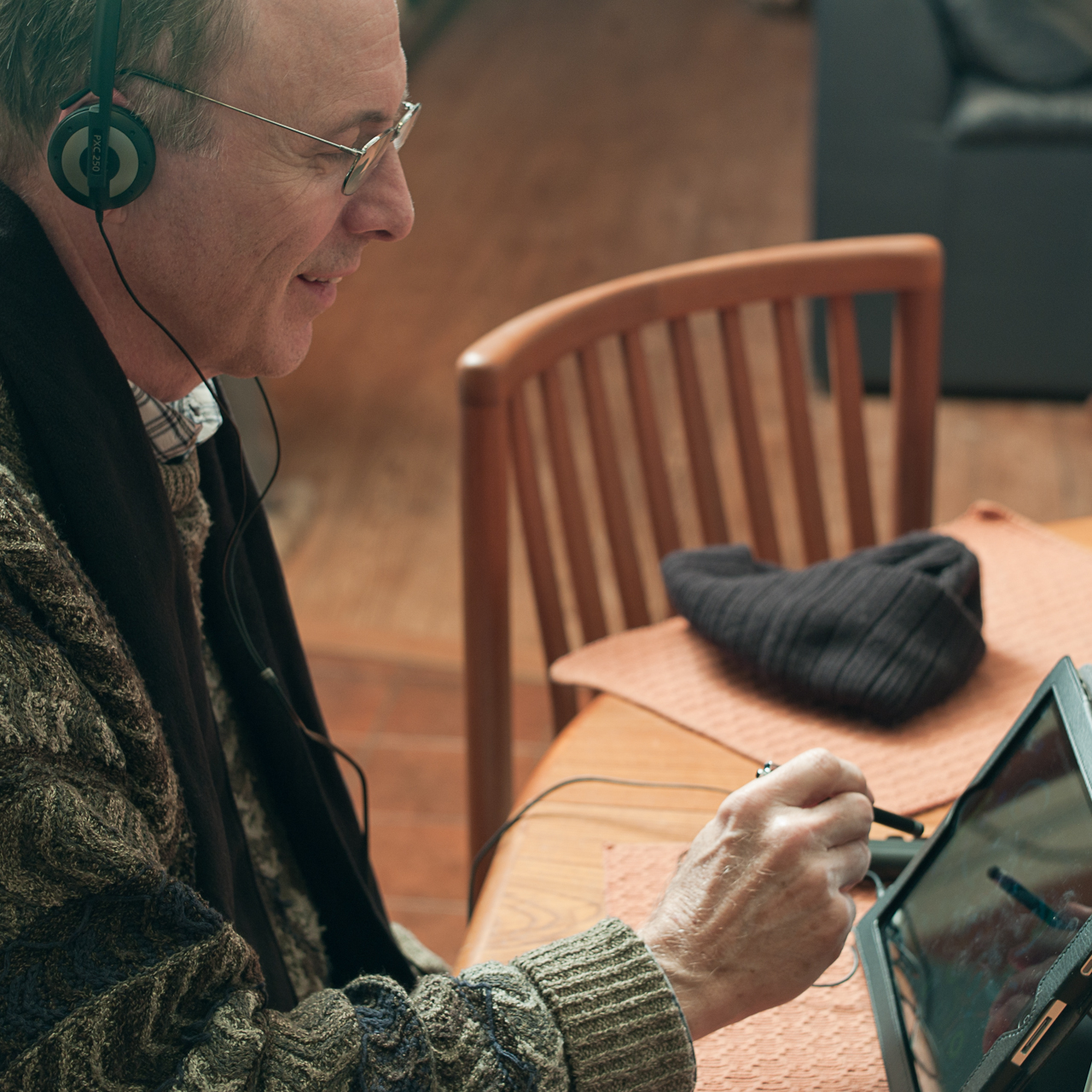
Leica M8, 50 mm Summilux Asph
Taking a photograph to make an illustration
I’ve posted this first example, of using a photograph as a jumping off point to create a digital illustration which suggests a work created with traditional art materials (such as pencils, brushes and/or paints), as a response to a conversation with another photographer. I contend that one has to use the digital tools to move the photograph sufficiently beyond what a photograph “looks like” and enough toward what a drawing or painting “looks like.” I believe this requires the use of hand gestures of sufficient quantity and quality (and well beyond just hitting filter effect buttons) in order to fool the eye and mind. Does this example achieve that desire? I think “just.”
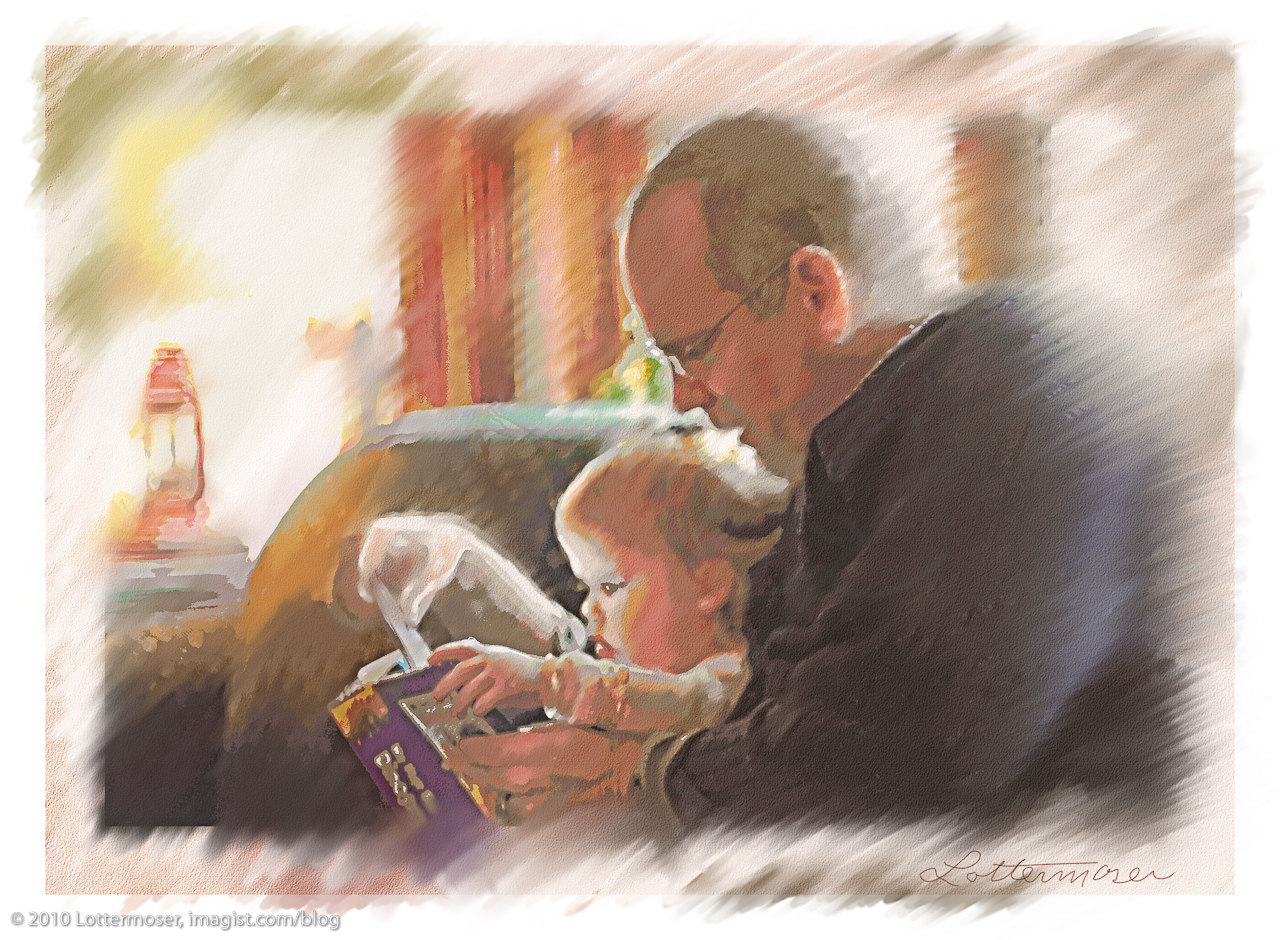
Wacom Tablet, Photoshop, and Painter
Below are two of my early attempts at drawing on the iPad; examples of taking it the other way. Meaning “drawn” on the iPad and exported through Lightroom. We find ourselves in truly interesting digital imaging times.
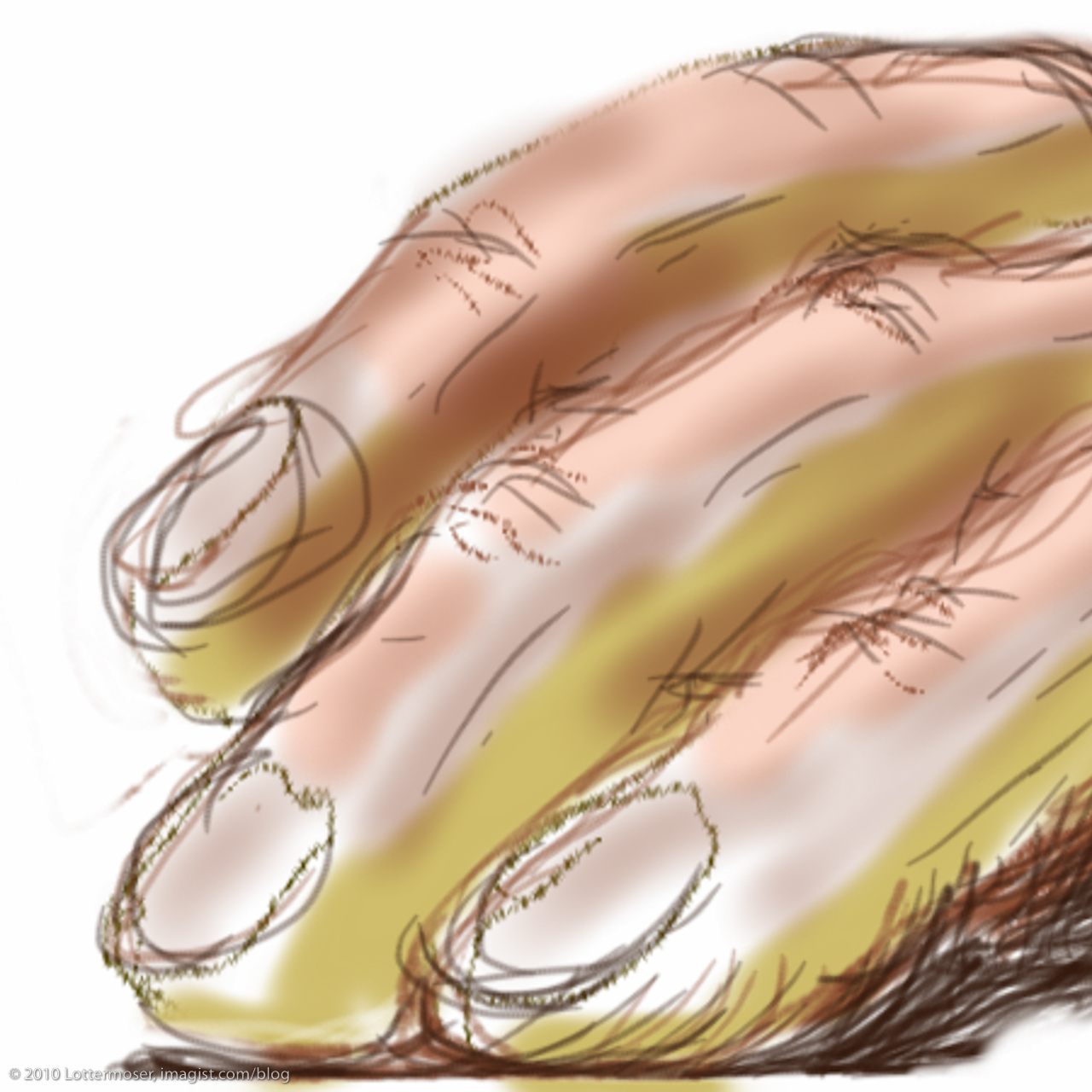
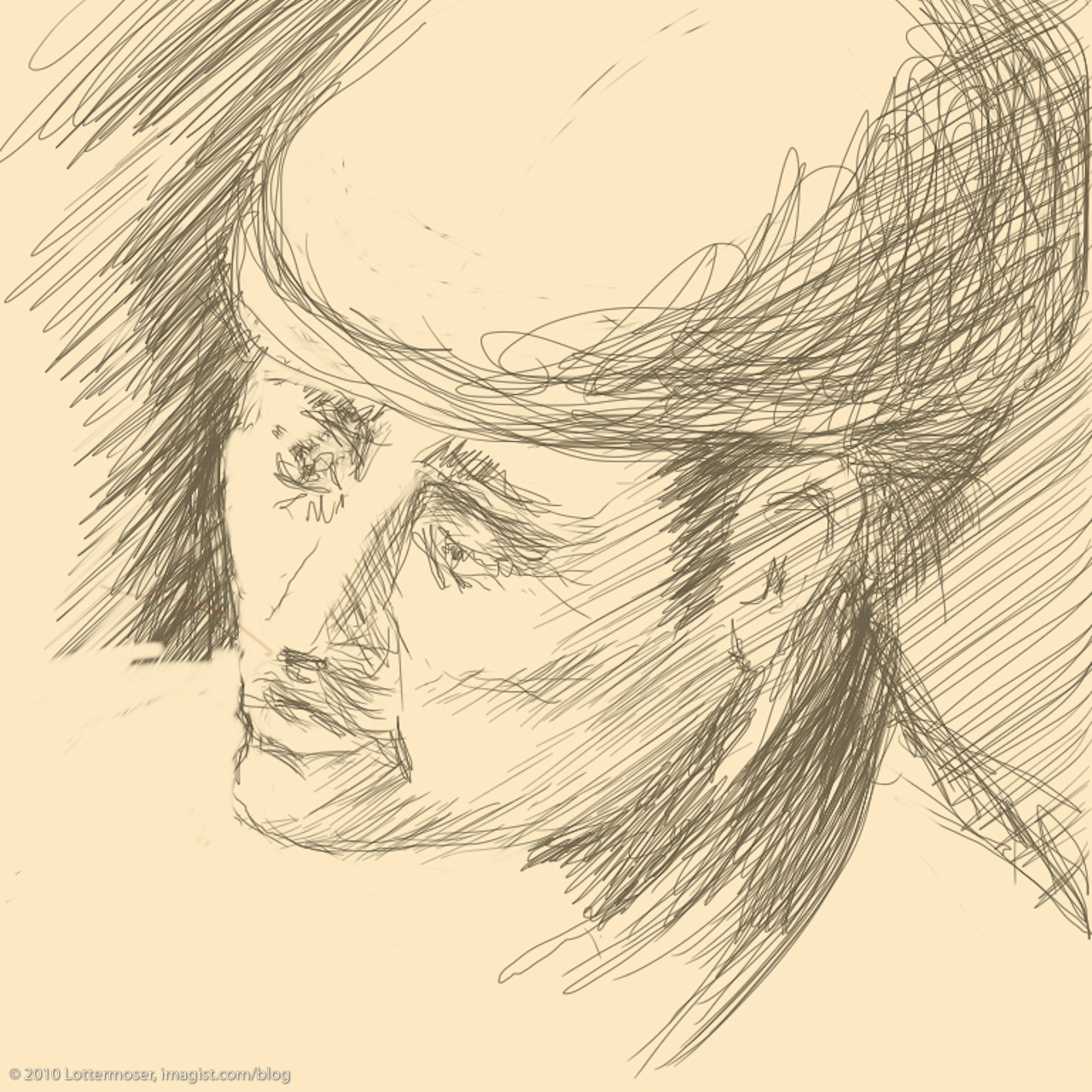
Griffin Stylus on iPad (drawn from life)
Miksang and flow
In an eMail Alan Magayne-Roshak said of my August 24th blog post, “I love it. It’s easy to get lost in it (in a good way). This reminds me of a David Vestal column where he quoted Picasso as saying, “I don’t seek, I find.” ( The column is at home; I hope I got it correct.) I would say this is a “miksang” photograph.”
After searching the term (beyond the wikipedia link Alan provided) I took it as a compliment; and felt surprise in finding that miksang has taken hold, as a sort of “school” of photography, around the world. Miksang: a Tibetan word meaning “good eye” based on the Dharma Art teachings of Chögyam Trungpa, in which the artist’s eye perceives in perfect harmony with a contemplative mind. This type of visual perception, when applied to the practice of photography, produces a particular sort of photograph. Miksang photographs tend to bring the observer back into the author’s original state of contemplation; behaving, in my opinion, in ways similar to haiku.
Mihály Csíkszentmihályi posited that people feel most happy while working within a similar state; which he referred to as a state of flow.
While I have no idea if these photographs qualify as miksang; I certainly felt in a state of contemplative flow as I made them; and believe they do invite the viewer’s eye/mind to return to that state.
(click on images for larger view)
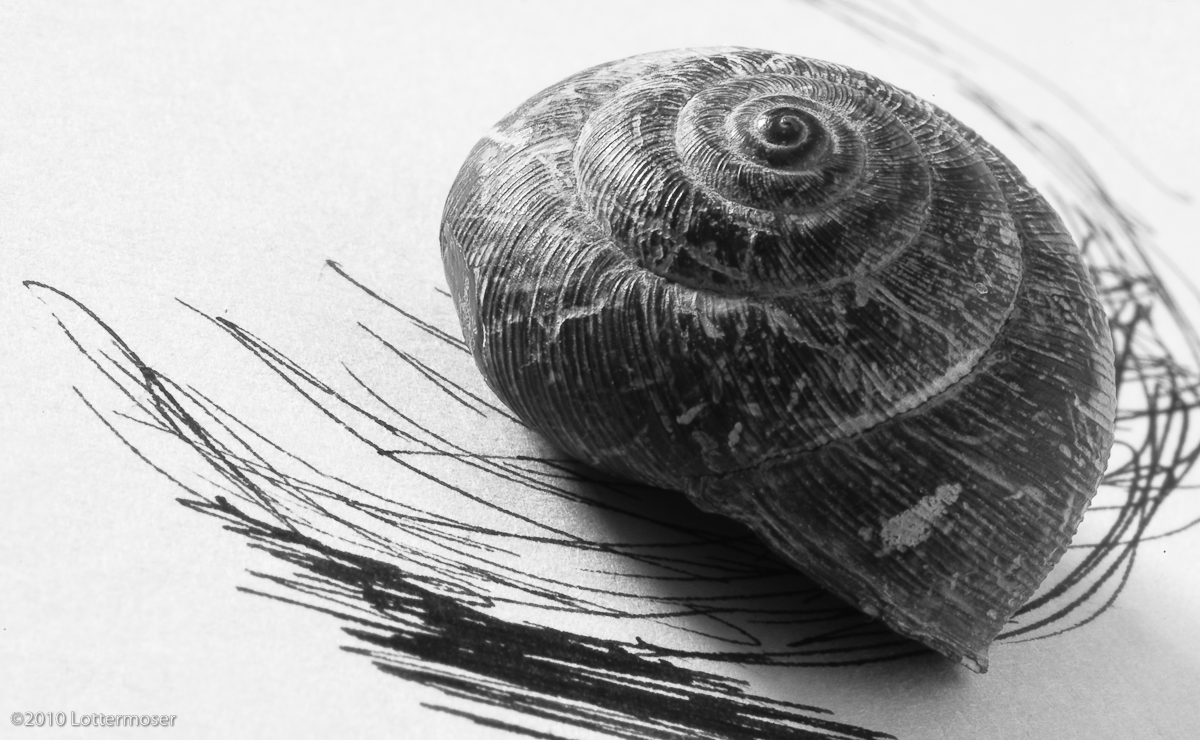
love marks on paper
heat becomes a memory
beach remains in notes
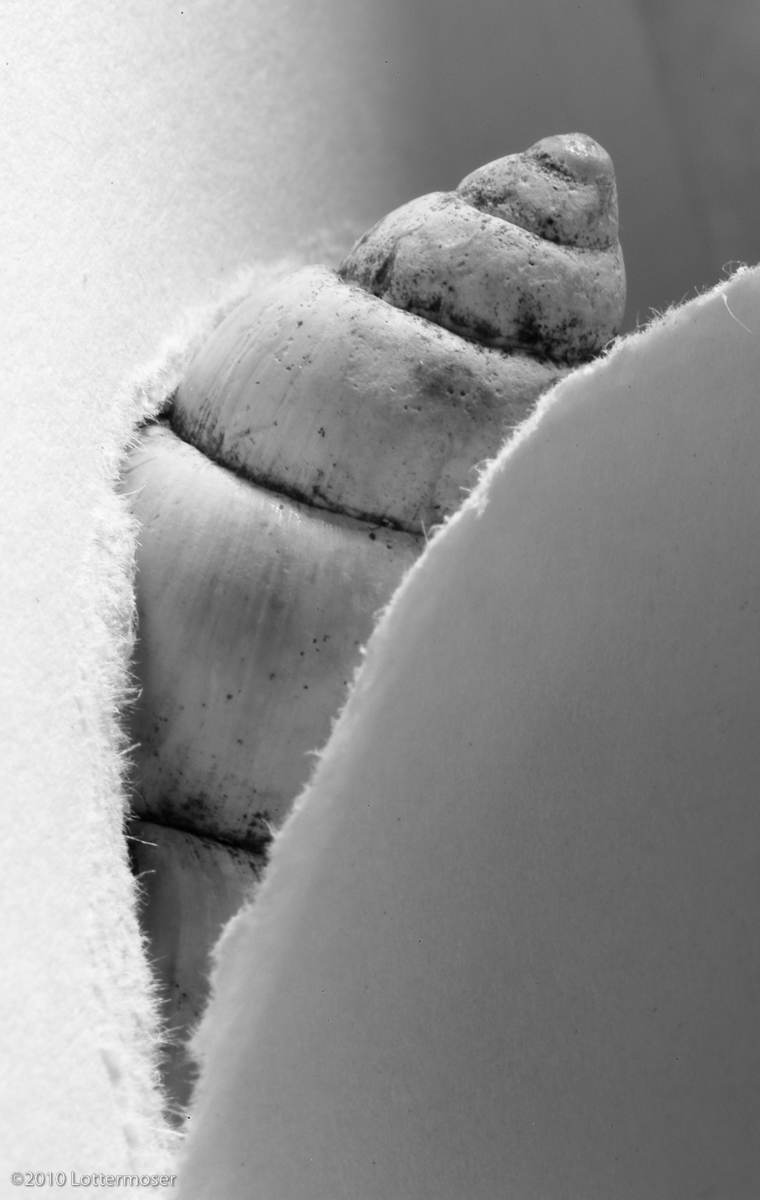
Leica R8/DMR, 65 mm Elmar on R bellows
Draw (still) life in — to truly see it
Dorothea Lange said, “The camera is an instrument which teaches people how to see without a camera.” Emile Zola offered, “In my view you cannot claim to have seen something until you have photographed it.” I believe that drawing also teaches people how to see [without a camera]. If you truly want to “see deeply” into the wold around you — do both — draw and photograph your life. Each process will provide a completely different “seeing” lesson. And let us not forget writing. “When you are describing, A shape, or sound, or tint; Don’t state the matter plainly, But put it in a hint; And learn to look at all things, With a sort of mental squint.” said Charles Lutwidge Dodgson (Lewis Carroll). And in her Pilgrim at Tinker Creek Annie Dillard offers, “Seeing is of course very much a matter of verbalization. Unless I call my attention to what passes before my eyes, I simply won’t see it. It is, as Ruskin says, ‘not merely unnoticed, but in the full, clear sense of the word, unseen.'”
(click images for larger view)
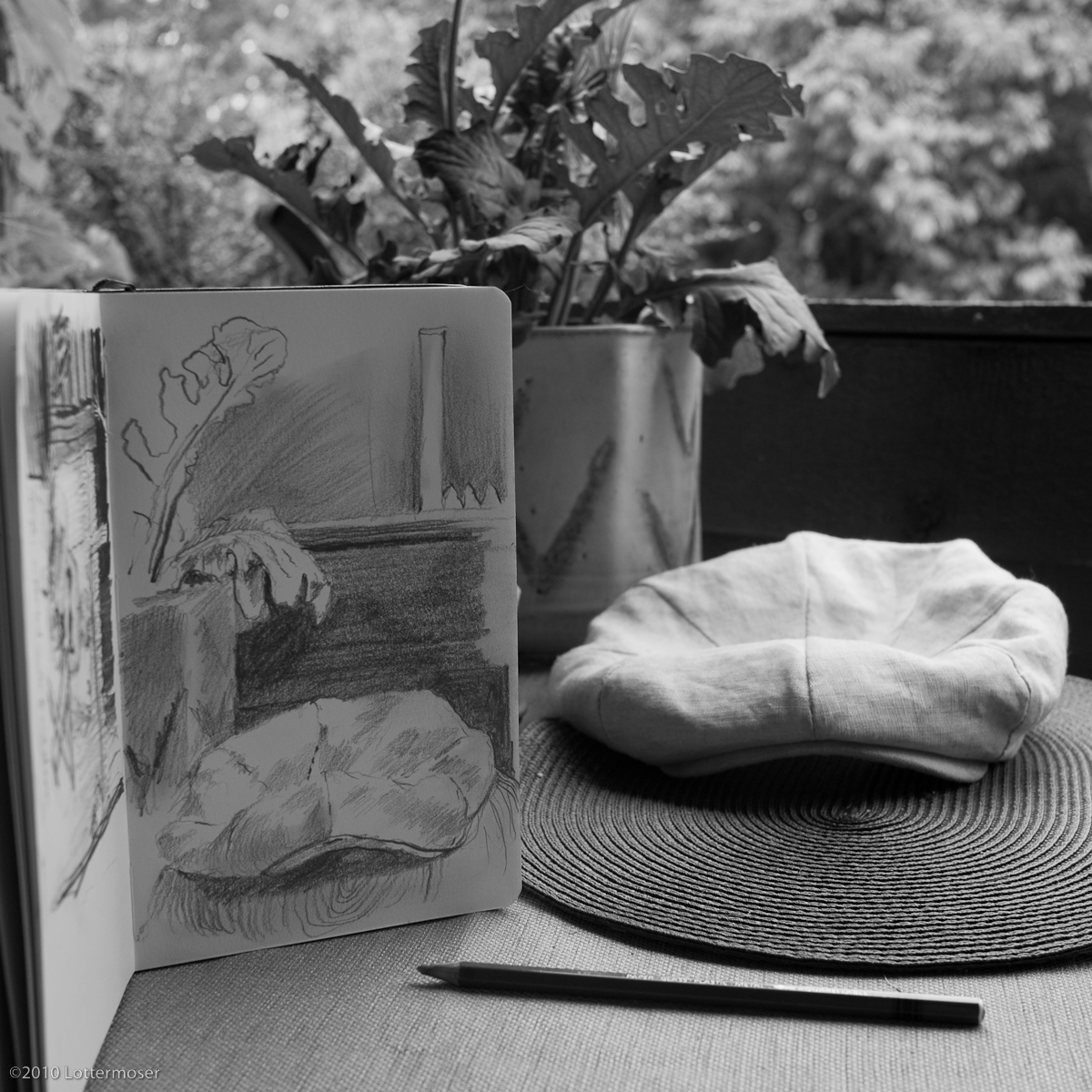
Leica M8, 28 mm asph summicron
Yet somethings in life move far too fast to draw or write in the moments of experience. Photography serves our drawing and writing; just as drawing and writing serves our photography. As Henri Cartier-Bresson said, late in life, after putting his camera down, “All I care about these days is painting—photography has never been more than a way into painting, a sort of instant drawing.” Draw, paint, photograph, write, sculpt, make music — in order to draw life more deeply into our consciousness — and dig more deeply into life.

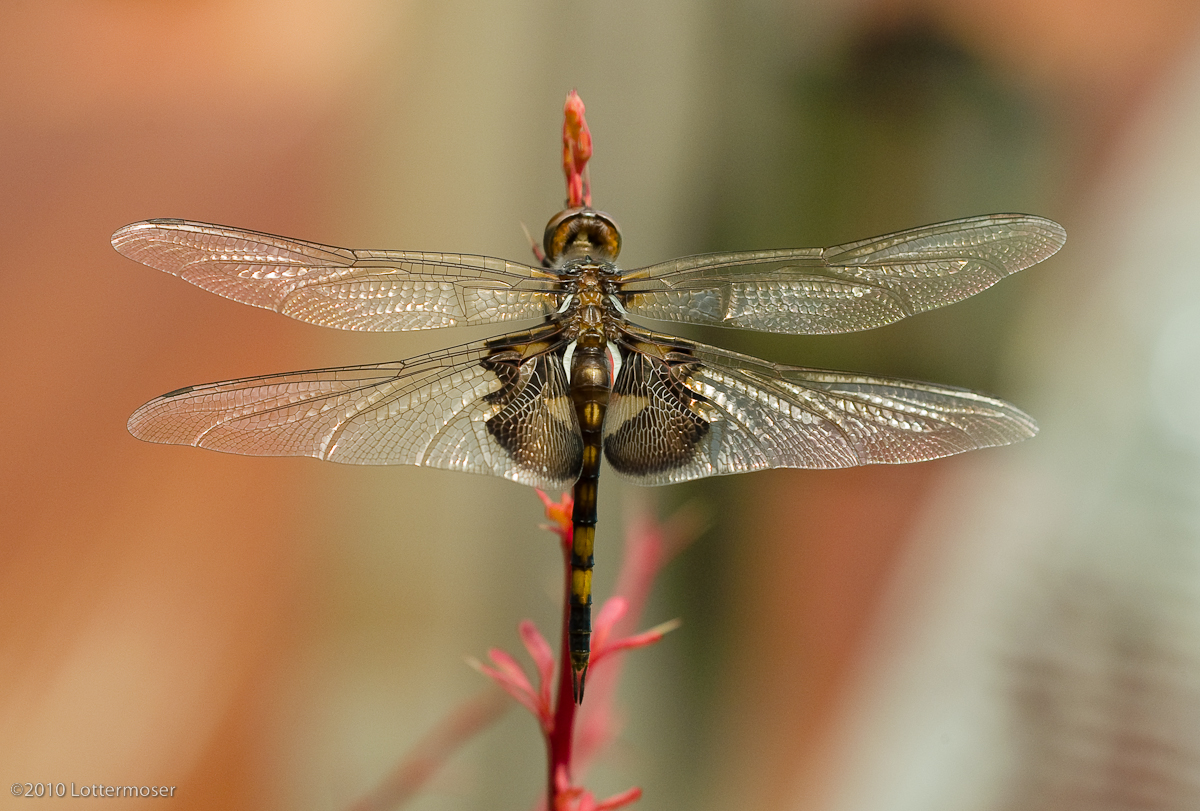
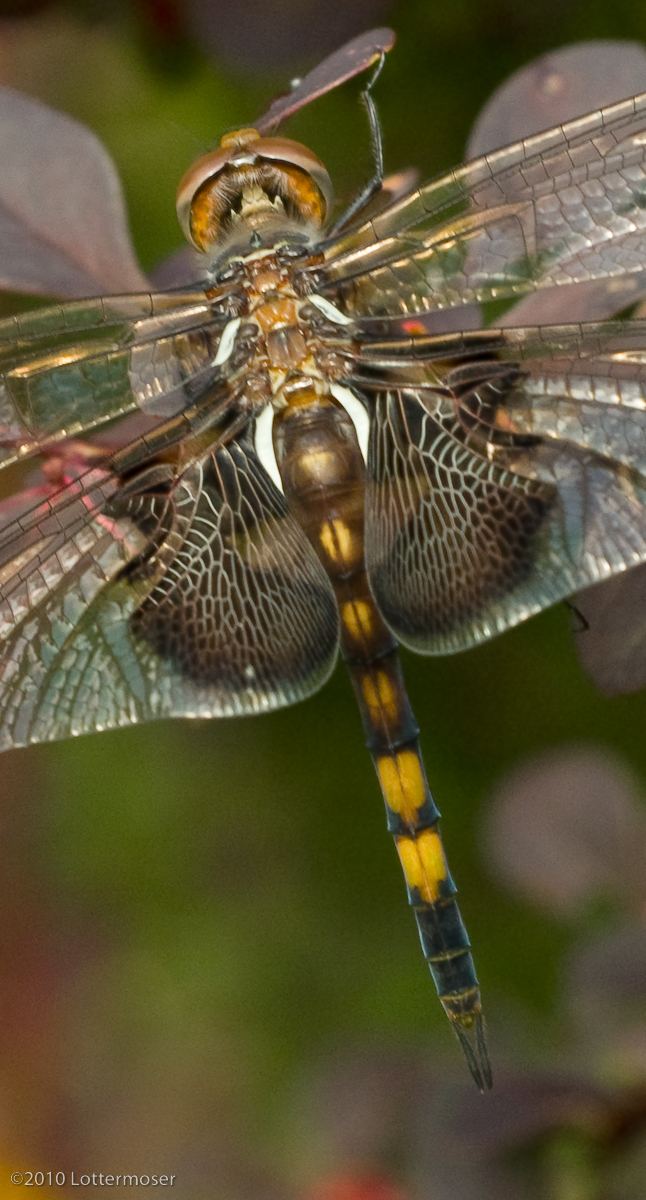
Leica R8/DMR, 100 mm apo macro elmarit
Designed a new economic flag
a new flag for our country’s new approach to managing our economy

Portraits – self and others – call me
too long since pencil
marked its trail over paper
so here’s to life’s trail

Self Portrait
I’d rather draw you. Call me: 262-241-9375.
Along the way. The photographer said, “they’re real.” Many viewers said, “don’t believe your pictures.” How, or why, did the images appear so as folks could not accept them as factual? Or, did she document a fiction? Few could tell. Really. Do you believe this? ’tis true.