Taking a photograph to make an illustration

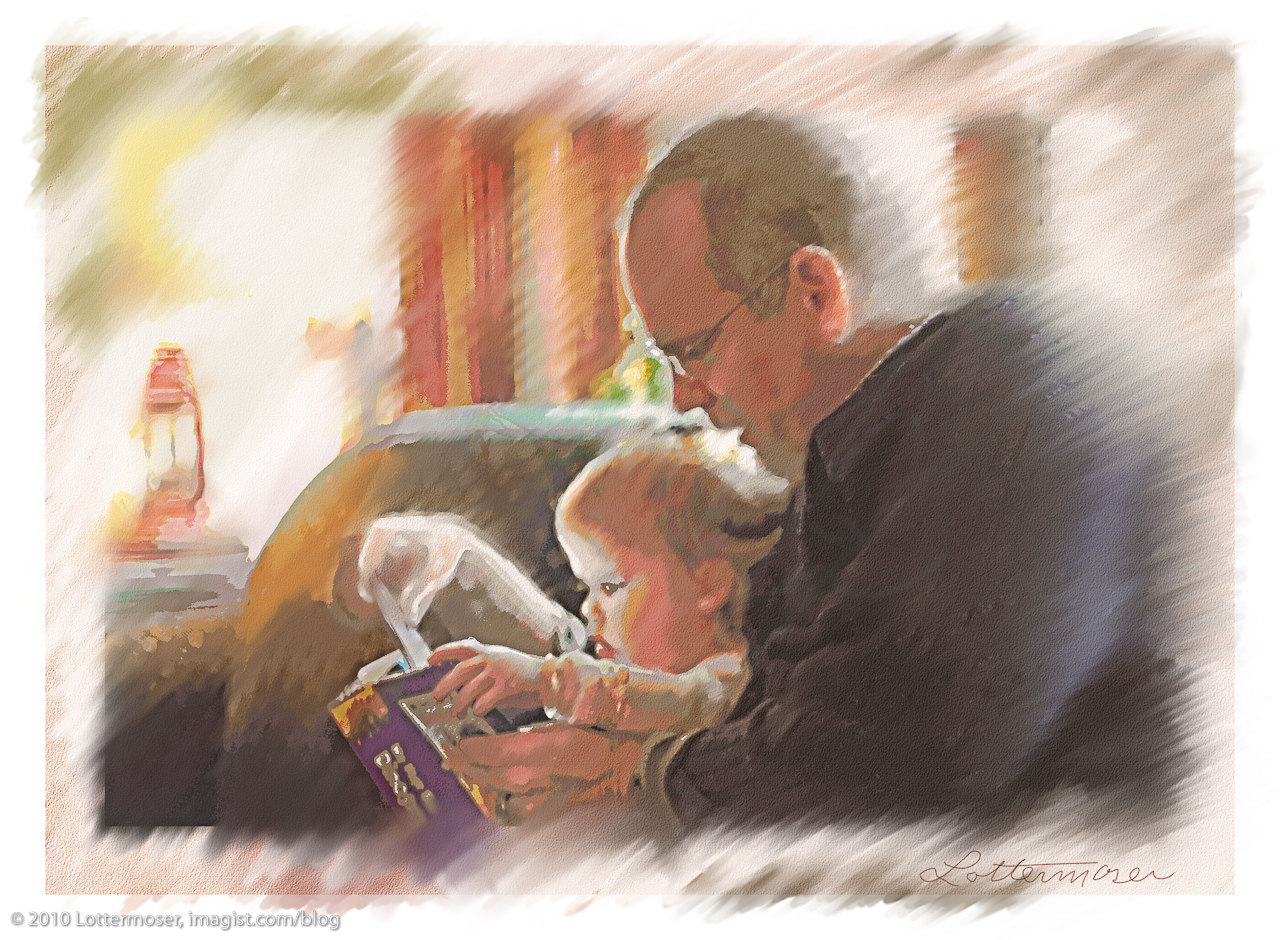
I’ve posted this first example, of using a photograph as a jumping off point to create a digital illustration which suggests a work created with traditional art materials (such as pencils, brushes and/or paints), as a response to a conversation with another photographer. I contend that one has to use the digital tools to move the photograph sufficiently beyond what a photograph “looks like” and enough toward what a drawing or painting “looks like.” I believe this requires the use of hand gestures of sufficient quantity and quality (and well beyond just hitting filter effect buttons) in order to fool the eye and mind. Does this example achieve that desire? I think “just.”
Wacom Tablet, Photoshop, and Painter

Below are two of my early attempts at drawing on the iPad; examples of taking it the other way. Meaning “drawn” on the iPad and exported through Lightroom. We find ourselves in truly interesting digital imaging times.
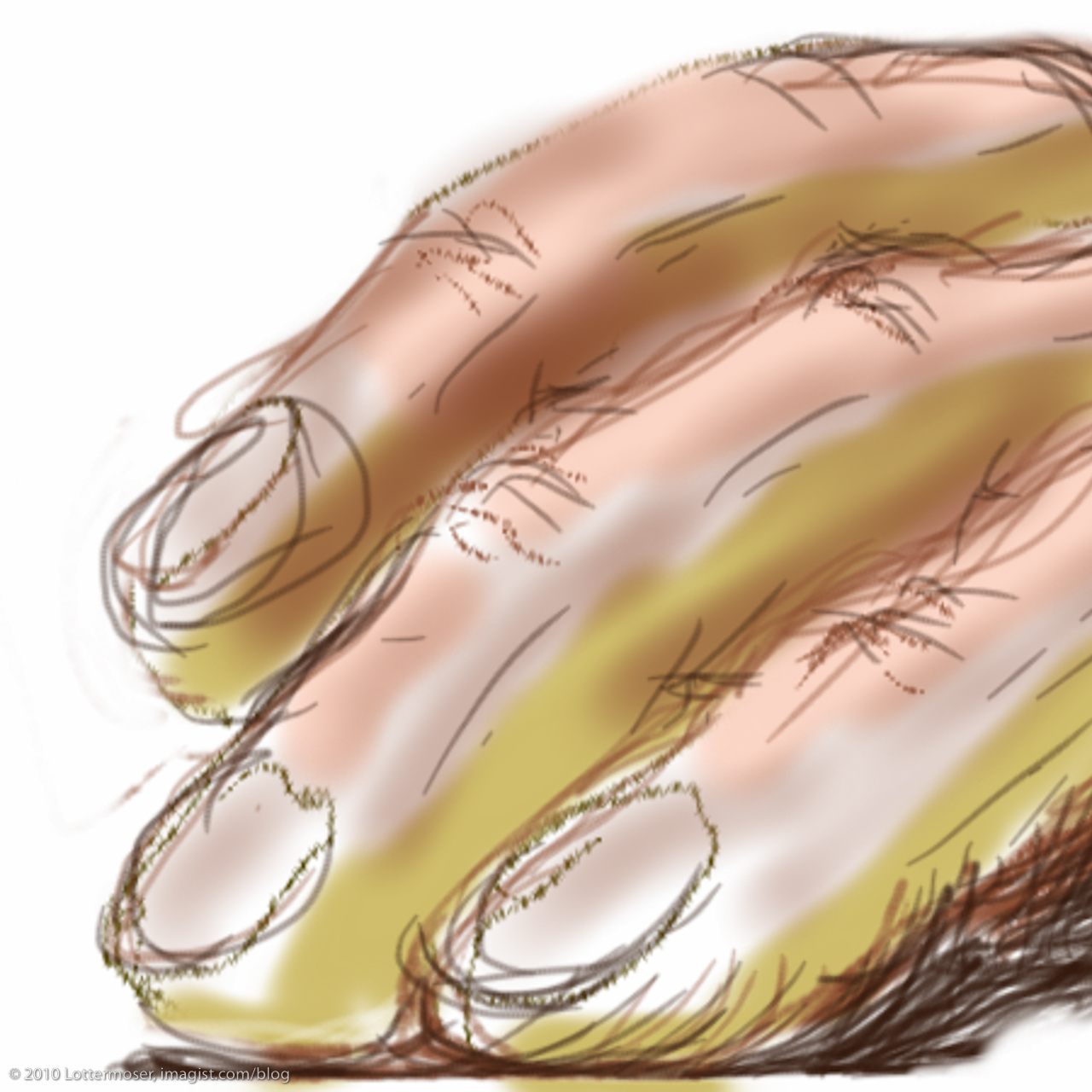
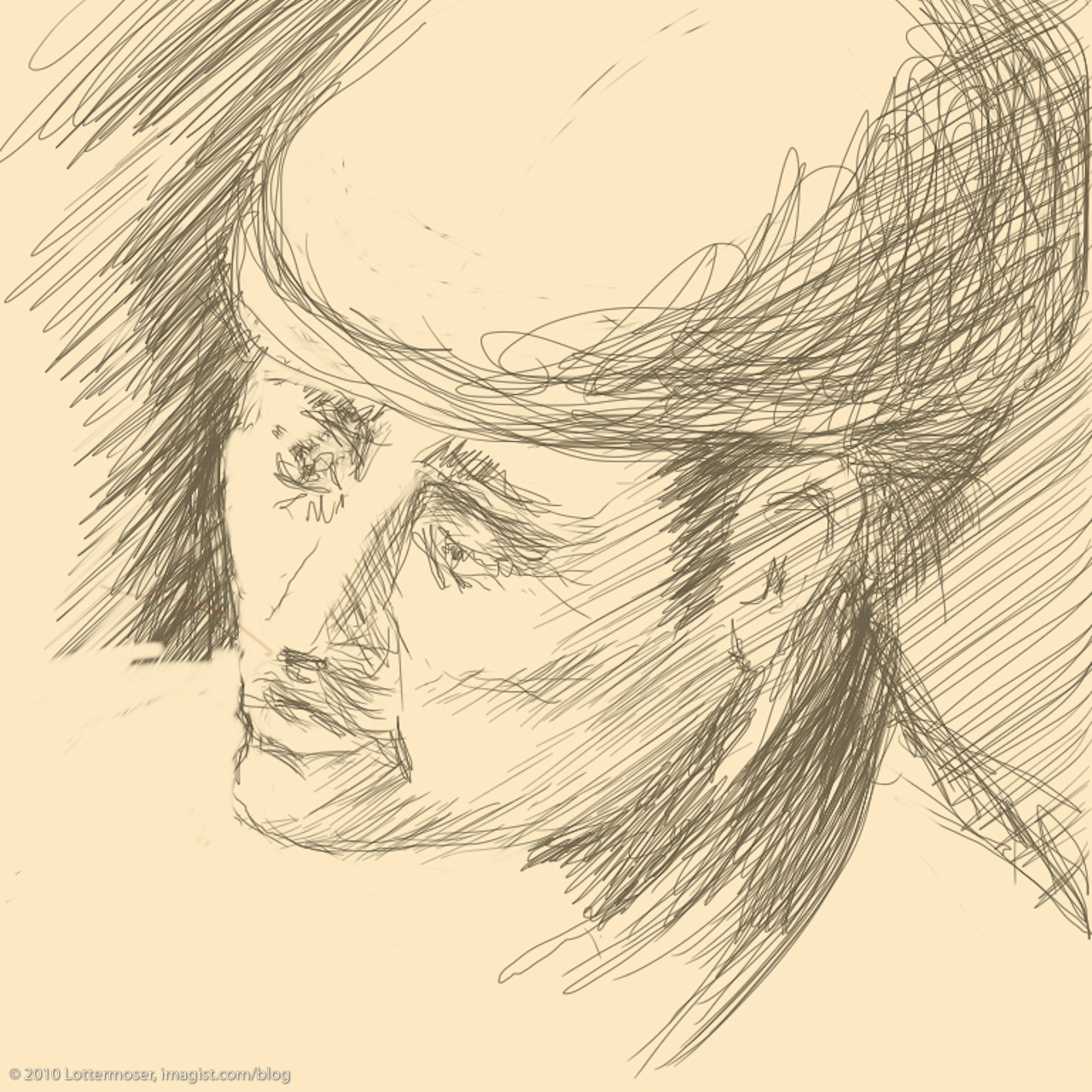
Griffin Stylus on iPad (drawn from life)
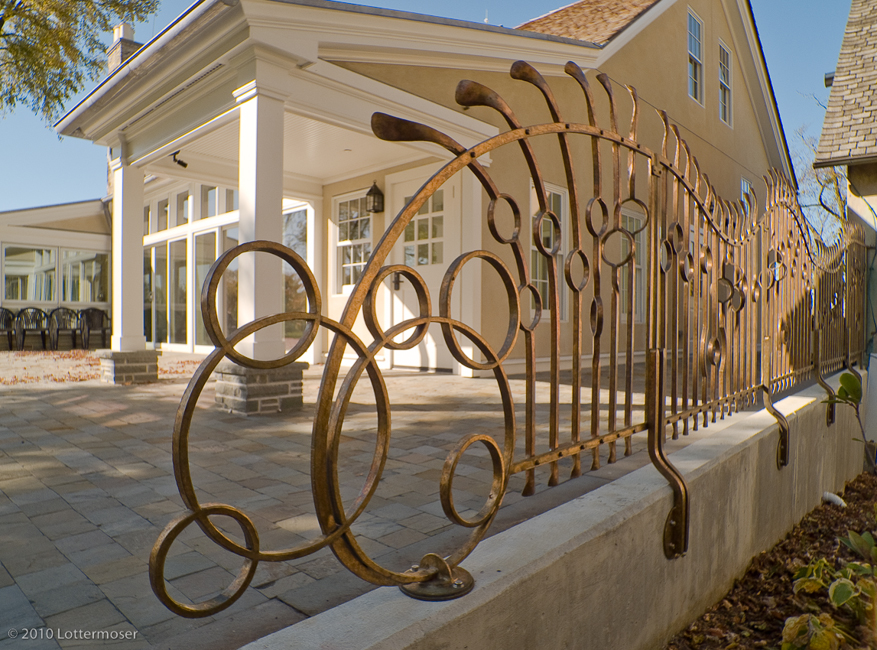
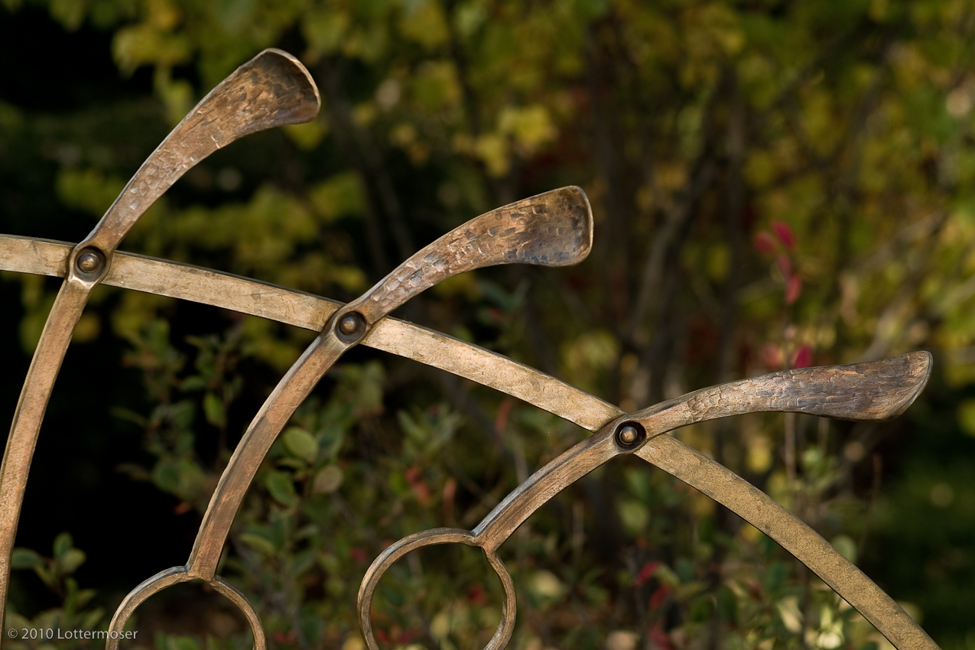
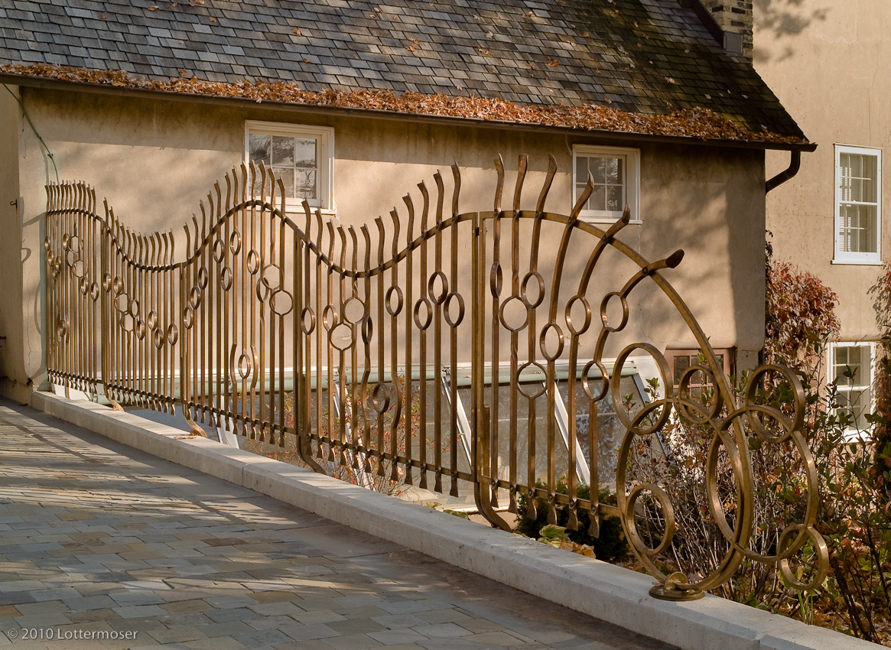
Dan Nauman’s bronze railing at Lynden Sculpture Garden

On September 7th Dan Nauman installed the final terminus section of his bronze railing at Lynden Sculpture Garden. However we had to wait for the patina to even out across all the sections before attempting to photograph the completed railing. Last week I gave the afternoon light an opportunity to charm the railing; and this week I gave the morning light an equal opportunity. These bronze forms stretch the the photographic limits in terms controlling highlights, contrast and complex color. To capture the movement, rhythms, forms and details of this intriguing metal work I used 15, 35, 50, 80, 100 and 180 mm lenses; lay on the ground; and climbed a ladder to find where the background, the piece and th light made the most visual sense together. To more fully comprehend the intricacies of the railing, the rather difficult environment surrounding it, along with the ever changing light — you can view the slide show of additional views and details.

(click images for larger view)

Leica R8/DMR, (numerous lenses were used)

Riding blind and loving it

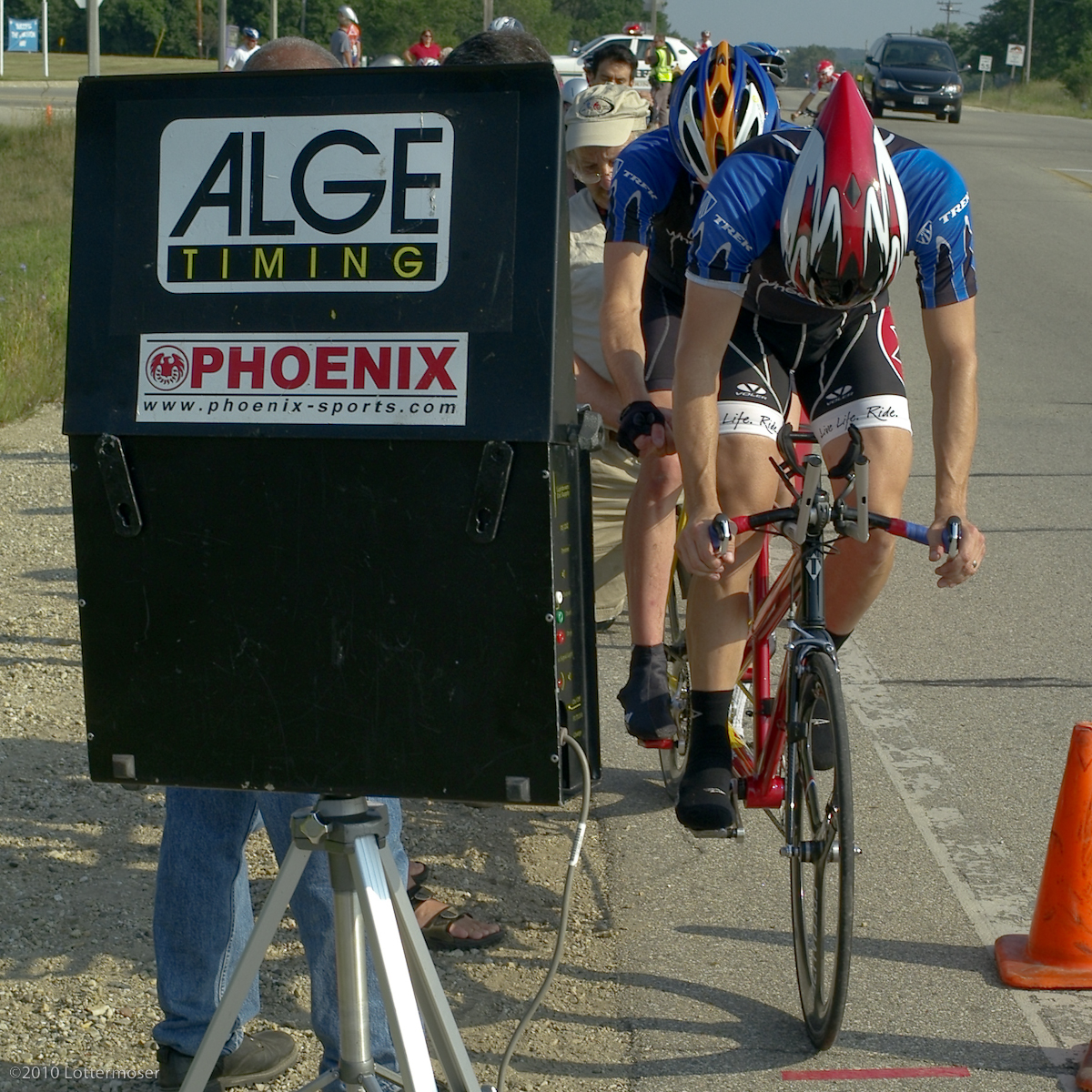
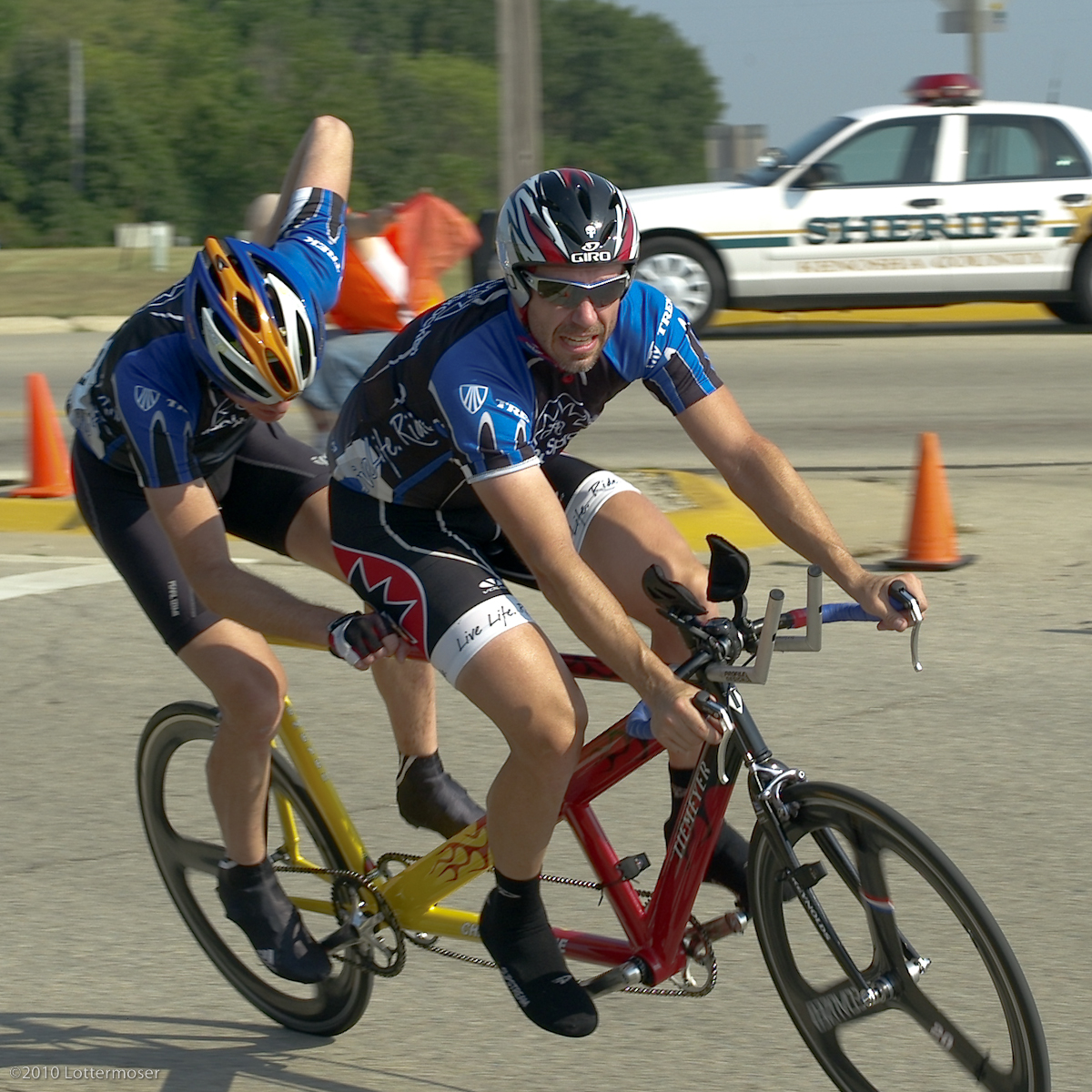
This morning my friend, Kevin Meyers, competed in the Double Bong 40kABR Wisconsin State Time Trial Championship, Kansasville, WI. Kevin lost his sight in 1987 when his racing boat hit a wake at 60 mph, threw him into the water, where he was hit by another boat. Lucky to be alive; and living to the max; he now races bicycles (with a tandem pilot). A couple weeks ago, at the Wisconsin State Track Championship, he and his pilot, Bob Springer, took the Gold Medal in Kilo and Pursuit, in the Tandem category. Kevin said, “My bike, Chariot of Fire, almost literally caught fire!” This morning he worked on his record times to qualify and participate in the 2012 Paralympics. Over the years I’ve worked with Kevin on a promotional video and designed the logo for his web site, stationery and motivational speaking work. Kevin’s simply an amazing human being. His web site is well worth taking a look at to discover just how amazing.

(click images for larger views)

Kevin’s “warm up”

Setting up the “Chariot of Fire”

At the line.

And they’re off to the races.

Coming around the fourth turn, completing the first of two laps.

Leica M8, 50 and 35 mm Summilux asph

This small world traveler seeks surprises

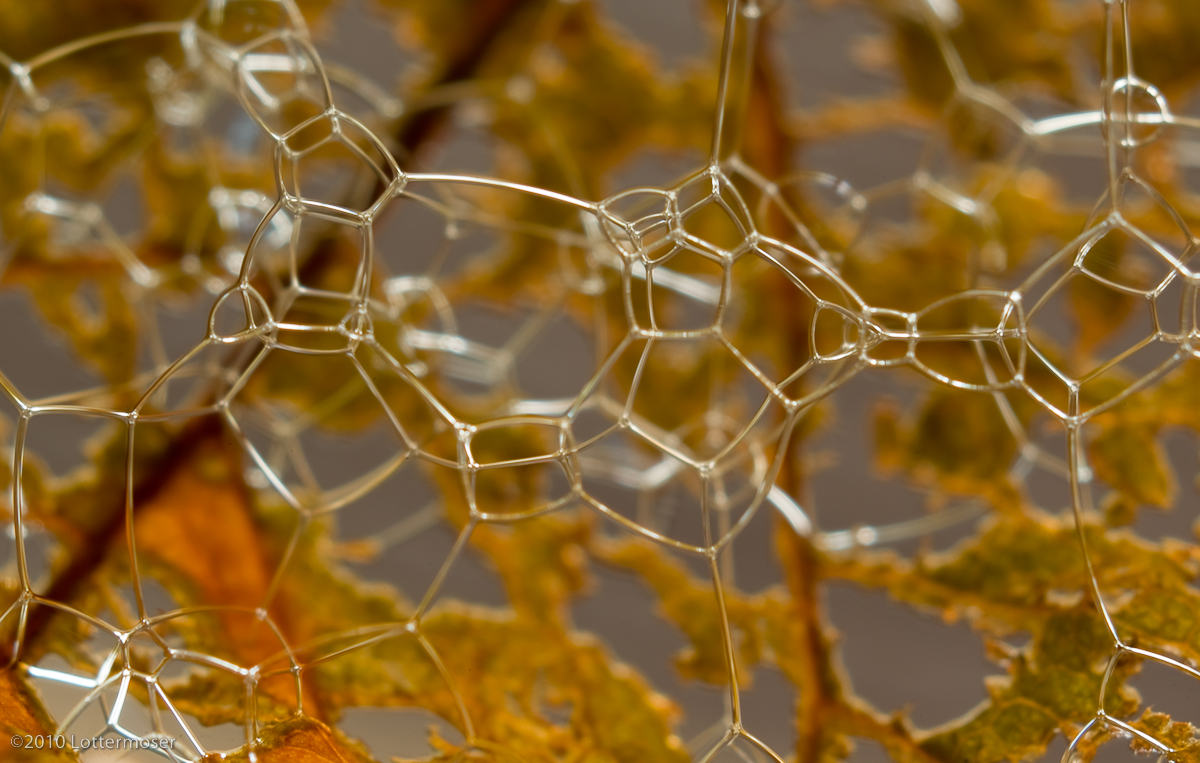
The macro (and even micro) world attracts my attention (again and again); wanting to get ever closer; seeking to discover forms, shapes and lines which my naked human eye fails to appreciate. The constant struggle to achieve both depth and visual poetry simultaneously frustrates and seduces the optical explorer of the world; whether one travels the globe or looks within a few inches of this amazing planet. So I continue to peek through my old Bausch & Lomb binocular microscope, and try every lens, tube, bellows and sensor I have, to discover an occasional aesthetic slice out of 10 to 50 mm of space and 1/100th to 1/1,000th of a second of time.

“The details are not the details. They make the design.” — Charles Eames

This particular “event” surprised this small world traveler and momentarily satisfied the insatiable curiosity which keeps him constantly searching for the next discovery.

(click image for larger view)

R8/DMR, 100 mm apo macro elmarit on bellows with maximum extension

Site Specific Design by Nathaniel Reinartz

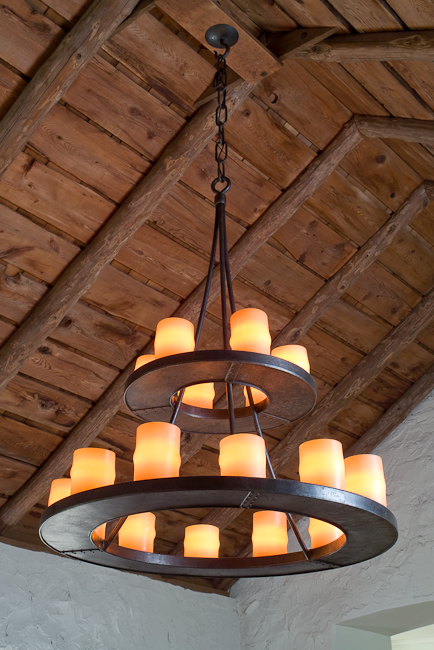
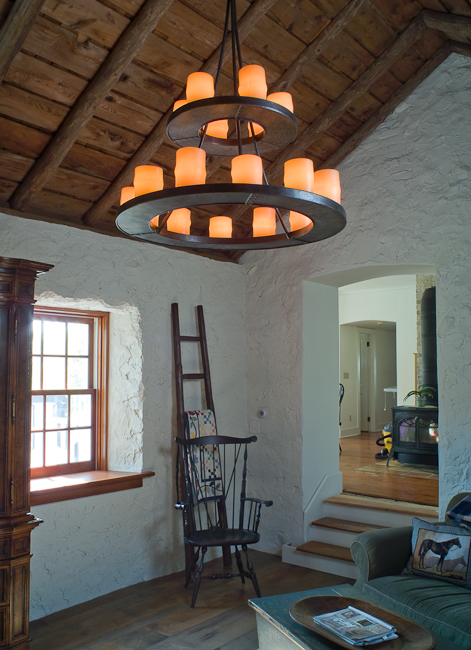
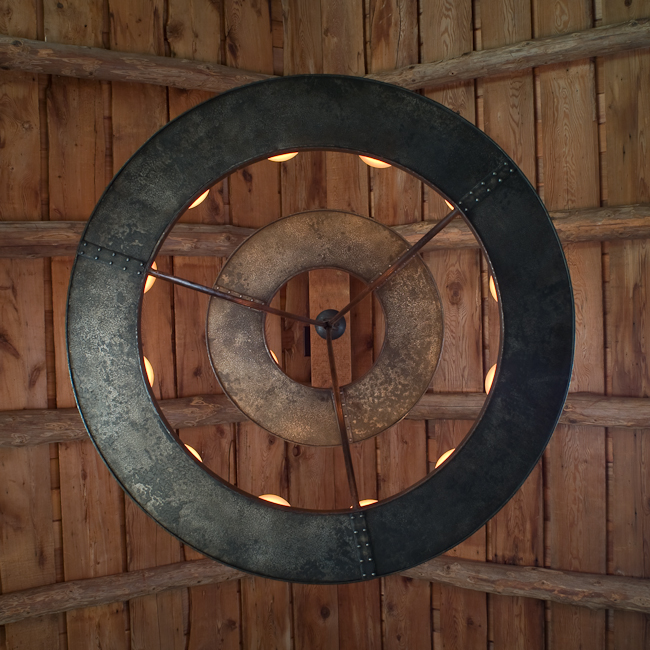
Back in May I had the opportunity to photograph a chandelier designed, forged and fabricated by Nathaniel Reinartz. In his portfolio catalog Nathaniel describes it as mild steel, fire scale and beeswax finish, diameter: 36” height: 48”. The wax lamp shades have each taken on its own subtly different shape from the heat of the electric lamps and provide the feeling of warm candle light. Nothing quite like having artists create functional work specific to a site — whether an architect designing a building, a metal smith designing a lamp, a graphic designer working out elements for a web site, or a photographer providing images for a site.

Upon arriving at the location I felt immediate appreciation for how beautifully the piece integrated with its surroundings. Not knowing what either the piece or environmental conditions would require I brought three Elinchrom studio strobes with various umbrellas and soft boxes; but needed to use only one light in an octagonal soft box to achieve some highlight modeling on the right side of the chandelier’s two rims.

Leica R8/DMR, 35 mm Summilux

Leica R8/DMR, 21 mm Super Angulon

Leica R8/DMR, 60 mm Macro Elmarit

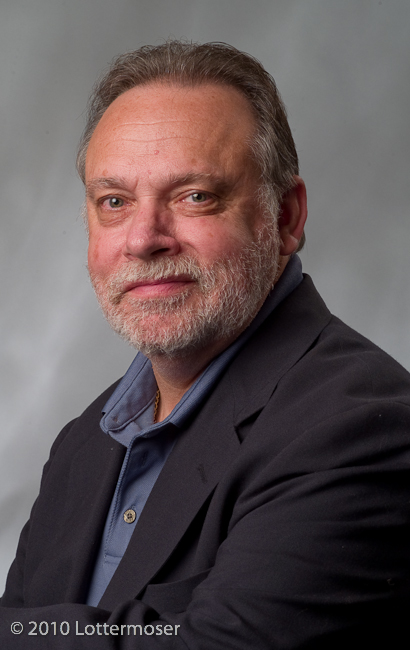
Rick Benoit becomes new Wisconsin Coordinator at Vets Journey Home (and needed a new portrait)

Rick Benoit took over responsibilities from Donna Barth as Wisconsin Coordinator for Vets Journey Home. Rick and I had a delightful photo session at my studio last month. Today I installed their pick from the session proofs, along with Rick’s bio, at the Vets’ who we are page; which I designed and launched last year. Kudos! to Rick and all those at Vets Journey Home who give so much to nurture the hearts, minds and bodies of our returning vets and their families. If you know a vet please let them know about this exceptional group of people who’d love to hear from them. The weekend program is offered at no charge to the veterans.

Seth presents a studio challenge

A couple weeks ago Seth Tyler completed two chandeliers. In this particular case Seth felt a “neutral” background would be preferable to their installed environment. We met to discuss how best to photograph them in the studio before they were permanently installed in the commissioner’s home.

So the challenge begins with questions like, “Do you want the illusion of a ceiling meeting a wall? Or the look of a ceiling meeting two walls (as in a corner)? Or the feeling of a studio sweep (more of an abstract space)?” Each of these possibilities requires a different approach to set design and construction as well as lighting; and of course budget in terms of time and materials. We must also consider the space limitations of my two relatively small shooting areas. In the end we decided to create an “upside down” sweep using a 4×10 foot sheet of gray Formica which I had in inventory; with the bottom edge held firmly in the channel of my Foba shooting table; we had only to figure out how to suspend the other 10 feet. When creating studio sweeps gravity is normally your friend. Gravity becomes your enemy when turning the sweep upside down. To save “my” time I drew up a suggested frame design that Seth could build and bring on the day of the shoot. But on the day we stood in my studio, discussing that approach, we also started pulling out nearly every light stand, clamp, and horizontal pole support I own. Three hours later we had the sweep inverted and needing only a 2″x4″x8′, properly drilled, to mount the chandeliers to. Lighting through the maze of light stands was, of course, yet another challenge. (additional chandelier details and lighting options can be seen in this slide show).

(click image for larger view)

Leica R8/DMR, 60mm Macro, (additional image slide show includes 100 mm Apo Macro)

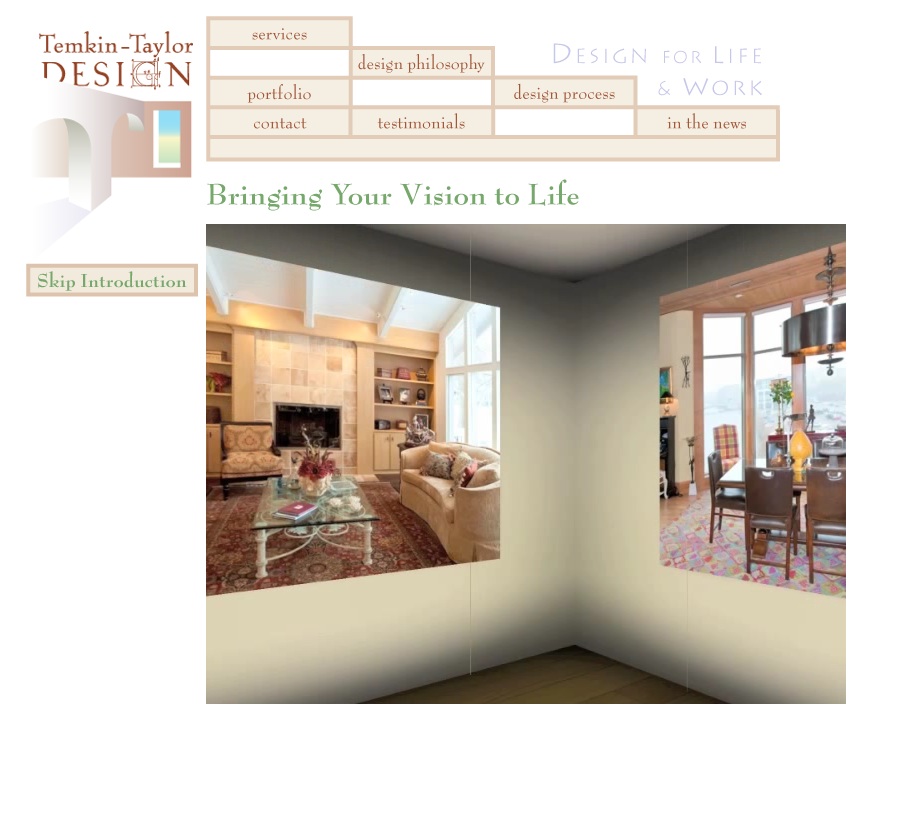
Temkin-Taylor Design web site launches today

Over the last 6 months Kim Temkin-Taylor and I worked diligently to find the correct tone and accuracy in both words and images; to effectively reflect her commitment to detail, quality and customer service. Today we went live at temkin-taylordesign.com.

(click image for larger view)

Richard Taylor provided photography for Kim’s site (with some interior photo and art direction, and post processing from me to achieve what Kim required). I began working with Richard on his corporate identity and web site in the spring of ’05, as he began his new “Life Journey Photography” business.