the photographers
disappear behind grandpas
when fairies appear
(click images for larger view)
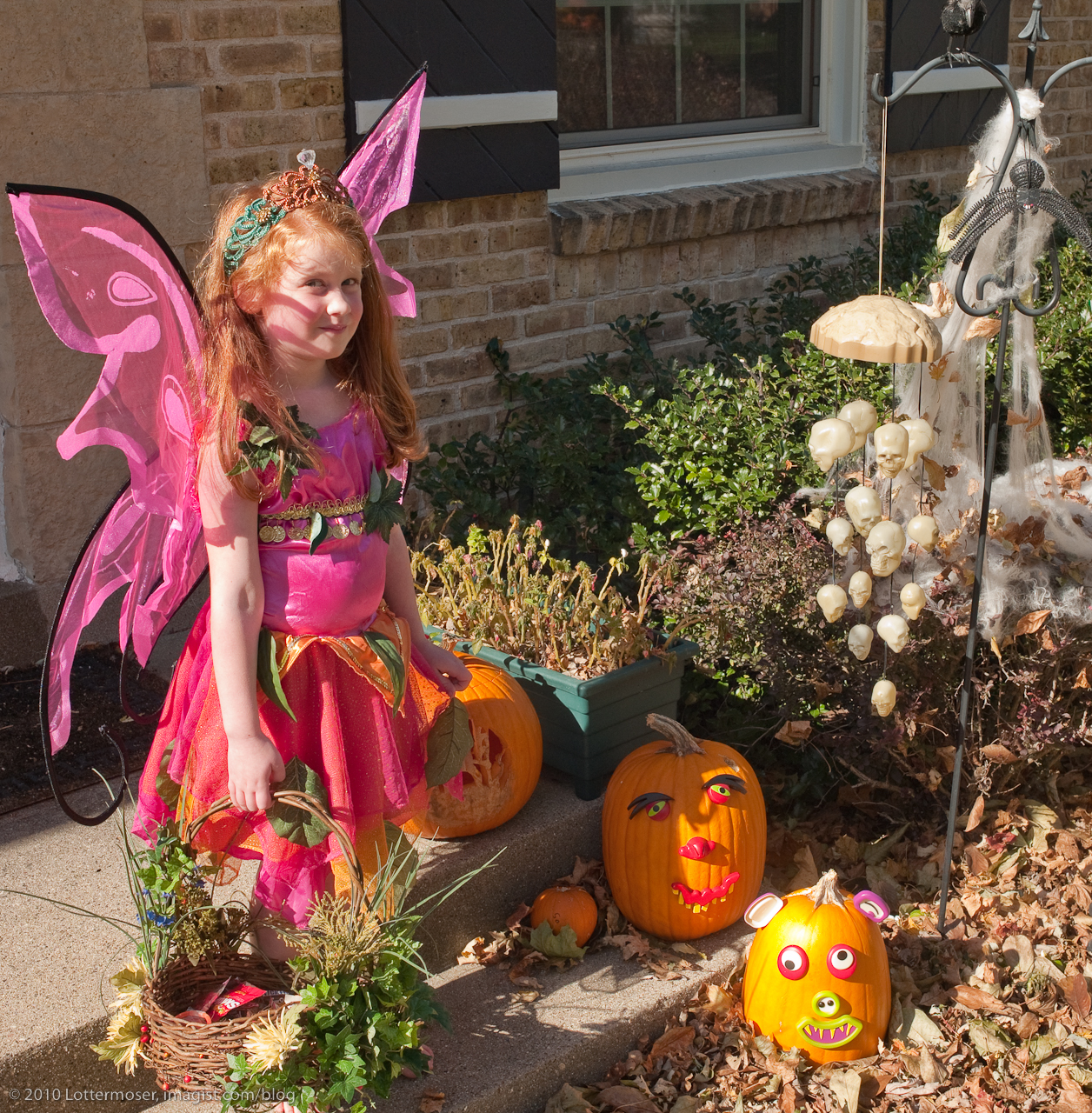
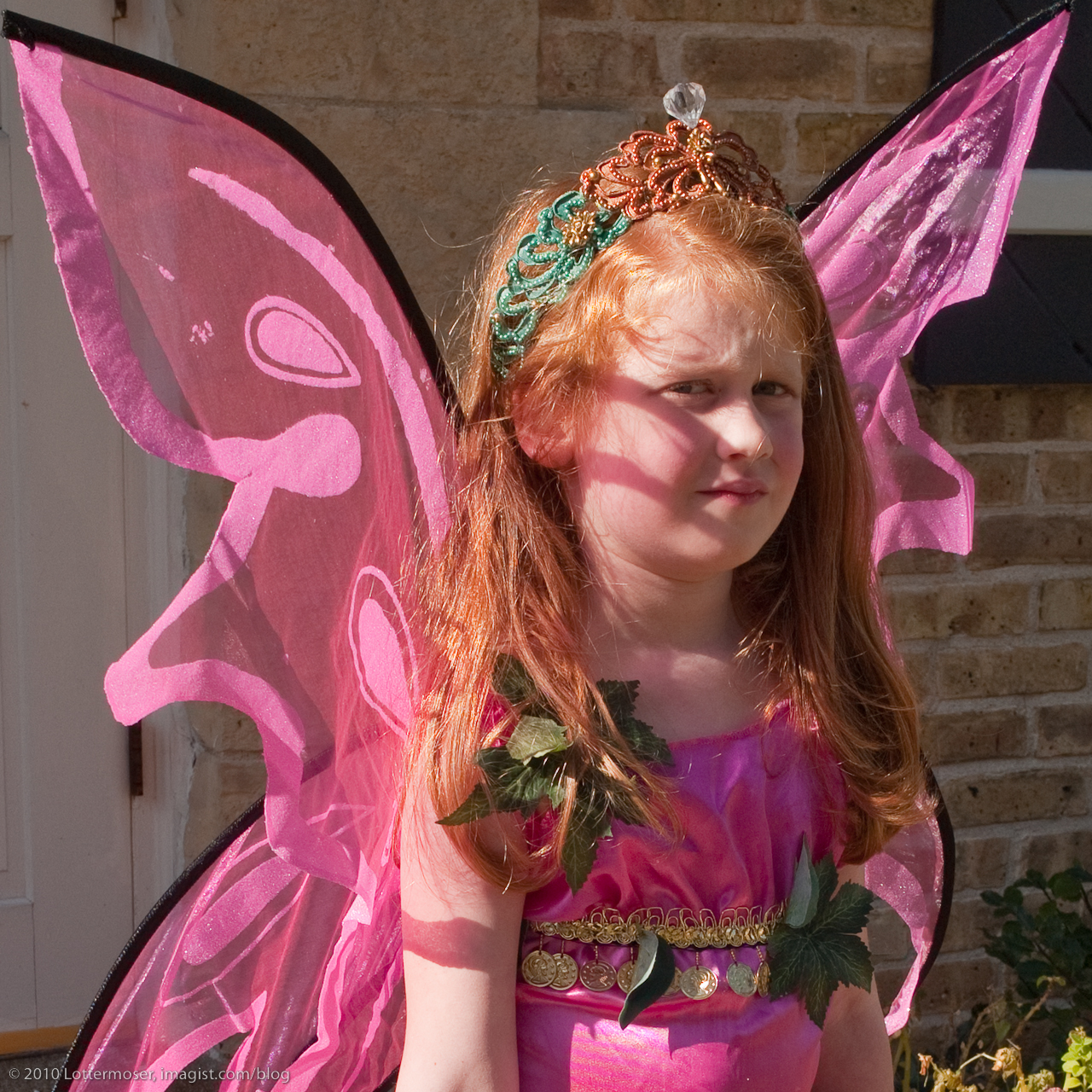
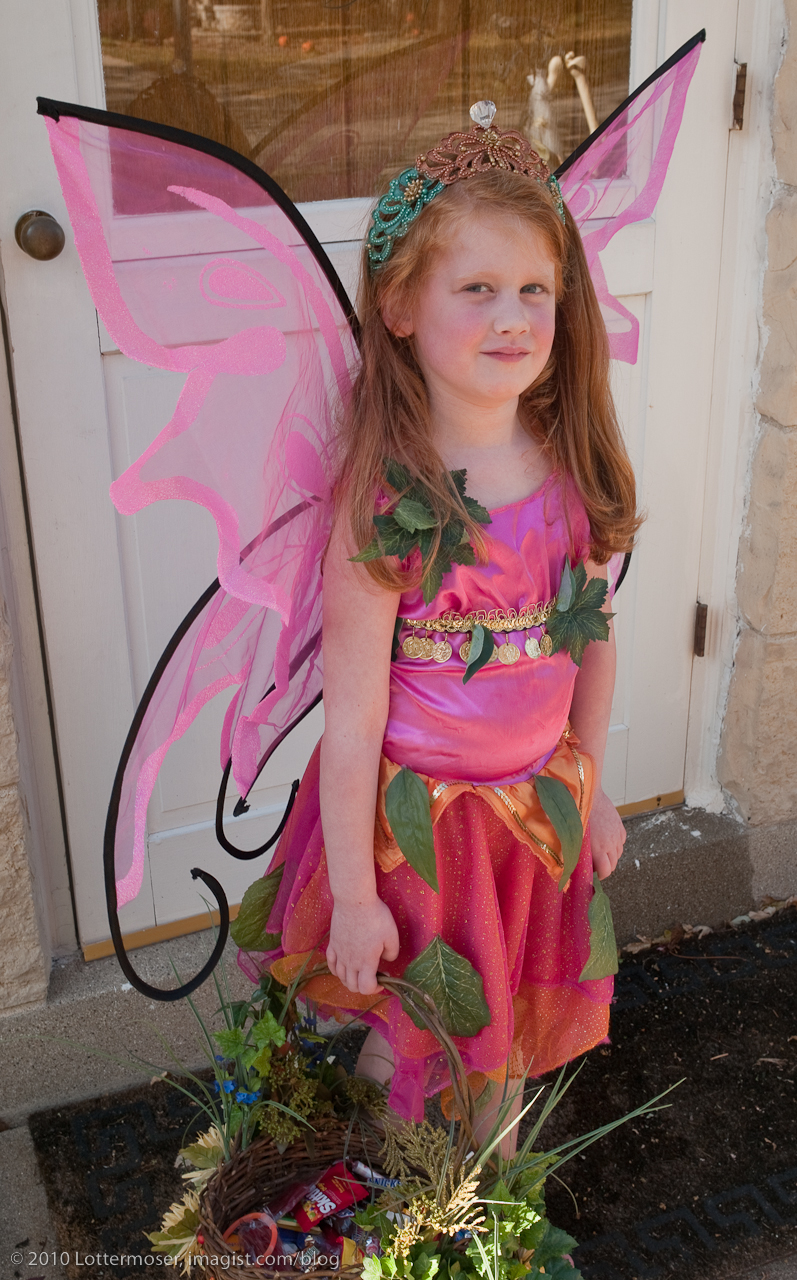
Leica M8, 28 mm Summicron Asph
the photographers
disappear behind grandpas
when fairies appear
(click images for larger view)
Leica M8, 28 mm Summicron Asph
not only leaves fall
winds and windows change the state
of life around us
(click image for larger view)
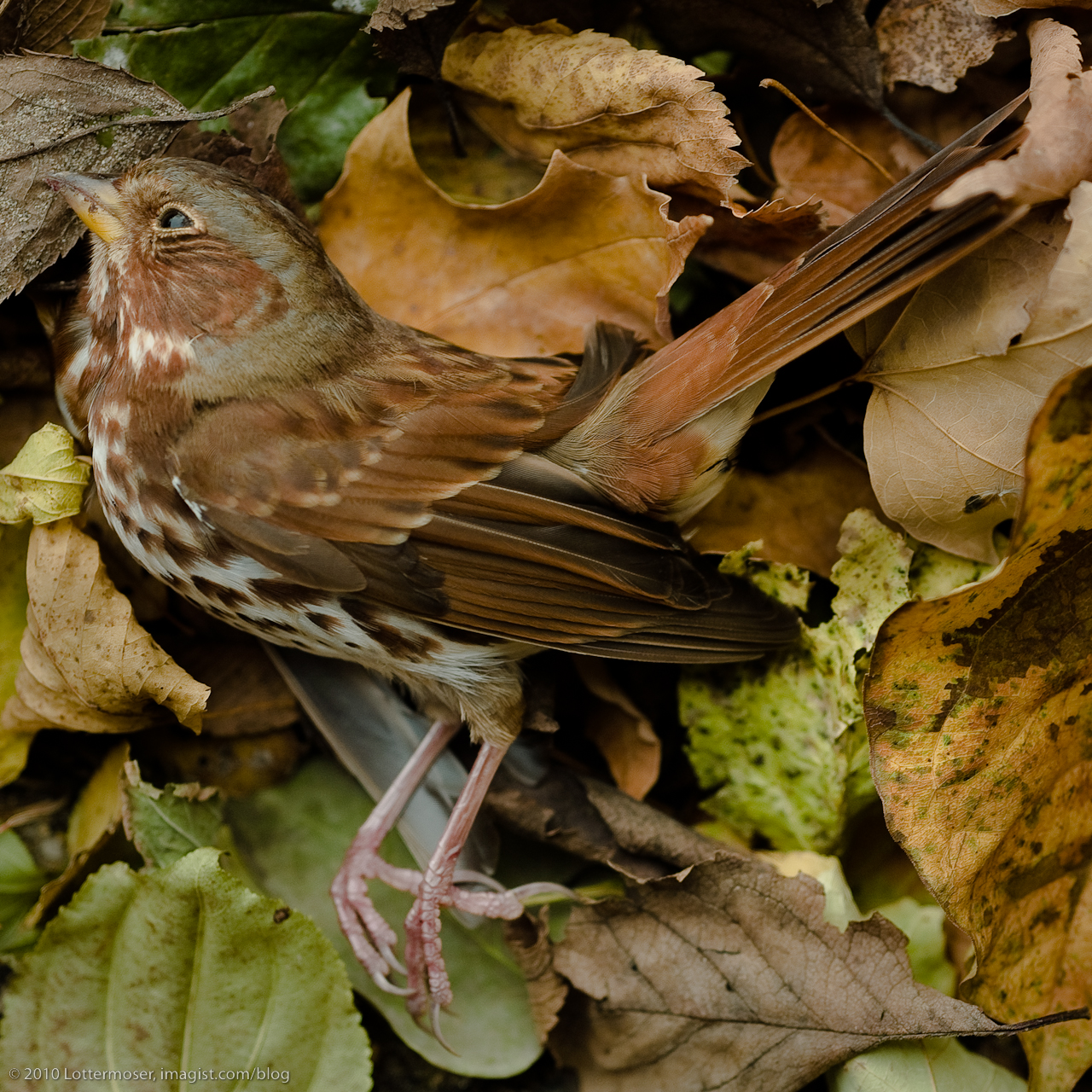
R8/DMR, 100 mm Apo-Macro Elmarit

R8/DMR, 15 mm Super Elmar
ever fewer
ever smaller blooms,
now surrounded by fallen
leaves, dancing in the breeze
(click images for larger view)
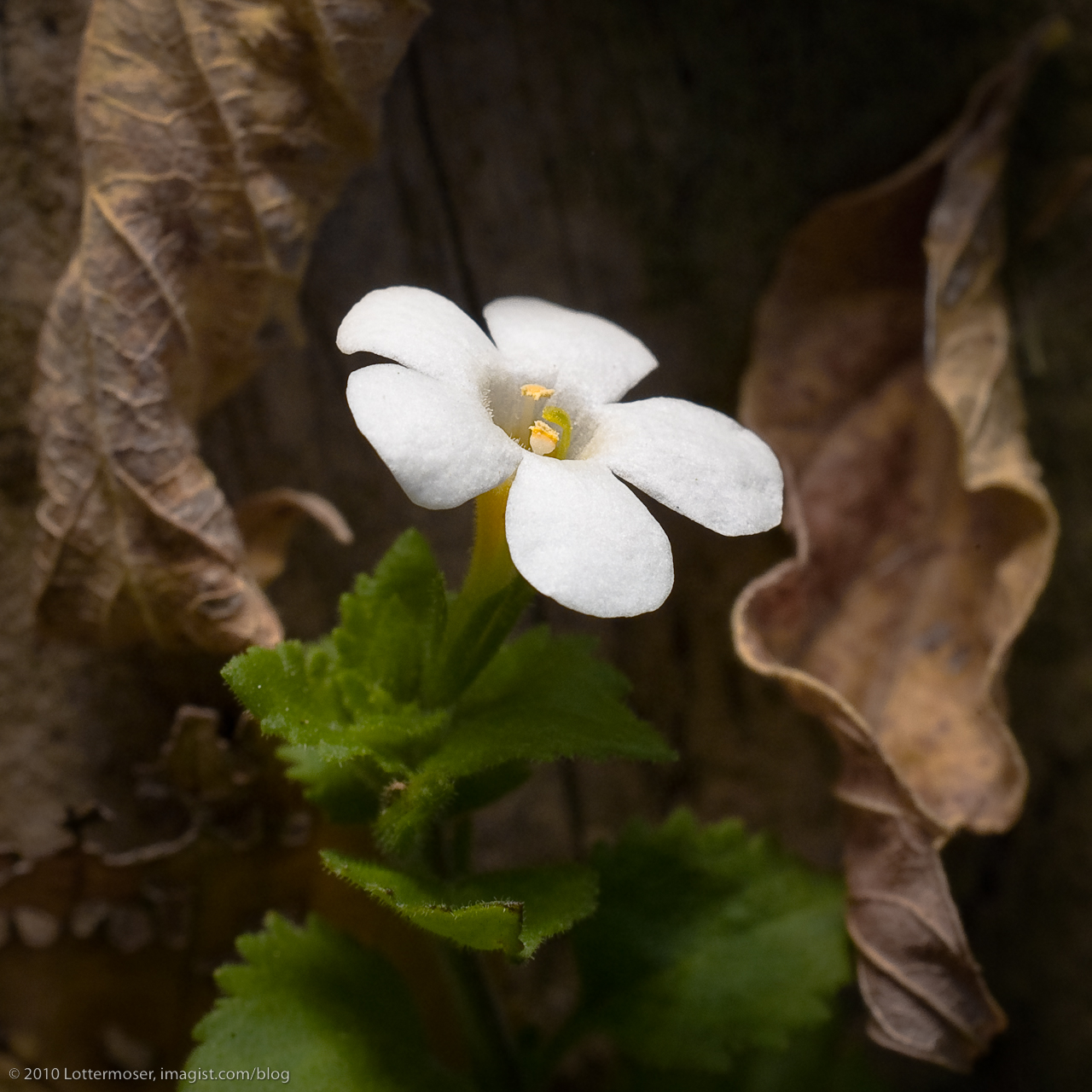
As I look through the view finder I slowly fall in love with this tiny blossom, resting on the weathered cedar, in the shade of the porch; even though the light lacks quality. The afternoon sun requires redirecting. The closest useful tool sits six feet away; in the kitchen drawer. A sheet of aluminum foil allows me to bring the sunlight back into the scene. As I search for the composition the slight fall breeze continually moves the near weightless leaves around the subject — a delicate dance. New leaves appear on this dance floor. Others depart. The breeze on the foil also causes the light to dance about in endless variations. So too does the camera move; closer; further; lower; higher; searching for the rhythms. So which of these best captured my affection for the subject and the light? I still can’t decide.




Leica R8/DMR, 100 mm Apo-Macro-Elmarit
slither through weeds, there
found blooms, still warmed by the sun.
smell earth before snow
(click images for larger views)
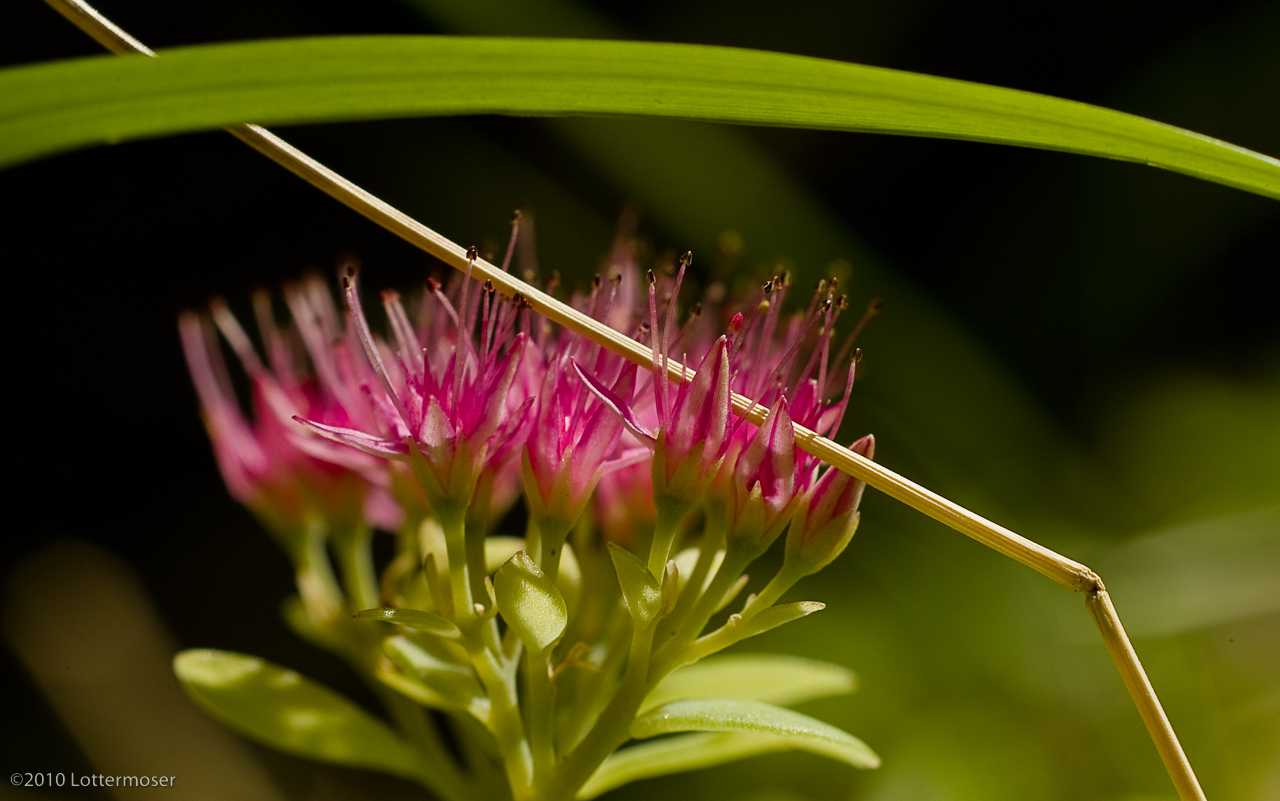
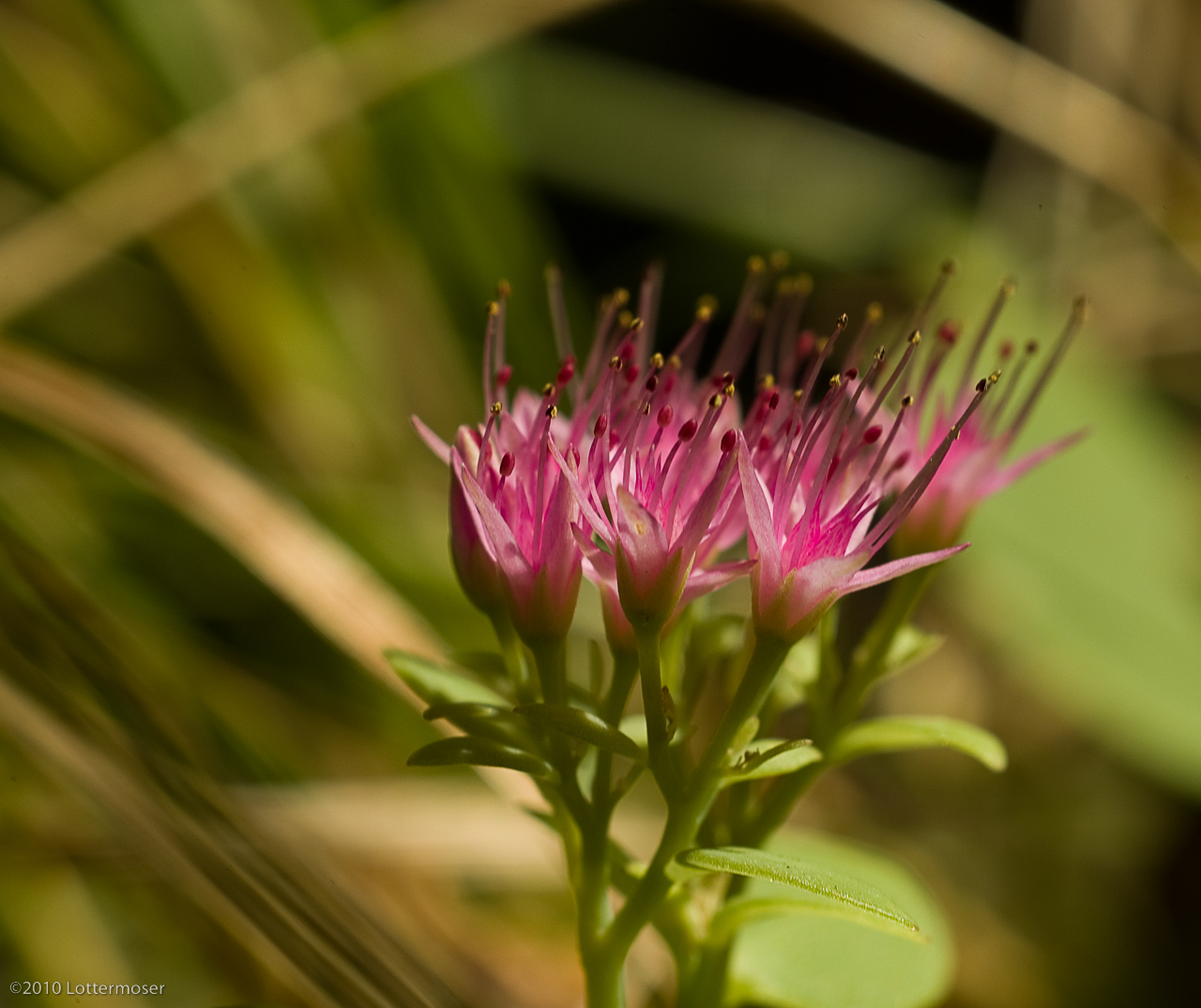
Leica R8/DMR, 100 mm Apo Macro Elmarit
greens turning to golds
fall, silent, without a splash,
blowing hot and cold
(click images for larger view)



R8/DMR, 15 mm Super Elmar
Our parents’ ashes
rest in that great chalice, Lake
Michigan, reflected
now in my dear sister’s Shades
(click image for larger view)
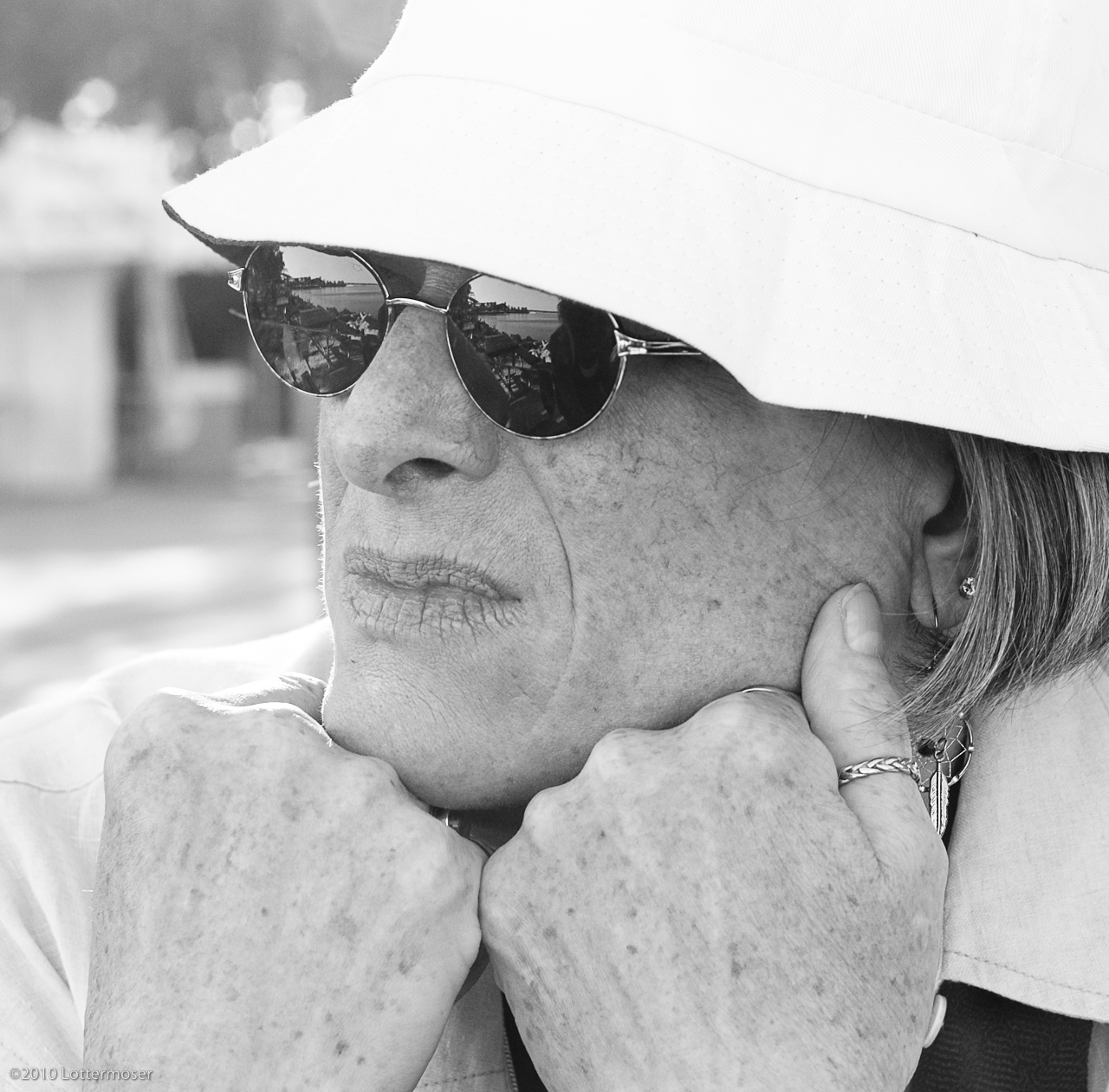
M8, 50 mm Summilux Asph
Jean-Luc Godard said, “When you photograph a face, you photograph the soul behind it.” Can this be true? Some times; perhaps.
how differently
we each perceive moments which
modify our lives
9/11
(click images for larger view)
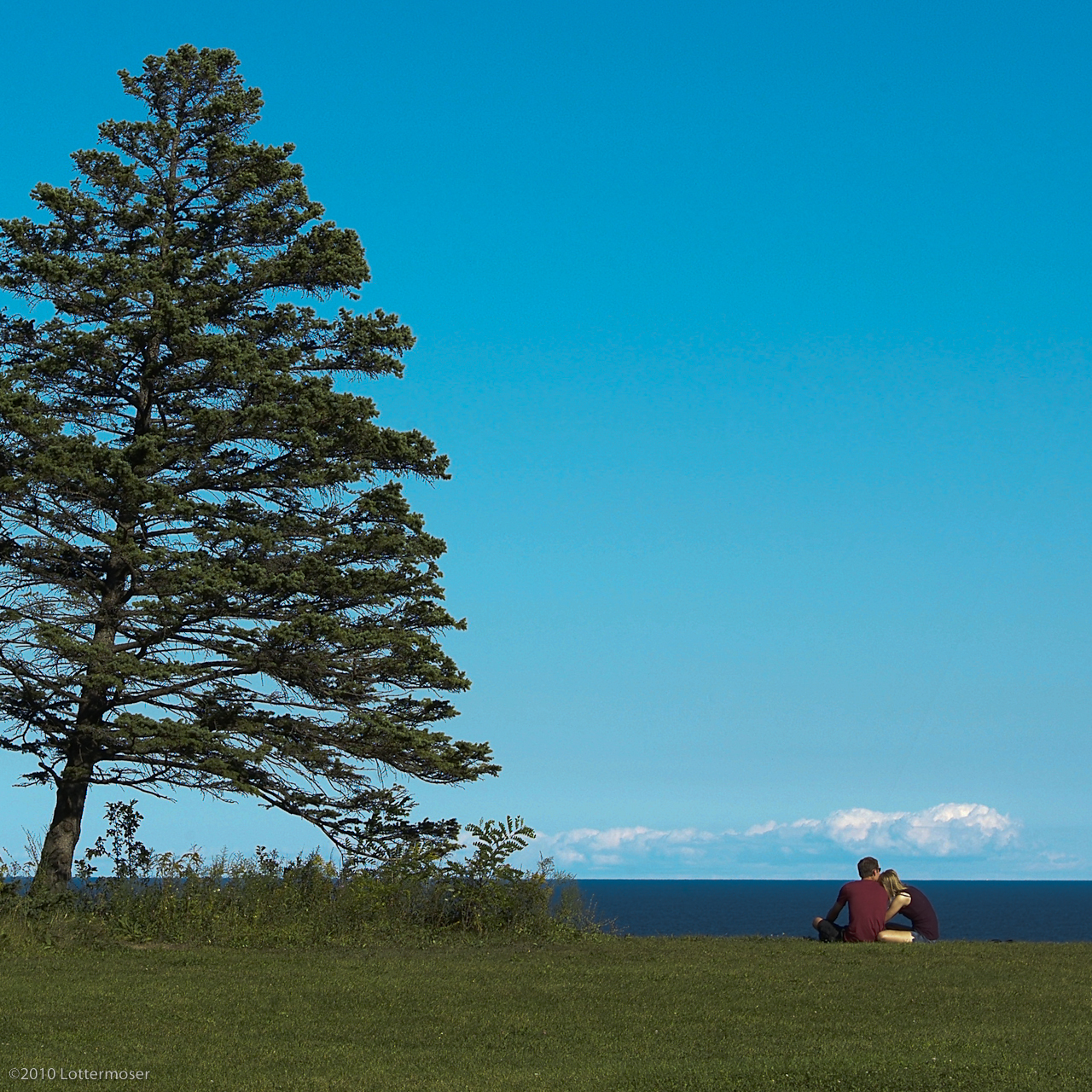
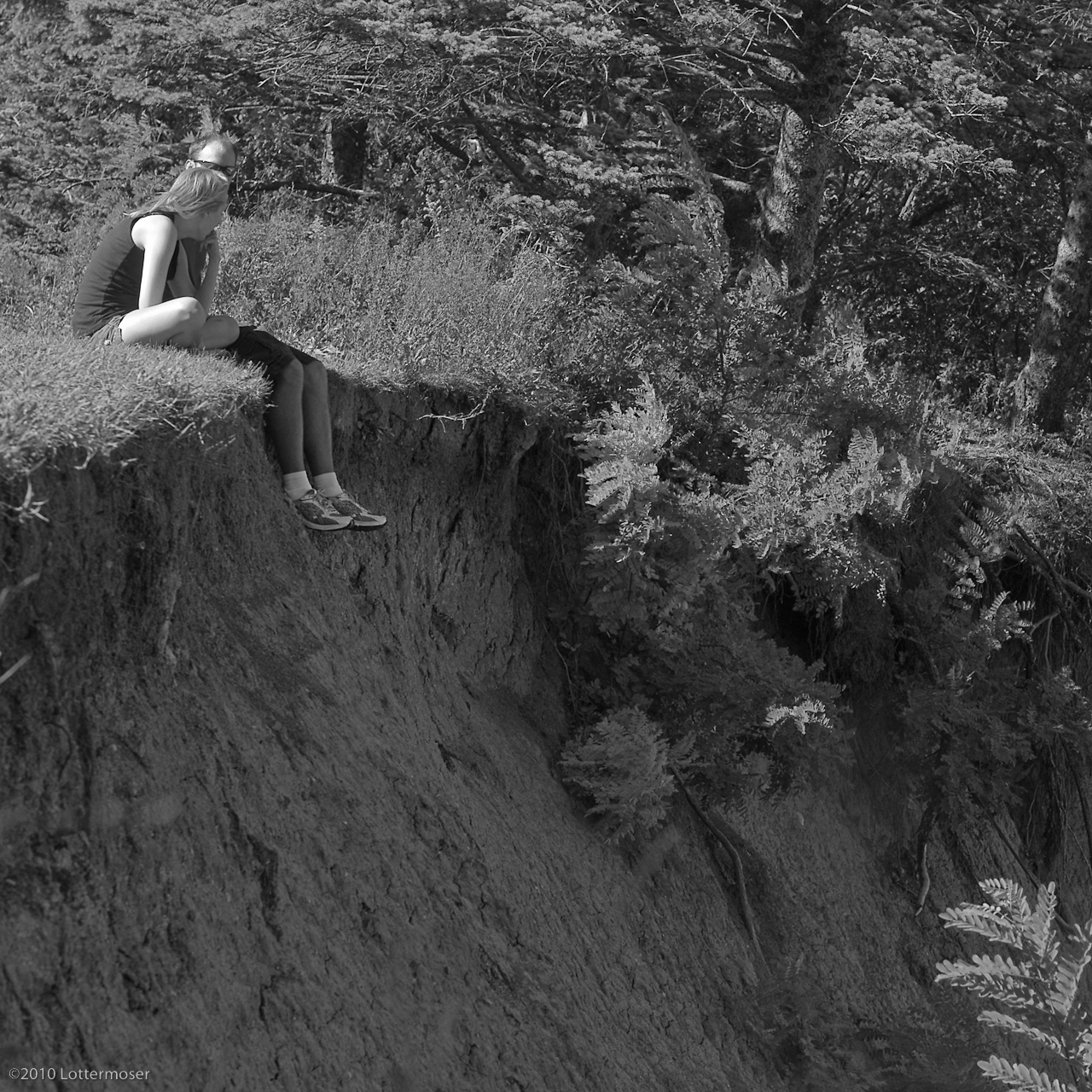
Leica M8, 65 mm Elmar, Visoflex III with Right Angle Finder
Right angle viewfinders, on both the Visoflex and R8, present me with both a fresh point of view and an unobtrusive, candid approach. And we all need fresh points of view.
sun warms lover’s limbs
seeing — makes a memory
devise memento
(click image for larger view)

Leica M8, 135mm Elmar on Visoflex III (with right angle viewer)
In an eMail Alan Magayne-Roshak said of my August 24th blog post, “I love it. It’s easy to get lost in it (in a good way). This reminds me of a David Vestal column where he quoted Picasso as saying, “I don’t seek, I find.” ( The column is at home; I hope I got it correct.) I would say this is a “miksang” photograph.”
After searching the term (beyond the wikipedia link Alan provided) I took it as a compliment; and felt surprise in finding that miksang has taken hold, as a sort of “school” of photography, around the world. Miksang: a Tibetan word meaning “good eye” based on the Dharma Art teachings of Chögyam Trungpa, in which the artist’s eye perceives in perfect harmony with a contemplative mind. This type of visual perception, when applied to the practice of photography, produces a particular sort of photograph. Miksang photographs tend to bring the observer back into the author’s original state of contemplation; behaving, in my opinion, in ways similar to haiku.
Mihály Csíkszentmihályi posited that people feel most happy while working within a similar state; which he referred to as a state of flow.
While I have no idea if these photographs qualify as miksang; I certainly felt in a state of contemplative flow as I made them; and believe they do invite the viewer’s eye/mind to return to that state.
(click on images for larger view)
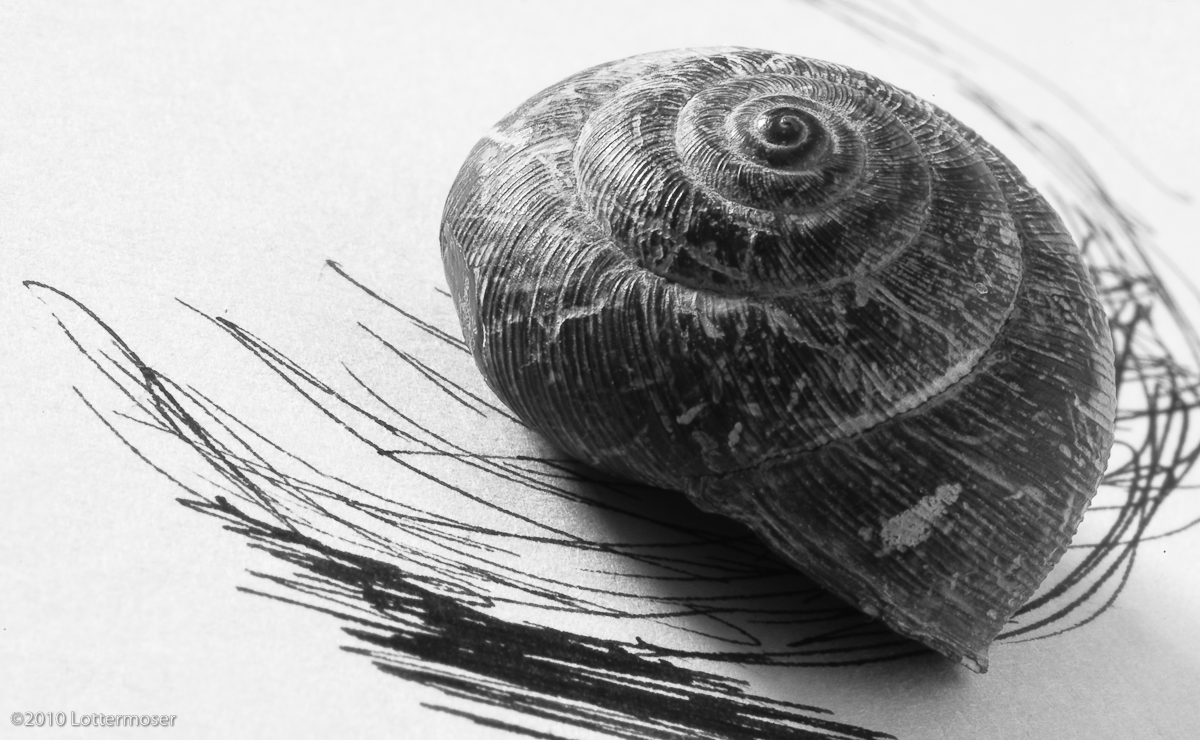
love marks on paper
heat becomes a memory
beach remains in notes
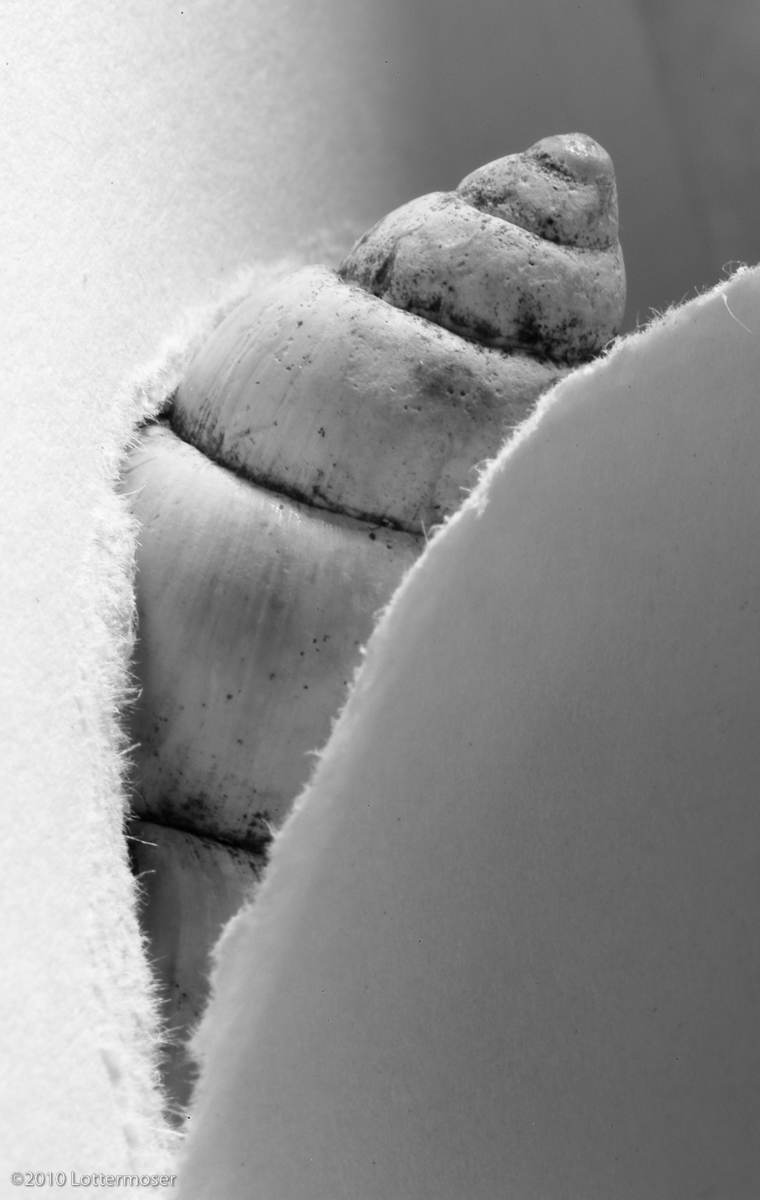
Leica R8/DMR, 65 mm Elmar on R bellows
sit on the porch, watch
it build, then sit, waiting too
hoping for a meal
(click image for larger view)
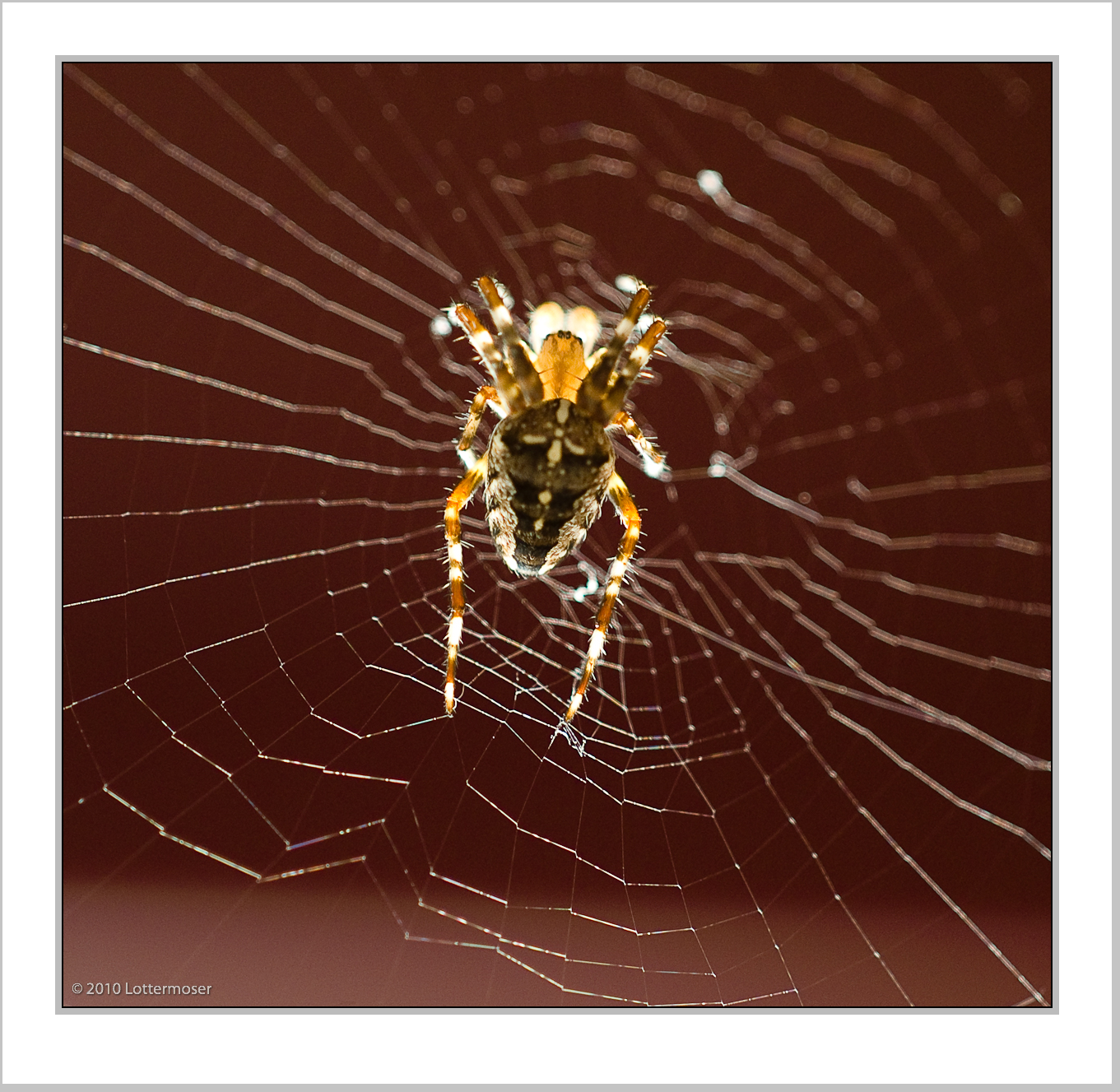
Leica R8/DMR, 100 mm apo macro elmarit
(yes. stopping down would have been nice. but for 1/30th @ 2.8. I like it)