(click images for larger view)
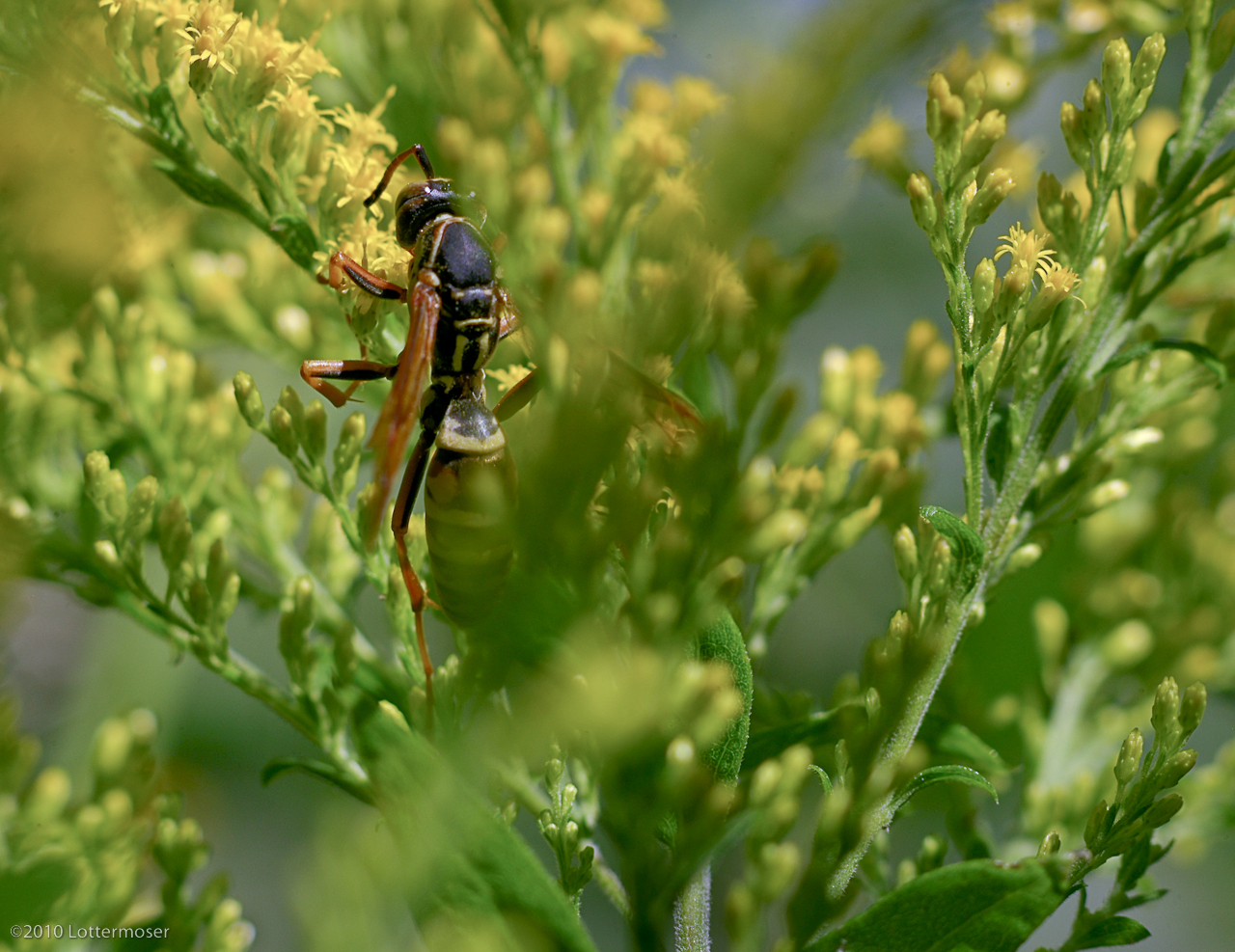
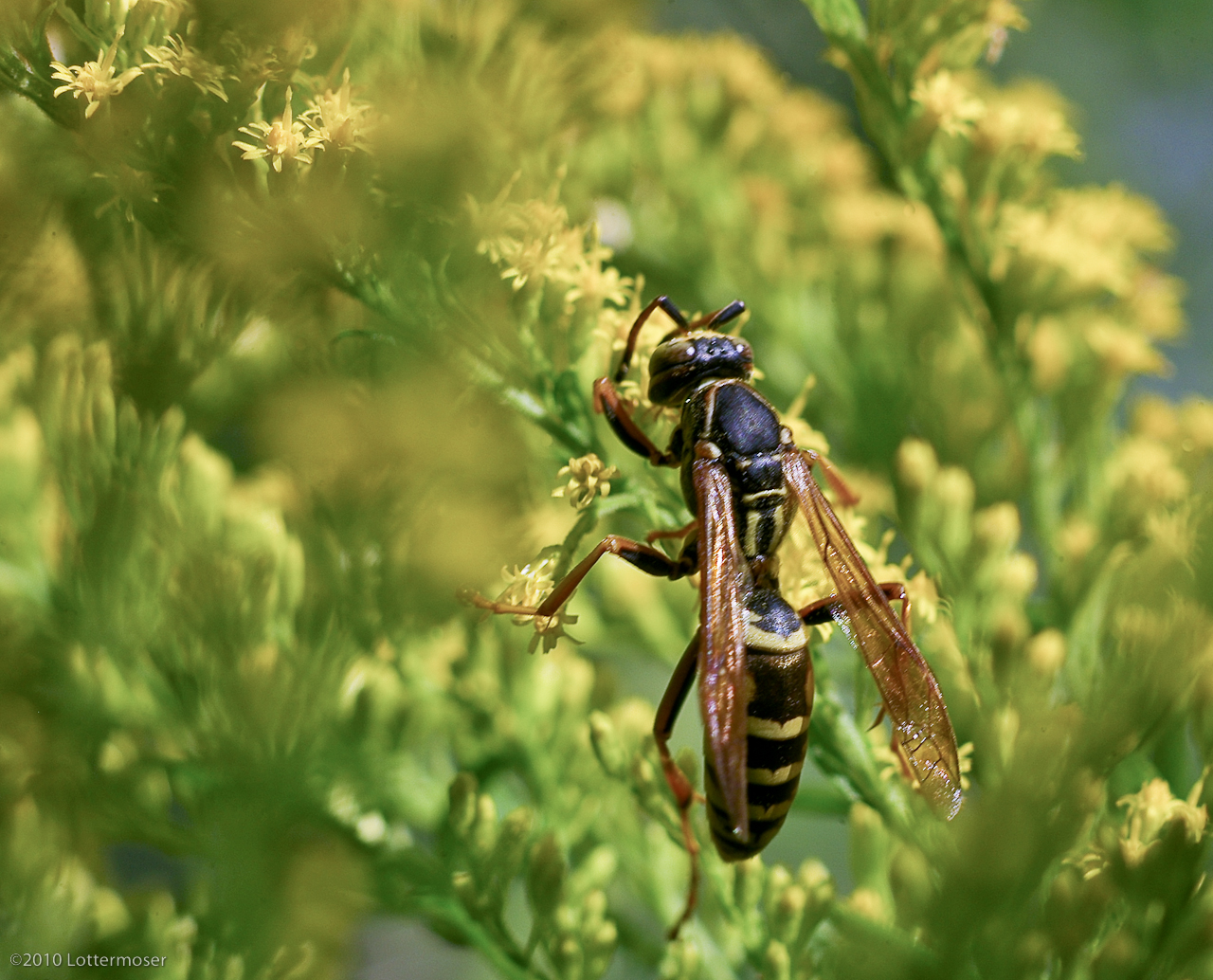
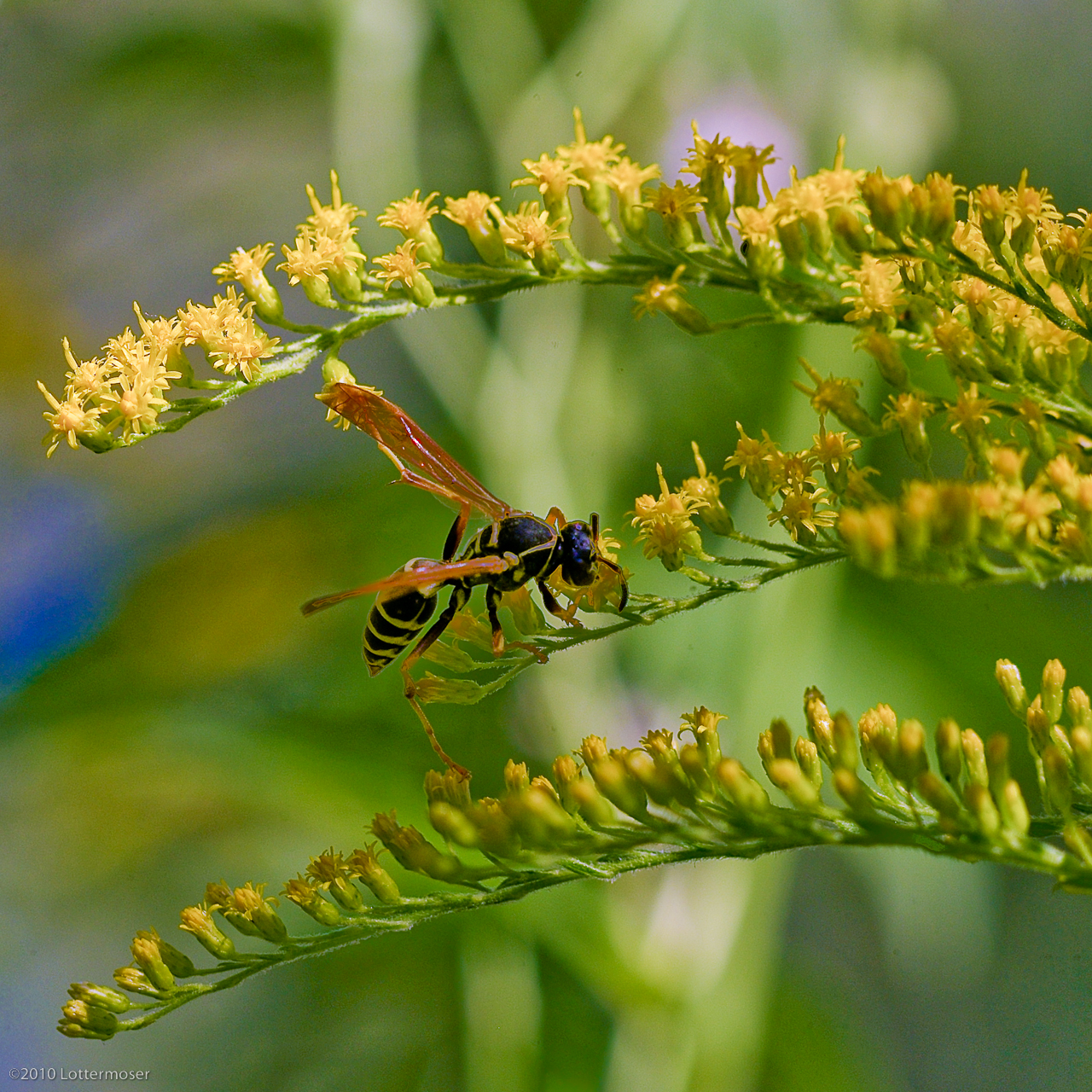
Leica M8, 135 Elmar, Visoflex with right angle viewer
(click images for larger view)
Leica M8, 135 Elmar, Visoflex with right angle viewer
We couldn’t hear his knock. The crane fly simply clung to the window waiting for me to notice that he had interest in a portrait session. After a few shots I took the SD card to the computer to review the proofs. When I returned (for possible reshoots) the visitor had vanished; leaving no forwarding contact information. Wikipedia says, “…most crane fly species exist as adults only to mate and die.” Perhaps this one wanted to be remembered.
(click image for larger view)
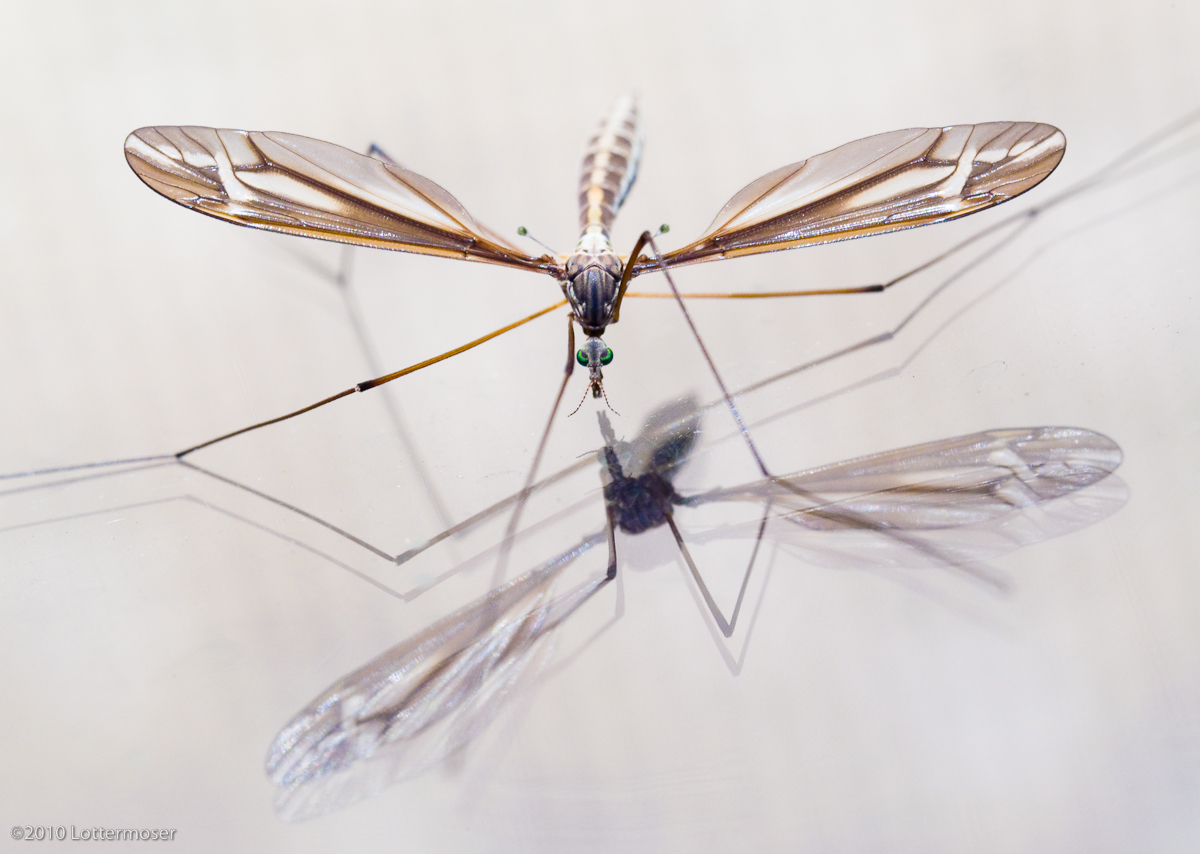
Leica R8/DMR, 100 Apo Macro Elmarit
Feeling the season change.
Most of the blooms around the house have dried up.
Leaves turning toward yellow.
Seems like we have only wild ones left.
(click image for larger view)
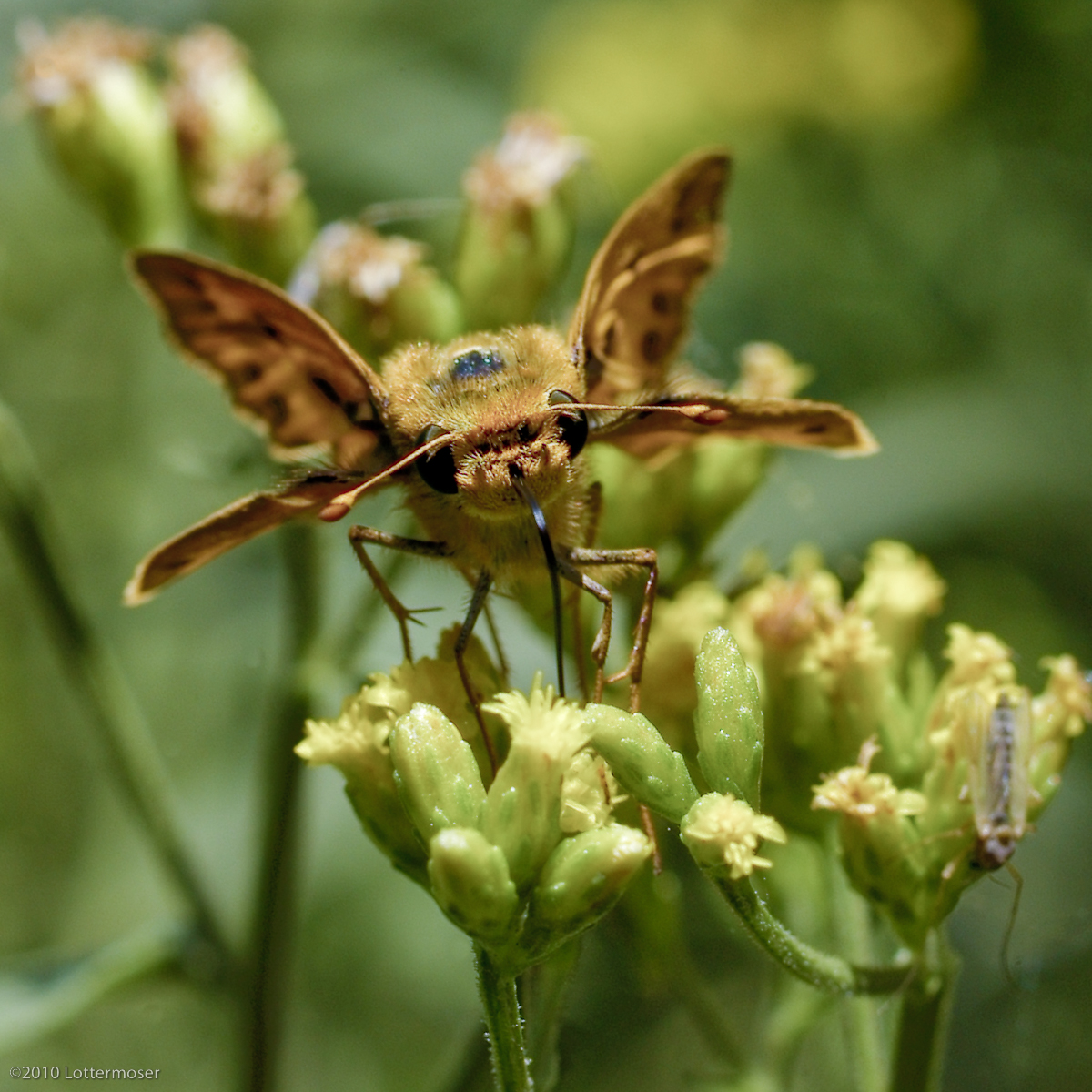
Leica M8, 65 Elmar on Visoflex III
In an eMail Alan Magayne-Roshak said of my August 24th blog post, “I love it. It’s easy to get lost in it (in a good way). This reminds me of a David Vestal column where he quoted Picasso as saying, “I don’t seek, I find.” ( The column is at home; I hope I got it correct.) I would say this is a “miksang” photograph.”
After searching the term (beyond the wikipedia link Alan provided) I took it as a compliment; and felt surprise in finding that miksang has taken hold, as a sort of “school” of photography, around the world. Miksang: a Tibetan word meaning “good eye” based on the Dharma Art teachings of Chögyam Trungpa, in which the artist’s eye perceives in perfect harmony with a contemplative mind. This type of visual perception, when applied to the practice of photography, produces a particular sort of photograph. Miksang photographs tend to bring the observer back into the author’s original state of contemplation; behaving, in my opinion, in ways similar to haiku.
Mihály Csíkszentmihályi posited that people feel most happy while working within a similar state; which he referred to as a state of flow.
While I have no idea if these photographs qualify as miksang; I certainly felt in a state of contemplative flow as I made them; and believe they do invite the viewer’s eye/mind to return to that state.
(click on images for larger view)
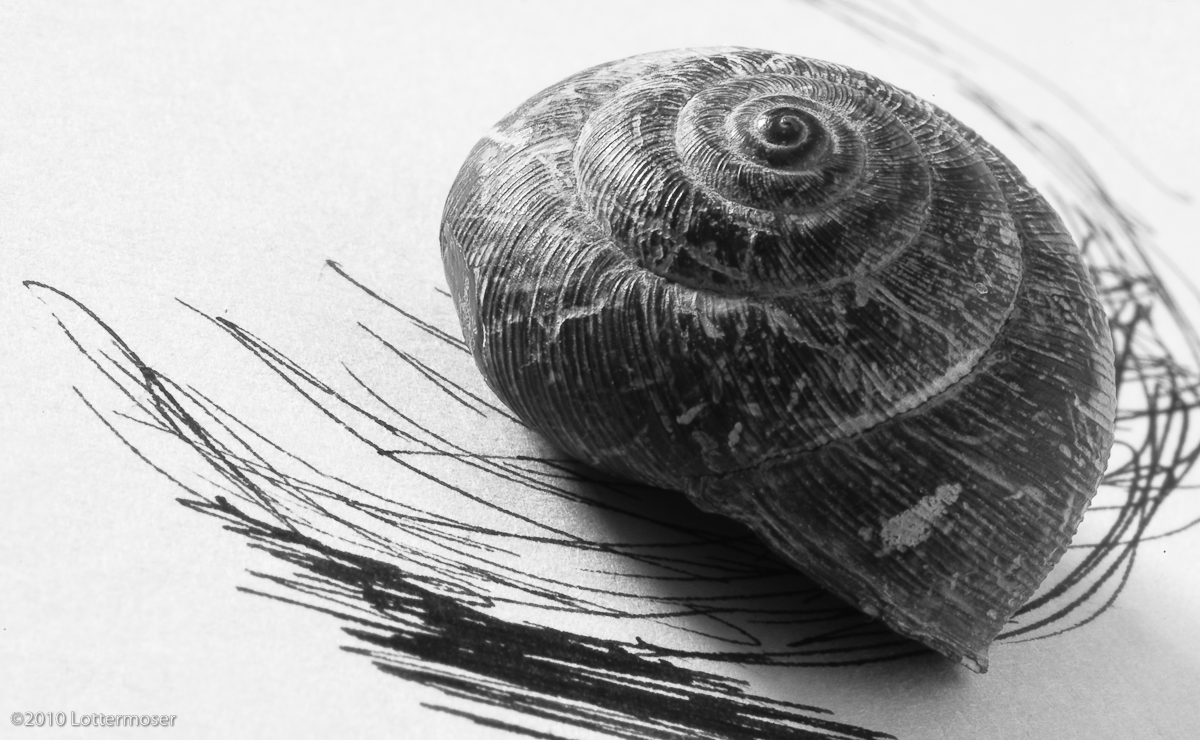
love marks on paper
heat becomes a memory
beach remains in notes
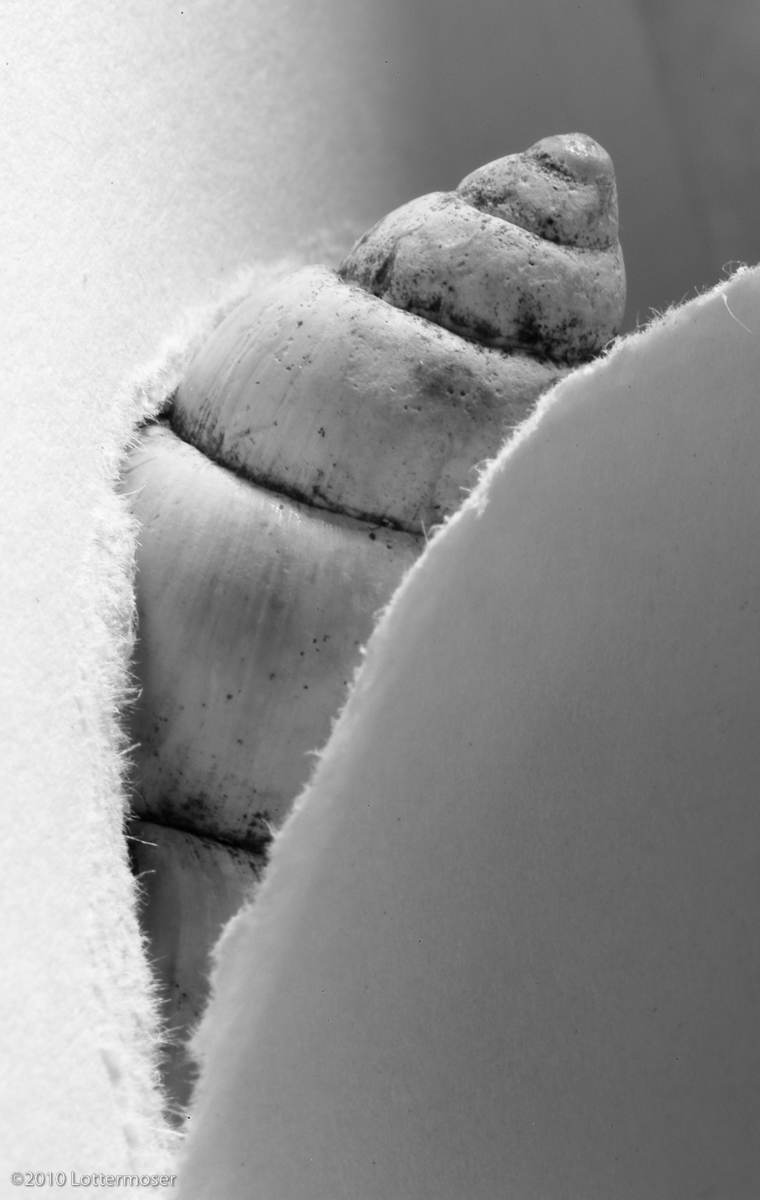
Leica R8/DMR, 65 mm Elmar on R bellows
Dorothea Lange said, “The camera is an instrument which teaches people how to see without a camera.” Emile Zola offered, “In my view you cannot claim to have seen something until you have photographed it.” I believe that drawing also teaches people how to see [without a camera]. If you truly want to “see deeply” into the wold around you — do both — draw and photograph your life. Each process will provide a completely different “seeing” lesson. And let us not forget writing. “When you are describing, A shape, or sound, or tint; Don’t state the matter plainly, But put it in a hint; And learn to look at all things, With a sort of mental squint.” said Charles Lutwidge Dodgson (Lewis Carroll). And in her Pilgrim at Tinker Creek Annie Dillard offers, “Seeing is of course very much a matter of verbalization. Unless I call my attention to what passes before my eyes, I simply won’t see it. It is, as Ruskin says, ‘not merely unnoticed, but in the full, clear sense of the word, unseen.'”
(click images for larger view)
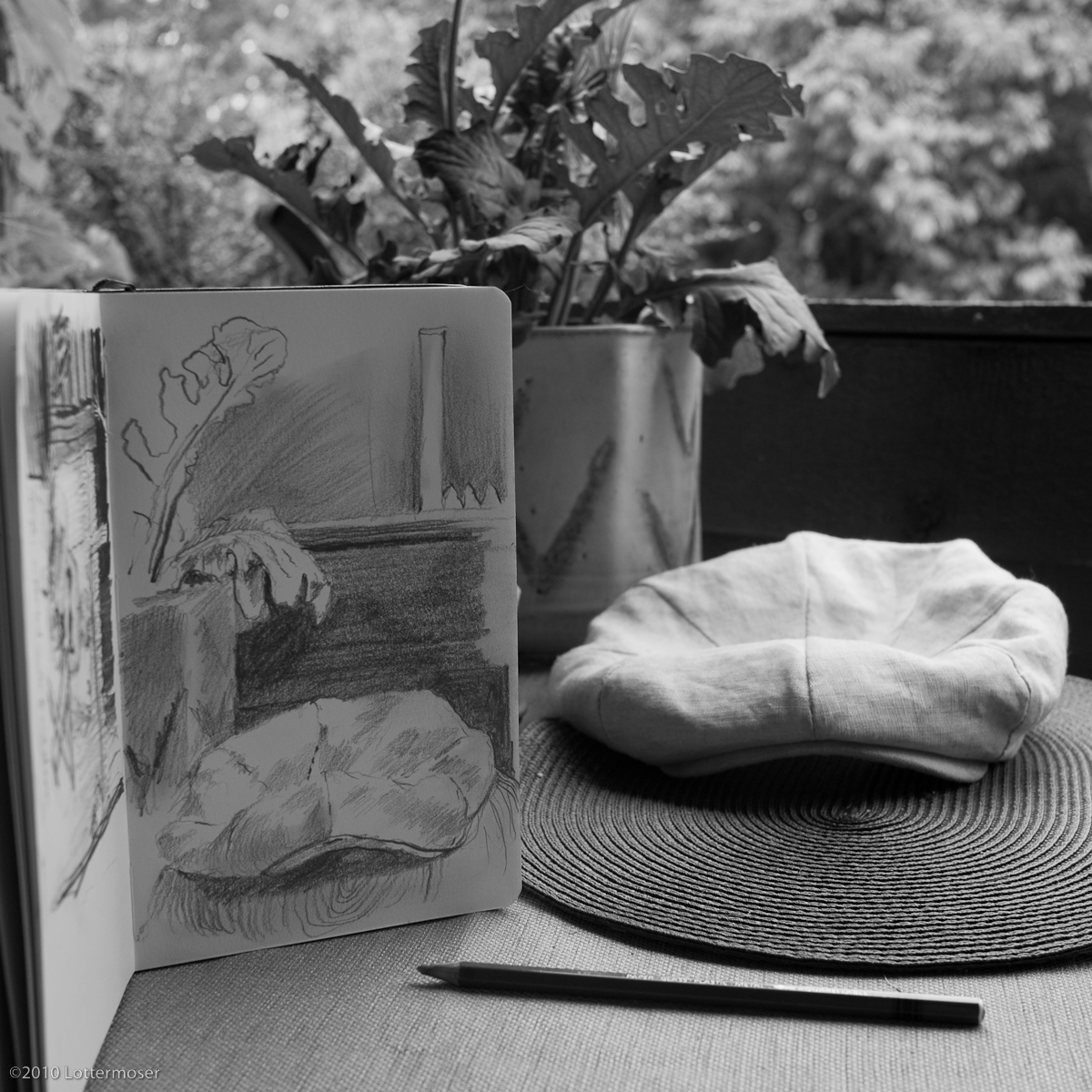
Leica M8, 28 mm asph summicron
Yet somethings in life move far too fast to draw or write in the moments of experience. Photography serves our drawing and writing; just as drawing and writing serves our photography. As Henri Cartier-Bresson said, late in life, after putting his camera down, “All I care about these days is painting—photography has never been more than a way into painting, a sort of instant drawing.” Draw, paint, photograph, write, sculpt, make music — in order to draw life more deeply into our consciousness — and dig more deeply into life.
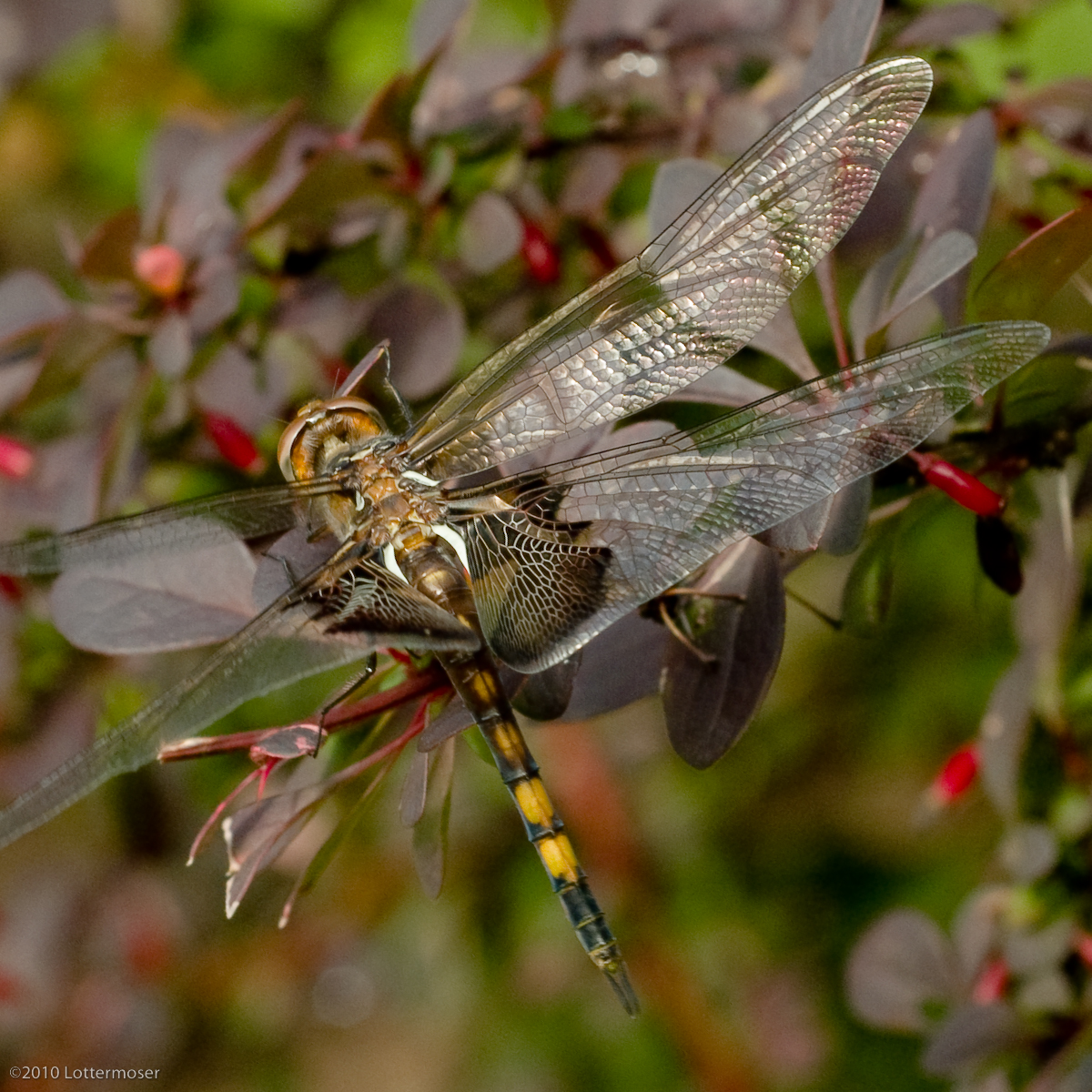
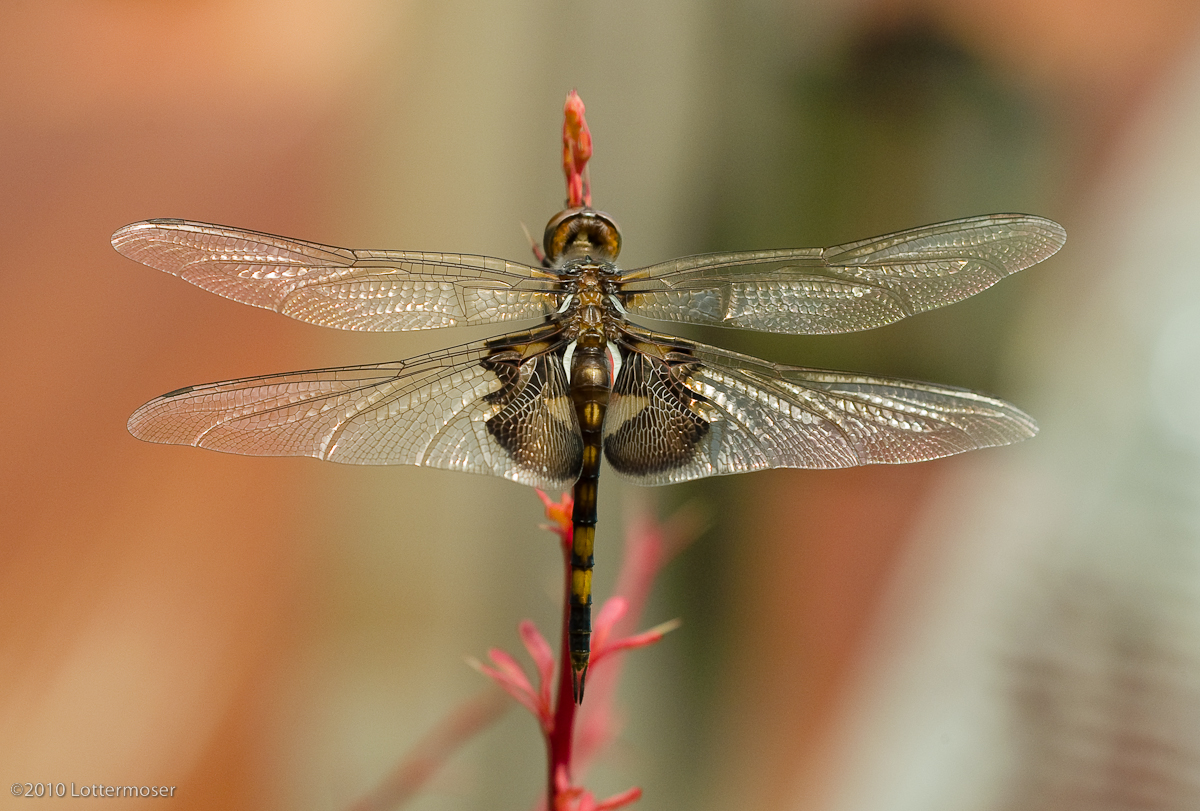
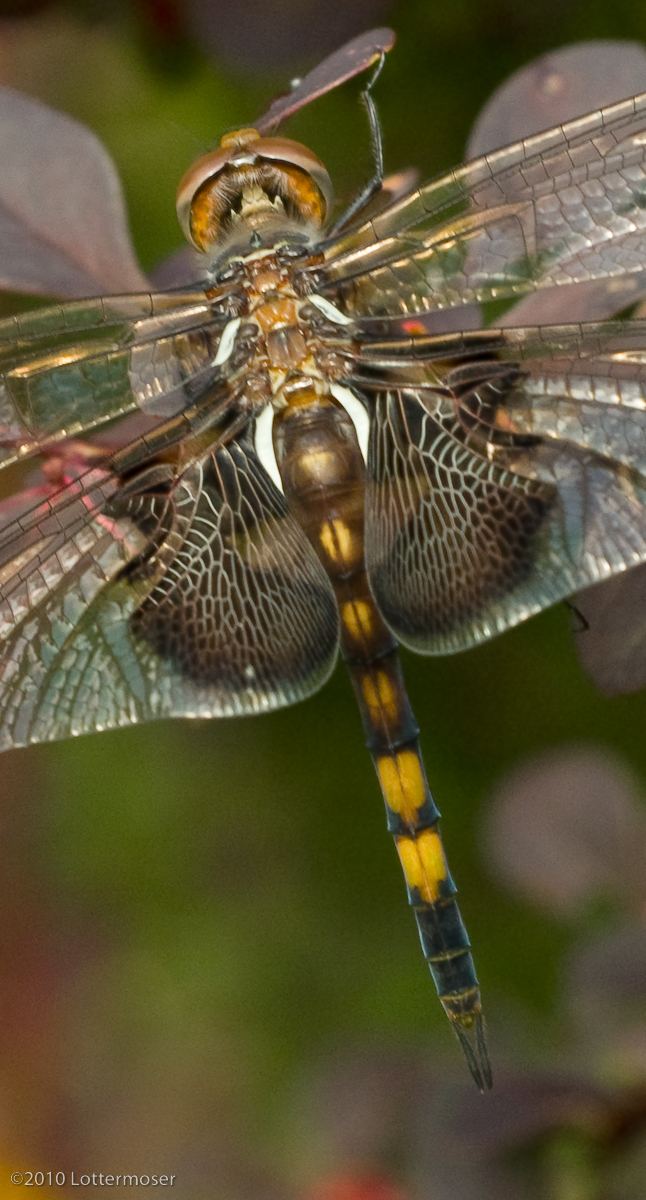
Leica R8/DMR, 100 mm apo macro elmarit
sit on the porch, watch
it build, then sit, waiting too
hoping for a meal
(click image for larger view)
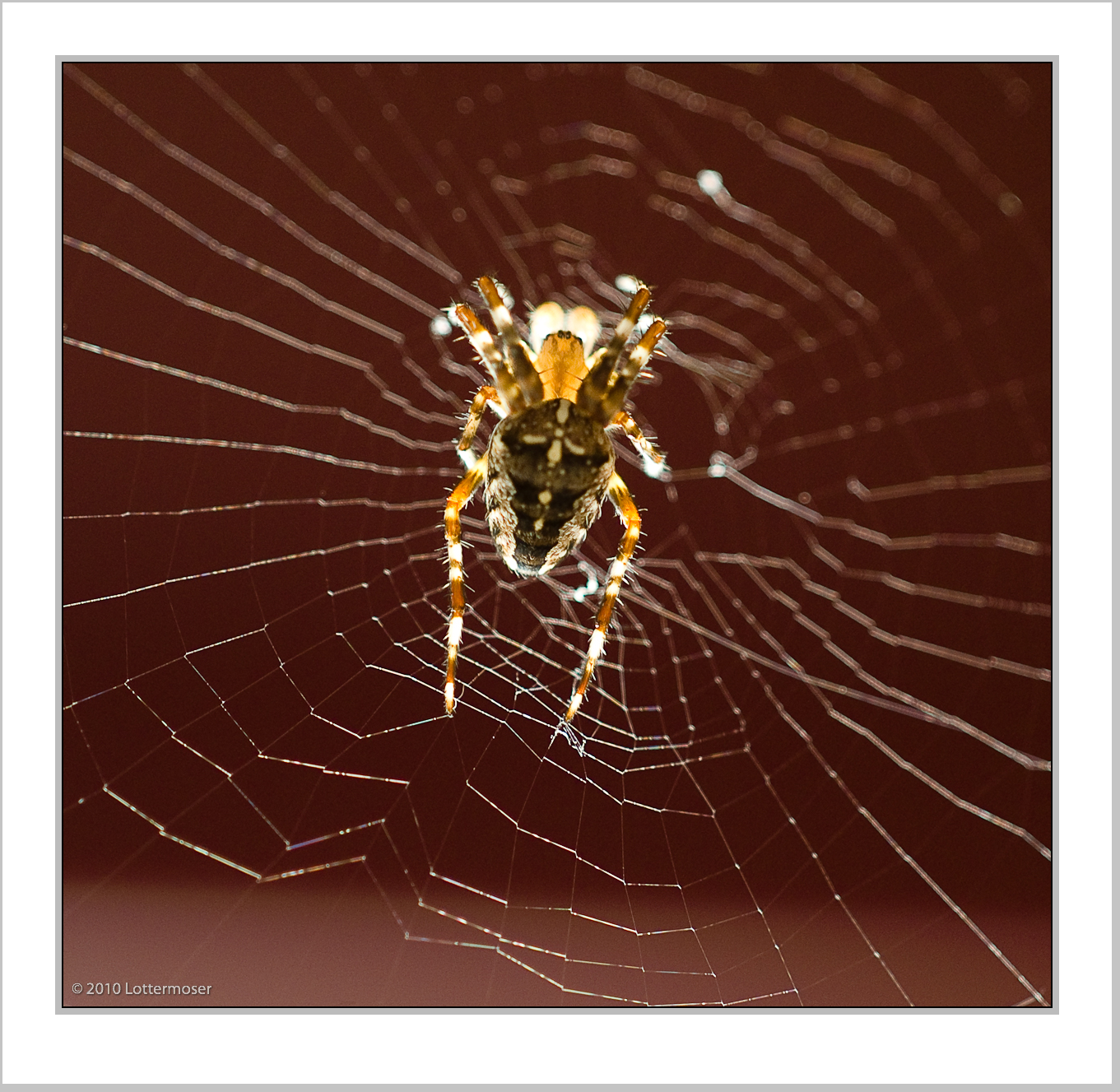
Leica R8/DMR, 100 mm apo macro elmarit
(yes. stopping down would have been nice. but for 1/30th @ 2.8. I like it)
dragons love warm stone
as much as to fly from bloom
to bloom — we seek warmth
(click image for larger view – right click and magnify for largest view)
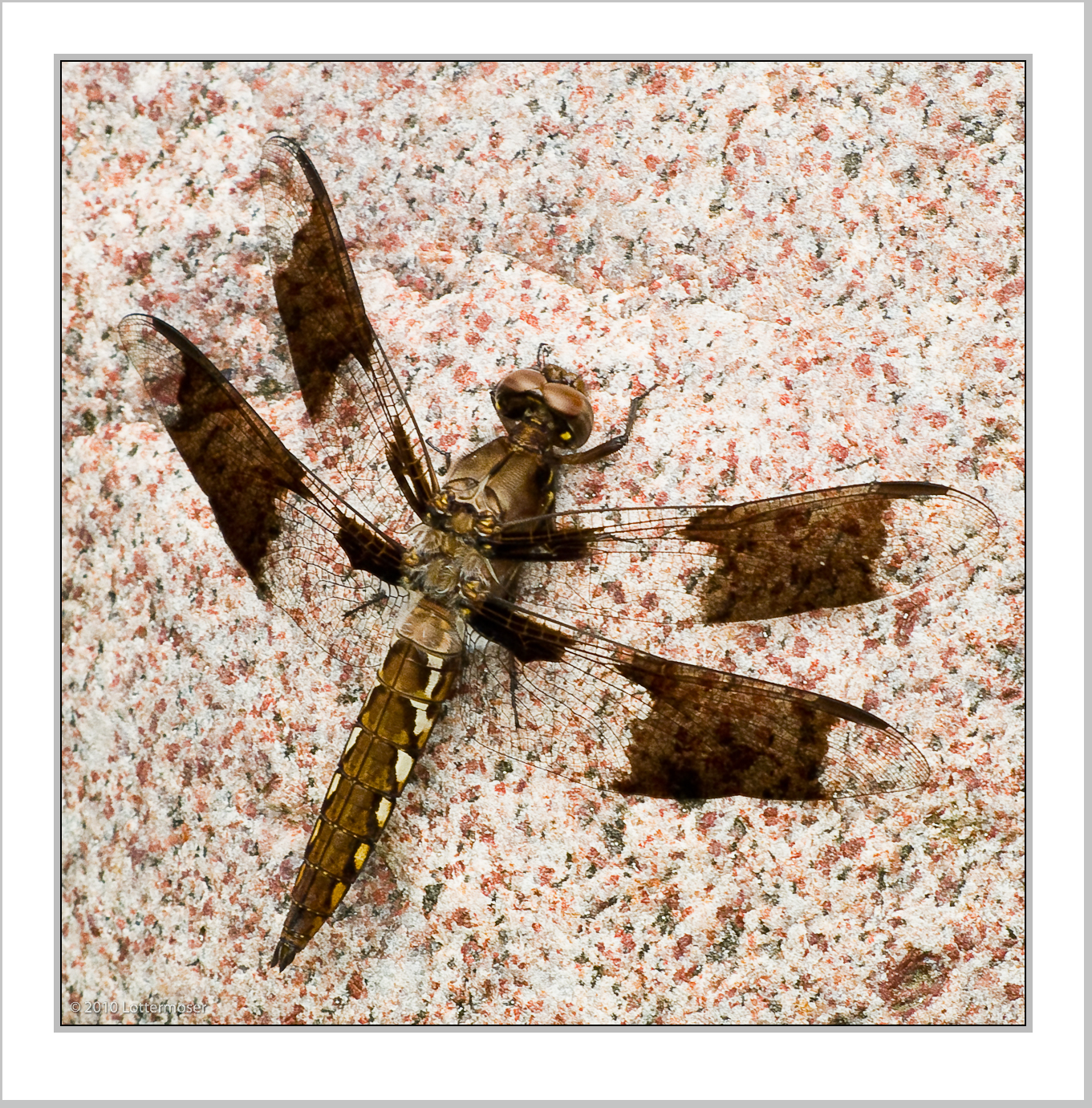
R8/DMR, 100 mm apo macro elmarit, 2X apo
Always on the lookout for a visual twist, an unexpected view…
(click images for larger views)
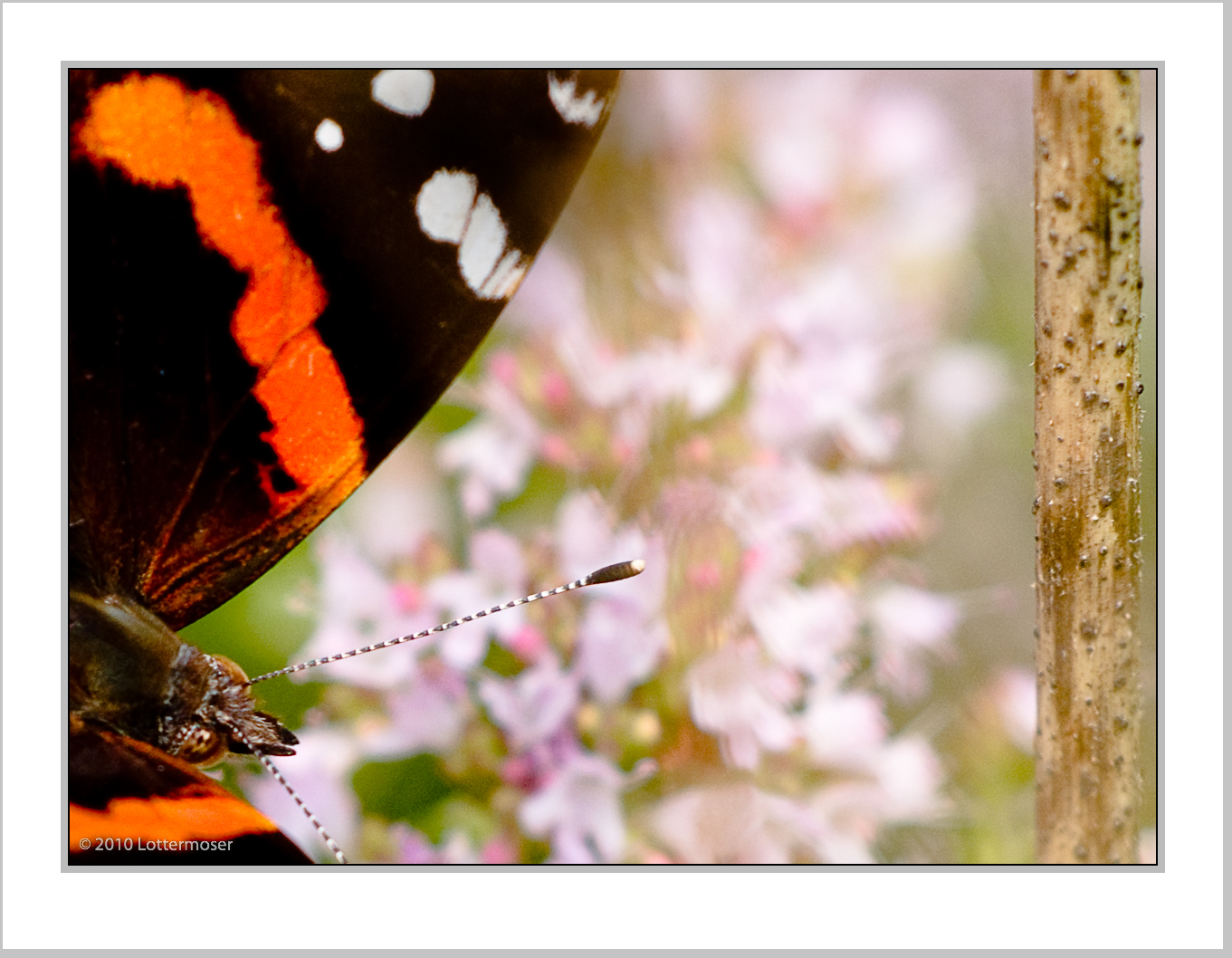
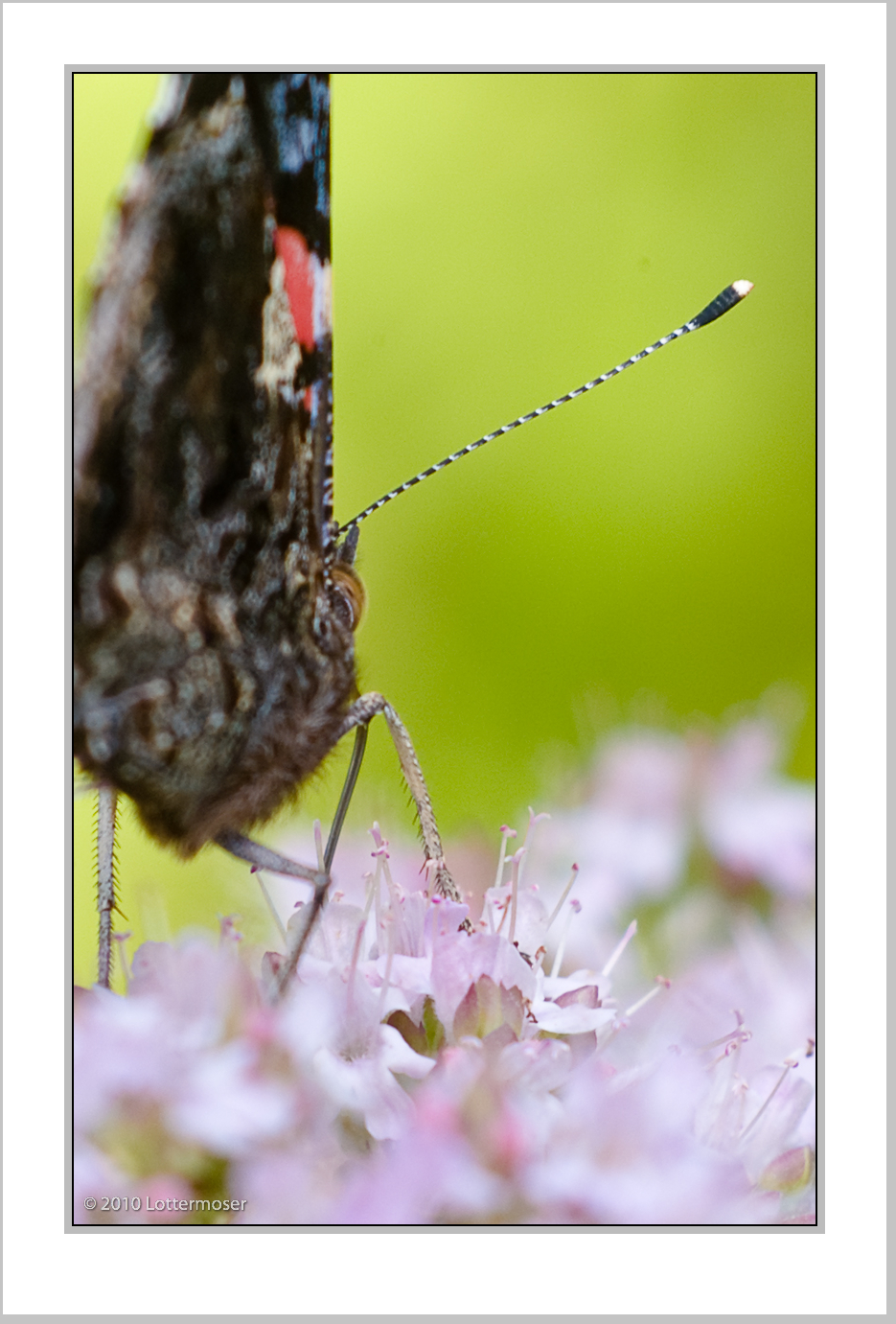
R8/DMR, 100mm Apo Macro Elmarit with 2X Apo
“Photography is only intuition, a perpetual interrogation – everything except a stage set.” — Henri Cartier-Bresson
“When gifts are given to me through my camera, I accept them graciously.” — Minor White
(click image for larger view)
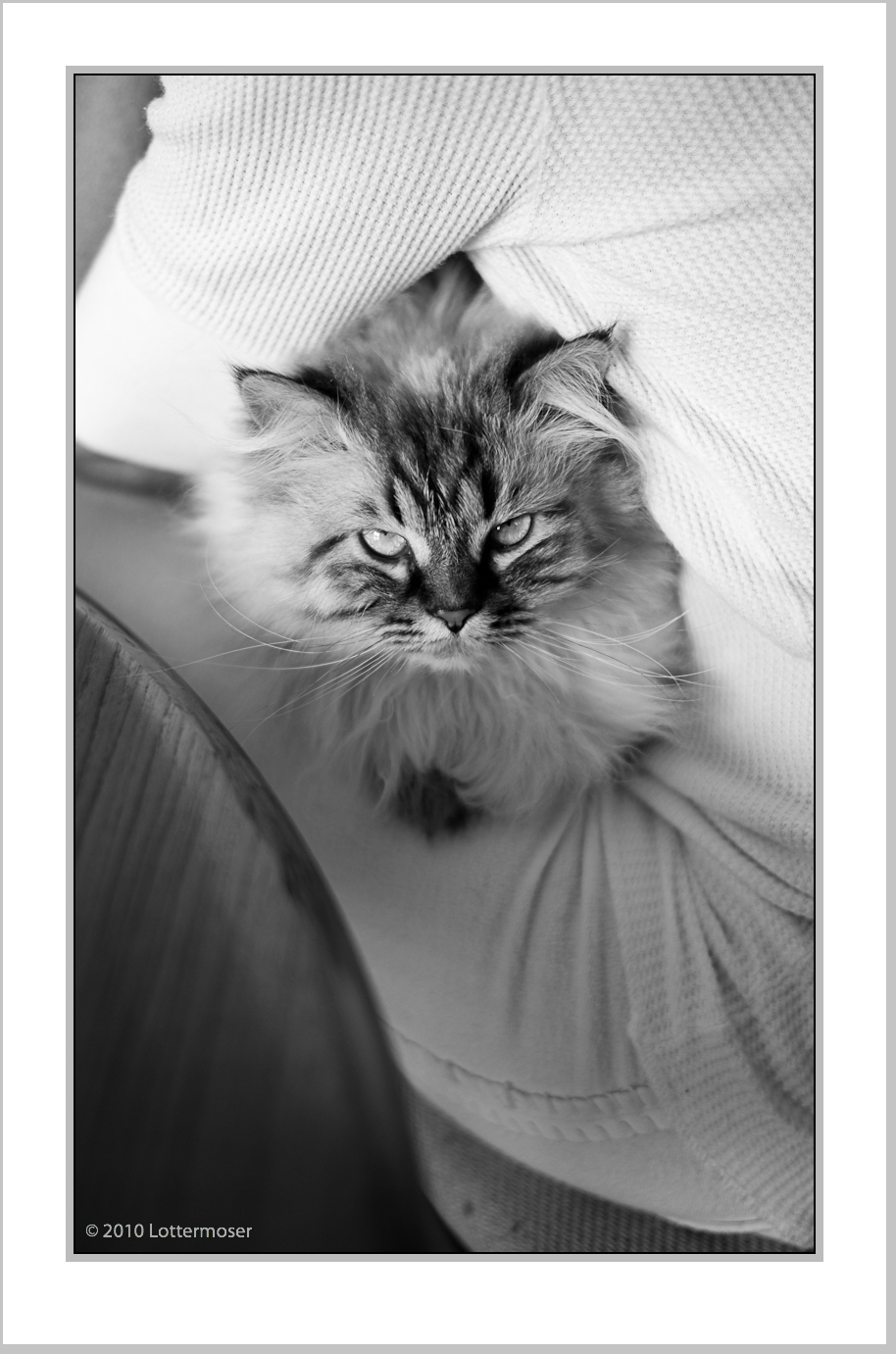
Leica M8, 35mm Summilux Asph
“A well-composed image will catch our attention because the eye finds a certain satisfaction in composure. But that is not enough. Good photographs are also disturbing, and inevitably remind us of what we have overlooked.” – John Rosenthal
Do you find these photographs disturbing; do they remind you?
(click image for larger view – recommended)
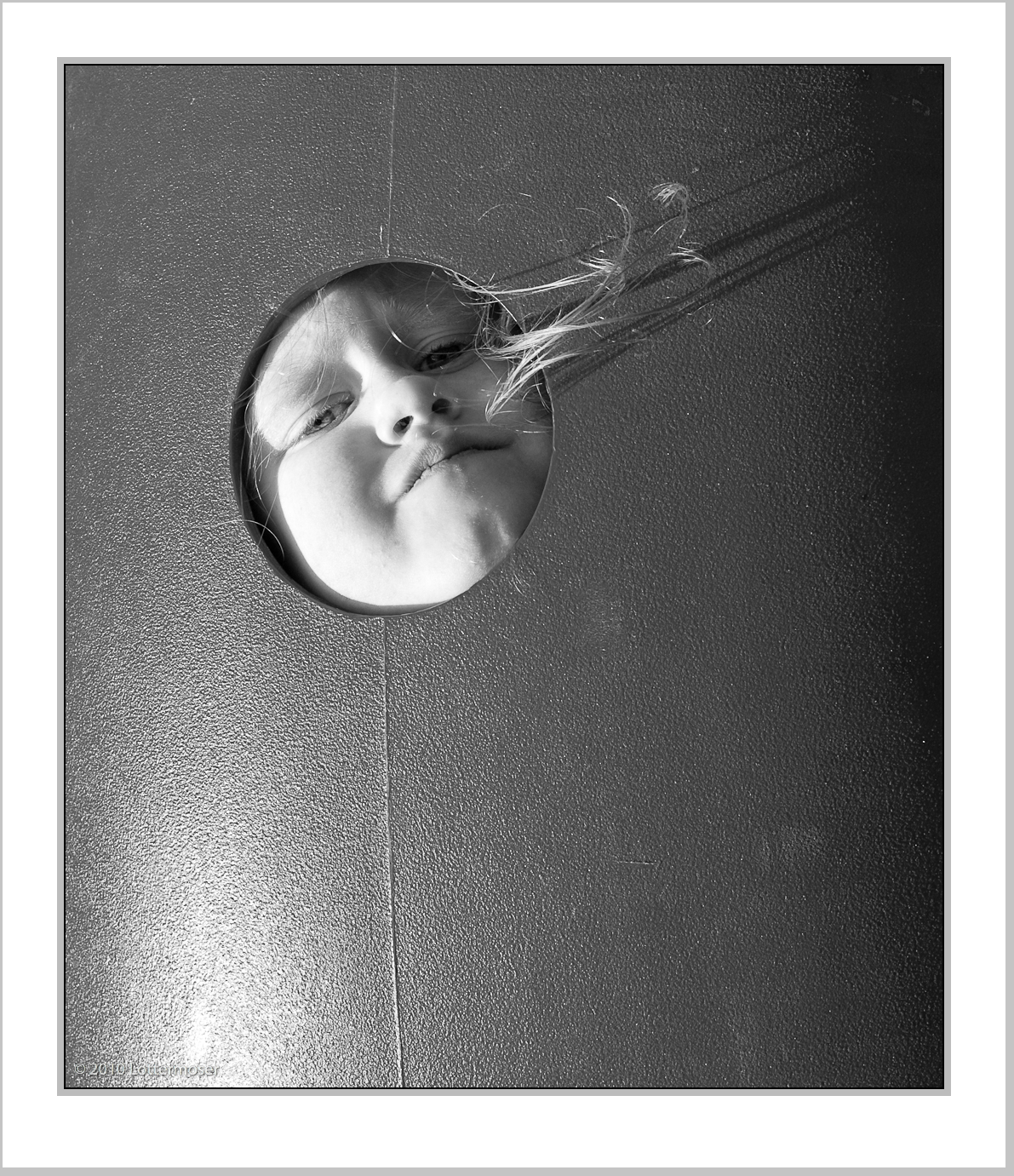
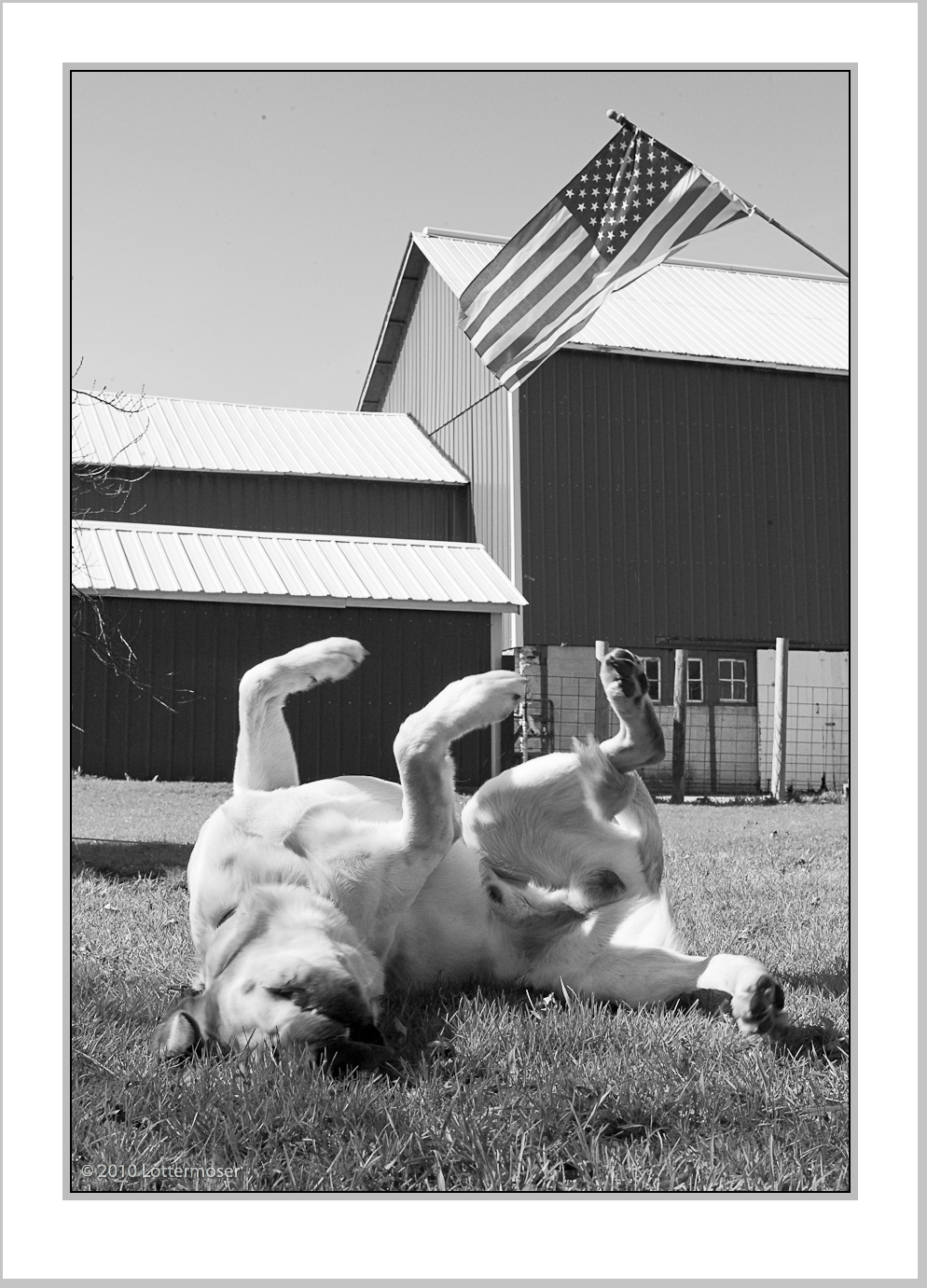
Leica M8, 35mm Summilux Asph