Glimpses of life moving through us

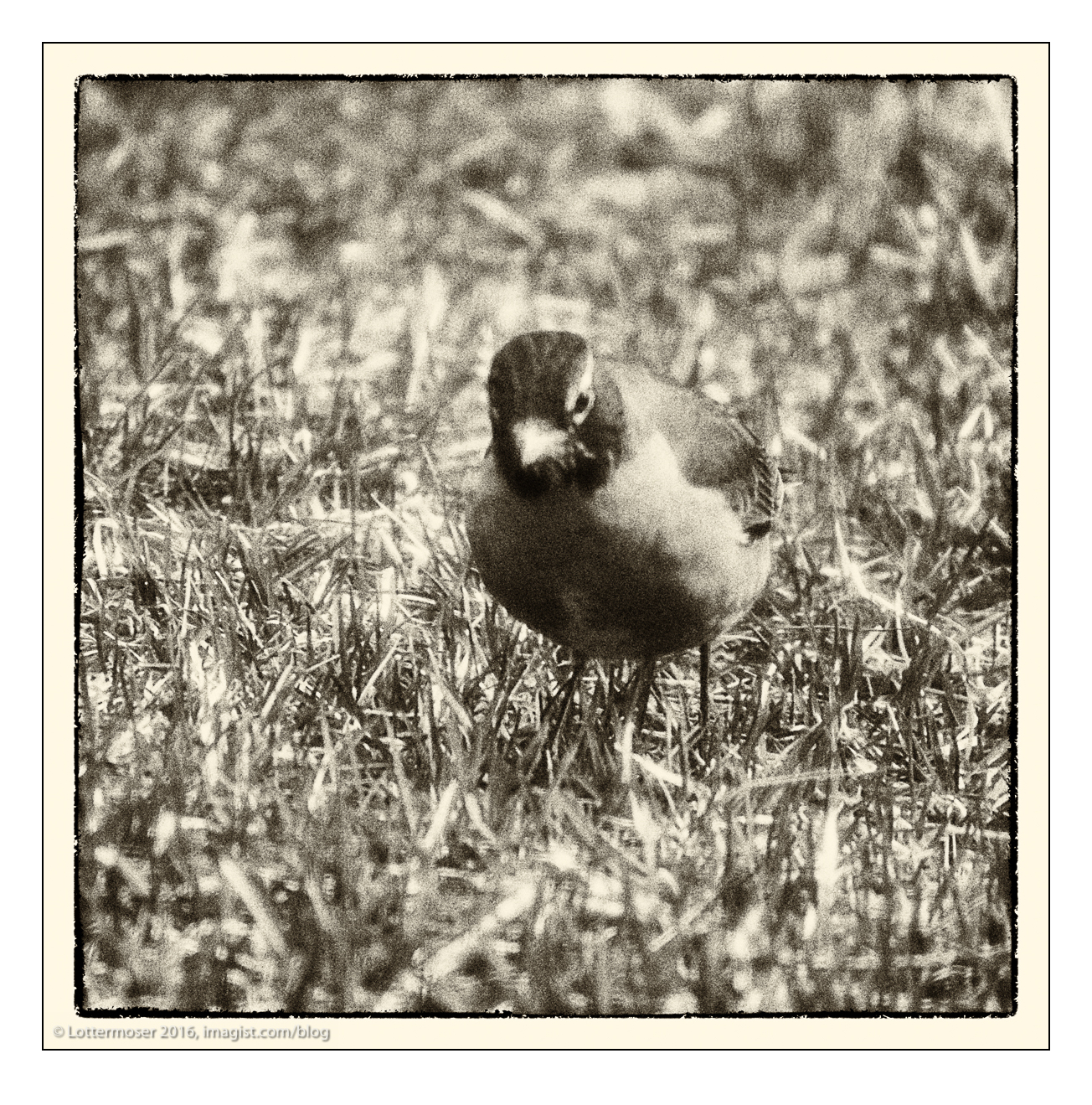
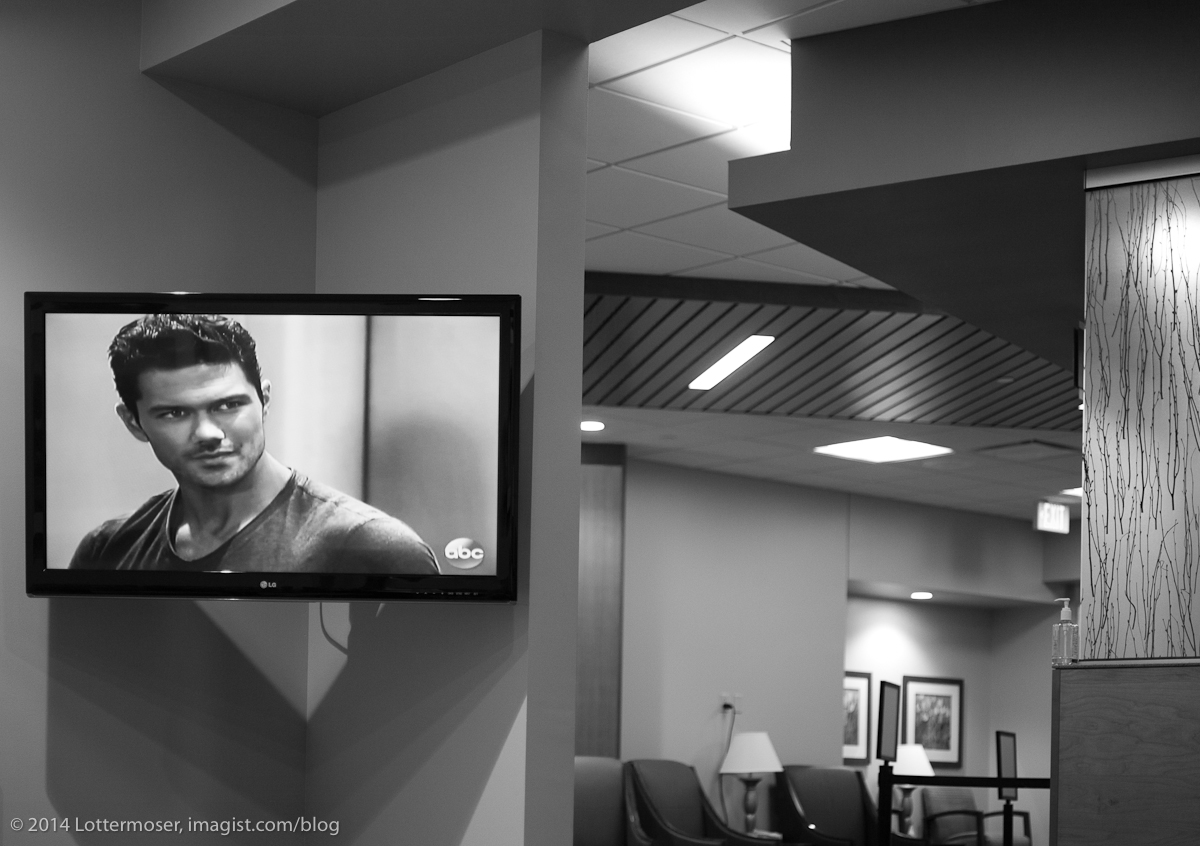
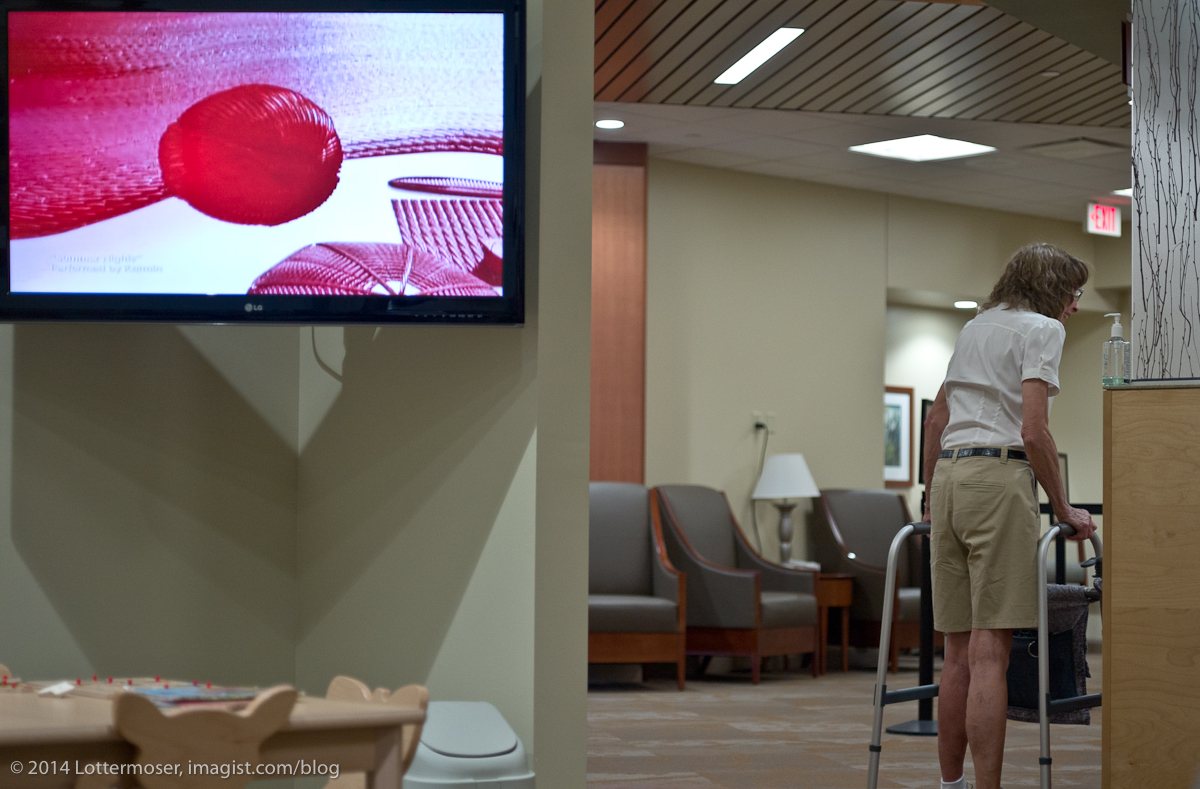
One could discuss everything technically “wrong” with this photograph: Shot through a, not all that clean, double pane window; and a screen. Out of focus foreground objects partially blocking the subject. Perhaps too high an ISO. Severe Crop. Yet something also feels very “right,” or at least “natural,” too. We really do only catch brief glimpses of life as we muck around in it… or as it moves through us. And these brief  glimpses rarely come to us in sharp focus and high definition.

(right click and open in new tab or window for larger view)

L1002057

Leica M, 350 mm Telyt-R

A day with the Leitz Apo—Macro—Elmarit—R 1:2.8 / 100 on the M (240)

(click photograph for larger view)

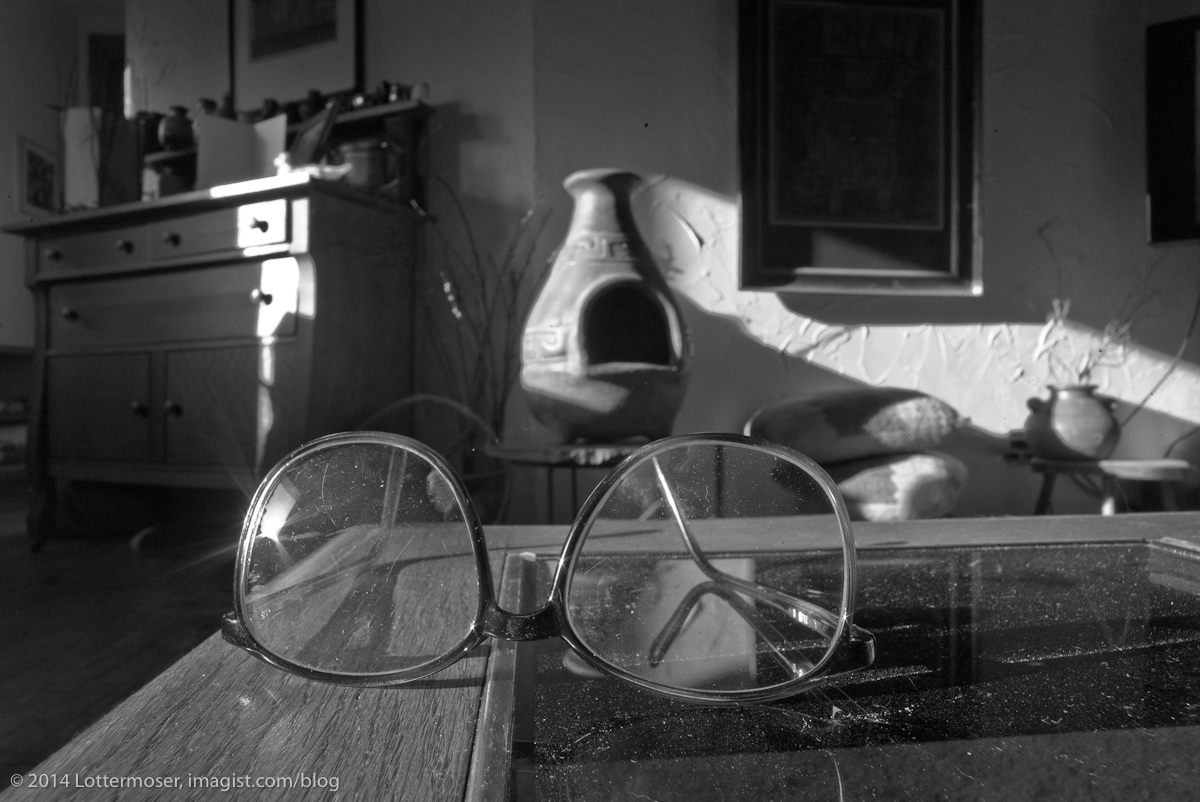
Dust to dust. Wabi (a quality of austere and serene beauty expressing a mood of spiritual solitude recognized in Zen Buddhist philosophy.) Sabi (“The concept sabi carries not only the meaning ‘aged’—in the sense of ‘ripe with experience and insight’ as well as ‘infused with the patina that lends old things their beauty’—but also that of tranquility, aloneness, deep solitude” (Hammitzsch, 46).)

L1000415

Sophia and Tanya enjoying our new old hot tub for the first time.

L1000417

L1000418

L1000420

L1000421

L1000422

L1000423

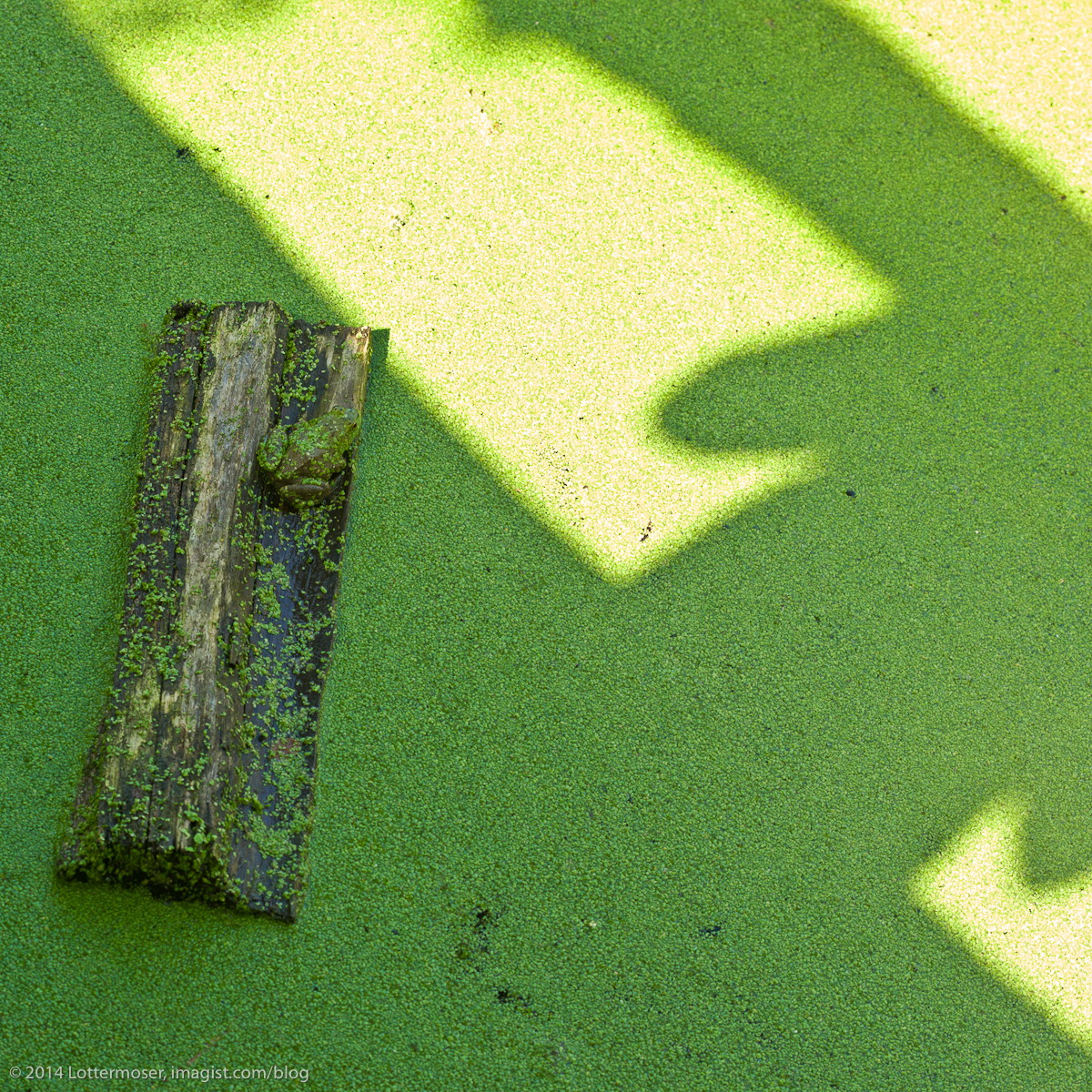
Frog

L1000424

Two Frogs

L1000425

Garage visitor

L1000427

Sunset on the pond

L1000428

Leica M, 100 mm Apo Macro Elmarit R

The Leitz Wetzlar Macro-Elmarit-R 1:2.8 / 60 on the Leica M (240)

Locking the 60 Macro-Elmarit-R on to the Leica M, with M to R adapter, Multifunction Grip and EVF results in yet another relatively light, relatively small, very well balanced and extremely versatile kit. The ability to focus from 1:2 to infinity without additional hardware is very reassuring for a lover of close views of the world’s details.

(click photographs for larger view)

L1000320

The 60 works as a fine short distance portrait lens.

L1000321

Oops. Forgot to reset the Manual Lens Detection. So the EXIF shows the 50 cron rather than the 60 Elmarit in the first three samples above. Rest assured every image in this post was shot with the 60 Elmarit—R; irrespective of the EXIF data.

Throwing the Macro-Elmarit-R 60 Extension Tube in the bag extends the range to include 1:1 through 1:2 with little extra weight… though may mean taking the 28 Summicron out of my fairly tiny “everywhere every day bag.” No. I can fit the tube and the 28 too!

L1000322

Popping the Apo-Extender-R 2X makes a remarkable 120mm 5.6 Macro which adds working distance and different depth of field to both macro or other medium long focal length possibilities — all while taking up very little space or weight in the bag.

L1000325


L1000327

L1000328

L1000330

L1000331

L1000332

Now why in the world would the above photograph be tac sharp and the one below be unsharp?
Both were shot handheld at a 1/1000th of a second. Hard to imagine that the bottom one involves movement.
Both used focus assist with the “red” lighting up appropriately on the intended subject. What the hell’s going on here?
Infinity focus issues? Hard to imagine that at around f:8 with a 60 mm. Any ideas?

L1000333

L1000334

L1000335

L1000336

Leica M, 60 mm Macro—Elmarit—R

 Next up: Leitz Wetzlar Summilux—R 1:1.4 / 80

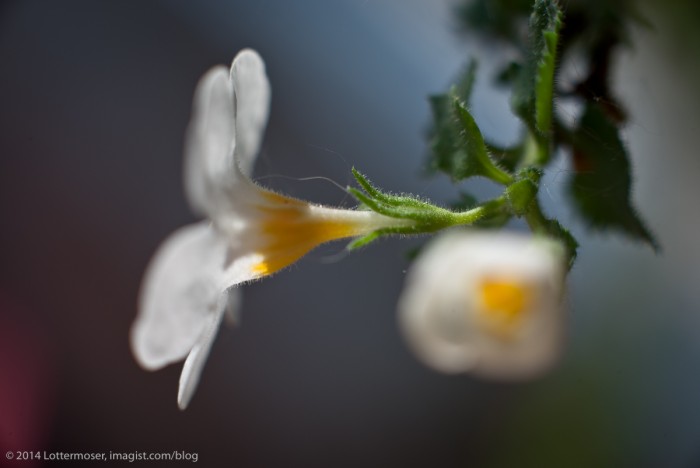
Leitz Wetzlar Summilux-R 1:1.4 / 50 on Leica M: including a Friday Flower

Just like the 35 mm Summicron-R the Leitz Wetzlar Summilux-R 1:1.4 / 50 makes a beautiful, relatively small, well balanced kit, with a great feel, fit and finish, when mated to the Leica M(240). The 50 mm Summilux also provides a respectable 20″ close focus possibility along with its classic, creamy Summilux bokeh.

The first few of these examples display the wrong exif data because I forgot to reset the Manual R Lens Detection to the 50 Summilux. Rest assured all the images in this post were made with the 50 mm Summilux_R on the M(240).

This may be the most remarkable walk around lens/camera kit I’ve had the pleasure to use. This relatively small and light combination handled every situation while delivering superb results; including a commercial studio product shoot.

Next up: Leitz Canada Summicron-R 1:2 / 50. A lighter lens than the Summilux, though about the same size.

(click photograph for larger view)

L1000268

We can see this is a lovely lens for working in close at that 20″ mark.

L1000272-2

Again focused at the 20″ mark; though this is a very small section of the Full Frame (seen below);
and certainly demonstrating the quality of both the 50 mm Summilux-R and the M(240) sensor.

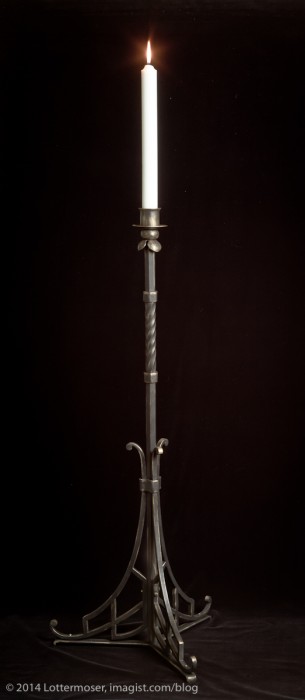
L1000272

L1000290

L1000311

L1000313

In this last example I put the 50 Summilux-R on the R Bellows.

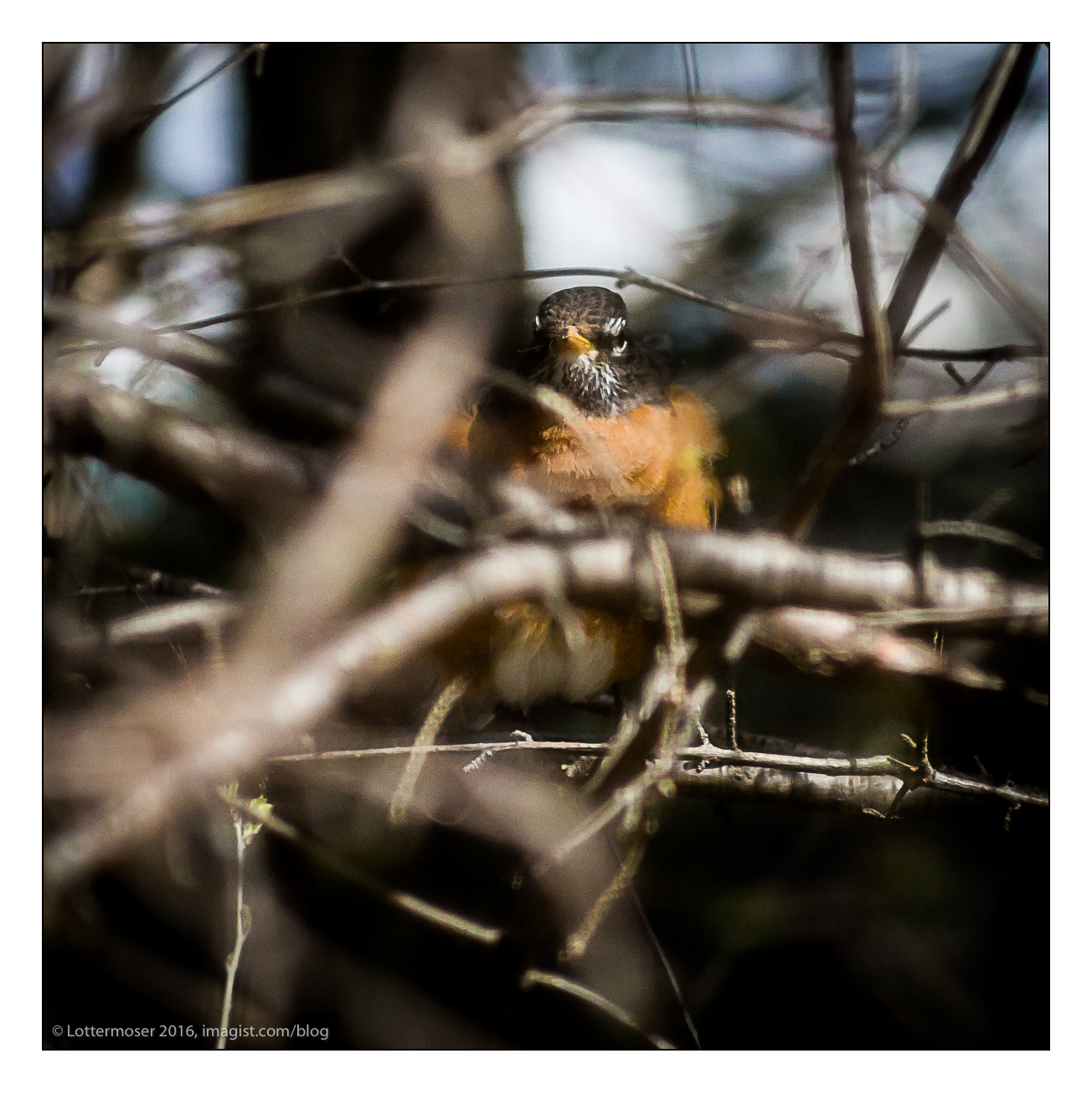
Leica M, Leitz Wetzlar Summilux-R 1:1.4 / 50
Leitz Wetzlar – Super Angulon – R 1 : 4 / 21 on Leica M: Memories are made of these

Yet again I find I cannot choose my 21/4/SA in the M>R Manual Lens Menu. That’s 3 for 3 (the 350, 15, 21) I can choose the 19/2.8 or the 28/2.8. So I choose the 19 – another lens that I continue to lust after.

I grew up with Schneider designed Super Angulons always in my bag. During my photo journalist days (back in the 60s and 70s) the 21/3.4 Super Angulon lived on my M2 24/7. I still own a 58/5.6 SA XL, 121 mm SA, and 165 mm SA – though I really should sell them as I haven’t shot 4×5, 5×7 or 8×10 film in decades. I’ve also owned a 75 and 90 SA; and I think I’ve got a 65 Angulon in a box somewhere. Nostalgia keeps me hanging on to the point of silly – especially while packing to move – again. The point is they’re great, classic lenses. Sharp to the corners. Distortion free. Wonderful bokeh. Decent contrast for their vintage — the XL even more so on all counts.

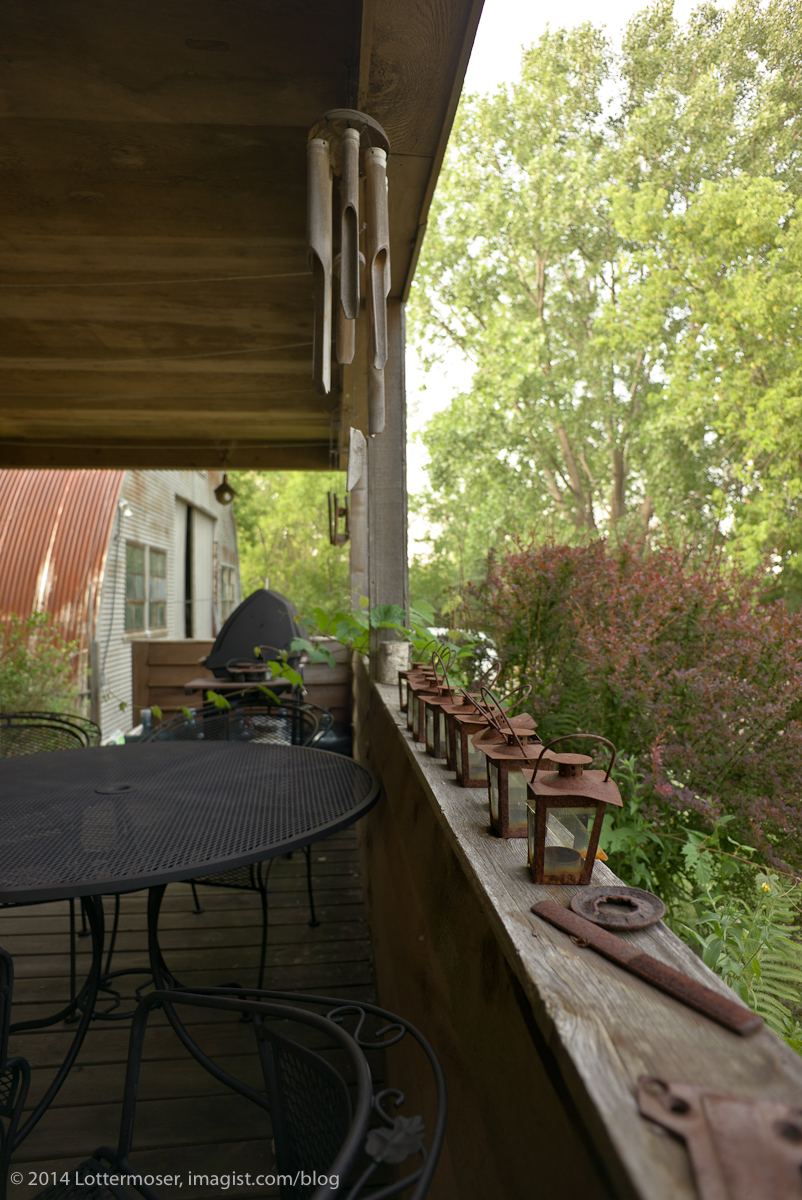
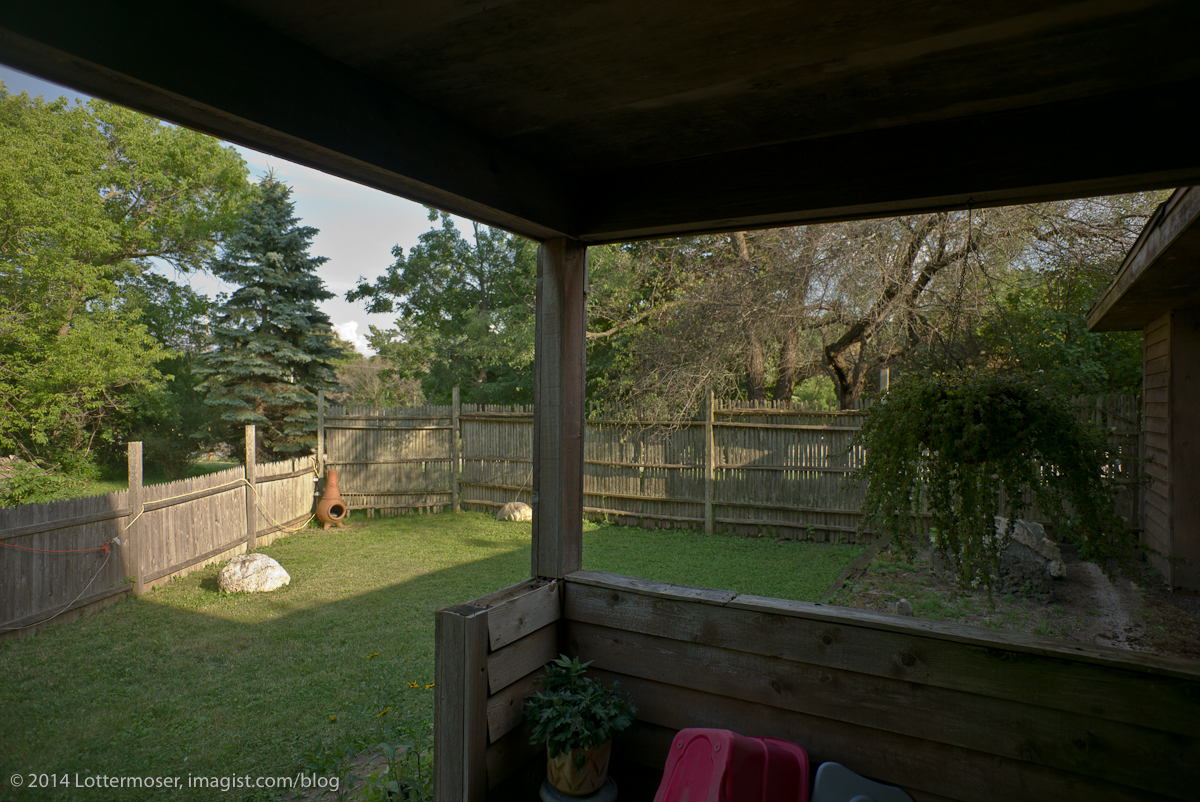
Memories are made of these – nostalgic lenses documenting moments around the house I designed and built (with the help of family and friends) 30 years ago – and which will soon be demolished to become a parking lot. Again I’m reminded of why I love this R lenses – it, like must R lenses, focuses exceptionally — less than 8″ — close!

And I’m delighted to see that my vintage 21/4/SA-R performs as I’d expect — wonderfully — on the Full Frame M sensor. It does show a tiny, easily manageable bit of barely perceptible magenta color shift out on the very extreme edges. It also shows a minuscule amount of chromatic aberration – also easily eliminated with a tiny correction in Lightroom.

Next up: Leitz Wetzlar Elmarit-R 1 : 2.8 / 24
(click photograph for larger view)

L1000199

L1000201

L1000202

L1000203

L1000204

L1000205

L1000207

L1000209

See. Here’s the thing…

I pick things up.
I don’t know why.
These things sit around for years. Decades even.
Ann gifted me with a wonderful novel for christmas
Flight Behavior by Barbara Kingsolver.
It’s about us; people; and monarch butterflies.
It’s an important novel.
It prompted me to photograph some stuff I picked up.
Gifts. Really.
Leica R8/DMR, 60 mm Macro Elmarit
(click photograph for larger view)
Monarch Butterfly Endangered
The Monarch Butterfly population, as well as numerous other animal species, is suffering the effects of man-made events as well as the consequences of the “global warming” phenomenon.

Scientists assert that the global climate change may cause the Monarch’s over-wintering sites in Mexico to become wetter, and the spring and summer breeding areas of the United States west coast and mid-western agricultural belt to become warmer.  As temperatures become too warm for this species, their summer migrations may take them even further northward.

Will the Monarch Butterflies migrate a further distance south to the current locations?  Since researchers started keeping records in the early 1900’s the winter sites have not changed. Might temperature increases cause changes in their migratory patterns?  View the migration map here.

The Monarch’s winter home in the mountains of central Mexico is greatly threatened today by tremendous logging operations of the Fir tree forests.  This deforestation and increased agricultural development in Mexico is causing great concern, and adding to the outcry that the Monarch Butterfly is becoming an endangered species.

Along the populous areas of southern California many species of the Monarch Butterfly’s roosting trees are disappearing, although the Eucalyptus tree is increasing in numbers for the butterflies.  Local concerned groups are encouraging the conservation of trees for roosting, and the re-planting of milkweed plants for the females to lay eggs on in late winter and early spring.

When semi-dormant in the winter the Monarchs need dense tree cover.  And in the spring and summer breeding season they need abundant availability of milkweed plants.

Although in North America the Monarch Butterflies are not considered an “endangered” or “threatened” species, they are highly protected under law, especially around their wintering roosting sites.