http://youtu.be/I62uwbyD2pU
(click photograph for larger view)
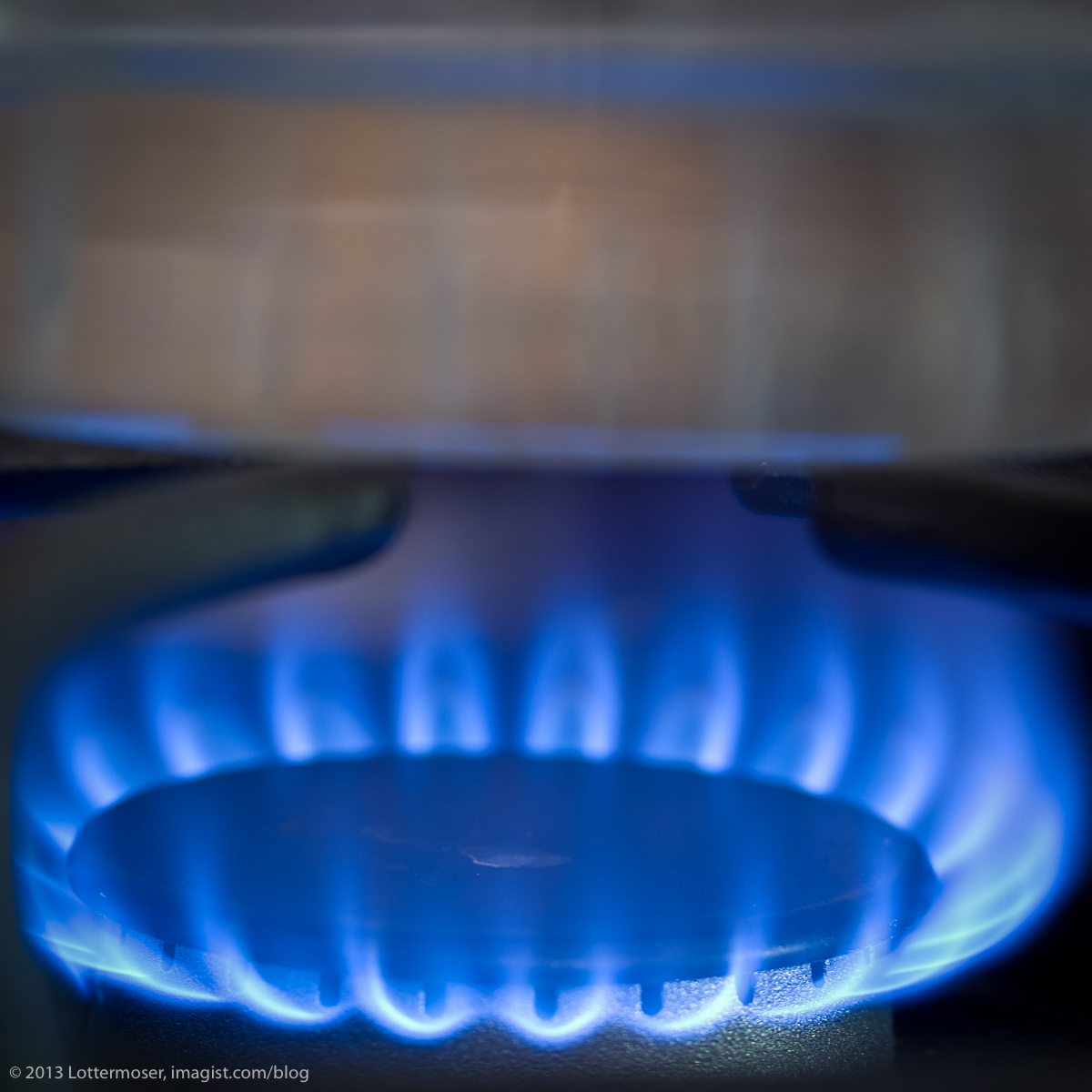
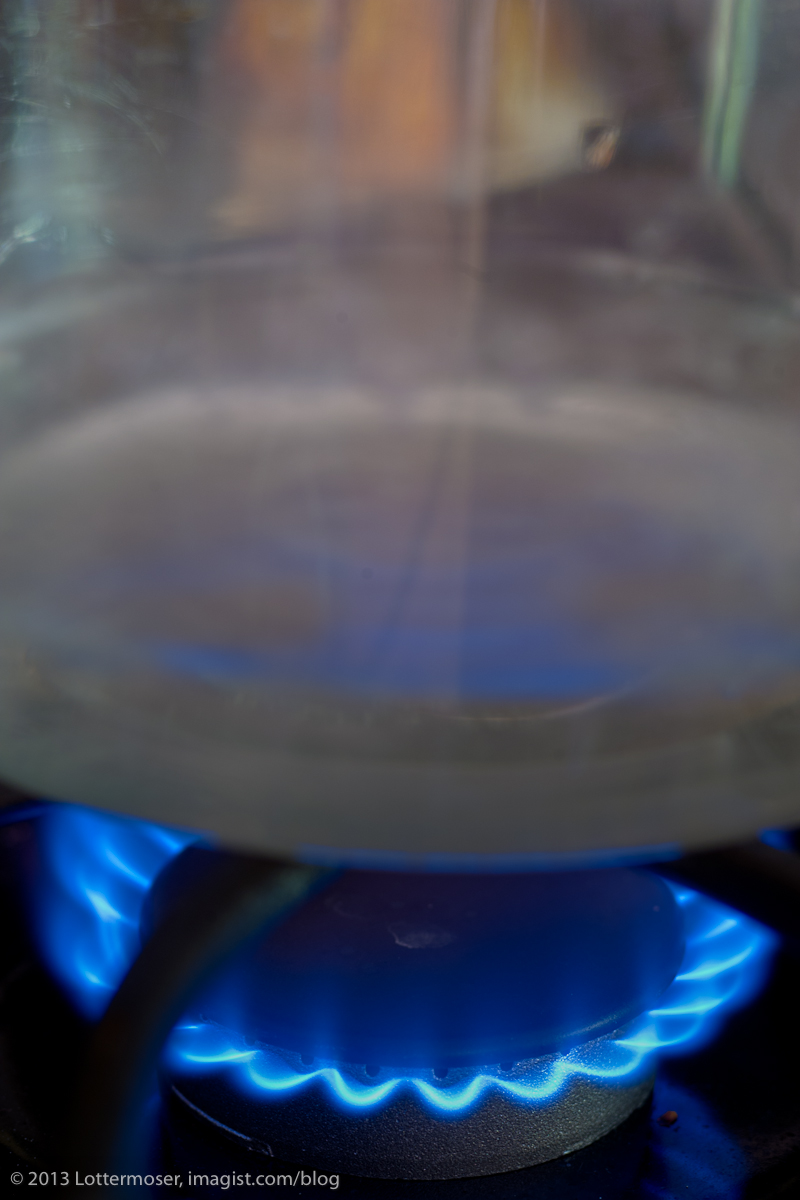
Leica R8/DMR, 60 mm Macro Elmarit
http://youtu.be/I62uwbyD2pU
(click photograph for larger view)
Leica R8/DMR, 60 mm Macro Elmarit
(click photograph for larger view)
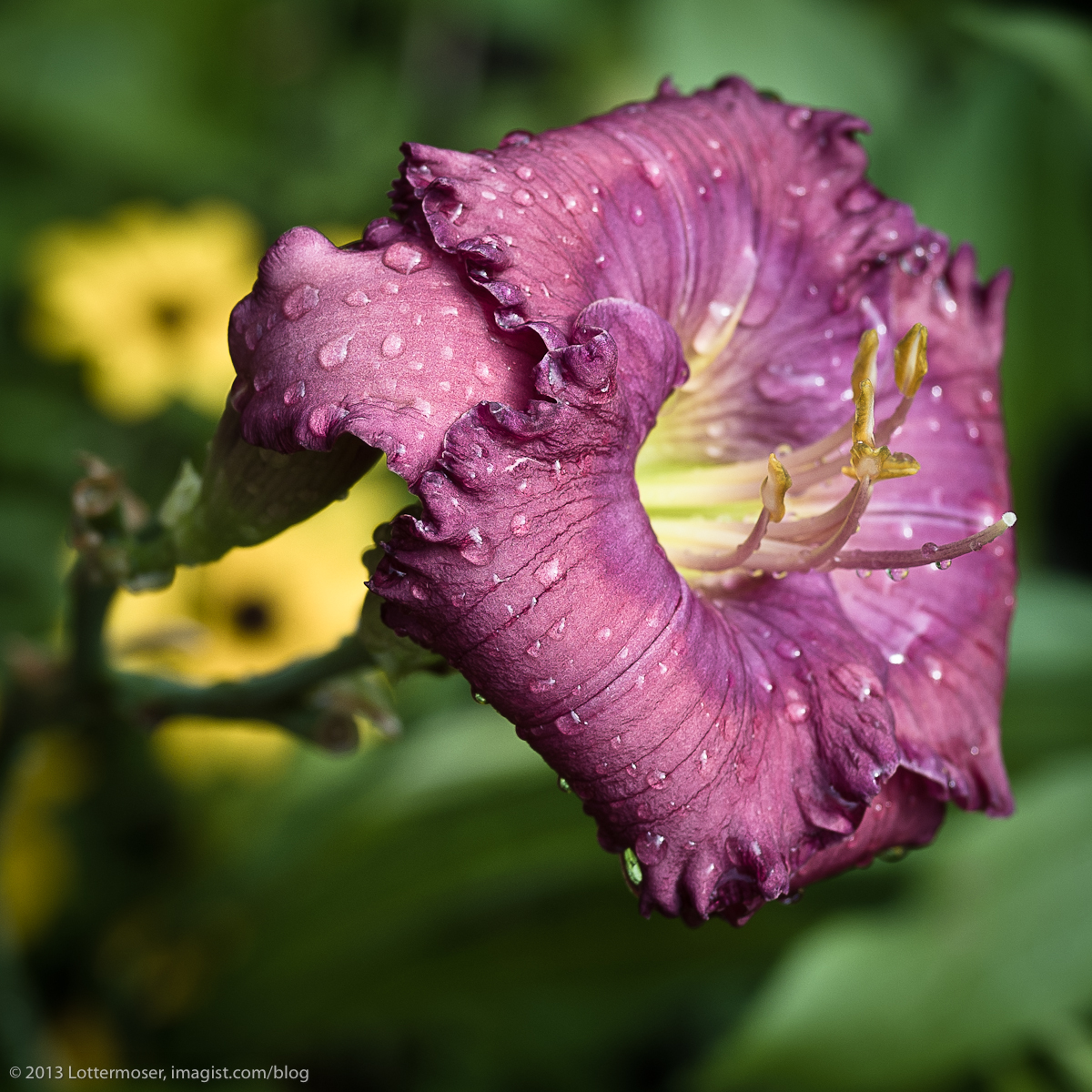

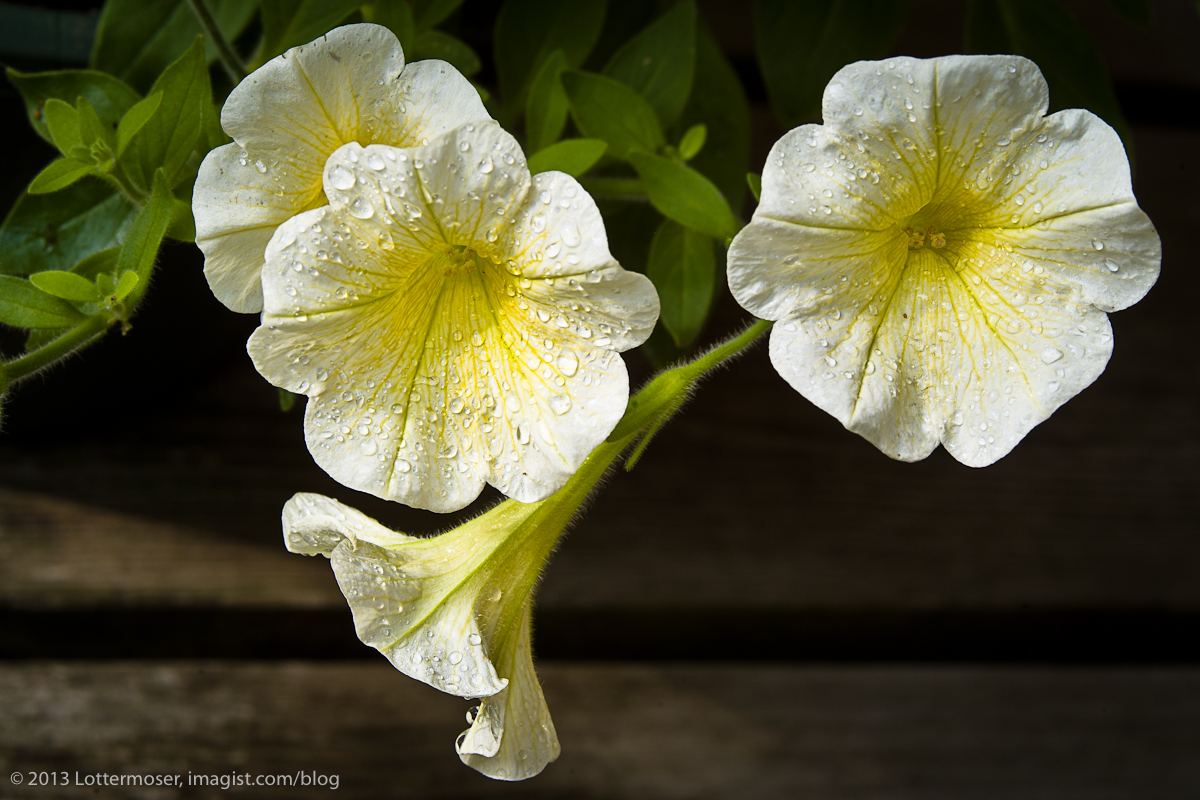
Leica R8/DMR, 60 mm Macro Elmarit
Hit play and enjoy the photographs
(click photograph for larger view)


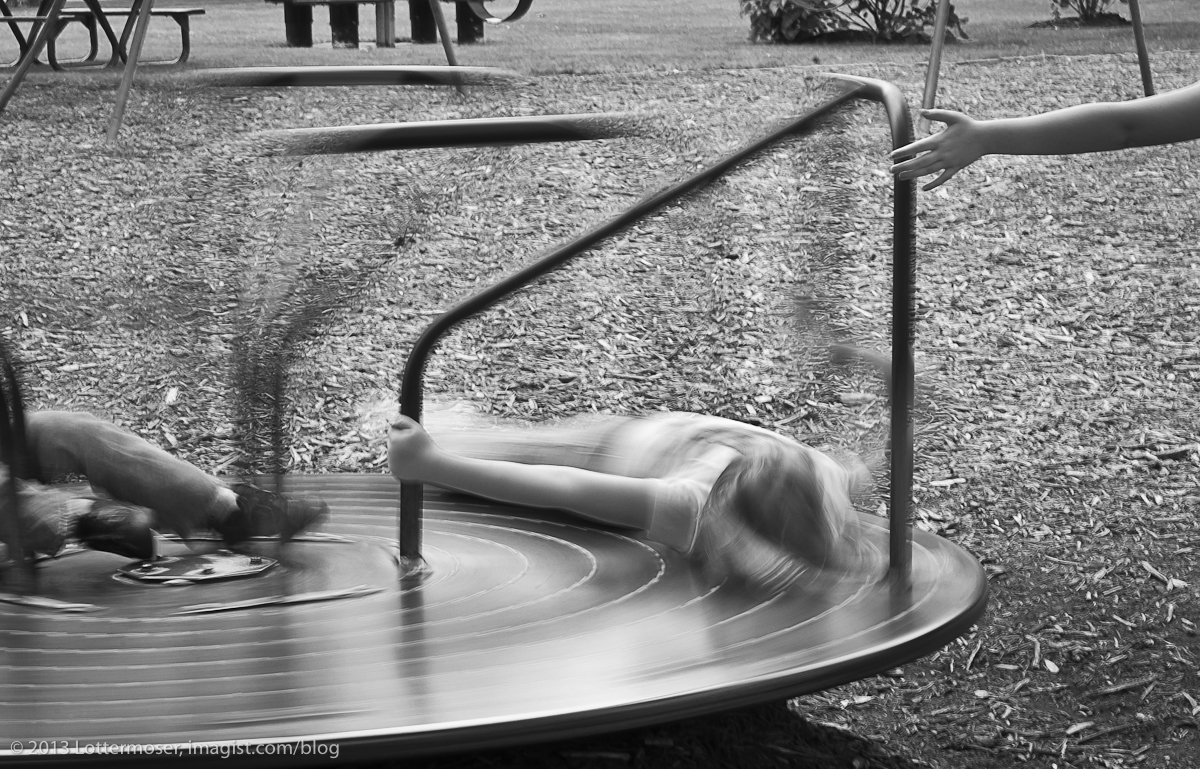

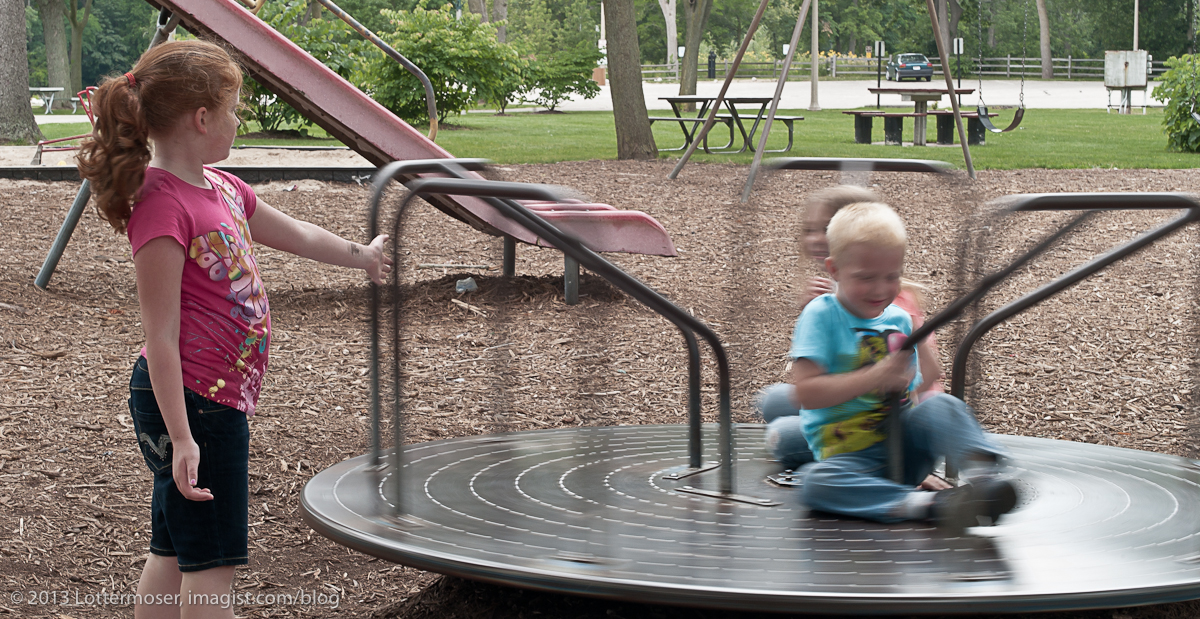
Leica M8, 50 mm Summilux Asph
the roar of water falling
providing altered states.
with senses filling
and flowing thoughtlessly
within the river — with Sophia
— George Lottermoser
by Mark Twain (1835-1910)
Now when I had mastered the language of this water and had come to know every trifling feature that bordered the great river as familiarly as I knew the letters of the alphabet, I had made a valuable acquisition. But I had lost something, too. I had lost something which could never be restored to me while I lived. All the grace, the beauty, the poetry had gone out of the majestic river!
(click photograph for larger view)
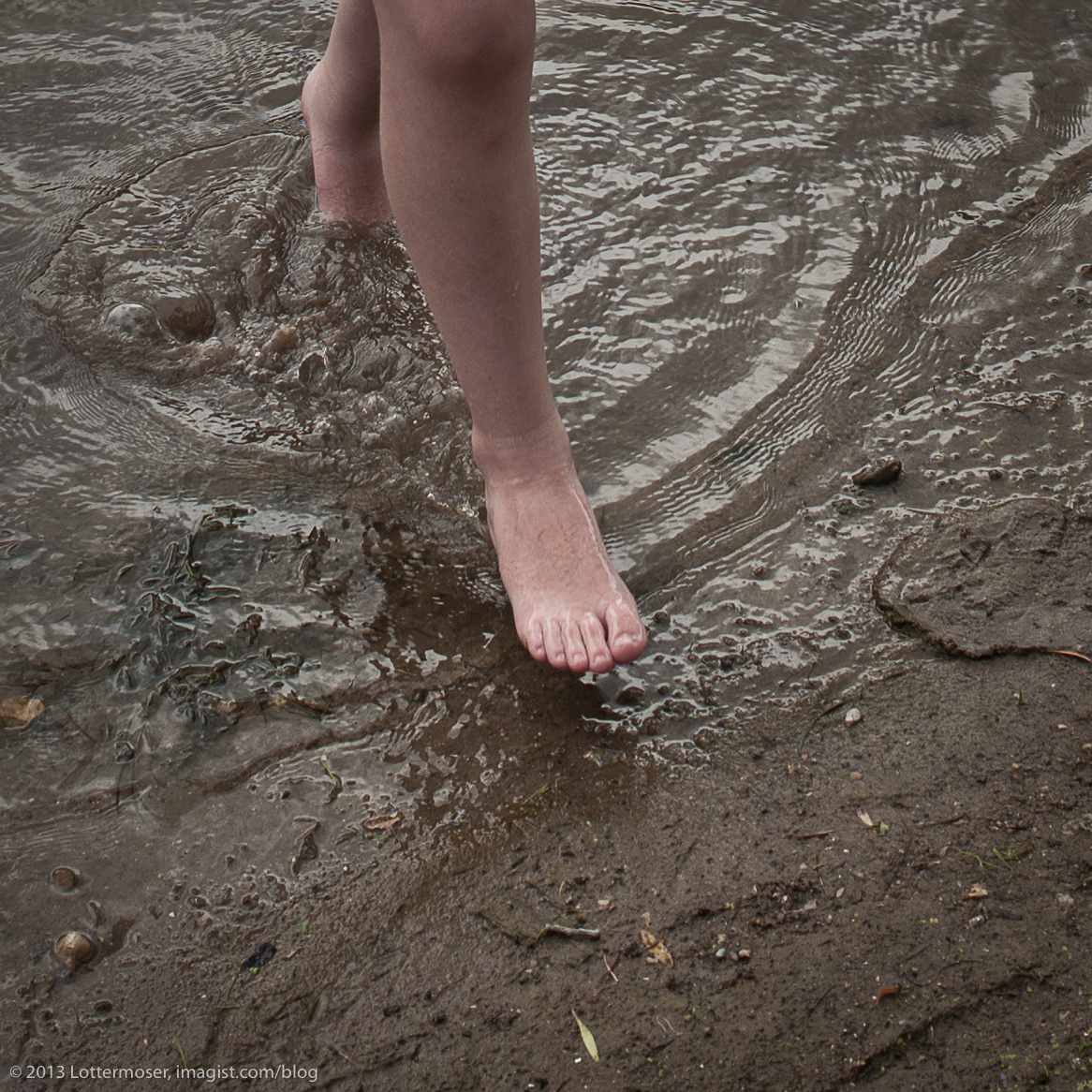

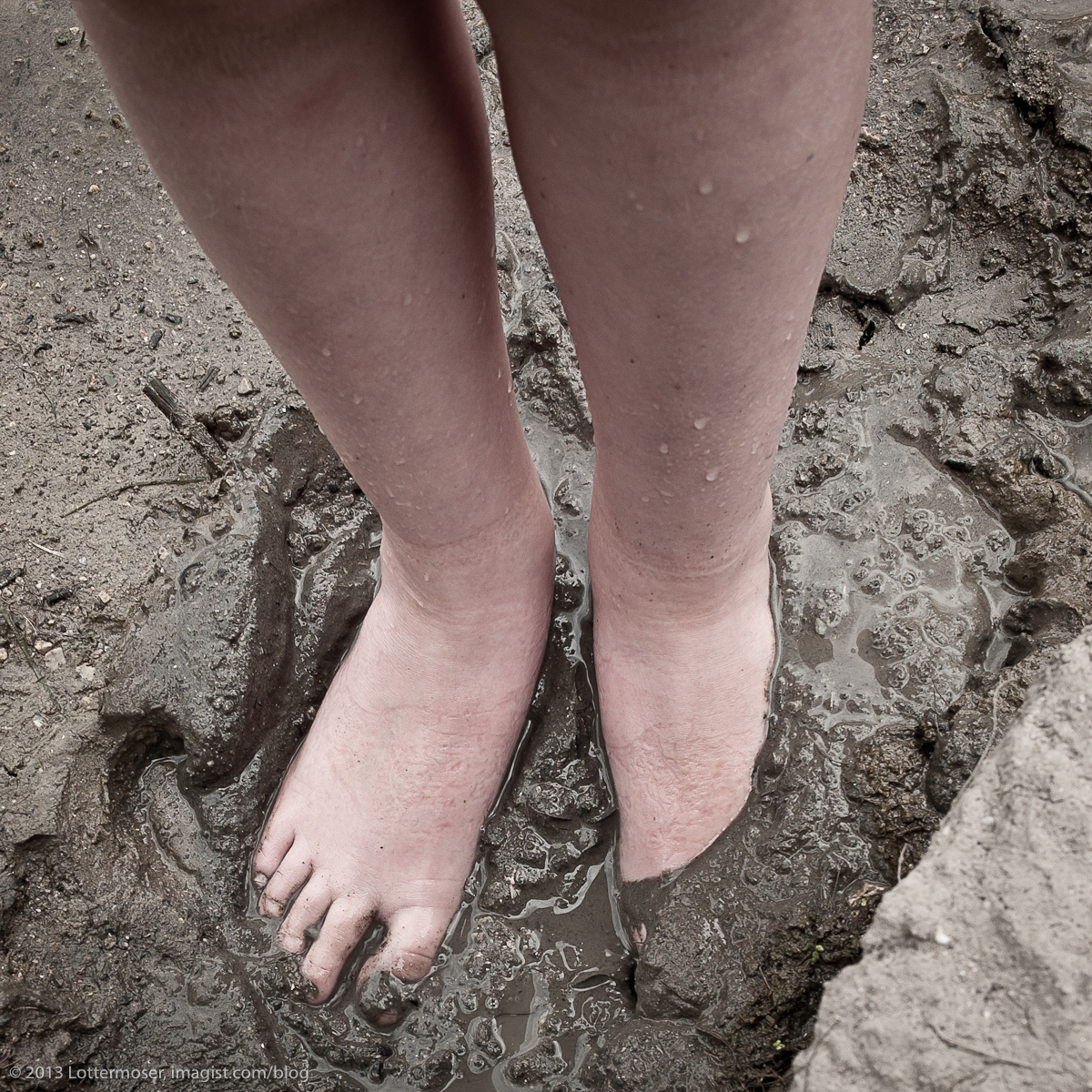
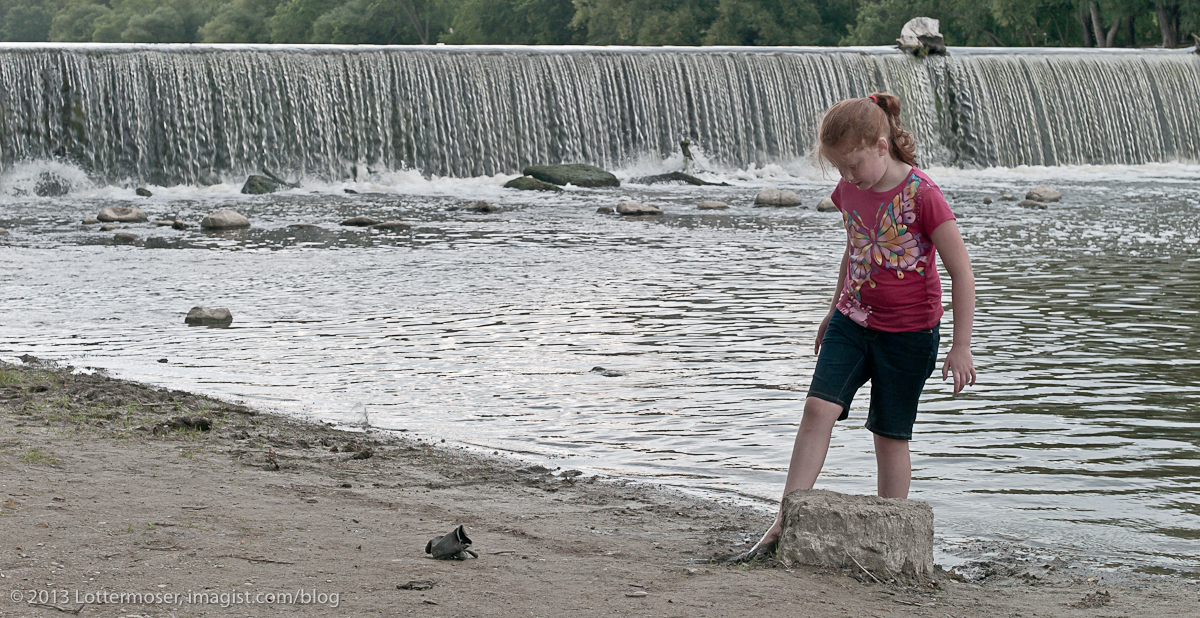
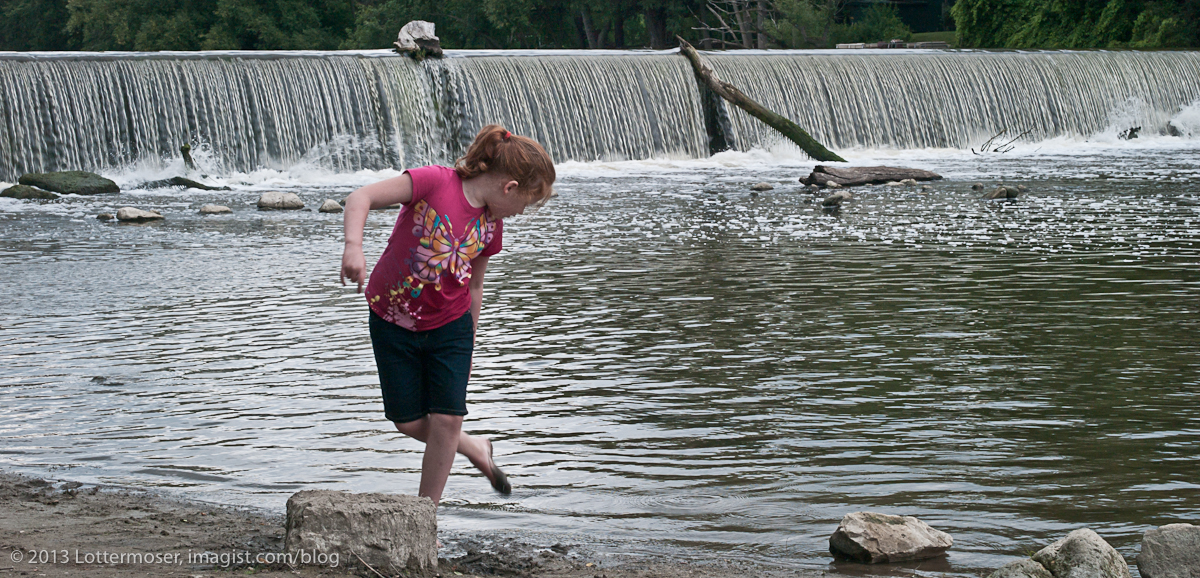
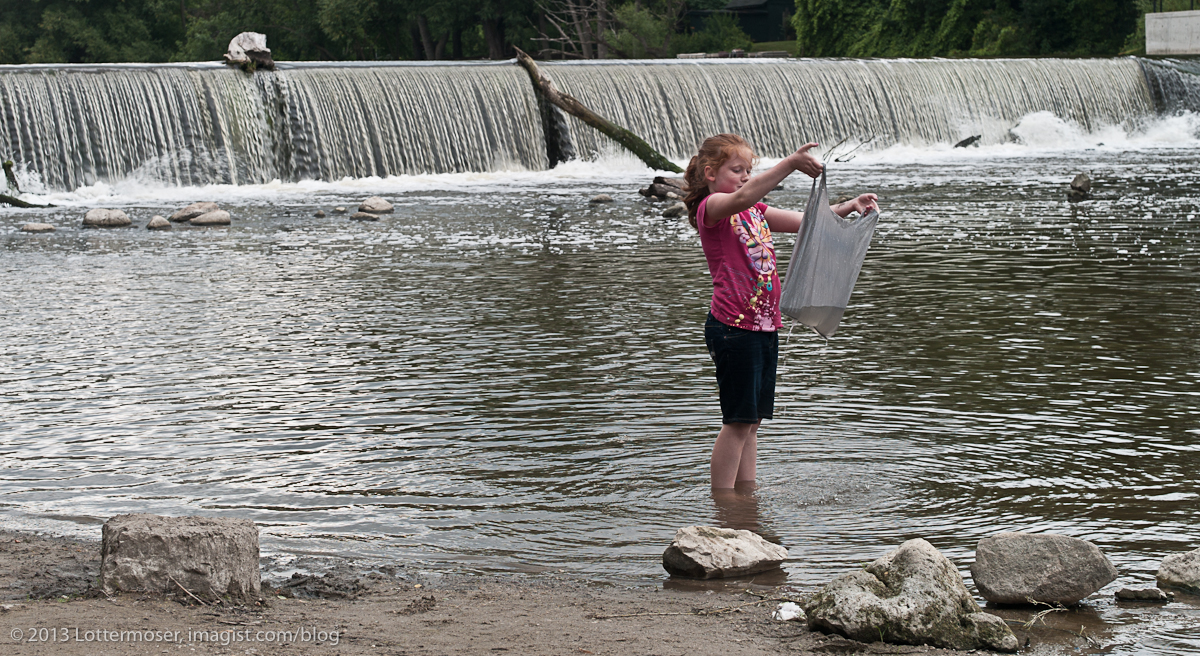
Leica M8, 28 mm Summicron Asph, 50 mm Summilux Asph
(click photograph for larger view)

Leica M8, 50 mm Summilux Asph
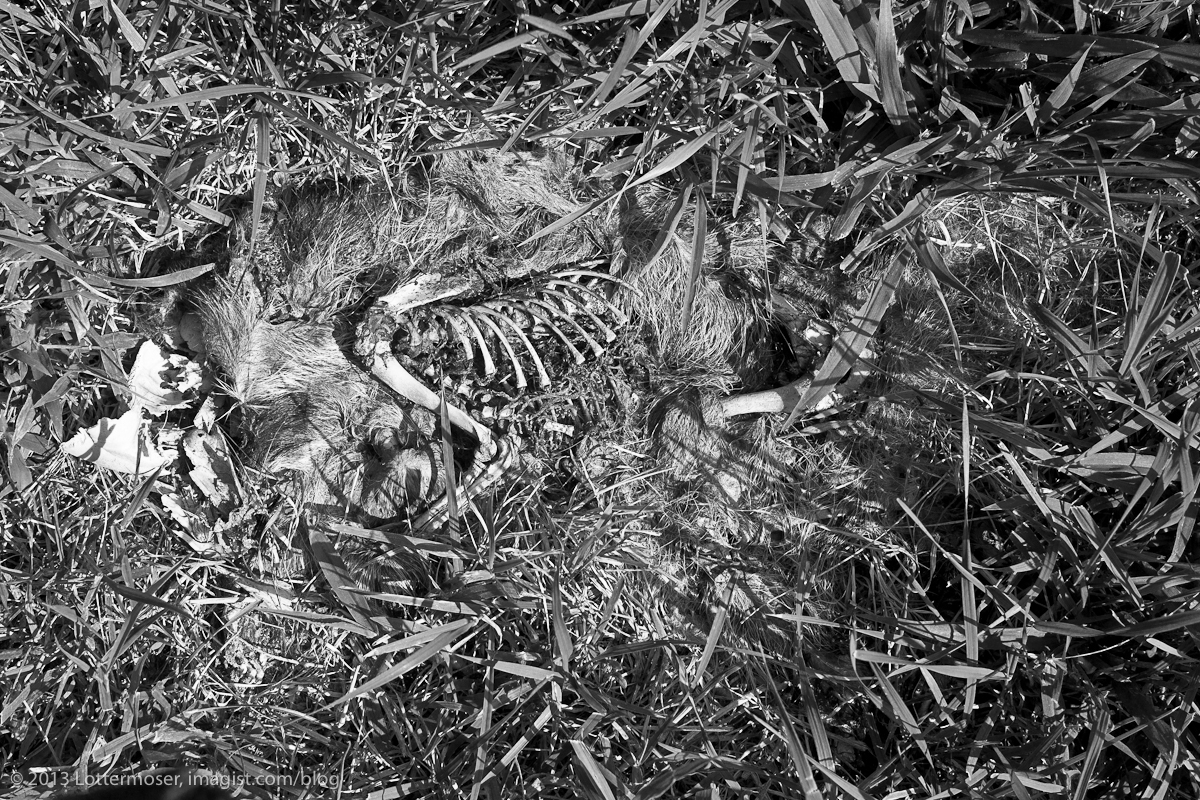
Leica M8, 28 mm Summicron Asph
After mowing the weeds,
while sitting with a cup of coffee,
I see this Japanese Beetle walking along my shirt.
The claws made it difficult to pull off the fabric.
With a little research I discover they’re known as “pests.”
(click photograph for larger view)
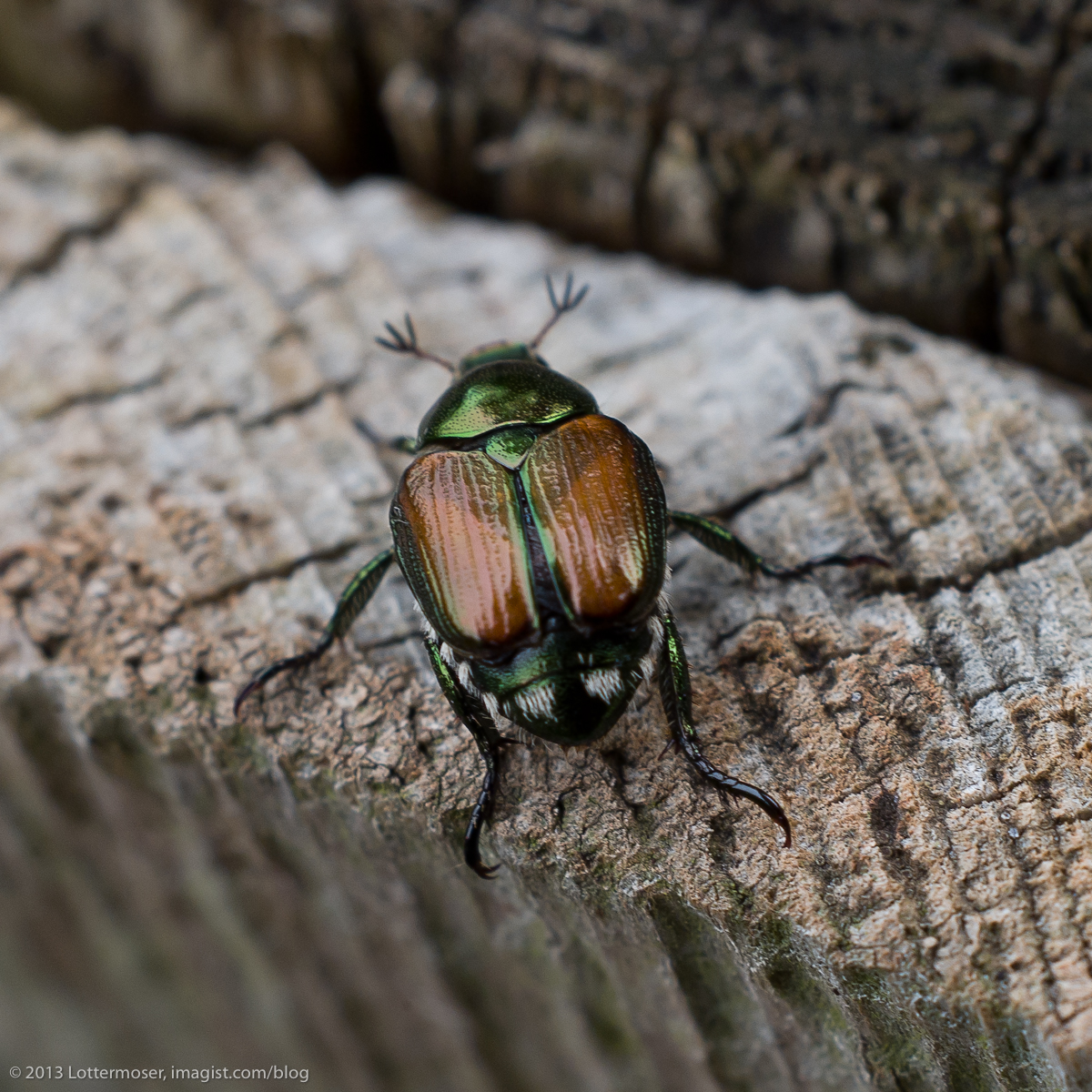

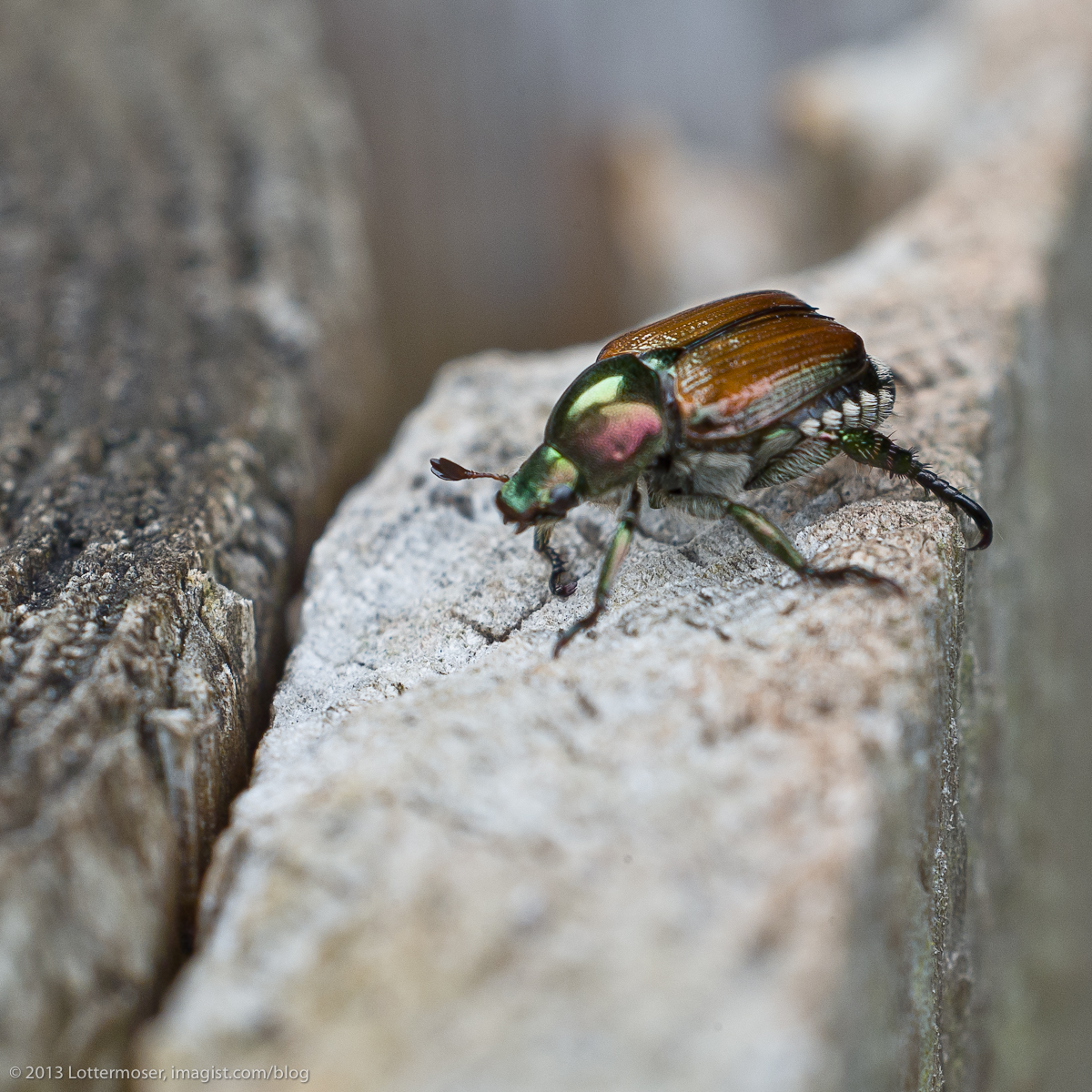
Leica R8/DMR, 100 mm Apo Macro Elmarit
Do we name the flowers after women?
or
Do we name little girls after flowers?
Which came first?
The flower or the little girl
blooming in the summer sun…
(click photograph for larger view)

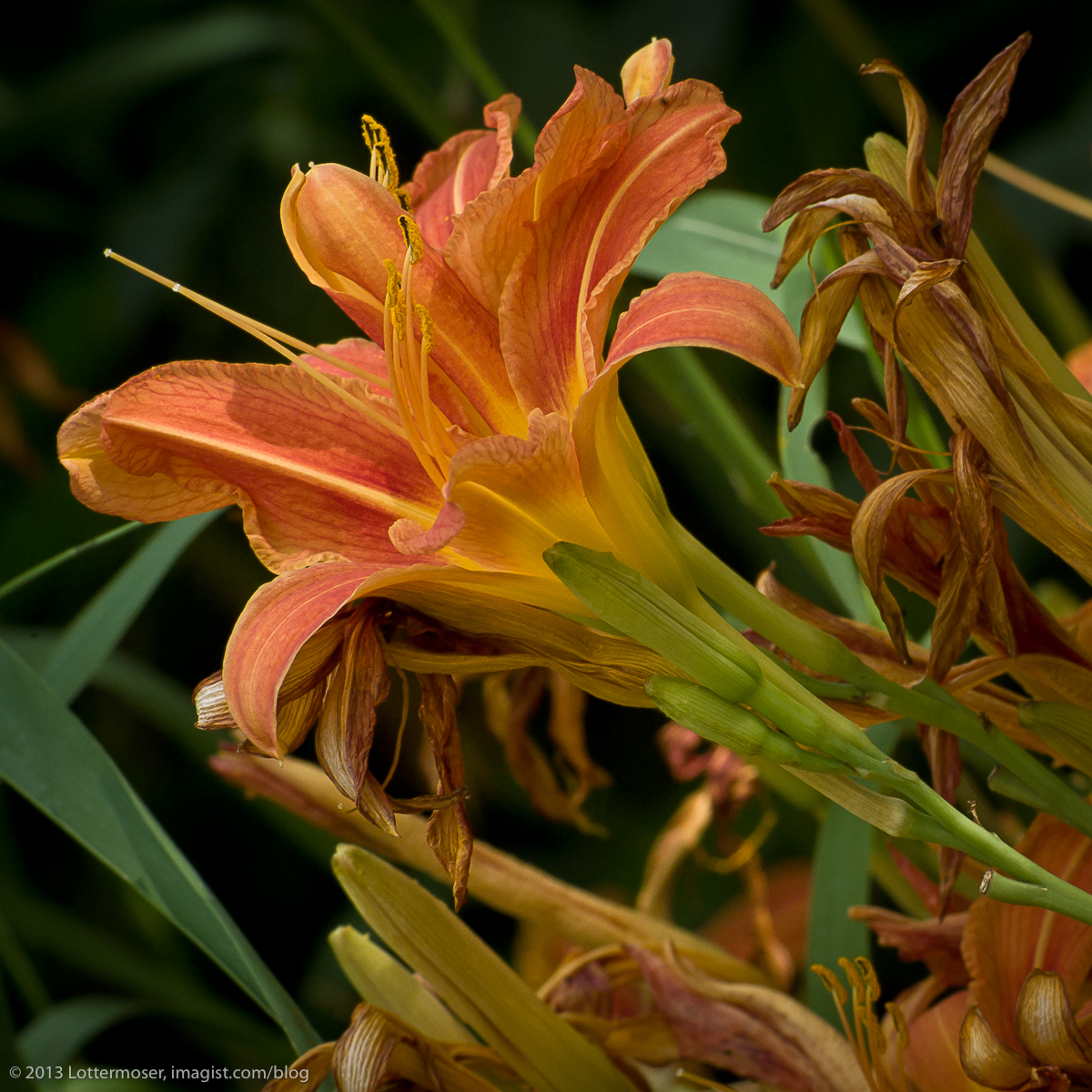
Leica R8/DMR, 180 mm Apo Elmarit + 2x Apo Extender
(click photograph for larger view)
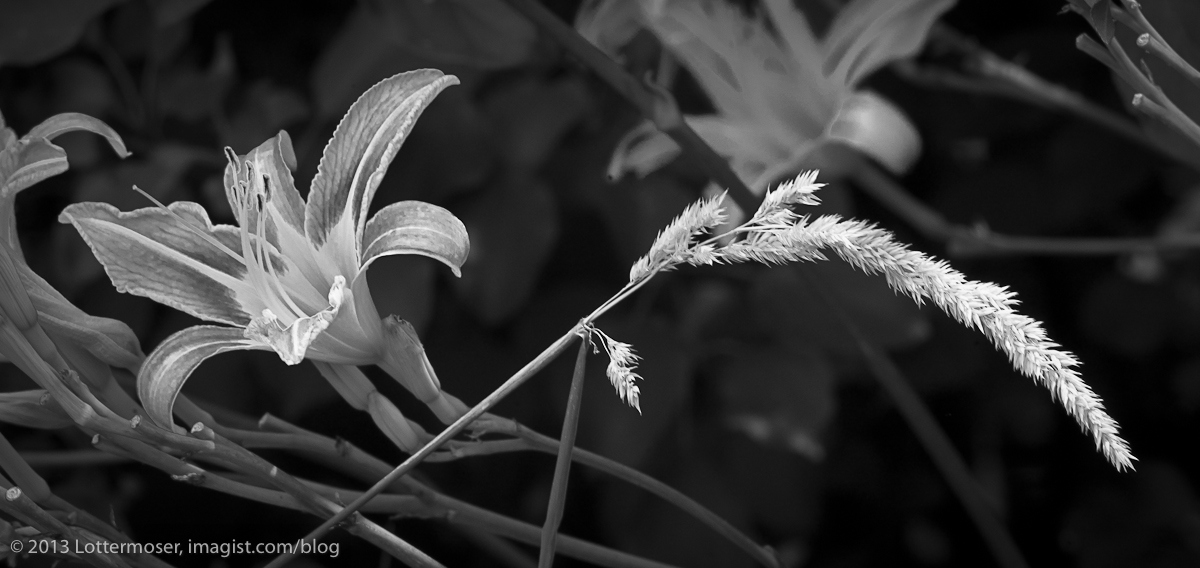
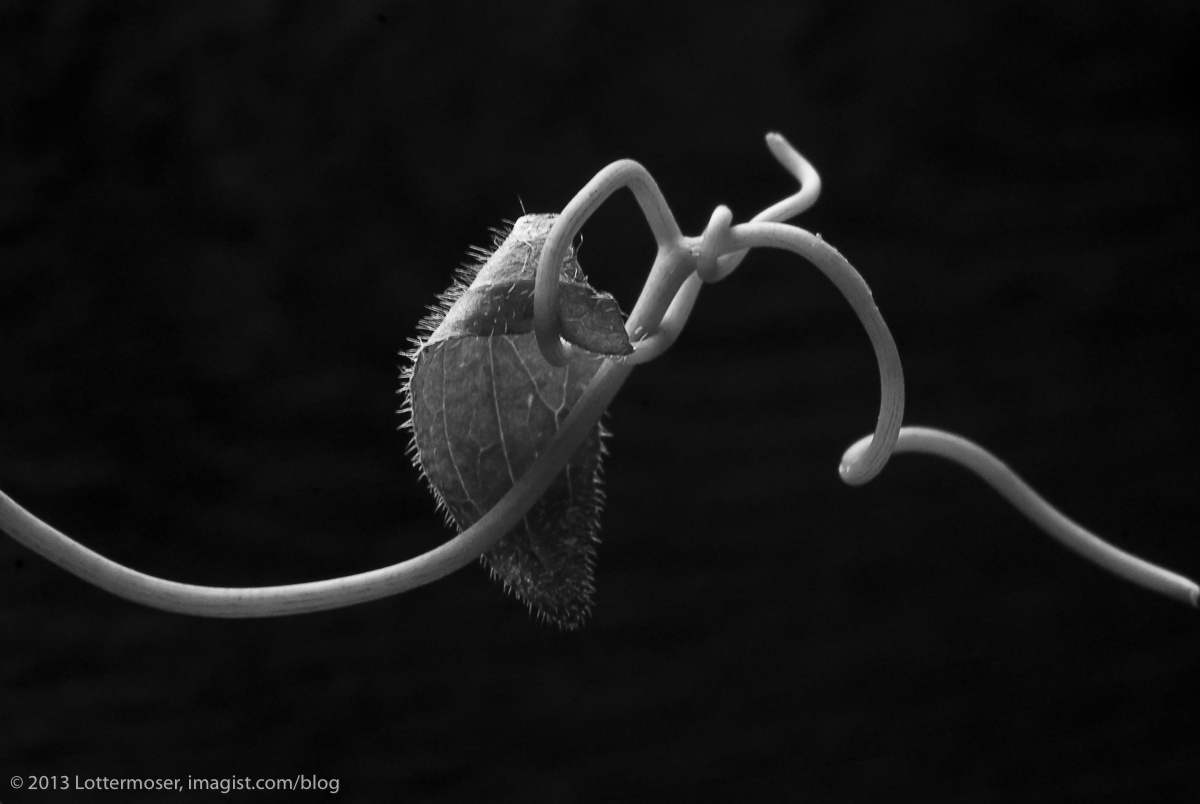
Leica R8/DMR, 180 mm Apo Elmarit + Apo 2X Extender
(click photograph for larger view)
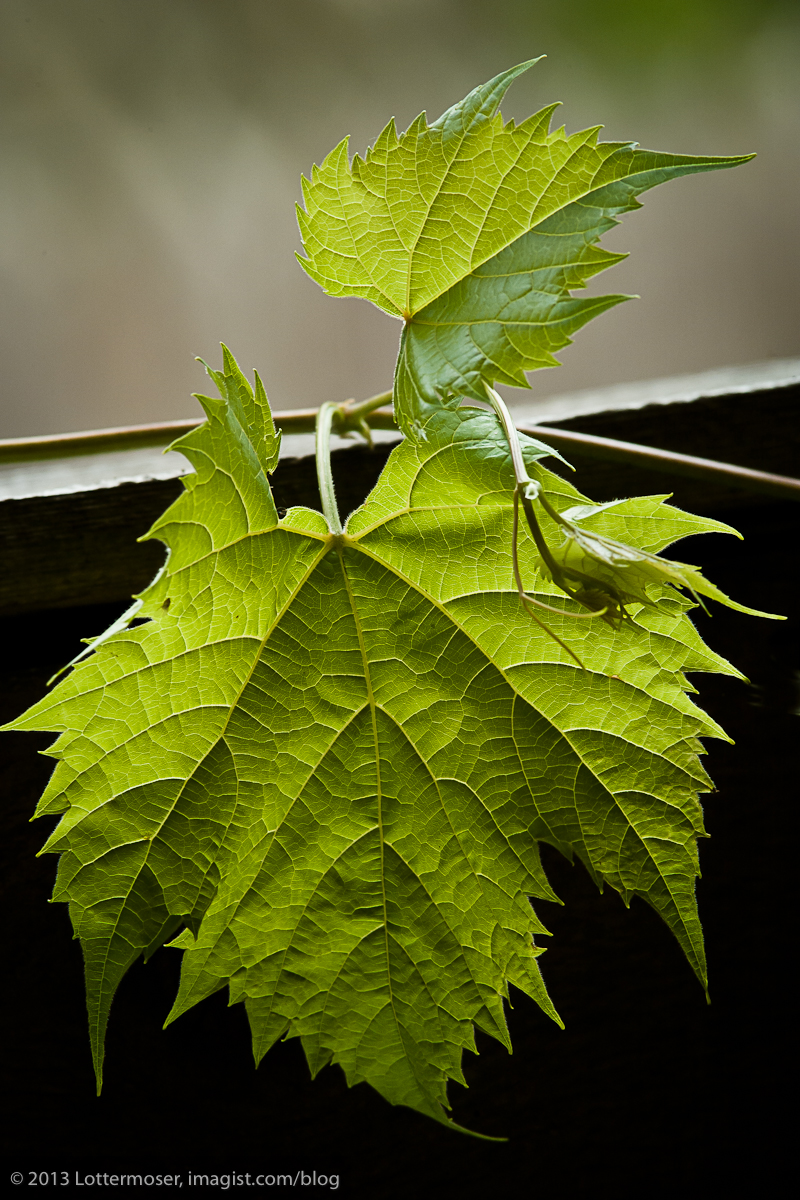
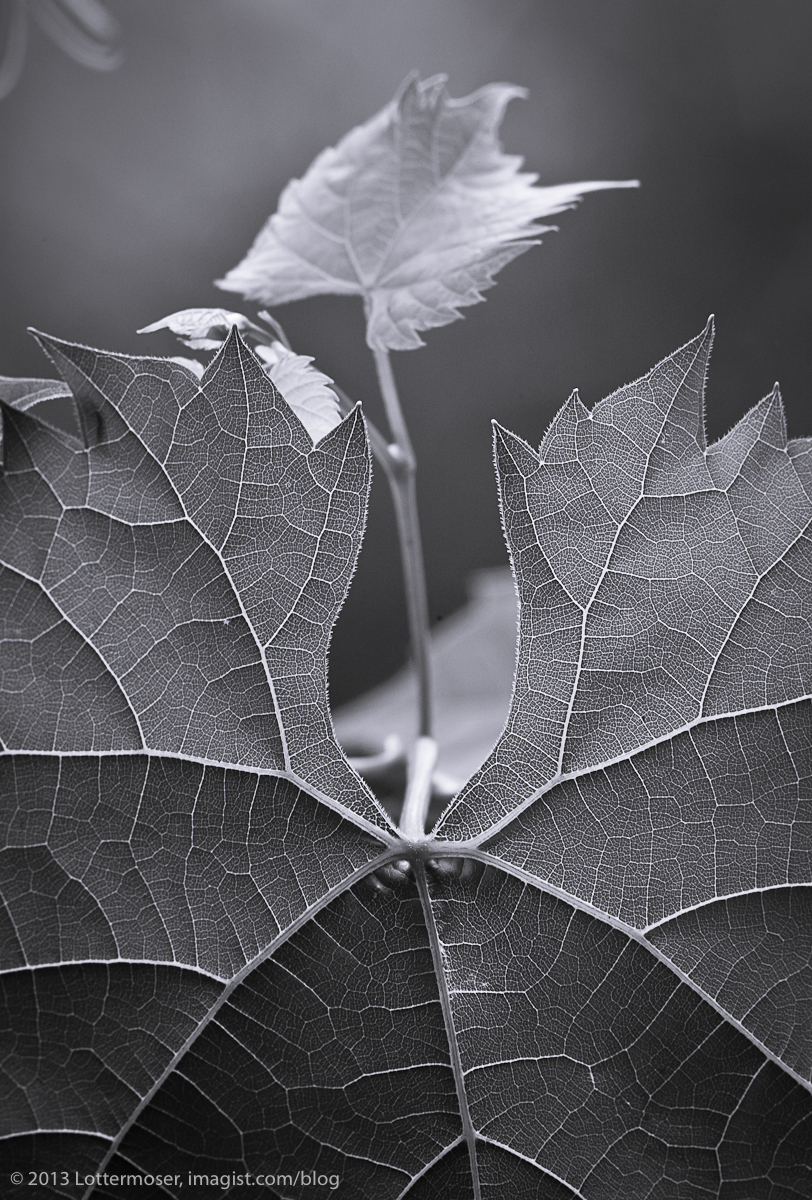
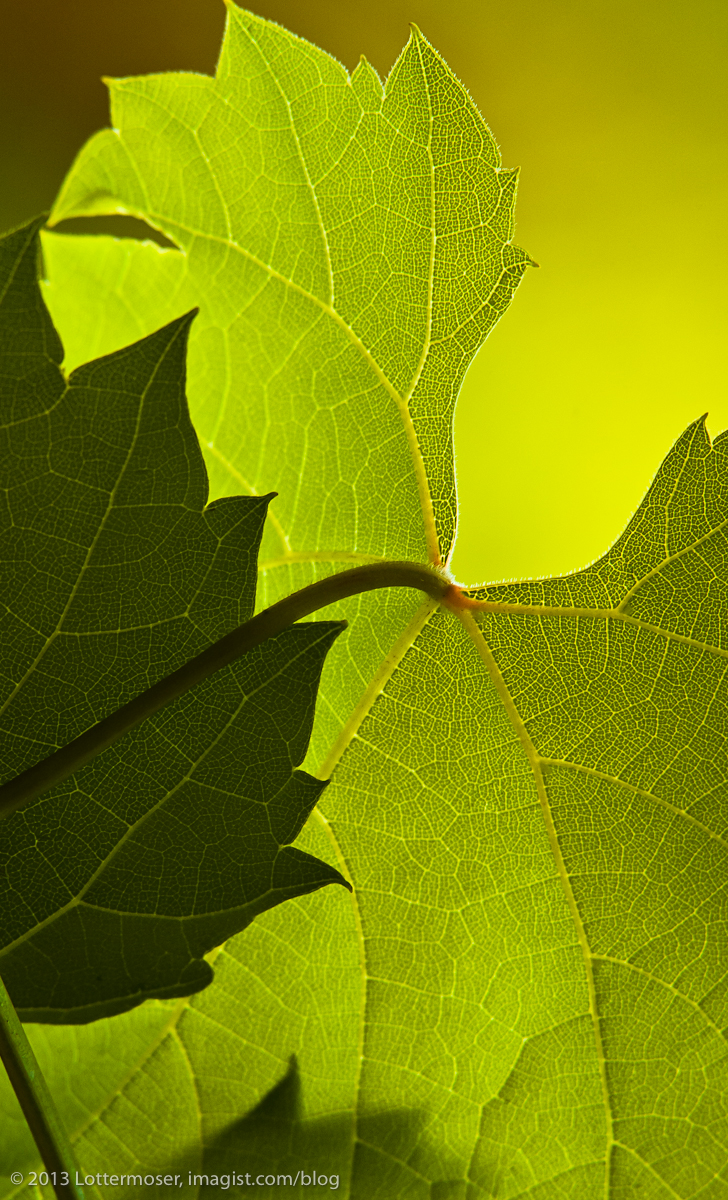
Leica R8/DMR, 180 mm Apo Elmarit + 2X Apo Extender
Ted Grant said, “When you photograph people in colour you photograph their clothes. When you photograph people in black and white, you photograph their souls.” Many have debated the veracity of Ted’s opinion. What does soul mean to the reader of the quote; and/or the viewer of a black and white, or color, photograph? Depends a lot on our experience. Some may think about artful soul as in ‘soul music.” Others may think about their “eternal soul.” Legends suggest that some have thought that cameras steal a bit of their “souls.”
From a purely pragmatic point of view tonality (monotone) defines form in a similar way as line defines shape. Light falling on an object creates the values which allow us to understand the form and depth of things, including our human form, because of where highlights and shadows fall. Light can also enhance or flatten “textures.” We often view people, places and things as having “character” when we can see and understand something of their history through their forms and textures. We can not only “see” form and texture—we can also “feel” form and texture with our hands and bodies.
Of course color also adds to our understanding of the world; and the beings in it. Color remains a purely visual experience; and we should certainly honor it for that. Yet color can also overwhelm our visual sense. We may overlook the “stories” being told by the underlying forms and textures; especially when the light also has a story of its own to tell. Sometimes color can seem like a coat of paint over the inner soulful form of things and sentient beings. Other times the color of a scene can seem like the most important visual thing about it.
My views on these matters are skewed by an early infatuation with the Bauhaus; and their credo, “form follows function” as an overriding design principle. So it comes down to the “function” of the photograph for me. What do I want to communicate? Soulfully? Because I think Richard Avedon also made a valid point when he suggested, “If each photograph steals a bit of the soul, isn’t it possible that I give up pieces of mine every time I take a picture?”
(click photograph for larger view)
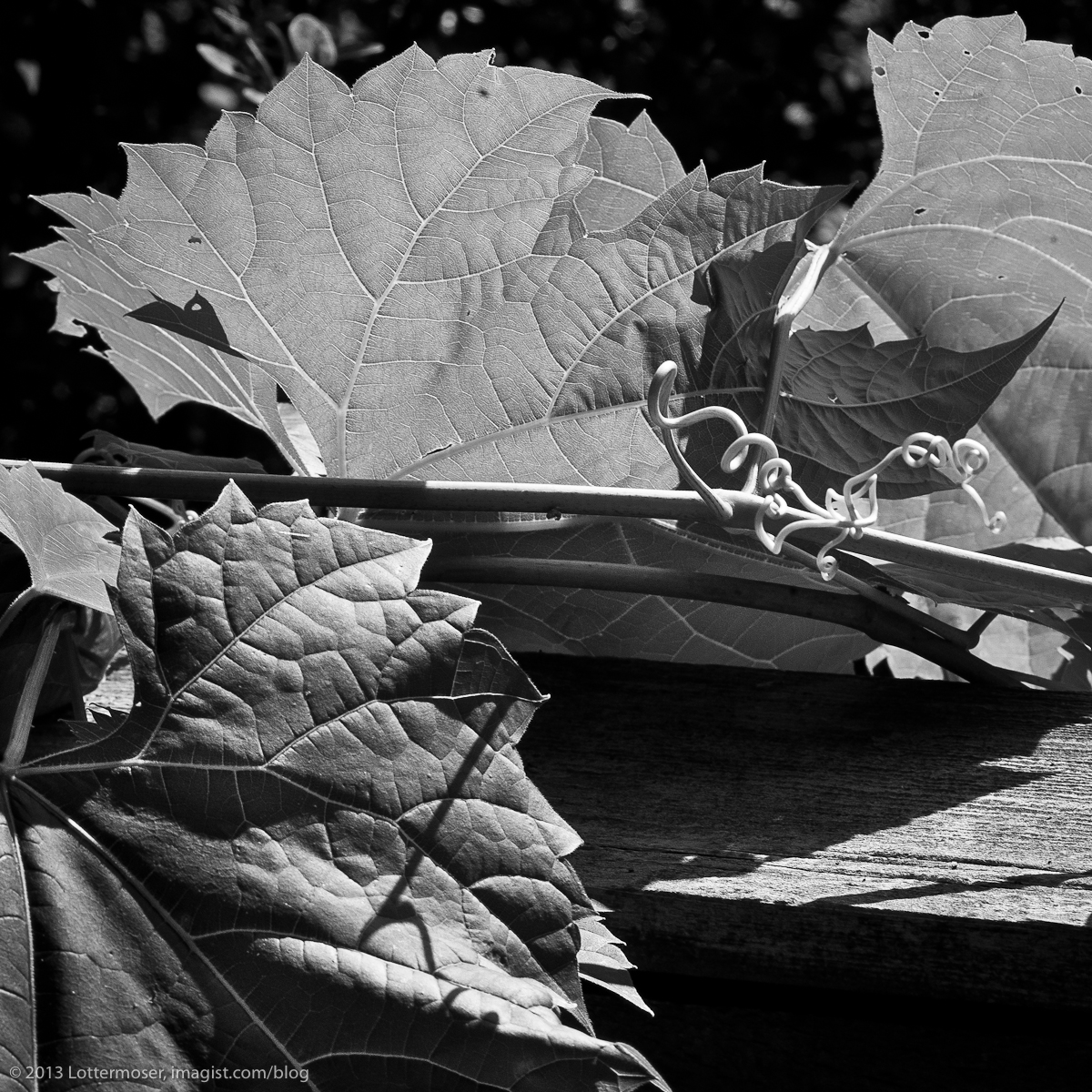
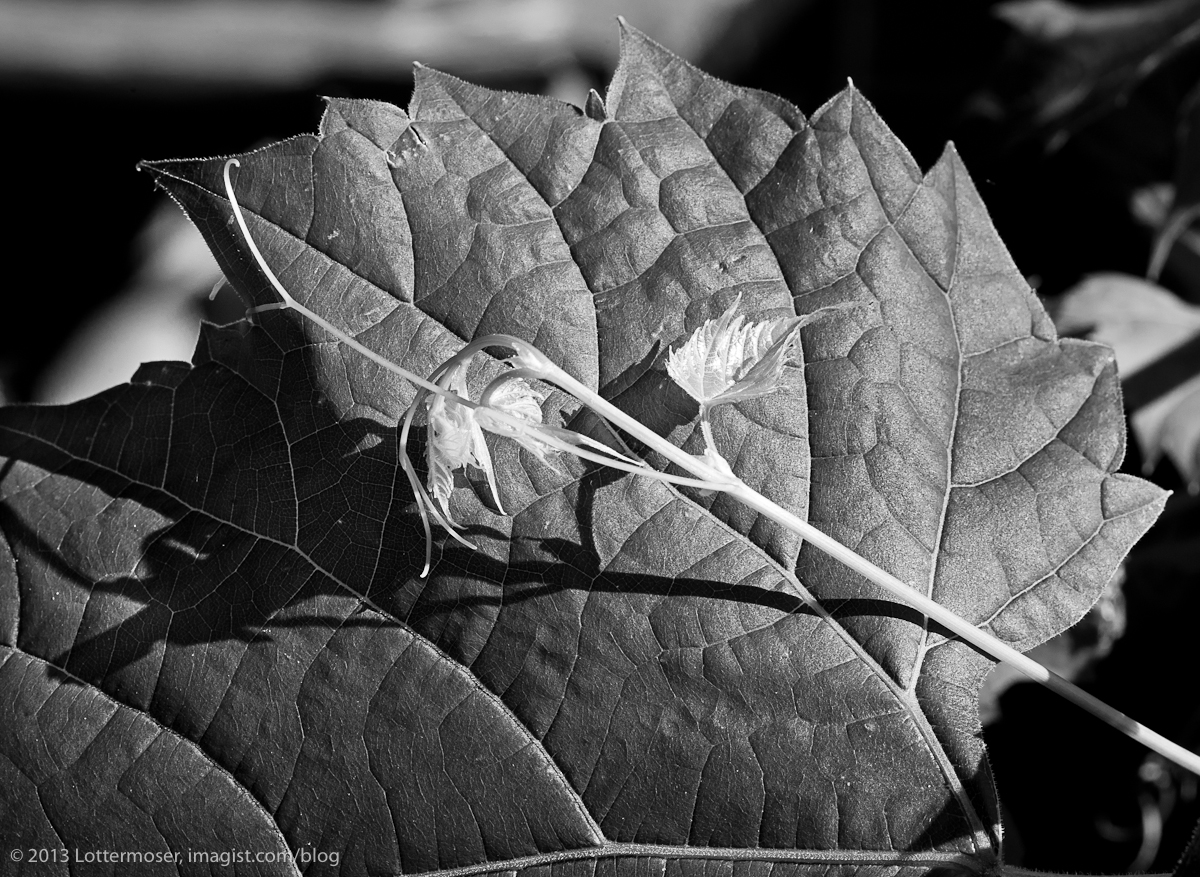
Does the color overwhelm that which “moved my soul” to photograph this subject? Seems to. What do you think?

Leica R8/DMR, 100 mm Apo Macro Elmarit