…our daily bread

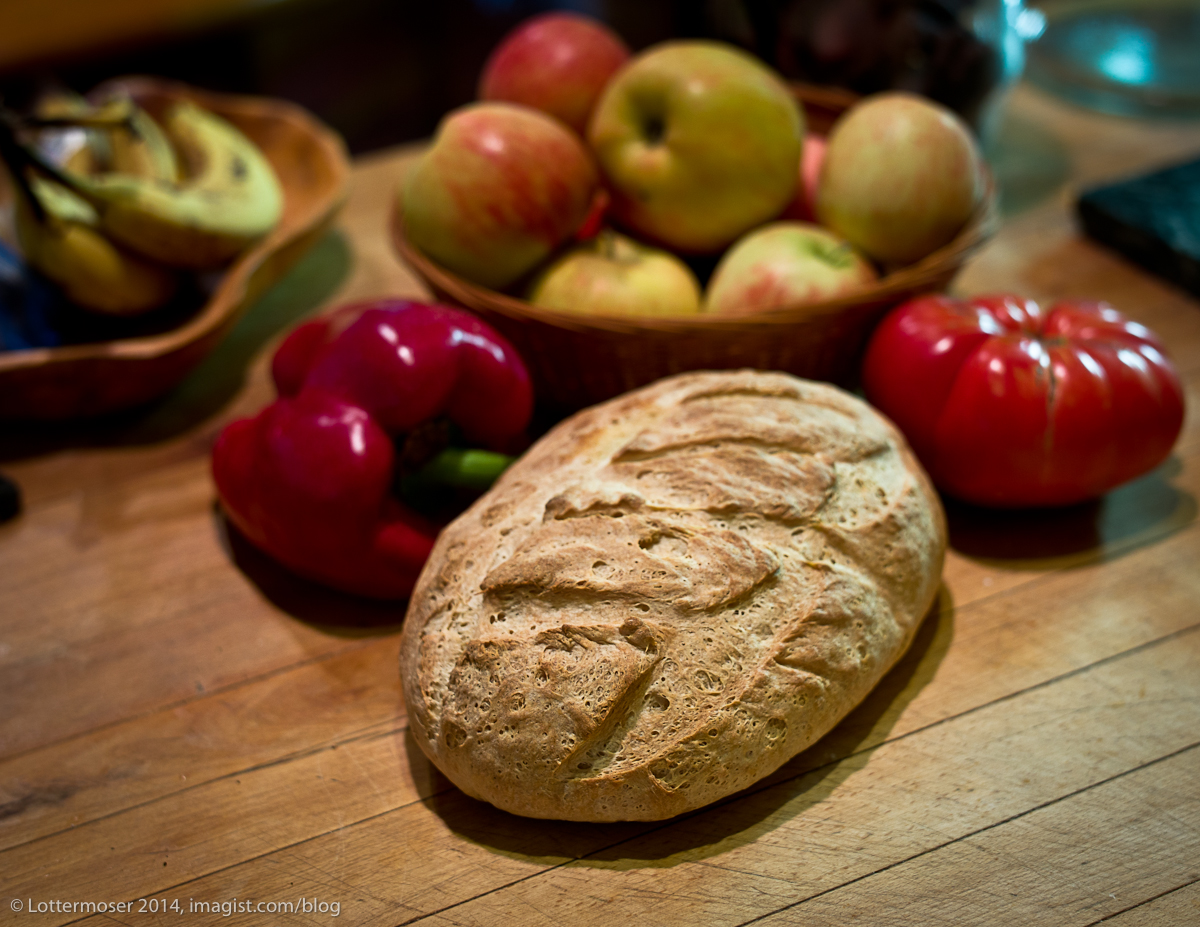
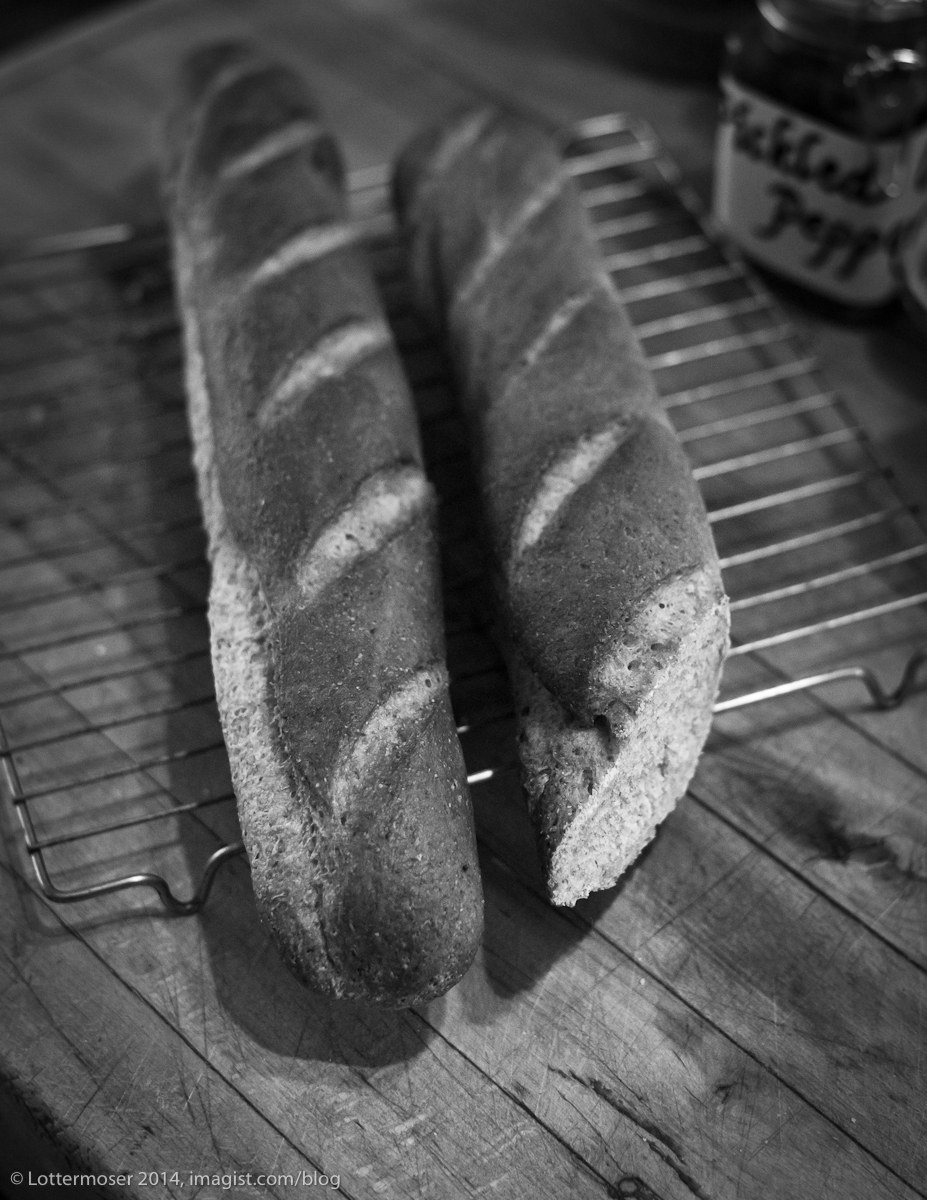
…came out of the oven at 10 pm last evening

From gathering ingredients
to mixing and kneading
to feeling what the dough wants to become
to smelling the dough transform into bread
to hearing the finger thump on the crust
to photographing
to tearing (or slicing)
to tasting

’tis one long meditation, involving all the senses
a practice, a life sustaining ritual

(click photograph for larger view)

L1000644

Leica M, 50 mm Summilux Asph

Jack’s visit…

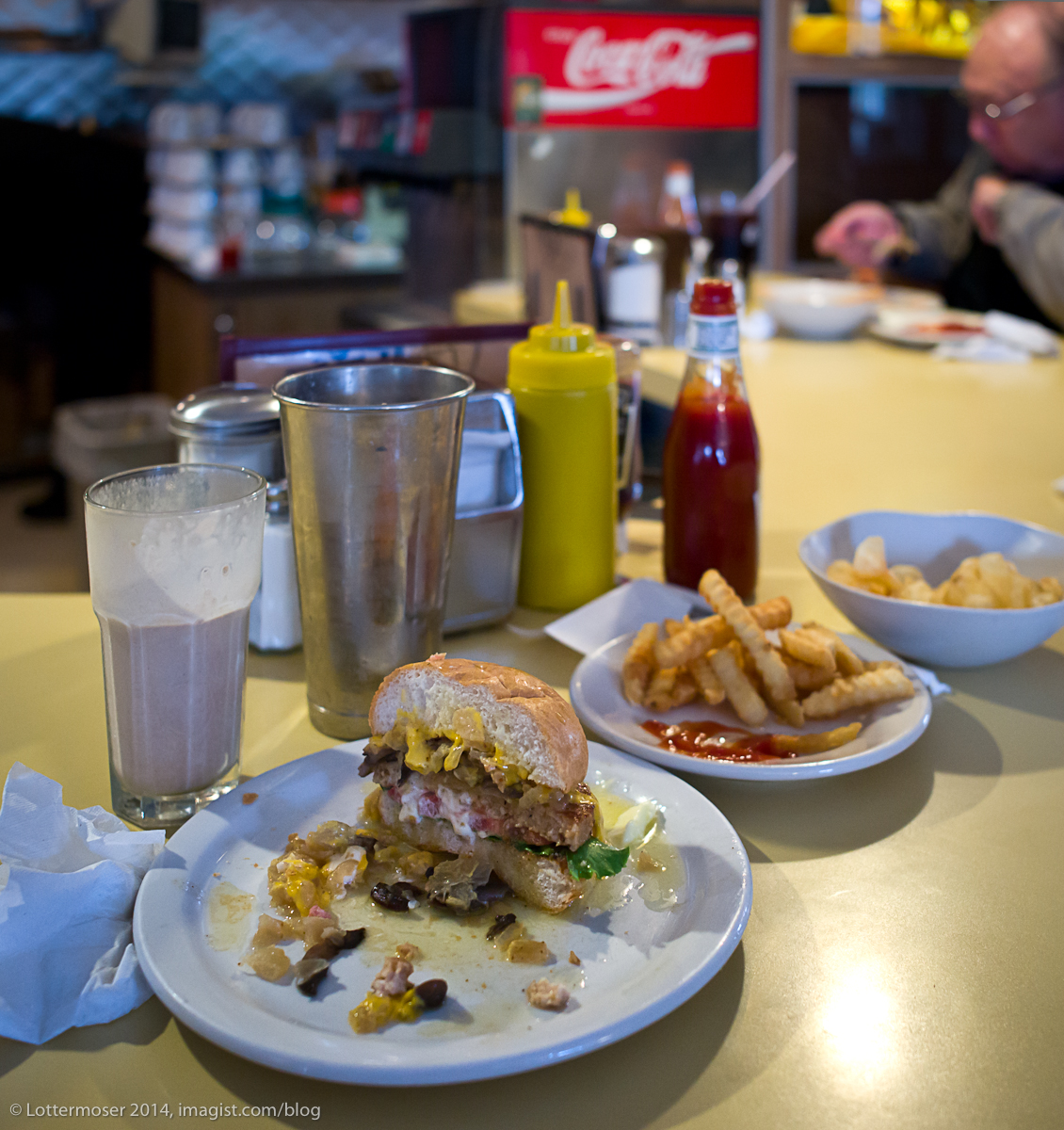
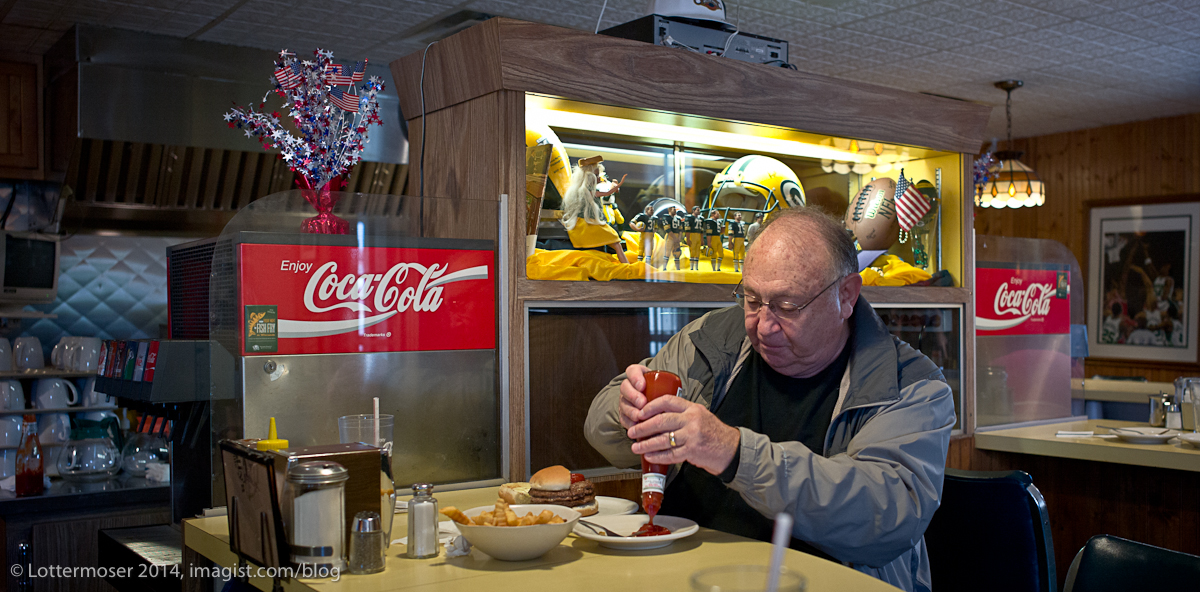
Jack Hernon, my friend, college roommate and a fine artist, flew up from North Carolina to visit his sister; and celebrate her sixtieth birthday with a large family reunion. Jack and I spent Friday together; reminiscing and “catching up.” I took him to the world famous Solly’s Grille for lunch. Even though he spent his first twenty plus years in Wisconsin he’d never experienced a Solly’s butter burger. Unconscionable.

Filled the day with visits to: Boelter Restaurant Supply Sale. Picked up a $10 12 Volt Cadillac Escalade for Jace at a rummage sale. Neiman’s Orchard for Honey Crisp apples fresh off the trees. The new house to continue to work on the hot tub’s pH balance.

 (click photographs for larger views)

L1190744

L1190743

Elisa’s smile greeted us immediately as we walked in the door at Solly’s.
She also took credit for directing the creation of the finest Vege-burger I’ve had to date.

L1190745

Leica M Monochrom, 50 mm Summilux Asph

L1000599

L1000597

L1000598

Leica M, 28 mm Summicron Asph

Ending an era…

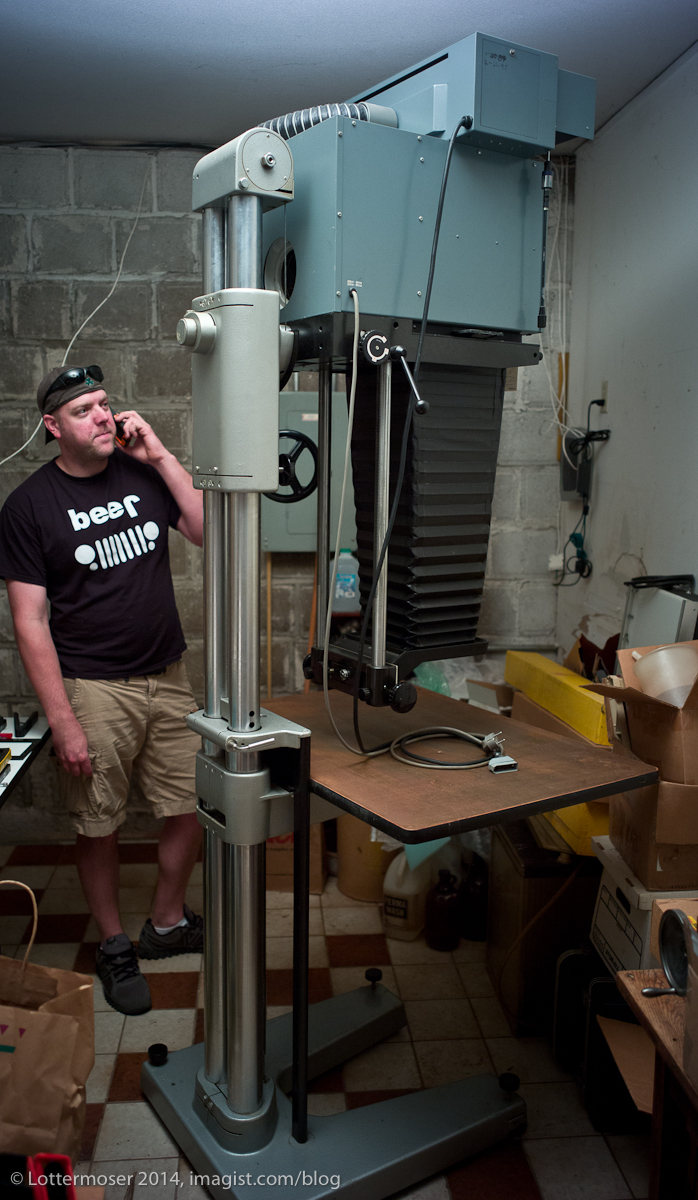
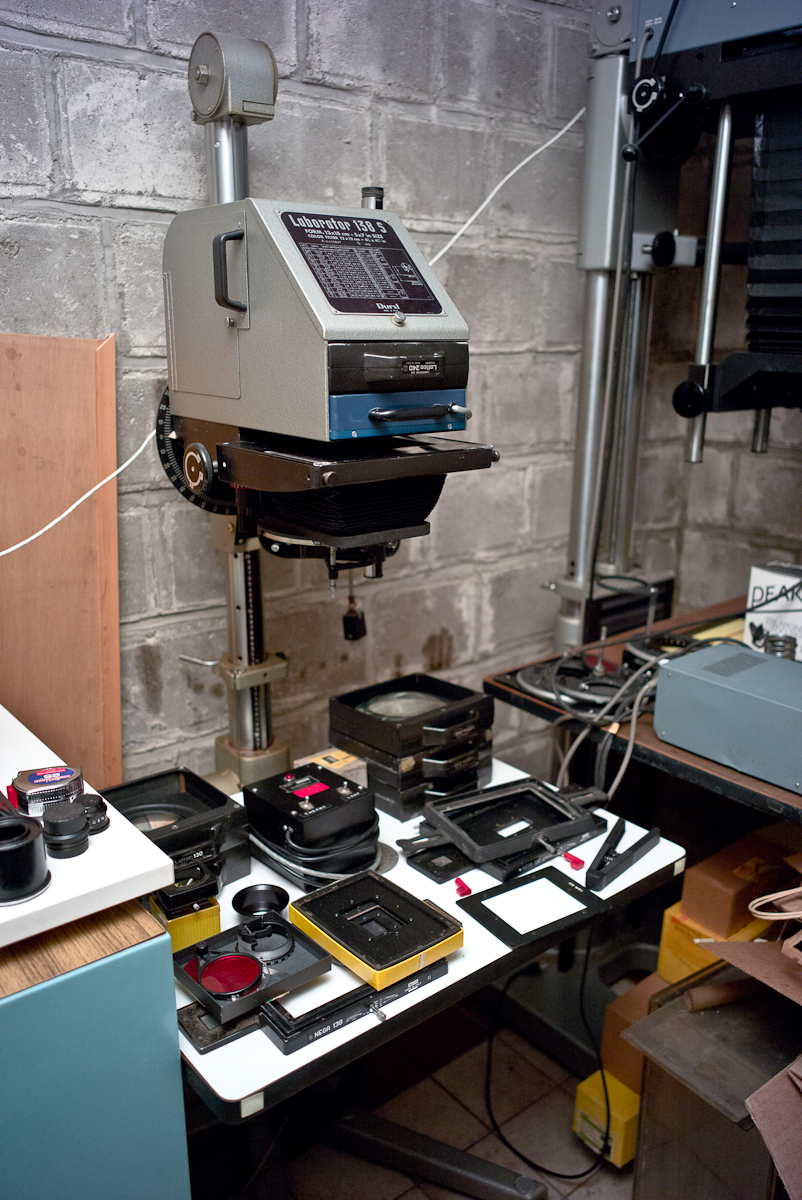
When do we actually let go of our past? Why do we hang on to the trappings of our past for so long? Yesterday I strained my body moving the Durst Laborator 184, with CLS 301 color head out of the old Mequon Road House darkroom; with the help of Chad Davis; who drove up from Chicago to get the enlarger for his brother Chris Davis; who purchased the beast and will actually put to good use. Sad to see the end of an era for me. Very glad that the Durst, a state of the art professional tool, will go back to work instead of to the recycling center.

Perhaps Chris can slow the inevitable — The Dying Art of Darkroom Printing — Well worth the read.

L1000594

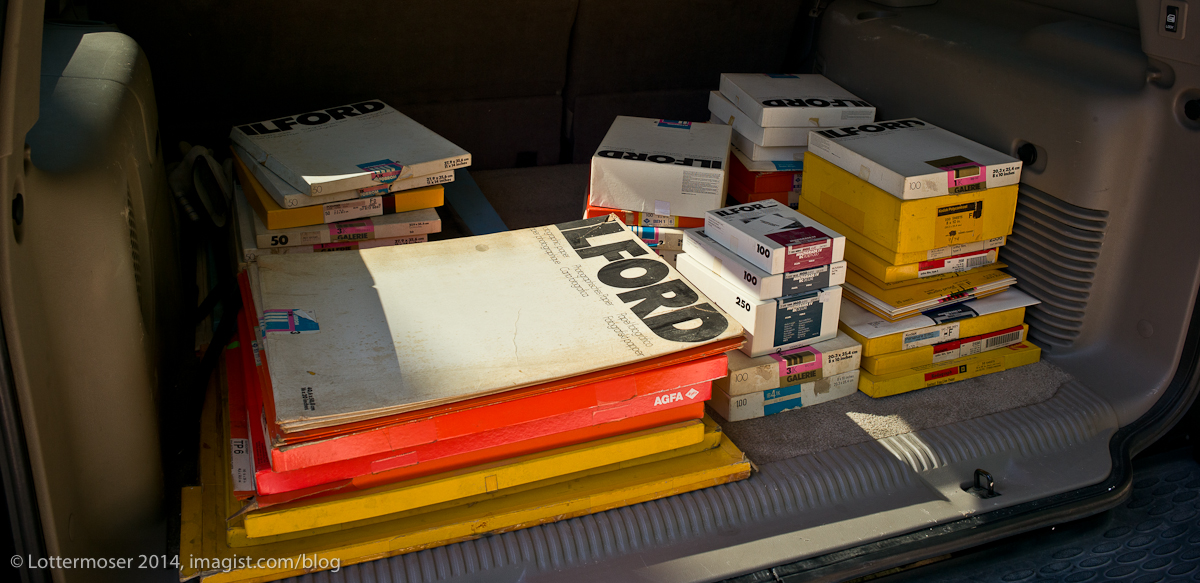
A couple weeks earlier all the paper went into the back of an SUV; into the hands of someone who may actually project light on to the surface and magically bring images to life.

L1000584

Now all that’s left is to find a good home for the two Durst Laborator 138 S and the Leitz V35 w/Variable Contrast head.

L1000593

Leica M, 28 mm Summicron Asph

Relishing retro…

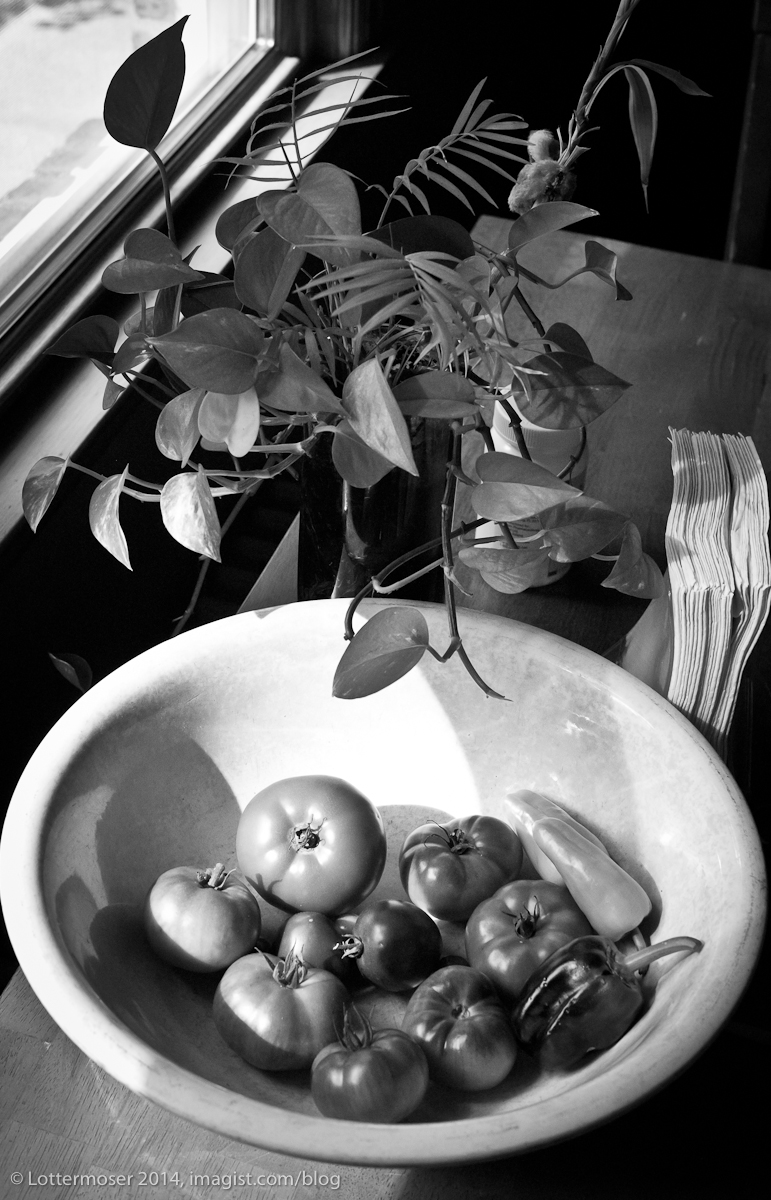
Yesterday I connected with Tanya, Sophia and Jerome for a bite of lunch, recognition of my b’day, and general story telling and catching up. Sophia and Tanya were quite excited about my b’day gift — which turned out to be a Victorio Flour Mill. Interesting, because I’ve been considering a flour mill attachment for my Champion Juicer motor for years. Just never took the plunge. After lunch at Juniper 61 we went back to Tanya’s kitchen, complete with her garden produce in antique stoneware bowl, as Sophia was anxious to “mill flour.” After milling a few cups of  Hard Red Wheat Berries. Tanya whipped up two batches of whole wheat, sourdough, waffle batter (as the quickest way to compare the flavor of freshly milled, premium whole wheat and King Arthur whole wheat flours). Tanya and I both agreed that the freshly ground flour won for both taste and texture. In fact the King Arthur’s flavor was so much weaker that the little bit of baking powder used actually competed with the wheat flavor; something that I have in fact noticed in the past; which is why I generally throw some buckwheat in my batters to make sure the baking powder or soda does NOT rear up its unpleasant taste in the bakery.

Later last evening I made a couple of sourdough whole wheat baguettes with the freshly ground flour. The dough handled differently than my usual King Arthur flour. The liquids seemed to take more flour (not as dry? not absorbing as much liquid?). It also got smoother faster and seemed less sticky (I like fairly moist doughs) while kneading. It also provided a very quick and lively rise. And a few hours later — wow — quite a fine, full flavored, whole wheat bread with fine and lovely crumb.

So now we take another retro step back into the fresher, minimally processed, food past. The machine will definitely eliminate the use of those crank machines at the gym too. The more we do at home the less we have to buy gym memberships.

(click photograph for larger view)

L1190728

L1190731

wheatberries

(Stock Photo of the Palouse Wheat we (well Sophia) milled)

L1190735

Leica M Monochrom, 50 mm Summilux Asph

Why photograph? Why use black and white? Why use color?

We photograph to explore our fascination with reality and all its remarkable, fleeting moments. …because we love light. …to discover how the moment may look when frozen in time. We photograph to remember. To tell a story. To illustrate. To explain. To say, “Look what I saw.” To learn more about “this or that.” To share. To show—as proof. We’re fascinated by, and need to explore, visual compositions as a means of self expression. …music for the eyes …visual poems.

We use black and white when we feel a need to express our love for lines, textures, patterns, shapes, and forms drawn by shadows and highlights. …when our vision demands a rich tonality.…when color would only serve as a distraction. The same reasons we draw with graphite, silver point, charcoal, conté and inks.

(click photograph for larger view)

L1190690-Edit-2

Leica M Monochrom, 50 mm Summilux Asph

We use color when the subject demands its color be seen, understood, and presented; and of course the light; always the light; along with the shapes, lines, patterns, textures, as we pass through each ephemeral moment of our life. The same reasons we reach for any other pigmented medium; whether paints, colored pencils, dyes, or pastel chalks. Because we have something to say about the color we see in the world.

L1000582-Edit-Edit

Leica M, 28 mm Summicron Asph

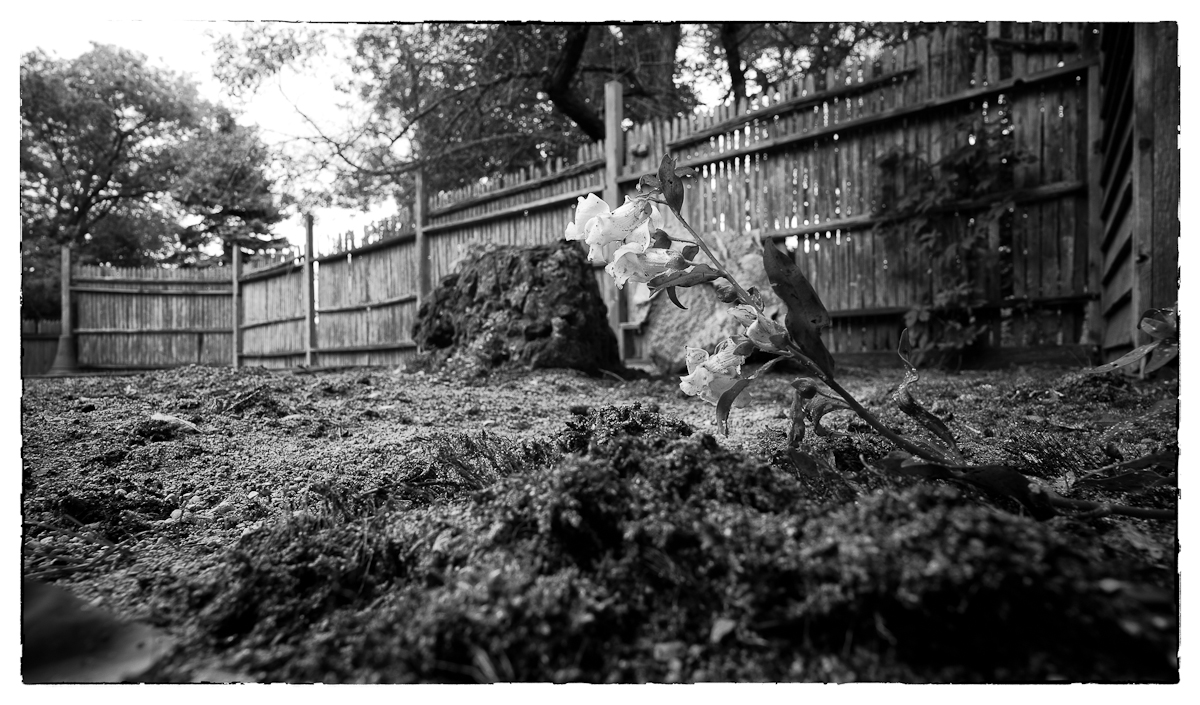
Friday’s flowers: The errant snapdragon seed…

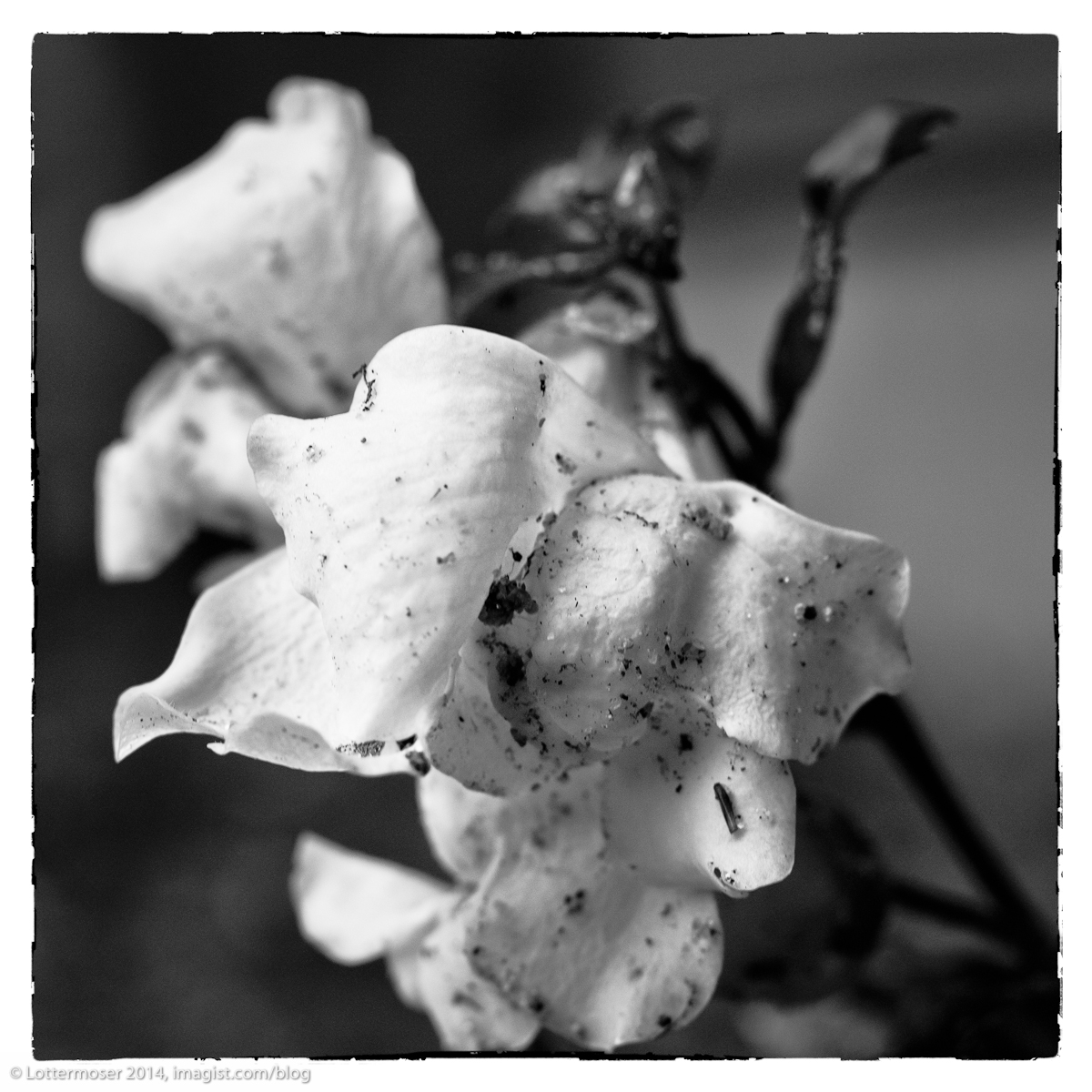
… found a sweet spot
in which to thrive;
with gratitude
to warmth, rain, and light

(click photographs for larger view)

L1190628-Edit

then beaten (last night)
by wind driven sand
as fall delivered its first bitter cold
L1190640-Edit-Edit-Edit

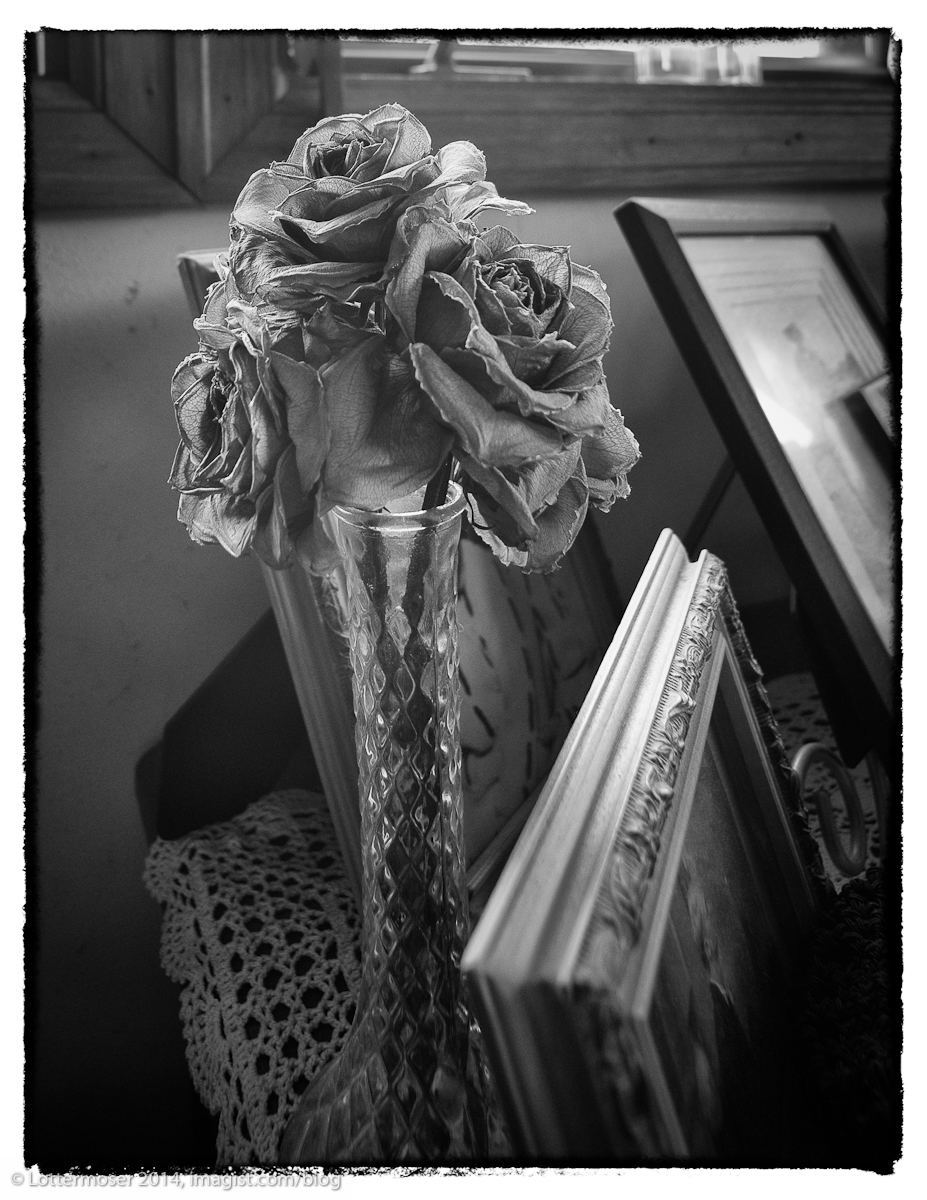
Found within.
Filled with bone
dry flowers and memories;
in dusty frames;
the cedar chest left little space
for future’s fresh mementos.L1190633-Edit-Edit

Leica M Monochrom, 15 mm Voigtlander Super Wide-Heliar Aspherical & 65 mm Elmar on Visoflex

For love of the black and white photography of Edward Weston, Minor White and W. Eugene Smith

A love that drove me to explore medium and large format photography, since I was fourteen years old, including 4×5, 5×7, 8×10 and even, briefly, 11×14 and 12×20 films; drove me to hundreds of hours of Zone system testing; drove me to mixing all kinds of potions finally settling on Pyro negative staining developers; drove me to mixing Beers paper developers; and the list goes on and on.

This love of black and white also drove me to spend a decade as a newspaper photographer from mid 60s through mid 70s. Half my adult life was spent in darkrooms; the Broadway Studio darkrooms; the Wisconsin Lutheran High School Darkroom; parent’s basement darkrooms; Milwaukee Courier darkroom; Milwaukee Star darkroom; every house I’ve lived in has had a darkroom with laboratory glassware, balances, stainless steel trays and reels, and tanks and film holders, enlargers, easels, focusing devices, drying racks, timers, and the sound of filtered water running behind various musical forms depending what time period you may have popped in on me under those various “safe” lights.

Commercial work demanded I pay attention to critical color; the use of color temperature meters and full sets of color compensating filters, as well as my “fine” black and white print pursuits.

When Digital Cameras swept across the professional photography world it meant you could have it both ways… RGB color and B&W conversions, with a few clicks, from one digital file… sort of… though in reality the magical, fine, black and white silver print; or platinum palladium print “look” remained rather elusive in our digital age. Many different processes were tried to get “the fine black and white print look.” Some people actually shot digital and then made film negatives to contact print; a few with admirable results. Though this never made sense to me. It always seemed to me: if you’re going to make prints from film. Shoot film. If you’re going to make digital prints. Shoot digital. Why “scan film” to get to a digital file. Seems obvious to me. Those who do shoot and scan film say it’s for the “film look.” So – hey – follow your bliss wherever it may lead you.

A few years ago (May 10, 2012) Leica released a Black and White Only digital range finder camera which they labeled the M Monochrom. From the start I, and others, thought it produced images with a unique look; a look and tonality difficult to achieve from RGB color digital files. I lusted after what this camera may offer and/or provide to feed my “love” of Black and White Art (which actually includes graphite and charcoal drawings, etchings, engravings, wood cuts, sumi paintings, calligraphy from every culture, etc.). Nostalgia? Illusion? Some claimed they couldn’t see anything special in Leica M Monochrom images on a computer screen. Though almost always I thought I could and did see this camera’s special signature.

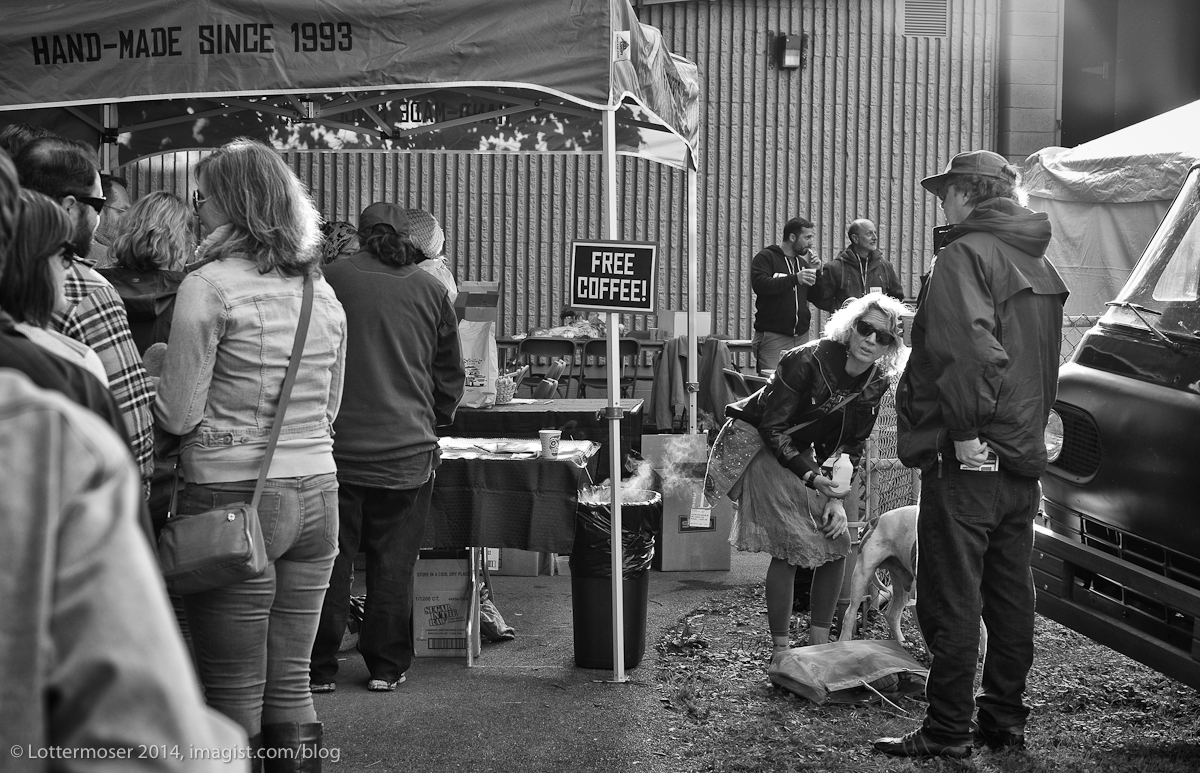
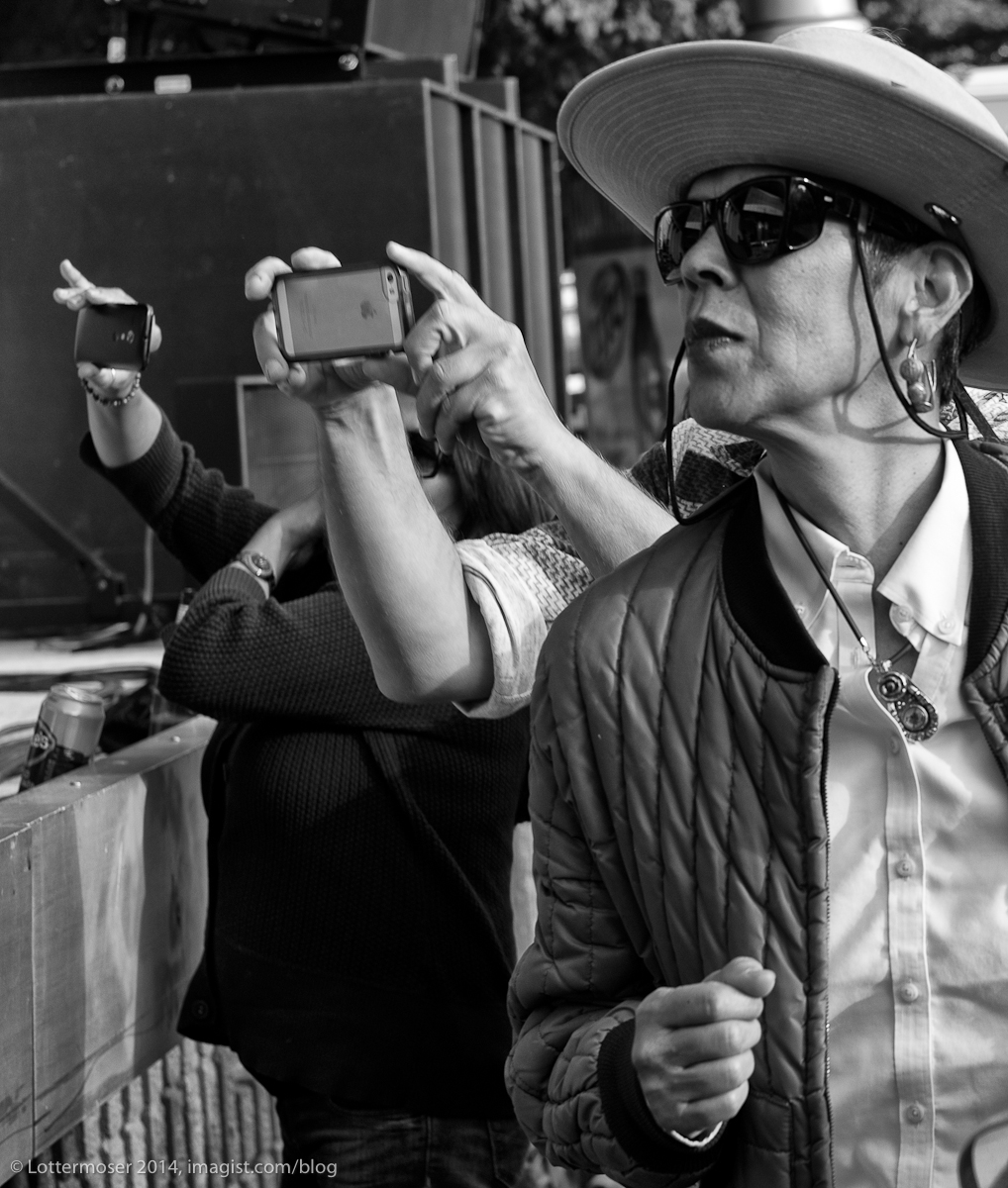
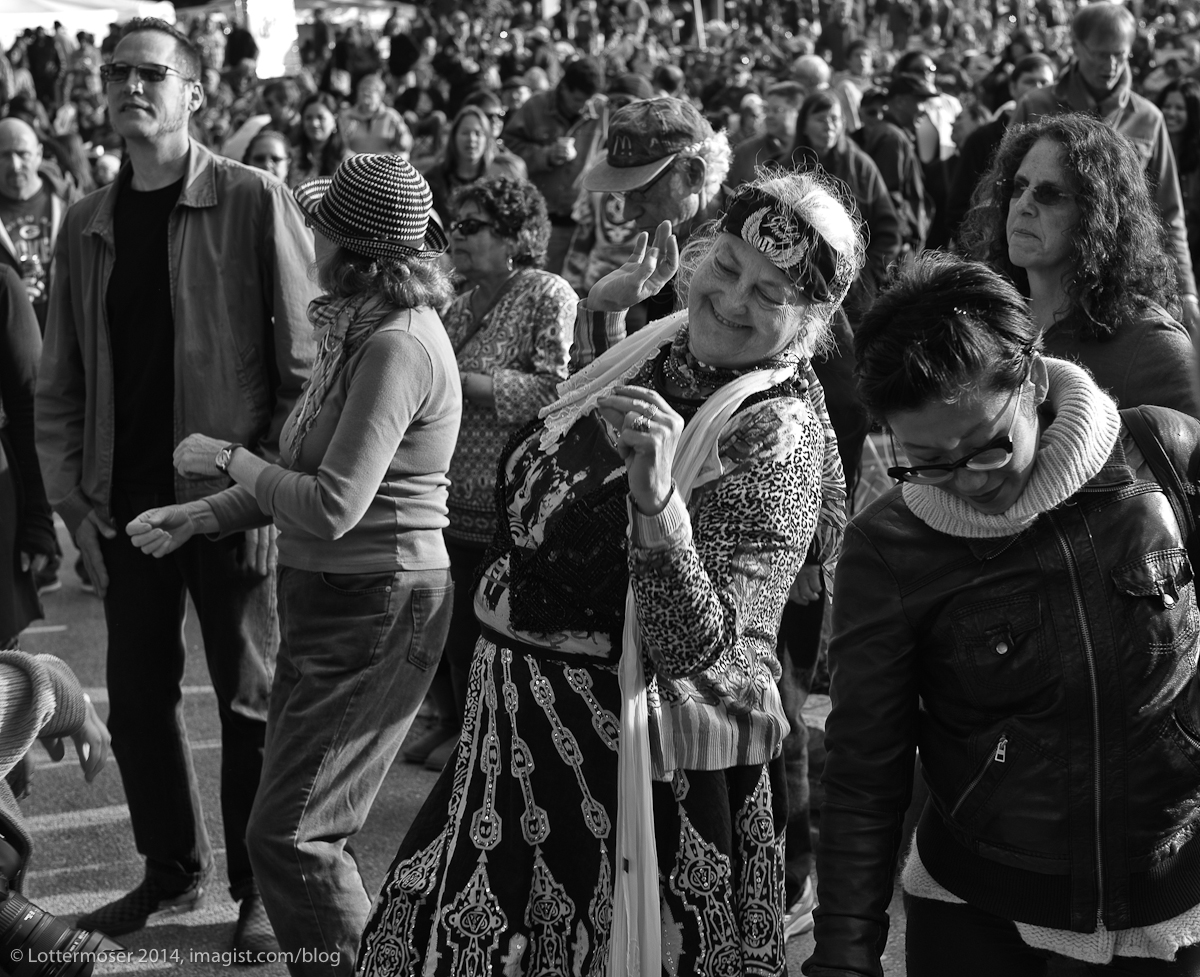
I finally got my hands on an M Monochrom to see what I might coax out of it. Or perhaps discover I simply deluded myself into imagining that this little black box — which literally fits in the palm of your hand — seemed to deliver something “special” – something akin to medium format film quality — or even 4×5 Tri-x in Pyro kind of edge quality. You tell me. Here’s the first try:

(click photograph for larger view)

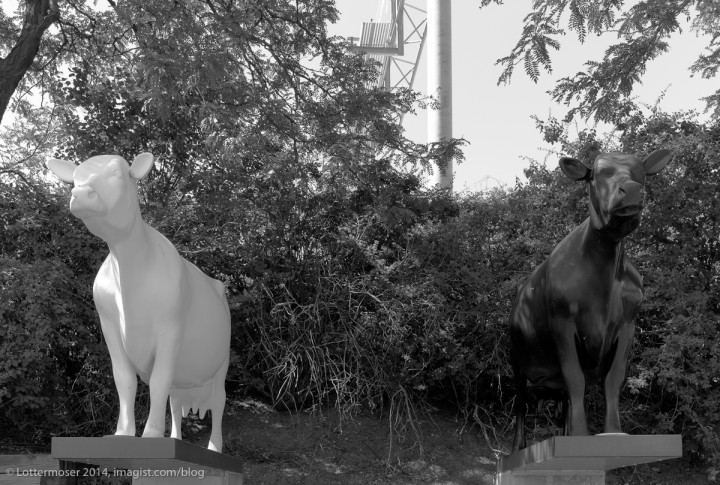
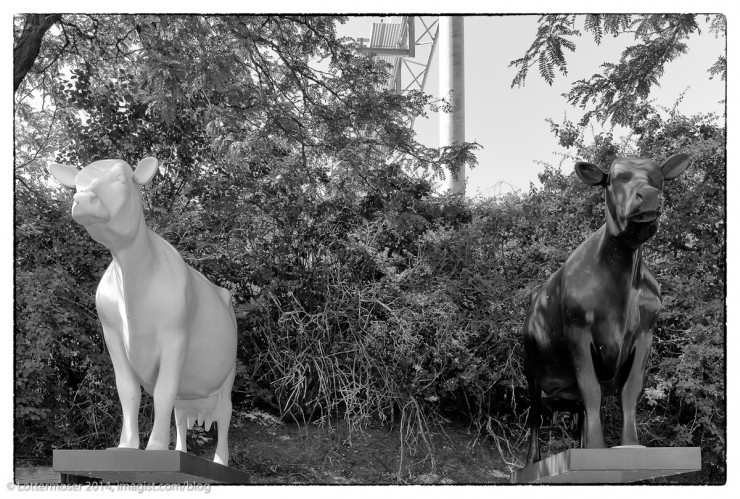
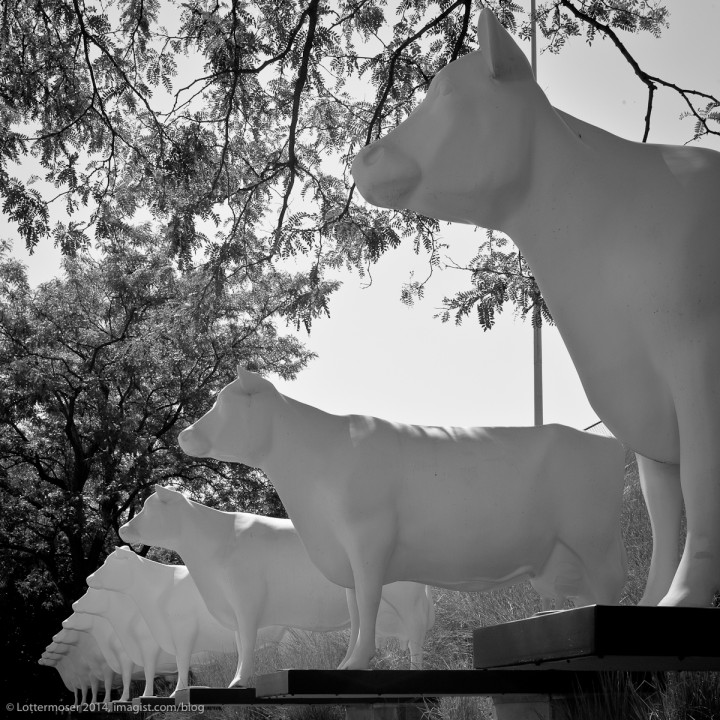
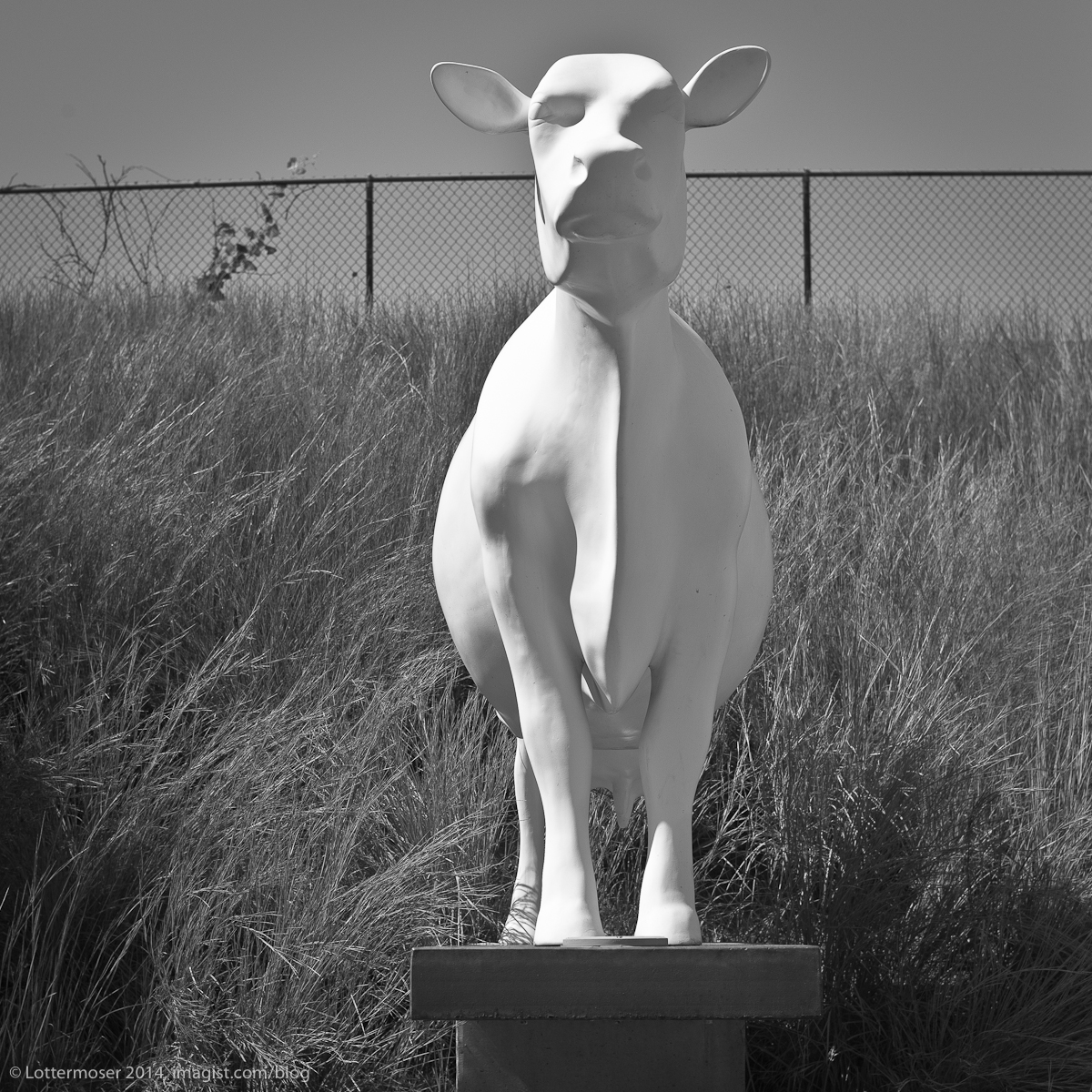
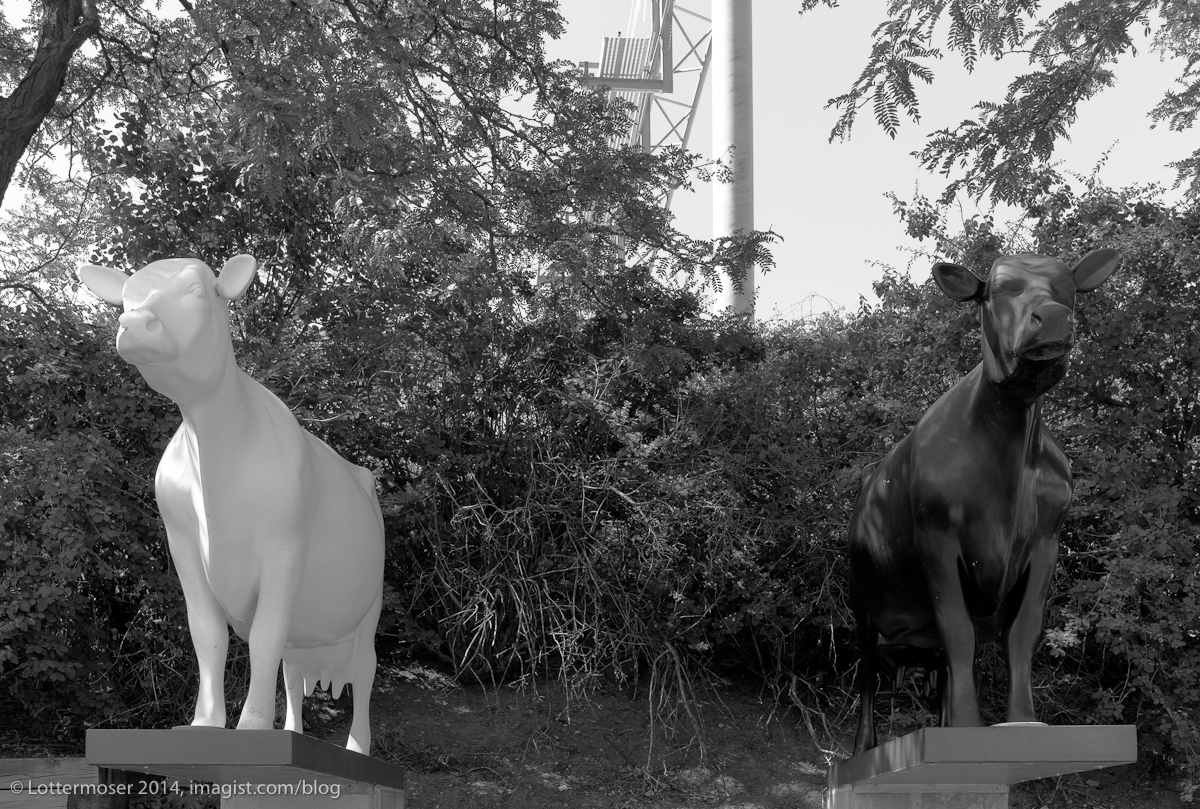
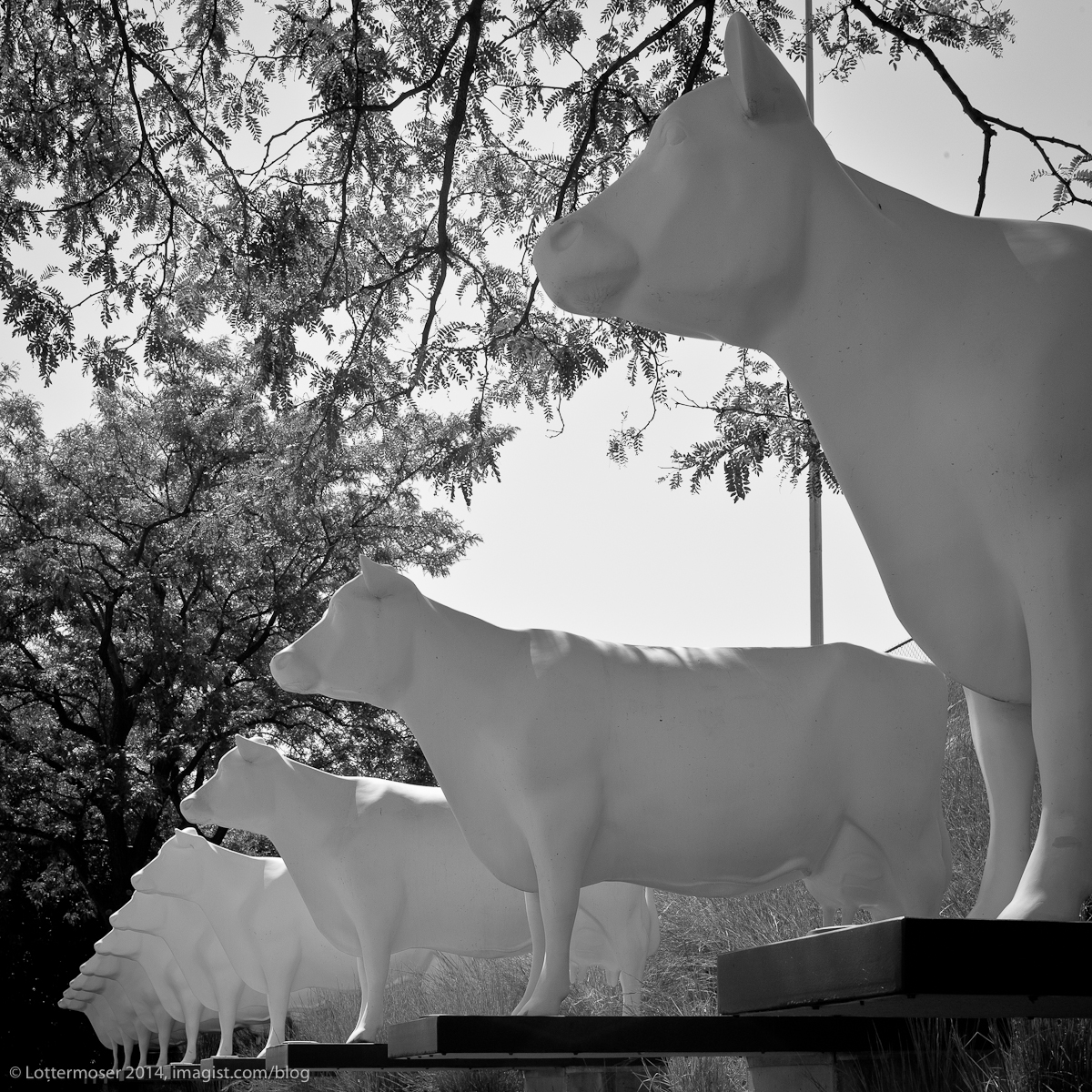
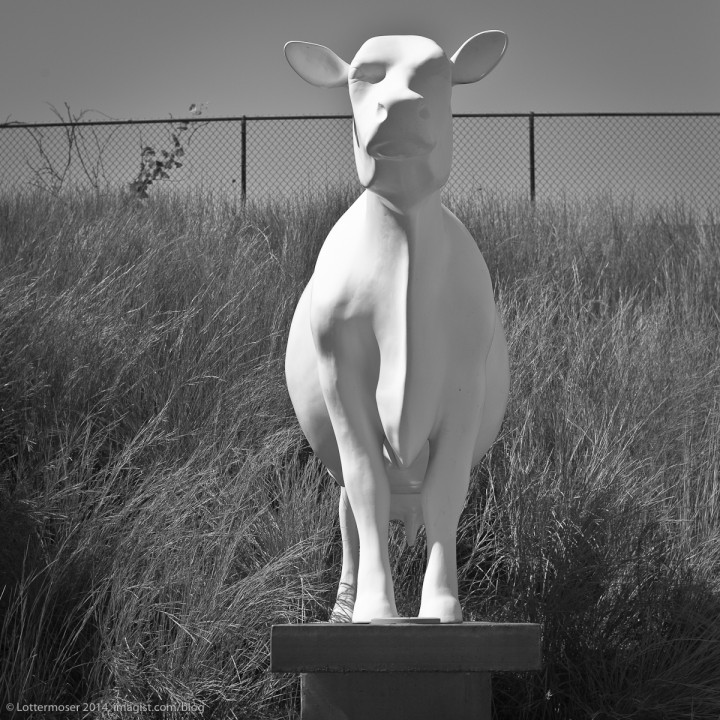
These bovines reside at Kopps on Port Washington Road in Glendale, WI.
Kopps is one of the finest “custard stands” in Wisconsin. 35 mm Summilux Asph.
L1190591

L1190592

L1190592-Edit-Edit

L1190593

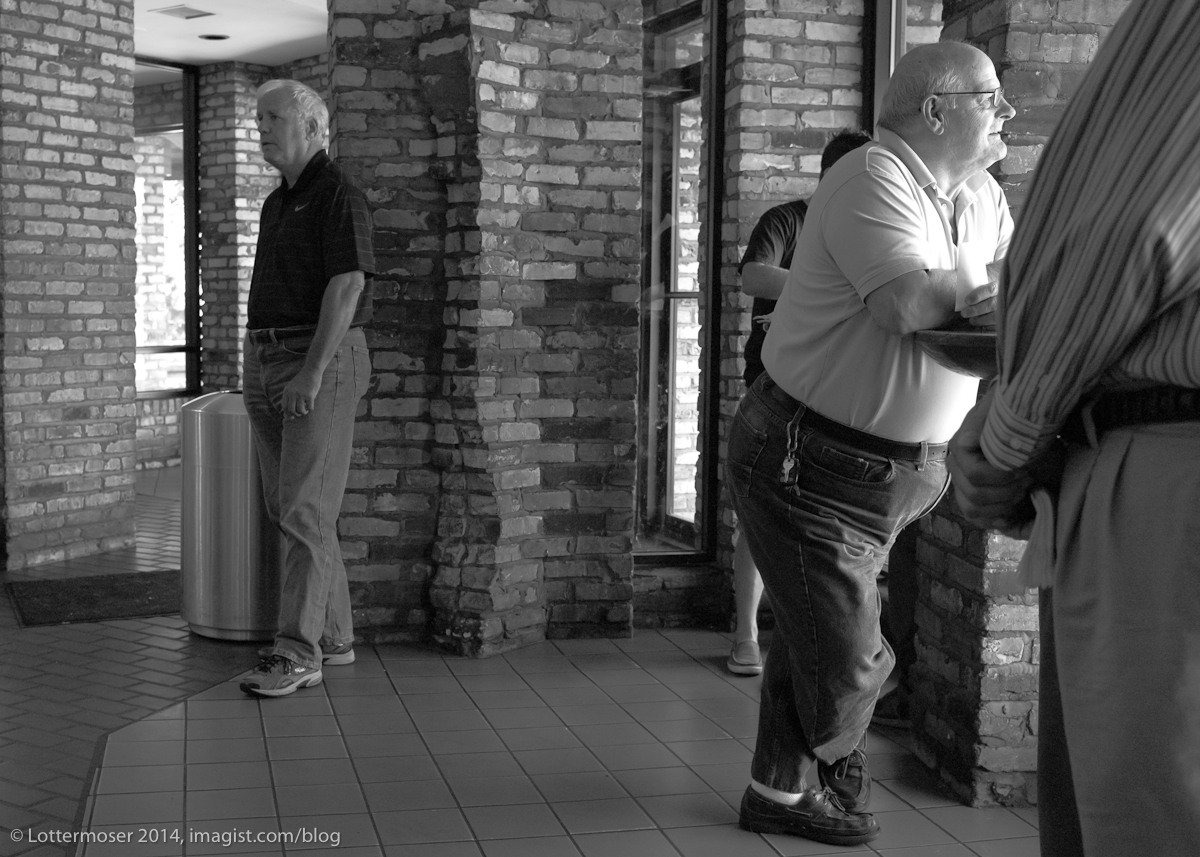
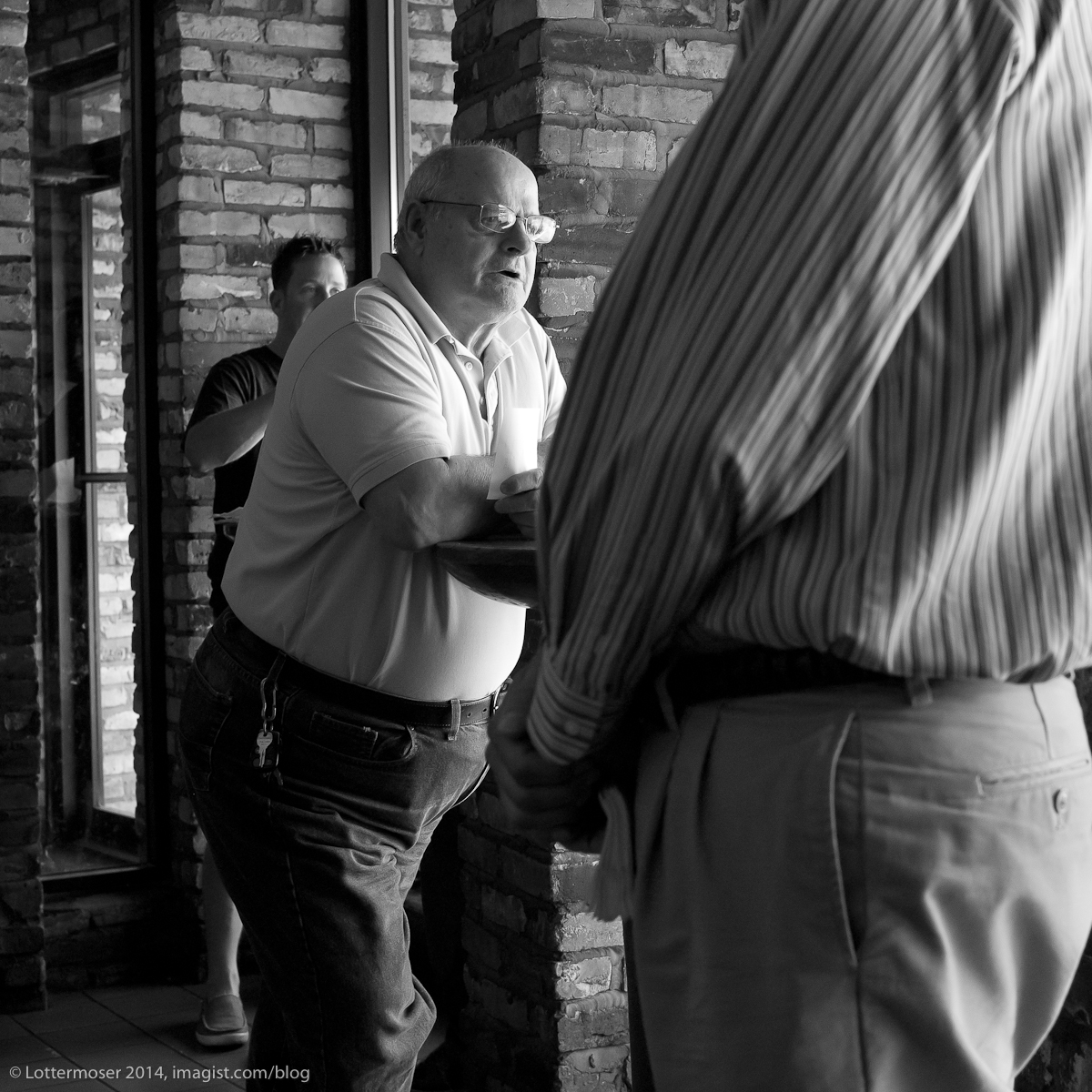
While waiting for my rather decadent Hot Fudge, Caramel Malted Milk
(first malted milk since the heart attack two and half years ago) 35 mm Summilux Asph
L1190595

L1190596

L1190597

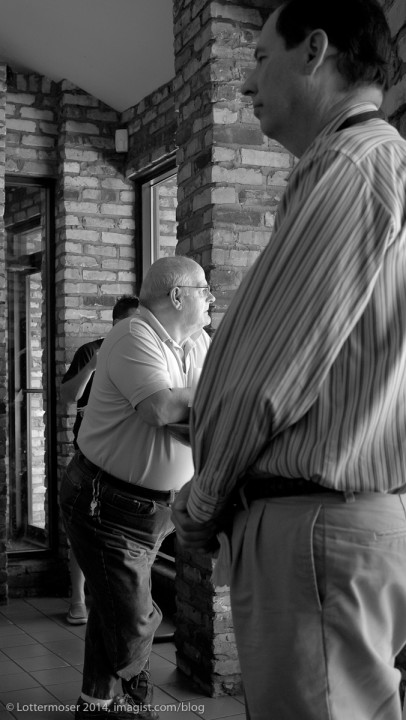
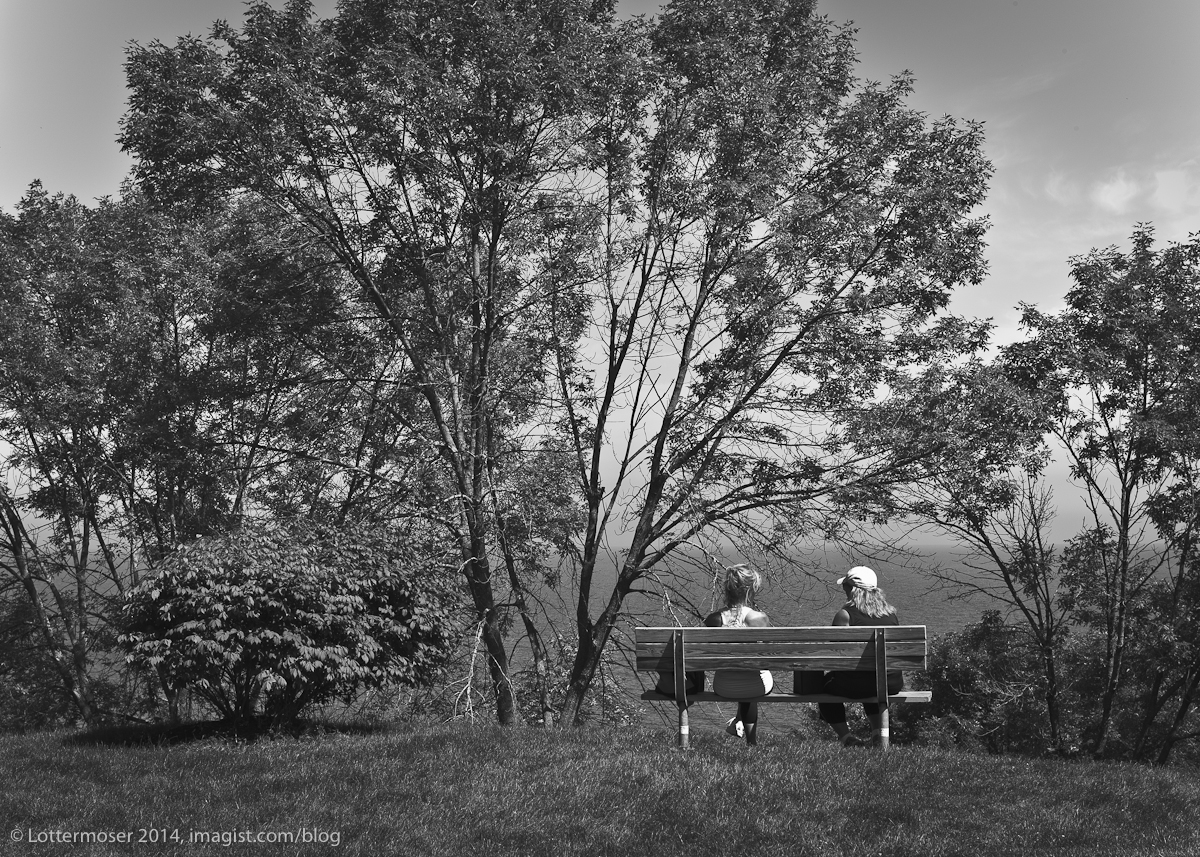
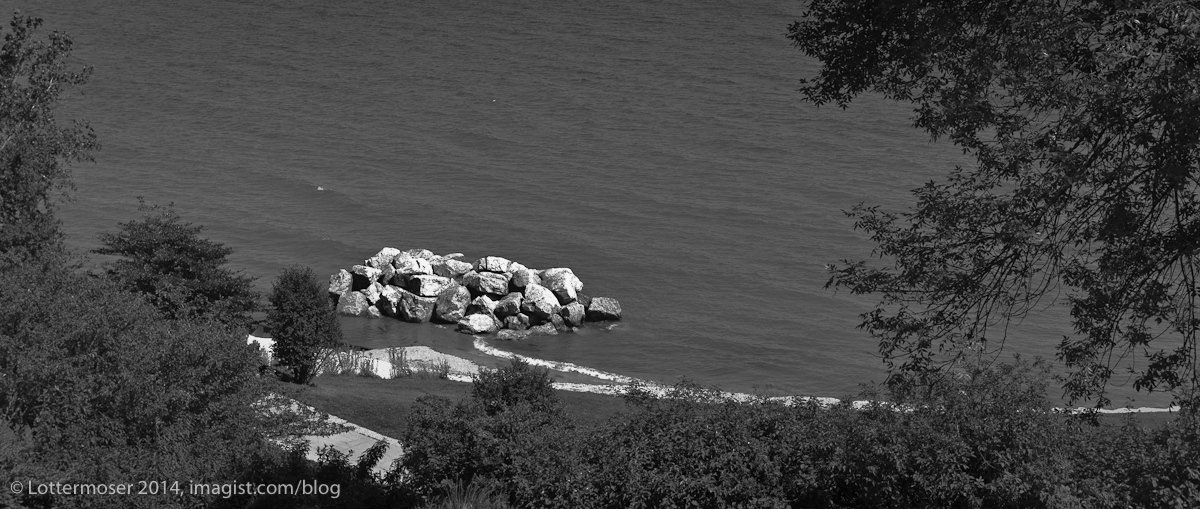
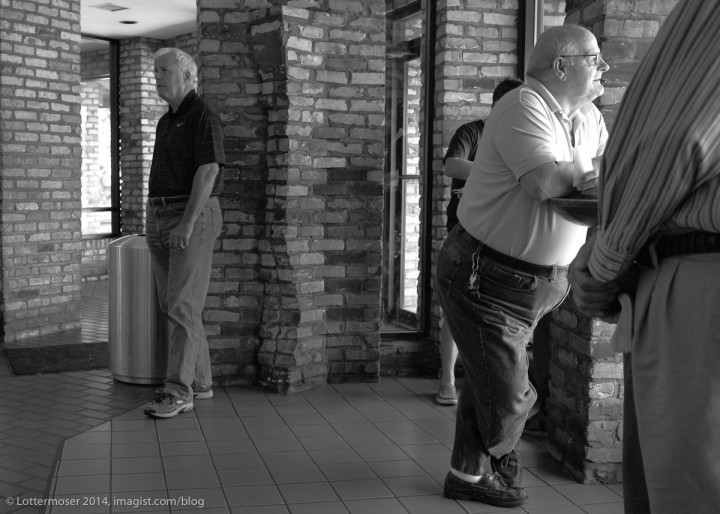
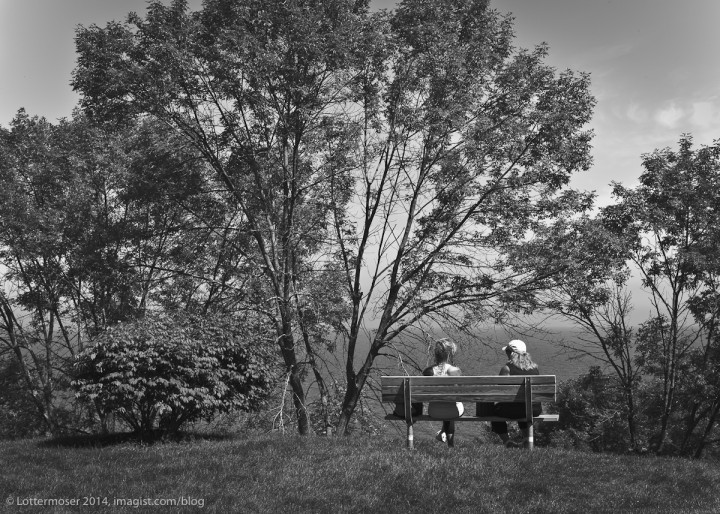
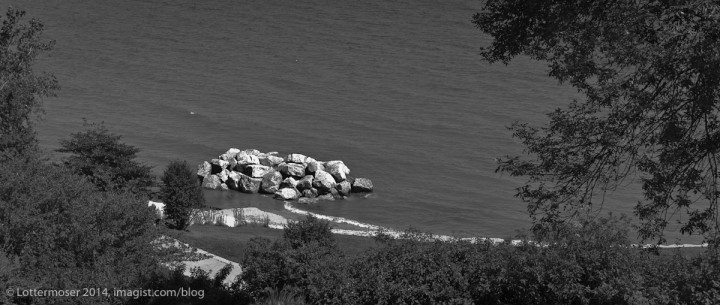
A conversation in Klode Park, Whitefish Bay, WI on the Great Lake Michigan. 65 mm Elmar on Visoflex.
L1190598

L1190600

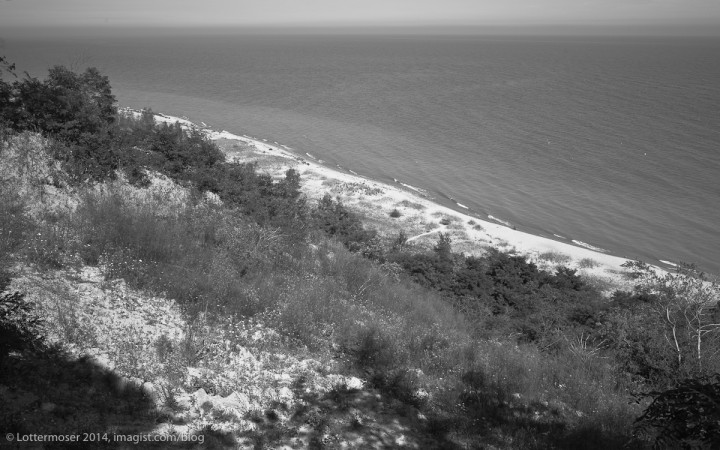
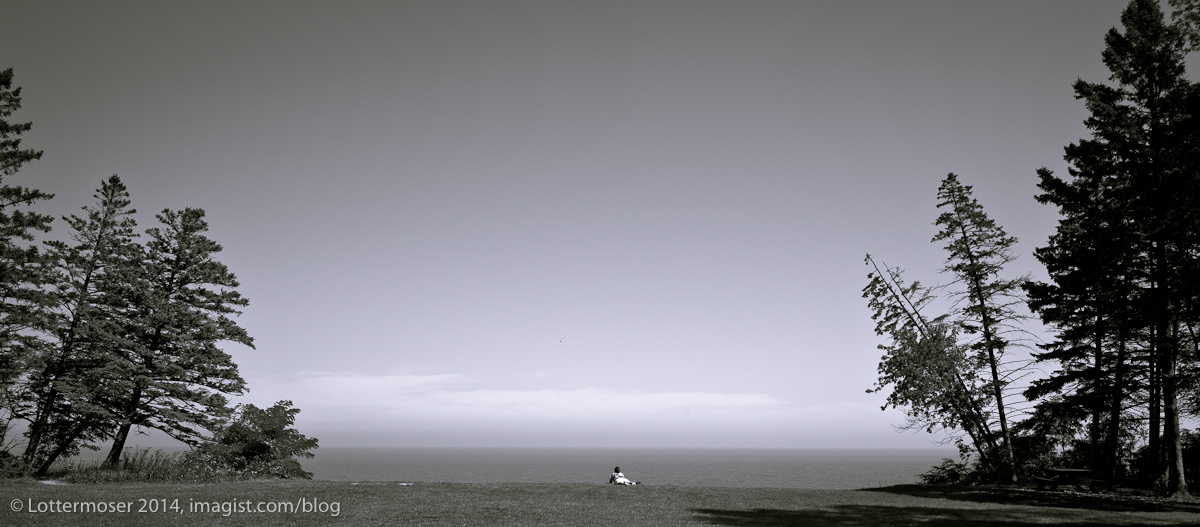
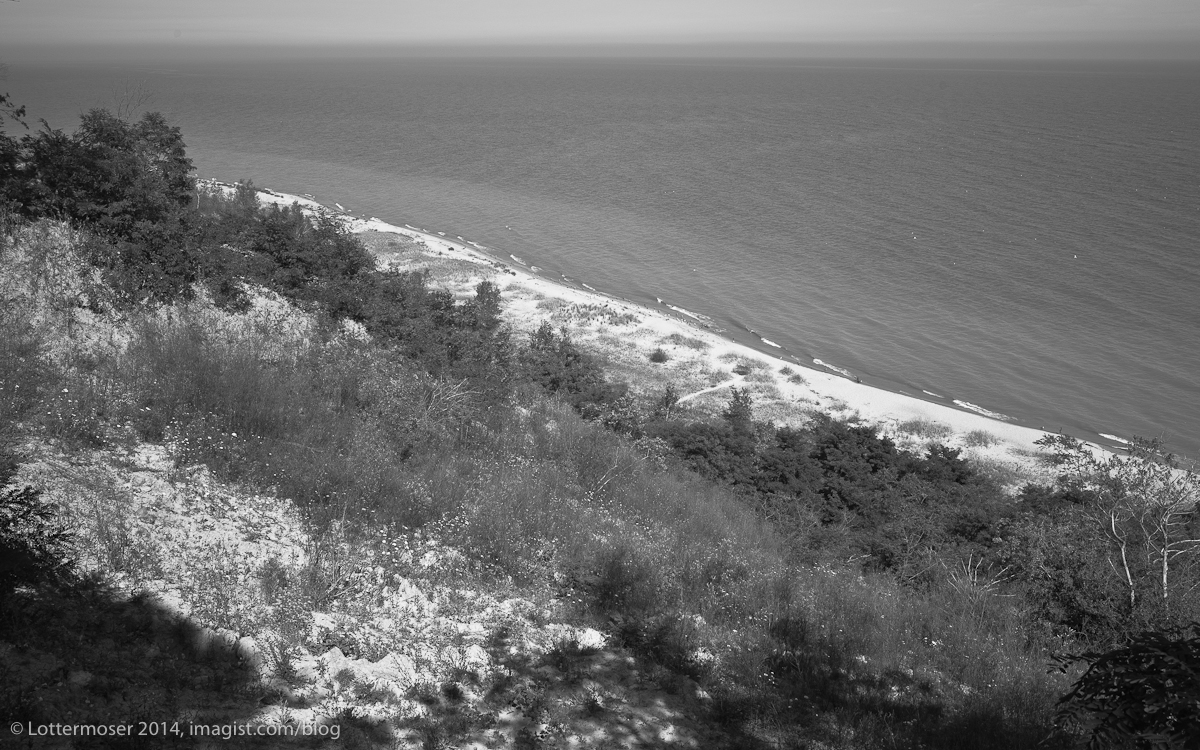
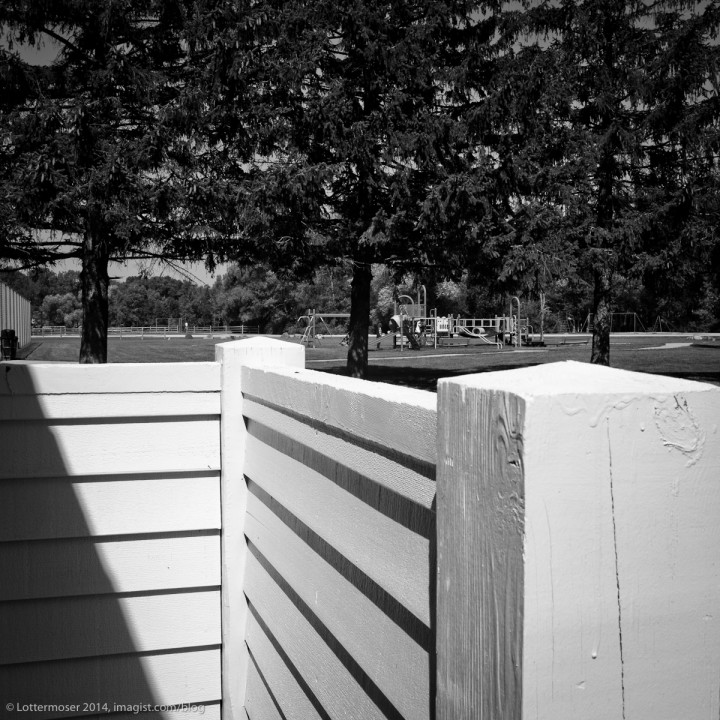
Virmond Park, Mequon, WI on the Great Lake Michigan. 28 mm Summicron Asph
L1190607

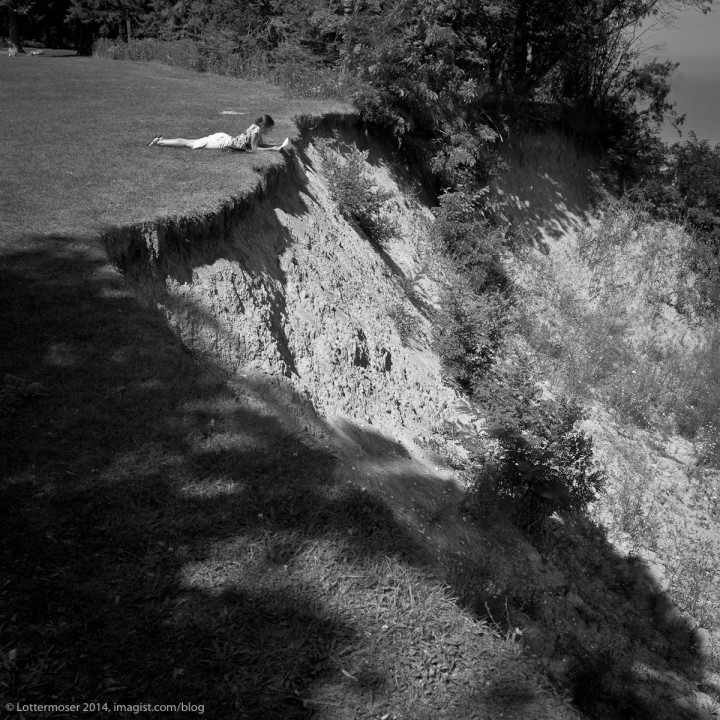
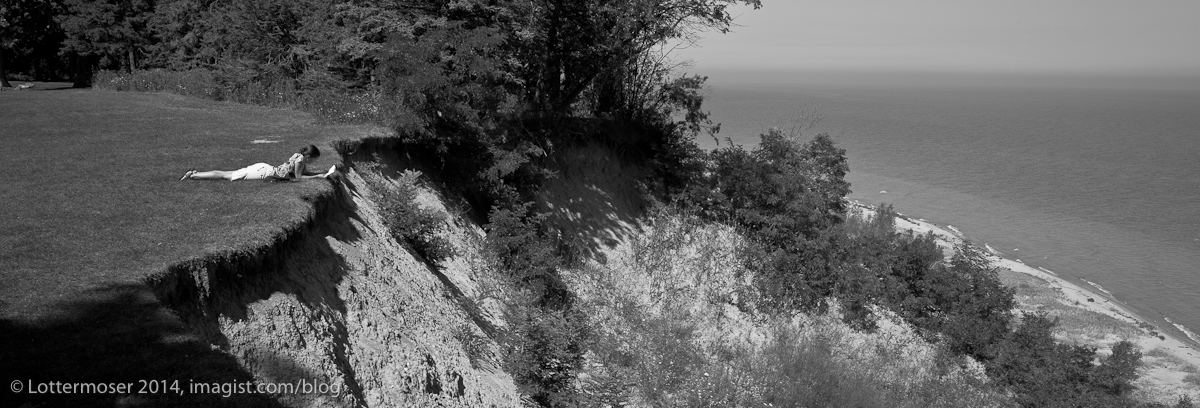
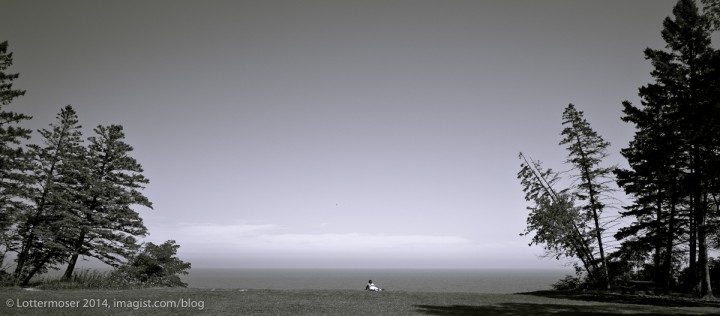
Woman at the edge. With a bit of toning. 28 mm Summicron Asph
L1190610

L1190611

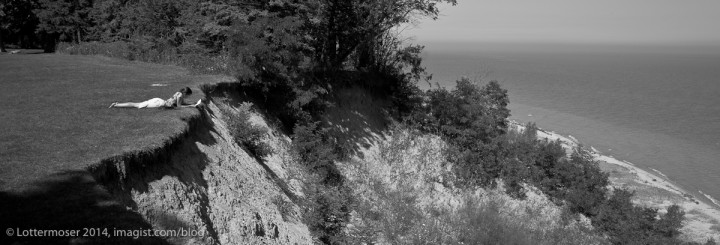
Reading at the edge.

L1190613

L1190614

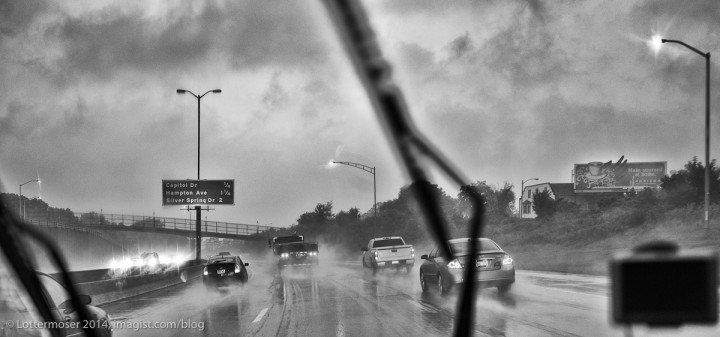
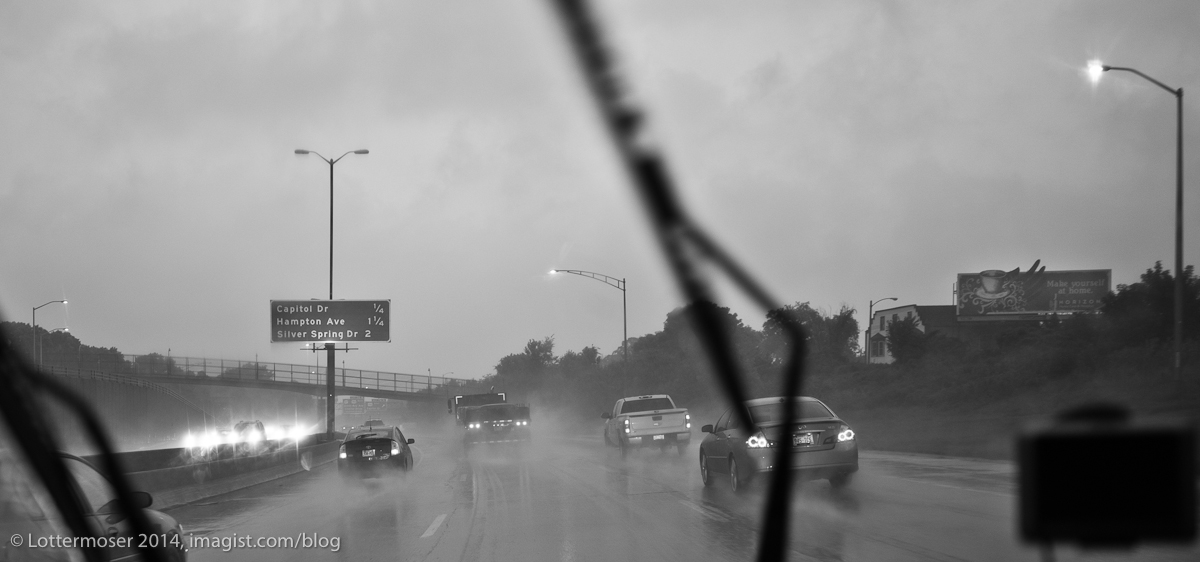
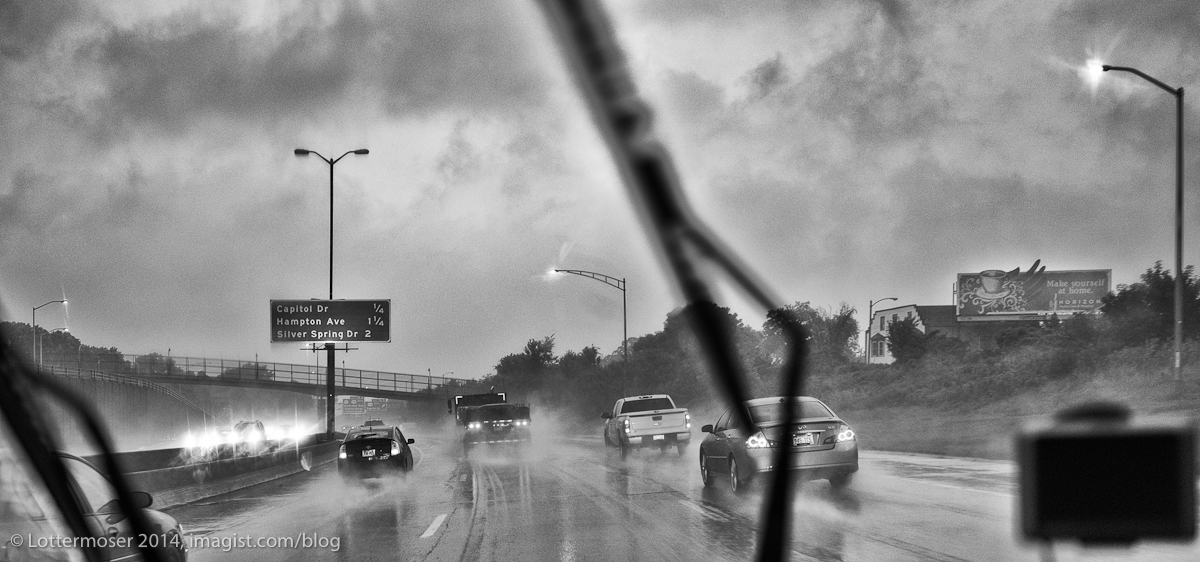
Driving home after taking Teri to the airport this early morning.

L1190623

L1190623-Edit

L1190625

So wha

t do I think and feel after shooting and post processing these M Monochrom images? Do I see a difference between these digital files and a black and white conversion from an RGB M (240) file? Do you?

I find most interesting the thinking and feelings associated with “knowing” you have only black and white in a camera. There’s a very different way of seeing which I’ve sorely missed; and welcome back. I spent most of my photographic life carrying two Leica bodies or a Leica and Nikon F – one with black and white film in it (always the Leica) and one with color film in it (always the Nikon). I instinctively saw B&W through the Leica range finder window; and color on the Nikon (and later Leica R3 and R8) ground glass. That’s just the way it was. For decades. During those same decades the Hasselblad with its removable backs – had a B&W back and a Color back in the case, along with a Polaroid back for testing. And of course the View Cameras had their cases of film holders, with color neg film, color transparency film, B&W neg film, and Polaroid film for testing.

I do see a difference in tonal possibilities, especially in highlight separation and shadow separation. I’m not sure I’ve exploited those possibilities yet. There is, of course, a learning curve; which seems, oddly, more like the darkroom than the lightroom.

So yes. This feels quite wonderfully nostalgic; and quite as it should be; KNOWING you’re PRE-VISUALIZING and MAKING a black and white photograph; with the camera you’ve intentionally chosen for that purpose; or conversely to KNOW you’re MAKING a color photograph; not leaving the decision to post processing; but rather picking up the proper camera for the intended purpose; commited; then taking the image back to massage and finish what you’ve pre-visualized at the time you pressed the shutter.
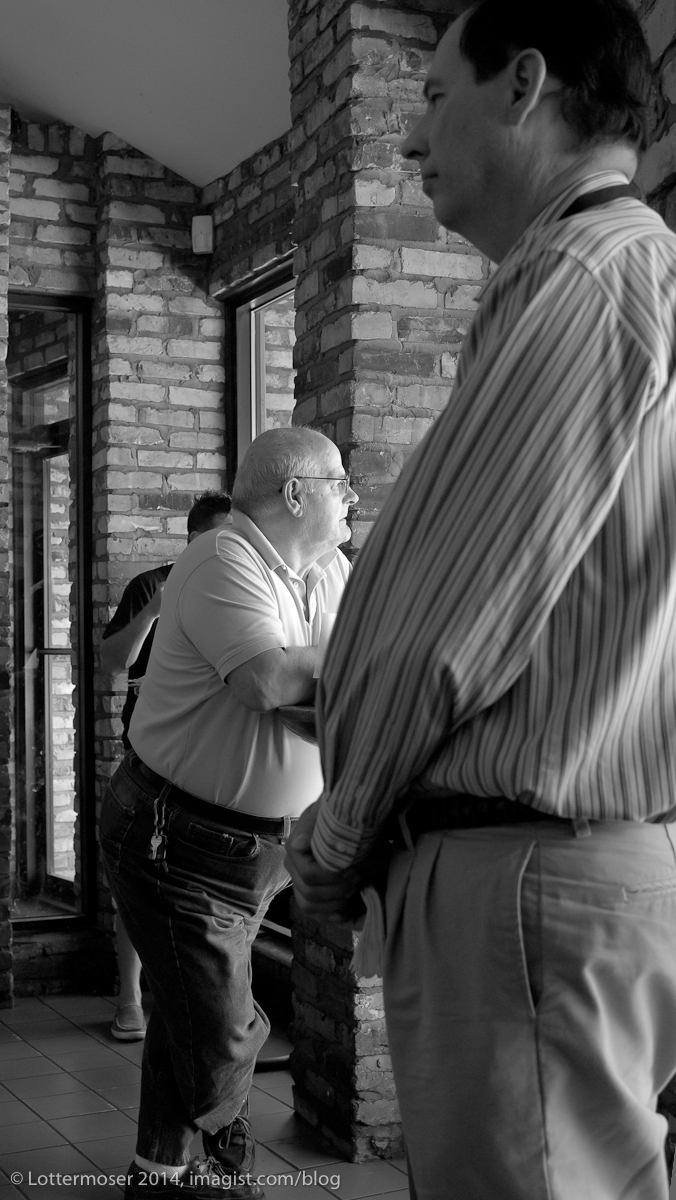
This feels like a wonderful RETURN… we’ll see if these thoughts and feelings have any staying power.