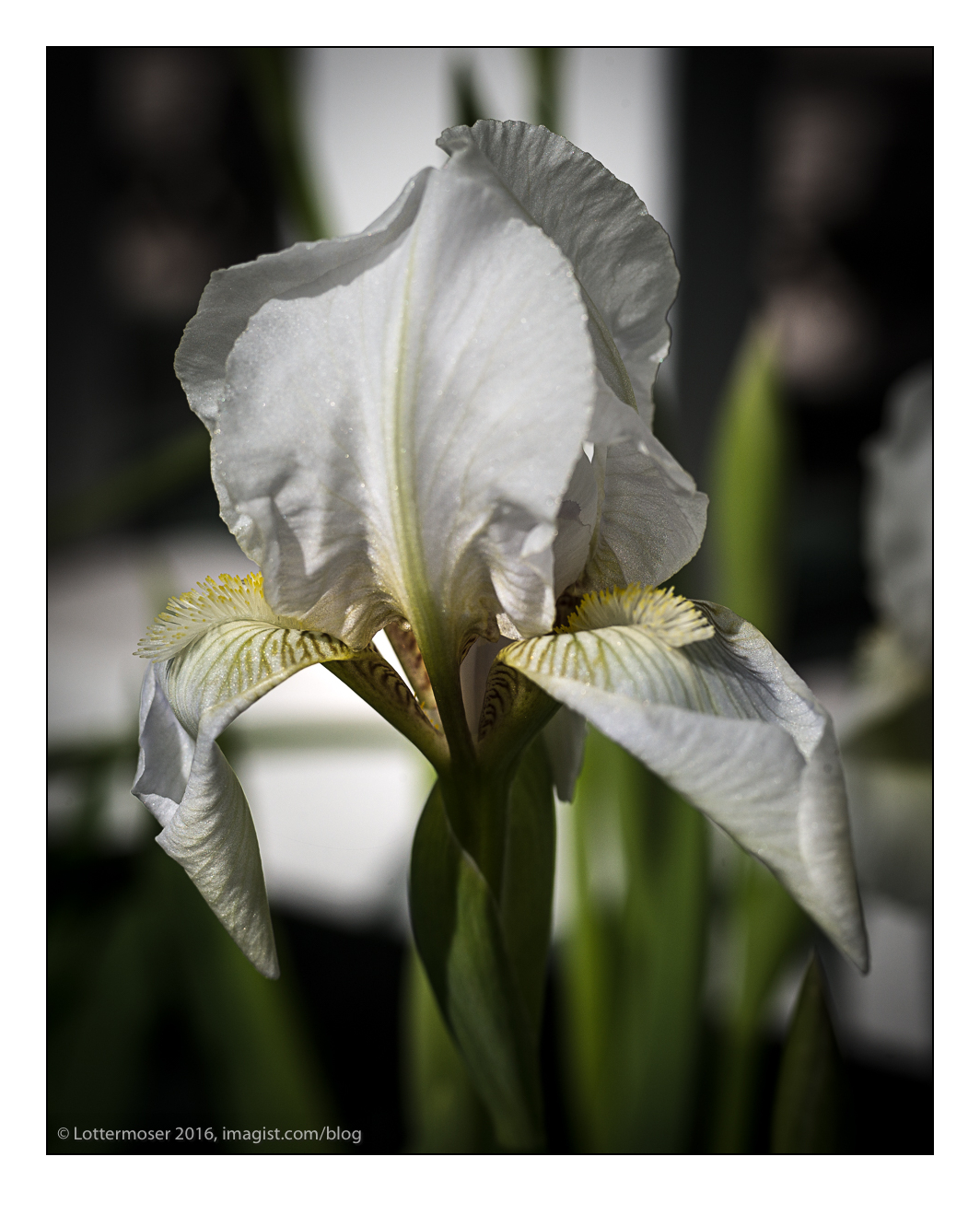

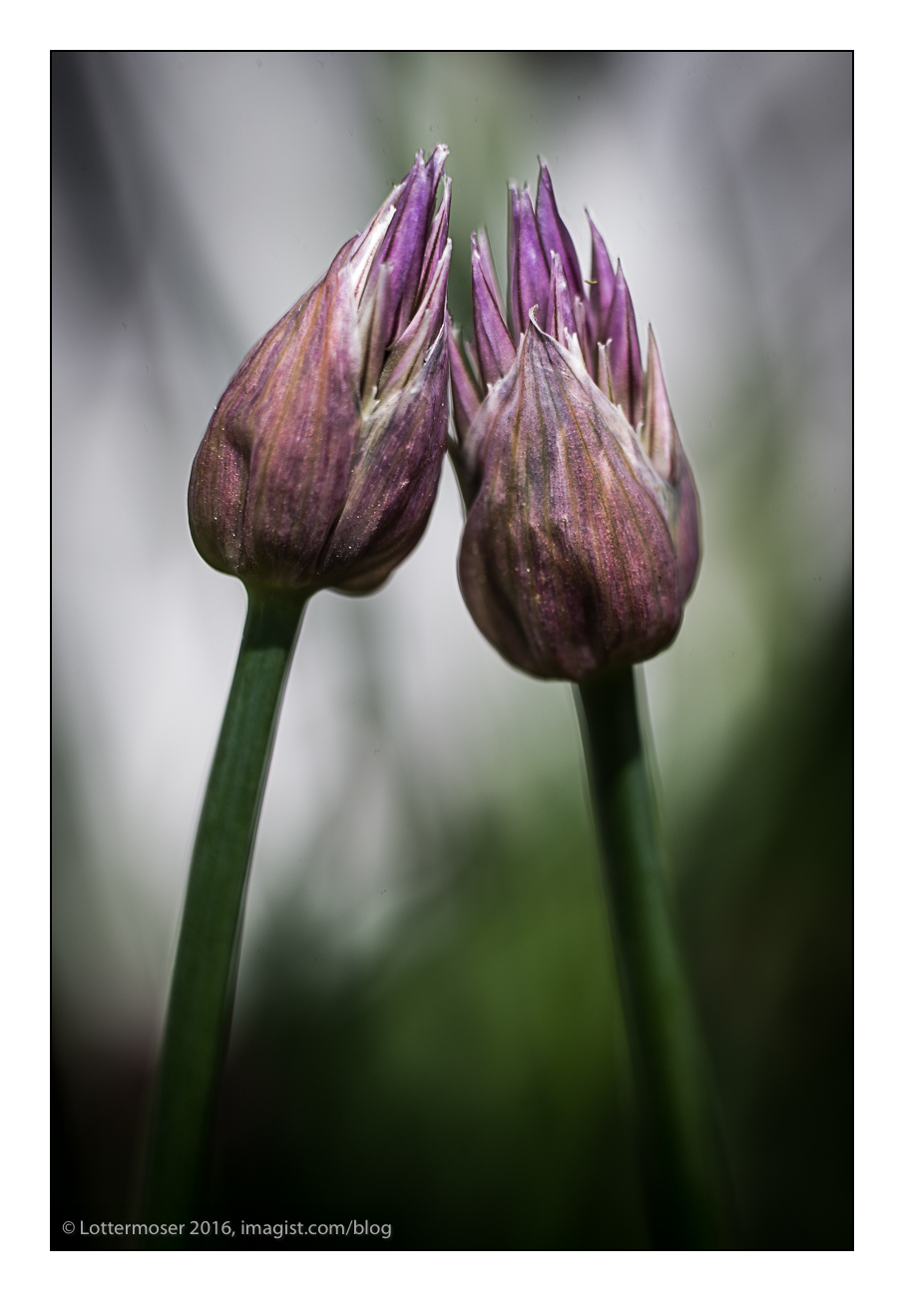
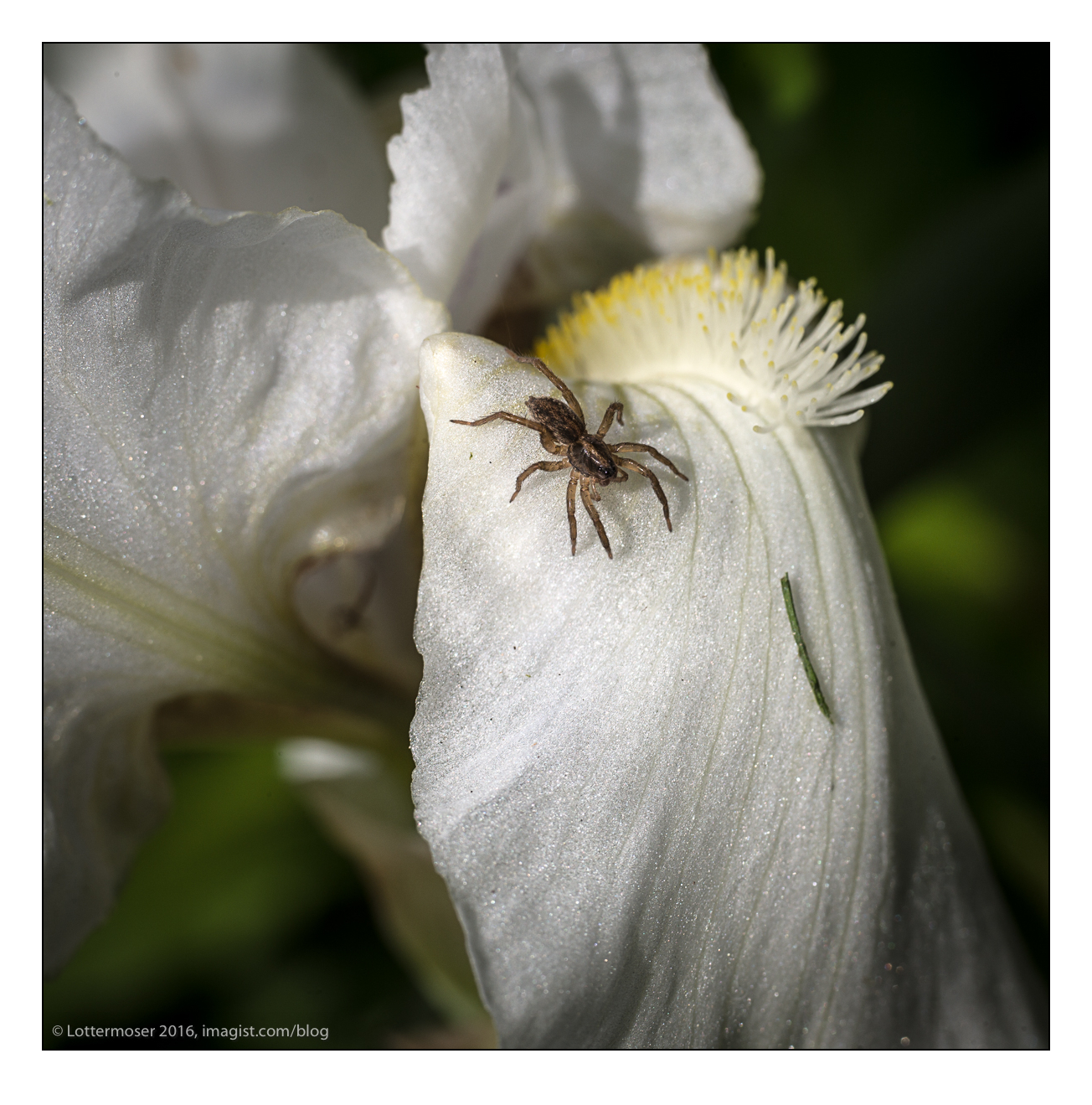
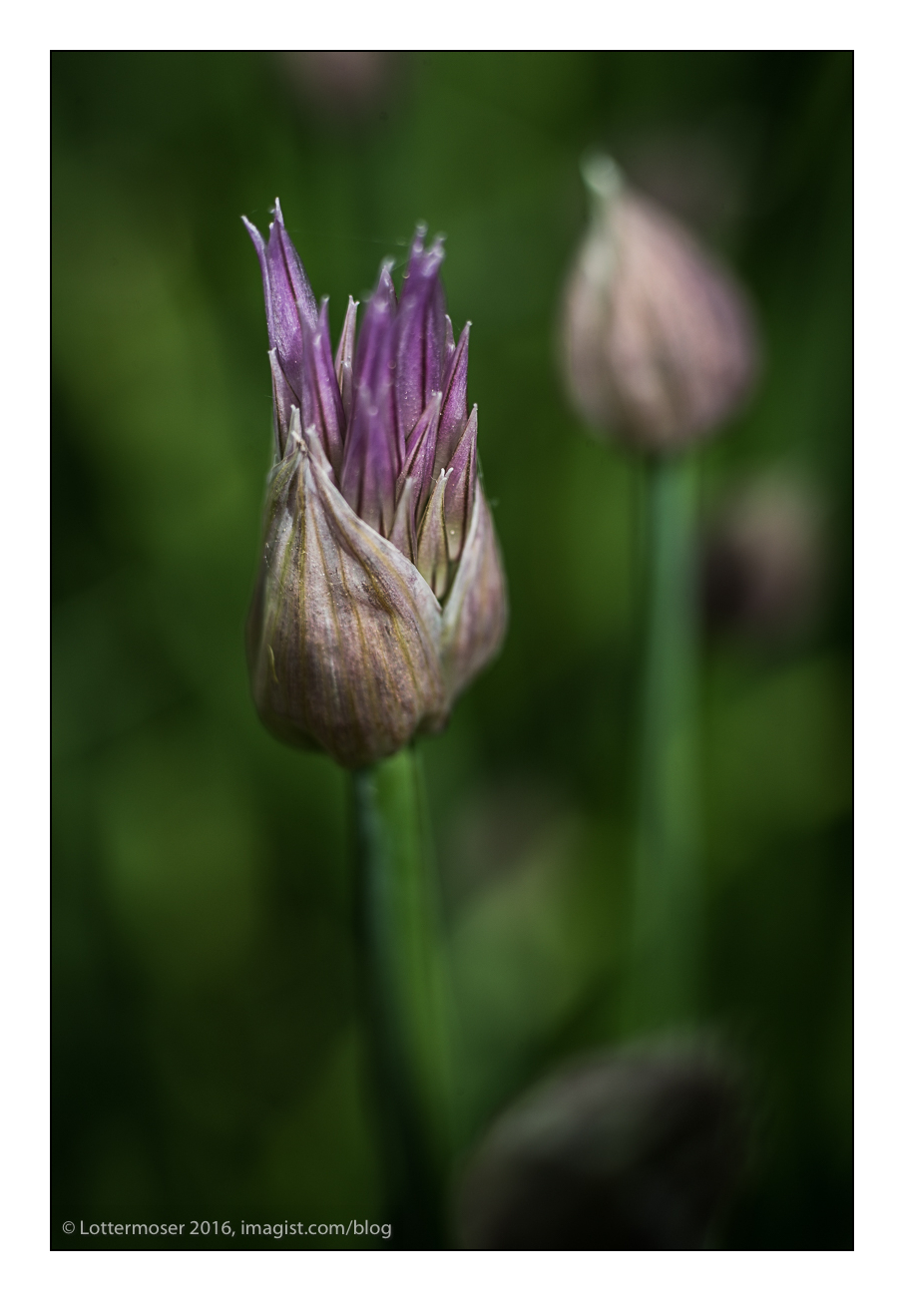
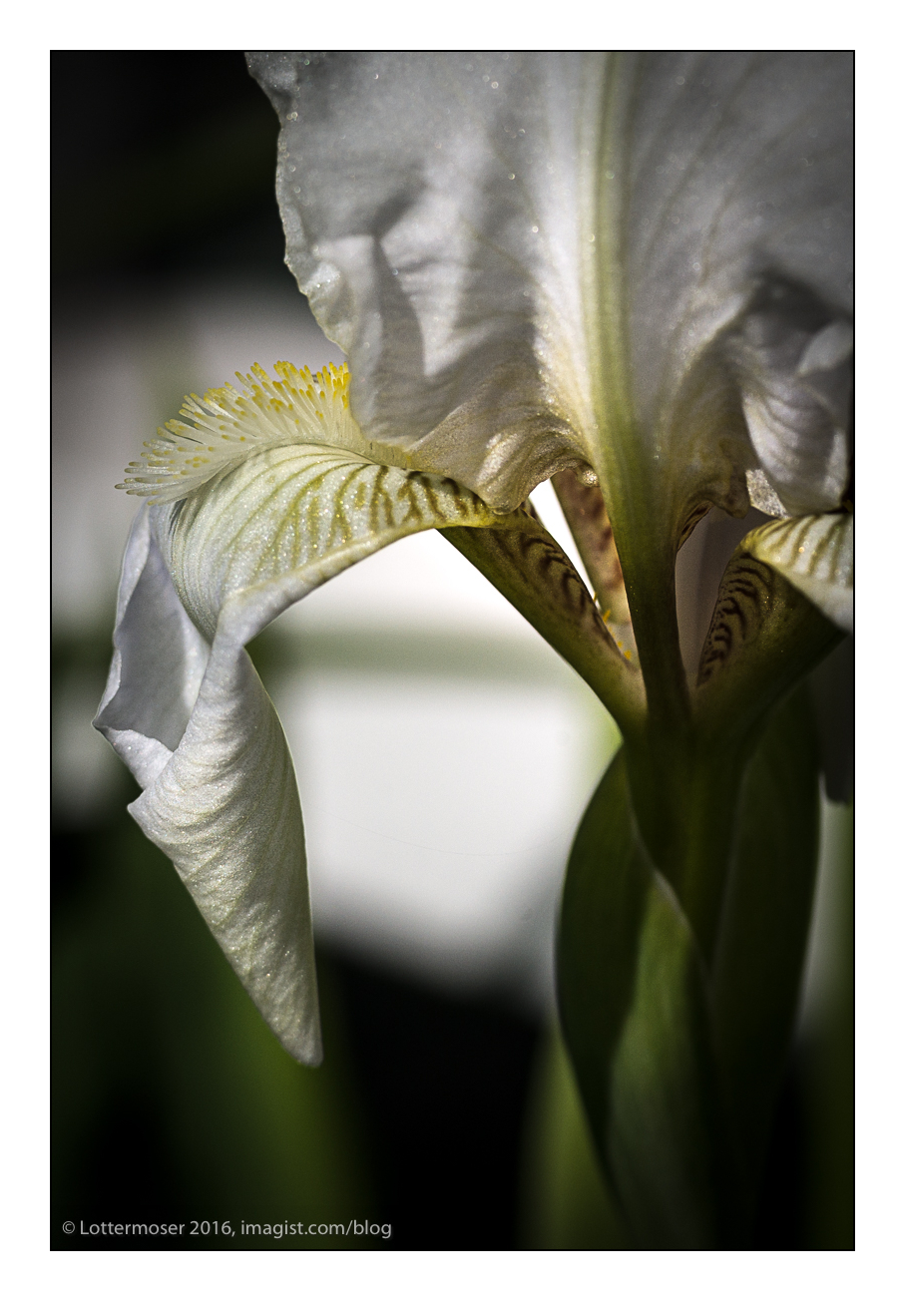
Leica M, 60 mm Macro Elmarit – R
Leica M, 60 mm Macro Elmarit – R
…a 14 hour adventure.
New terrain revealed.
(right click photo to open in new tab or window for larger view)
It began with an internet search for “rustic stick furniture.” Ann expressed a desire to replace the 30 year old leather set that sat in the “three seasons room.” She’d seen a rocking chair in Mineral Point on our art studio tour last fall; and wished that she’d bought it. I don’t remember what it looked like. I had my eye on a huge hand carved dough bowl at the time. We bought neither item. I found some bent hickory rocking chairs, new, on line for anywhere from $200 on up to silly. I also found this 5 piece set on eBay:
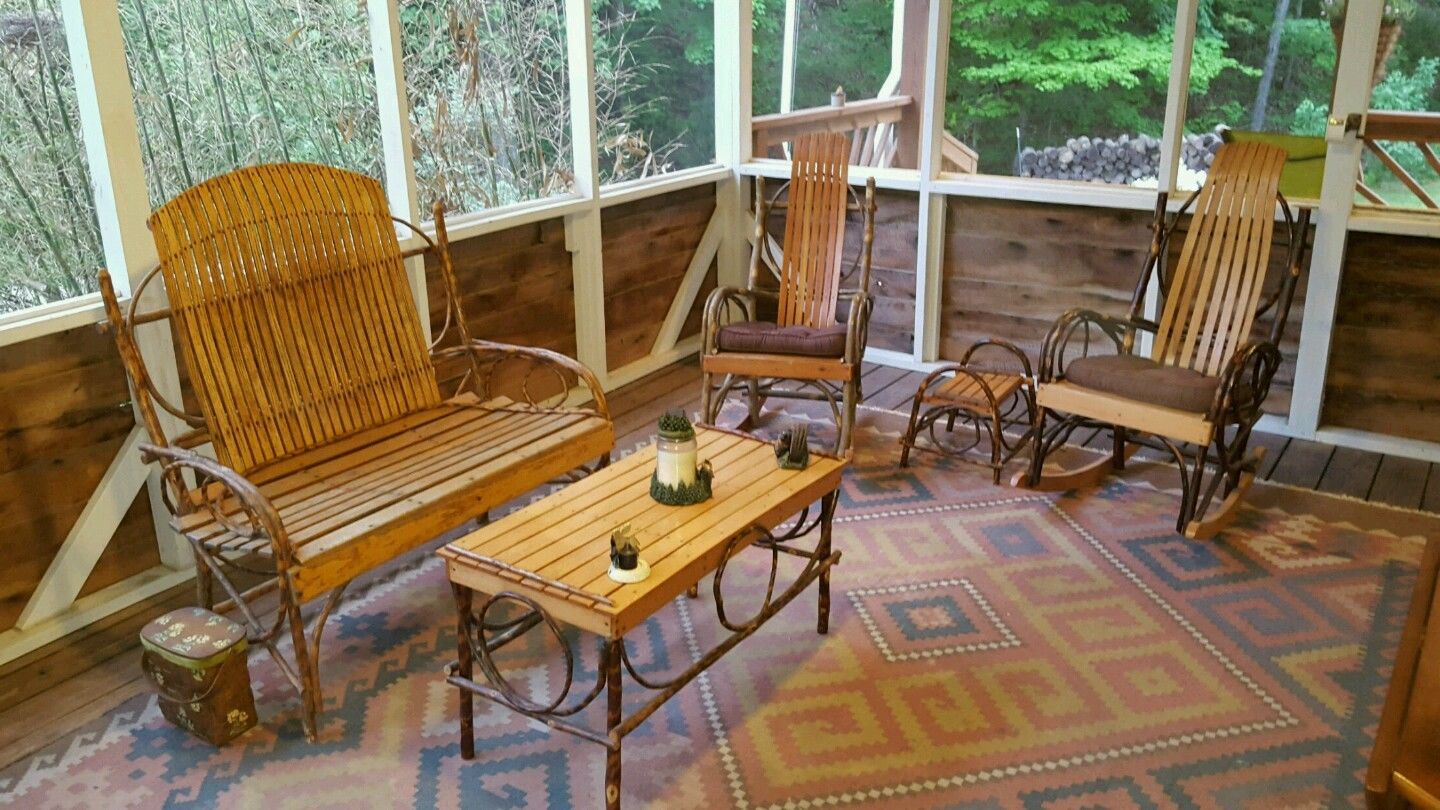
A couple days later I shared my on line research with Ann; just before she went off to work. She found the eBay set desirable. I pondered the purchase and the 733 mile round trip to pick it up. We discussed making a weekend of it. I finally decided that I’d make the buy and drive down with one overnight in the truck or a cheap motel if necessary. I spent a night not sleeping worrying about, “what if I got down there and the pieces wouldn’t fit in the Dodge minivan?” I’d have to rent a trailer or something. I expressed my concern to the seller. He was, “99% sure” it would fit. I asked for some dimensions. Though they never came through, at least not before I was set to depart on Sunday; mid morning. I’d been burned recently on Craigslist; and began to worry all kinds of ways this could go sour. In spite of the fact that I do believe that “Worry is just a poor use of imagination.” When Matt, the seller, said, “Just pull in the double gate and park on the gravel, I’ll drive the furniture down, since you don’t have a truck.” All kinds of pictures formed in my “imagination” of what I may be “driving into” in the middle of Indiana. Including the thought, “Maybe ‘conceal carry’ isn’t such a bad idea after all.”
So I packed an overnight bag, just in case. Basic cameras, water, coffee, can of peanuts, bag of figs, stopped and added a couple granny smith apples, 3 bananas, a bag of baby carrots, half a loaf of sliced honey/oats bread, and some swiss cheese slices; filled the gas tank and headed south by southwest. Scanning through public radio stations and/or classic rock all the way. Never hooked up the iPad for “my” music. Never stopped for photographs simply kept the petal to the metal; well actually cruise control set for less than 10 mph over the speed limit. I-94/90 through Chicago to I-65 to 465 to well to and through remarkably rural, snaky, forested, hills and valleys. Everything from posh suburban McMansions, just south of Indianapolis, to log cabins, trailers, double wides, and small ranch houses, with an occasional farmstead here and there. Gorgeous driving. Sunny. No public radio that I could find down here. All the 80 and 90 numbers on the FM dial were Christian radio. The occasional confederate flag hung on the trailer and/or garage door. I was informed that “Hell Is Real” by signs in the trees.
After about 5 hours the GPS informed me that I was within 30 minutes of my destination on Upper Salt Creek. And then a very small sign on the two lane road just out of Morgantown said, “Bridge Out.” I’m looking at a one and half lane bridge across a creek I could walk across without getting my knees wet. And no way of knowing how to get into these hills; as the GPS just keeps telling me to turn around and go back to the same damn bridge. “Recalculating” my ass. Morgantown consists of 5 buildings on the east side of the road and 4 buildings on the west side of the road. None of which are open; except of course the bar; on this Sunday at 3:00 in the afternoon. Two men and woman were outside the bar with bottles in hand. You probably would not believe me if I described the condition of their teeth; the first thing I notice while walking up to them to ask if they may be able to tell me how I can get to Upper Salt Creek; given that the bridge is out. They could not really agree. And weren’t entirely sure that they knew the whereabouts of Upper Salt Creek. But they set to thinking and discussing the matter; eventually they did mutually agree that, well the two men agreed, the woman was pretty much silent, going east then south would be “better ‘an” going west then south. I followed their advise; the best I had available; and eventually she, the GPS, did recalculate without telling me to make a U-turn and return to the bridge. However the 30 minutes now showed as 45 minutes to Upper Salt Creek. Good that I thoroughly love the adventure of a new view appearing around every snaky turn; every couple minutes. Simply gorgeous terrain. Creeks. Lakes. Woods. Patches of garden. Junk piles. Horses. Goats. Is that abandoned or does someone live there? That log cabin must be 200 years old. And that one was built in the last 10 years. That 40s mobile home actually looks like it’s sinking into the ground; no step up required; and 6 trucks parked outside in various states of oxidation.
I finally arrive at my destination and, as instructed, pulled into the drive past the gate and this is what I see:
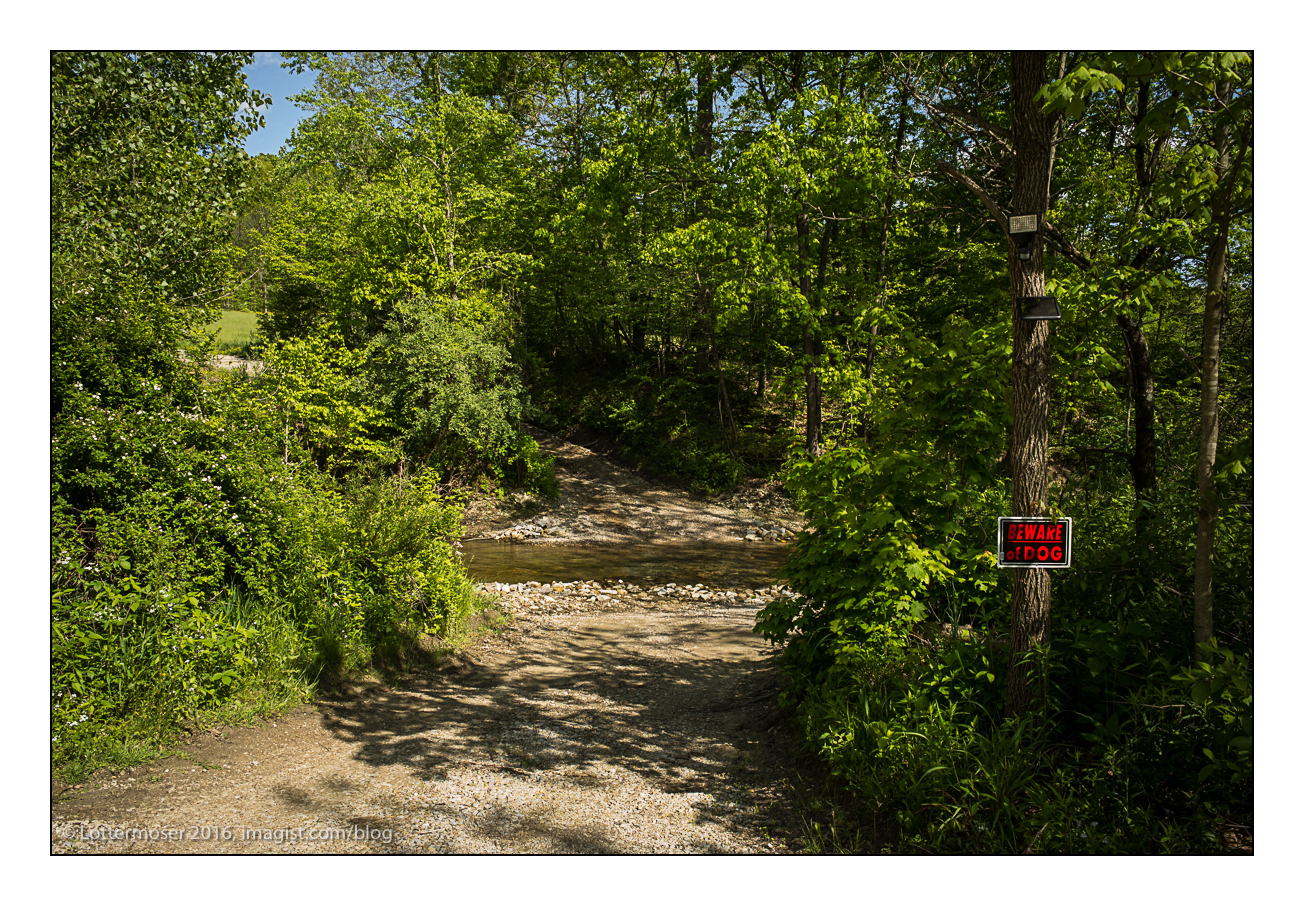
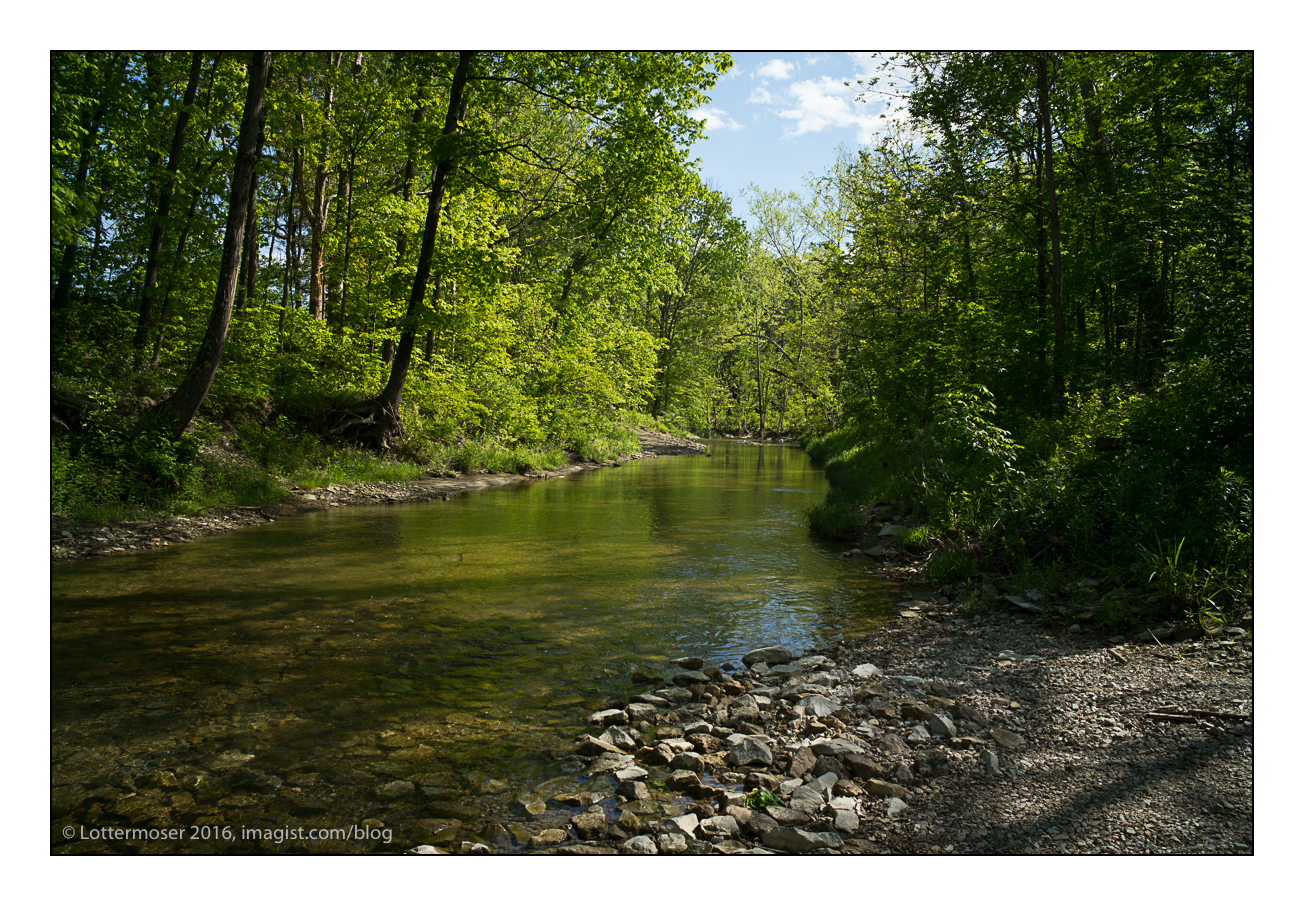
Yes that is the drive way; and why Matt said, “…since you don’t have a truck.” You would want some clearance to cross Upper Salt Creek, and 4 wheel drive would help with the grade up the slate cliff. I pulled out my phone to call Matt. But of course there’s no signal in these slate hills. At least not for my ATT dumb phone. So I give a short beep with the van horn. Take out the Leica M with 28mm Cron and photograph. Below you can see the view looking south down the crystal clear Upper Salt Creek; and then looking north.
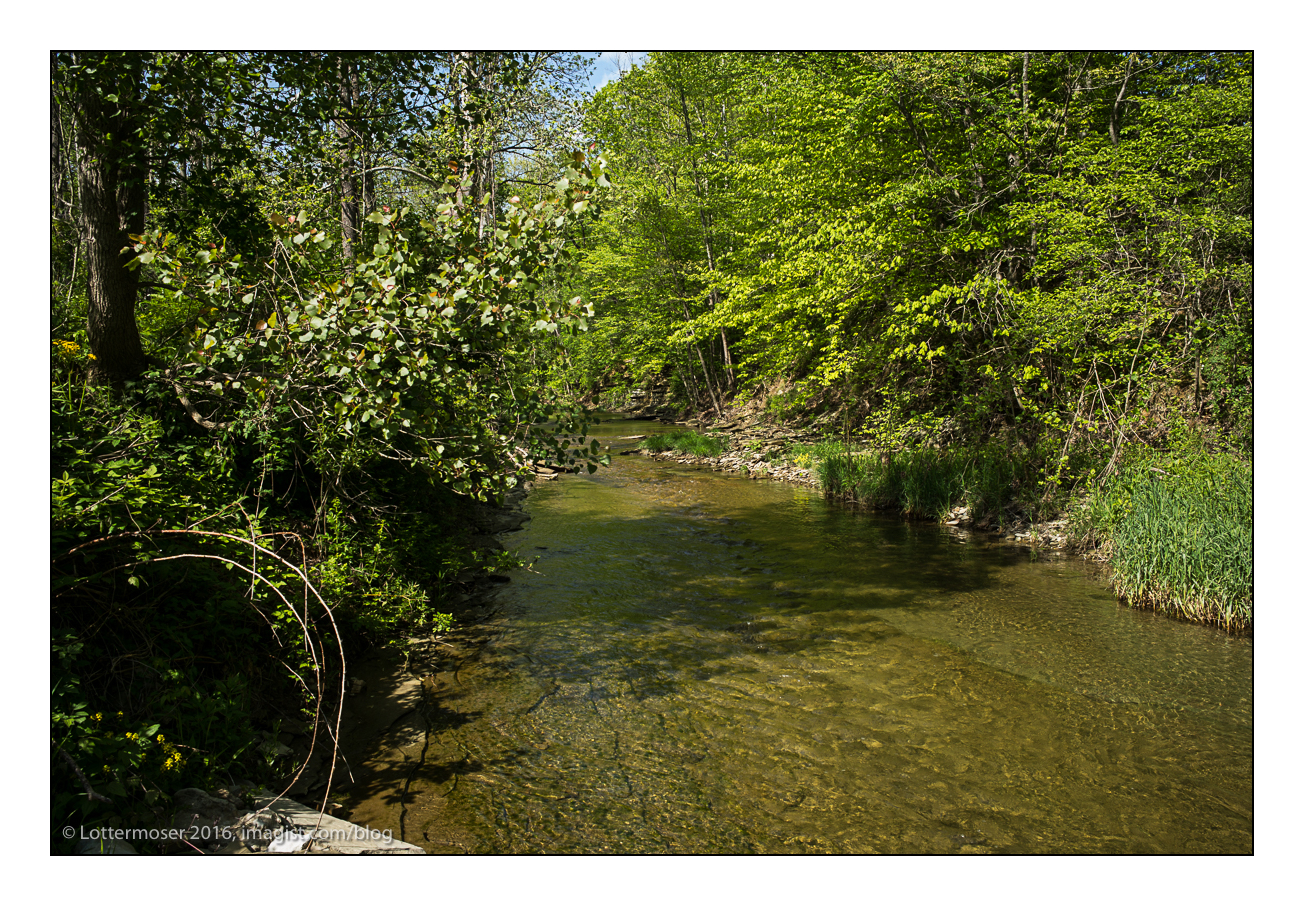
Within a minute I hear the truck engine and see Matt driving across the creek with the furniture in the back of his black 4 wheel drive pickup truck. We have a wonderful conversation about the furniture’s history, Amish, condition, as well as his recent acquisition of this property and his plans for the 5 acre piece of paradise. We also discussed photography and “giclée” printing. Matt enjoyed that giclée is French for ejaculate… inkjet… as it were and is.
Matt discussed the prohibitive cost of building an automobile bridge across the creek; and that he settled on building a foot bridge instead. He’ll also build a car port for vehicles where we were parked. Here’s Matt with the beginning of his foot bridge:
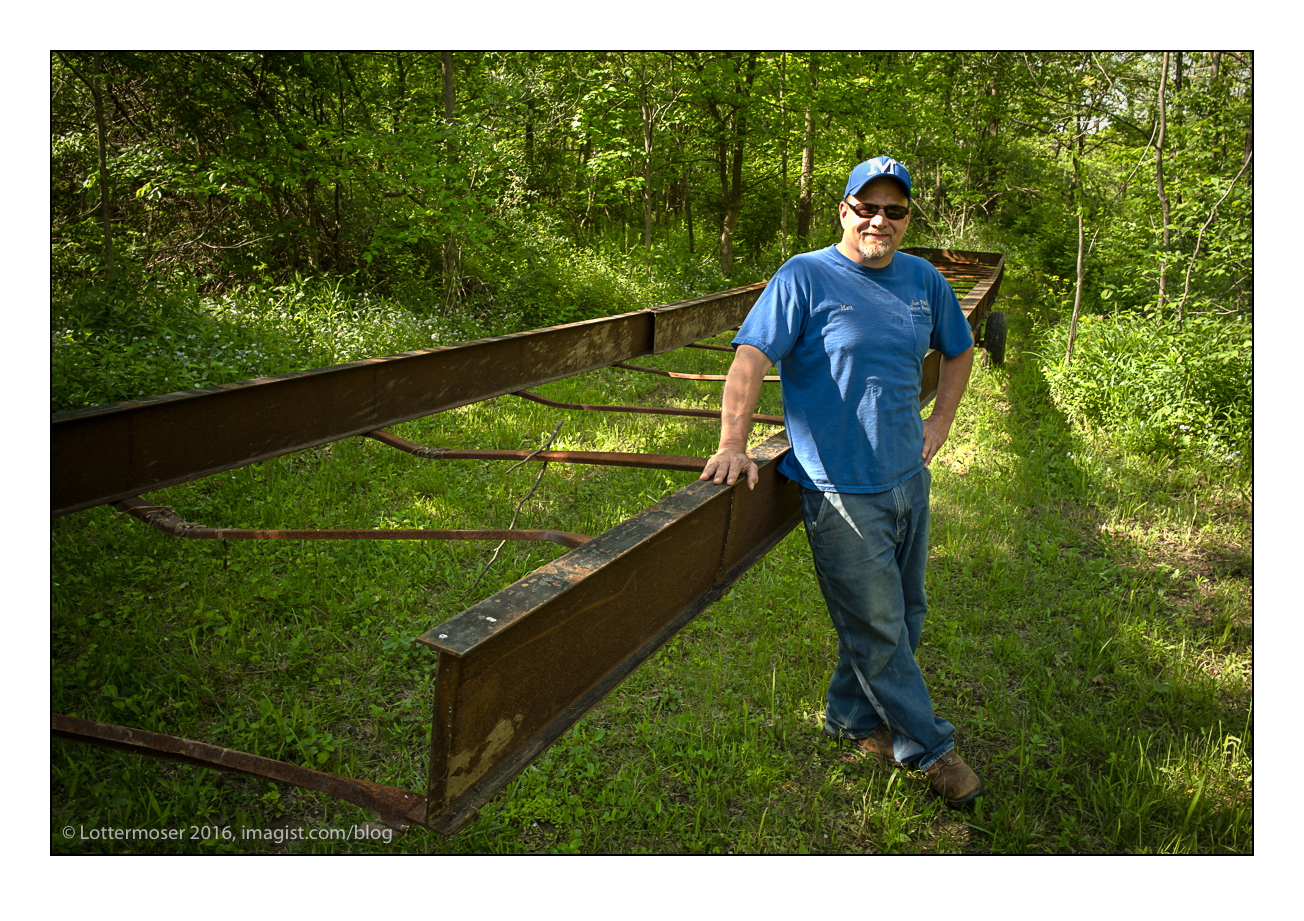
the view where the bridge will go well above creek which DNR requires for flooding.
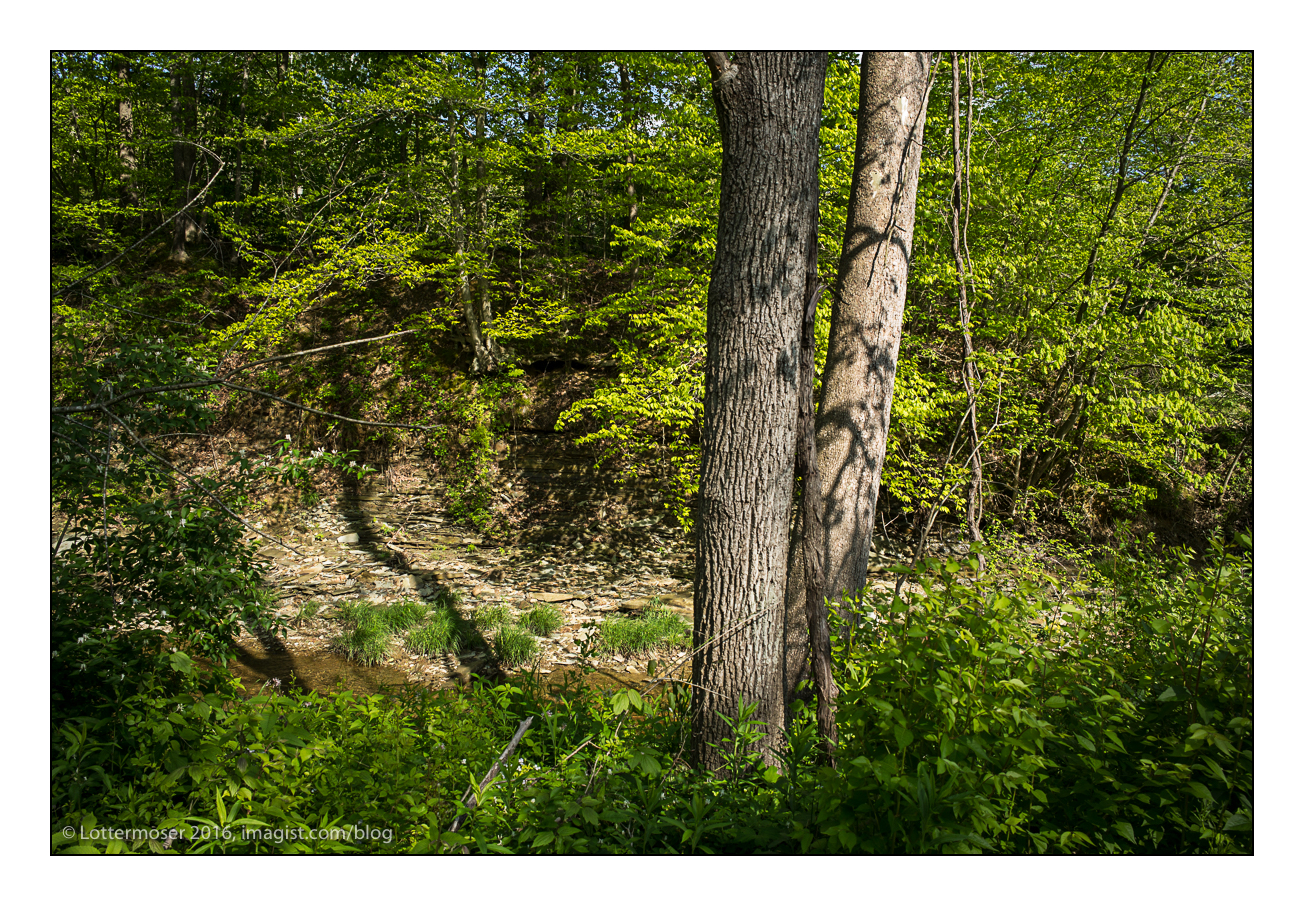
On the way home I thought a bit about doing some photography in the afternoon golden light. But I also felt like I wanted to make it home by midnight. And one could spend days photographing this rich environment. Though this little building did cause me to pull over. Not sure why. The town of Advance, IN was another with only a few buildings.
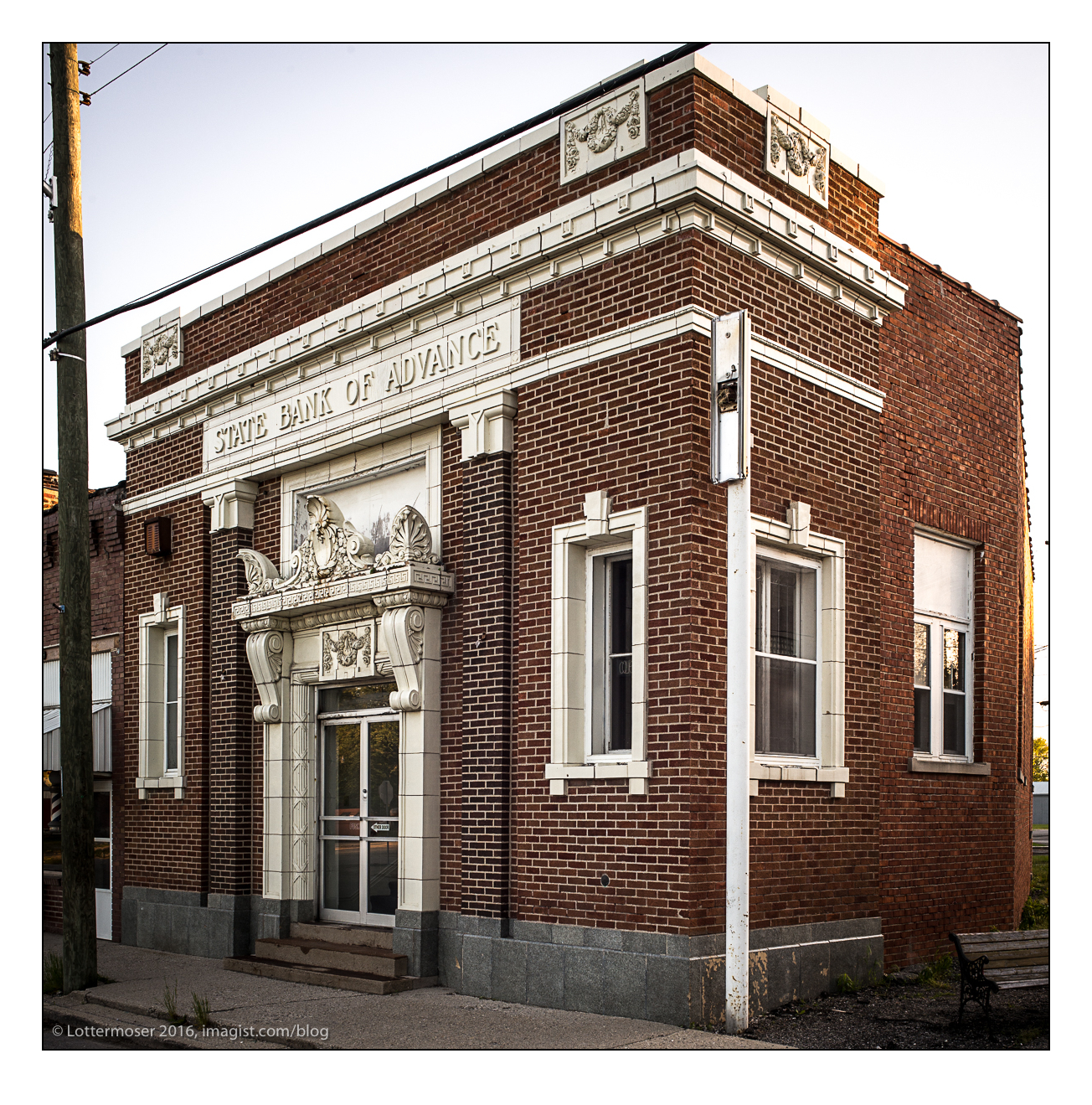
Just next to the bank was:
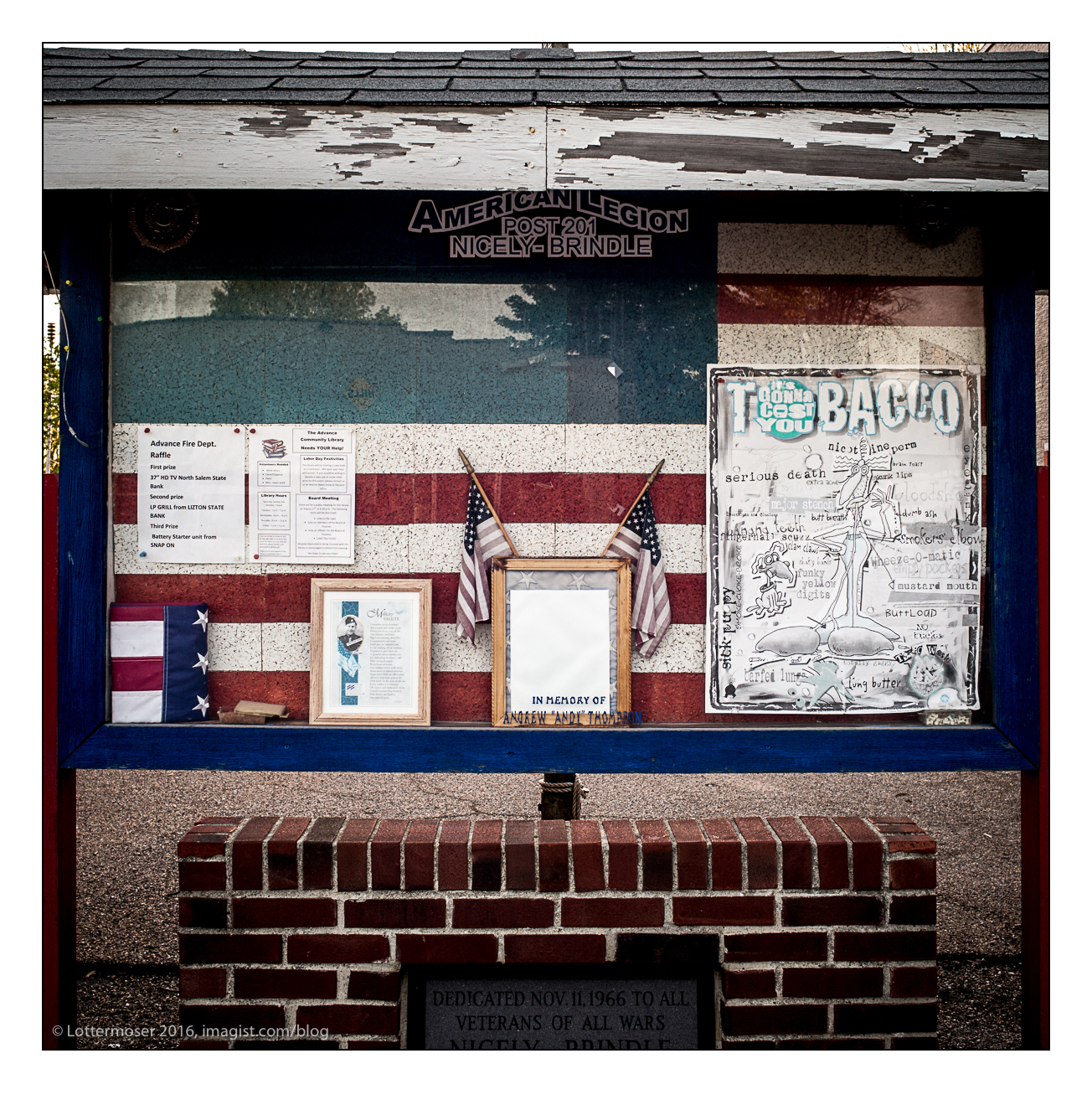
and across the street from the bank:
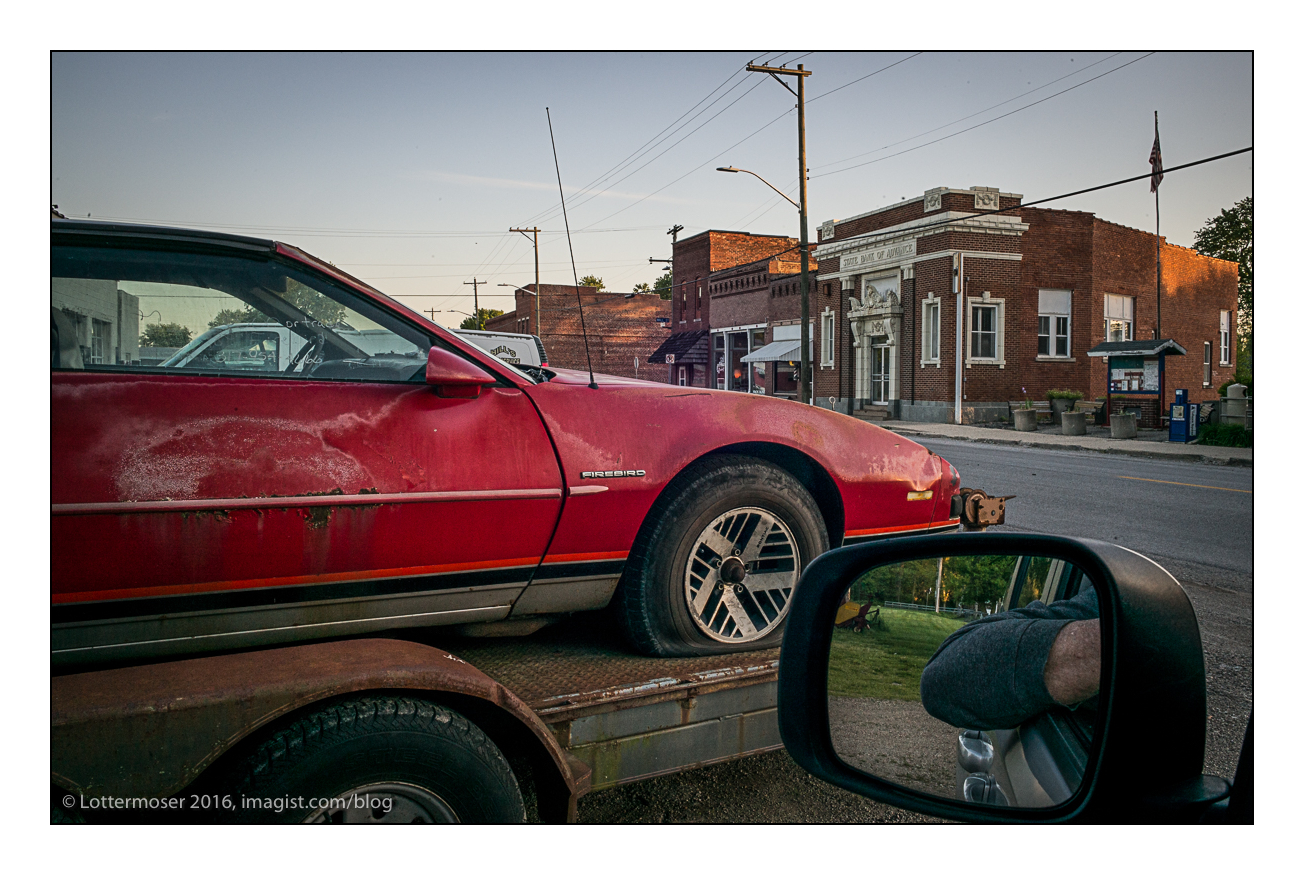
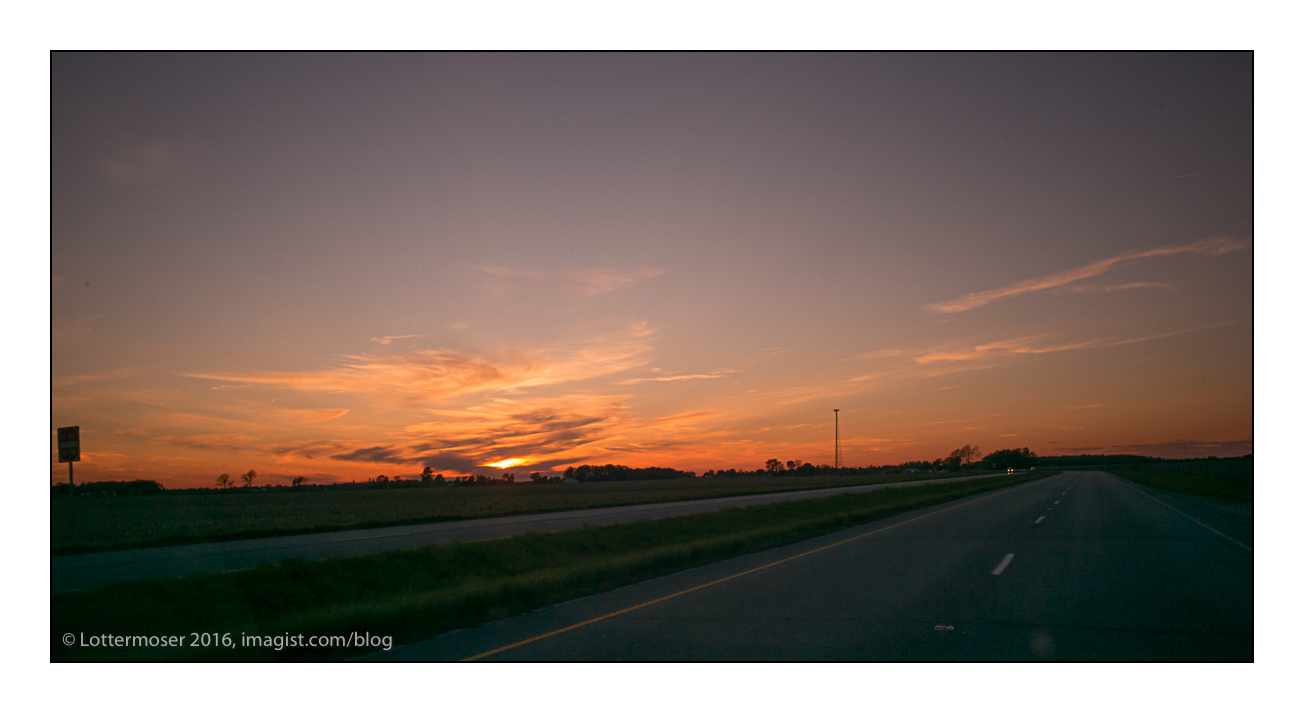
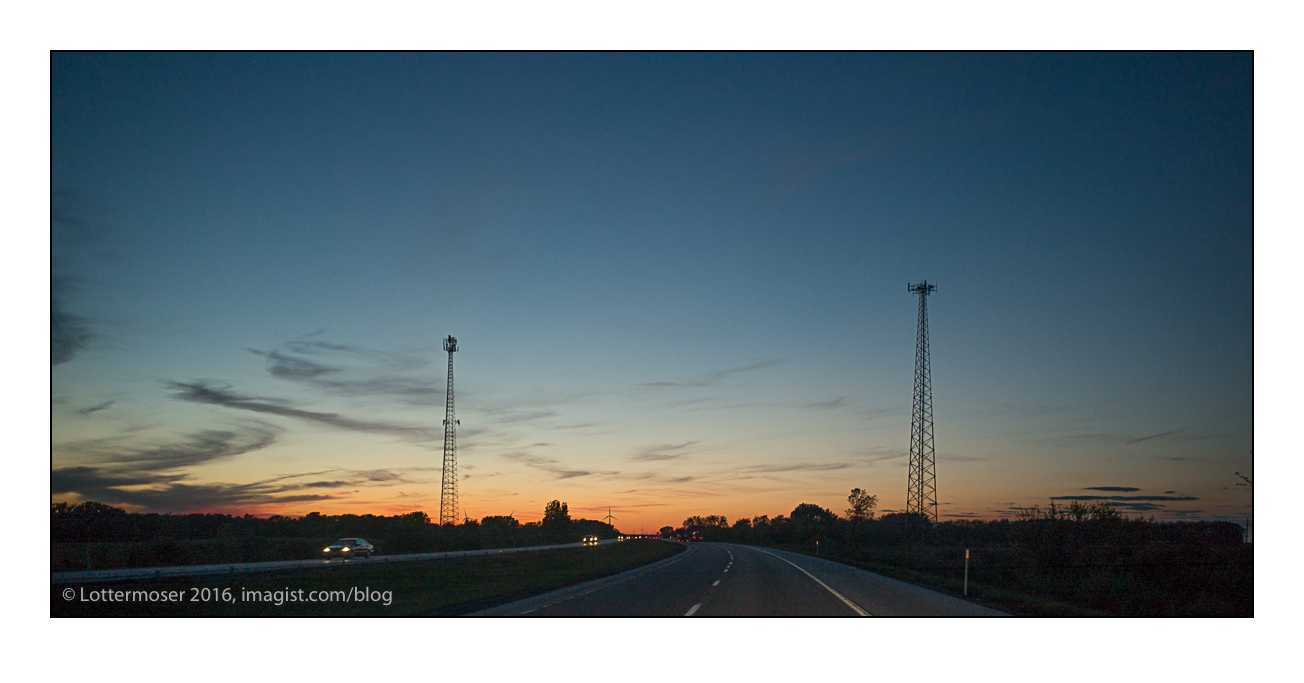
I drove through mile after mile of wind farms on I-65, northwest of Indianapolis —
so many hundreds of wind turbines — as the sun set:
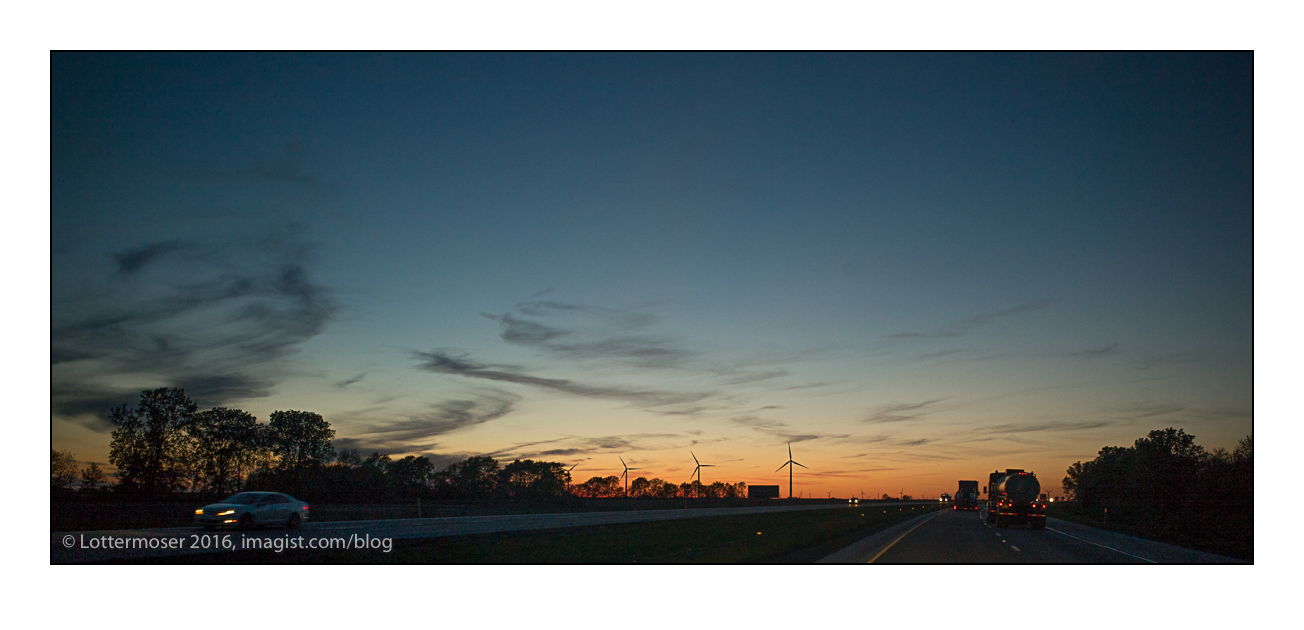
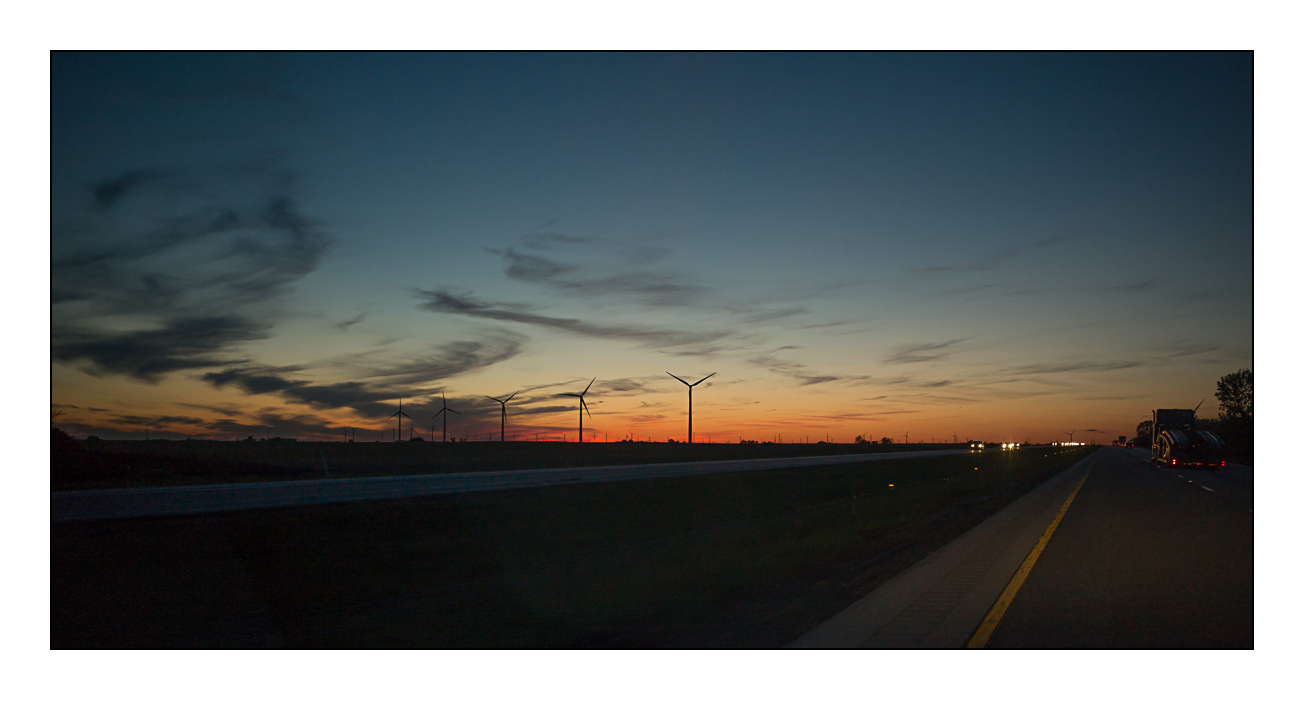
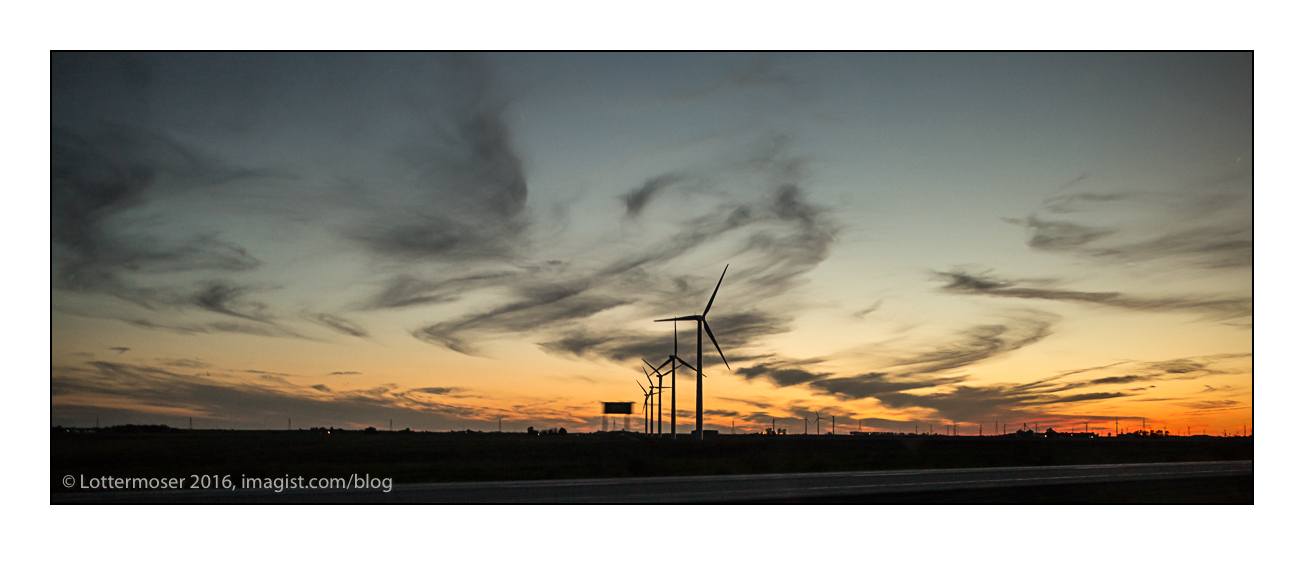
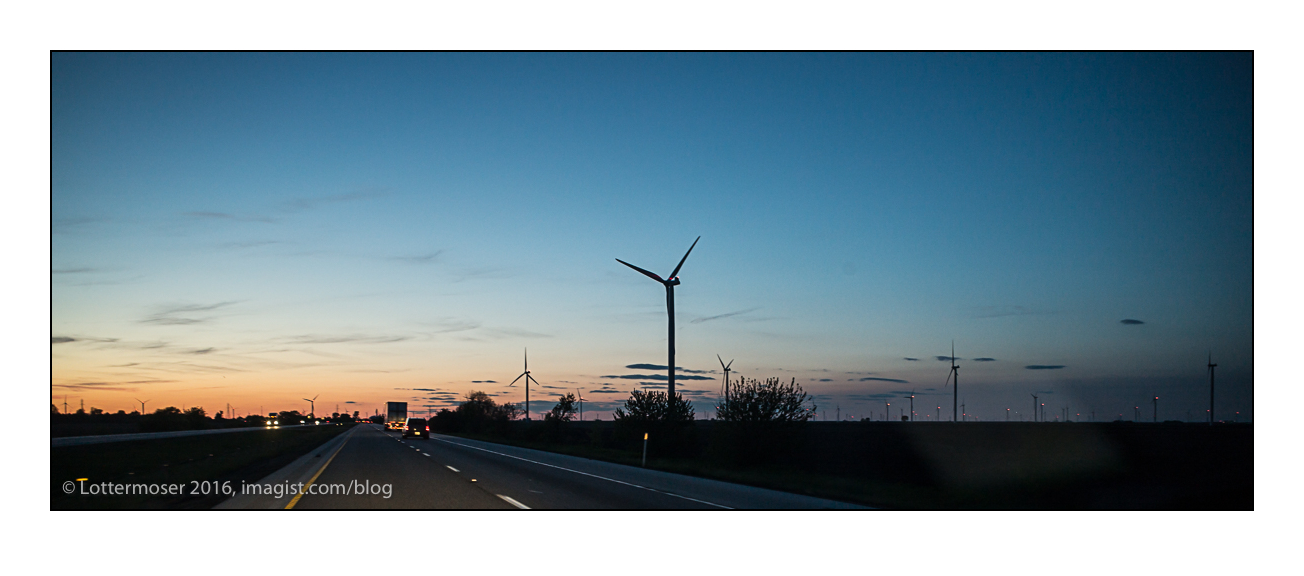
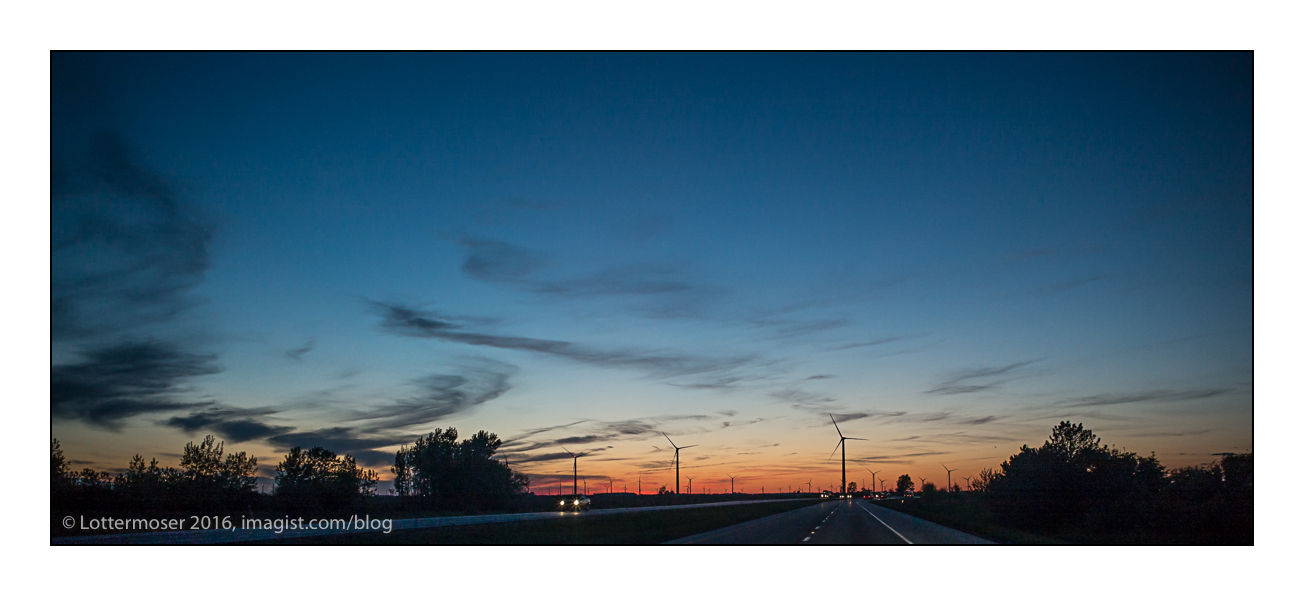
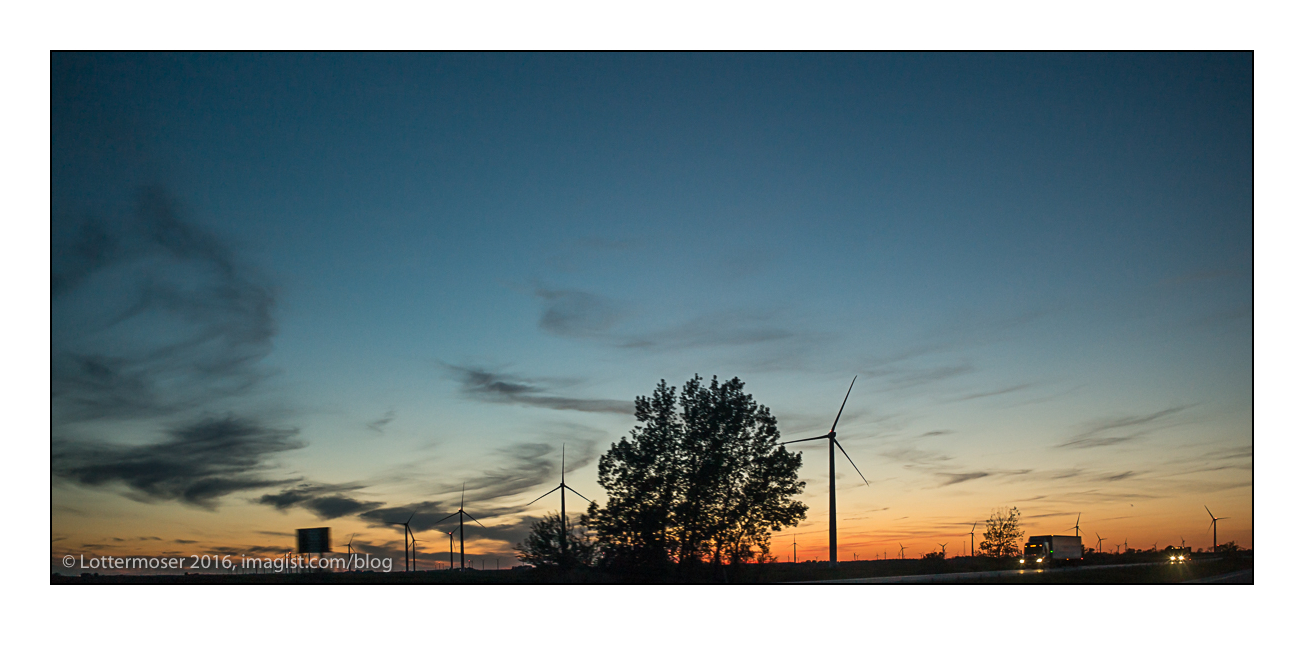
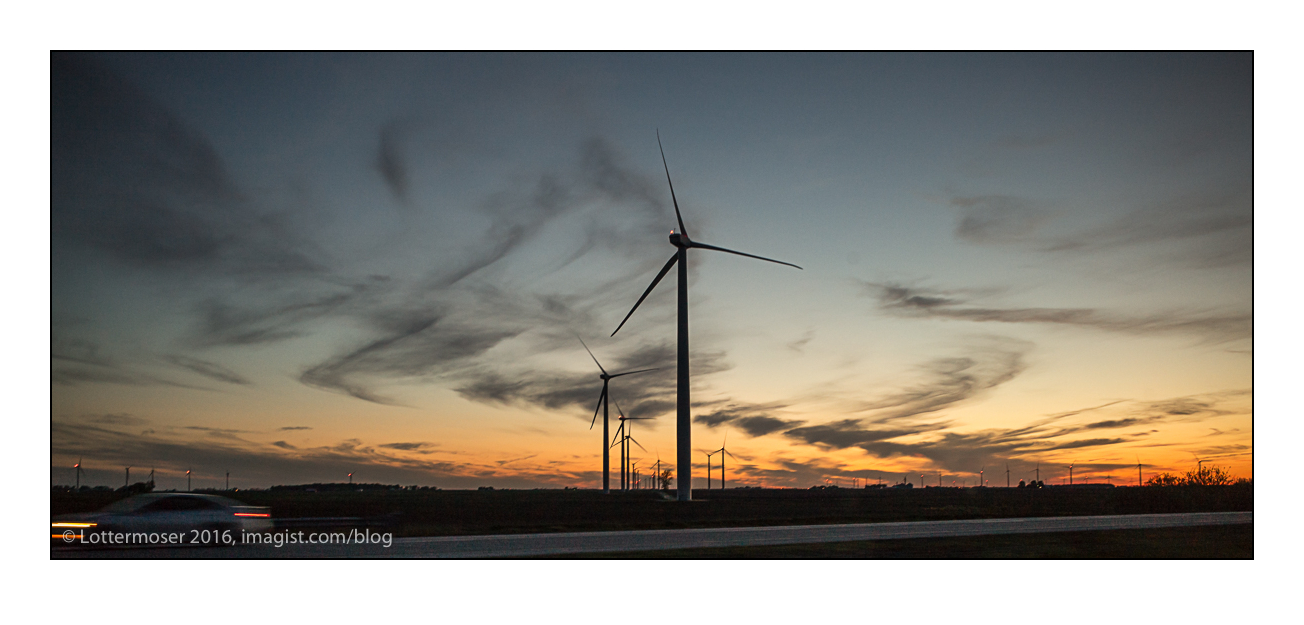 Got home around midnight. Exactly as she, GPS, said I would.
And by yesterday evening, I’d hauled the old blue leather to Goodwill;
and Ann had put her “porch” together…
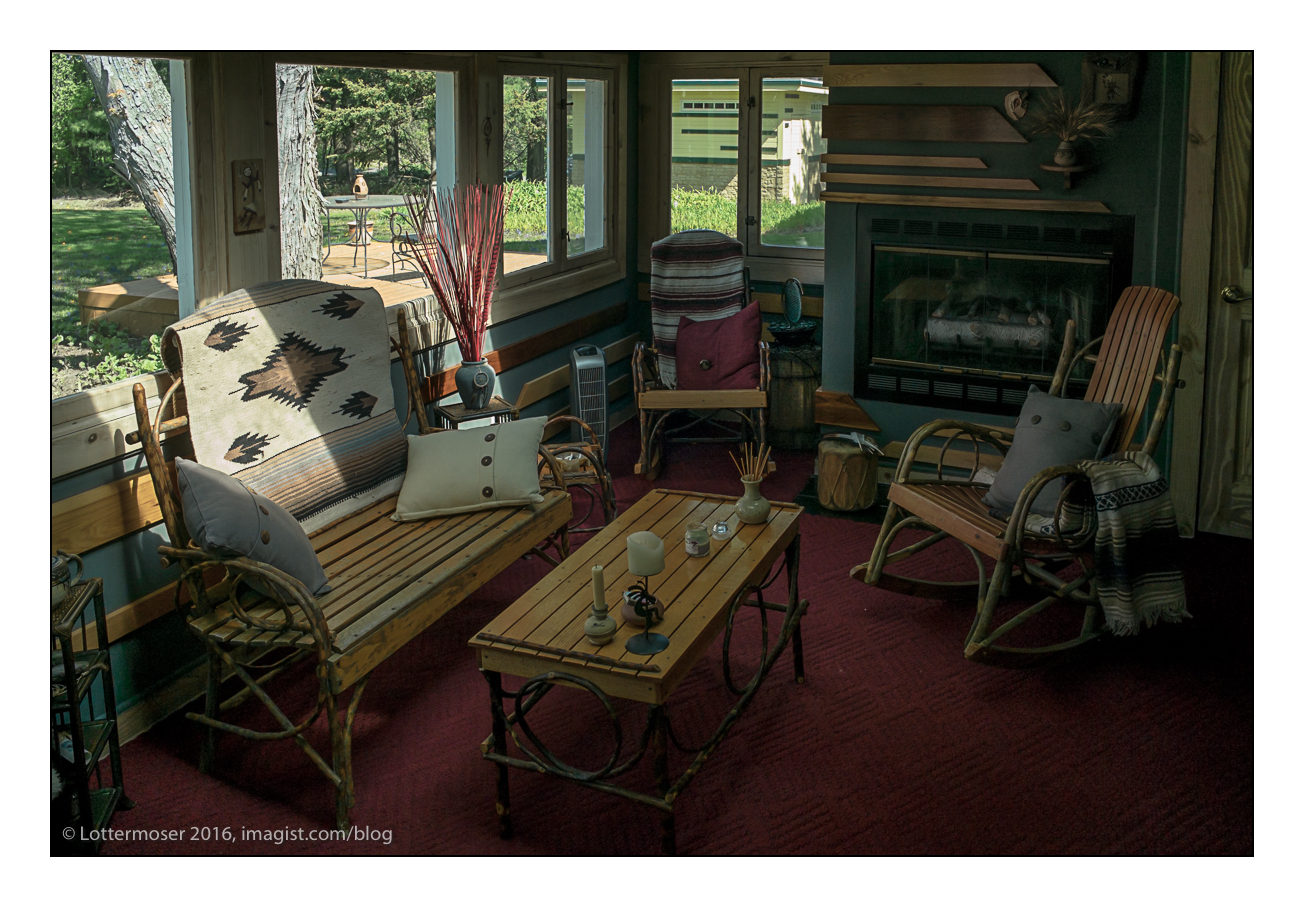
Leica M, 28 mm Summicron Asph
Robin, Shamrock, Fresh, Warm, Bread …
Surely a poem can be found
between and around those words,
in the morning, in the spring time,
if I look long, listen, and smell softly.
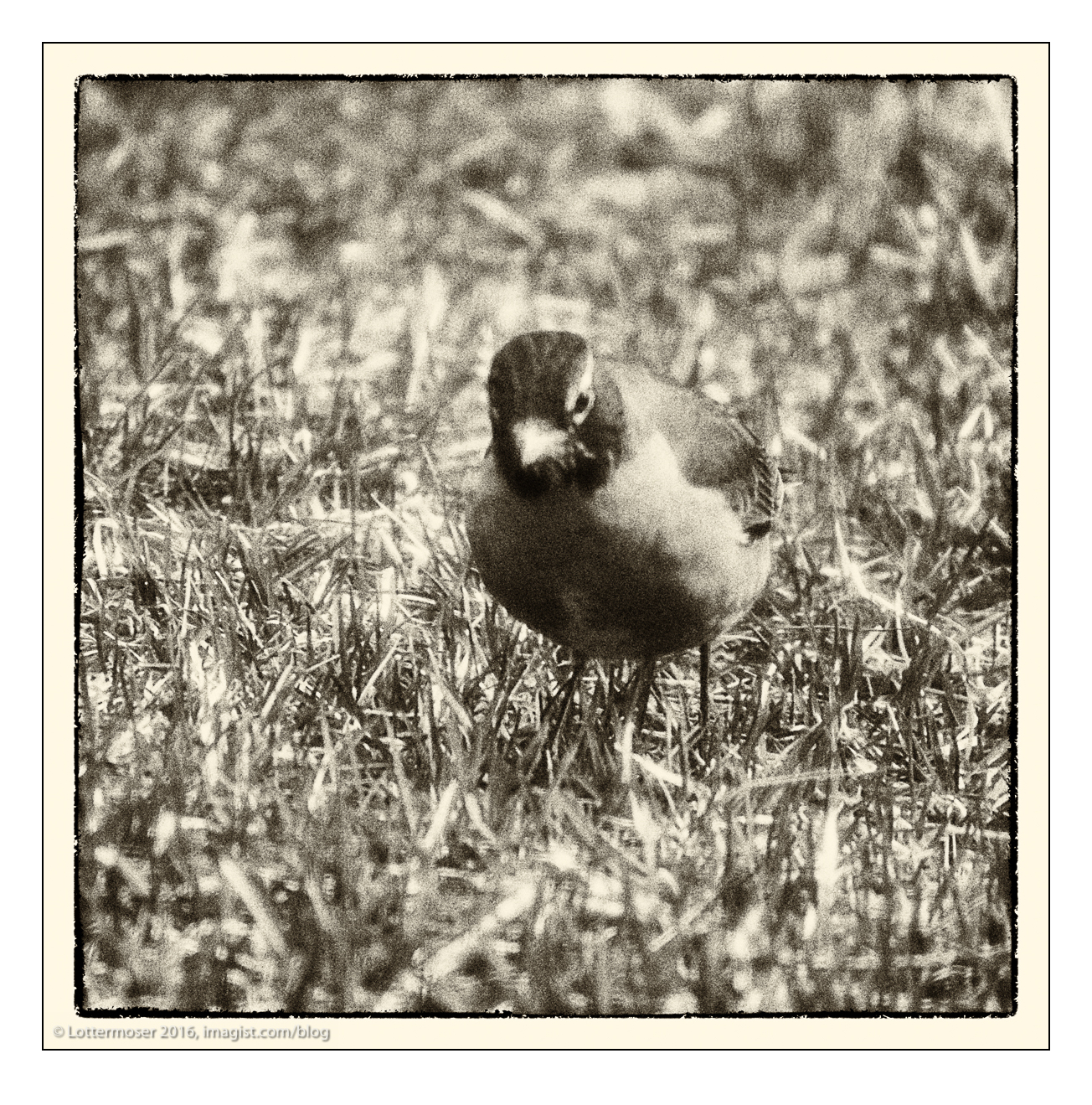
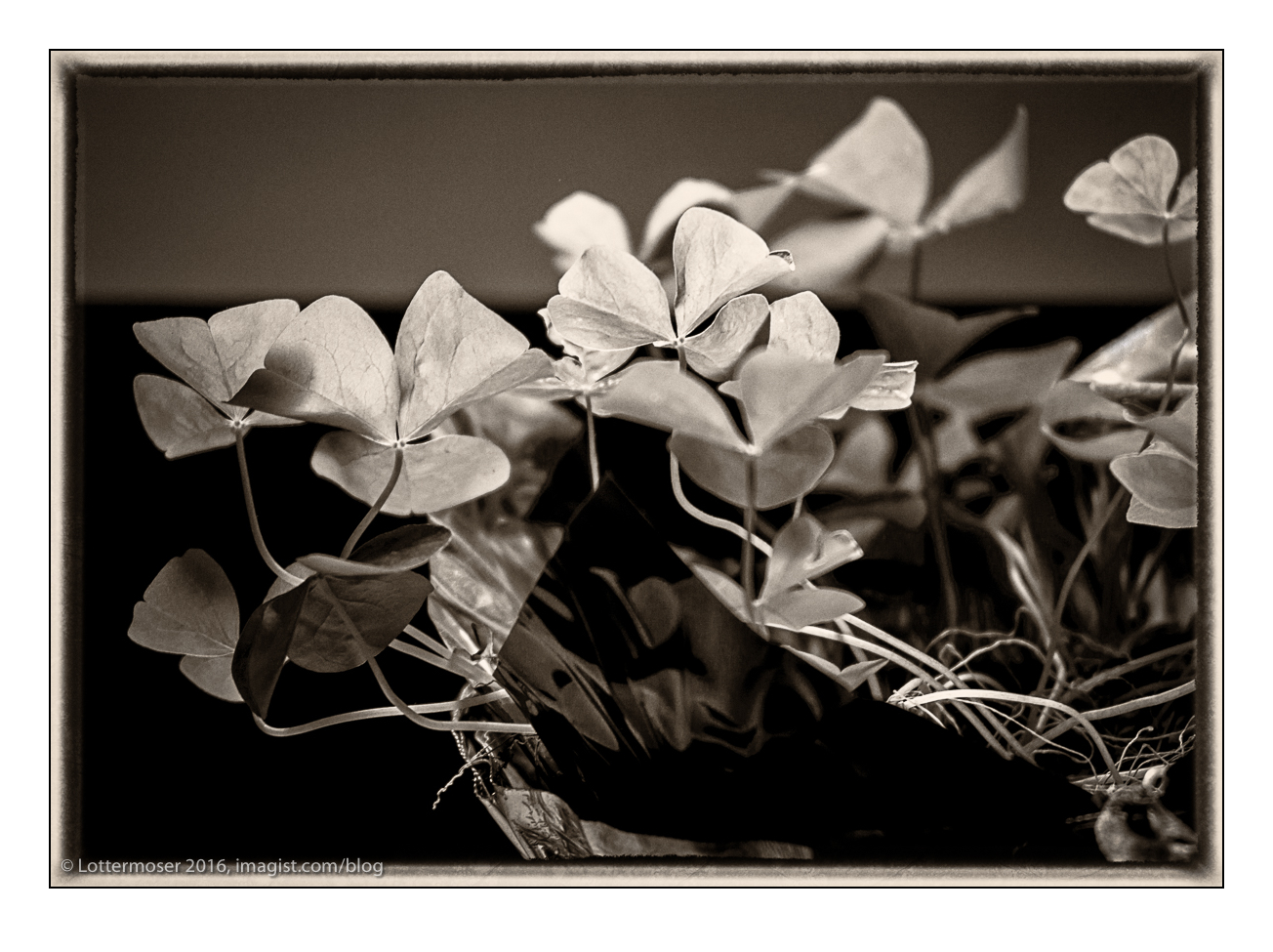
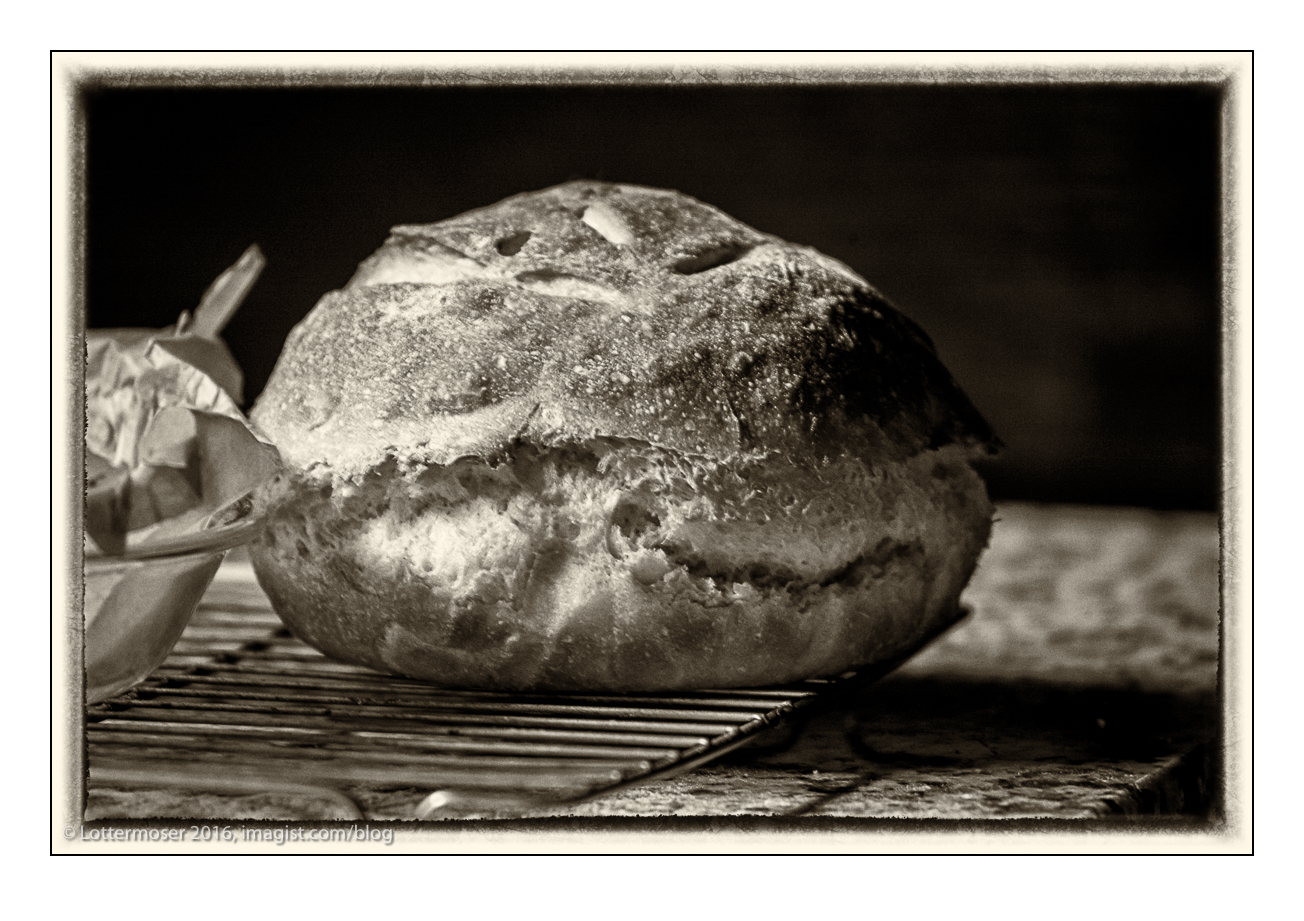 Leica M, 350 mm Telyt-R
…both startling and subtle
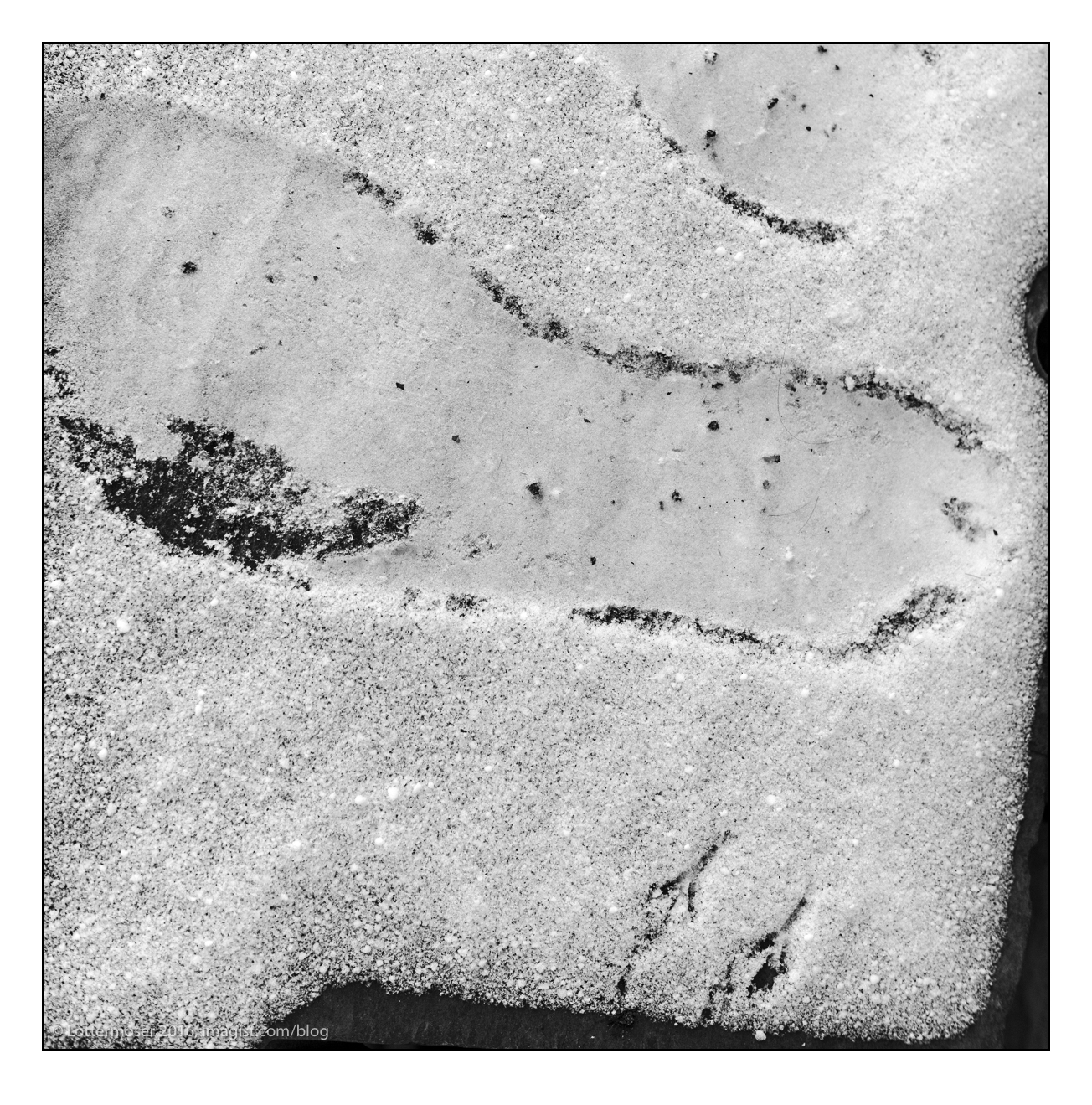
Leica M Monochrom, 50 mm Summilux Asph
…in the yard
as snow flakes
fall through spring
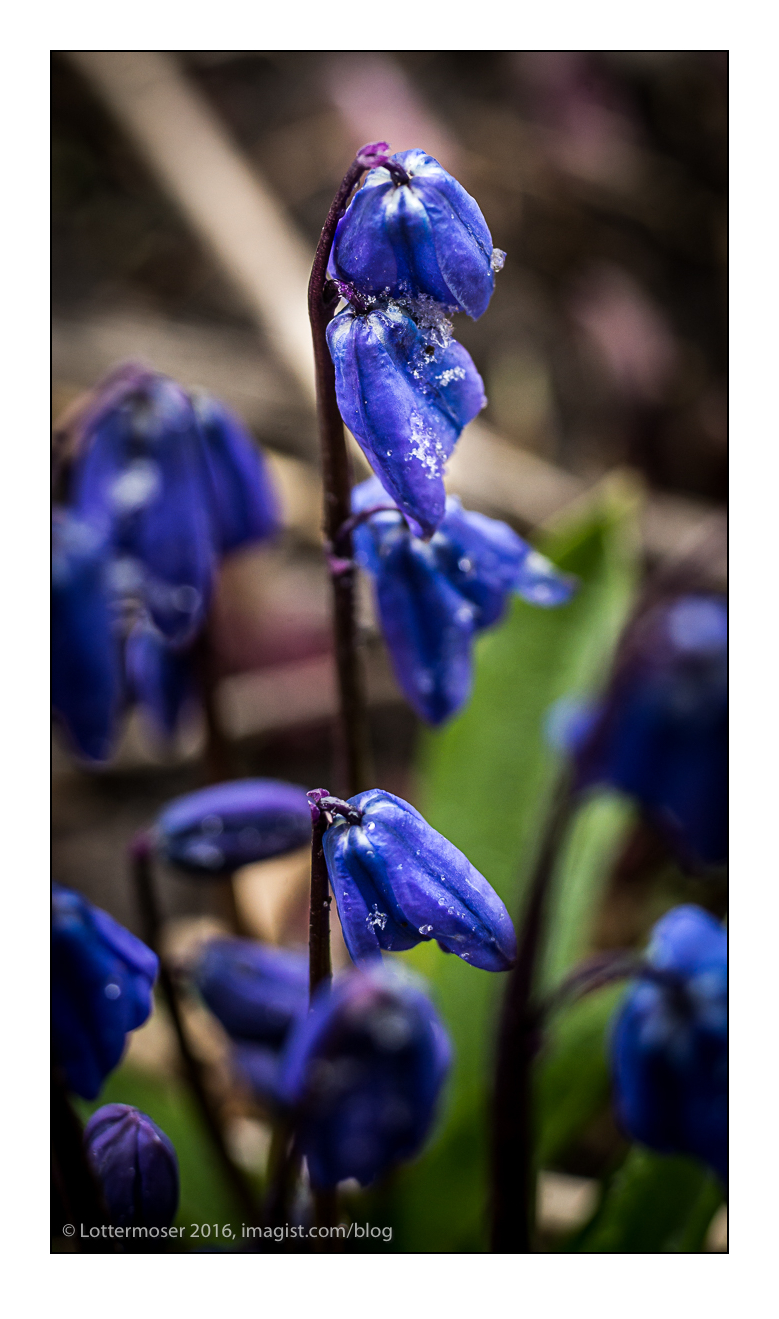
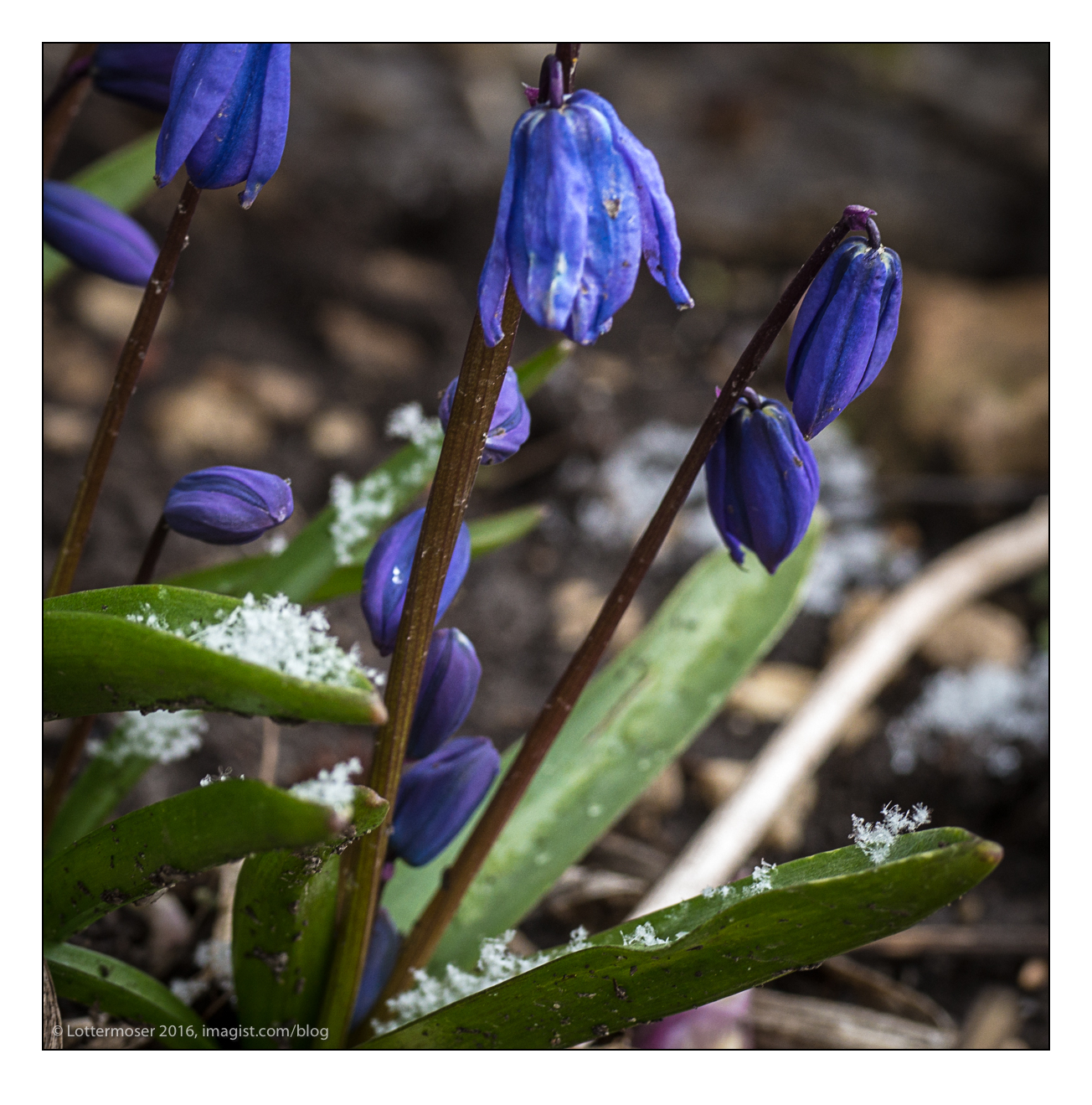
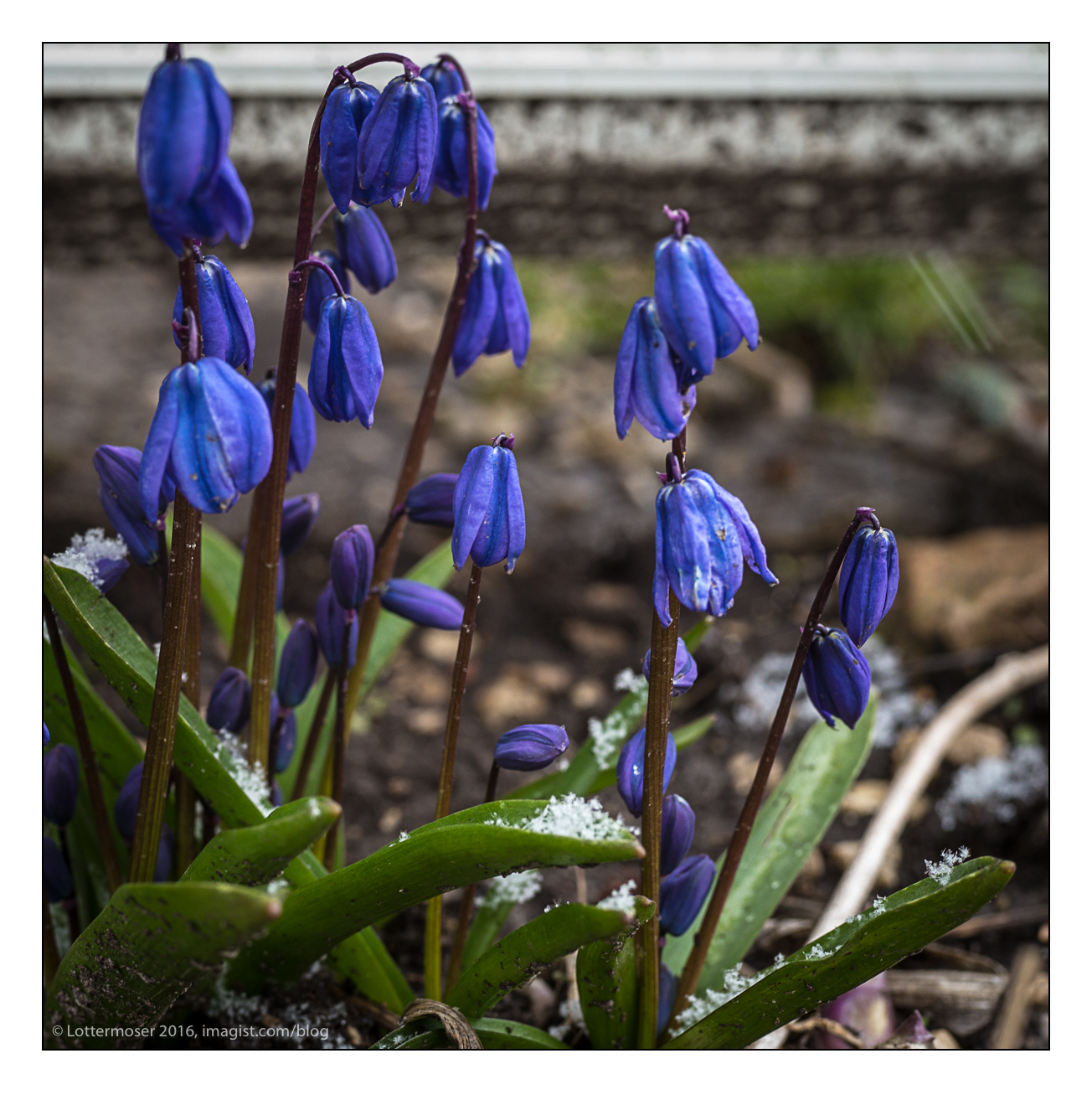
and food from the kiln
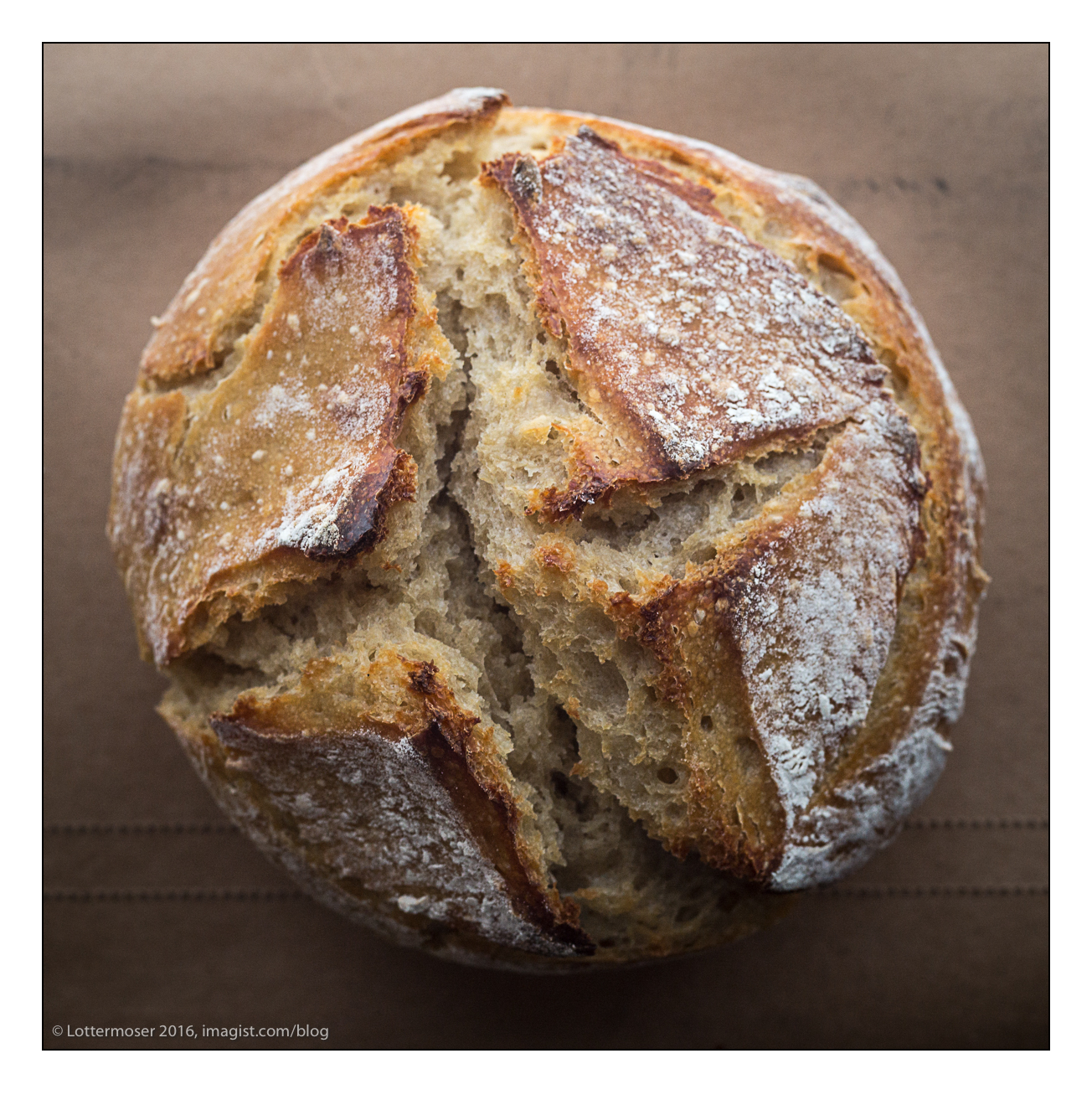
Leica M, 60 mm Macro Elmarit-R
…leads to
Cosmically speaking, Encaustic Number 4
Heat turns solids into liquids and gases.
Gesture and texture. Fuse. Burn. Melt. Blend.
Combine. Join. Bond. Merge. Intermingle. Integrate. Intermix.
Synthesize. Coalesce.
How is this not cosmic… inconceivably vast… in nature?
Learning the language.
(right click to open in new tab or window for larger view)

Leica M, 60 mm Macro Elmarit- R
this collecting, arranging and waiting.
Why would anyone pickup a couple of skeletal seed pods?
Because they whispered something to me
in that moment.
They sat around the office/studio for weeks.
A few other objects were gathered around them.
They got lost. Because they’re so light. They’d just blow away.
Then found. Waiting. I think. To be embedded in encaustic medium.
Then last evening, after completing
 Encaustic Painting No. 3, Life layered over our years…
Leica M, 60 mm Macro Elmarit-R
the low, setting sun light flowed through the West window
whispering in harmony with the whispering seed pods
as they wait for their final rest.
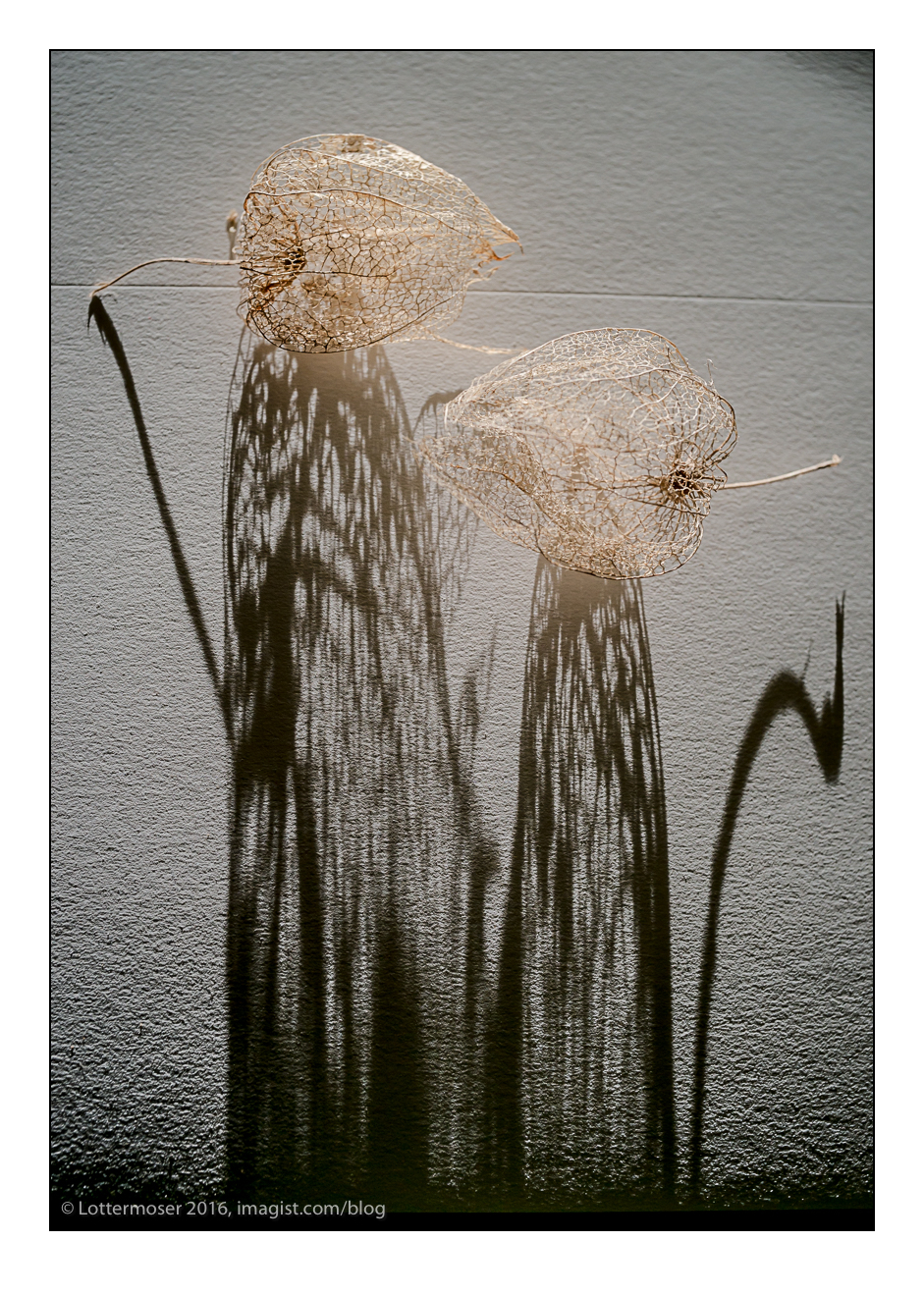
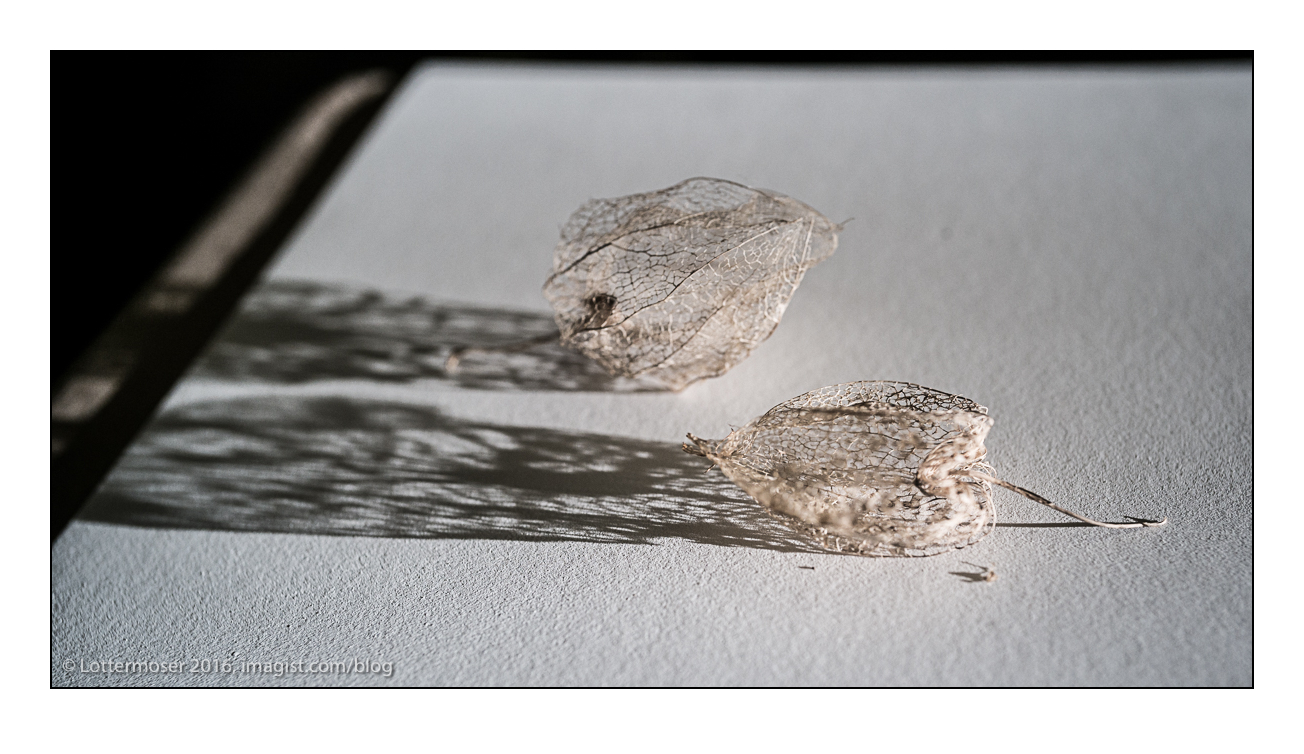
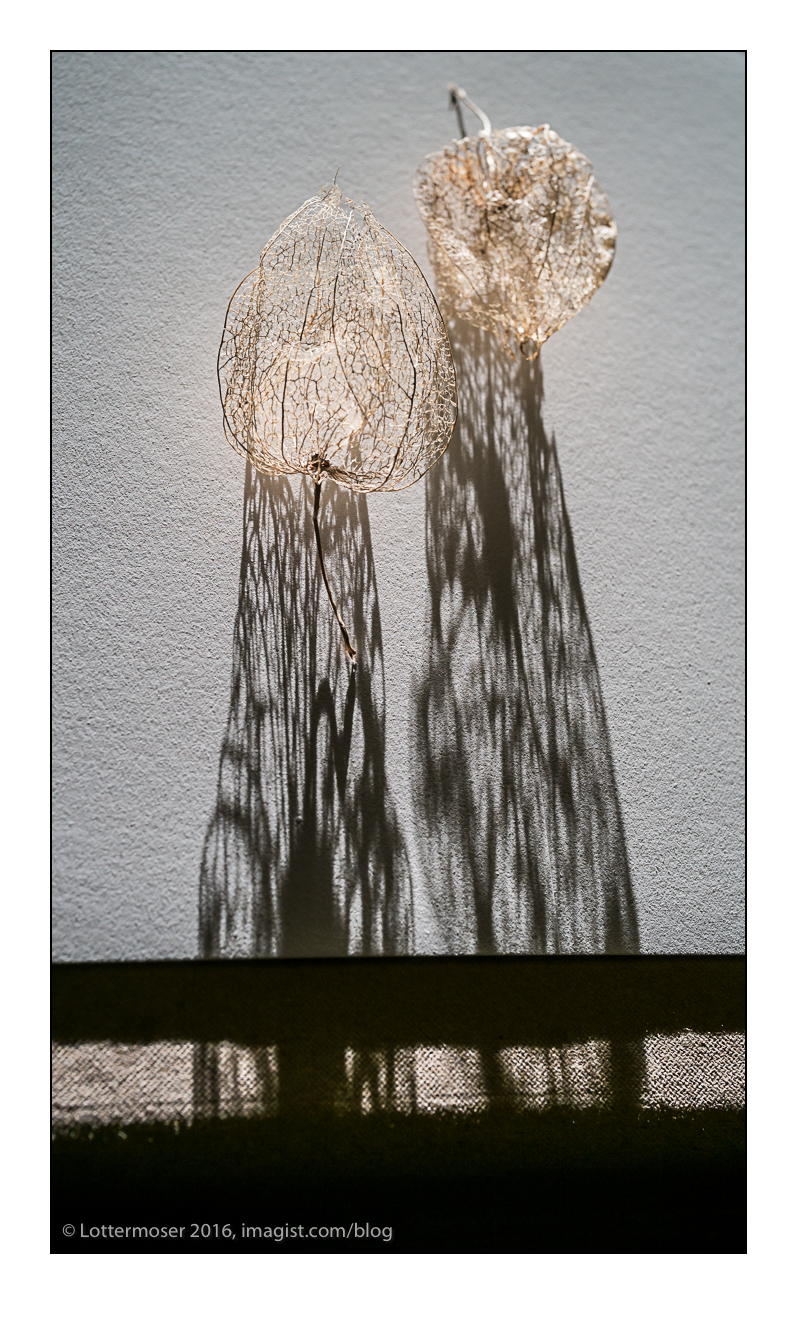
Leica M, 35 mm Summilux Asph + Leica Wetzlar Elpro VIb
(click photograph for larger view)
Leica M, 50 mm Summilux Asph
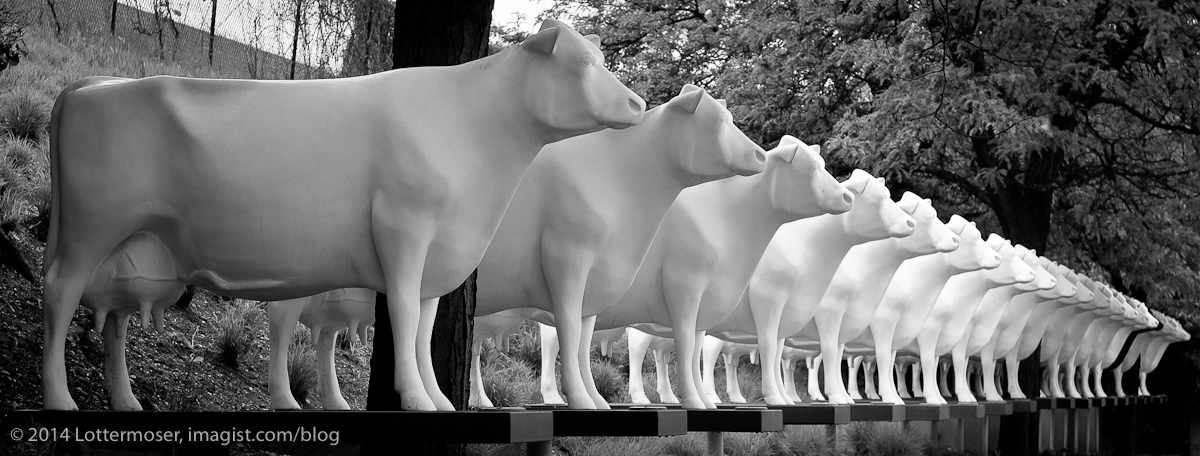
Leica M8, 50 mm Summilux Asph
(click photograph for larger view)
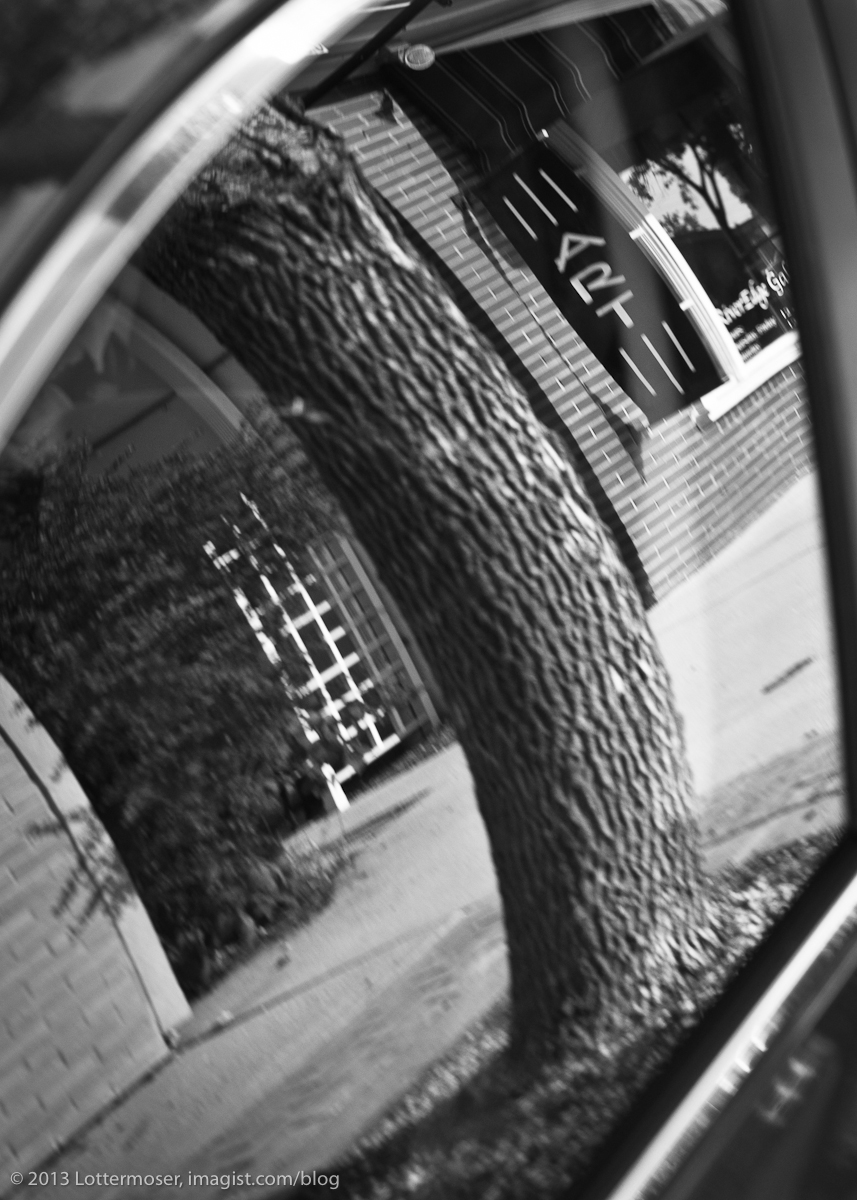
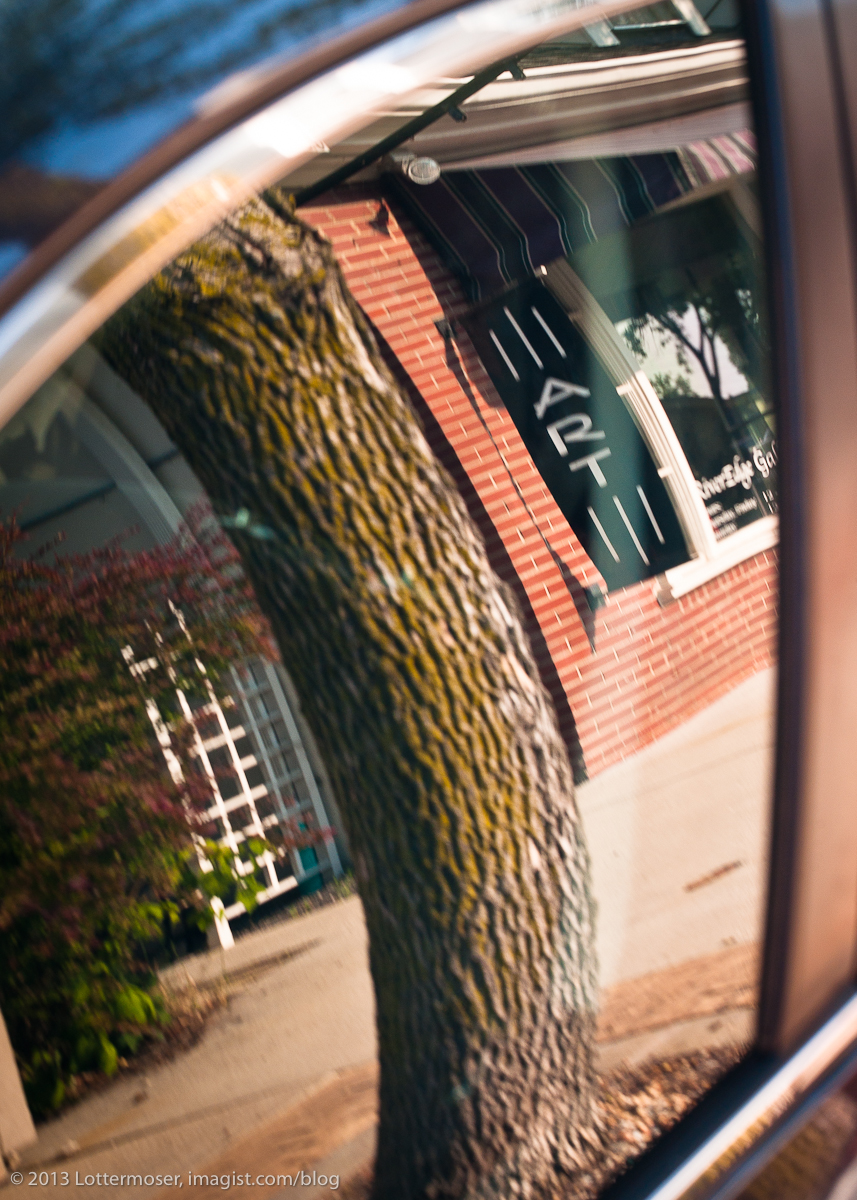
Leica M8, 50 mm Summilux Asph
In 2010, the University of Wisconsin-Milwaukee embarked on a long-term, multi-departmental research project focused on the Avant Garde Coffeehouse, a local landmark and center of the folk/blues revival in Wisconsin from 1962 to 1968. There were places like this in other areas, but, in Wisconsin, none as important as the Avant Garde. It presented local performers and nationally-known folk and blues artists, poetry readings, and experimental and underground films.
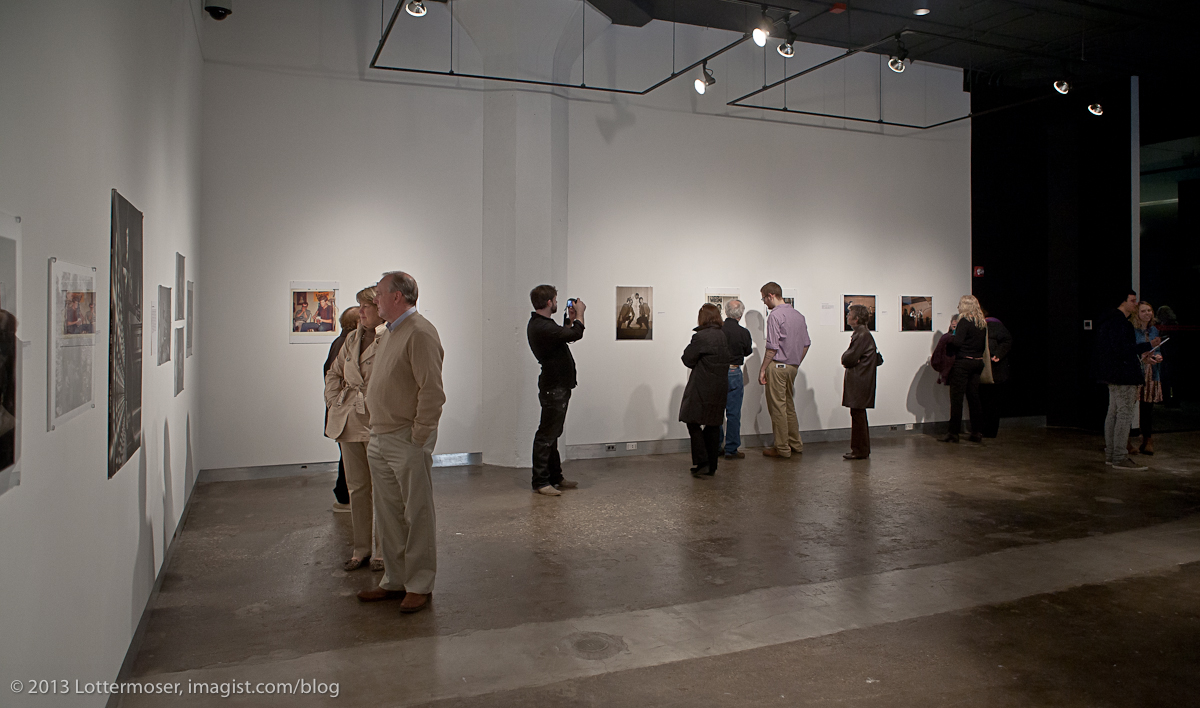
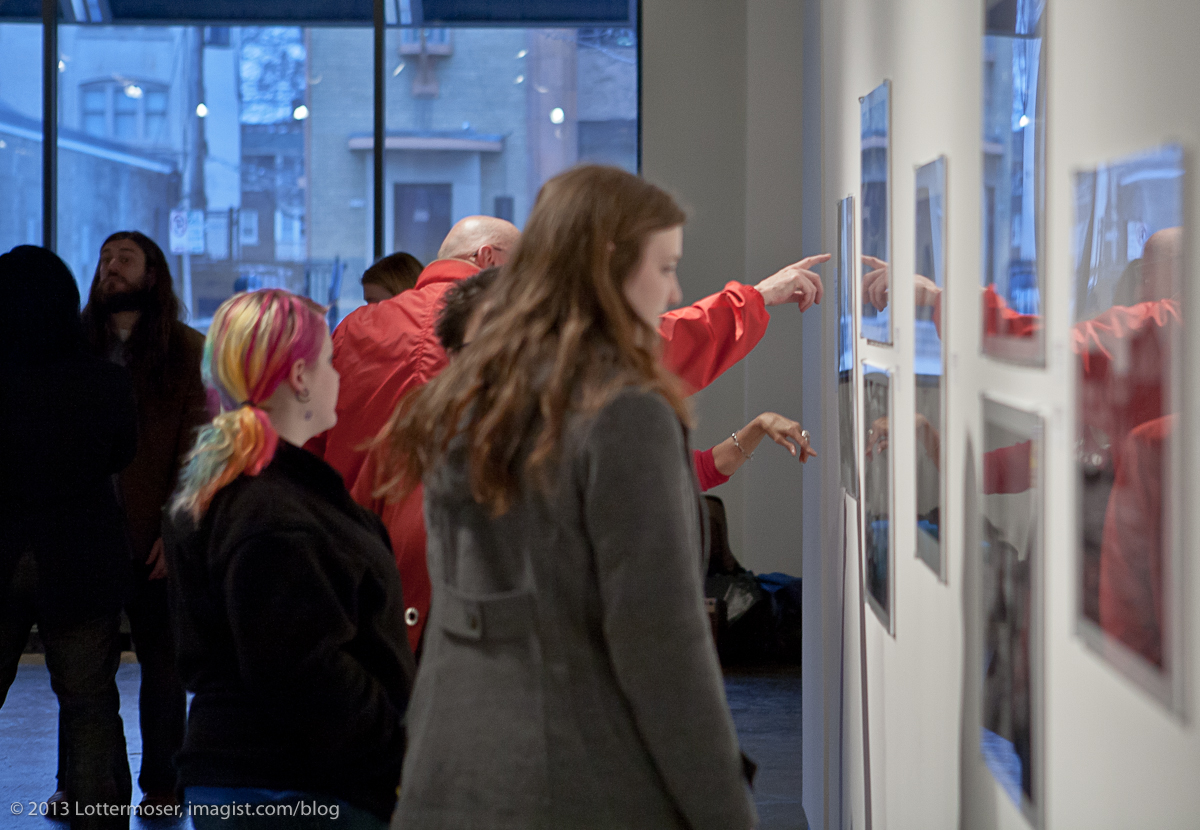
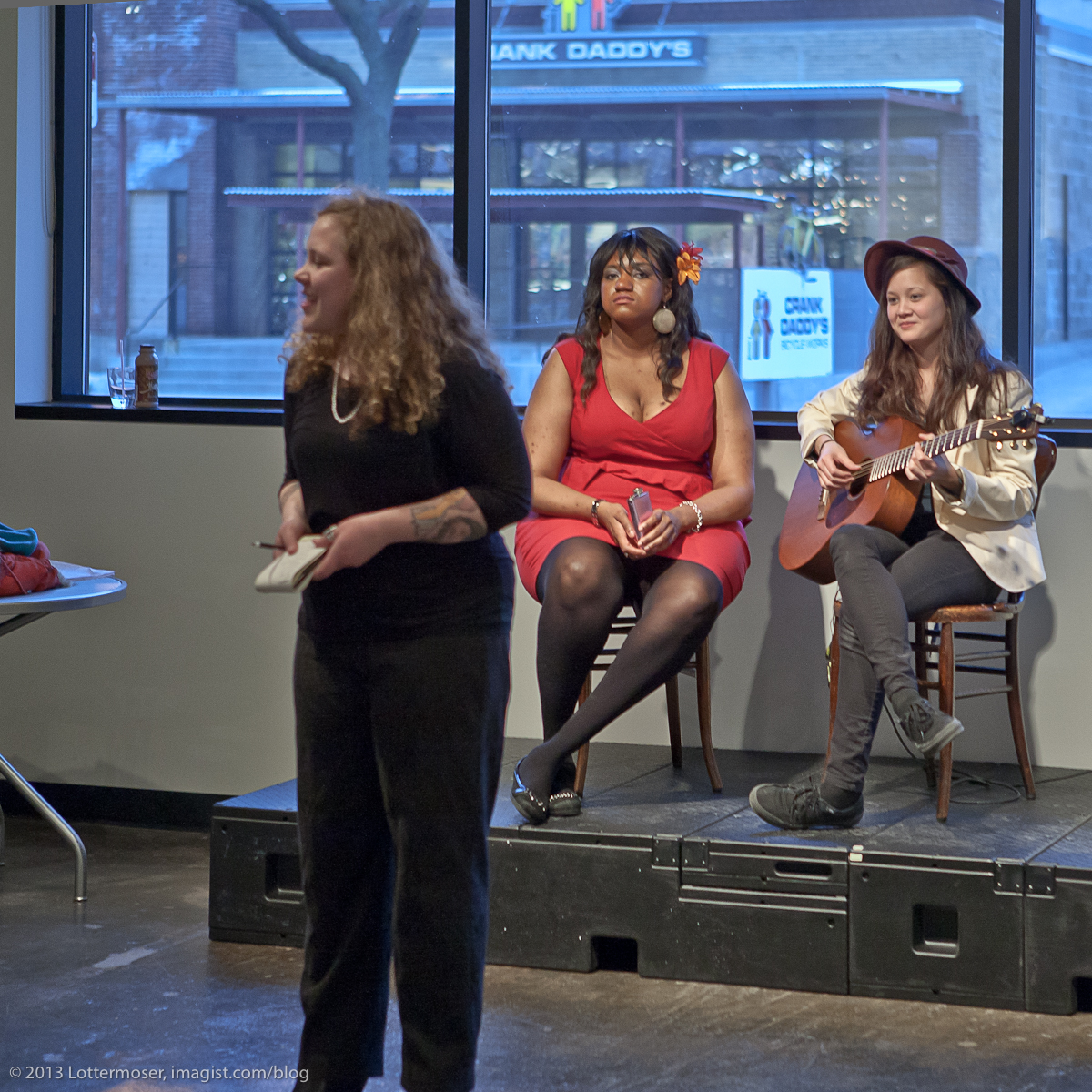
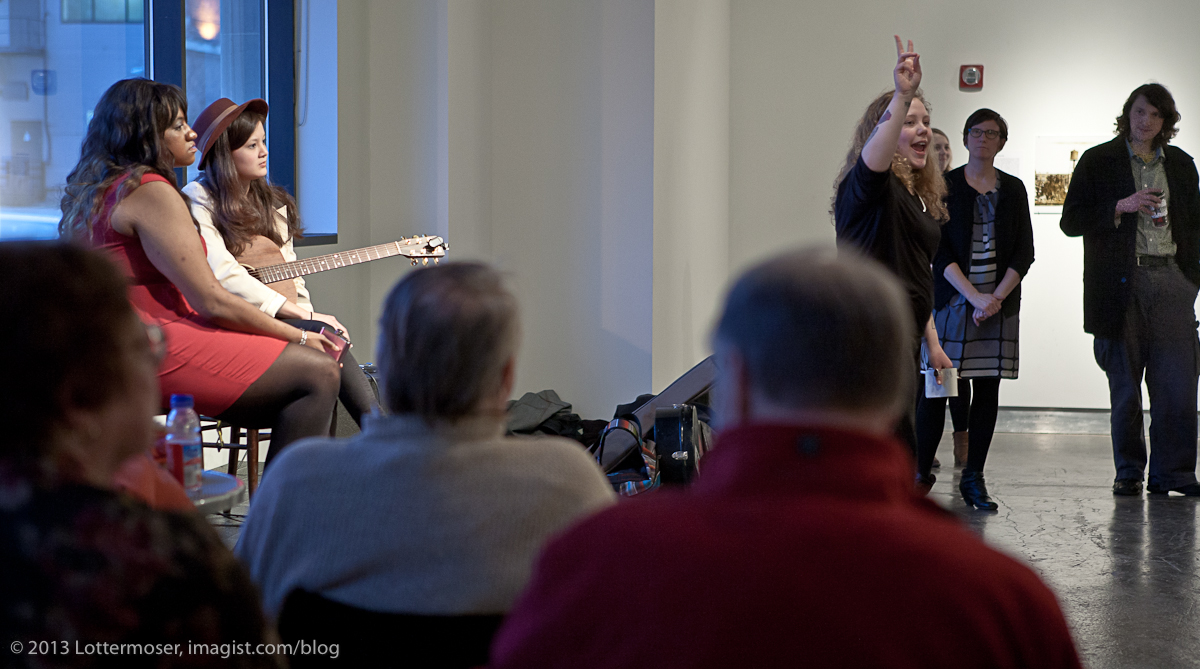
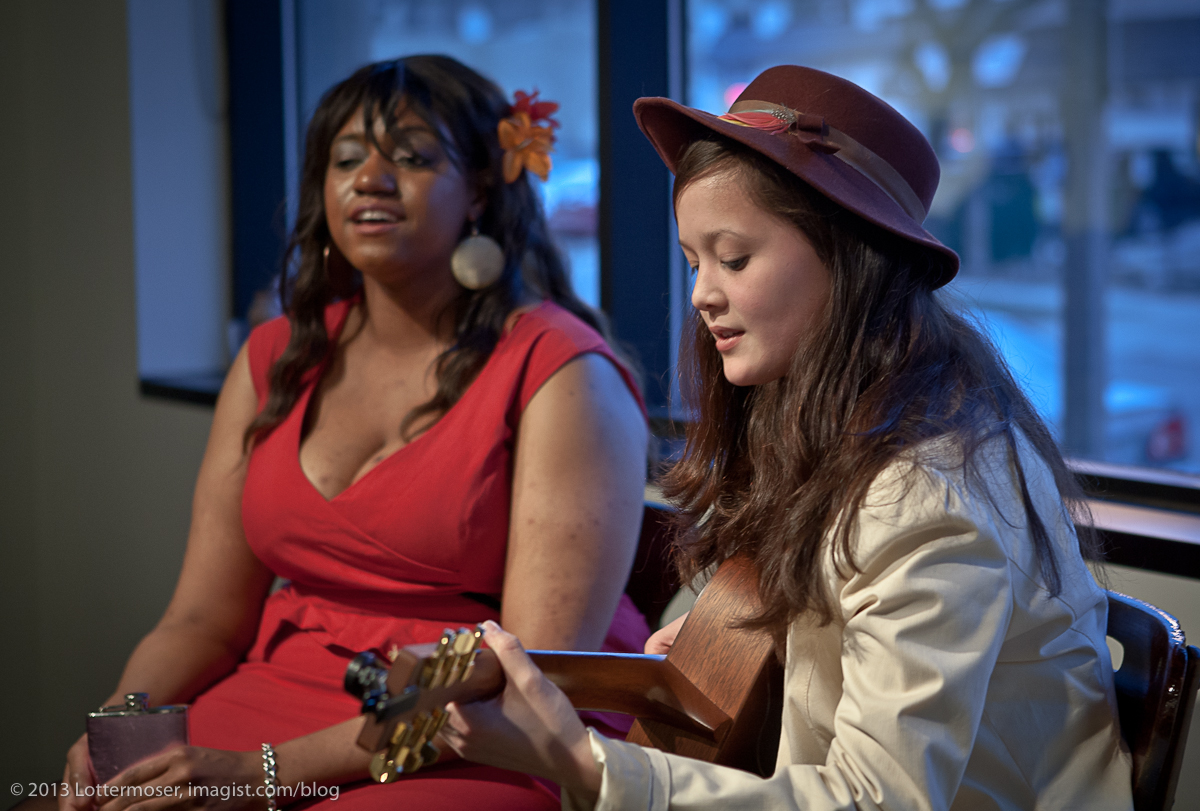
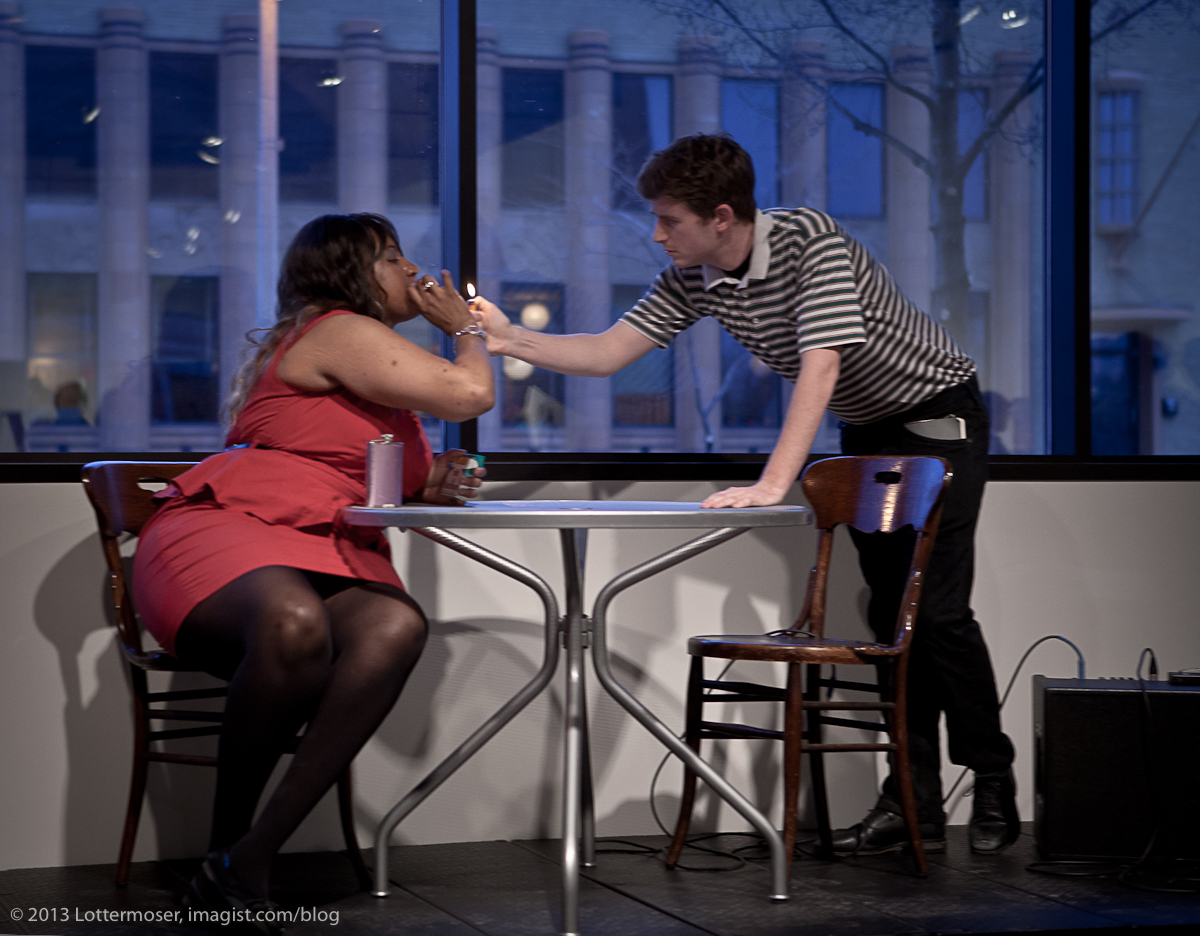
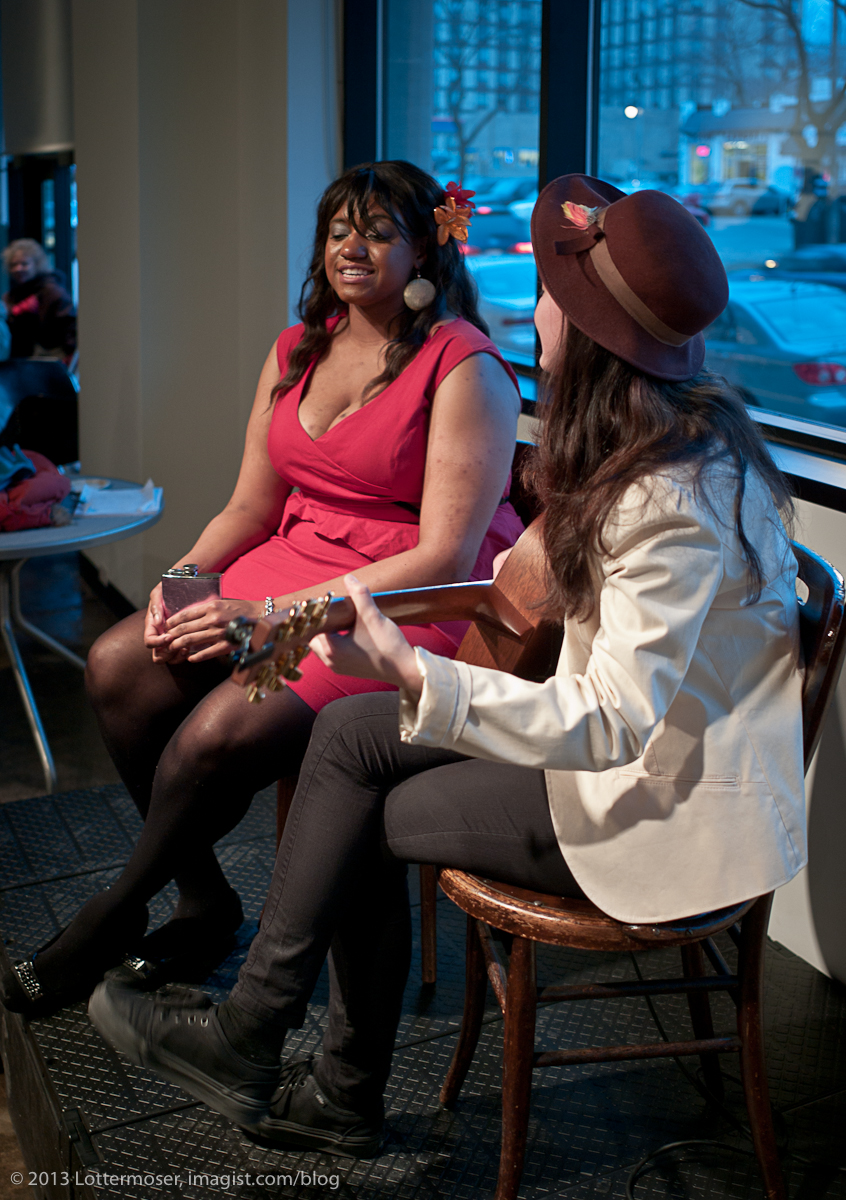
The gallery show opened on Friday, April 5th, at the Institute of Visual Arts (Inova), 2155 North Prospect Avenue. It featured performances by UWM finger-style guitar students Doug Justice, Connor Scaro, Nick Brightwell, and Macyn Taylor, and scenes from the upcoming theatrical production, Meet Me at the Avant Garde, written by Fly Steffans and directed by Rebecca Holderness.
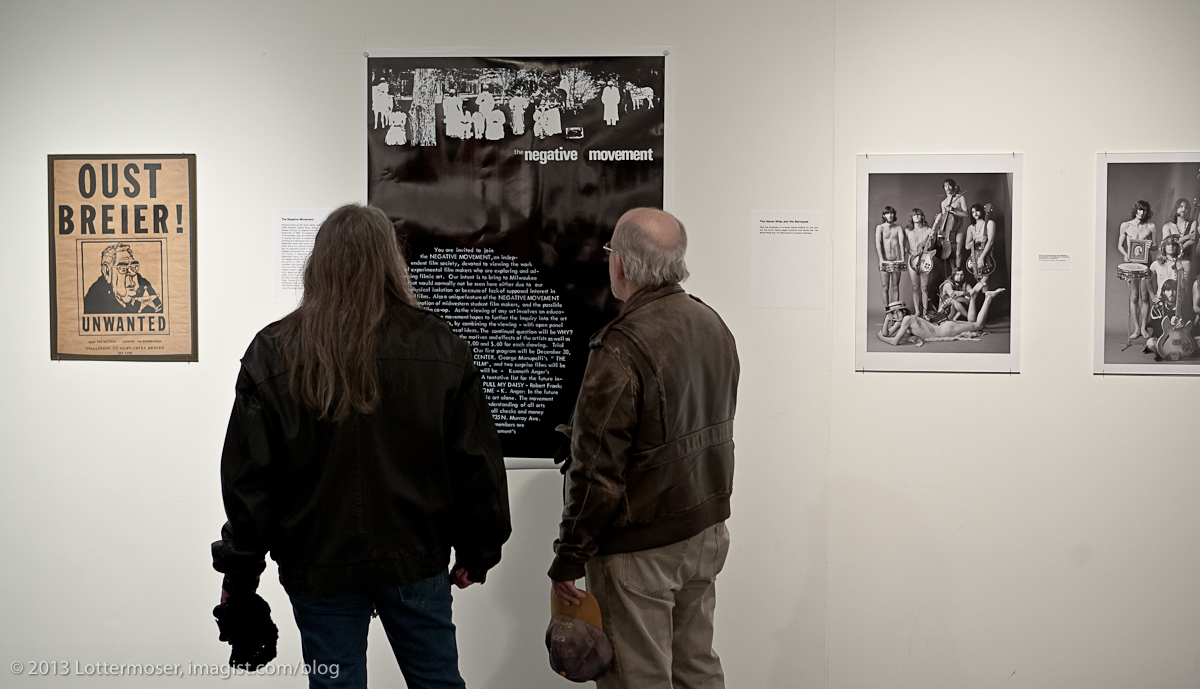
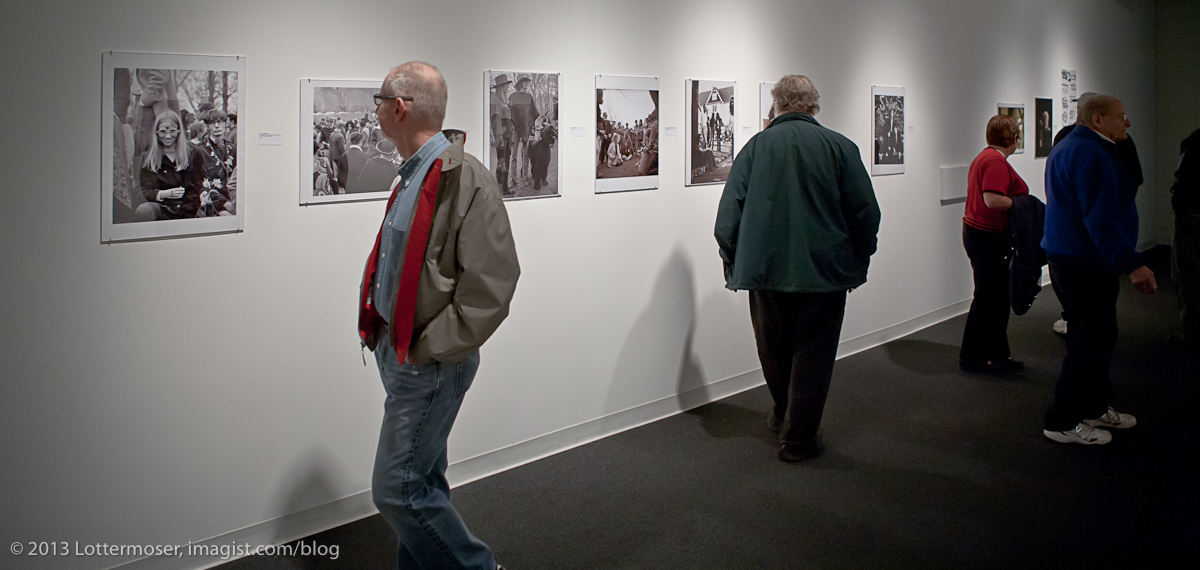
The exhibit consists of photographs made primarily by Gordy Simmons in and around the Avant Garde, and James Middleton in and around Milwaukee’s East Side community – reaching out to the Ann Arbor Blues Festival – as well. Gordy’s photographs focus largely on the artists performing at the Garde. Jim’s photographs fan out slightly to the greater east side culture. There’s a couple artifacts, like the Negative Movement‘s first underground film show at the Milwaukee Art Center poster which begin to suggest the larger culture which the music interacted with.
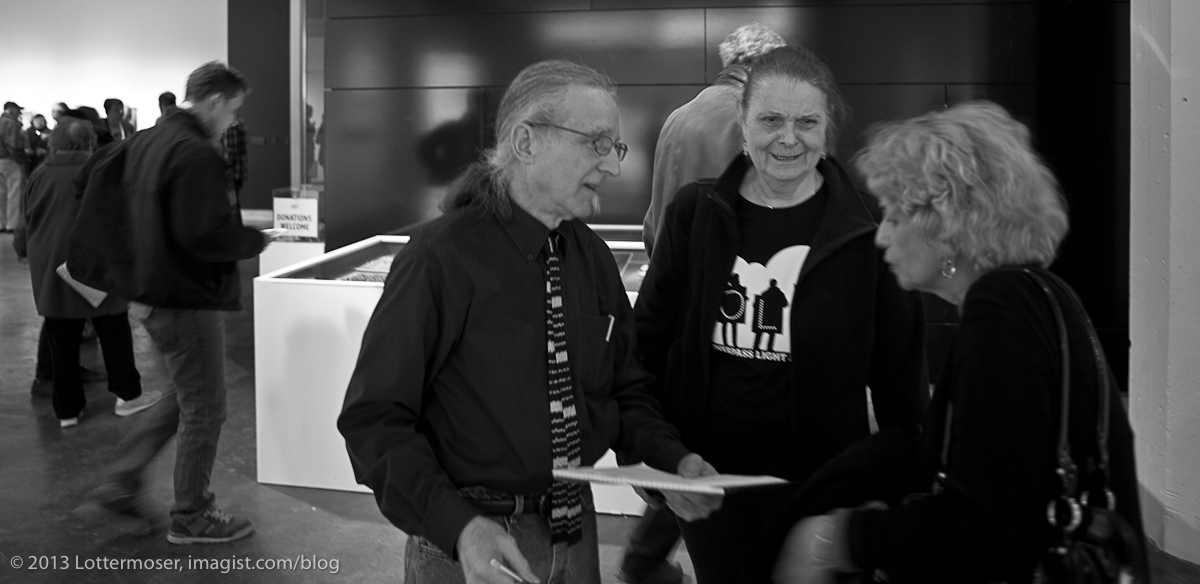
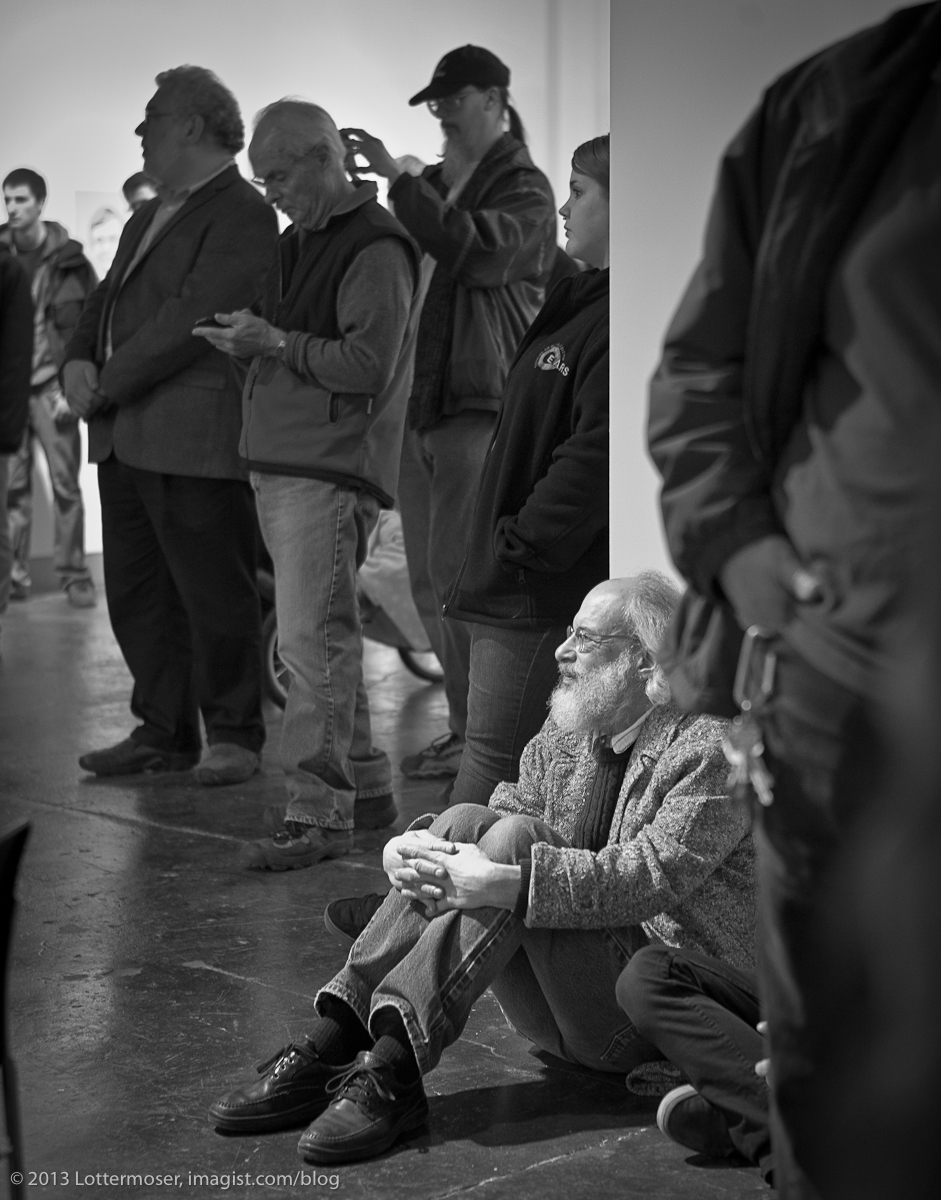
The exhibit certainly stimulated the memories of this particular cultural participant. As one of the co-founders of the Negative Movement, and co-designer of the poster in the exhibit the mind floods into a sea of memories – people – marches – meetings – be-ins – happenings – poets – writers – musicians – dreams – music – lyrics – photographs – art – poems – films – A big thanks to John Stropes, Director of Guitar Studies, Finger-Style Guitar University of Wisconsin-Milwaukee, Peck School of the Arts; and to his brother Mckim Stropes and all the other staff and students for bringing these bits of history forward in time – celebrating the coincidence of the 50th anniversaries of both the Avant Garde Coffeehouse and the UWM Peck School of the Arts.
(click photograph for larger view – additional photographs from the event can be viewed here)
Yet the exhibit also seems to miss even suggesting the huge socio-cultural-political-paradigm-shifts taking place outside the walls of that wonderful little second floor coffeehouse. I suppose this statement depends a great deal on one’s particular point of view. As an art student at the University of Wisconsin Milwaukee from 1964 to 1972; during a time when photography and film had not even made it into the curriculum; where we had to fight to get them recognized by the art department; where Universities across the country had to figure out if they would support their students as the students protested the war and marched for civil rights—even as churches were bombed; and presidents were assassinated; where the students had to figure out how to make their voices heard by their Universities, Parents, Congressmen, Senators, and Presidents.
In other words – A number of us stepped directly from high school into the so-called “counter-culture” in 1963. The 16th Street Baptist Church in Birmingham, Alabama was bombed on Sunday, September 15, 1963 – killing 4 small children. On November 22, 1963 – the assassination of our President – John F. Kennedy. U.S. involvement in Viet Nam escalated in the early 1960s, with troop levels tripling in 1961 and tripling again in 1962. U.S. combat units were deployed beginning in 1965. Operations spanned international borders, with Laos and Cambodia heavily bombed. American involvement in the war peaked in 1968, at the time of the Tet Offensive. We watched our friends and class mates get drafted into this bloody conflict. We marched against the War. We watched the Harlem Riot of 1964; the Watts Riot of 1965; the Milwaukee Riot of 1967; and the King Riots of 1968. The Freedom Riders had been working for basic Civil Rights in the South since 1961; along with CORE the Congress of Racial Equality and SNCC the Student Nonviolent Coordinating Committee. We marched for Civil Rights. We worked as journalists for black weekly newspapers. We worked as Draft Counselors for groups like MOC, the Milwaukee Organizing Committee. We saw friends jailed for protesting, burning draft cards, and sitting in. We watched friends leave for Canada to avoid the draft. On April 4, 1968 – the assassination of Martin Luther King. On June 6, 1968 – the assassination of Robert F. Kennedy. This was the culture that we stepped into when we were 16, 17 and 18 years old.
And yes – we also listened to the music of the times – The Blues – Rock’n’Roll – Folk/Protest Music – We listened to the music on FM radio stations. We listened to it in the coffeehouses like the Avant Garde on Prospect Avenue. We listened to it at the Ann Arbor Blues Festival and Woodstock and Haight Ashbury. We also made our own music – sang at the protests and in the marches – played our guitars, harmonicas and drums at the Sit-Ins and Be-Ins. We made movies. We showed Underground Films. We published protest posters, newsletters, art posters. We organized Artists for Peace Exhibits. We designed chap books of poets. We kept very busy. For us it was really not a Counter-Culture – It was very much Our Culture.
I highly recommend that people take advantage of this opportunity to take a look back 50 years – get your memories stimulated – or learn about your parents or grandparent’s time of youth.
For a broader collection of who, what, when and where during this period (60s and 70s) of Milwaukee Culture see http://zonyx.net/TEXTS/BugHist.html. Also: if you have any cultural artifacts from this period I’d love to see them and discuss them with you.
(click photograph for larger view – additional photographs from the event can be viewed here)


Leica M8, 28 mm Summicron Asph
and
Canon 5D, 24 -70 mm 2.8 L