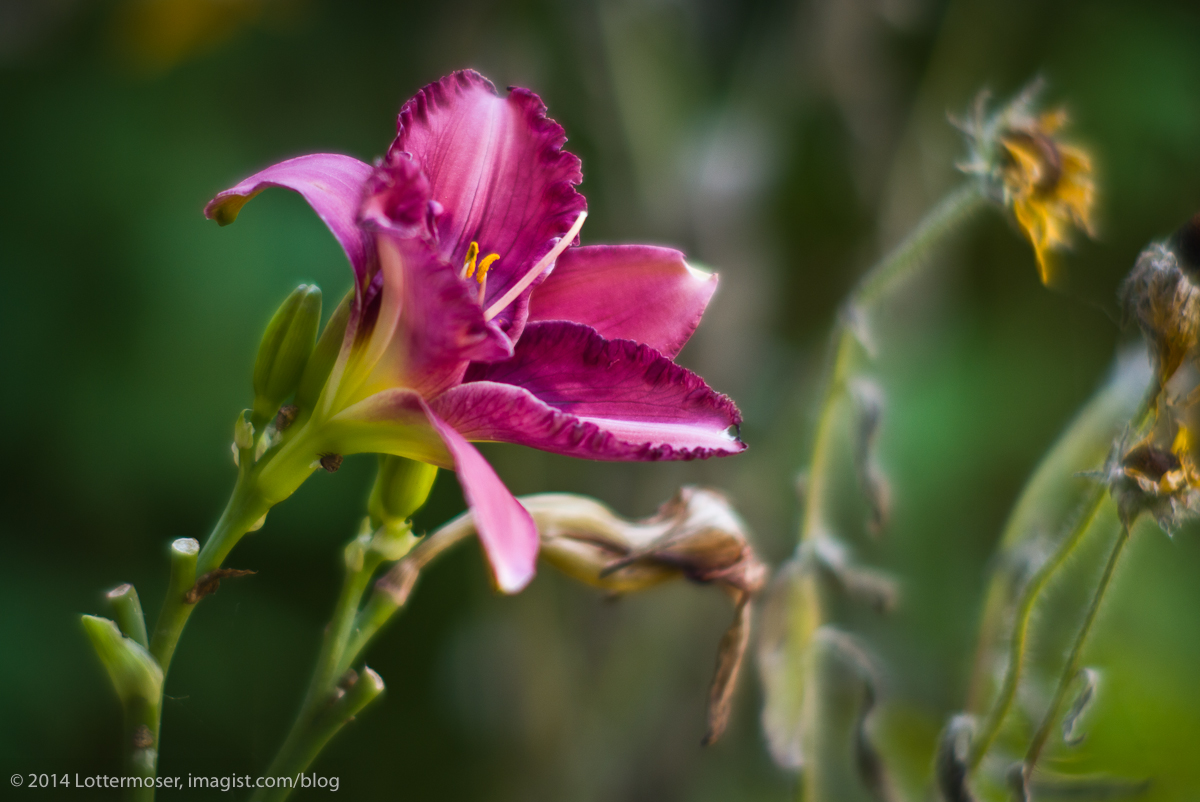
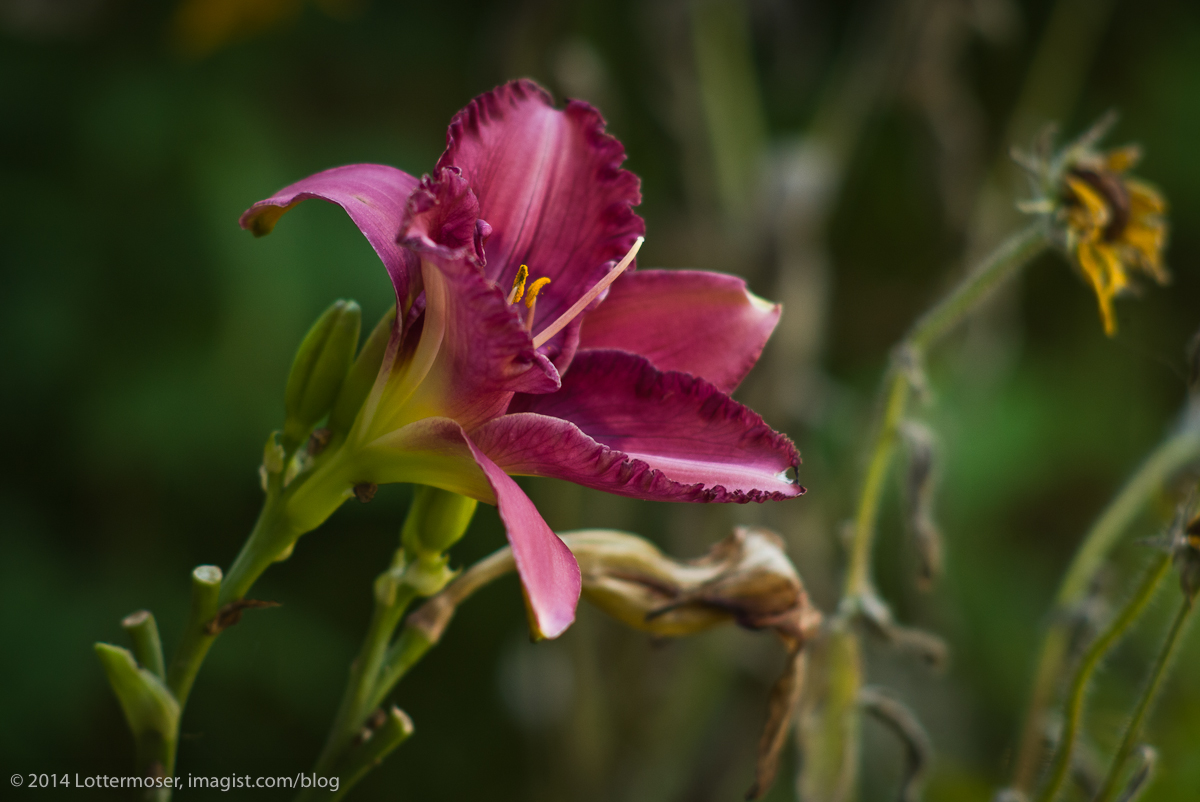
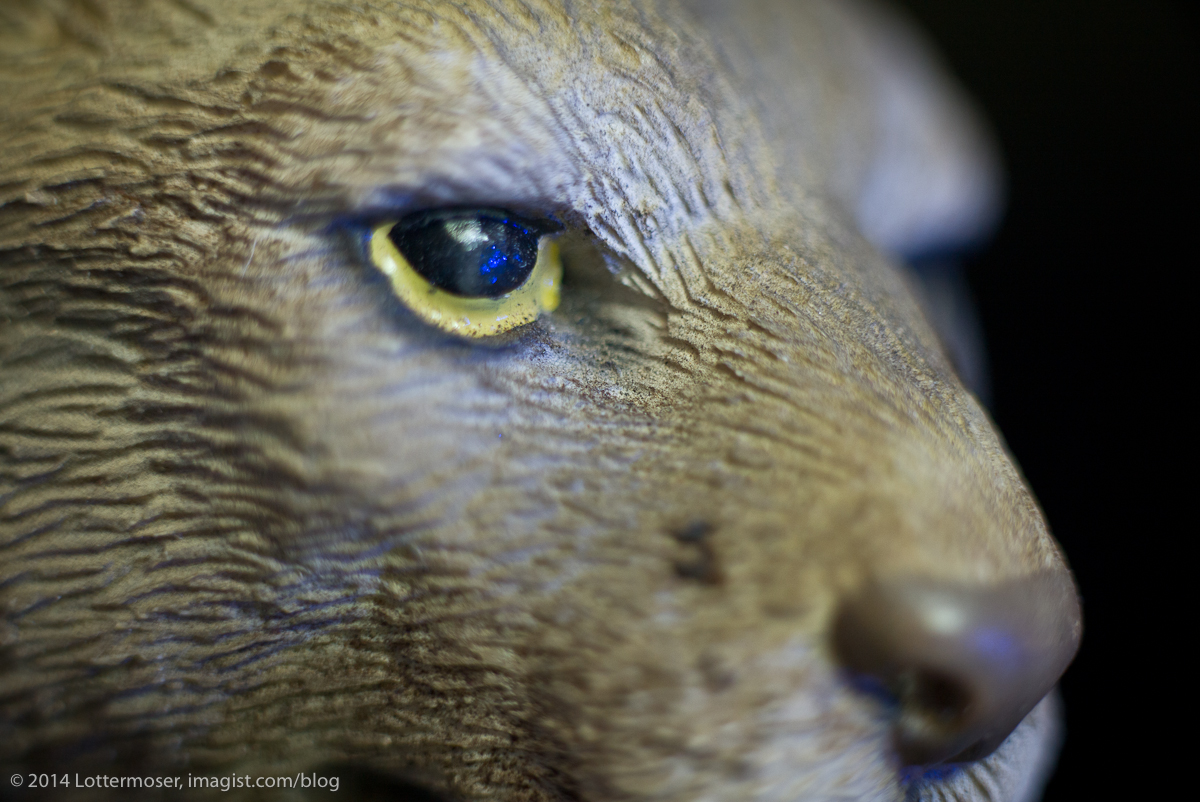
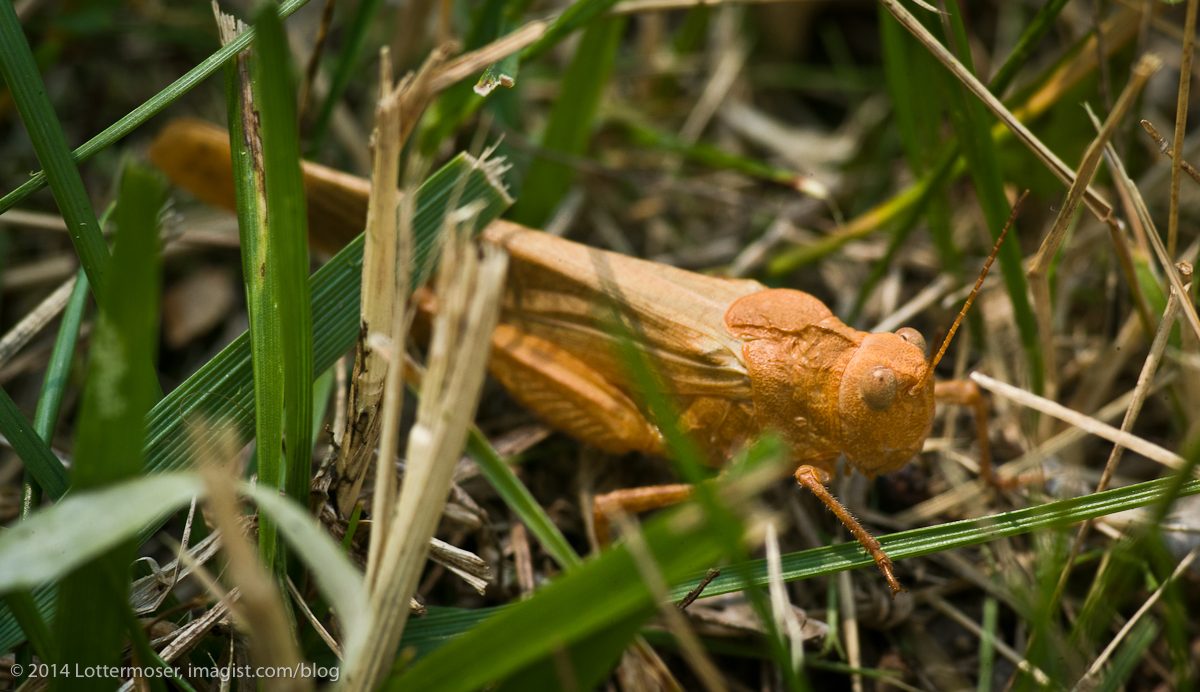
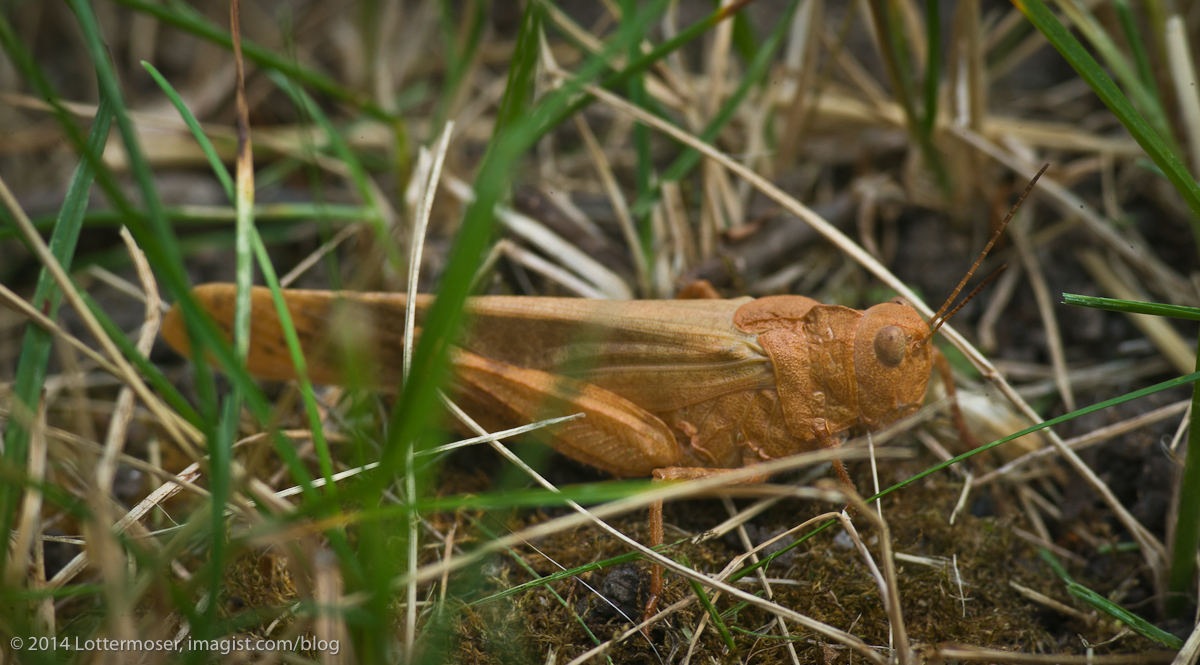
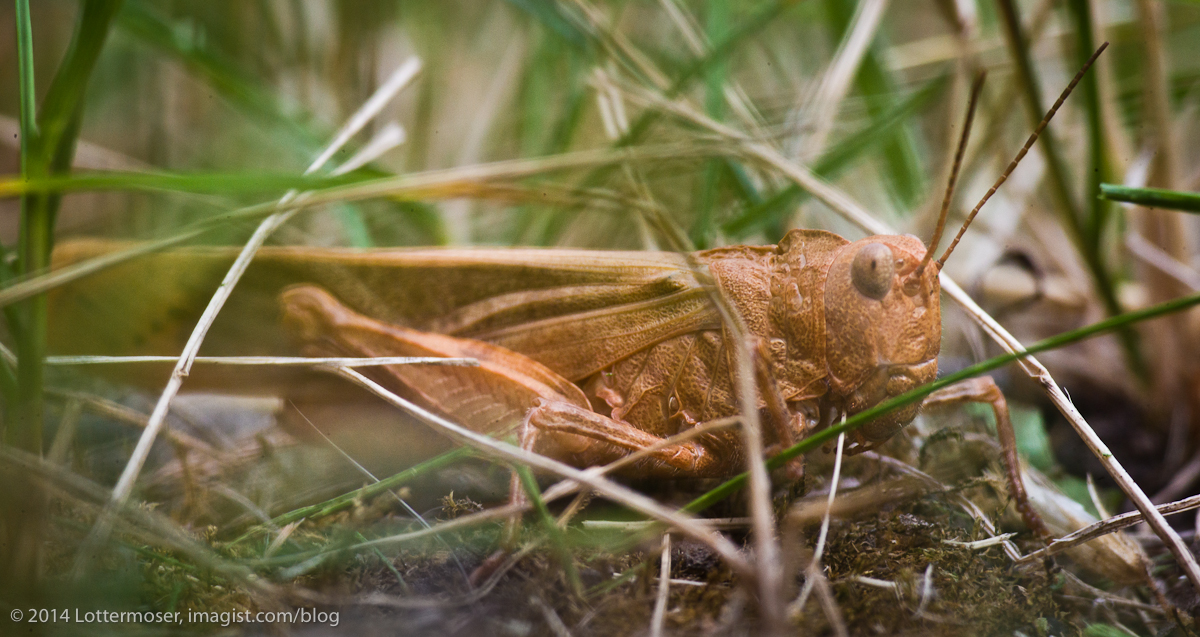
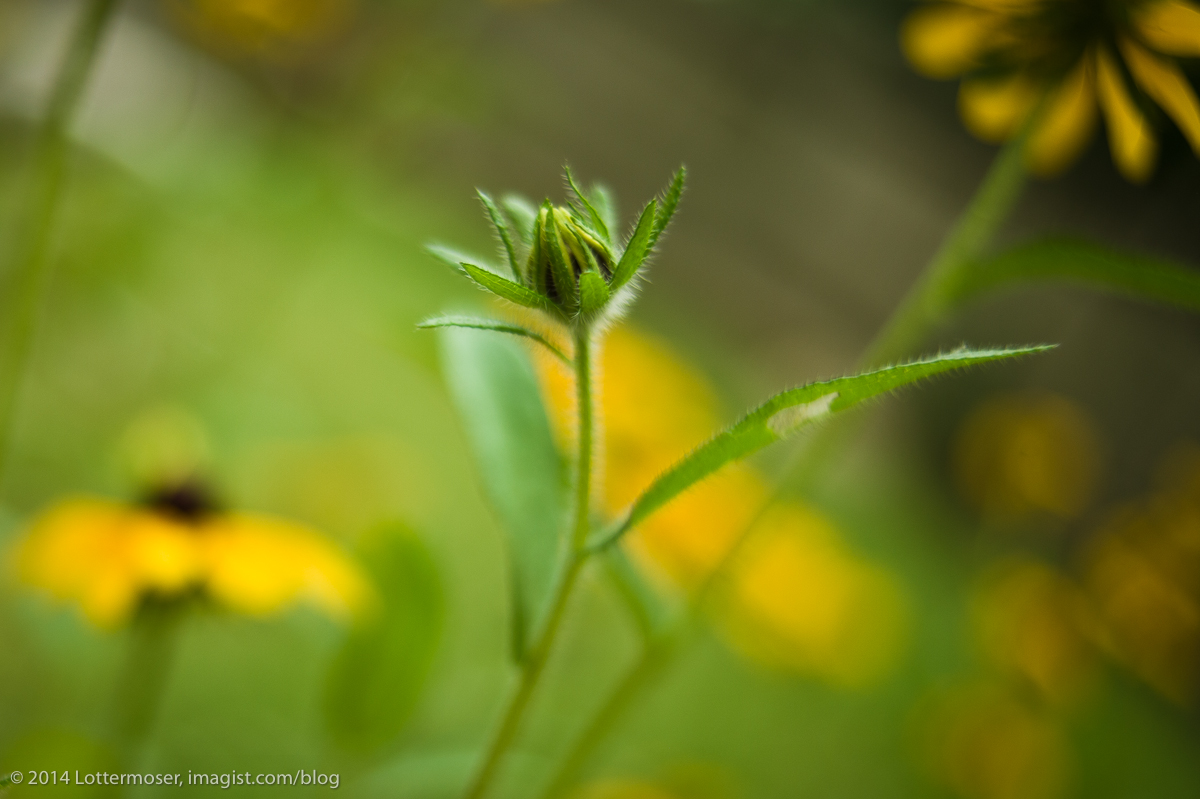
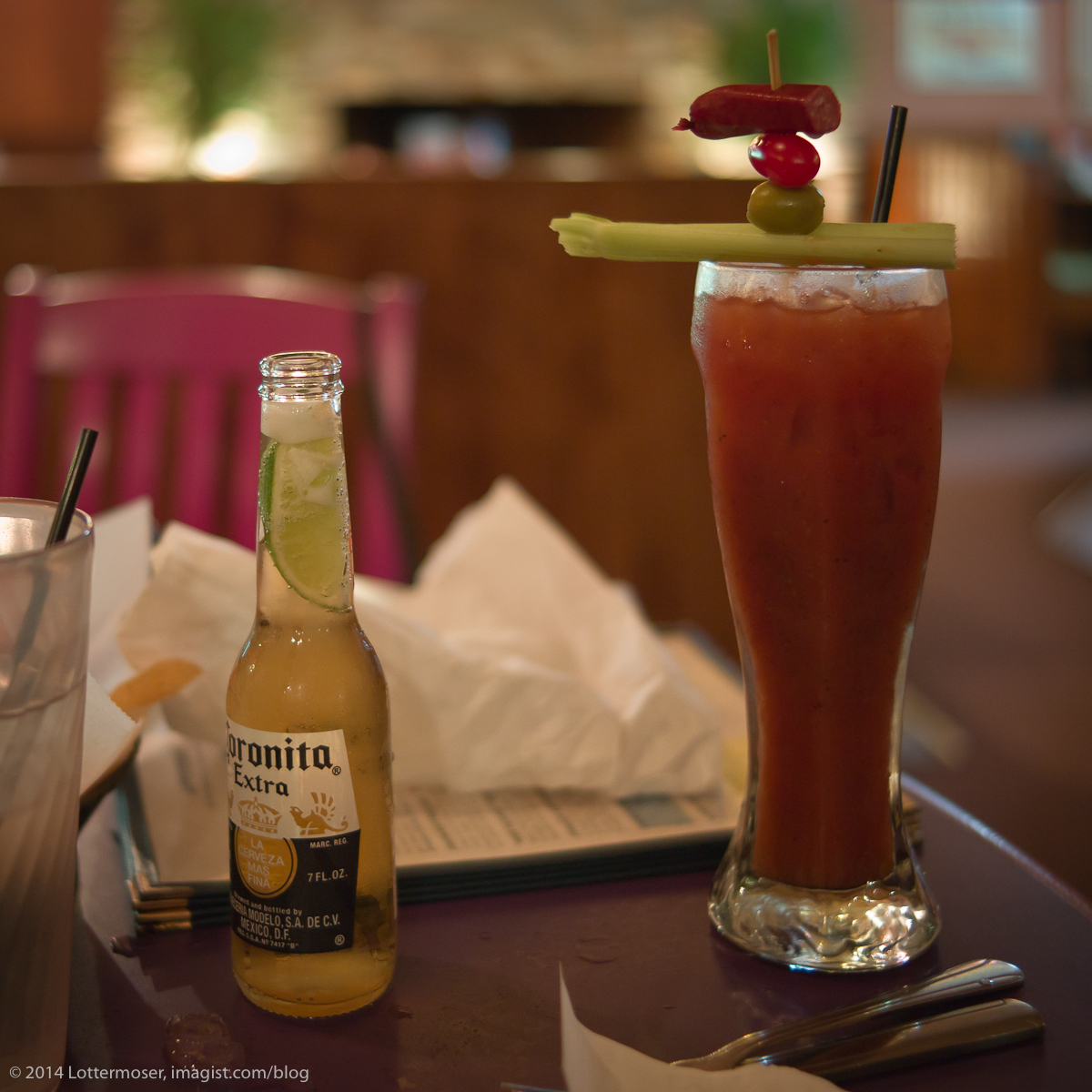
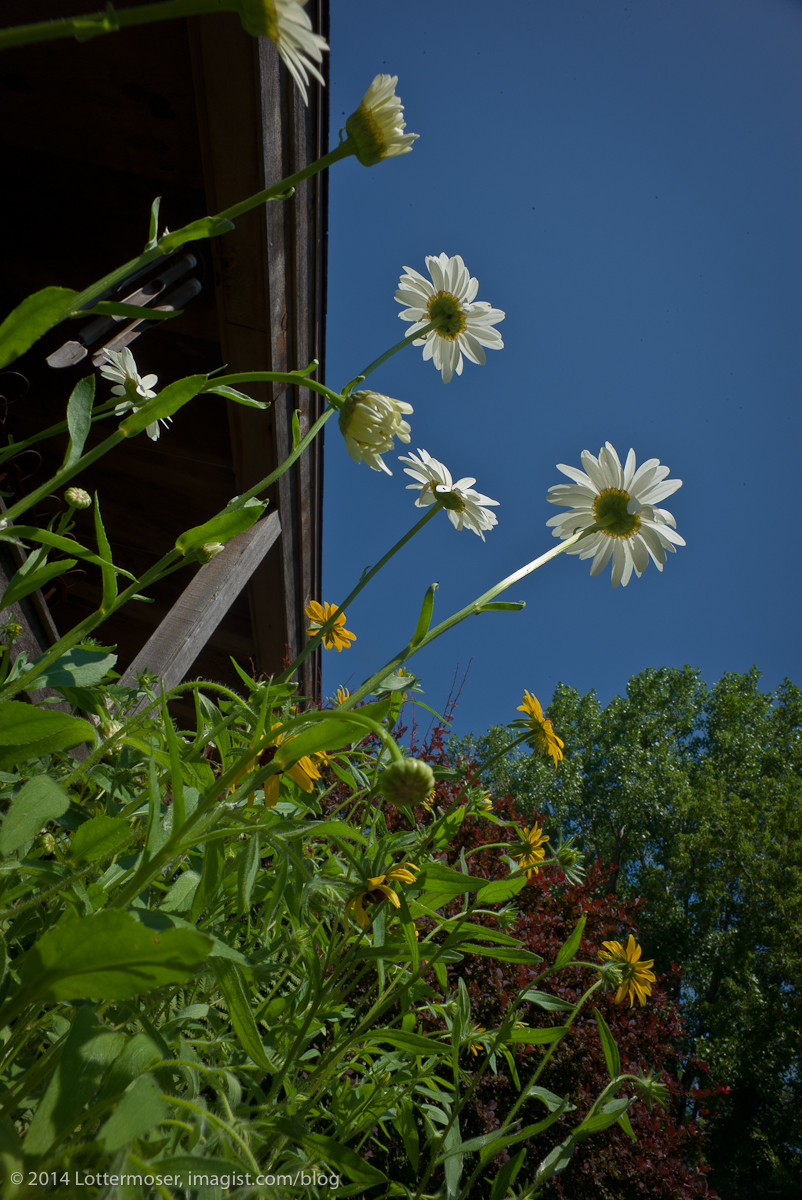
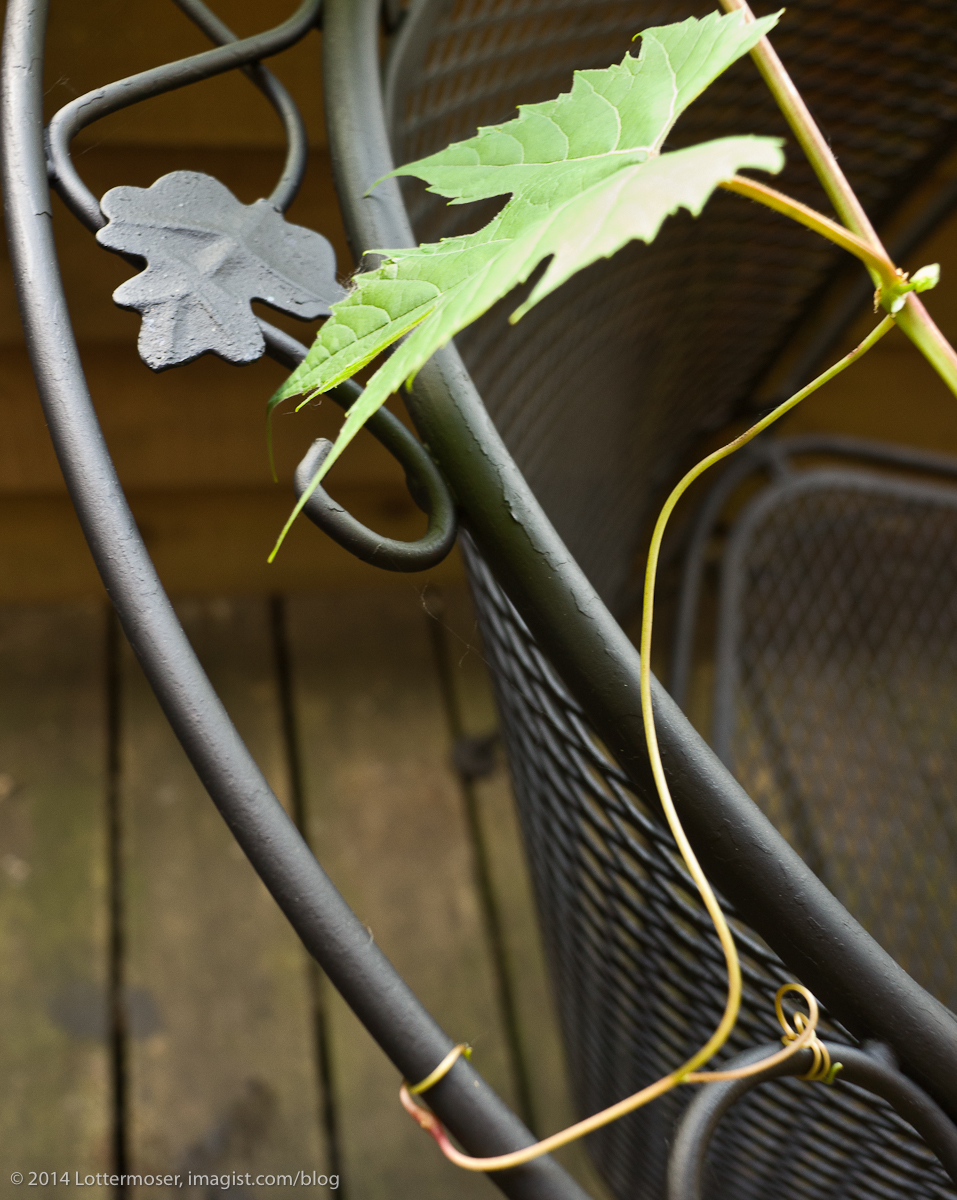
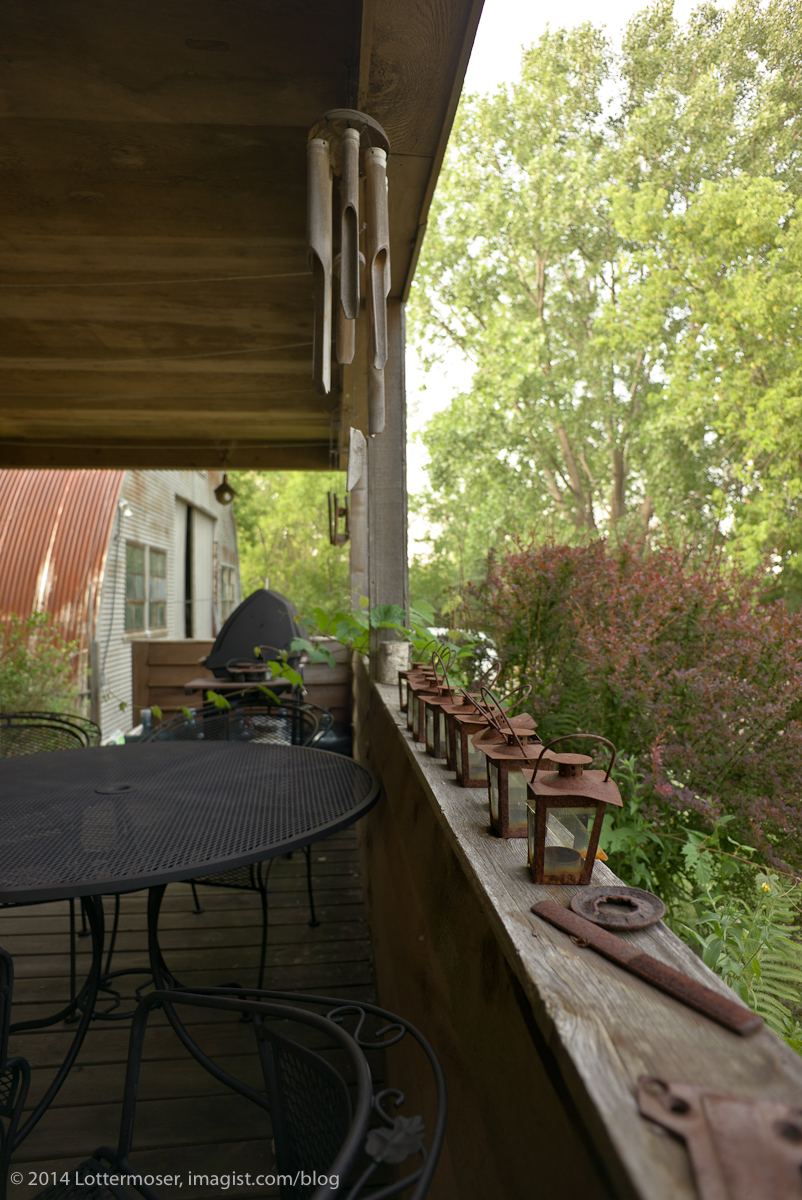
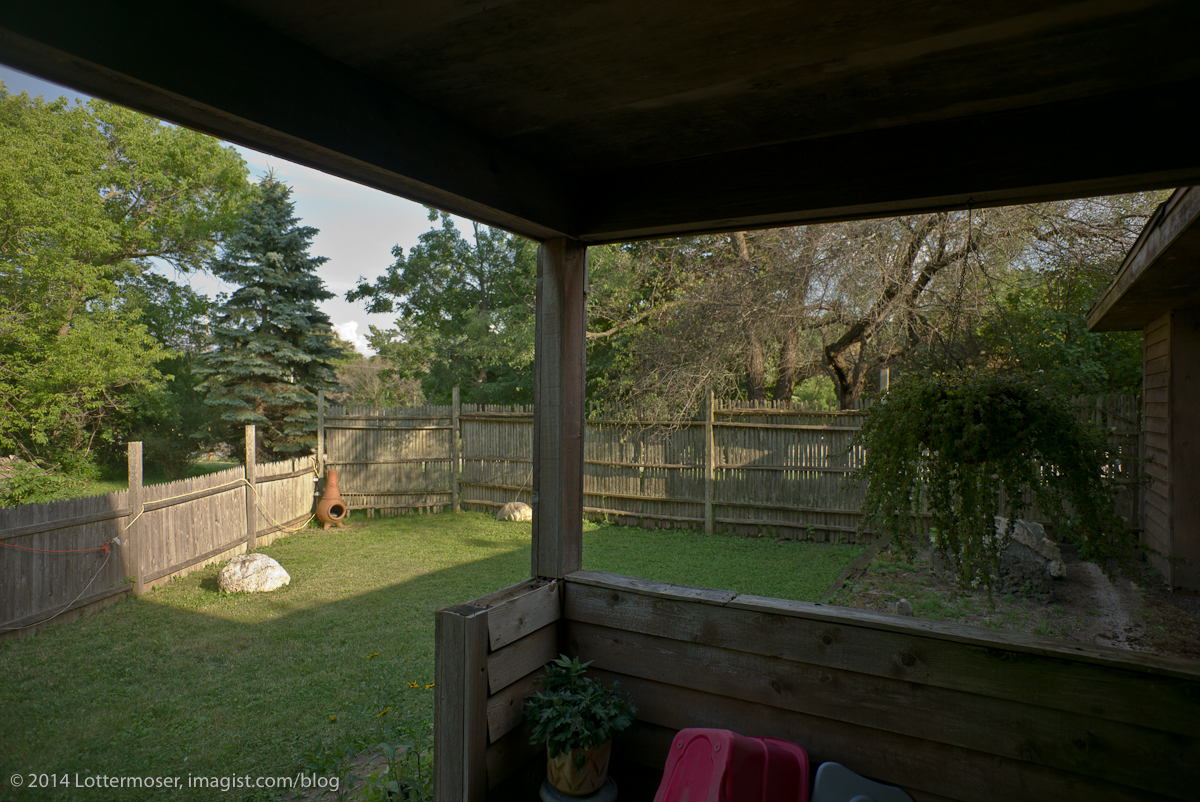
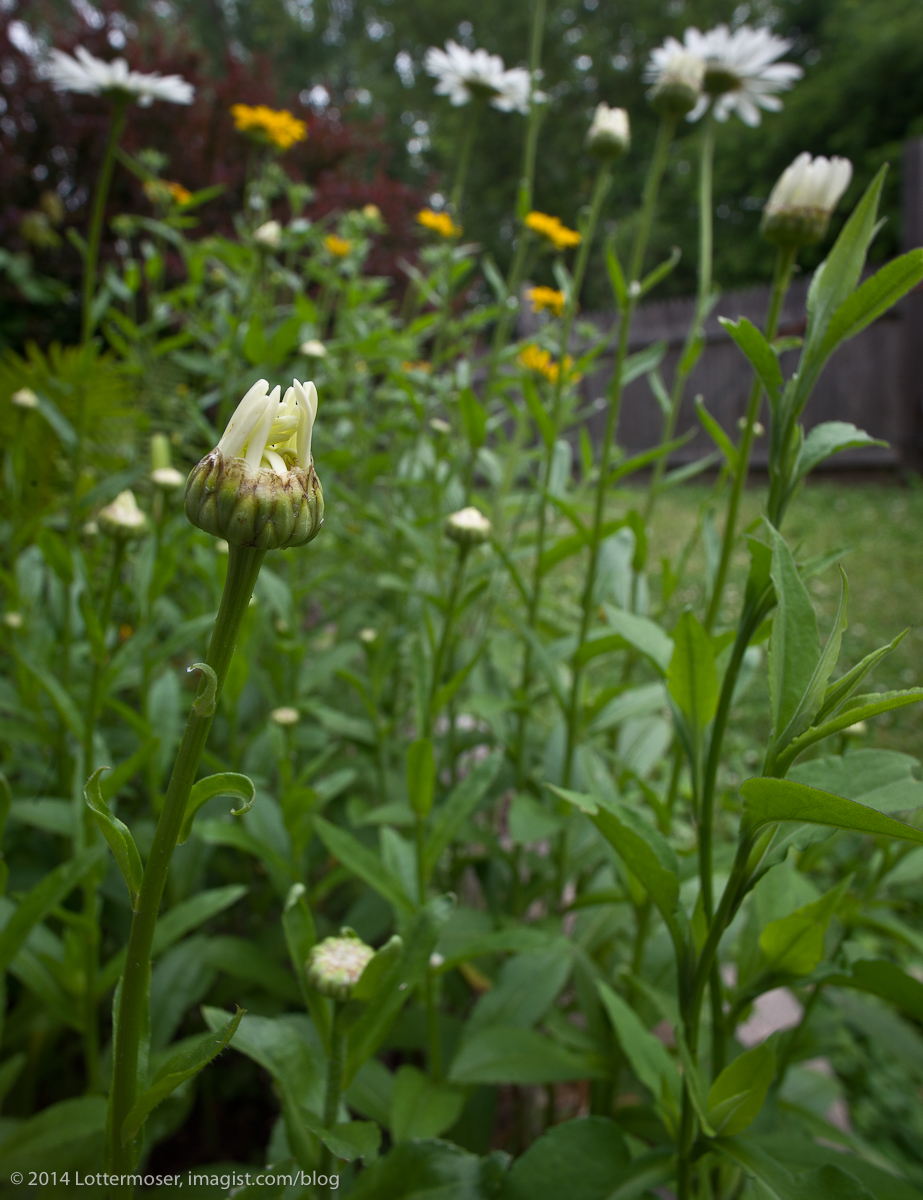
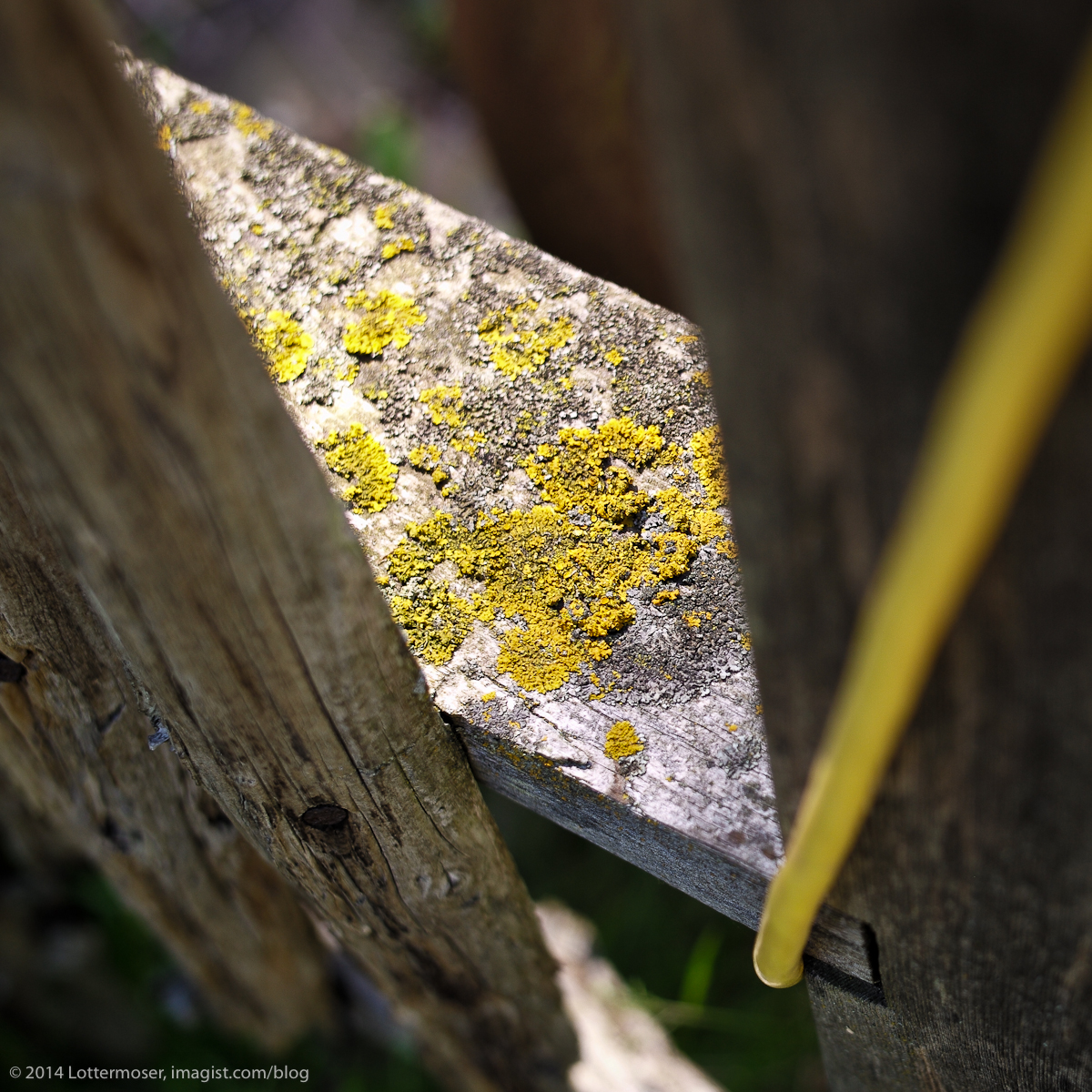
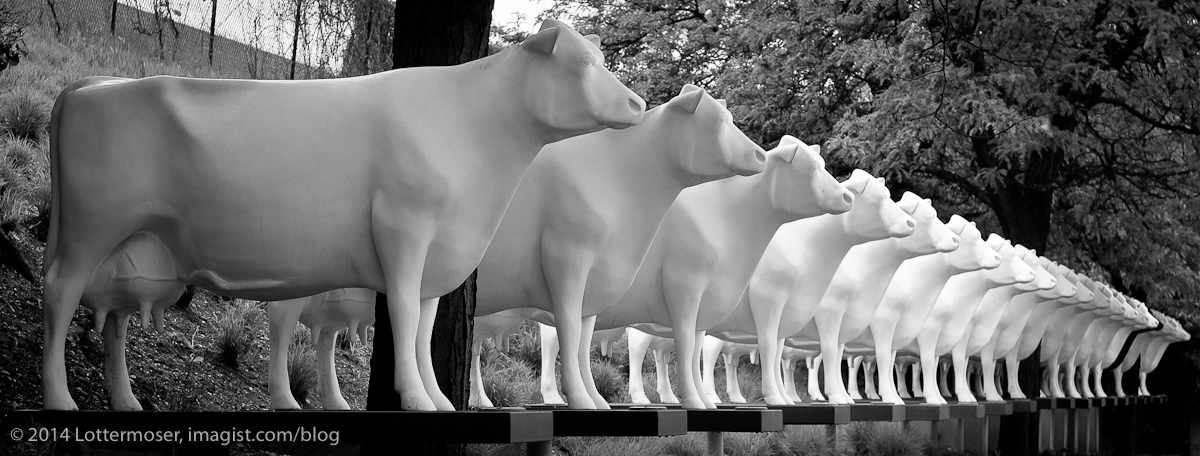
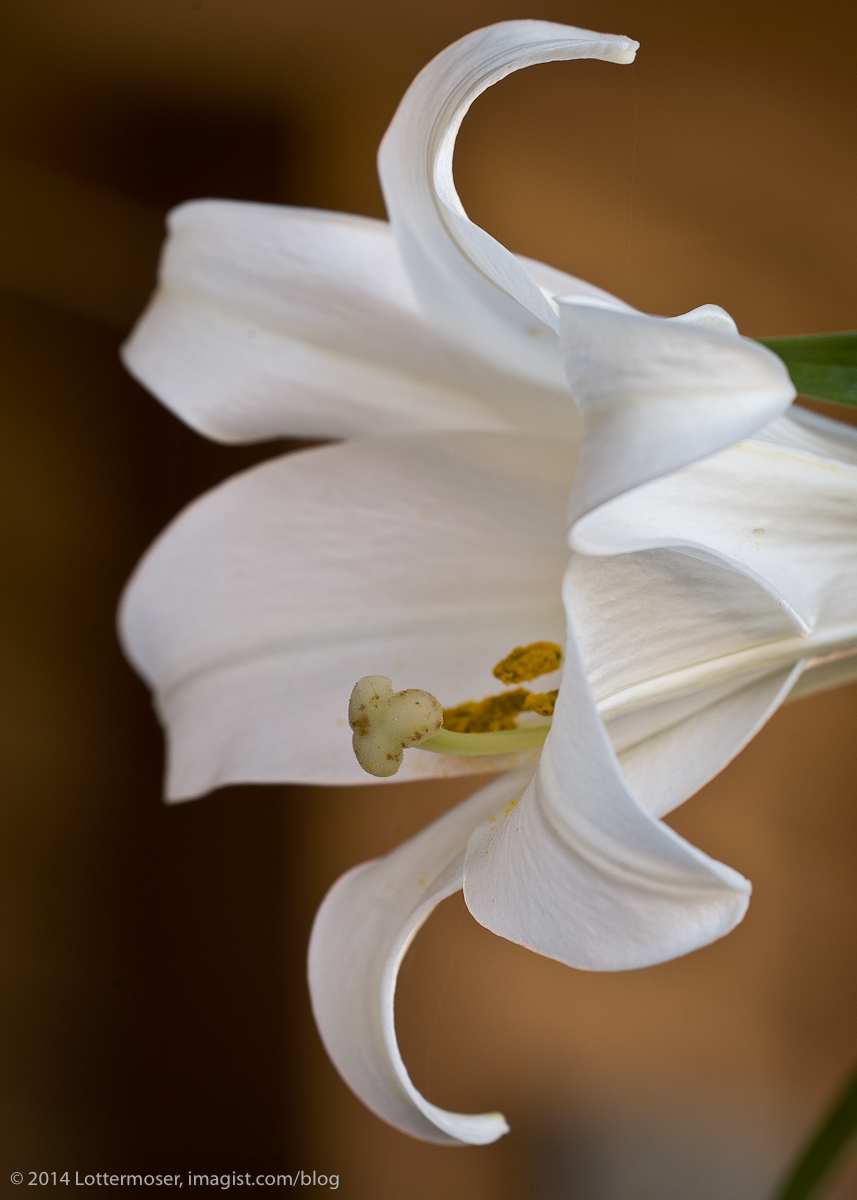
Friday’s Flora with Leitz Wetzlar Summilux—R 1:1.4 / 80 on Leica M (240)

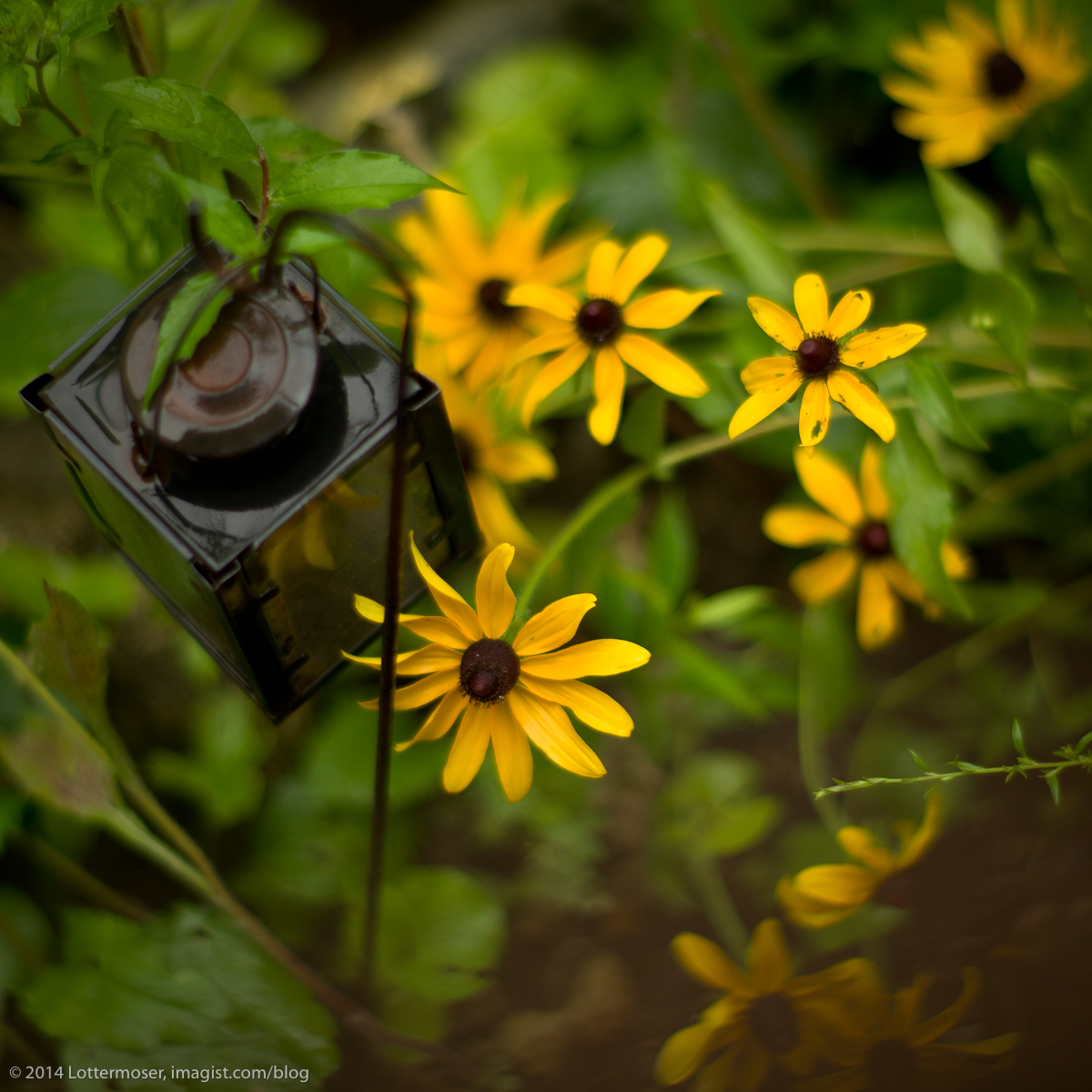
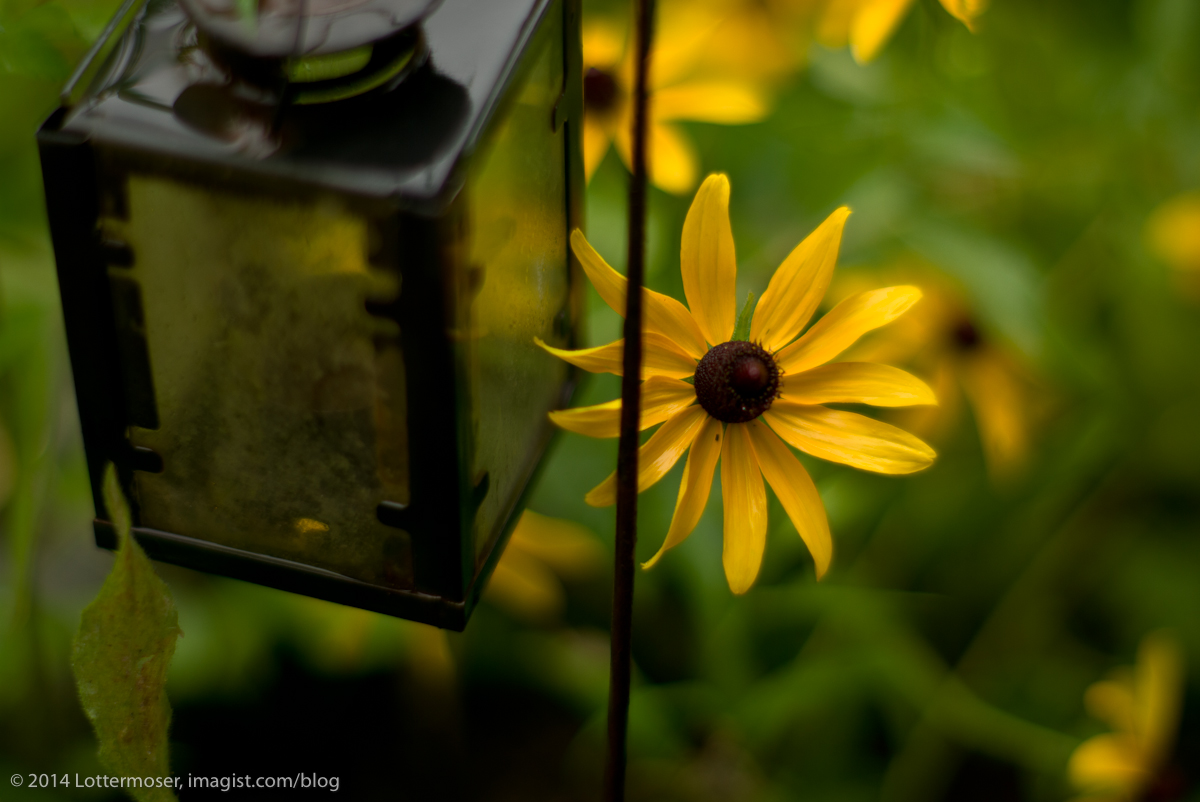
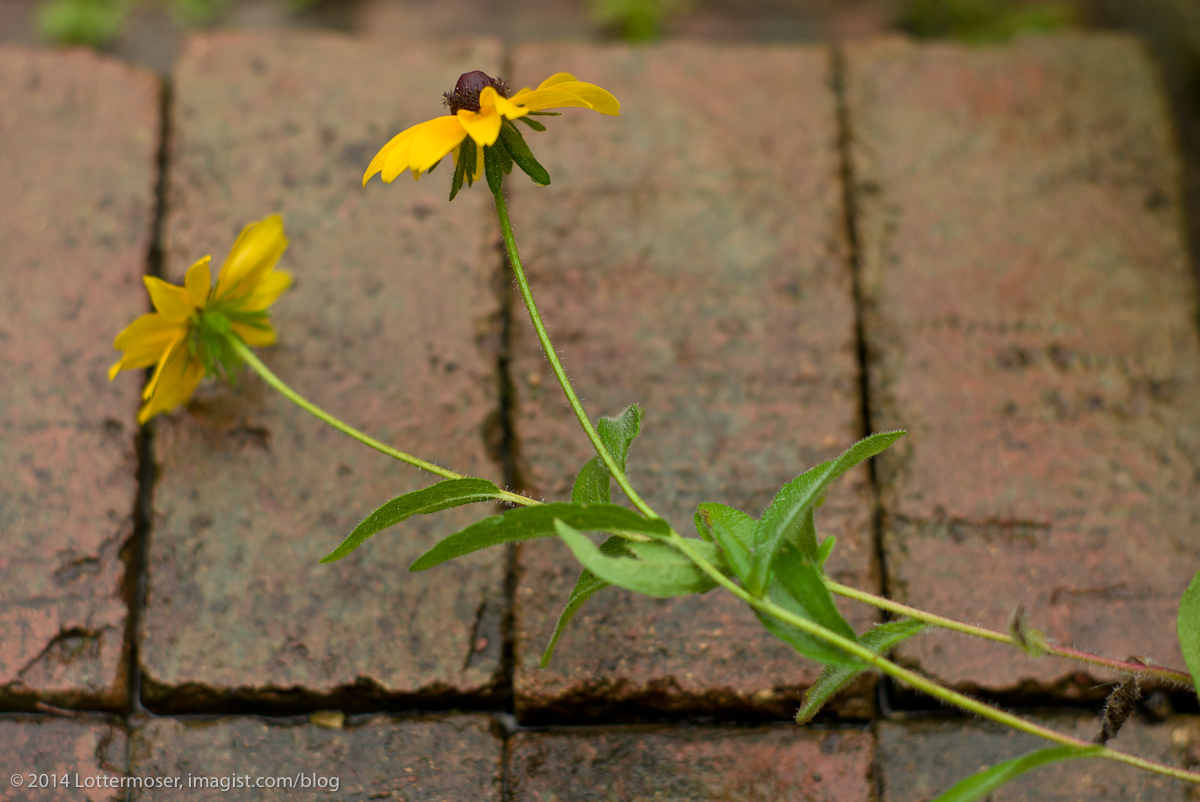
The 80 mm ‘lux mounted on the M makes for a relatively large and heavy package (by M standards). The 80 mm Summilux—R weighs in at 694 gr compared to the 560 gr of the 75 Summilux—M.  The 80 R will let you focus down to a tad under 32″. The 75 M will actually get you a little closer at 29″ – though when you consider the focal length difference it really becomes six of one and half a dozen of the other. At some point I need to do a side by side comparison of these two ‘lux lenses to discover if there’s any significant difference between their signatures; ease of focus; or any other distinctions to take note of — or are they nearly identical twins?

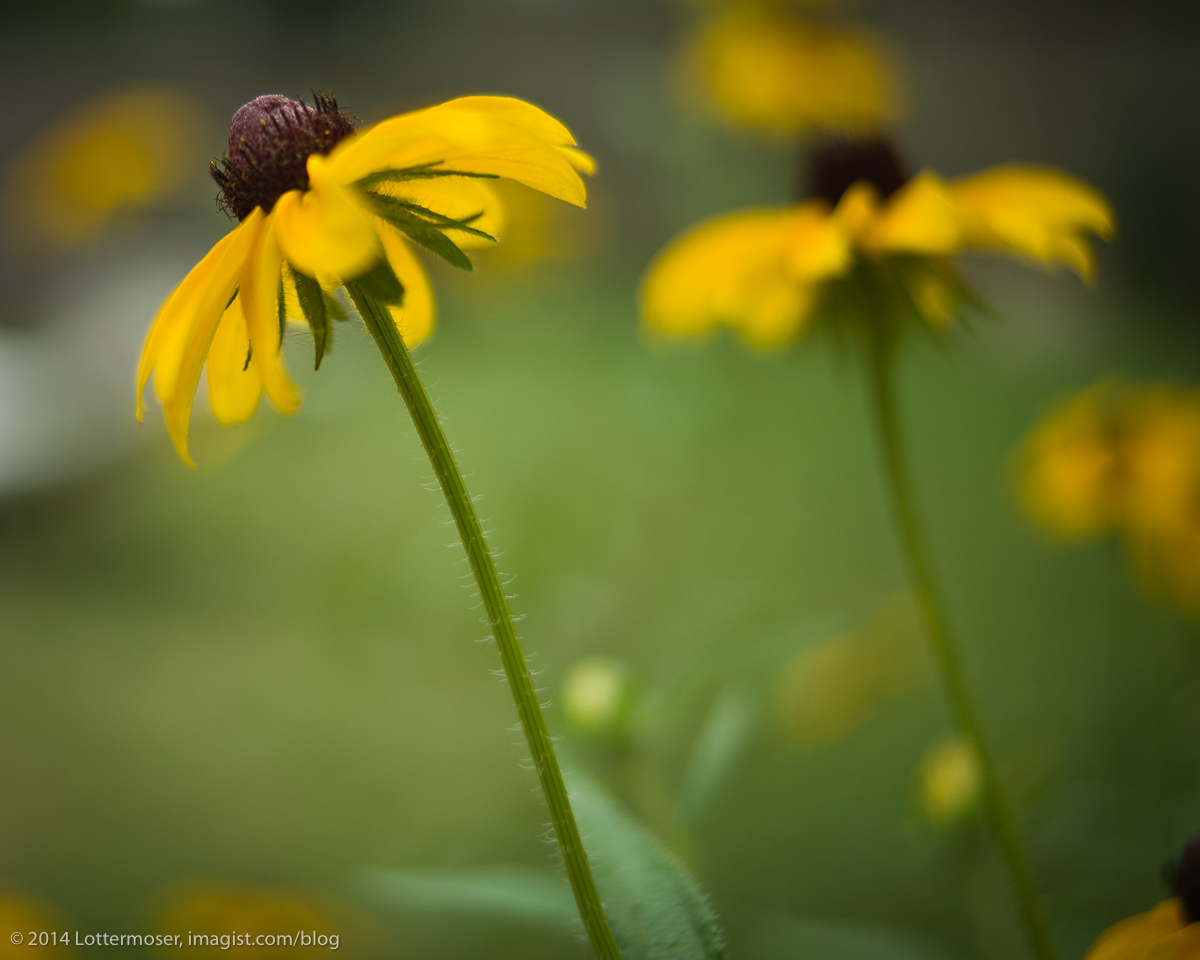
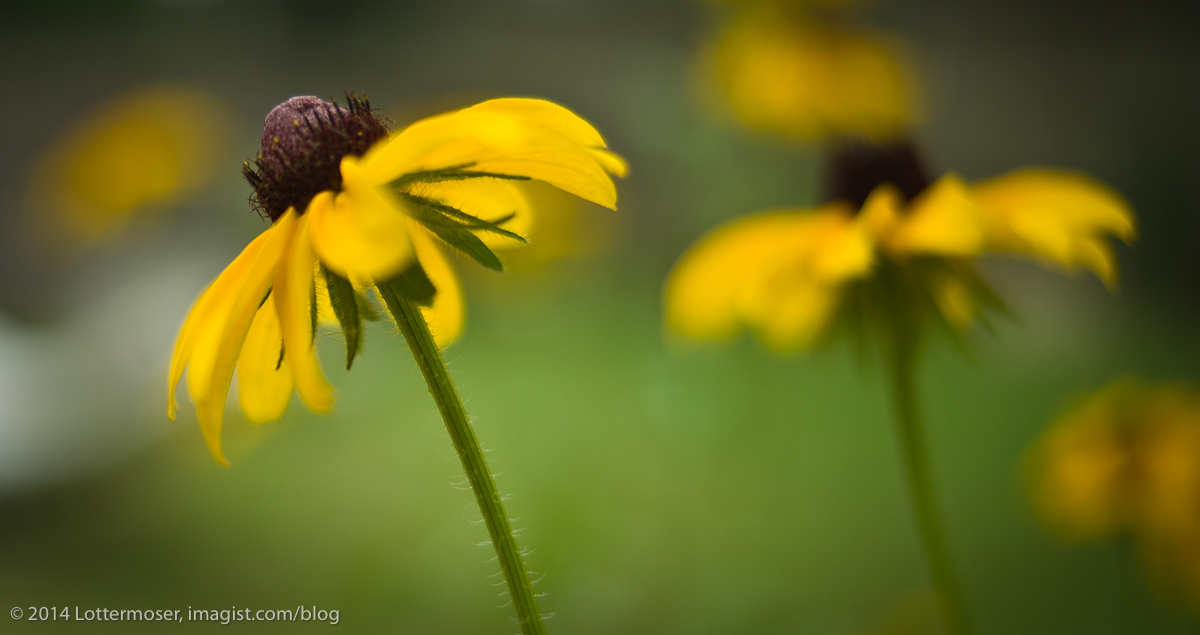
Of course the smooth transition from in-focus to out-of-focus areas, at virtually any f:stop, defines these classic Leitz Summilux lenses.

(click photograph for larger view)

L1000341

L1000342

L1000343

L1000345

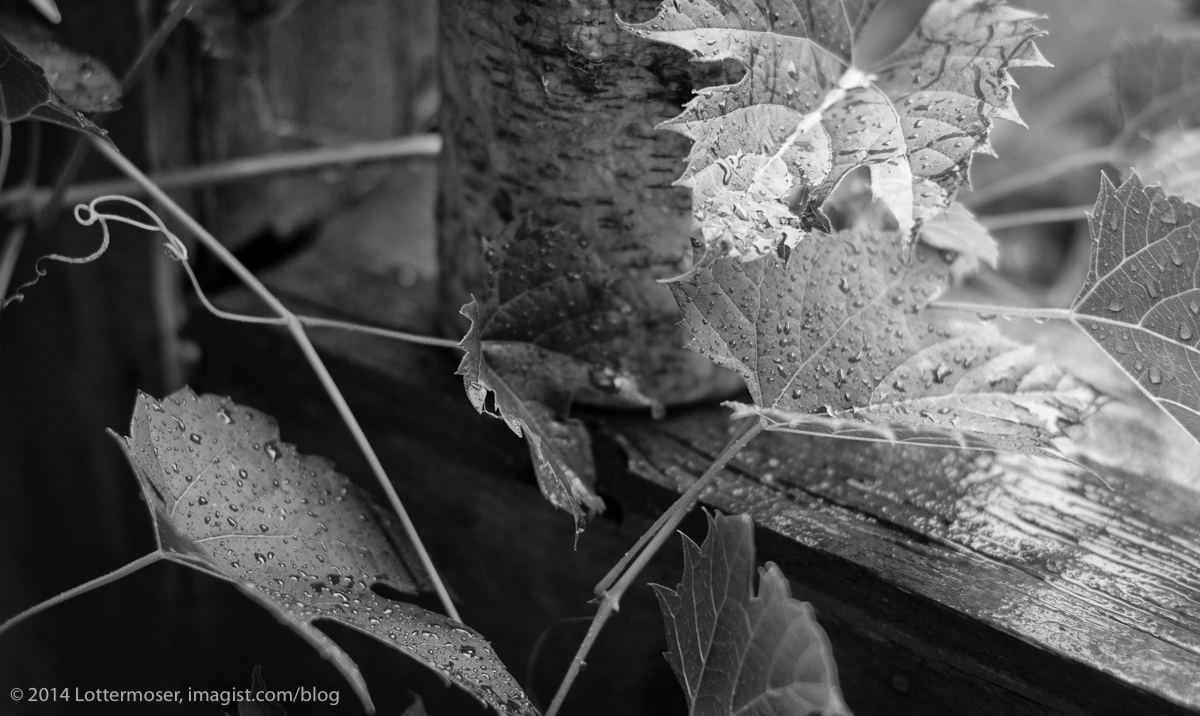
I always carried the Apo 2X Extender with my R cameras because it’s a small, light accessory which gives significant reach to whatever lenses I may be carrying. So, since using the M with R lenses, I’ve done the same. You’ve seen some examples of using the extender with the 60 mm Macro Elmarit. Below are a couple examples using the 2X with the 80 ‘lux — essentially turning it into a 160 mm f:2.8 (wide open). The first with lens set around f:2.8 (effectively 5.6 with 2X). The second with lens set at f:5.6 (effectively 11 with 2X).

L1000346

L1000348

Leica M, 80 mm Summilux—R

The Leitz Wetzlar Macro-Elmarit-R 1:2.8 / 60 on the Leica M (240)

Locking the 60 Macro-Elmarit-R on to the Leica M, with M to R adapter, Multifunction Grip and EVF results in yet another relatively light, relatively small, very well balanced and extremely versatile kit. The ability to focus from 1:2 to infinity without additional hardware is very reassuring for a lover of close views of the world’s details.

(click photographs for larger view)

L1000320

The 60 works as a fine short distance portrait lens.

L1000321

Oops. Forgot to reset the Manual Lens Detection. So the EXIF shows the 50 cron rather than the 60 Elmarit in the first three samples above. Rest assured every image in this post was shot with the 60 Elmarit—R; irrespective of the EXIF data.

Throwing the Macro-Elmarit-R 60 Extension Tube in the bag extends the range to include 1:1 through 1:2 with little extra weight… though may mean taking the 28 Summicron out of my fairly tiny “everywhere every day bag.” No. I can fit the tube and the 28 too!

L1000322

Popping the Apo-Extender-R 2X makes a remarkable 120mm 5.6 Macro which adds working distance and different depth of field to both macro or other medium long focal length possibilities — all while taking up very little space or weight in the bag.

L1000325


L1000327

L1000328

L1000330

L1000331

L1000332

Now why in the world would the above photograph be tac sharp and the one below be unsharp?
Both were shot handheld at a 1/1000th of a second. Hard to imagine that the bottom one involves movement.
Both used focus assist with the “red” lighting up appropriately on the intended subject. What the hell’s going on here?
Infinity focus issues? Hard to imagine that at around f:8 with a 60 mm. Any ideas?

L1000333

L1000334

L1000335

L1000336

Leica M, 60 mm Macro—Elmarit—R

 Next up: Leitz Wetzlar Summilux—R 1:1.4 / 80

Leitz Wetzlar Summicron-R 1:2 / 35 on Leica M: So, so sweet.

The Leitz Wetzlar Summicron-R 1:2 / 35 hanging on the Leica M (240) with Multifunction Grip and EVF truly feels like a terrific walk around kit. Extremely well balanced. Able to focus down to less than 10″; while offering a slightly wide field of view; yet maintaining terrifically natural sense of perspective and scale. And of course the Summicron signature has always flattered its subjects.

Shooting with this kit reminded me how much I’ve missed using these wonderful lenses on a 24 x 36 frame. Post processing brought back memories of my favorite “old Agfachrome.” Of course I could have also post processed them as “ekta… fuji… koda… or whatever other …chrome.” Though I always found Agfachrome to most closely synch with how I perceived “natural” color in the world; just as I always found a 35 mm focal length to most closely synch with my “natural field of view and sense of scale and perspective.” Of course I also enjoyed the drama of wider focal lengths; as well as the compression achieved with longer focal lengths.

(click photograph for larger view)

Pull the cap and check that close focus… wide open… not “macro”
though certainly a wonderful “are you ready for your closeup?” lens.

L1000247

Great field of view

L1000248

L1000251

L1000252

L1000253

L1000254

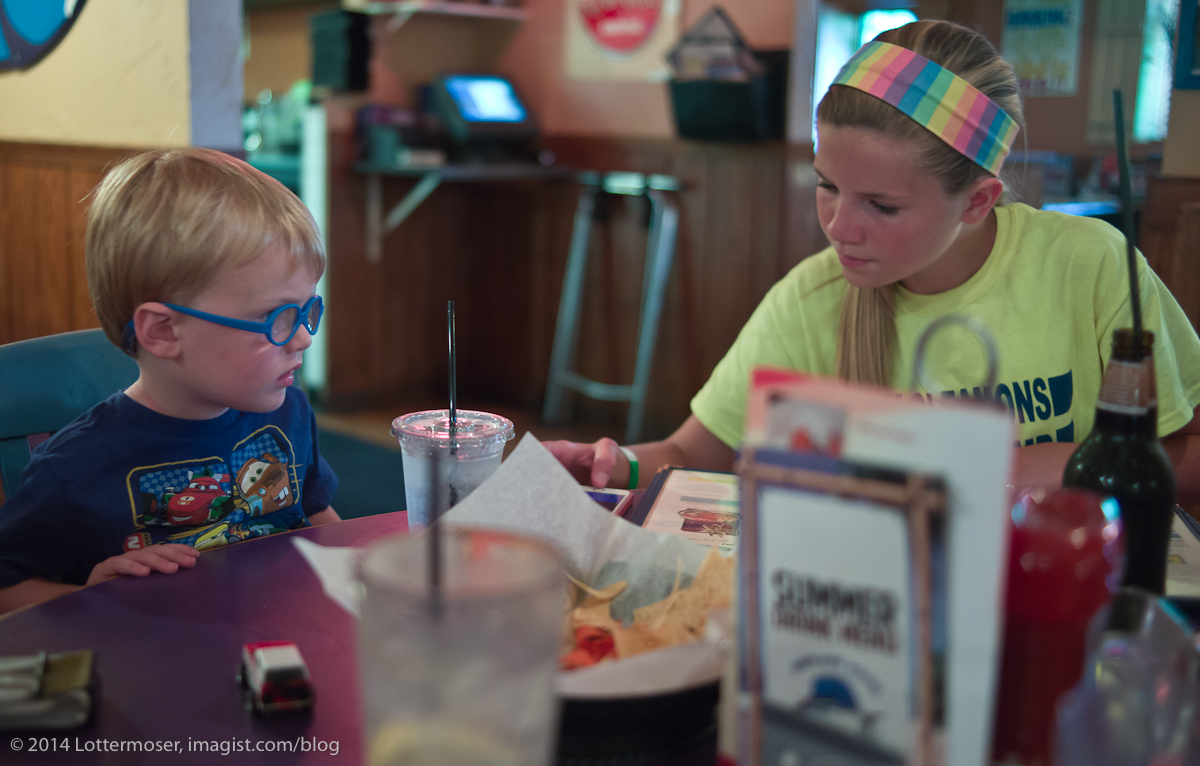
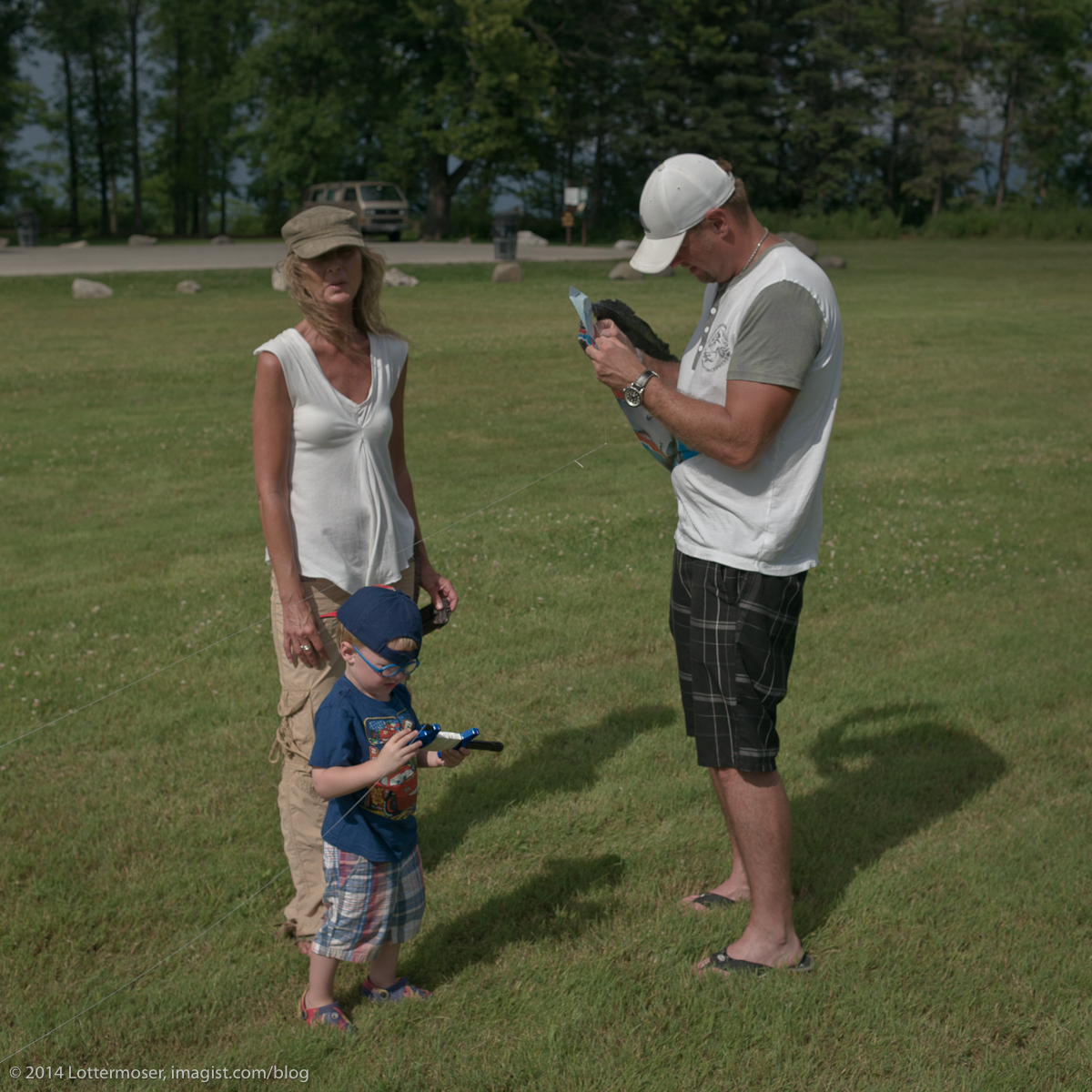
Fueling up while waiting for the rain to pass… before the Virmond Park Kite Fesball can begin.

L1000255

L1000256

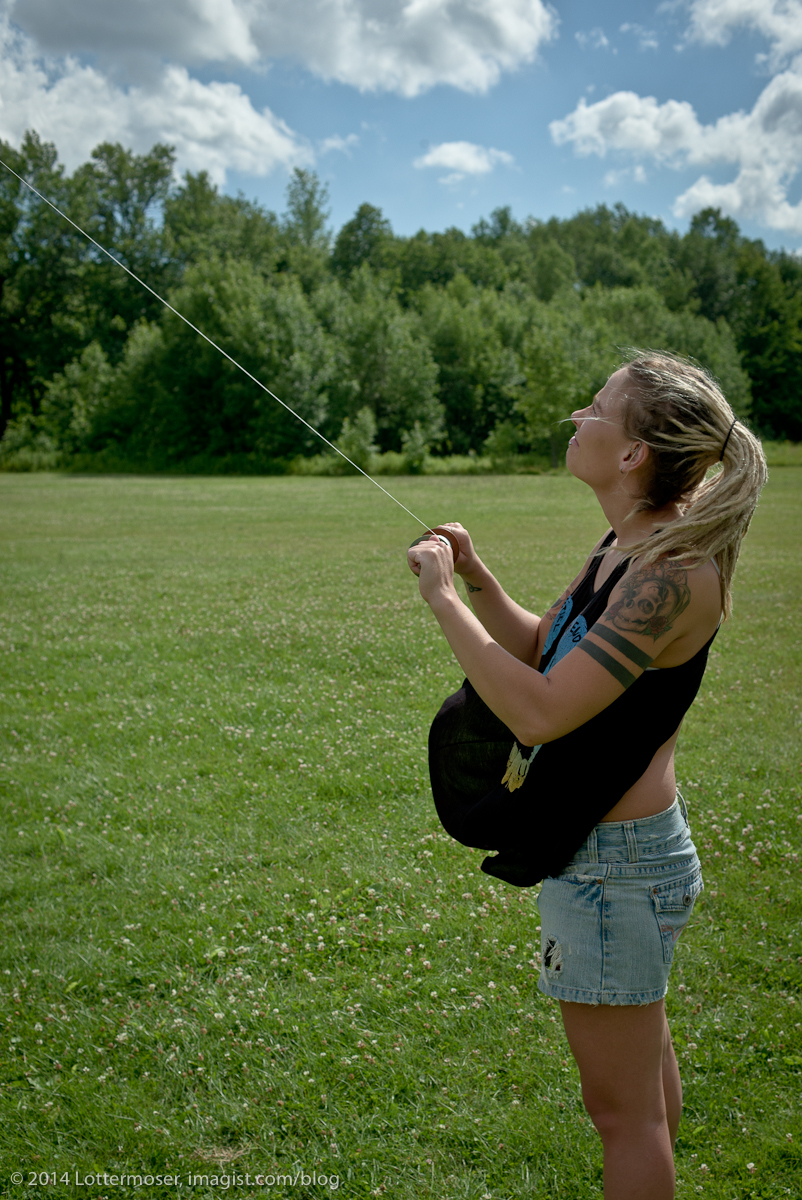
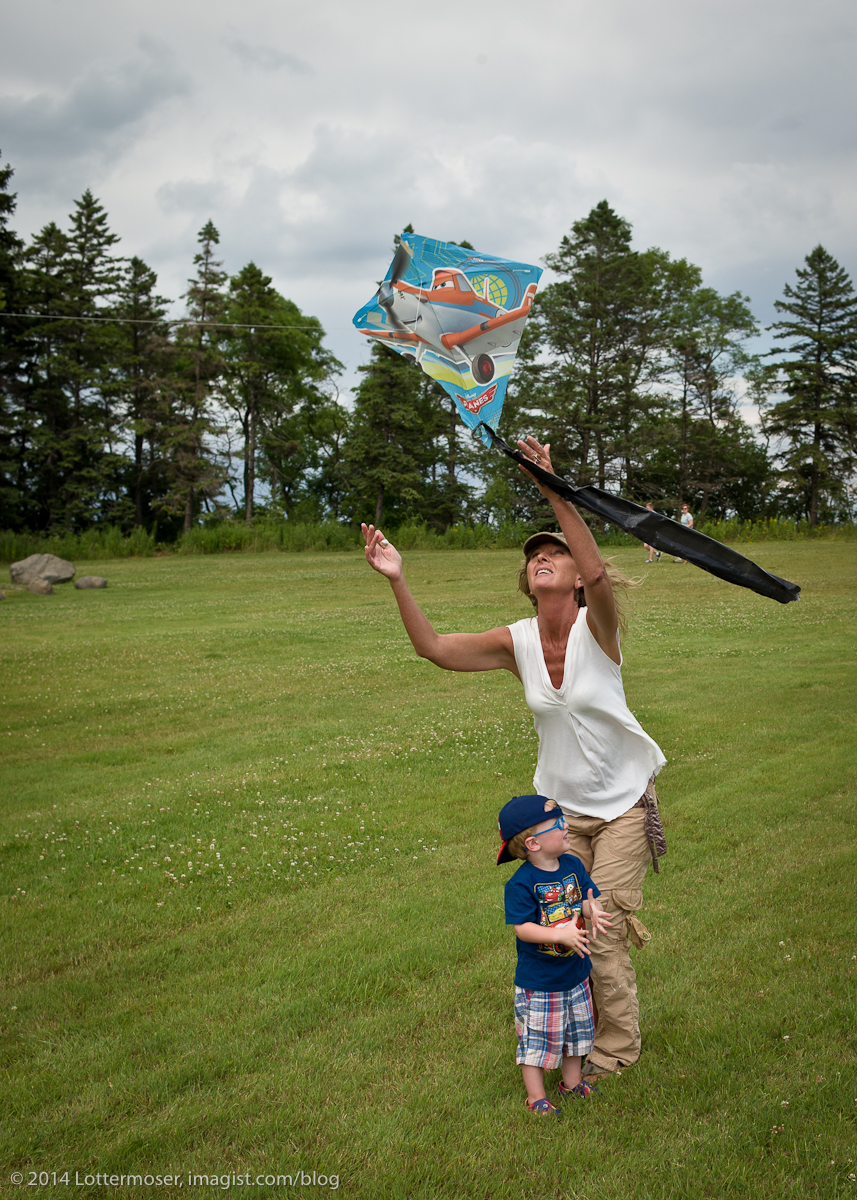
the 54″ wingspan kite took off like a rocket… especially after Ann opened up those wing tails.

L1000260

Jace’s little kite never quite made it… in spite of Dad and Nana’s tenacious efforts.

L1000261

L1000263

L1000264

L1000265

L1000266

L1000267

Leica M, Leitz Wetzlar Summicron-R 1:2 / 35

Leitz Wetzlar – Super Angulon – R 1 : 4 / 21 on Leica M: Memories are made of these

Yet again I find I cannot choose my 21/4/SA in the M>R Manual Lens Menu. That’s 3 for 3 (the 350, 15, 21) I can choose the 19/2.8 or the 28/2.8. So I choose the 19 – another lens that I continue to lust after.

I grew up with Schneider designed Super Angulons always in my bag. During my photo journalist days (back in the 60s and 70s) the 21/3.4 Super Angulon lived on my M2 24/7. I still own a 58/5.6 SA XL, 121 mm SA, and 165 mm SA – though I really should sell them as I haven’t shot 4×5, 5×7 or 8×10 film in decades. I’ve also owned a 75 and 90 SA; and I think I’ve got a 65 Angulon in a box somewhere. Nostalgia keeps me hanging on to the point of silly – especially while packing to move – again. The point is they’re great, classic lenses. Sharp to the corners. Distortion free. Wonderful bokeh. Decent contrast for their vintage — the XL even more so on all counts.

Memories are made of these – nostalgic lenses documenting moments around the house I designed and built (with the help of family and friends) 30 years ago – and which will soon be demolished to become a parking lot. Again I’m reminded of why I love this R lenses – it, like must R lenses, focuses exceptionally — less than 8″ — close!

And I’m delighted to see that my vintage 21/4/SA-R performs as I’d expect — wonderfully — on the Full Frame M sensor. It does show a tiny, easily manageable bit of barely perceptible magenta color shift out on the very extreme edges. It also shows a minuscule amount of chromatic aberration – also easily eliminated with a tiny correction in Lightroom.

Next up: Leitz Wetzlar Elmarit-R 1 : 2.8 / 24

(click photograph for larger view)

L1000199

L1000201

L1000202

L1000203

L1000204

L1000205

L1000207

L1000209

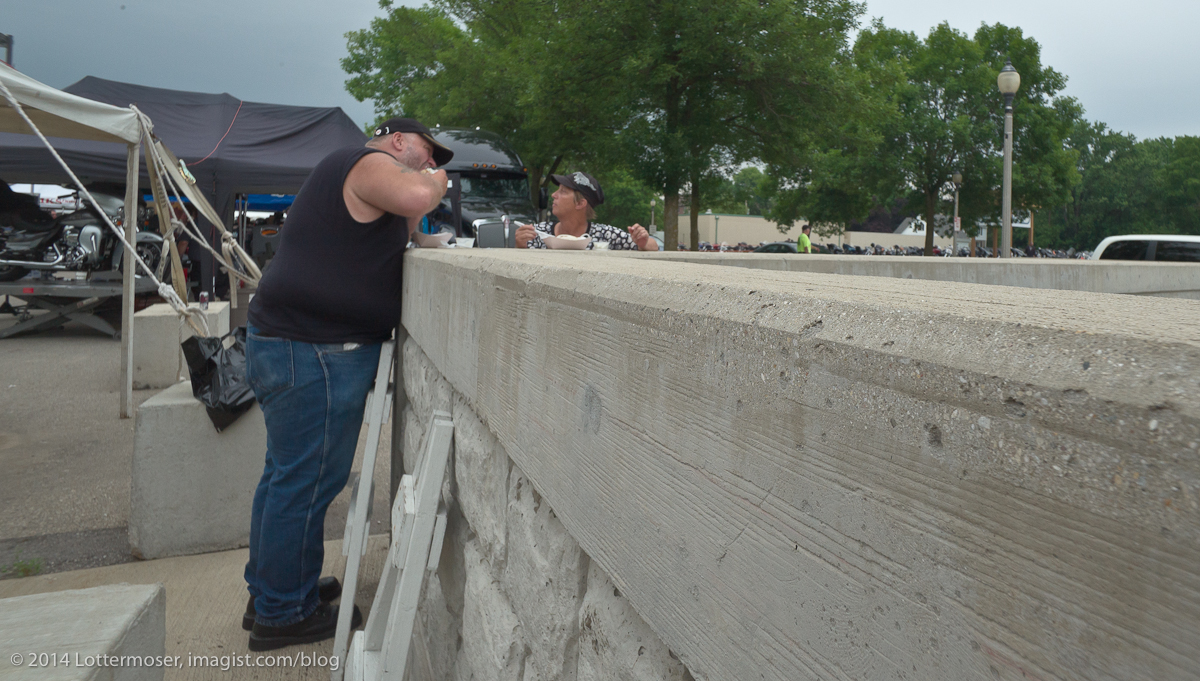
Leitz Wetzlar 15 mm Super Elmar R on Leica M

The 15 mm Leitz Wetzlar 15 mm Super Elmar is another one of those lenses which performed admirably on film with all its “forgiving” qualities. Though when mounted on the R8/DMR we saw the inherent “issues” of the lens amplified — specifically chromatic aberration and smearing of corners and edges — even on the DMR’s smaller cropped sensor the corners looked awful well into the frame.

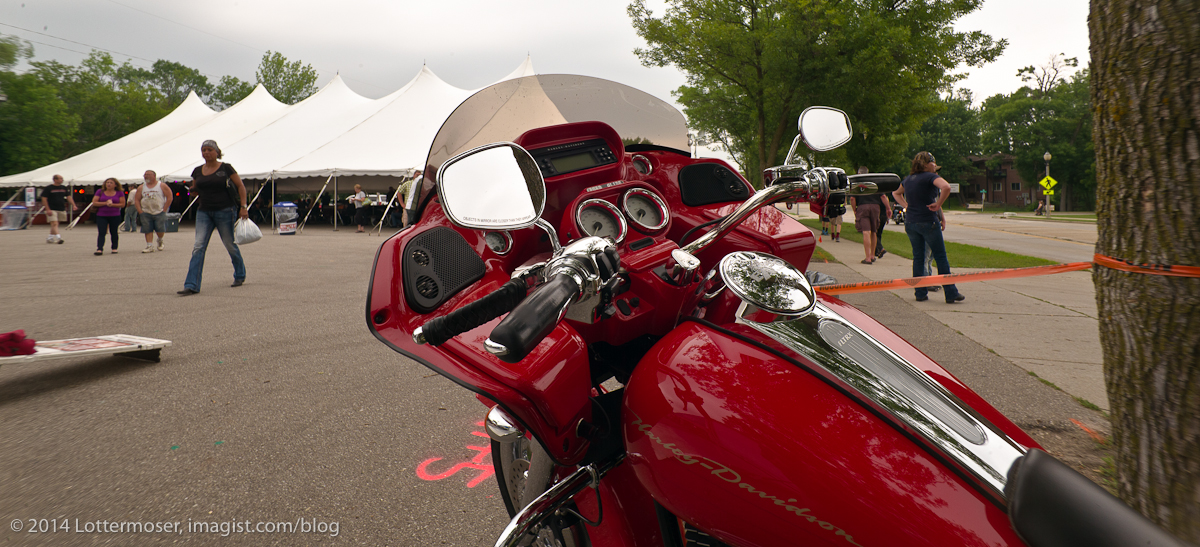
I was anxious to see how the M’s micro lenses and possible corrections would handle these issues when chosen in the  M>R Manual Lens Choice menu. Again I felt disappointed that the Super-Elmar did not appear in the M>R lens menu – so chose the newer Super-Elmarit from the list — stepped out into the yard and enjoyed the amazing close focus of these R lenses. I checked a couple files on screen and proceeded to bike into Thiensville to check out the Suburban Motors mini Harley Fest with the 15.

The results certainly show potential for the lens. The chromatic aberration is still present of course — though seems a bit easier to correct in Lightroom then the DMR files. On the Full Frame sensor of the M the corners still appear a touch smeared — though not nearly as obviously so as on the DMR sensor. The lens remains a bit of a beast to tame. Finding the hyperfocal distance at any given aperture seems a bit of a crap shoot as the lens behaves so weirdly on the edges and corners. Twas a time when I really had a good feel for using this lens on film. It now feels like I need to practice and experiment to figure out best working methods with the M’s EVR and all.

When shooting using a set hyperfocal distance it seems to require taping the focus ring down – as my handling the lens on the M seems to constantly shift the focus into the close focus range. The focus isn’t particularly loose either. I don’t recall this issue when I used this lens on the much larger and heavier R8 body with film.

(click photo for larger view)

L1000186

L1000187

L1000188

L1000191

L1000192

L1000194

L1000195

L1000196

L1000197

Leica M, Leitz Wetzlar 15 mm Super Elmar

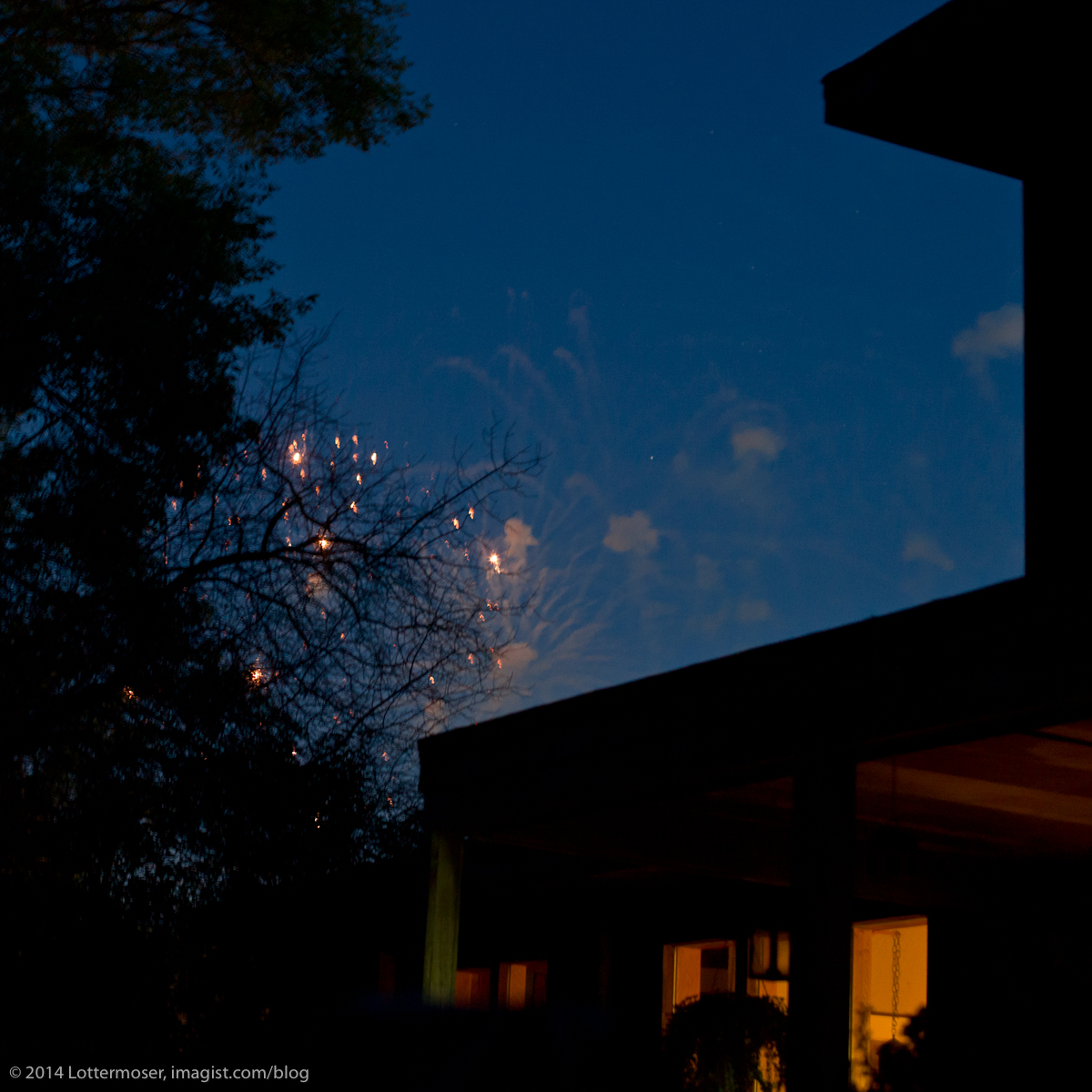
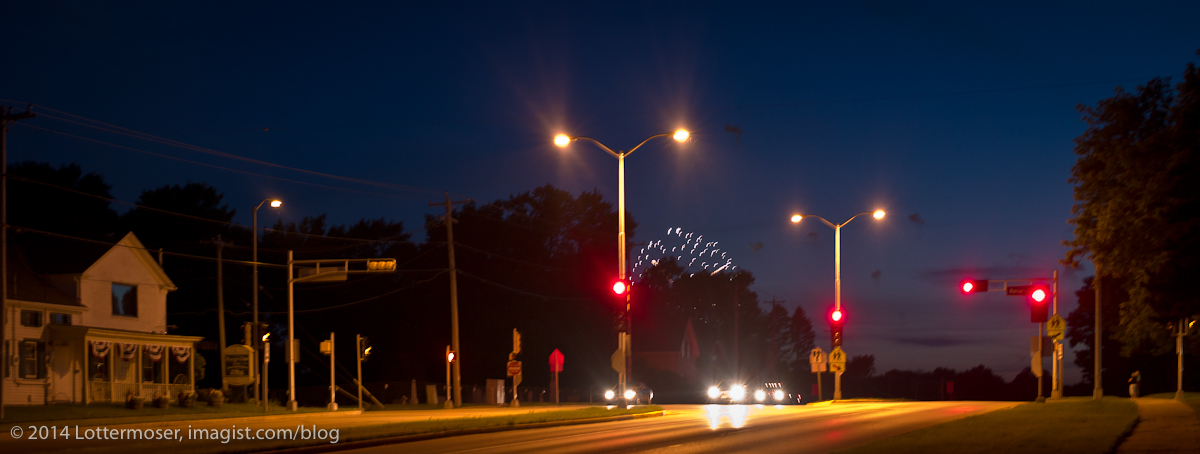
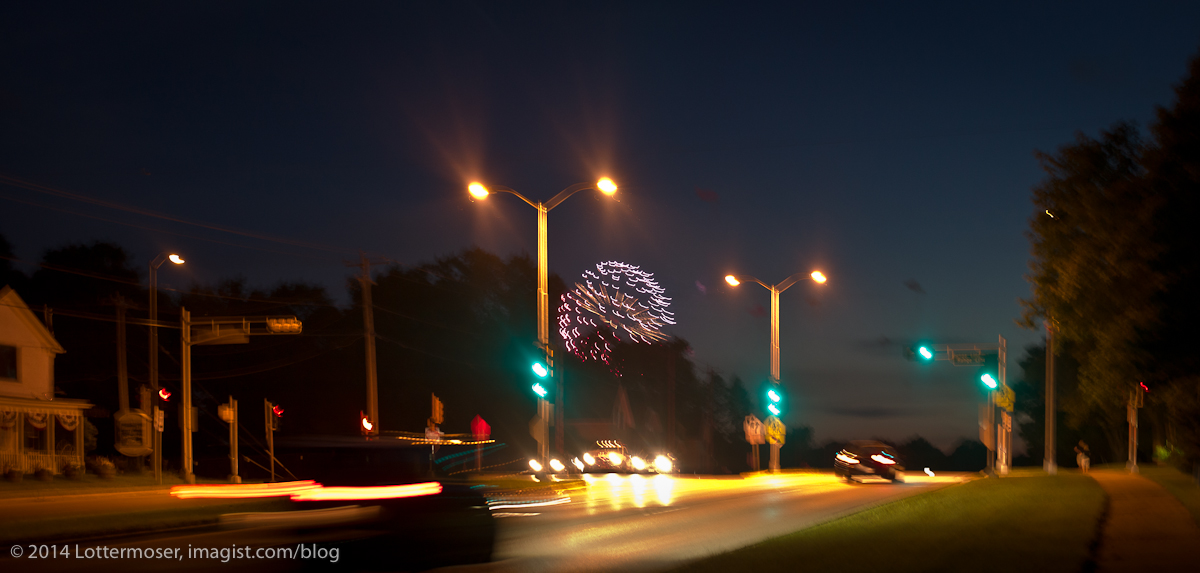
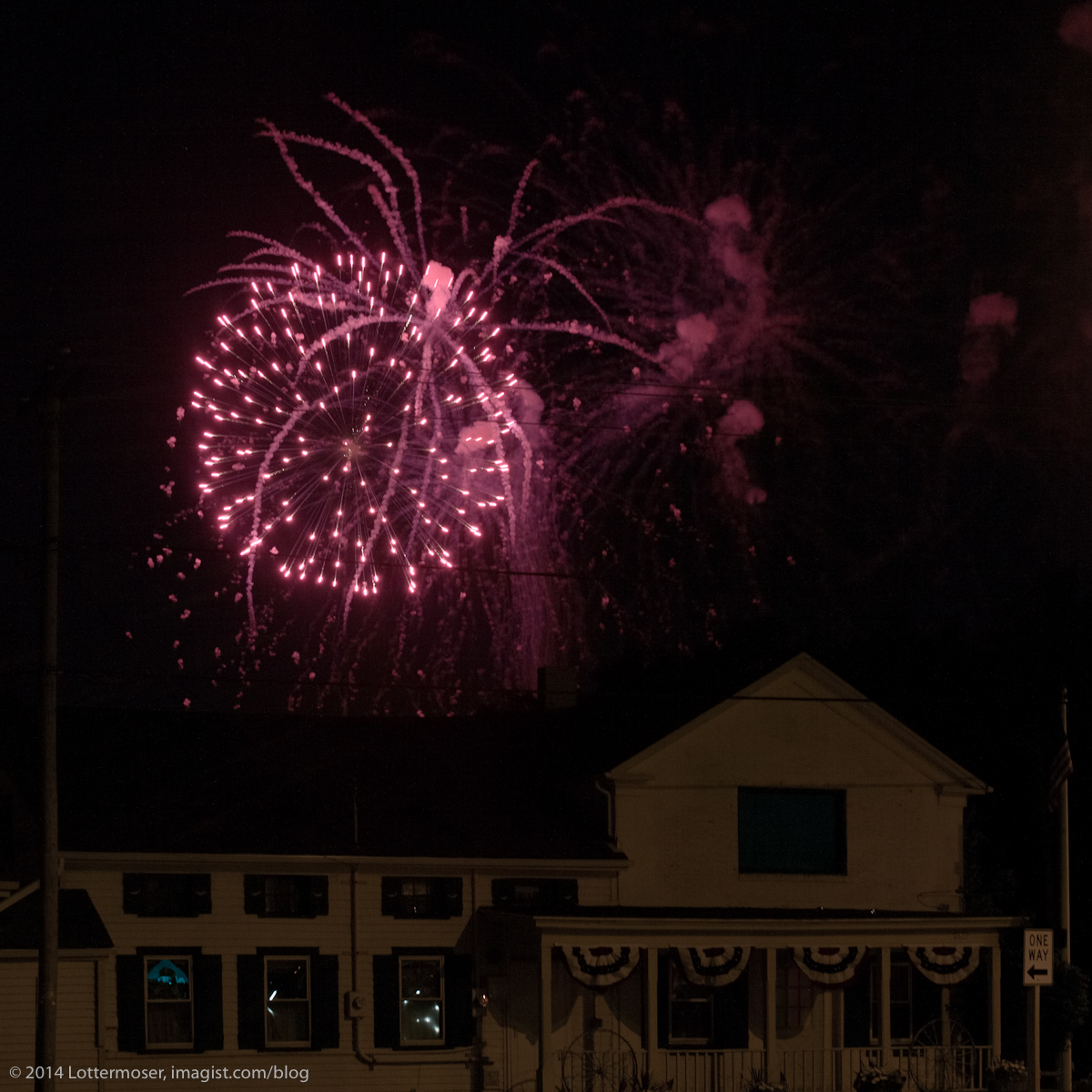
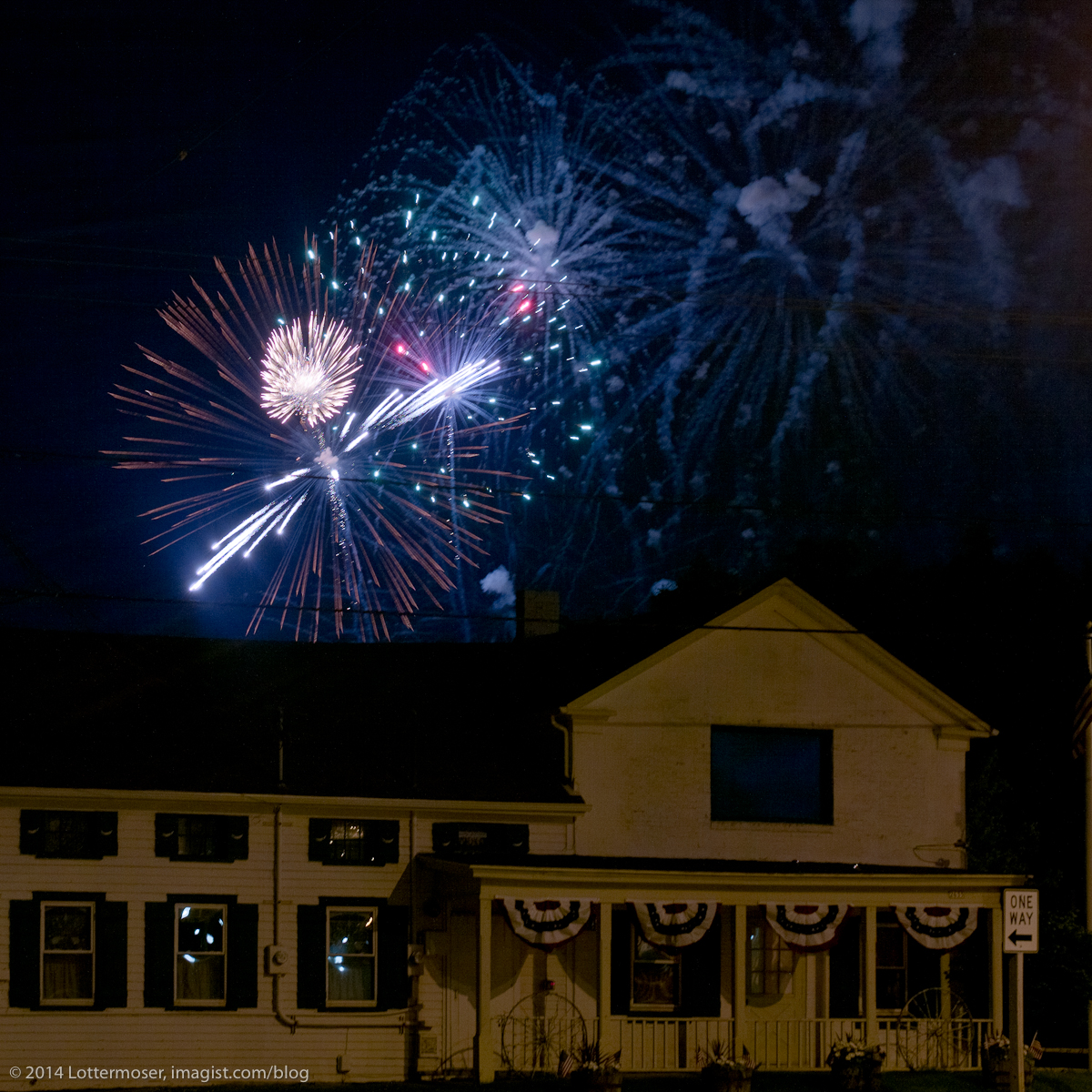
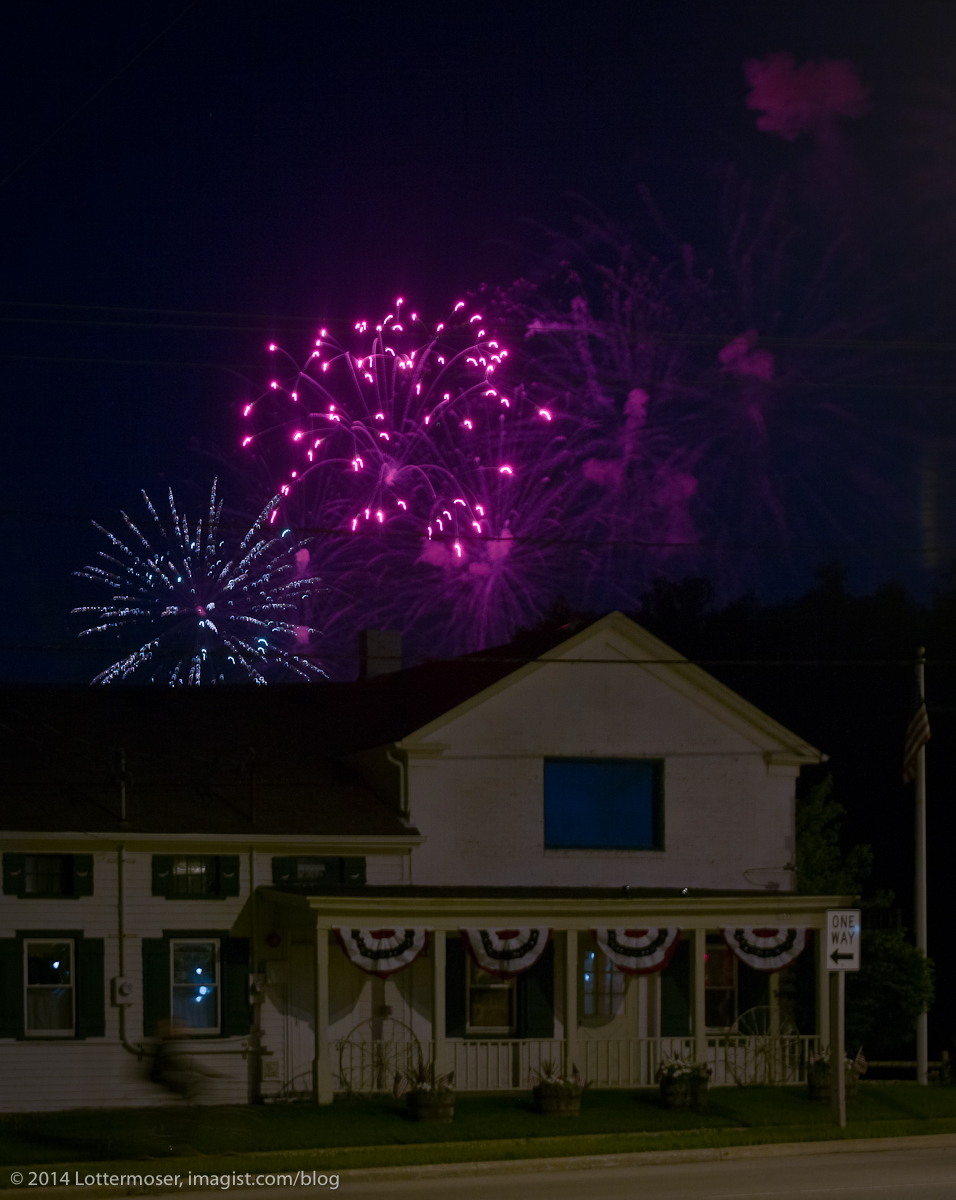
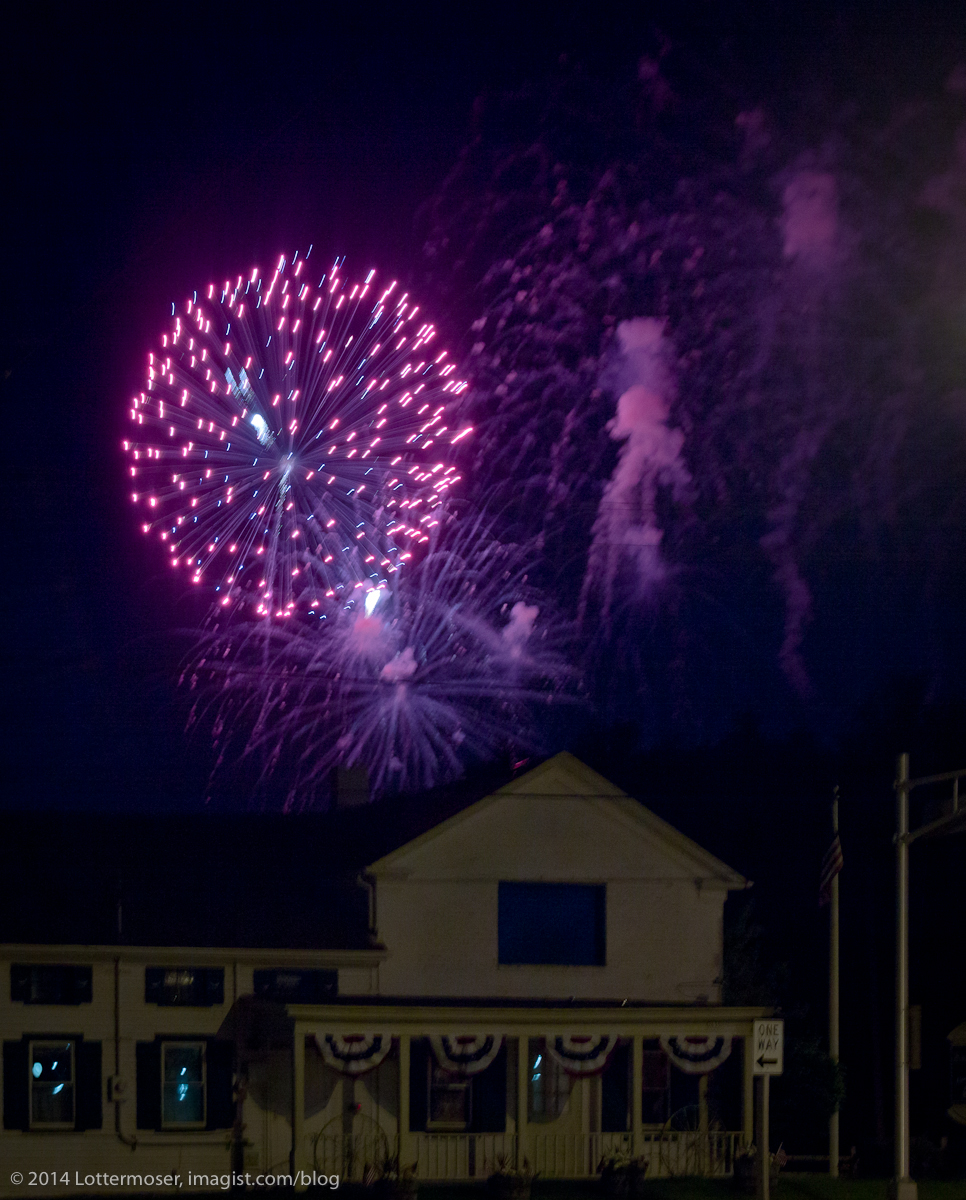
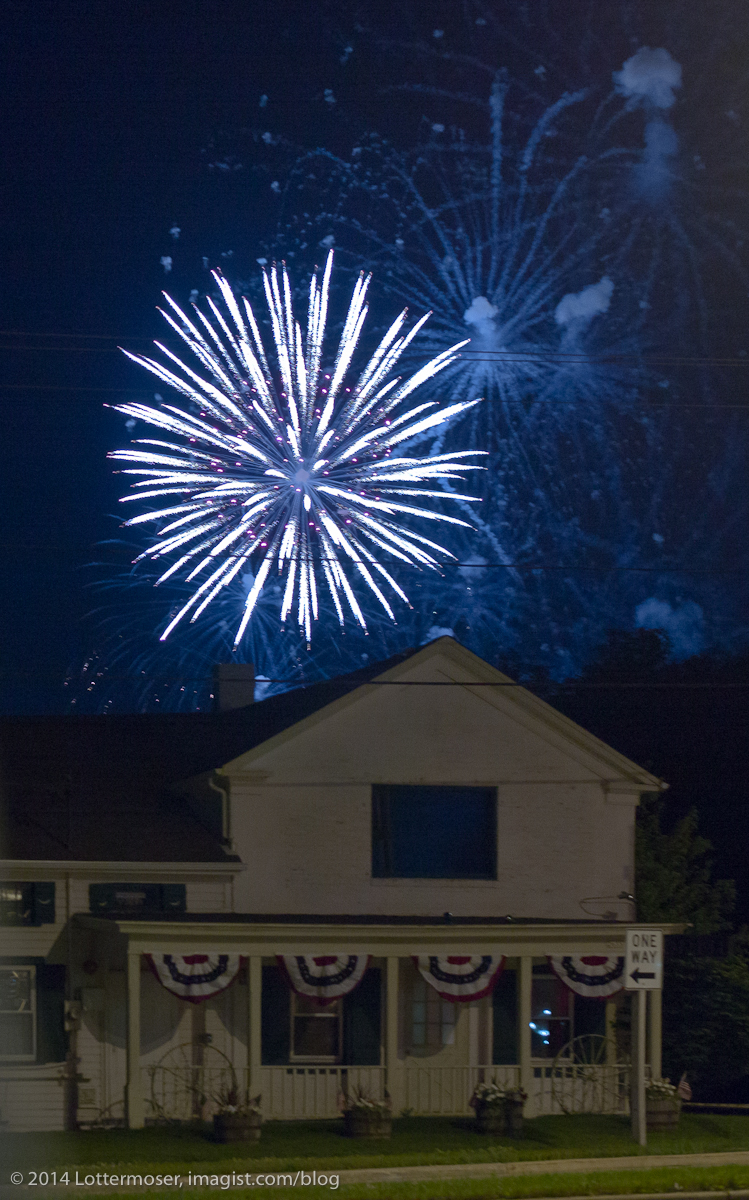
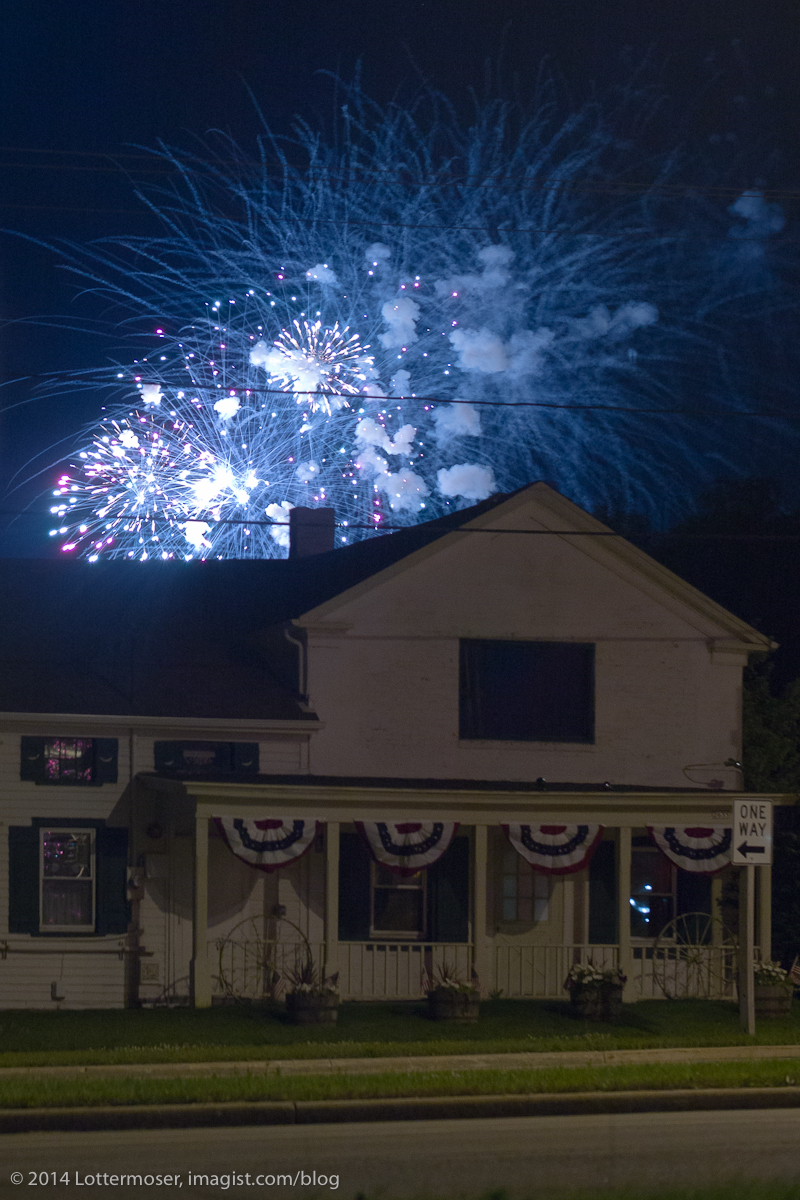
Last fireworks from Mequon Road House

Two golf courses have provided fireworks displays on or around the 4th of July for the past 30 years.
This will be our last 4th of July in this home – change becomes final on November 30.

(click photograph for larger view)

L1000147

from our driveway

and then out to the road

L1000148

L1000149

we watch them over the Historic Range Line Inn
directly across the street from our home
(for the last time)

L1000150

L1000151

L1000154

L1000156

L1000160

L1000163

Leica M, 100 mm Summilux Asph

The rabbit holes we dive into…

when lured by sights, flavors, smells, textures and sounds lead to wonderful people, places and things. Back in November Mike Lowe let me know that he roasted his own coffee and gave me a link to Sweet Maria’s as the source for all things related to coffee: roasting, grinding, brewing, cupping, etc. And there I went like a hound on a scent. Down the rabbit hole of fresh, home roasted coffee.

I researched the possible methods of roasting which include using: ovens, iron fry pans, hot air guns, corn poppers, and/or purchasing roasters designed for the purpose of roasting coffee. You can also find all manner of DIY inventors designing their own coffee roasters.

After a few weeks of research I searched for a local source of green coffee beans. The closest I could find was Burman Coffee in Madison, WI. I ordered a sampler of three one pound bags of three different coffees. While waiting for the arrival of my green beans I decided on what I perceived as the most economical, controllable, and useful tool to dive further down this coffee roasting rabbit hole – The Wagner Digital Heat Gun. This marvelous tool combined with the deep stainless steel pet bowls and an antique wooden butter paddle, I already owned, turned out to make a perfect home coffee roasting combo for me; and the relatively small, single user, fresh quantities I needed.
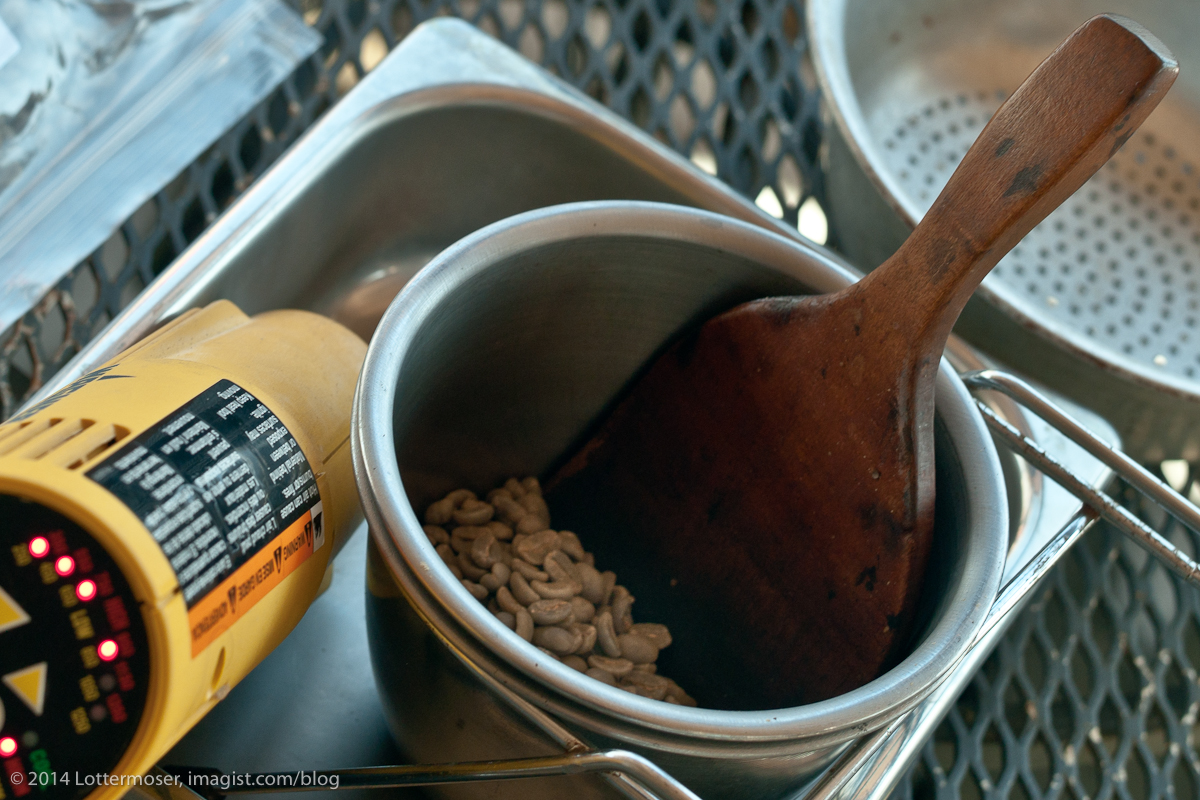
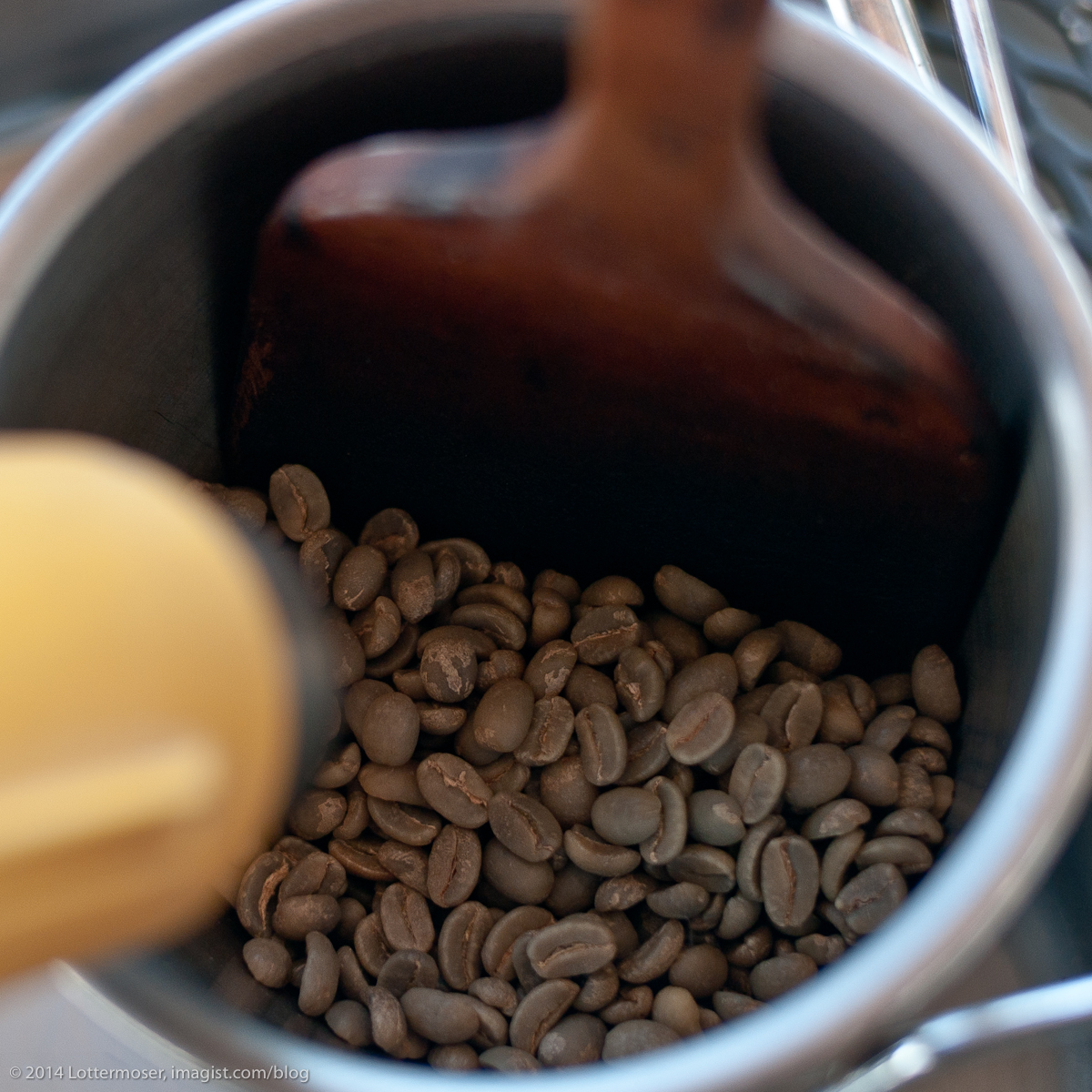
From the very first few roasts I was struck by the incredible variety of potential flavors within this new world of fresh, home roasted coffee. “Be sure to let your roast rest and degas for a couple few days.” ‘they’ said. Each day, while waiting, I’d smell the three varieties of roasted beans. Each day, each variety took on a distinctly different aroma from the day before – better and better – for sure. And, by the way, the “gourmet roast” I’d been buying for years NOW smelled “burned.” That was a surprise.
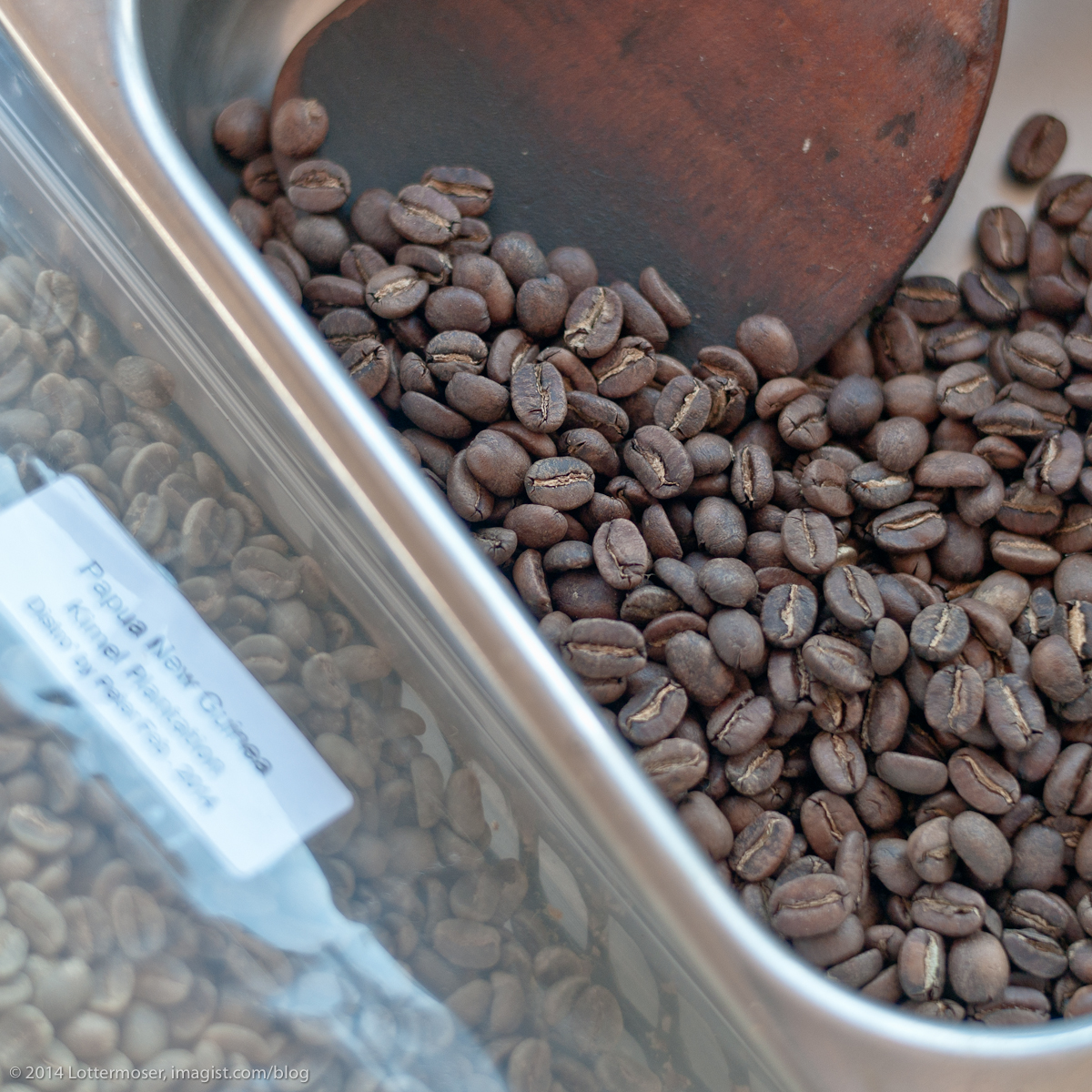
Each variety of coffee offered a different range of flavors from fruity citrus, through floral, and into caramels, vanillas and toffees – all depending upon the degree – lightness or darkness – of the roast in combination with the variety of coffee – the mountains, geography, drying process, et al.

I met Peter Schmidt on line through the Green Coffee Buying Club. Peter offered many green coffees for sale through the club; noting “ships from Milwaukee.” So I contacted Peter to enquire as to the possibility of picking up green coffee from him. Peter was kind enough to say, “yes.” At last — a local source — for local pickup!

Yesterday evening I met Peter for the first time while picking up a couple five pound bags of green coffee. And what a delightful experience it turned out to be. From noticing the classical LP records surrounding the stereo system, upon walking in the front door, through enjoying numerous conversations on a wide variety of topics, and a freshly brewed latte from his espresso machine, using the two varieties of coffee I’d just purchased, on the way out — a simply delightful experience deep within this — George in “home roast” wonderland.
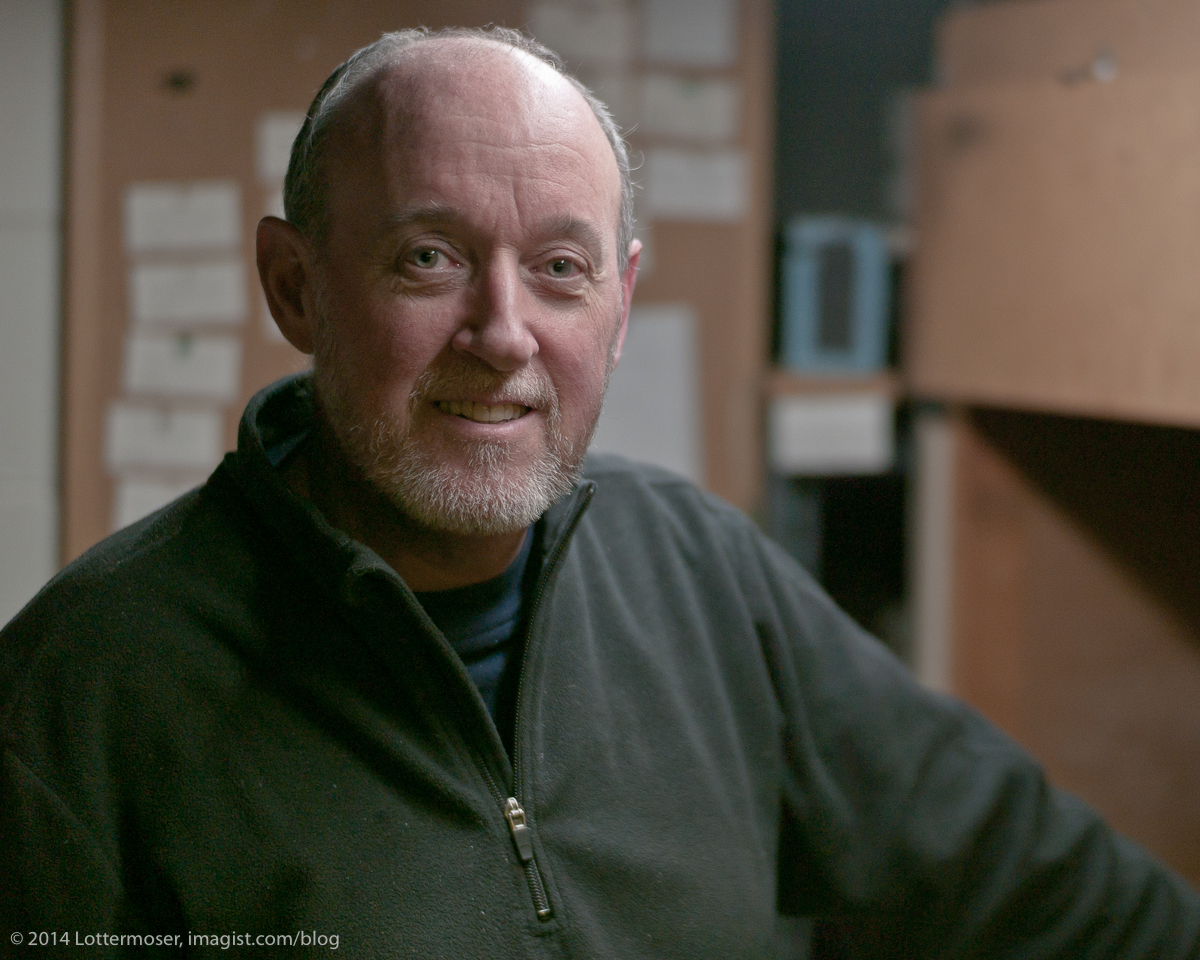
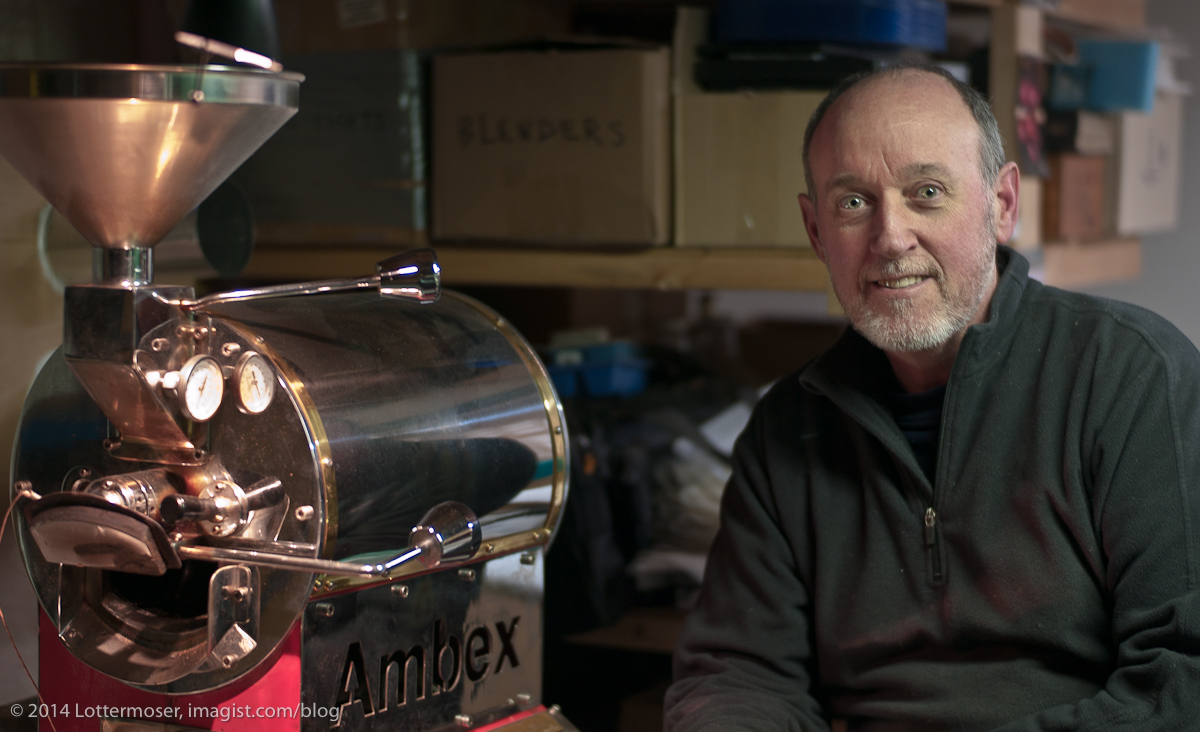
Peter has been roasting coffee for over a decade. In this first photograph he stands near his first DIY roasting set up which includes a couple vintage popcorn poppers in a wooden vent hood. While he still does some small batch testing with this set-up Peter now roasts for his ever growing, and extremely satisfied customers, with a beautiful Ambex roaster. You can purchase custom, personalized to your specific taste, roasted coffee from Peter at the The Excellent Cup.
And of course I continue exploring the hand made bread rabbit hole too.
The sensuality involved in these crafts cannot be overrated.
Every sense is fully engaged.
Kneading dough with the hands. The smells of sourdough and cinnamon.
Paddling, watching and smelling green coffee beans slowly turn golden, then umber, then sienna;
with chaff flying through a light fragrant smoke; while listening for the first crack; and maybe the second;
depending on the degree of roast desired;
all become the deep learning of the craft
by body, mind and spirit.

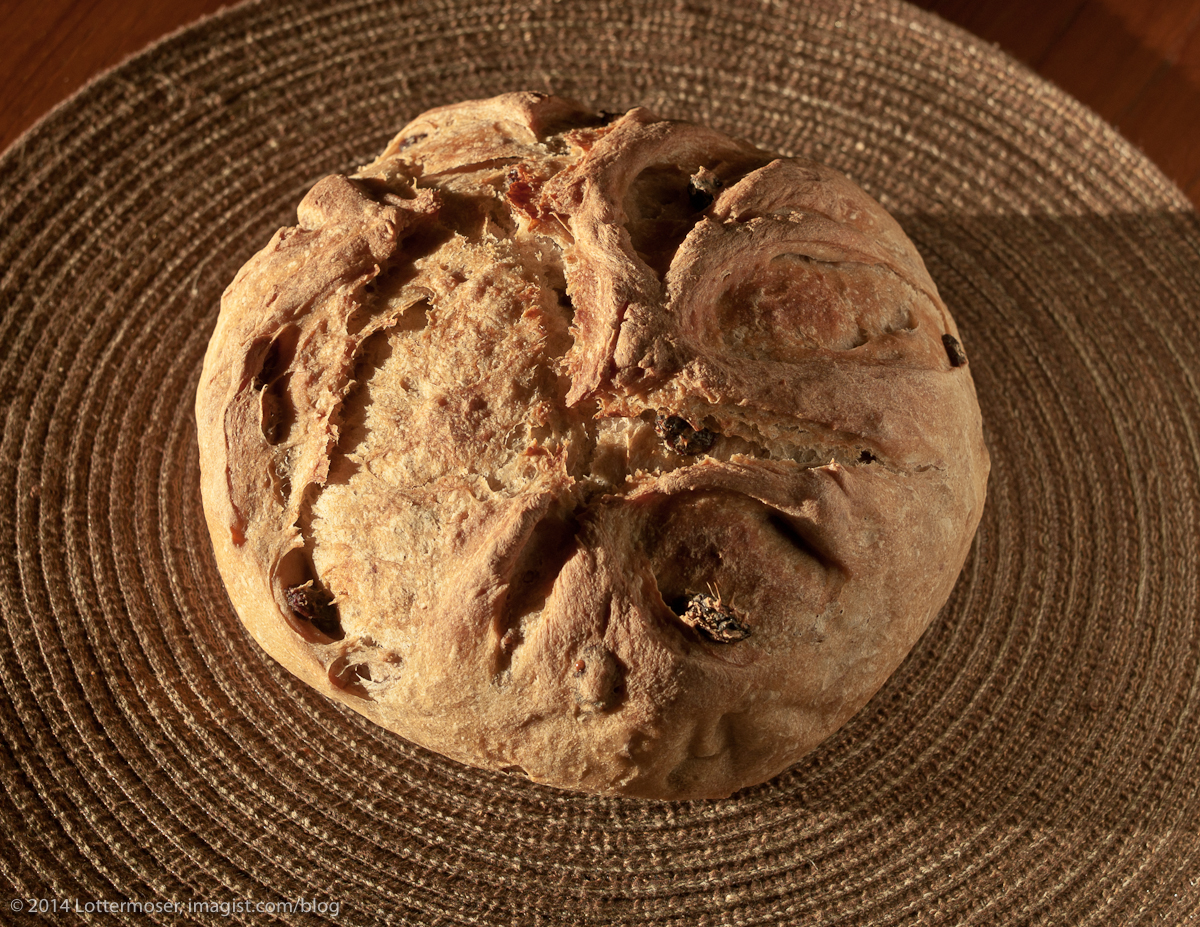
This morning’s breakfast bread
sits in the sunlight
before becoming lightly toasted slices
spread with peanut butter and honey
consumed while sipping coffee
from the mountains of New Guinea, Guatemala, Colombia, Indonesia, Ethiopia, or ?
freshly baked. freshly roasted. freshly ground. freshly brewed.
(click photograph for larger view)
Leica M8, 50 mm Summilux Asph