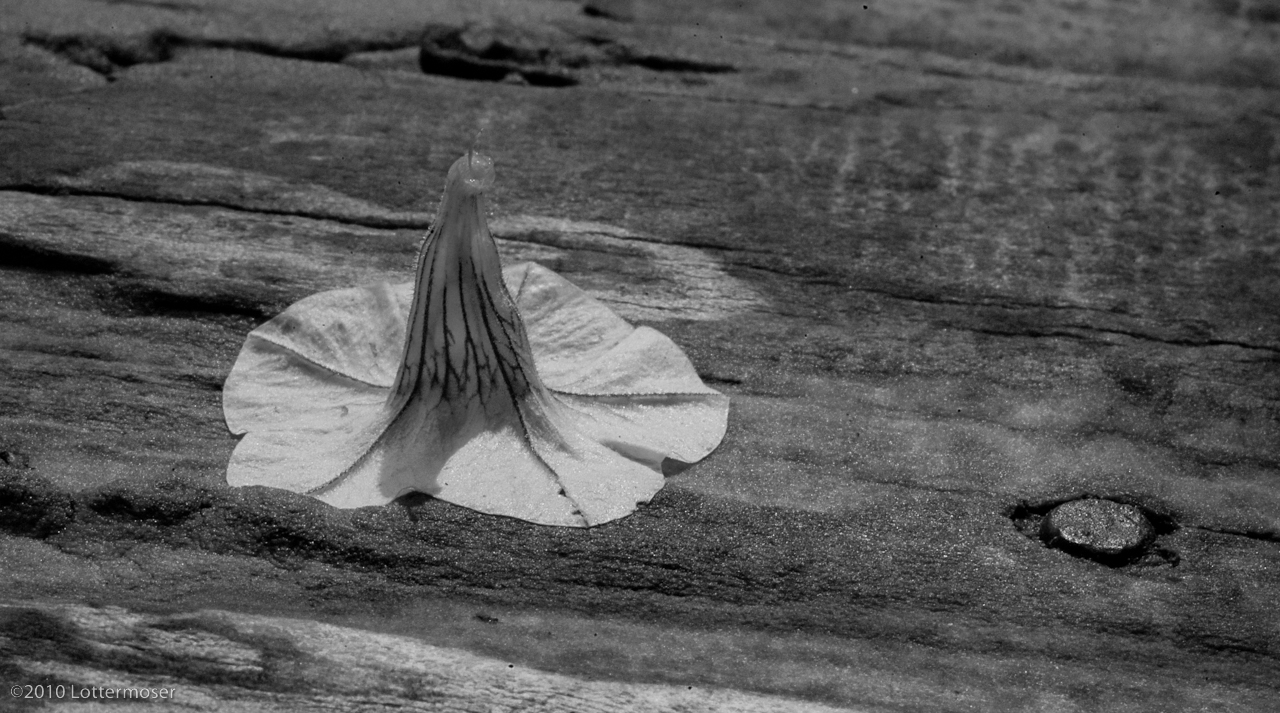
(click image for larger view)
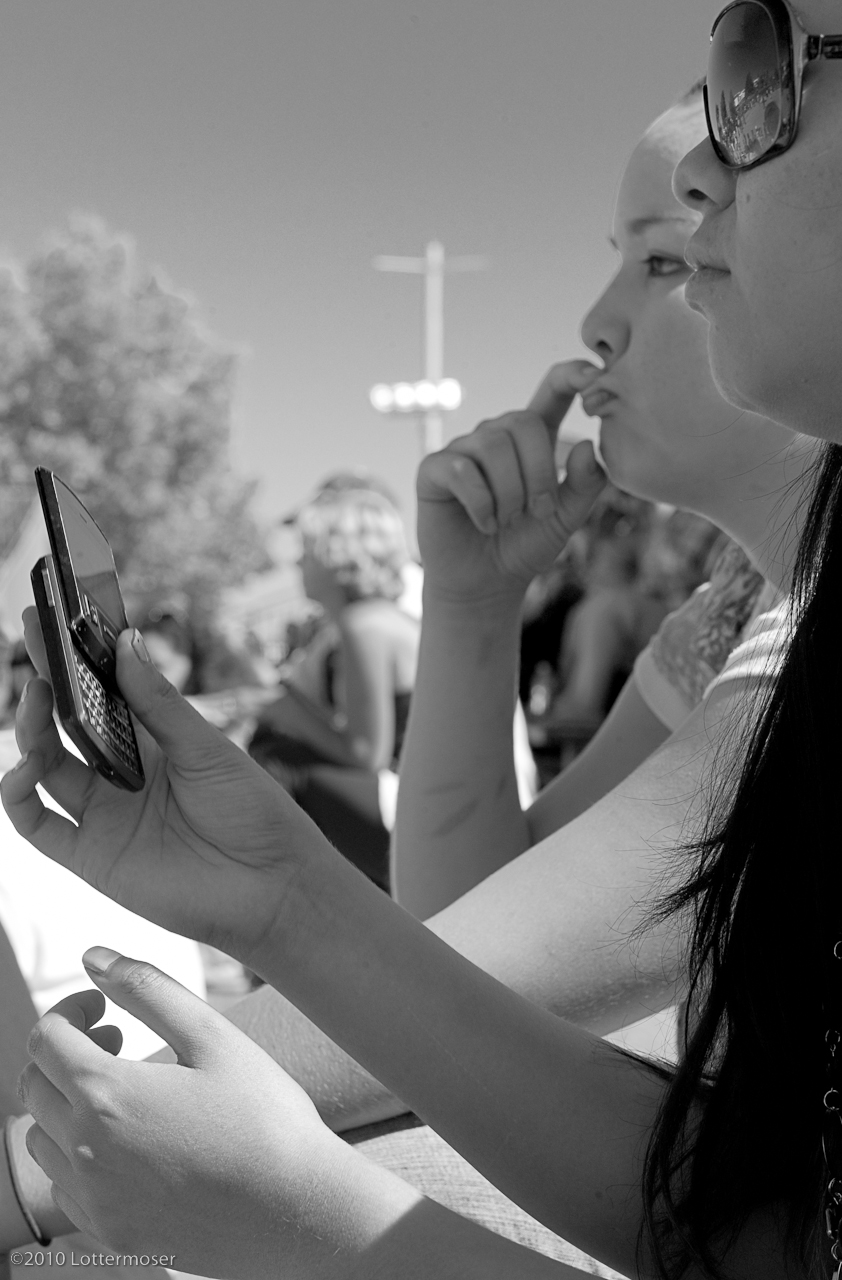
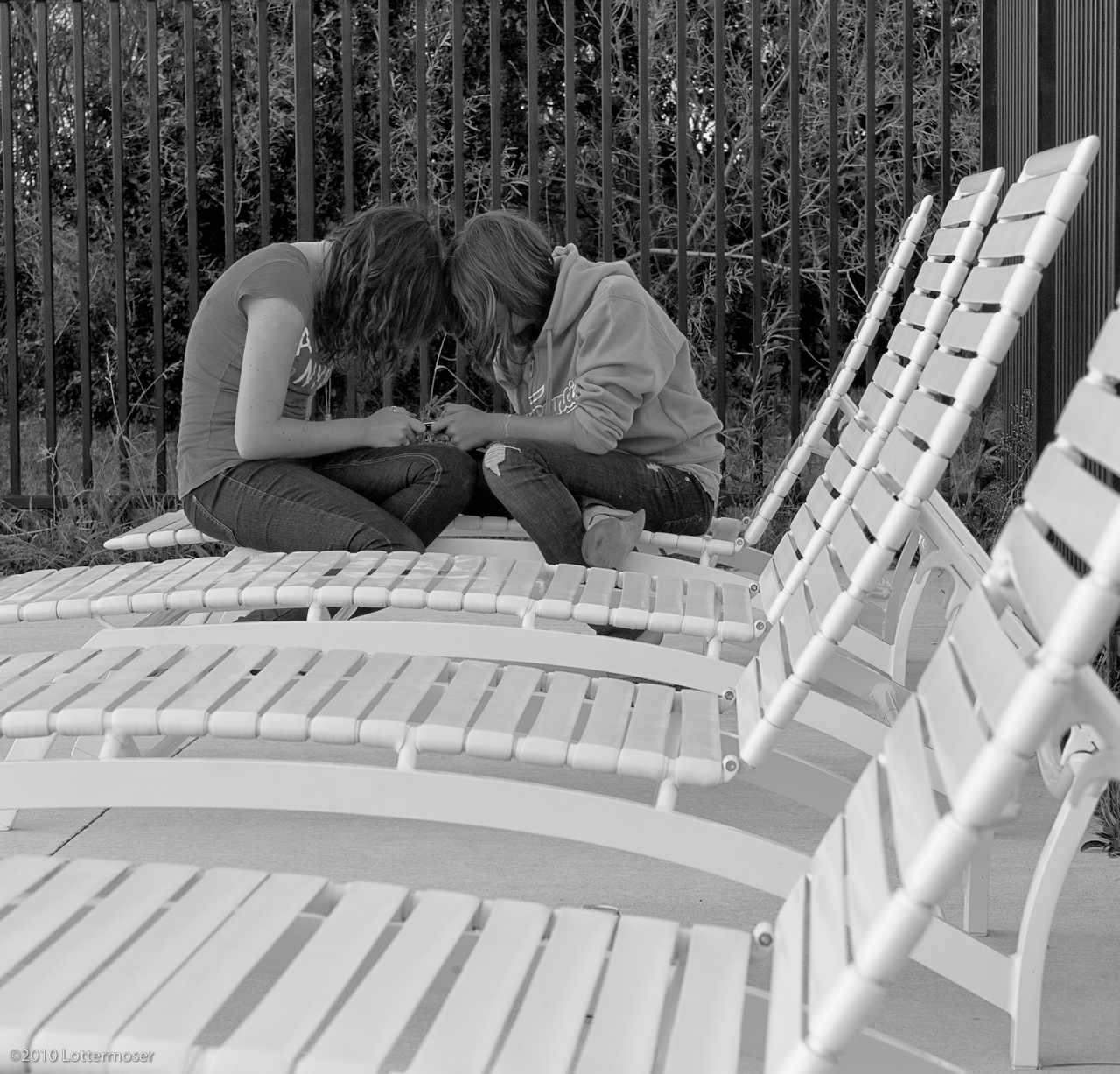
Leica M8, 50 mm Summilux Asph
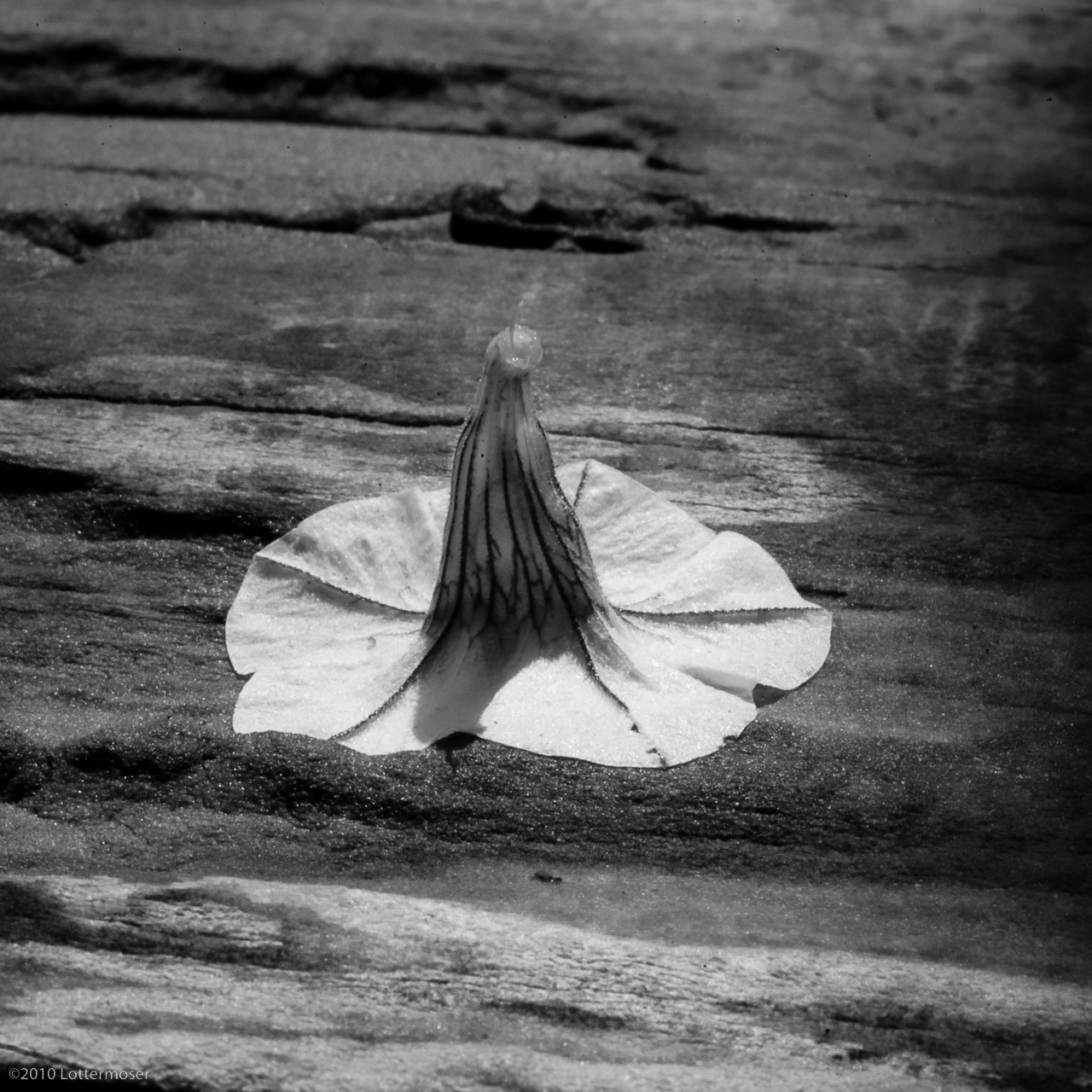
(click image for larger view)
Leica M8, 50 mm Summilux Asph
The morning of the anniversary of my birth I walked out onto the porch and noticed this tiny (30 mm) birthday cake.
(click images for larger view)
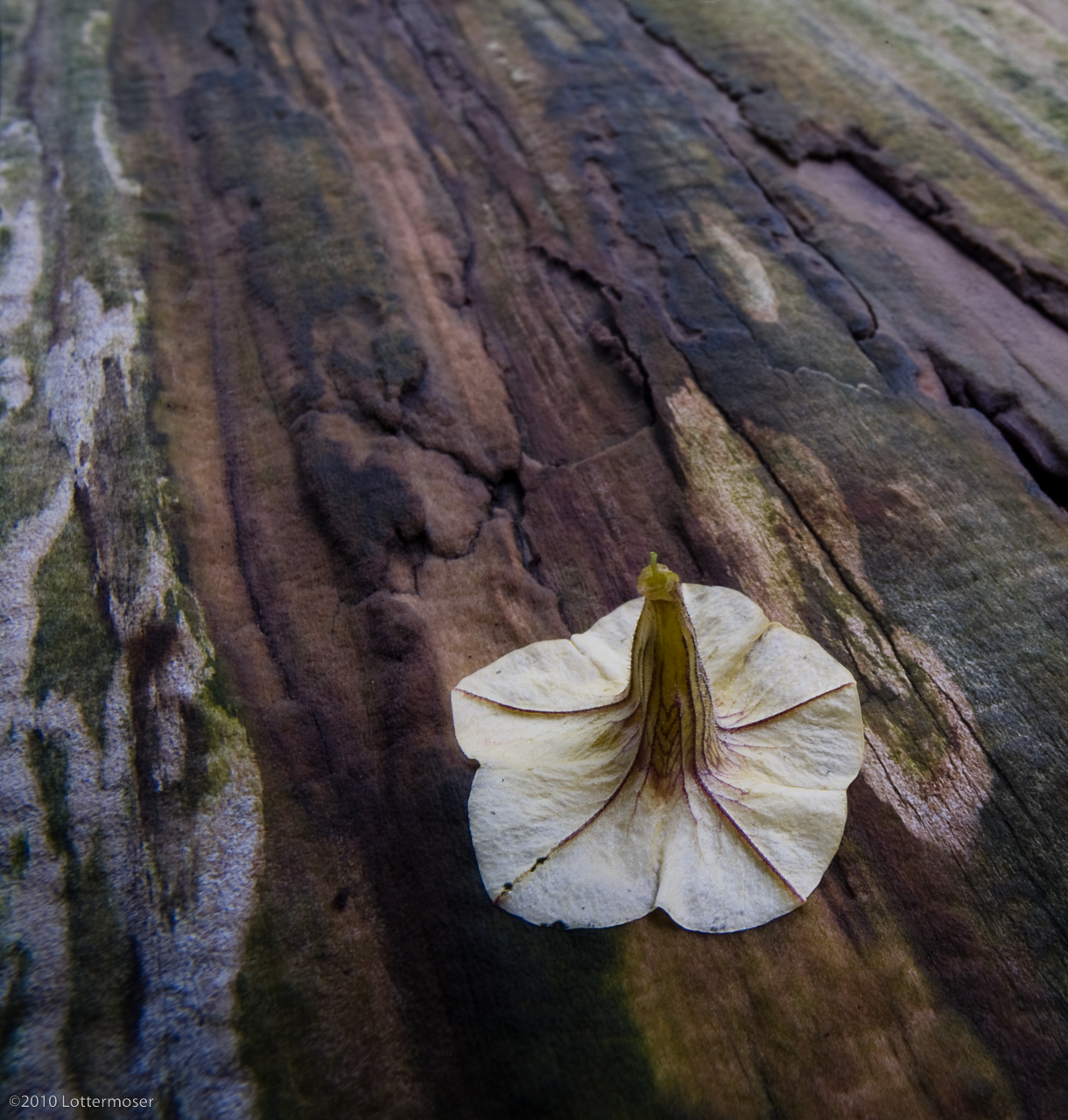
Leica R8/DMR, 15 mm Super Elmar
The shamrock dropped a bloom on the rotting cedar. It appeared as both a beautiful object and appropriate seasonal event. Attempting to capture, in a photograph, my thoughts and feelings upon encountering this tiny specimen proved elusive (as it so often does). The light changing by the minute. Which lens? How close? What’s the subject trying to say? Which point of view reveals the poem? Why can’t I find the message? These questions did not come consciously to mind; they rather occur non verbally while looking, focusing, moving, changing cameras and lenses, and points of view.
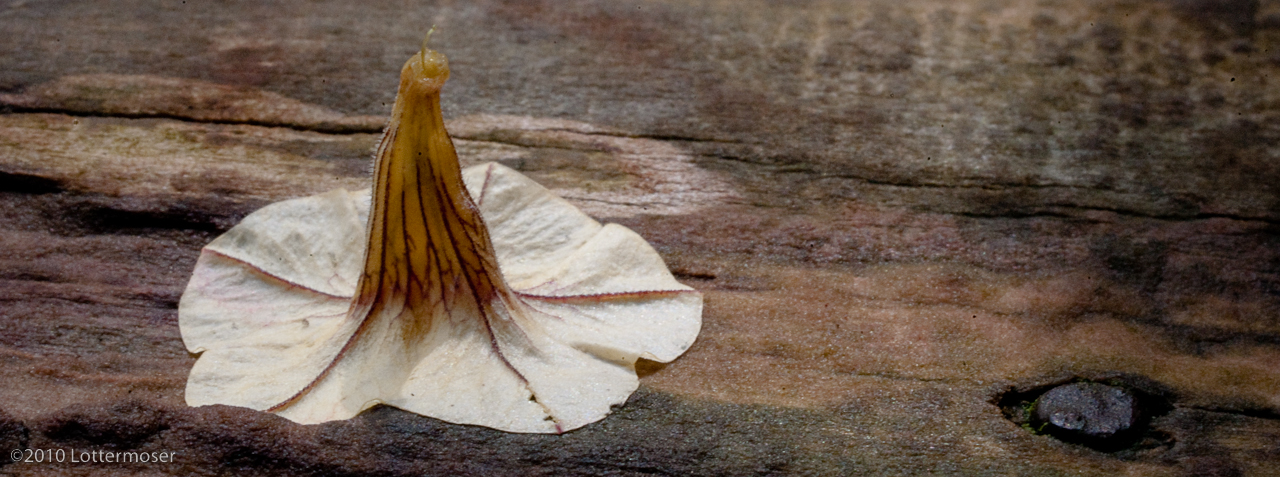
For me these transitional events, summer to fall, water becoming solid, aging, ice becoming liquid, hyper awareness of life in the process of change, hold magical potential; yet this idea seems difficult to express in a still photograph. 3 lenses, 2 cameras; and I don’t know if I’ve achieved anything near what I saw, thought or felt.
Leica M8, 65 mm Elmar on Visoflex
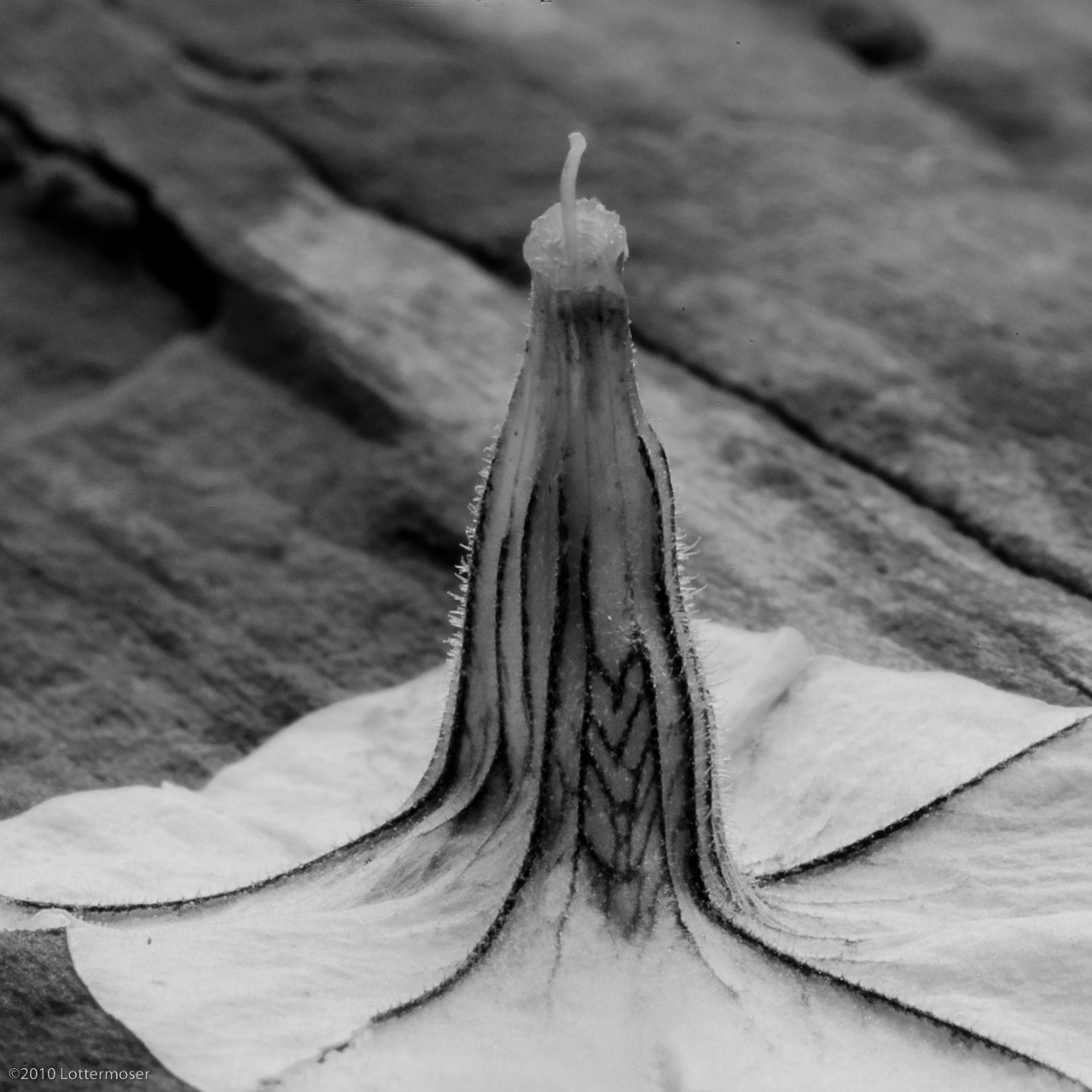
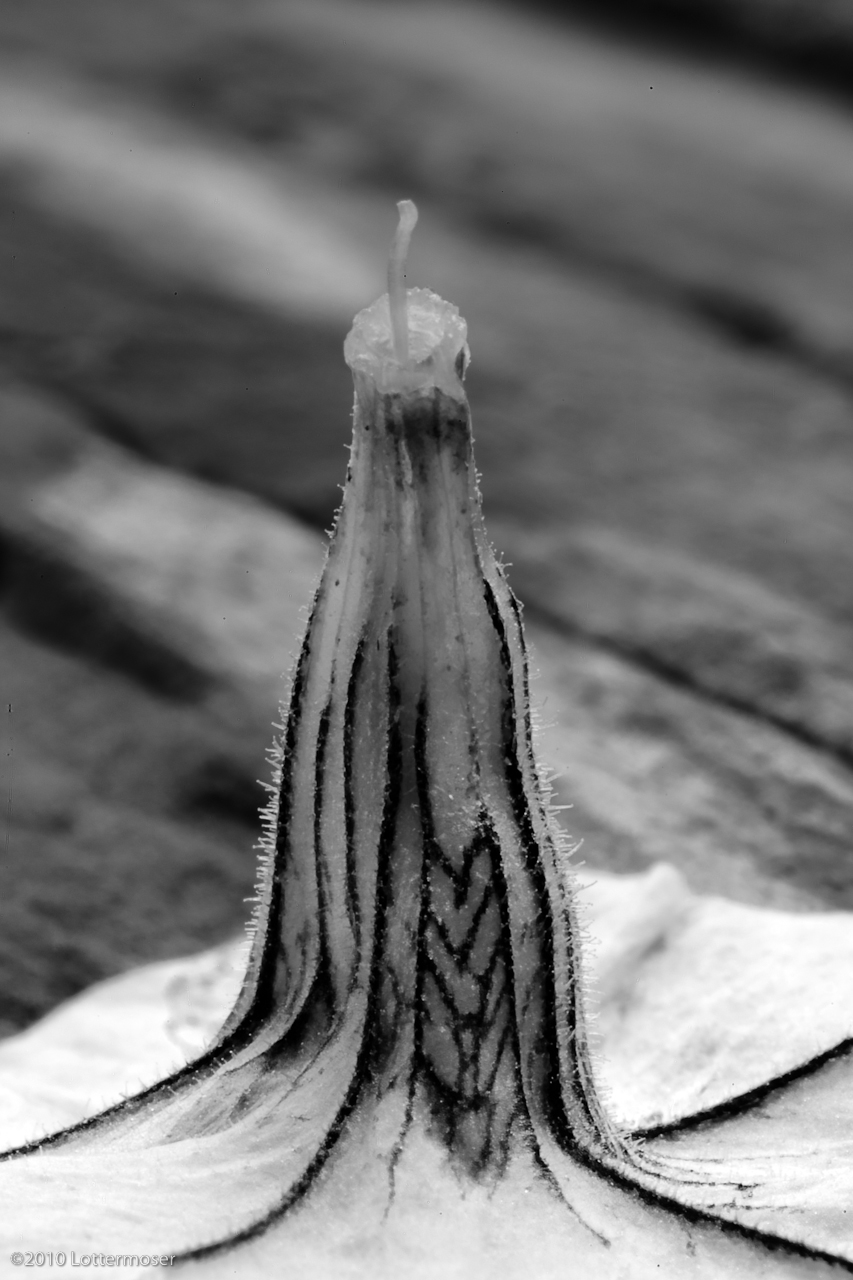
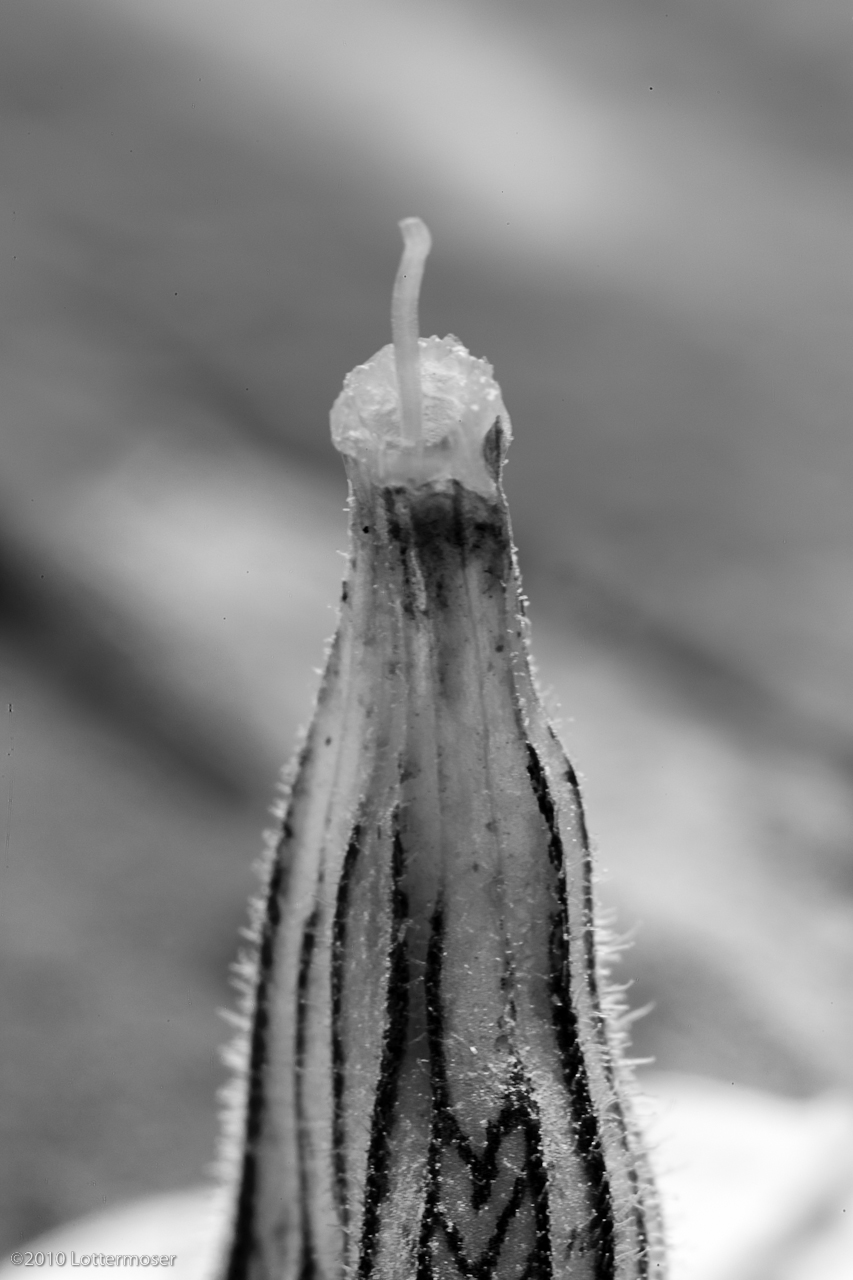
Leica R8/DMR, 100 mm Apo Macro Elmarit
Ann and I have a tradition of not working on our birthday. The BD person chooses where and how we will spend the day. Ann chose Mauthe Lake as one of several destinations for her birthday. Knowing we’d have a few hours of leisure I packed up rarely used M gear including: the Visoflex with both eye level prism and right angle view hood, and the 135 Elmar (for the M8 of course). Lying on the beach using the right angle viewfinder provided a perfect contemplative photographic afternoon; as well as a very refreshing point of view. And the exercise reminded me how very discreet this combination can seem as we don’t appear to be looking “directly at” the subject.
(click images for larger view)
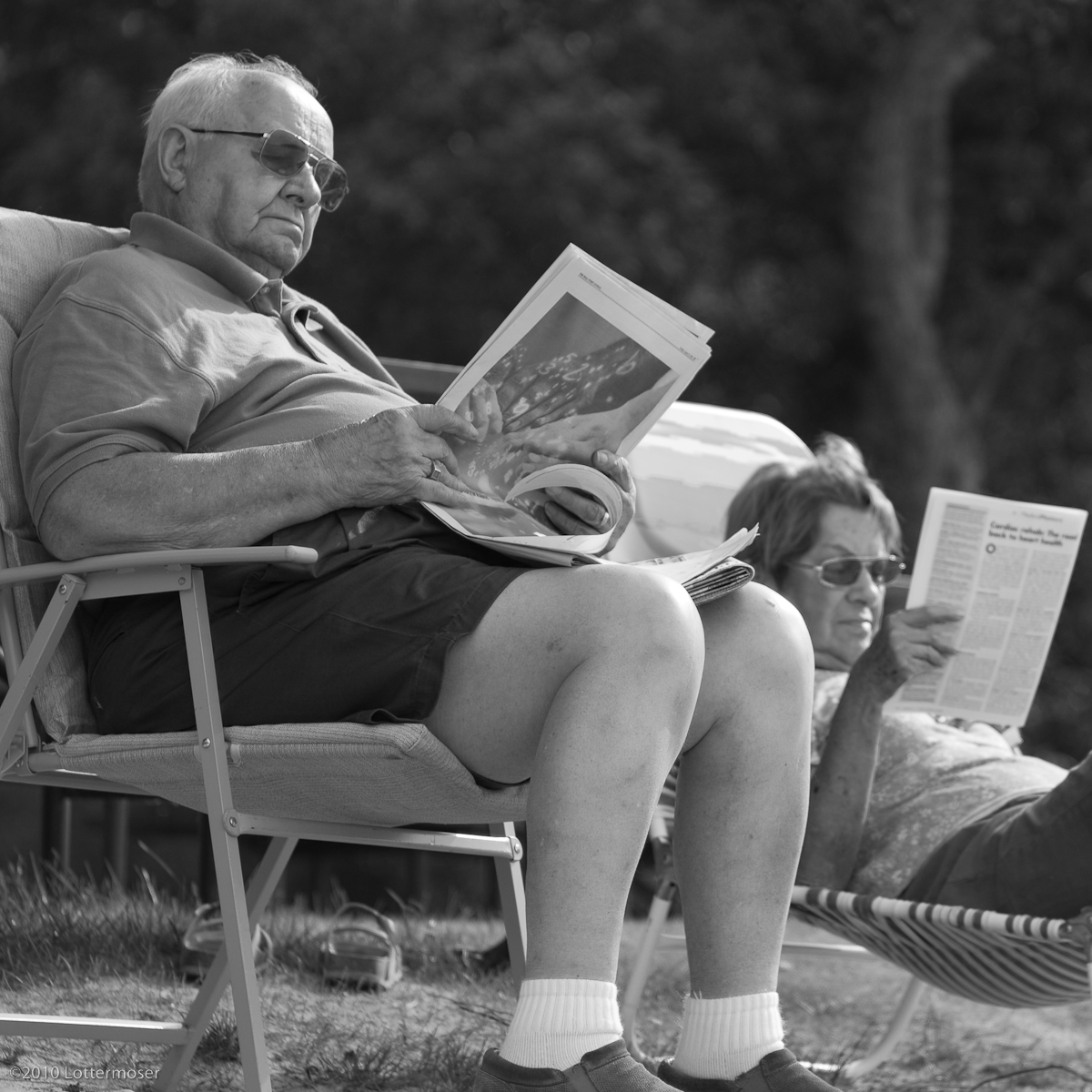
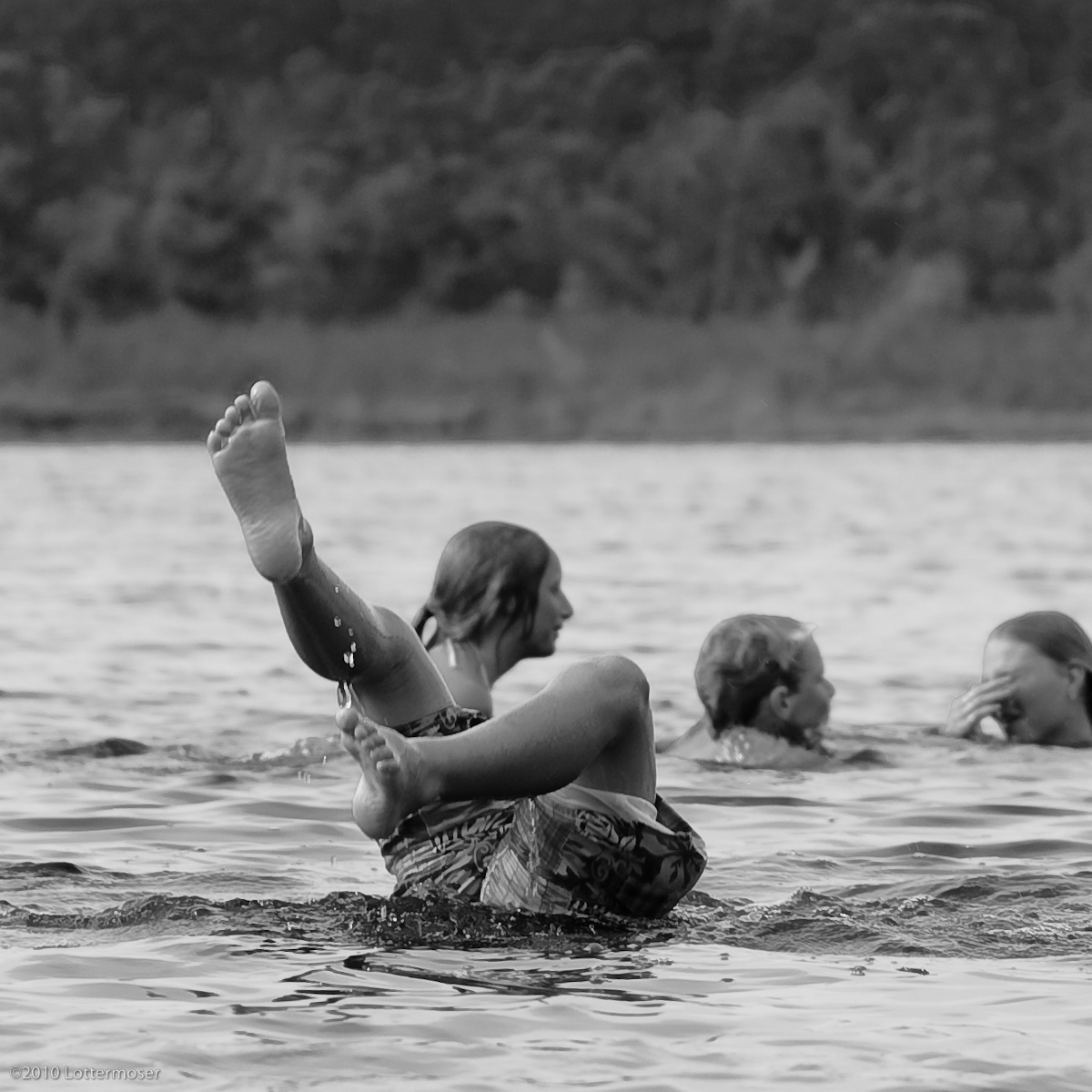
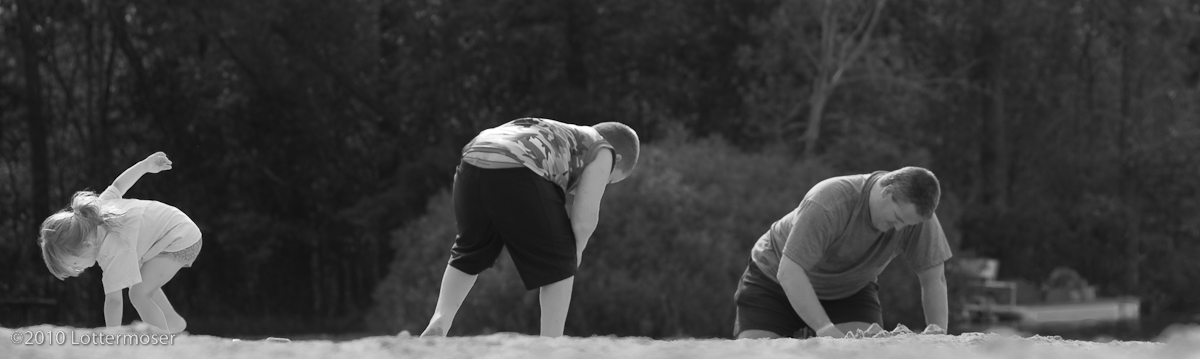
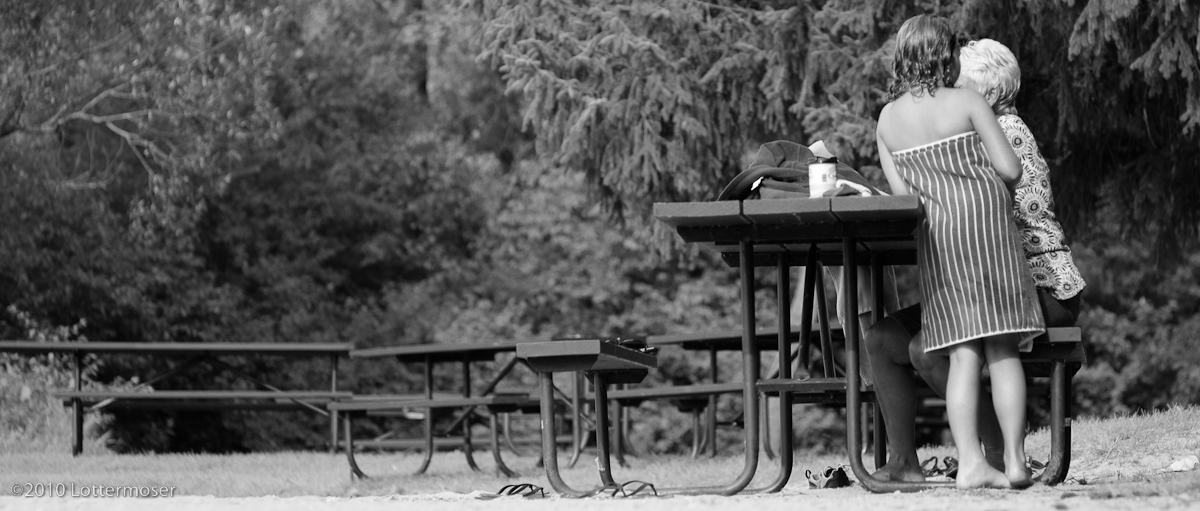
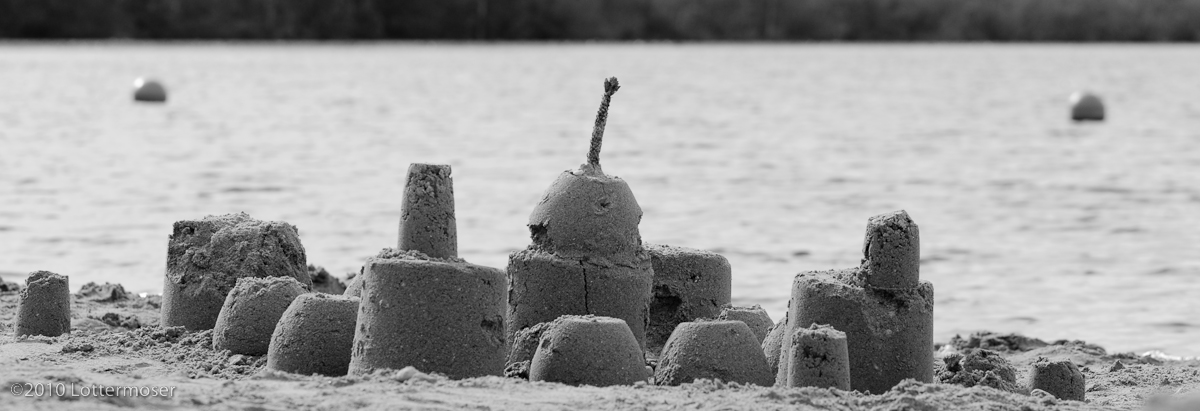
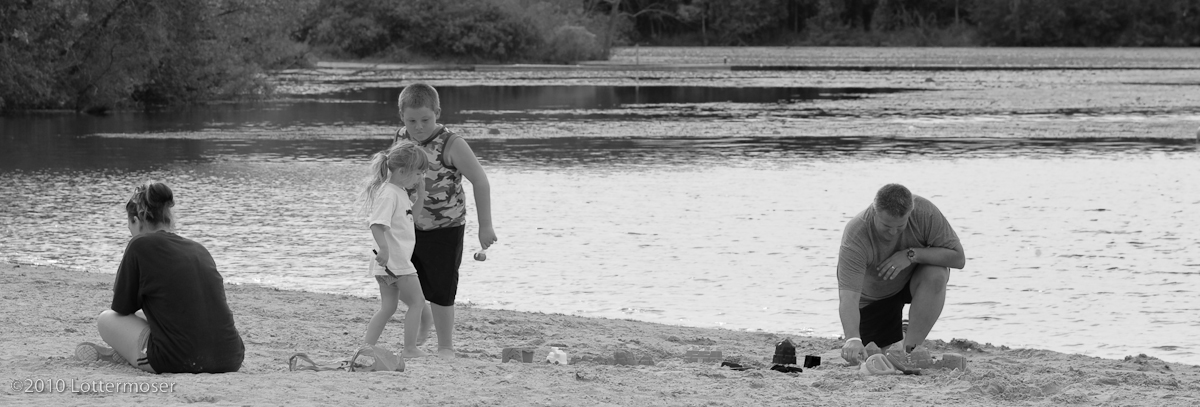
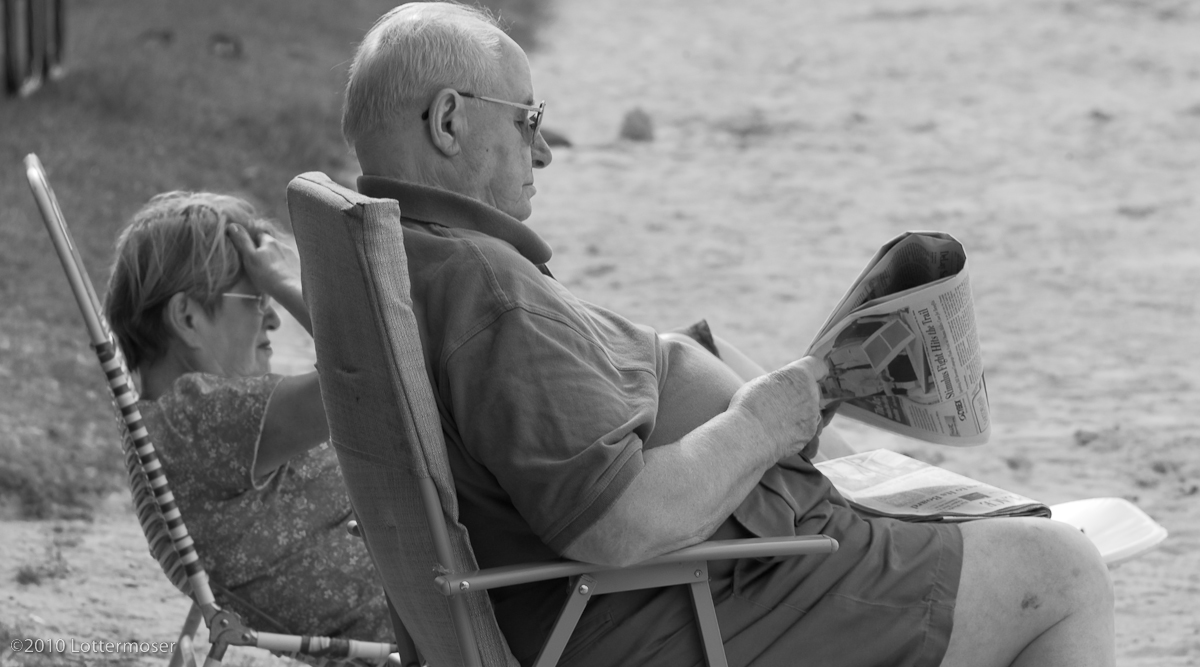
For contrast we see (below) similar subjects with a (for today) less interesting point of view.
Since the release of the Hasselblad CFV 39 back I’ve wondered how it would feel and function. Yesterday Steve Goldsmith, from Calumet, kindly drove 2/3rds of the way, through rain and beastly road construction traffic. A big thank you goes out to Steve. We met in Racine and put the back on my old CM and made a few shots with each of my lenses:
40 mm, (click images for larger view)
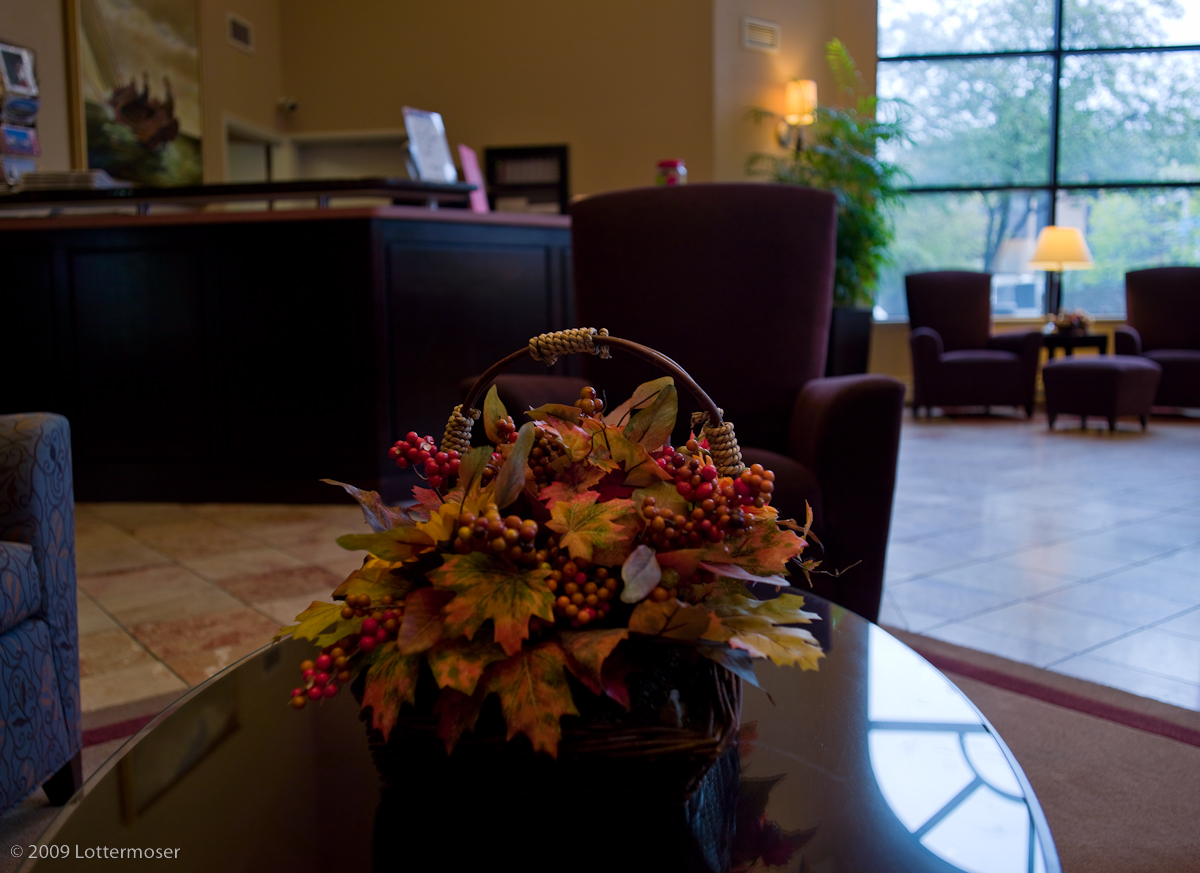
80 mm

and 150 mm.
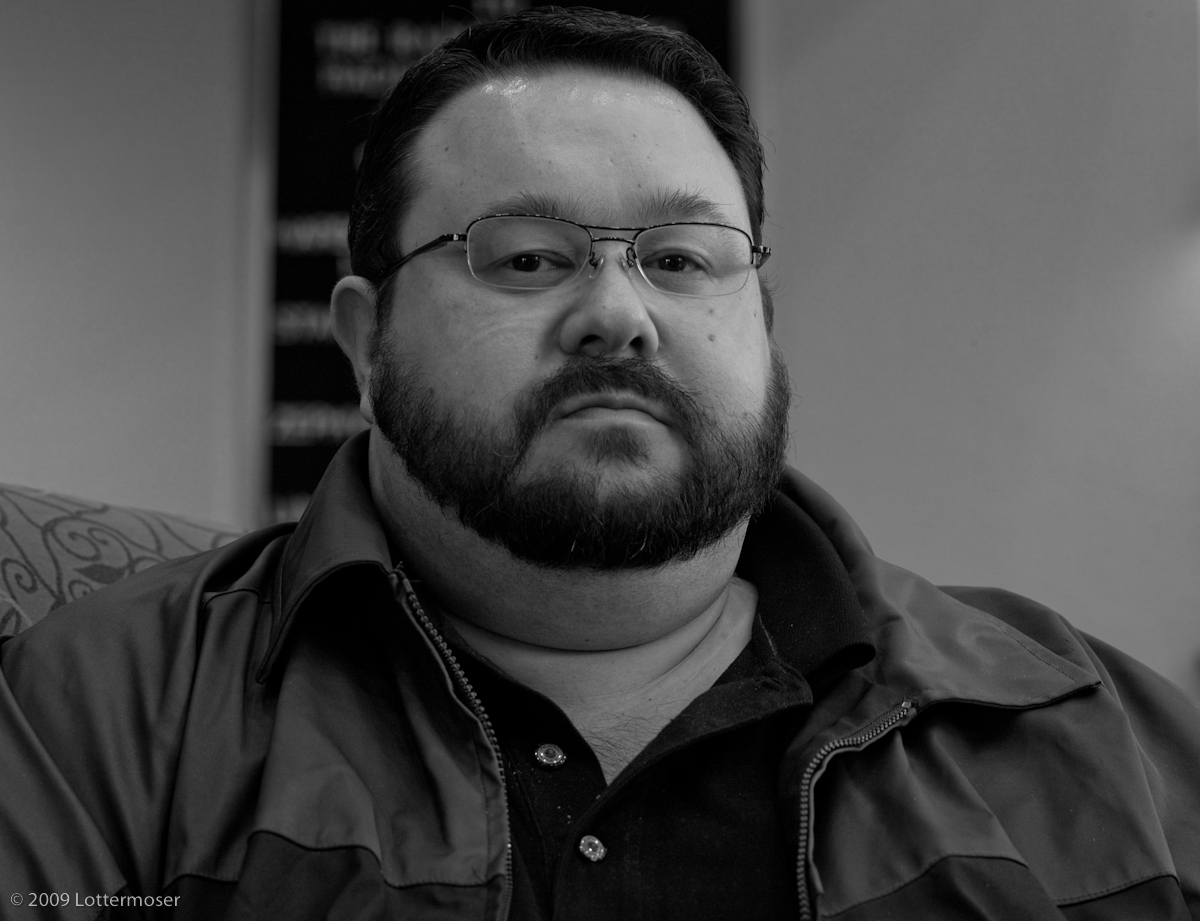
(ISO 400)
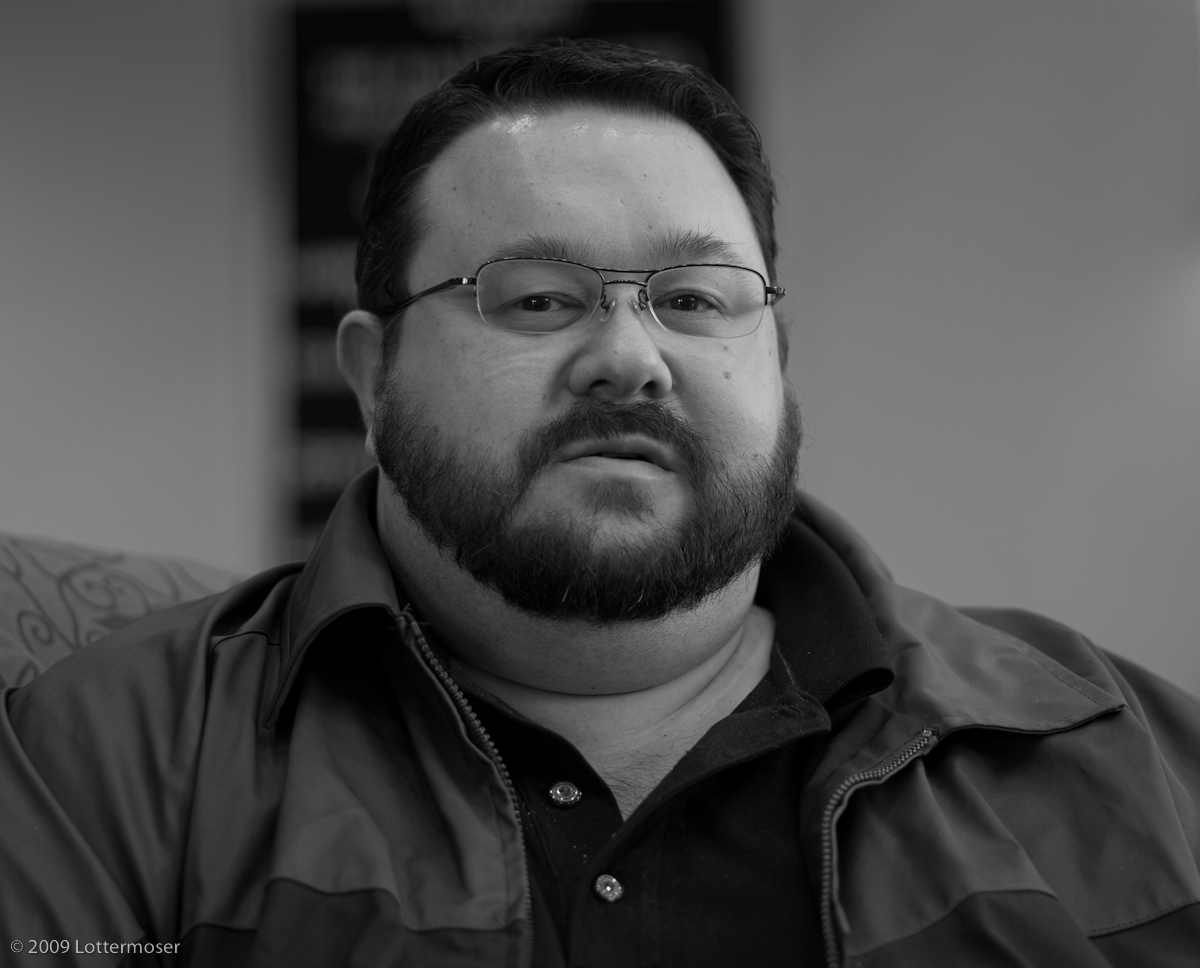
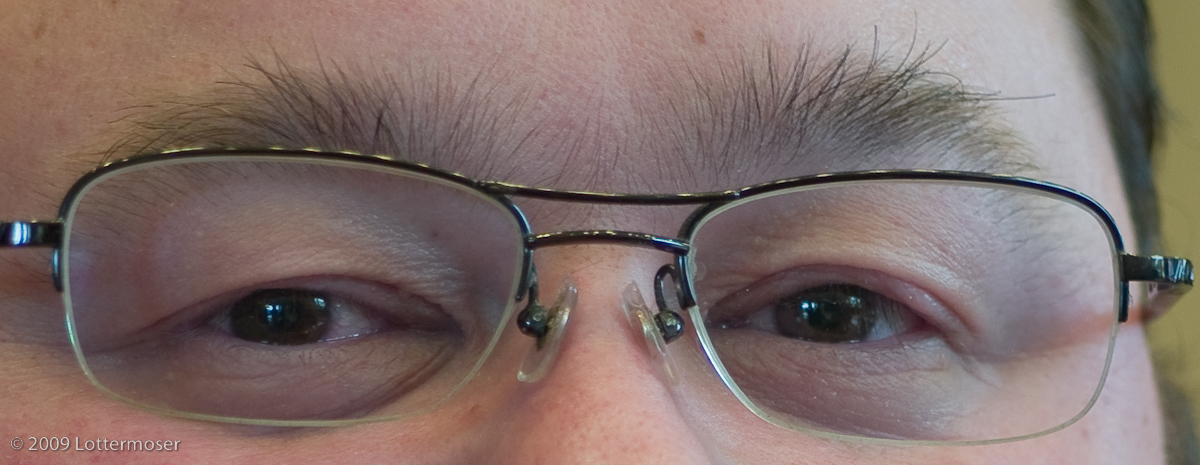
(ISO 100)
A very interesting experience from the start right through to post processing. Drop in the supplied ground glass with crop indication. Attach the CFV back; just as simple as switching a film back. No cords or electronic connections. Very cool. Buttons and menus are clear and quick.
The view screen had plastic on it and the images looked horrible (hopefully better without the plastic).
Viewing angle is extremely critical on this view screen. Shooting is exactly like using a film back; including the cranking after each frame – which really felt wonderfully nostalgic. Pre-release of mirror and shutter release all work just as it did in the good old days.
Back at the computer: The large 45 MB RAW files take significantly longer to load into Lightroom; when compared to DMR, 5D and M8 files. The files look quite impressive at ISO 100. At ISO 400 a fine grain “noise” begins to emerge in shadows; however with a very tight film grain look. Exporting from these large files also takes a lot more time. In other words big sensors need big computers and hard drives.