For love of tools… and passing on the “mojo…”

Some weeks back I engaged in a conversation, over on the LUG (Leica User Group email list), about cameras with or as mojos. Some people in the conversation understood; others did not. Can a camera be a magic charm, talisman, or cast a spell • have magic power. I suppose not. Yet when a tool begins to feel like an extension of your own living body… well… something’s going on. B.B. King named his Gibson guitars Lucille. Willie Nelson’s Martin N 20 Guitar certainly appears, and sounds, like it has mojo qualities. For a serious woodworker this tool chest surely has magical qualities.

Certain cameras I’ve used have felt very special if not magical. It’s a short list: Nikon Fs, Leica Ms, Linhof Technikas, Deardorfs, Hasselblads, and Twin Lens Rolleiflexes. The way these cameras felt in my hands; the way they sounded; where the controls were located; essentially everything about them – felt right – dependable; served me extremely well; did everything I asked of them; and occasionally delivered magical images.

Letting go of these, let’s just call them exceptional, “tools” feels like saying goodbye to old friends — while knowing you’ll never see them again. I’m sure this sounds absurd to many people. But these “tools” are full of memories. Or at least they trigger memories when we look at them or handle them; because they’ve been places and accomplished things for us — put food on the table so to speak.

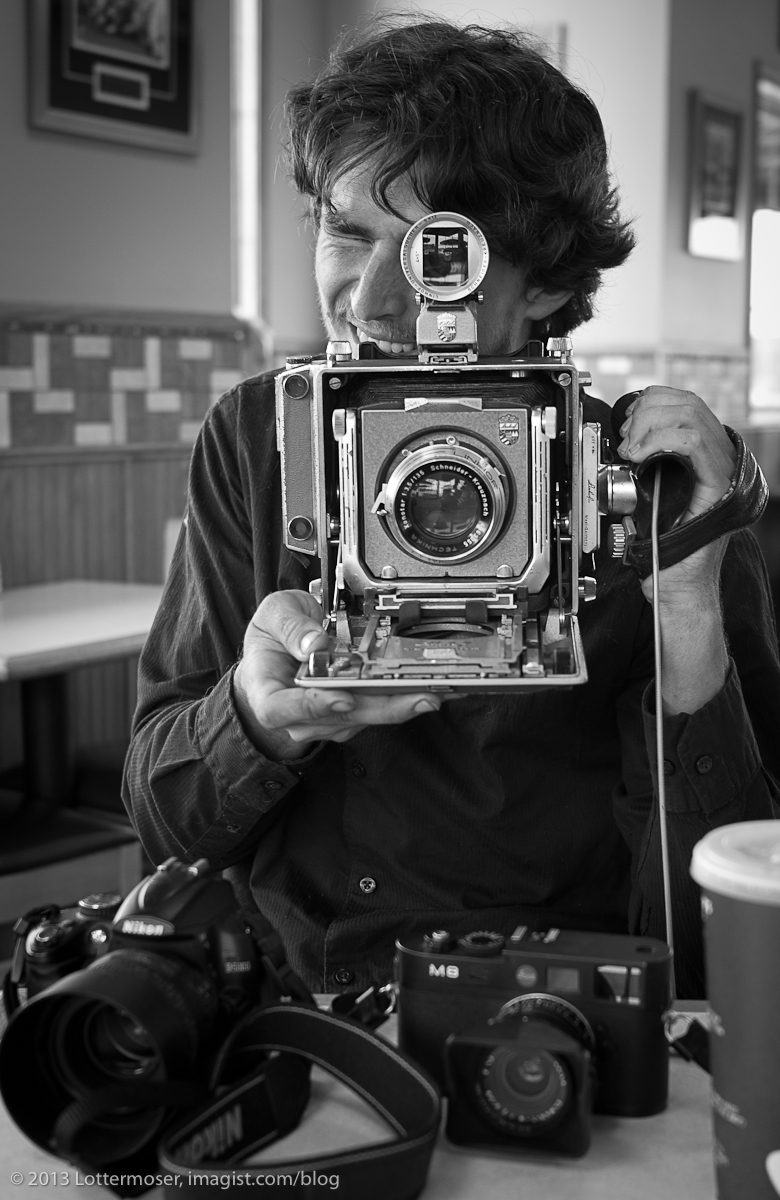
Today I said goodbye to my old Linhof Technika IV, with its 135 mm Scheider Xenotar (the Alaskan Leica). I passed it along to Forrest Herr; a young man who’s eyes showed a full appreciation for this tool; and its potential for magic. He clearly has high hopes for it; feels excited about what it can do for him. And that’s wonderful. For me it’s a tool triggering wonderful memories. For him it’s a tool triggering hope and wonderful possibilities. I’ll miss the feel of it. Like the coin purse my daughter made for me… which also carries magical memories.

Over the decades this camera has been lent or rented to a number of younger souls. The last — Alisa — see what I mean about memories? I not only remember the photographs I made with this camera. I remember the Polaroids that she created with it. And now, passing it on, I can’t wait to see the photographs that Forrest creates with it.

(click photograph for larger view)
Angie served us well and witnessed our camera dealings at Culver’s in Johnson Creek,
half way between Forrest’s home in Madison, WI and my home in Mequon, WI.
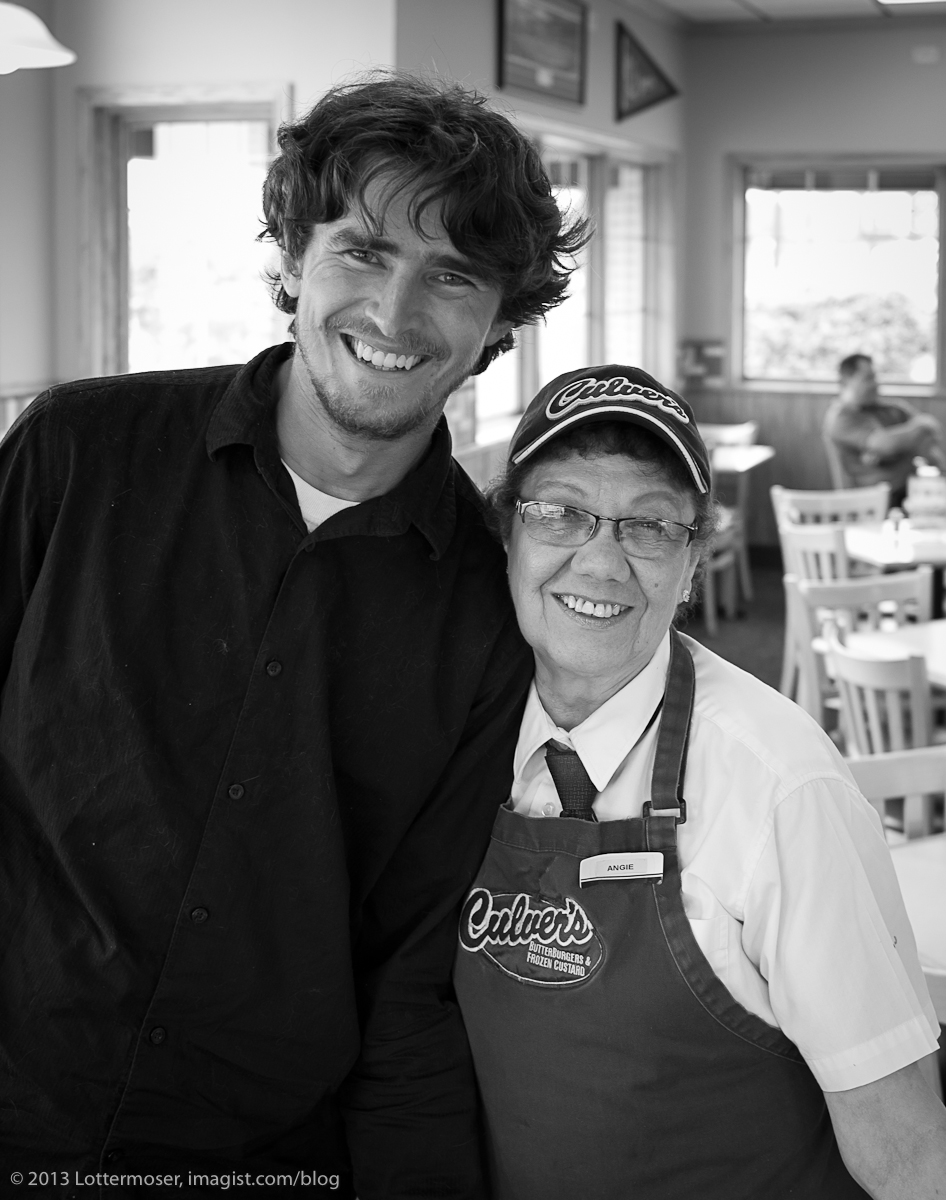
Leica M8, 28 mm Summicron Asph
Reviewing the ’60s

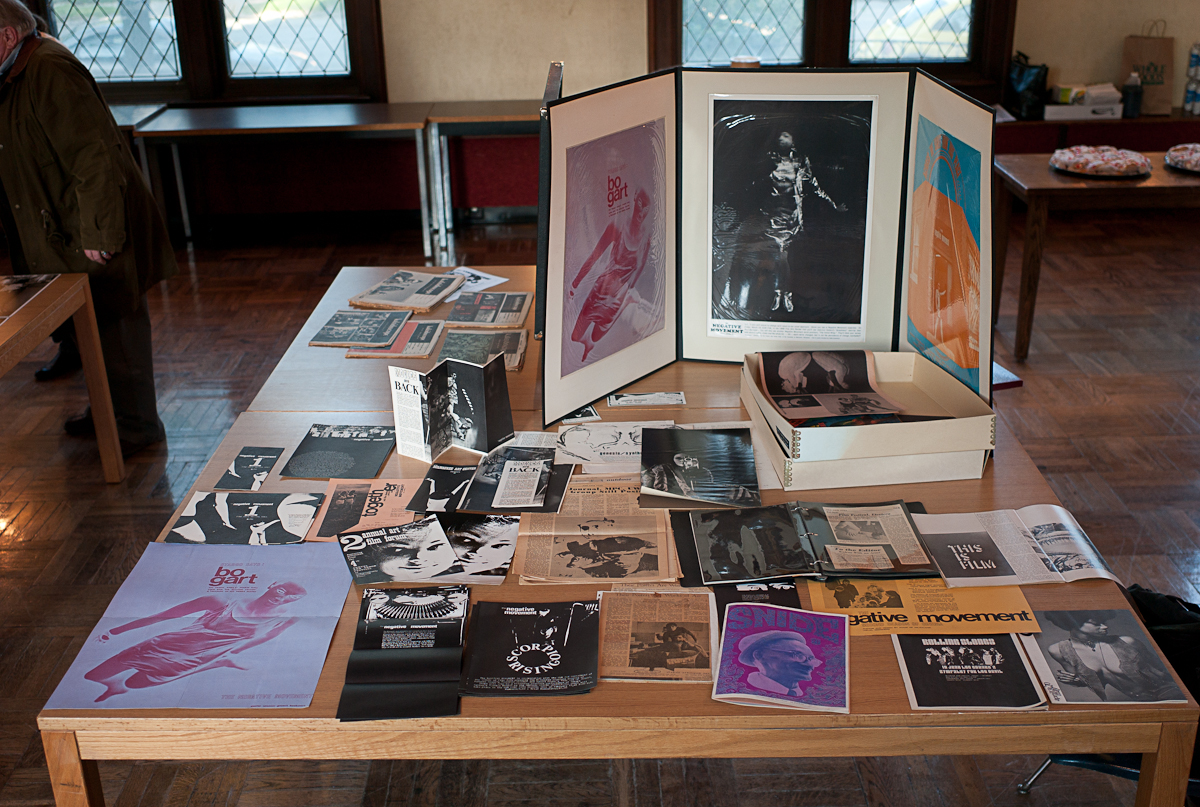
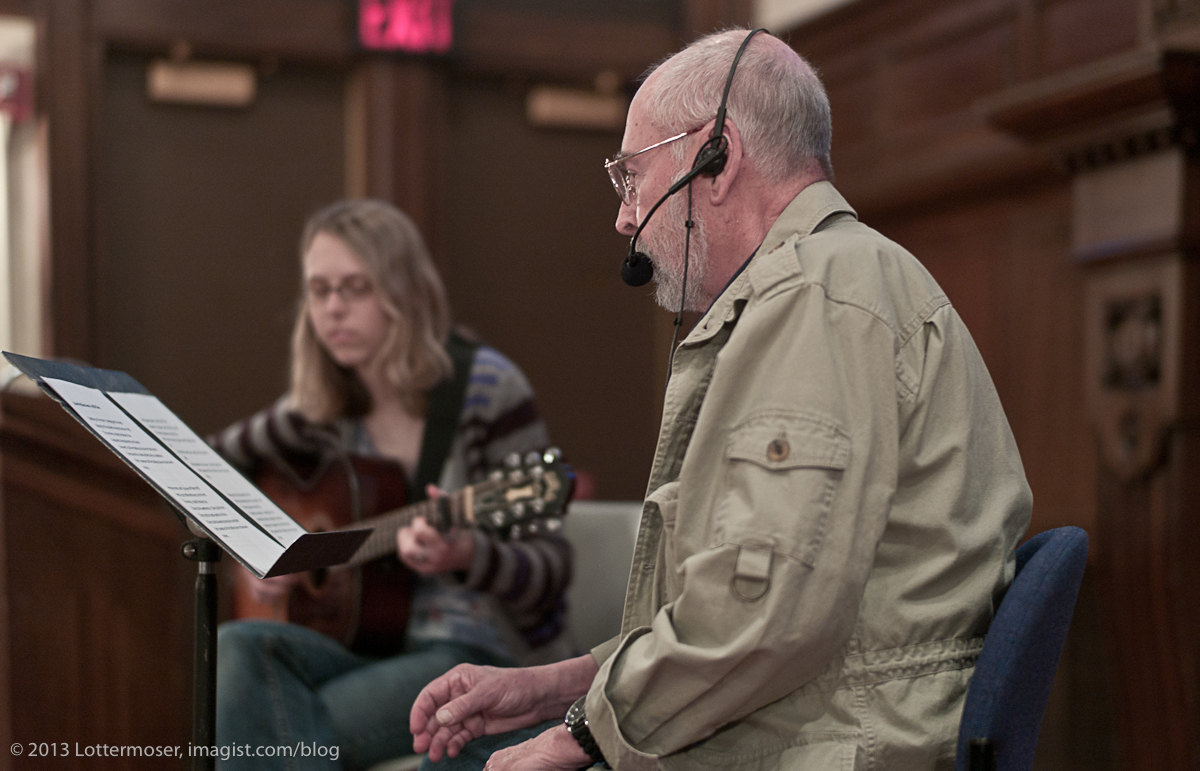
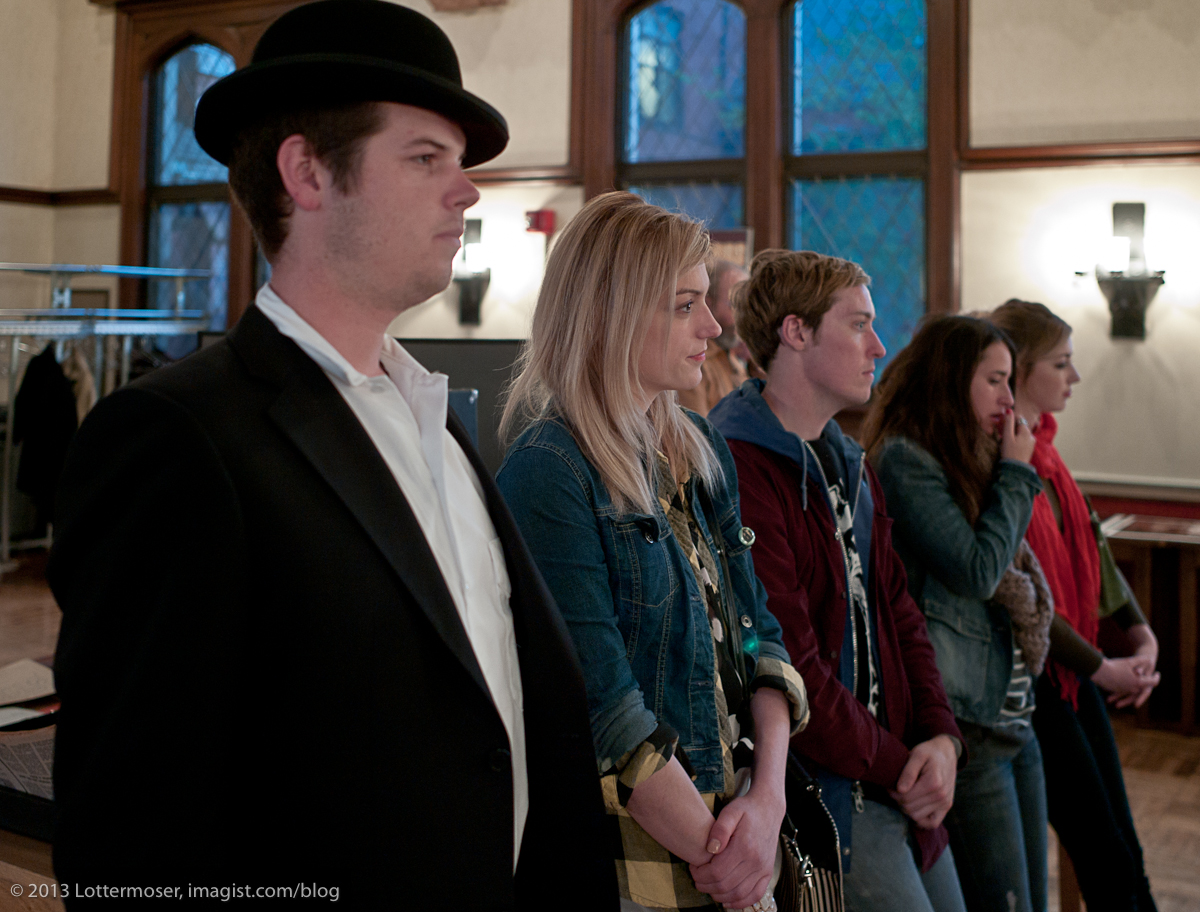
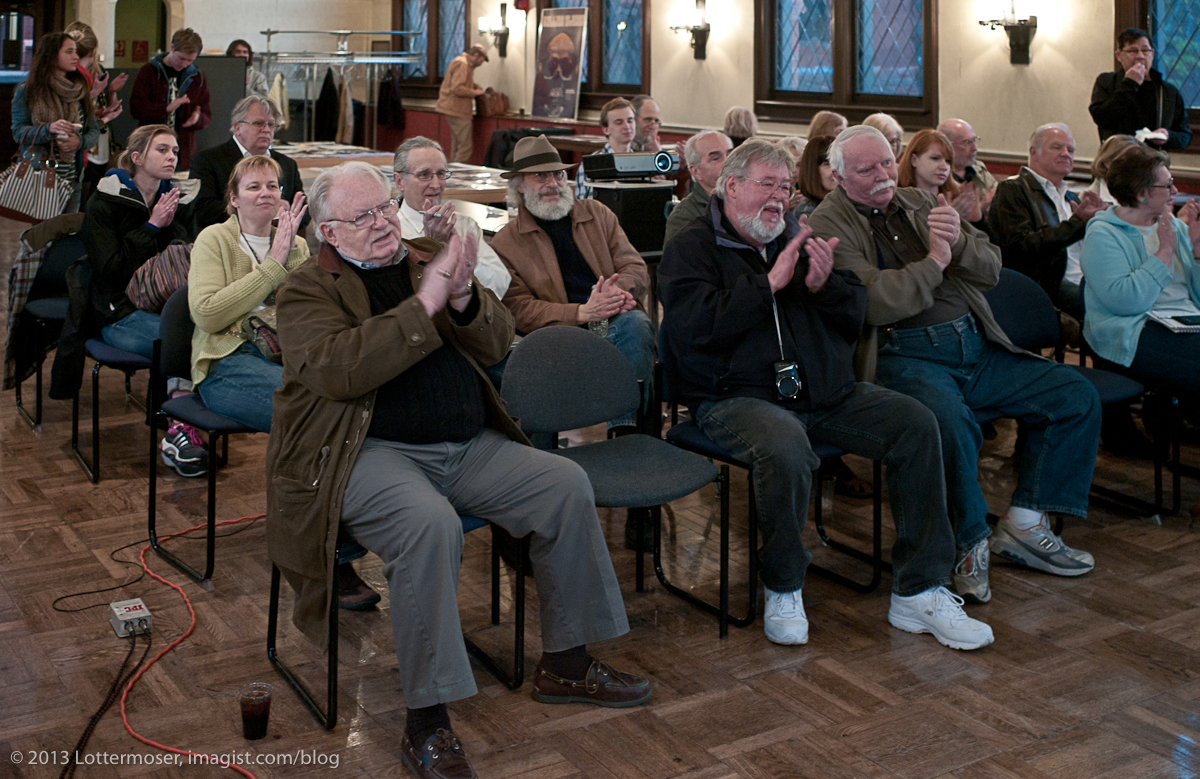
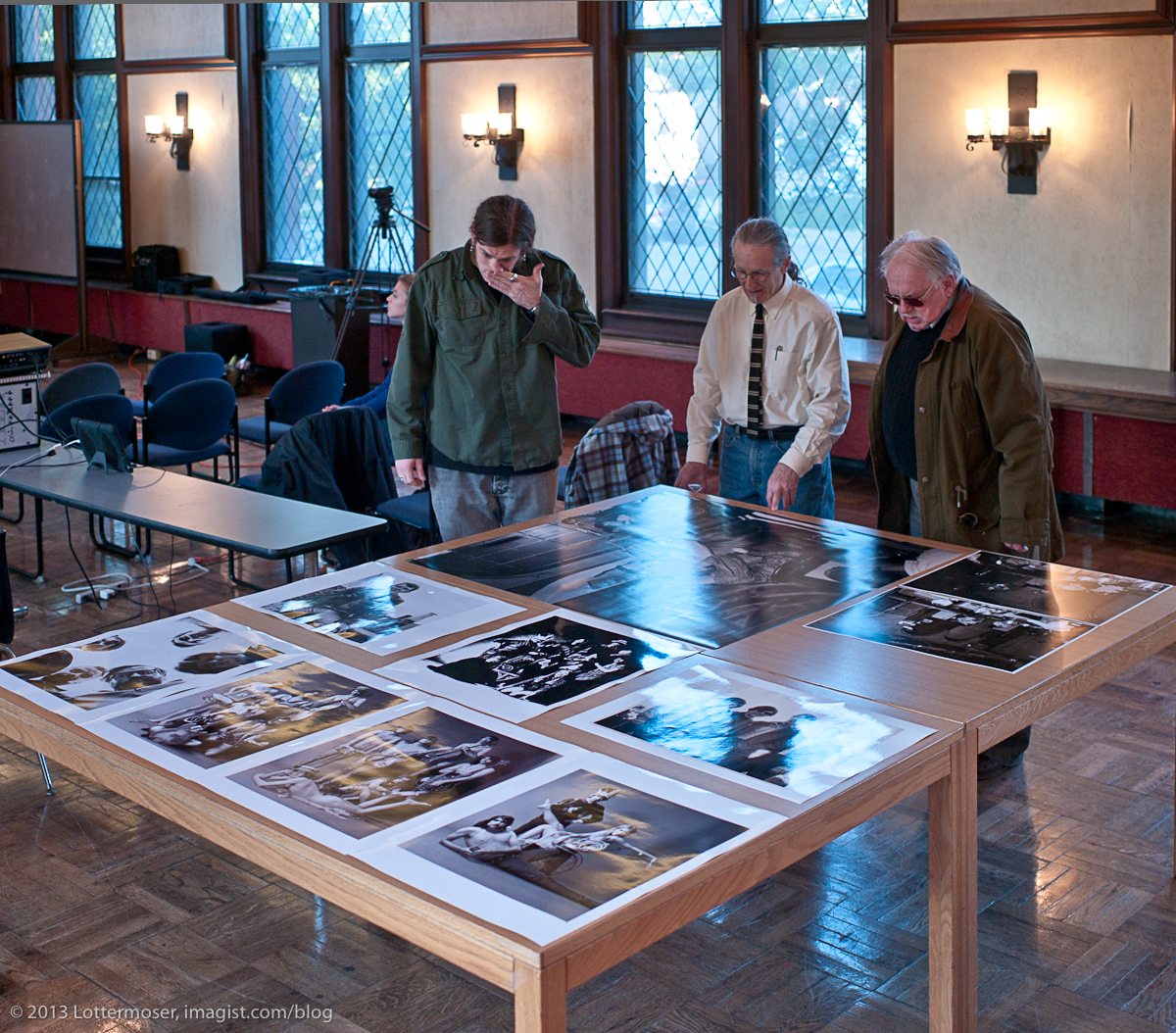
Last thursday evening John and Mckim Stropes organized another “Avant Garde” gathering of individuals interested in ’60s poets, musicians, photographers, and artists. The meeting included both young and old. We gathered in the beautiful, historic Green Hall on the UW Milwaukee campus. These events are part of the Avant Garde Coffeehouse Research Project sponsored by the Guitar focus within the Music Department, Peck School of the Arts at UW Milwaukee. The project — including an Exhibition at the Inova (Institute of Visual Arts) gallery, the theatrical production Meet Me at the Avant Garde, the Class, and the development of the Avant Garde Coffeehouse Facebook page — has thus far resulted in remarkable community involvement, an outpouring of archival materials, and offers by individuals and institutions to participate in the continuation and expansion of this project.

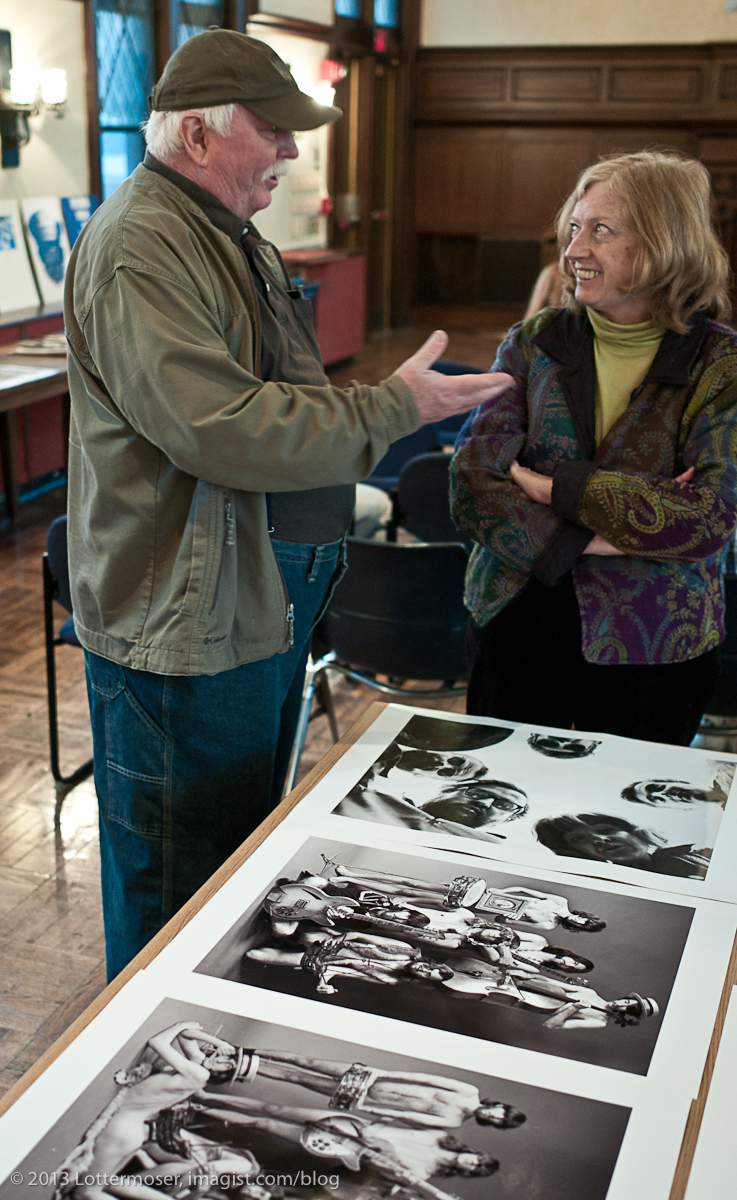
For this particular meeting I contributed a display of my Negative Movement Posters, Flyers and News Articles. This material represented some of my earliest graphic design and photography. The Negative Movement was cofounded by Dennis Brulc, George Johnson and myself to bring independently produced films to Milwaukee; and at a time when the University of Wisconsin – Milwaukee did not even have a film or photography department within the Art School:

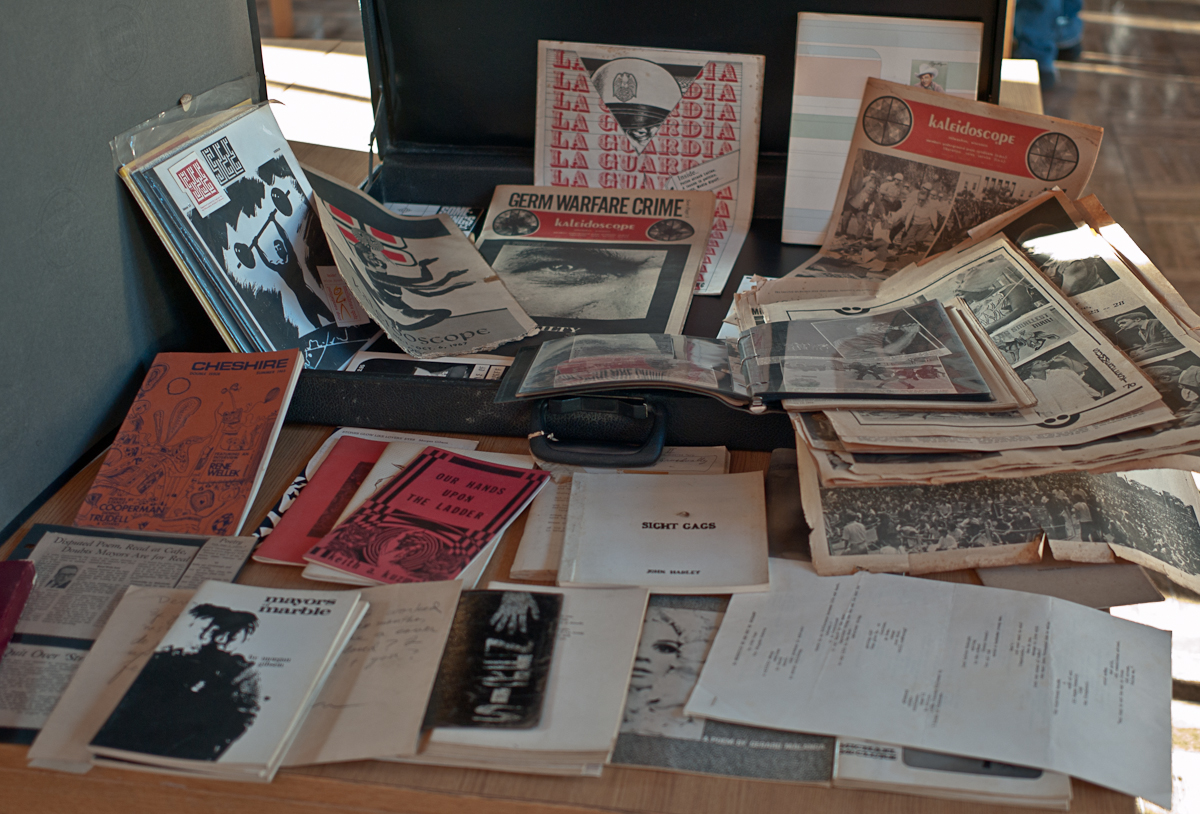
I also brought the collection of poetry chap books — which I contributed cover designs and other graphics to — along with tear sheets from my news photography of the decade between 1964 and 1974:

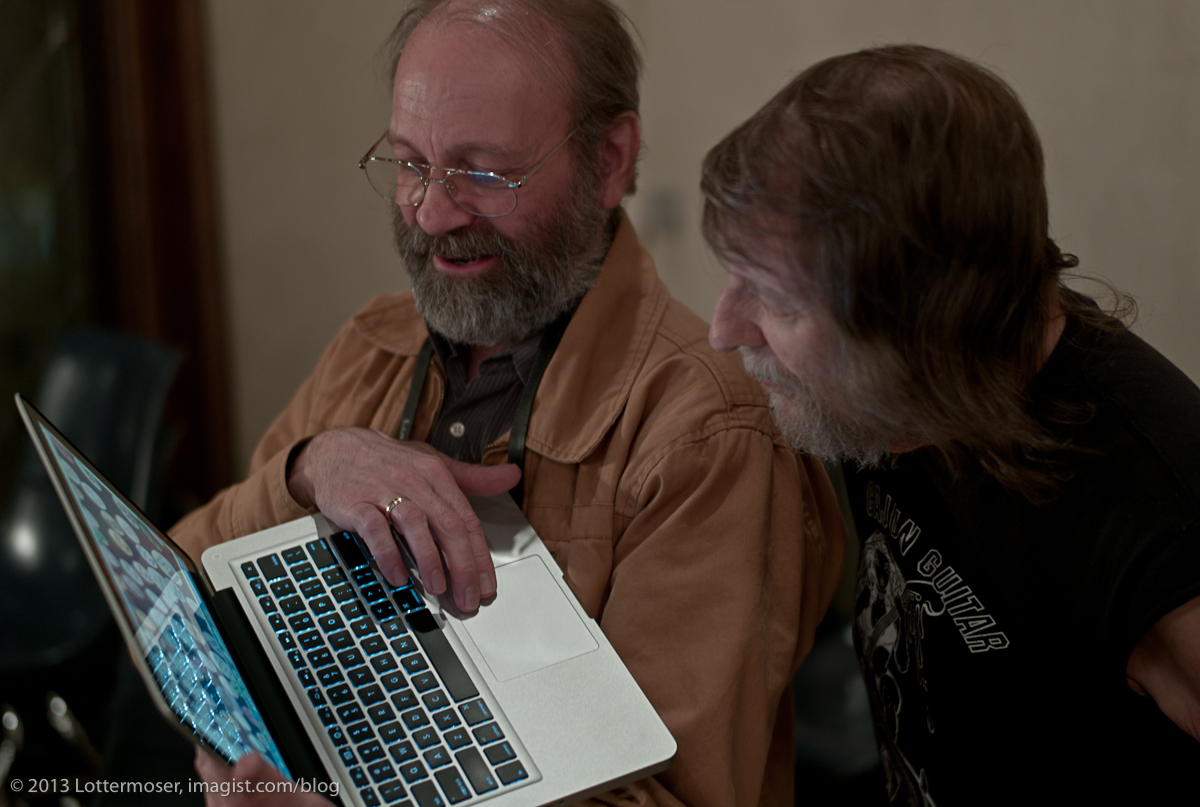
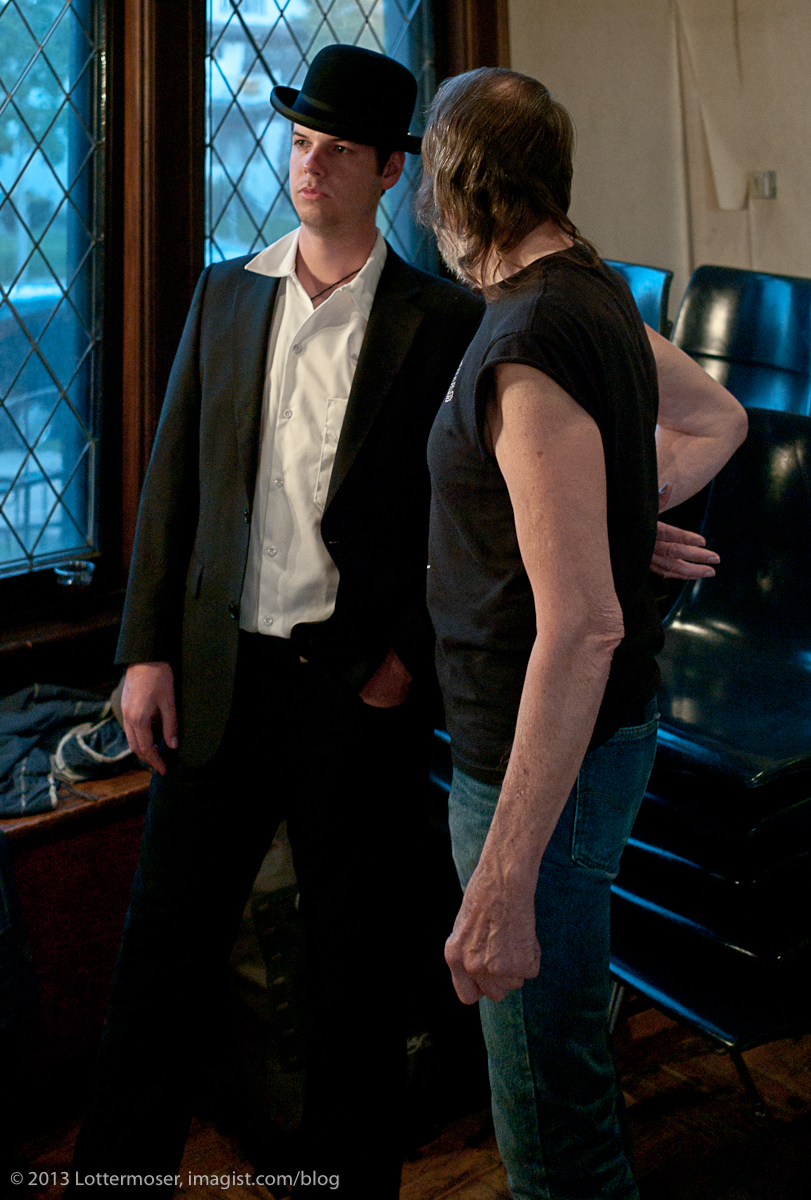
This lovely evening provided an opportunity for elders and youngsters to mingle and exchange potentially valuable cultural stories; while reviewing archival material from an exciting decade of the last century.

I look at these young people and remember when we were them. I wonder what they think of us – then – and now.

And the elders certainly did their share of reminiscing too:

View the complete gallery of the evening’s event here

Leica M8, 28 mm Summicron Asph or 50 mm Summilux Asph
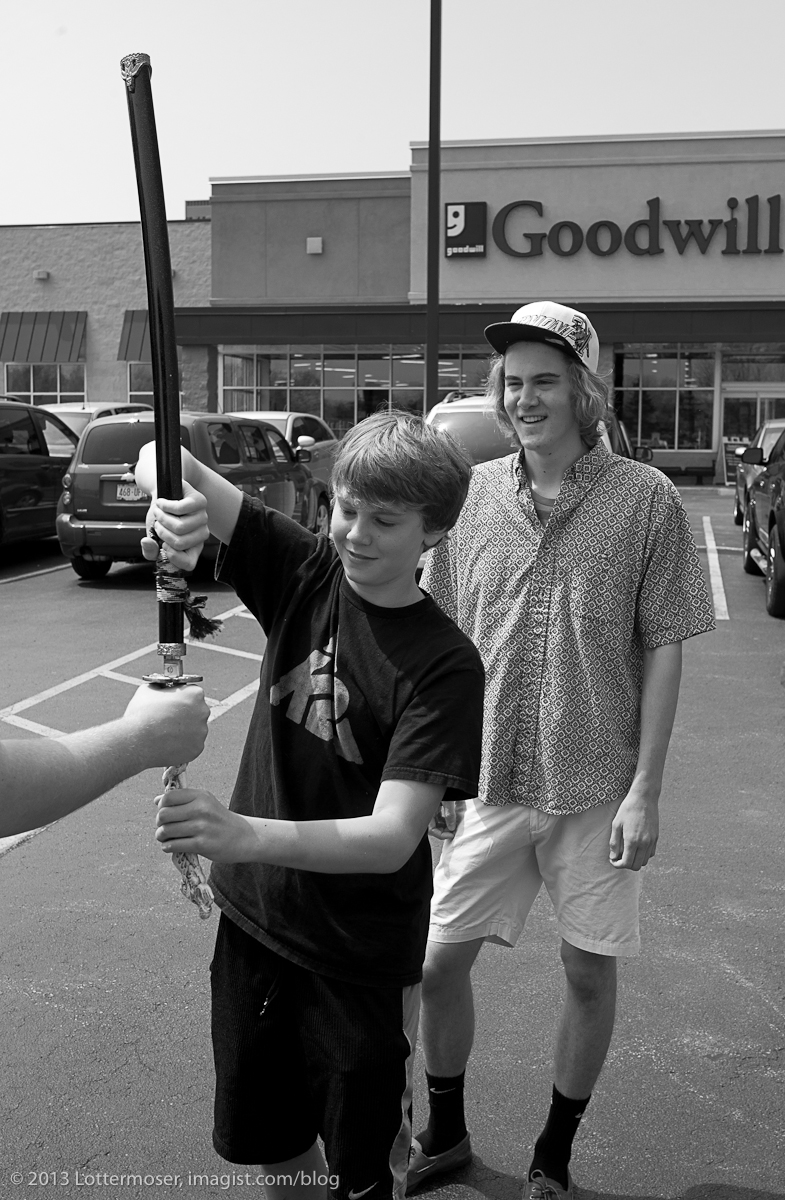
Goodwill Samurai

The three youngsters radiated excitement when I pulled into the parking lot of the Goodwill store in Grafton, Wisconsin. As I walked towards them each was expressing their palpable pleasure and disbelief to one another – over the acquisition of a samurai sword. I asked them the price. “$40.” The owner, the fellow with both hands on his new sword replied. All three wanted their hands on it. Boys and their swords.

(click photograph for larger view)

Leica M8, 28 mm Summicron Asph
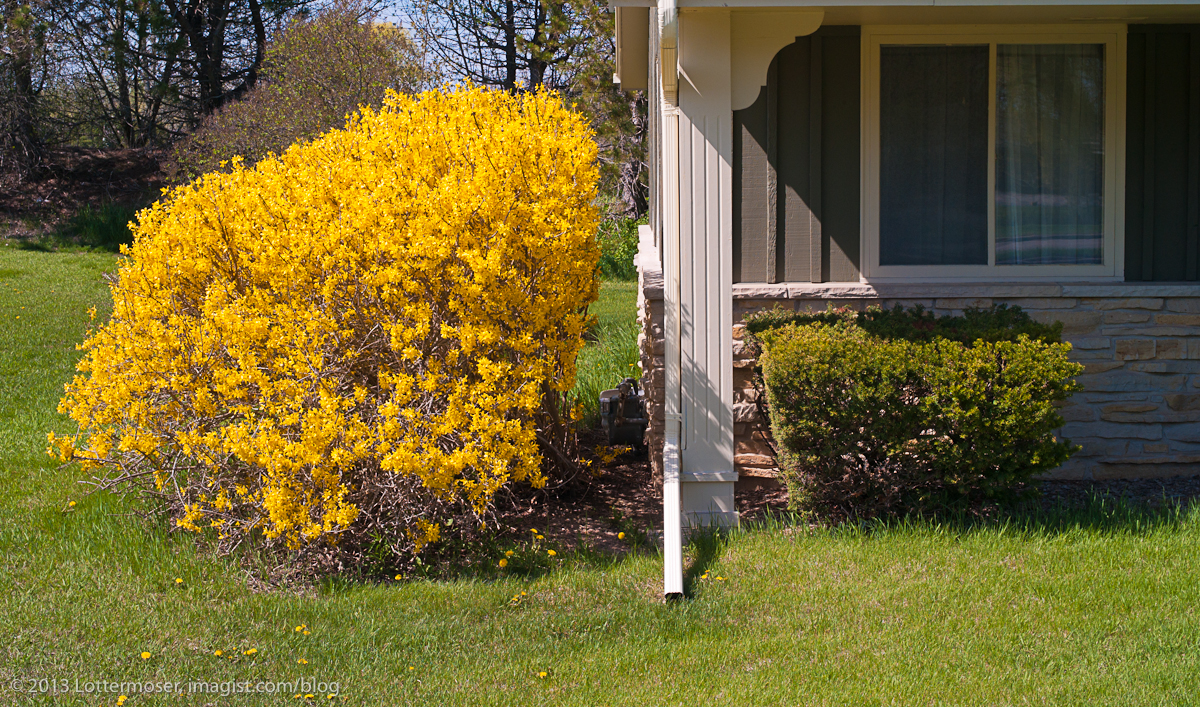
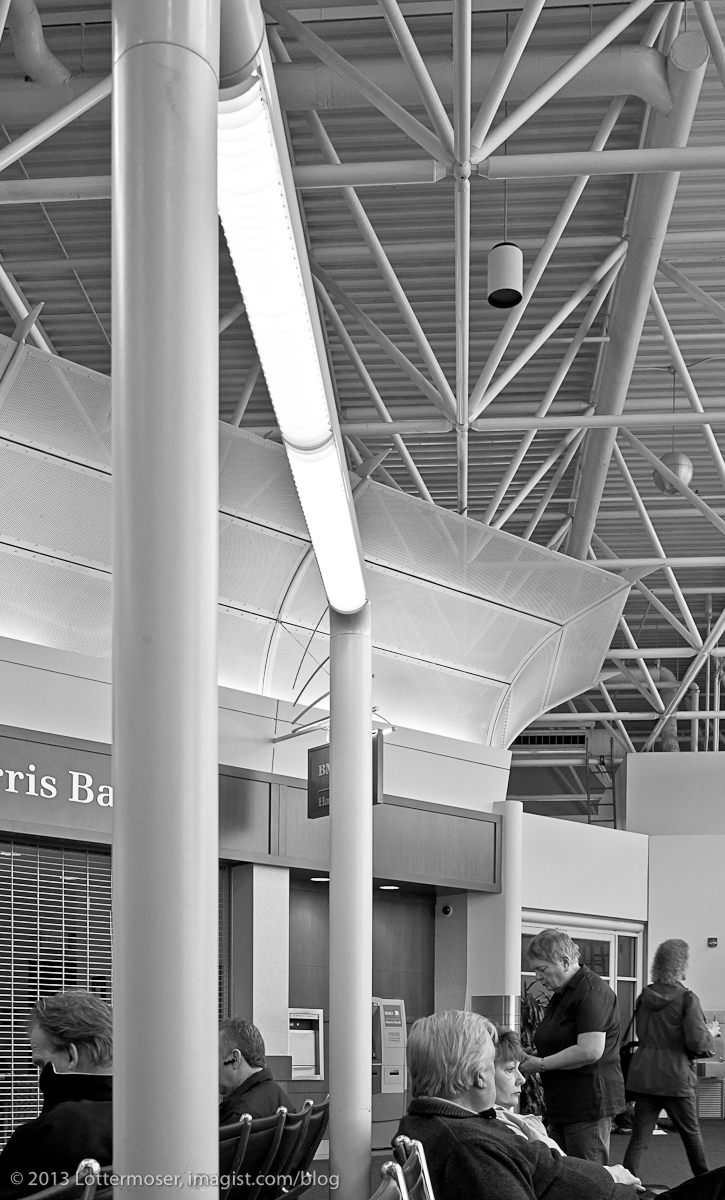
Corridors: Form follows function

“It is the pervading law of all things organic and inorganic,
Of all things physical and metaphysical,
Of all things human and all things super-human,
Of all true manifestations of the head,
Of the heart, of the soul,
That the life is recognizable in its expression,
That form ever follows function. This is the law.” – Louis Sullivan

(click photograph for larger view)

Leica M8, 28 mm Summicron Asph
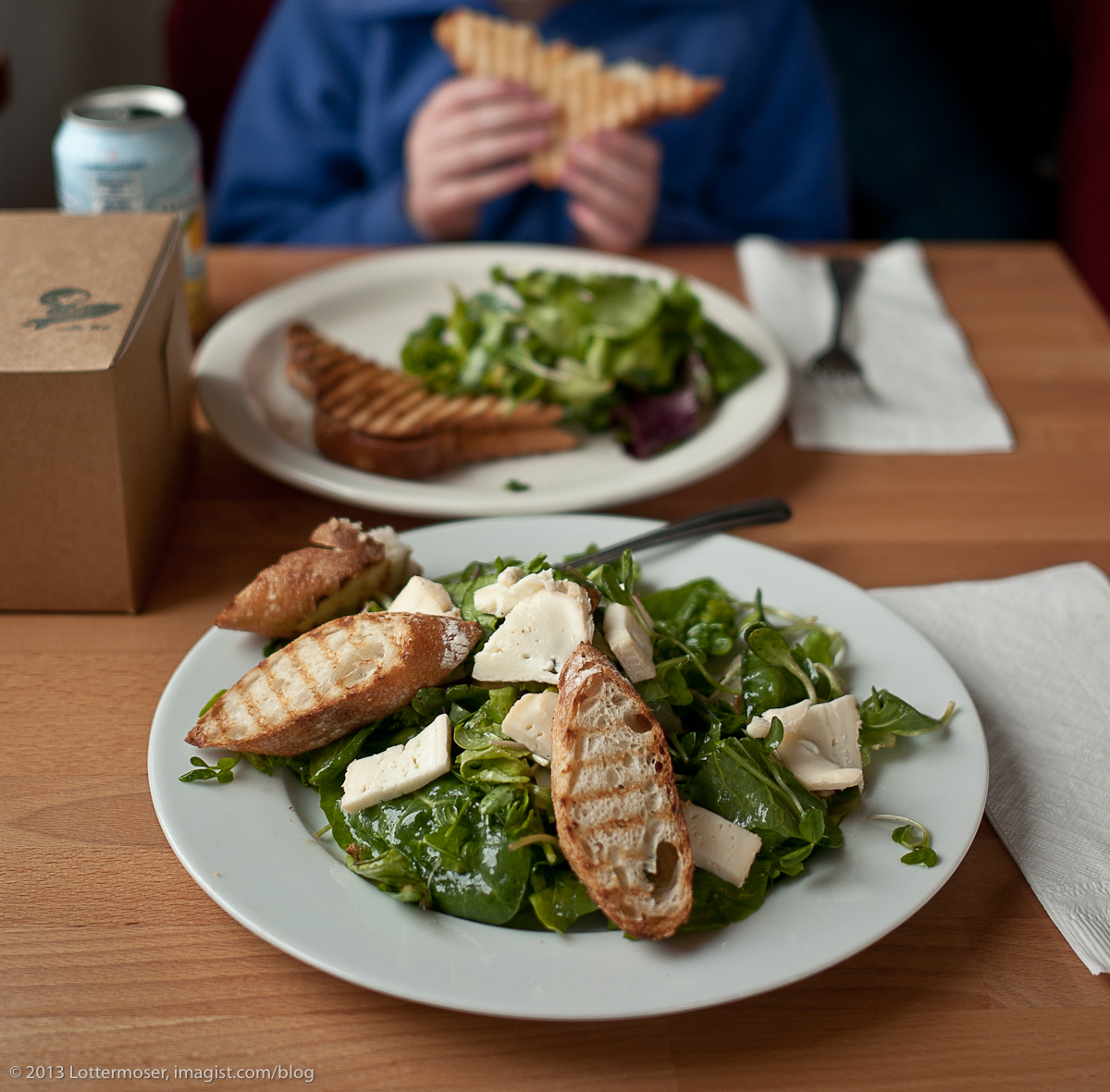
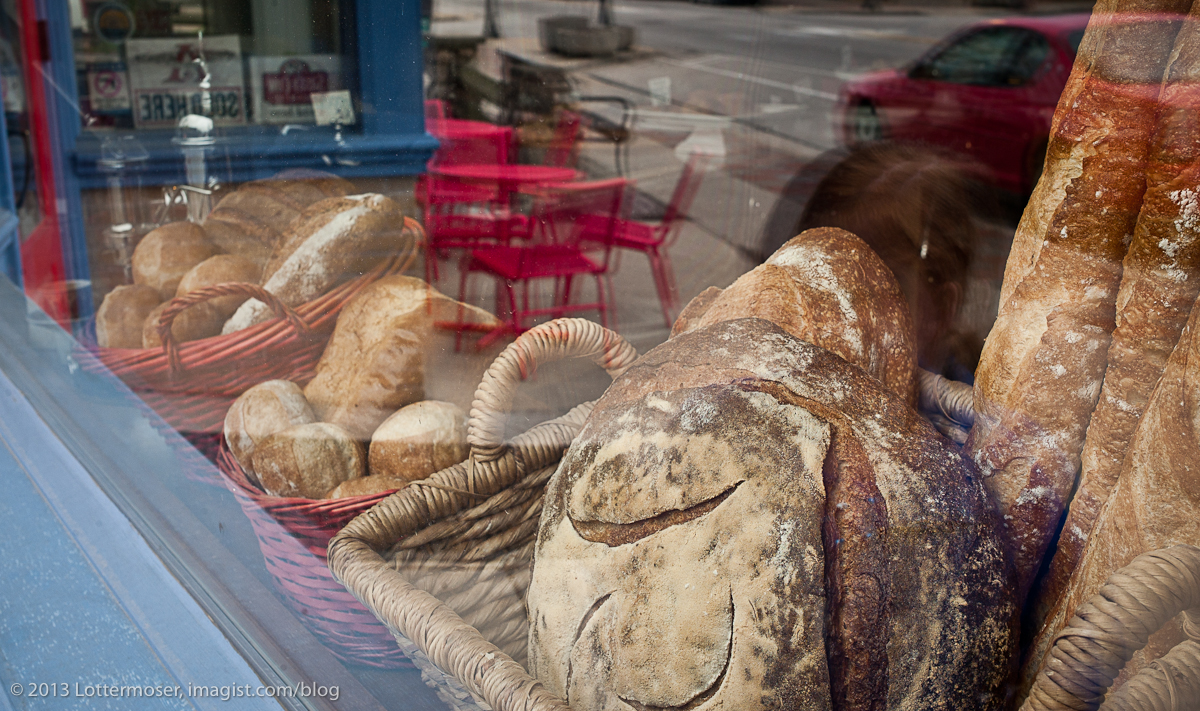
Bread lines

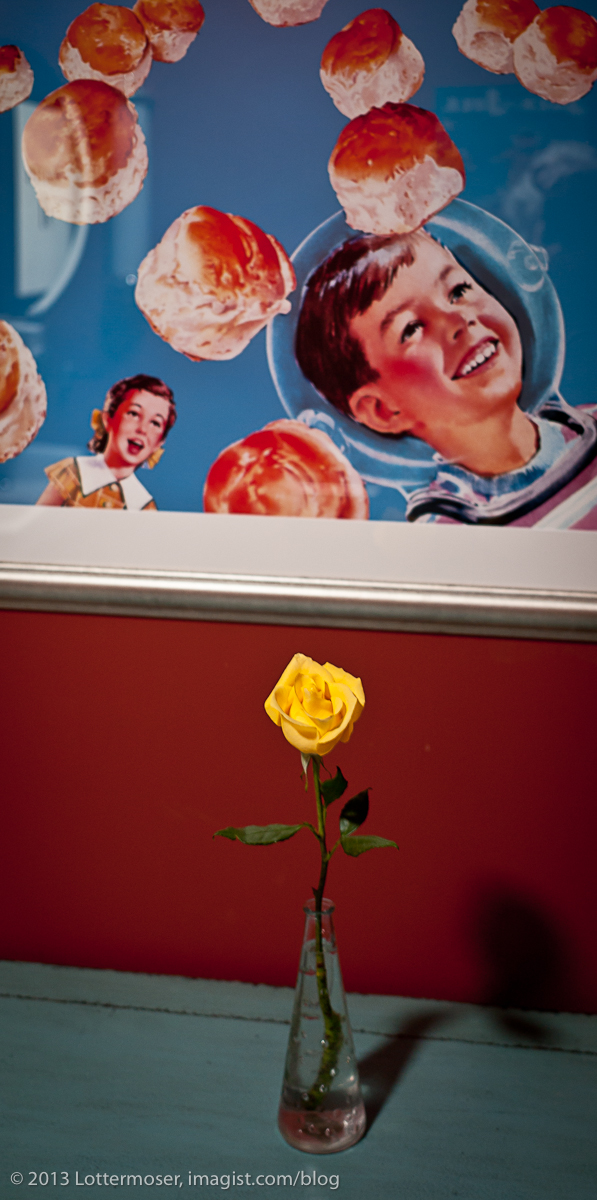
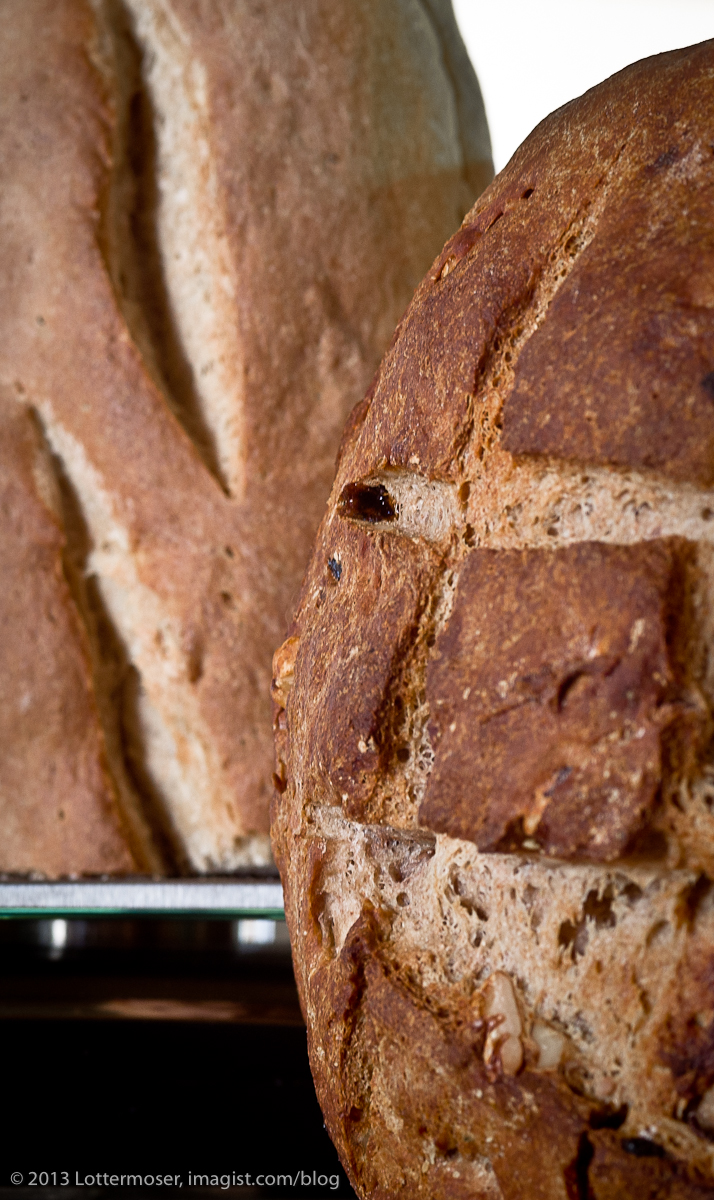
It seems that I love to knead it, form it, cut it, bake it, photograph it, read about it, smell it, touch it, eat and taste it… with honey, with peanut butter, with humus, with tahini, with cream cheese, with salsa, with chutney, with tomato, with onion, …or all by itself.

“Peace goes into the making of a poem as flour goes into the making of bread.” – Pablo Neruda

“There are people in the world so hungry, that God cannot appear to them except in the form of bread.” – Mahatama Gandhi

“The smell of good bread baking, like the sound of lightly flowing water, is indescribable in its evocation of innocence and delight… [Breadmaking is] one of those almost hypnotic businesses, like a dance from some ancient ceremony. It leaves you filled with one of the world’s sweetest smells… there is no chiropractic treatment, no Yoga exercise, no hour of
meditation in a music-throbbing chapel. that will leave you emptier of bad thoughts than this homely ceremony of making bread.”
– M.F.K. FisherThe Art of Eating: 50th Anniversary Edition

(click photograph for larger view)

Leica R8/DMR, 60 mm Macro Elmarit