(click photo for larger view)

Leica M8, 28 mm Summicron Asph
(click photo for larger view)
Leica M8, 28 mm Summicron Asph
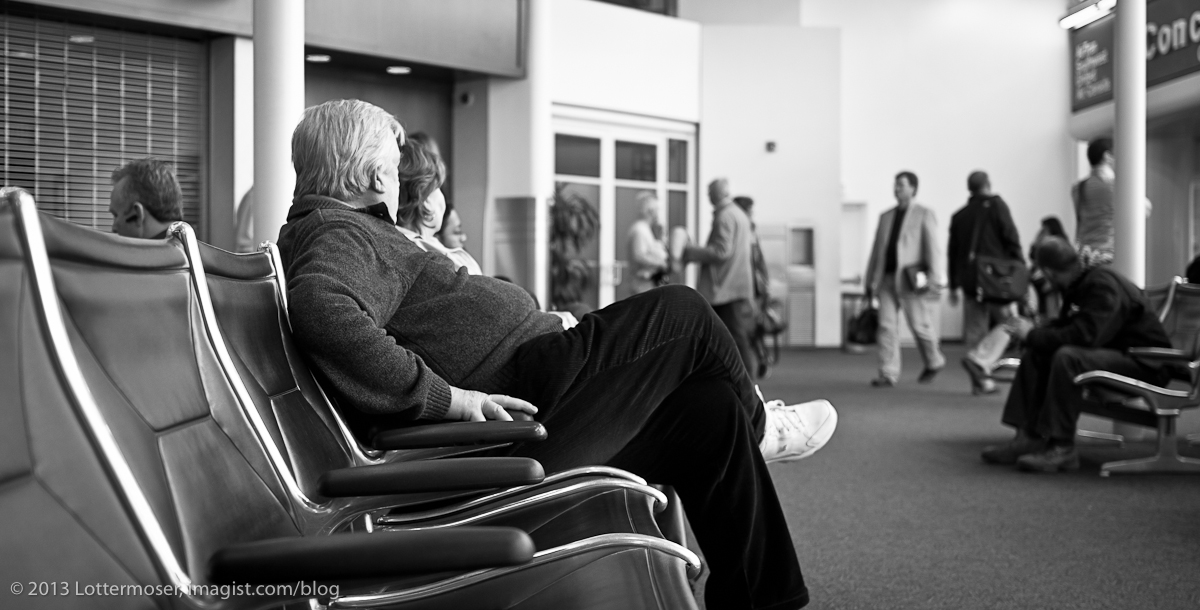
…at General Mitchell International Airport, Milwaukee, WI
(click photo for larger view)


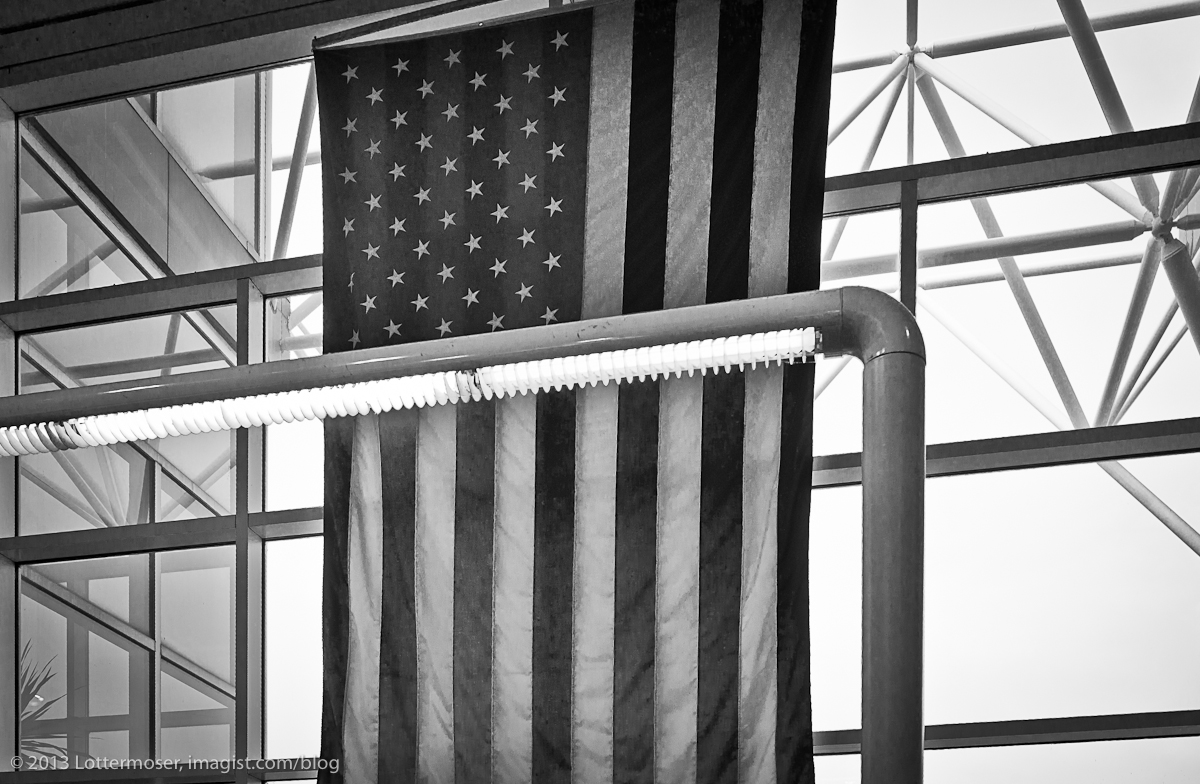
Leica M8, 28 mm Summicron Asph
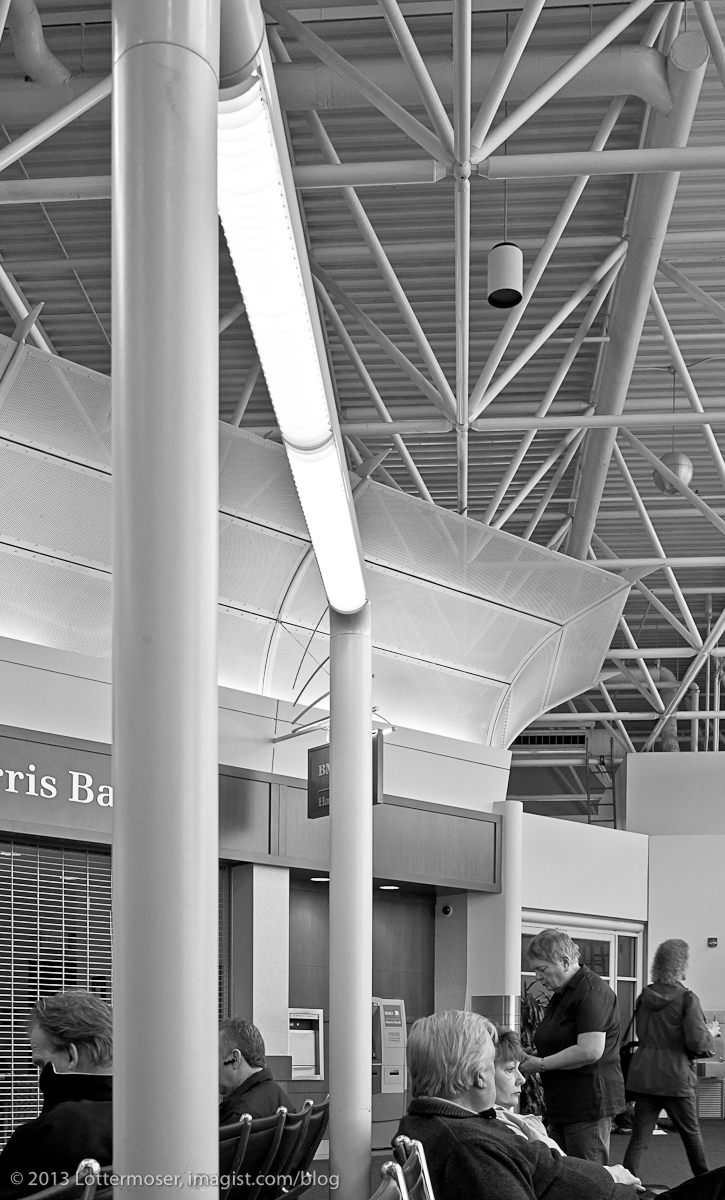
“It is the pervading law of all things organic and inorganic,
Of all things physical and metaphysical,
Of all things human and all things super-human,
Of all true manifestations of the head,
Of the heart, of the soul,
That the life is recognizable in its expression,
That form ever follows function. This is the law.” – Louis Sullivan
(click photograph for larger view)
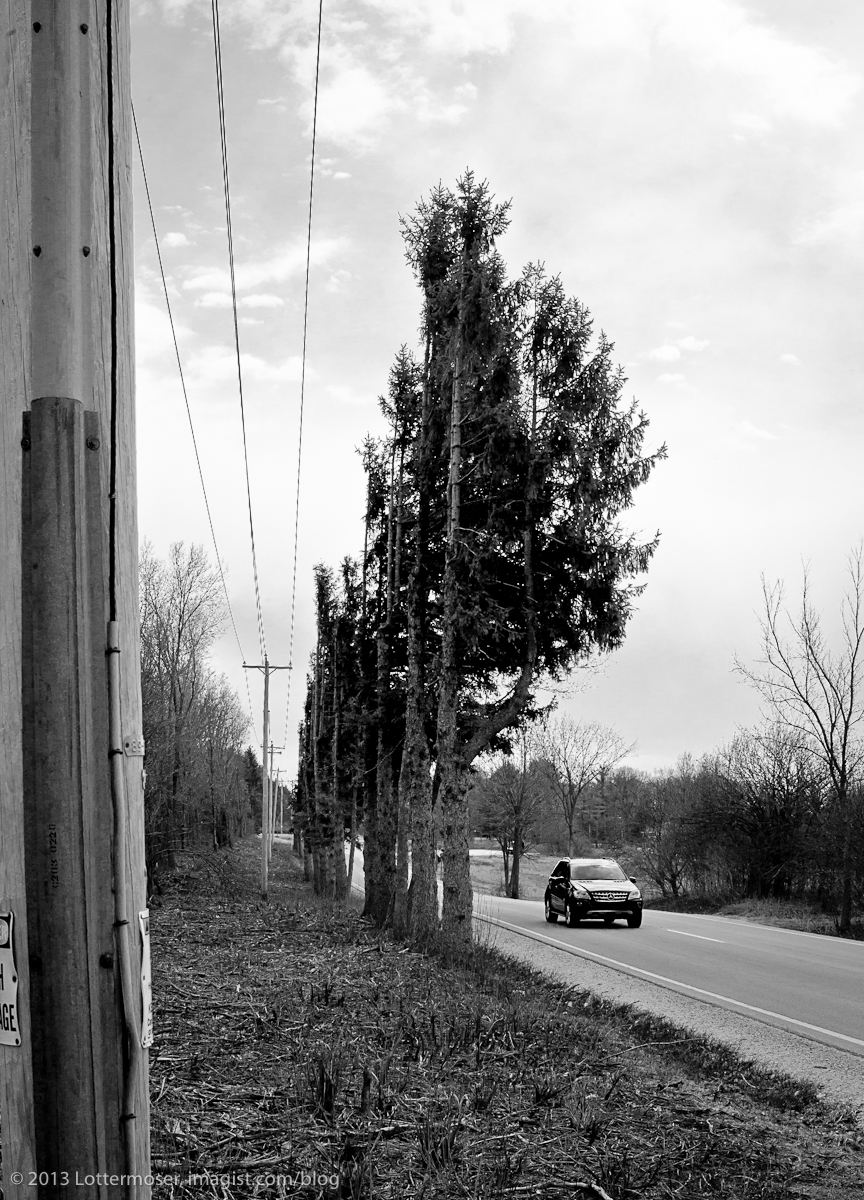
Leica M8, 28 mm Summicron Asph
Most days I enjoy casting my gaze on the Milwaukee River;
usually after a decent workout and a bit of Yoga
at my local YMCA; where the lower parking lot
sits a dozen feet from that very powerful river.
Last Friday not so much…
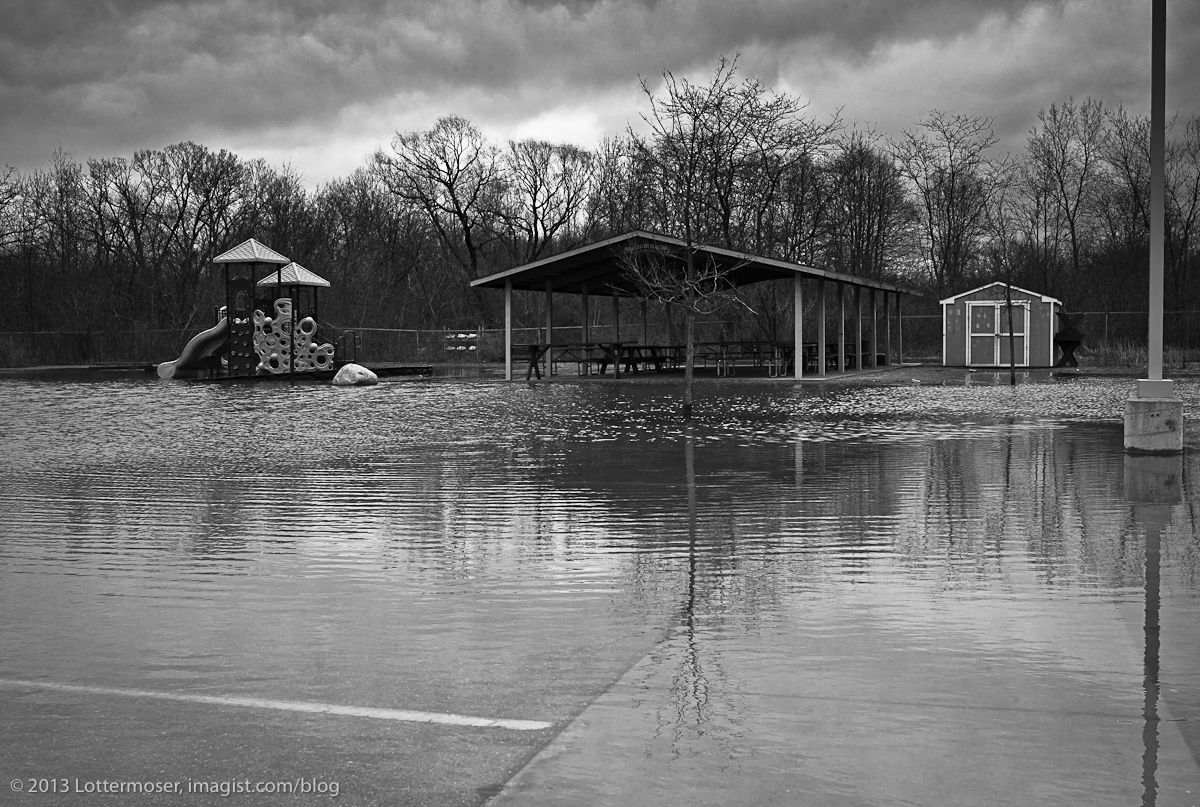
Today they’re predicting all time high water levels — as the river flows through downtown Cedarburg and Thiensville.
(click photograph for larger view)
Leica M8, 28 mm Summicron Asph
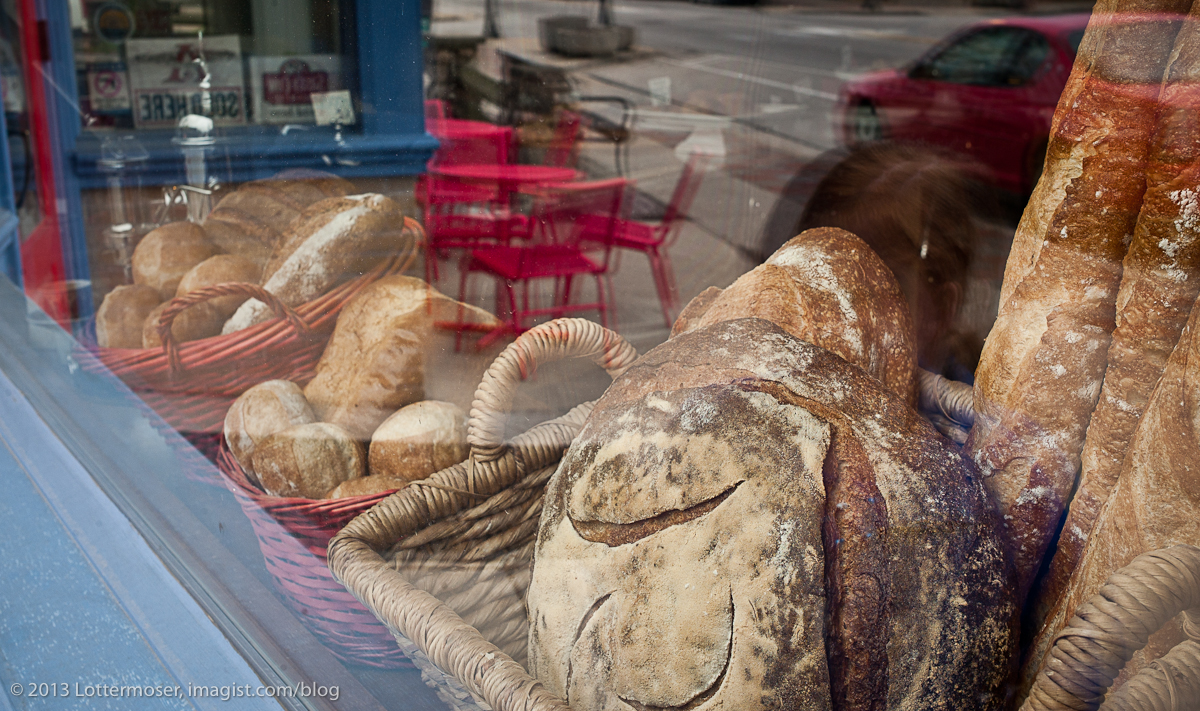
It seems that I love to knead it, form it, cut it, bake it, photograph it, read about it, smell it, touch it, eat and taste it… with honey, with peanut butter, with humus, with tahini, with cream cheese, with salsa, with chutney, with tomato, with onion, …or all by itself.
“Peace goes into the making of a poem as flour goes into the making of bread.” – Pablo Neruda
“There are people in the world so hungry, that God cannot appear to them except in the form of bread.” – Mahatama Gandhi
“The smell of good bread baking, like the sound of lightly flowing water, is indescribable in its evocation of innocence and delight… [Breadmaking is] one of those almost hypnotic businesses, like a dance from some ancient ceremony. It leaves you filled with one of the world’s sweetest smells… there is no chiropractic treatment, no Yoga exercise, no hour of
meditation in a music-throbbing chapel. that will leave you emptier of bad thoughts than this homely ceremony of making bread.”
– M.F.K. Fisher, The Art of Eating: 50th Anniversary Edition
(click photograph for larger view)
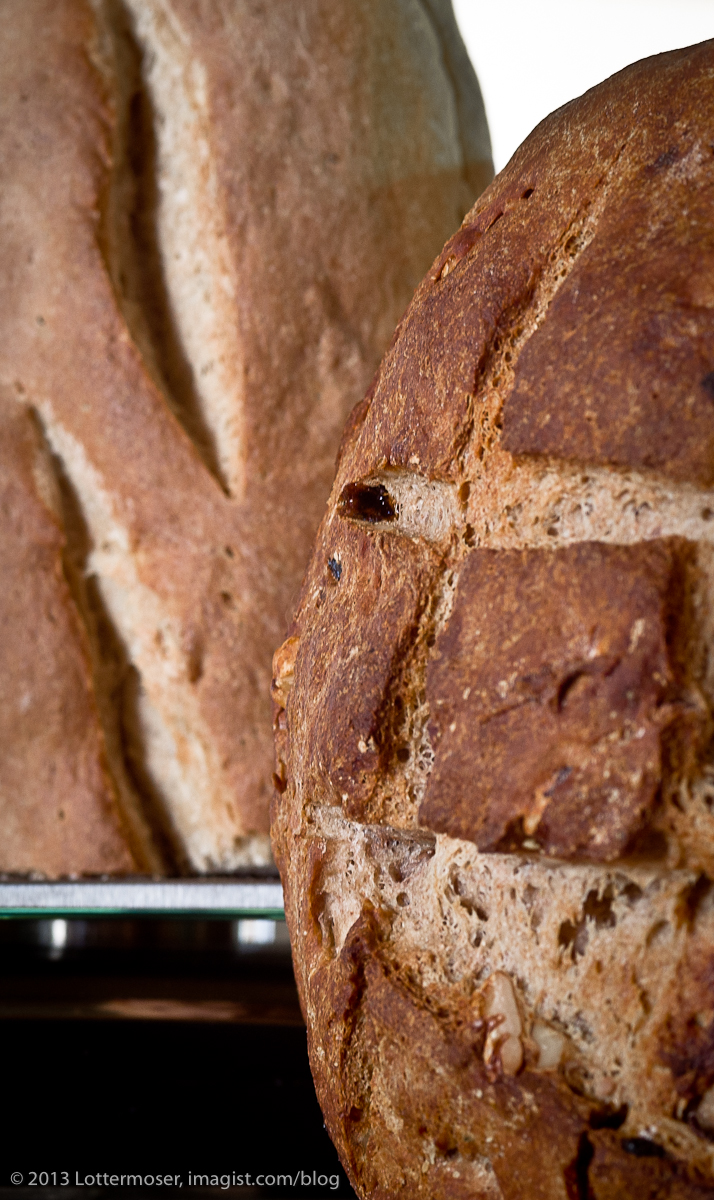
Leica R8/DMR, 60 mm Macro Elmarit
(click photograph for larger view)
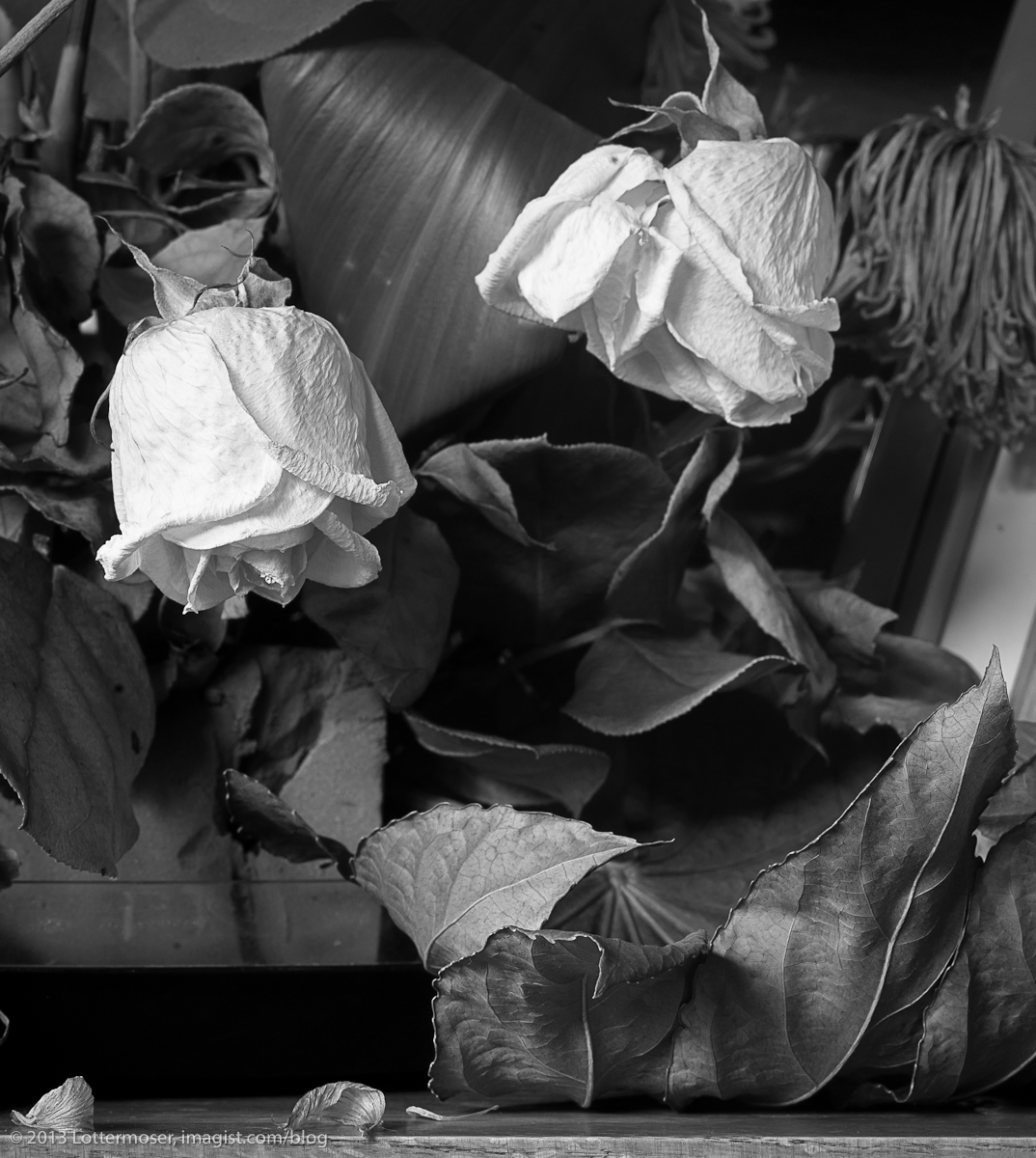
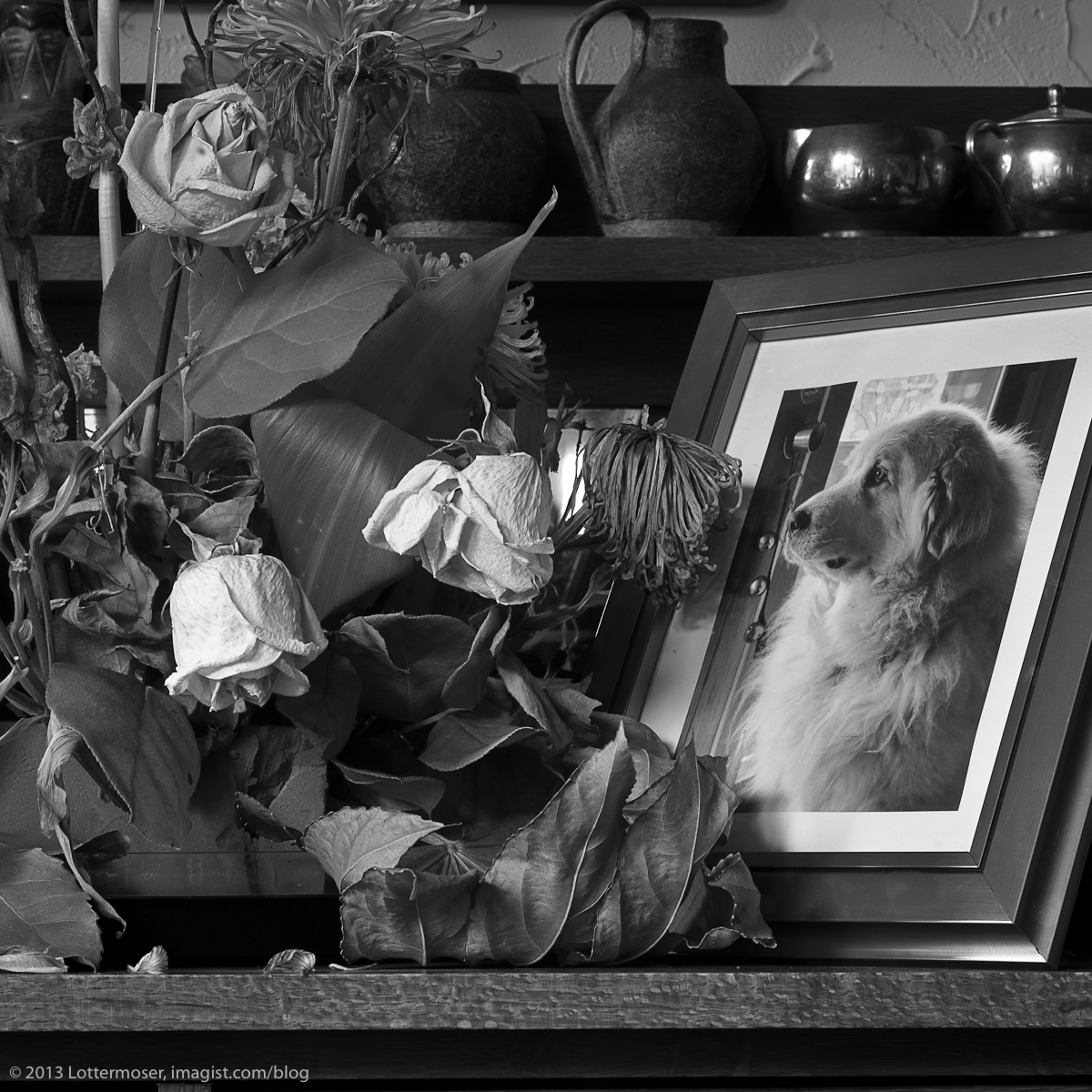
Leica R8 DMR, 60 mm Macro Elmarit
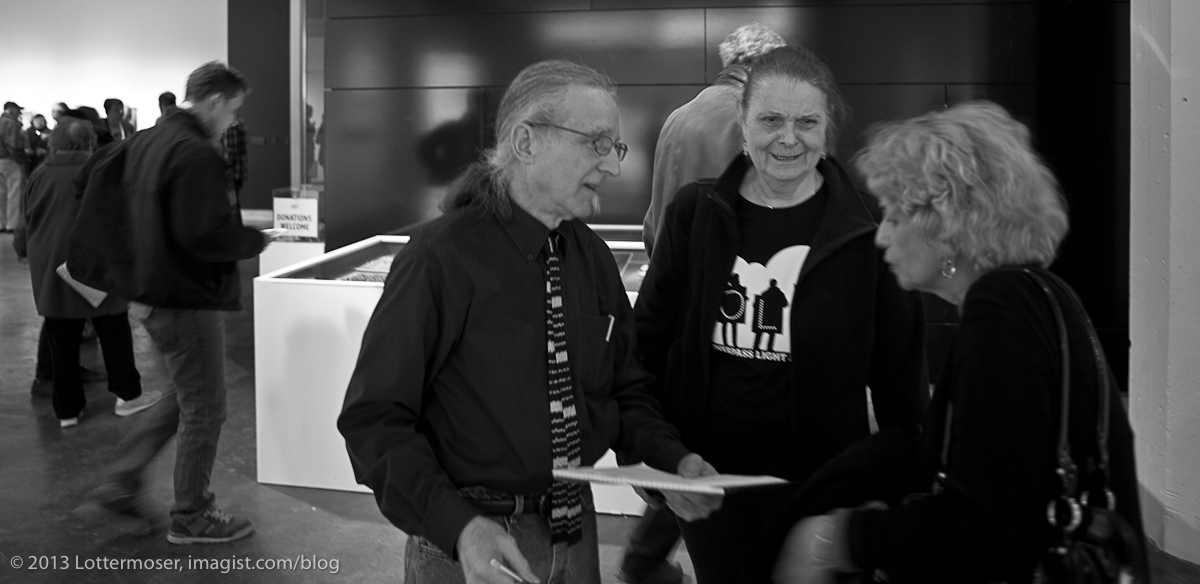
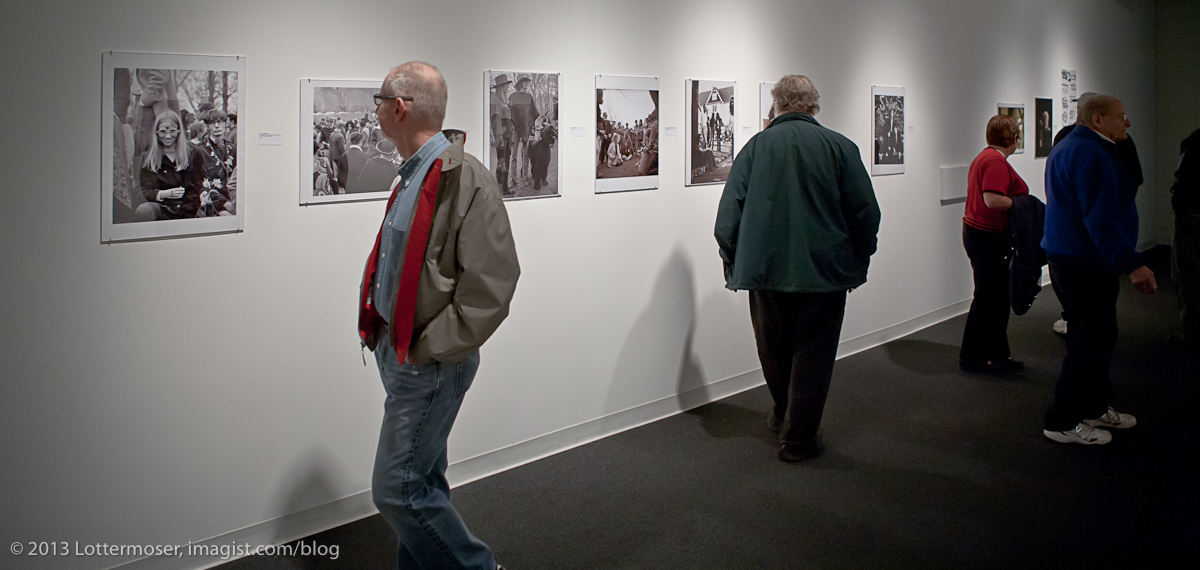
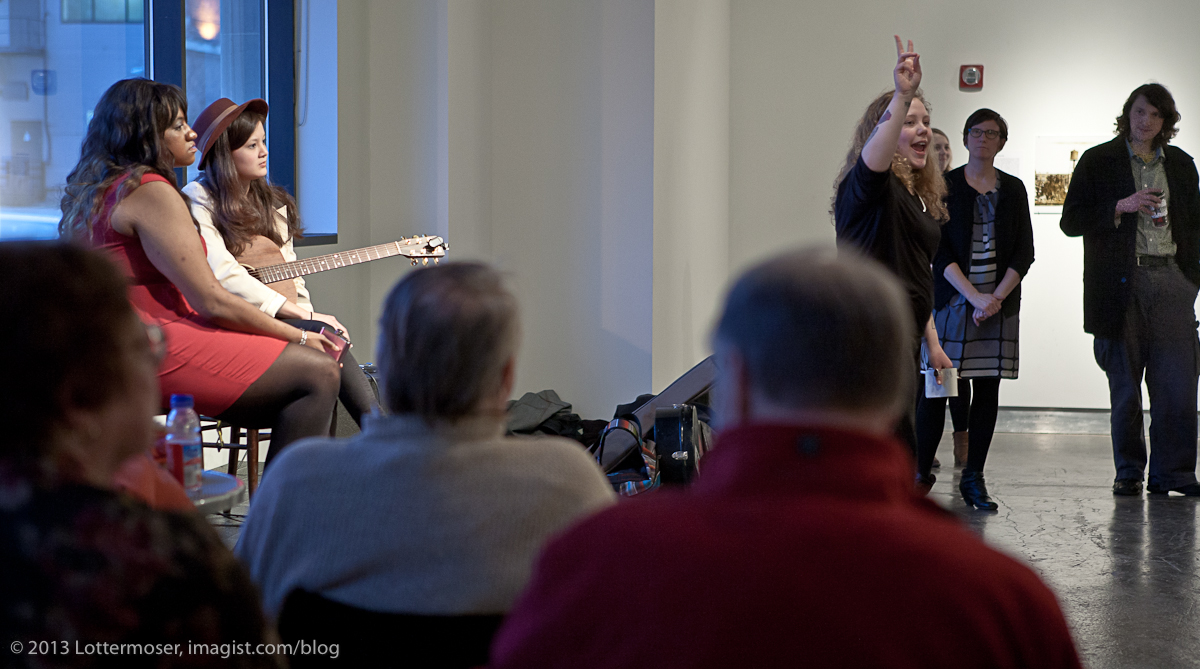
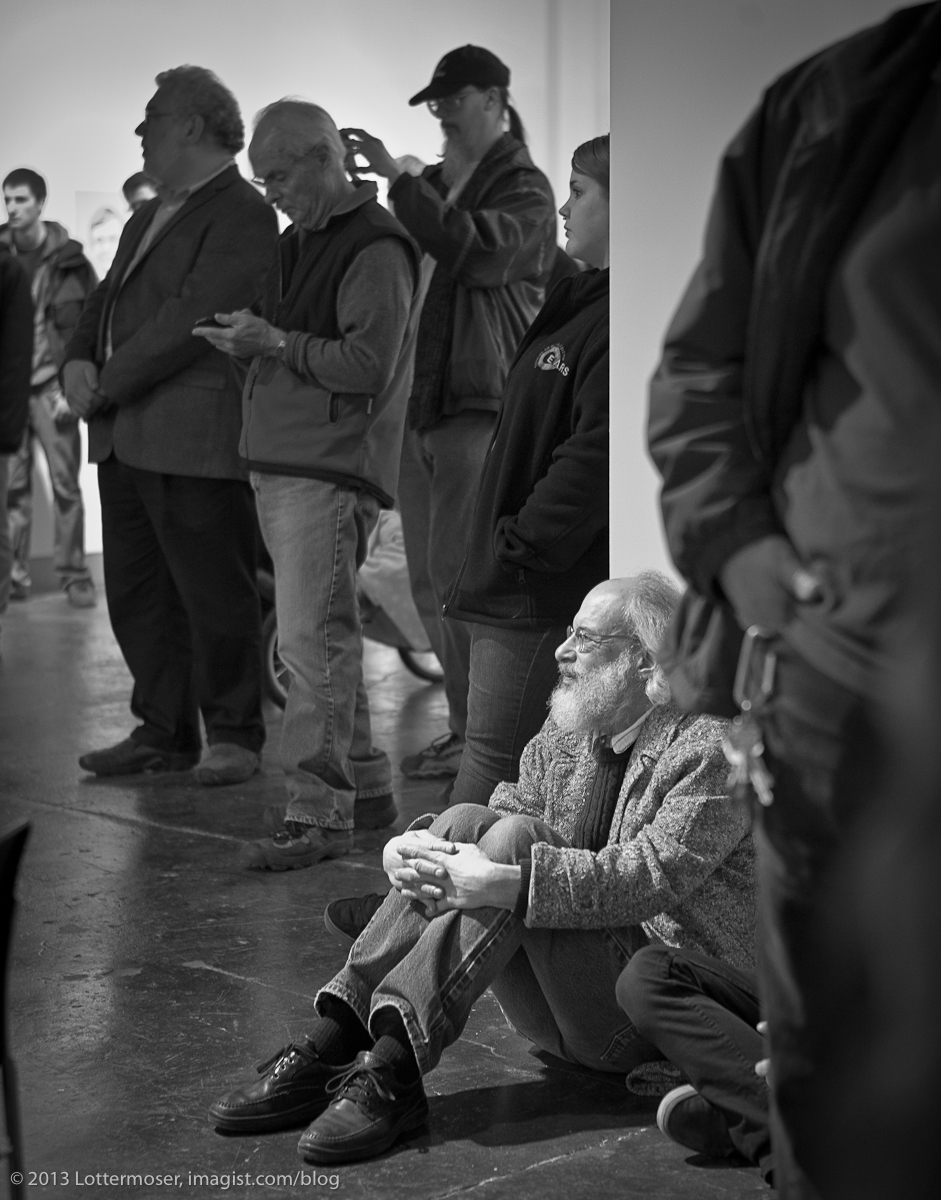
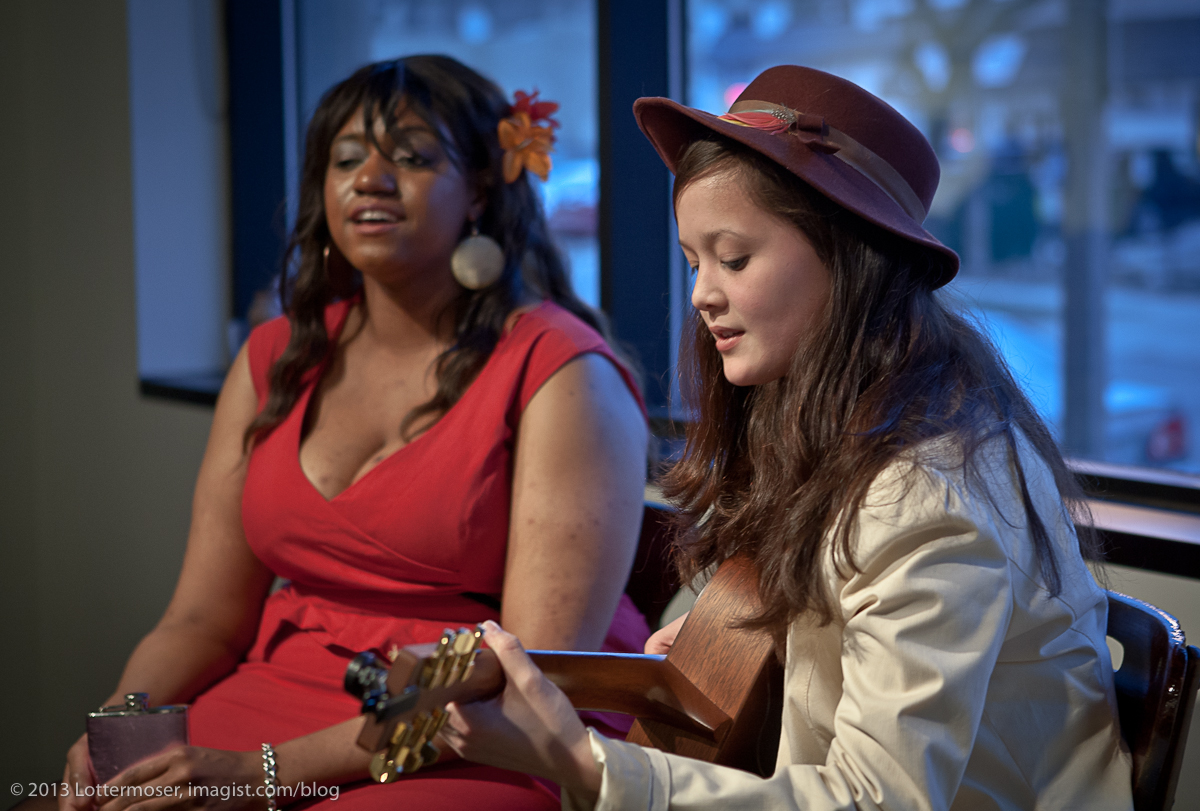
In 2010, the University of Wisconsin-Milwaukee embarked on a long-term, multi-departmental research project focused on the Avant Garde Coffeehouse, a local landmark and center of the folk/blues revival in Wisconsin from 1962 to 1968. There were places like this in other areas, but, in Wisconsin, none as important as the Avant Garde. It presented local performers and nationally-known folk and blues artists, poetry readings, and experimental and underground films.
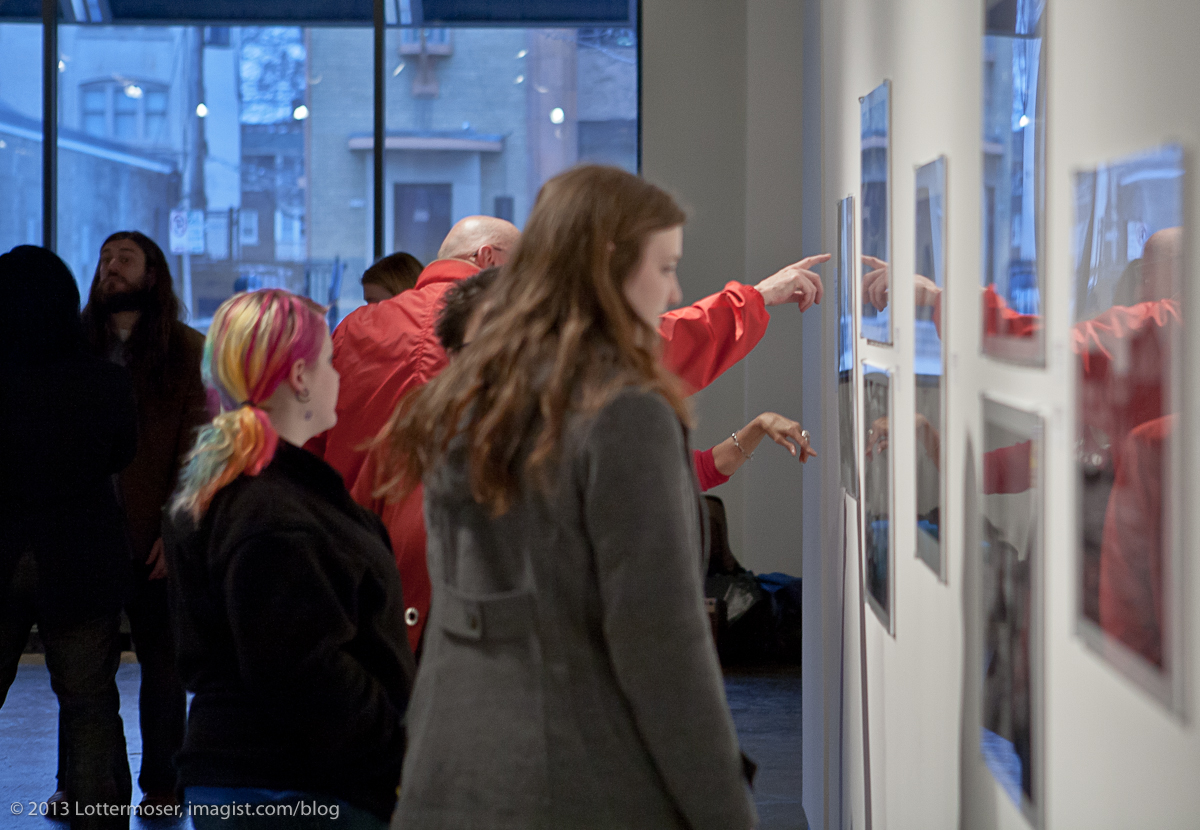
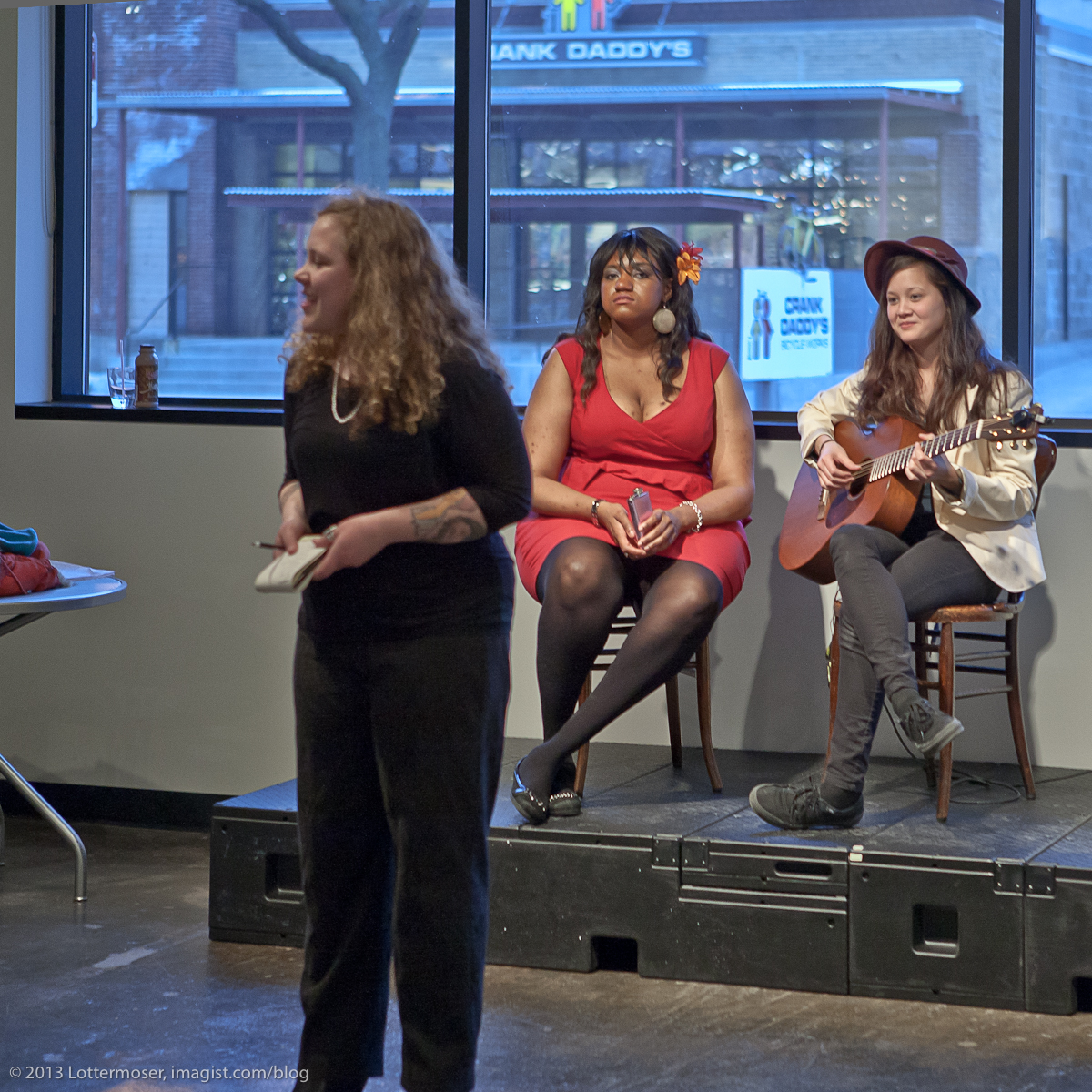
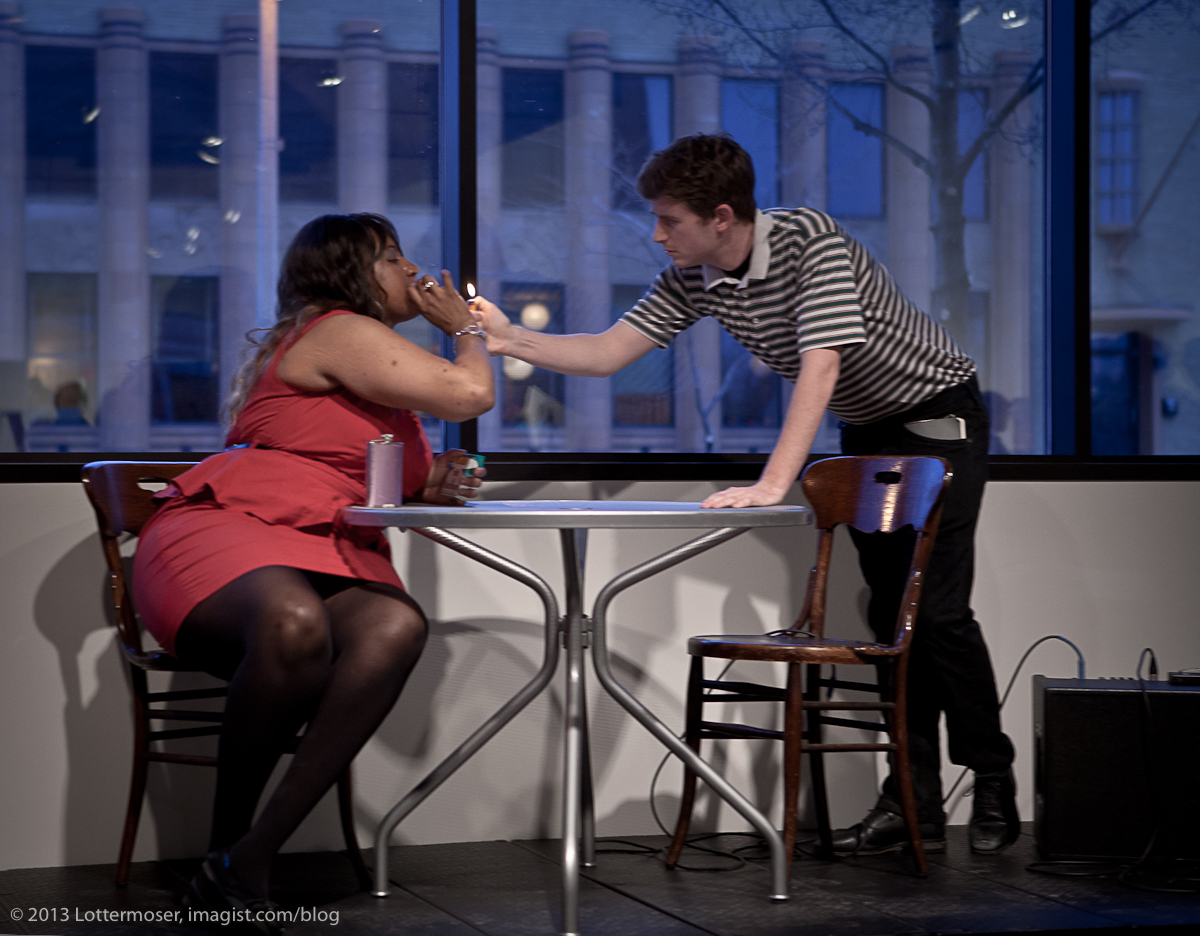
The gallery show opened on Friday, April 5th, at the Institute of Visual Arts (Inova), 2155 North Prospect Avenue. It featured performances by UWM finger-style guitar students Doug Justice, Connor Scaro, Nick Brightwell, and Macyn Taylor, and scenes from the upcoming theatrical production, Meet Me at the Avant Garde, written by Fly Steffans and directed by Rebecca Holderness.
The exhibit consists of photographs made primarily by Gordy Simmons in and around the Avant Garde, and James Middleton in and around Milwaukee’s East Side community – reaching out to the Ann Arbor Blues Festival – as well. Gordy’s photographs focus largely on the artists performing at the Garde. Jim’s photographs fan out slightly to the greater east side culture. There’s a couple artifacts, like the Negative Movement‘s first underground film show at the Milwaukee Art Center poster which begin to suggest the larger culture which the music interacted with.
The exhibit certainly stimulated the memories of this particular cultural participant. As one of the co-founders of the Negative Movement, and co-designer of the poster in the exhibit the mind floods into a sea of memories – people – marches – meetings – be-ins – happenings – poets – writers – musicians – dreams – music – lyrics – photographs – art – poems – films – A big thanks to John Stropes, Director of Guitar Studies, Finger-Style Guitar University of Wisconsin-Milwaukee, Peck School of the Arts; and to his brother Mckim Stropes and all the other staff and students for bringing these bits of history forward in time – celebrating the coincidence of the 50th anniversaries of both the Avant Garde Coffeehouse and the UWM Peck School of the Arts.
(click photograph for larger view – additional photographs from the event can be viewed here)
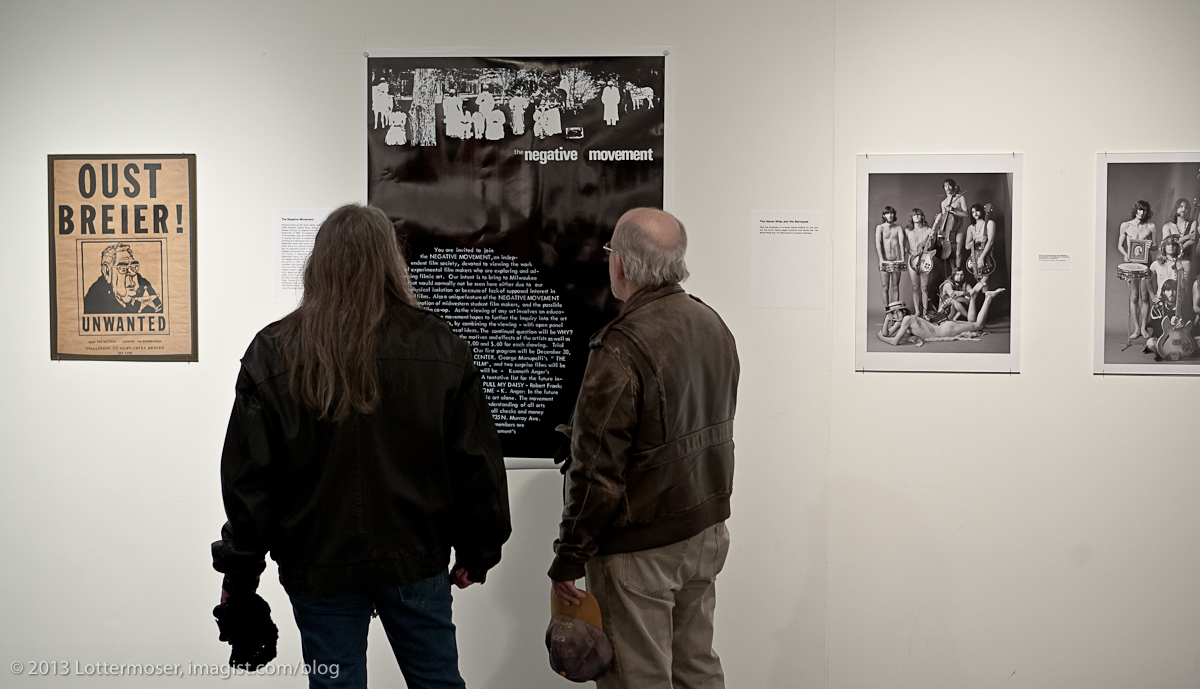
Yet the exhibit also seems to miss even suggesting the huge socio-cultural-political-paradigm-shifts taking place outside the walls of that wonderful little second floor coffeehouse. I suppose this statement depends a great deal on one’s particular point of view. As an art student at the University of Wisconsin Milwaukee from 1964 to 1972; during a time when photography and film had not even made it into the curriculum; where we had to fight to get them recognized by the art department; where Universities across the country had to figure out if they would support their students as the students protested the war and marched for civil rights—even as churches were bombed; and presidents were assassinated; where the students had to figure out how to make their voices heard by their Universities, Parents, Congressmen, Senators, and Presidents.
In other words – A number of us stepped directly from high school into the so-called “counter-culture” in 1963. The 16th Street Baptist Church in Birmingham, Alabama was bombed on Sunday, September 15, 1963 – killing 4 small children. On November 22, 1963 – the assassination of our President – John F. Kennedy. U.S. involvement in Viet Nam escalated in the early 1960s, with troop levels tripling in 1961 and tripling again in 1962. U.S. combat units were deployed beginning in 1965. Operations spanned international borders, with Laos and Cambodia heavily bombed. American involvement in the war peaked in 1968, at the time of the Tet Offensive. We watched our friends and class mates get drafted into this bloody conflict. We marched against the War. We watched the Harlem Riot of 1964; the Watts Riot of 1965; the Milwaukee Riot of 1967; and the King Riots of 1968. The Freedom Riders had been working for basic Civil Rights in the South since 1961; along with CORE the Congress of Racial Equality and SNCC the Student Nonviolent Coordinating Committee. We marched for Civil Rights. We worked as journalists for black weekly newspapers. We worked as Draft Counselors for groups like MOC, the Milwaukee Organizing Committee. We saw friends jailed for protesting, burning draft cards, and sitting in. We watched friends leave for Canada to avoid the draft. On April 4, 1968 – the assassination of Martin Luther King. On June 6, 1968 – the assassination of Robert F. Kennedy. This was the culture that we stepped into when we were 16, 17 and 18 years old.
And yes – we also listened to the music of the times – The Blues – Rock’n’Roll – Folk/Protest Music – We listened to the music on FM radio stations. We listened to it in the coffeehouses like the Avant Garde on Prospect Avenue. We listened to it at the Ann Arbor Blues Festival and Woodstock and Haight Ashbury. We also made our own music – sang at the protests and in the marches – played our guitars, harmonicas and drums at the Sit-Ins and Be-Ins. We made movies. We showed Underground Films. We published protest posters, newsletters, art posters. We organized Artists for Peace Exhibits. We designed chap books of poets. We kept very busy. For us it was really not a Counter-Culture – It was very much Our Culture.
I highly recommend that people take advantage of this opportunity to take a look back 50 years – get your memories stimulated – or learn about your parents or grandparent’s time of youth.
For a broader collection of who, what, when and where during this period (60s and 70s) of Milwaukee Culture see http://zonyx.net/TEXTS/BugHist.html. Also: if you have any cultural artifacts from this period I’d love to see them and discuss them with you.
(click photograph for larger view – additional photographs from the event can be viewed here)

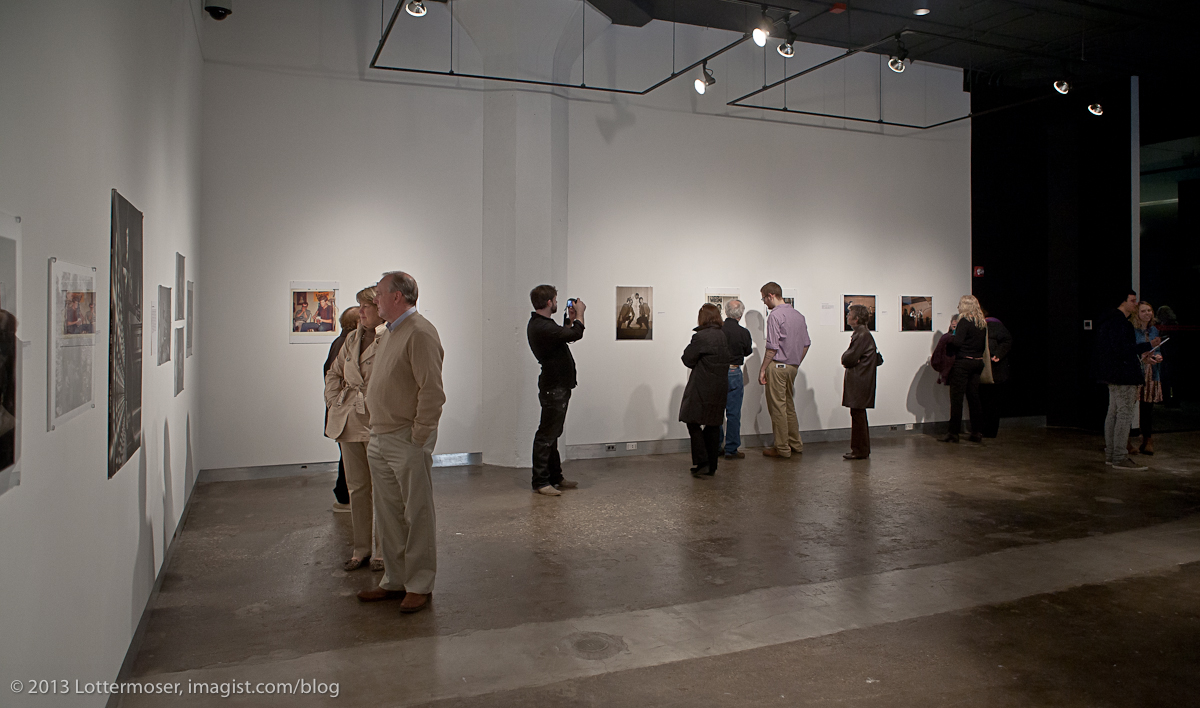
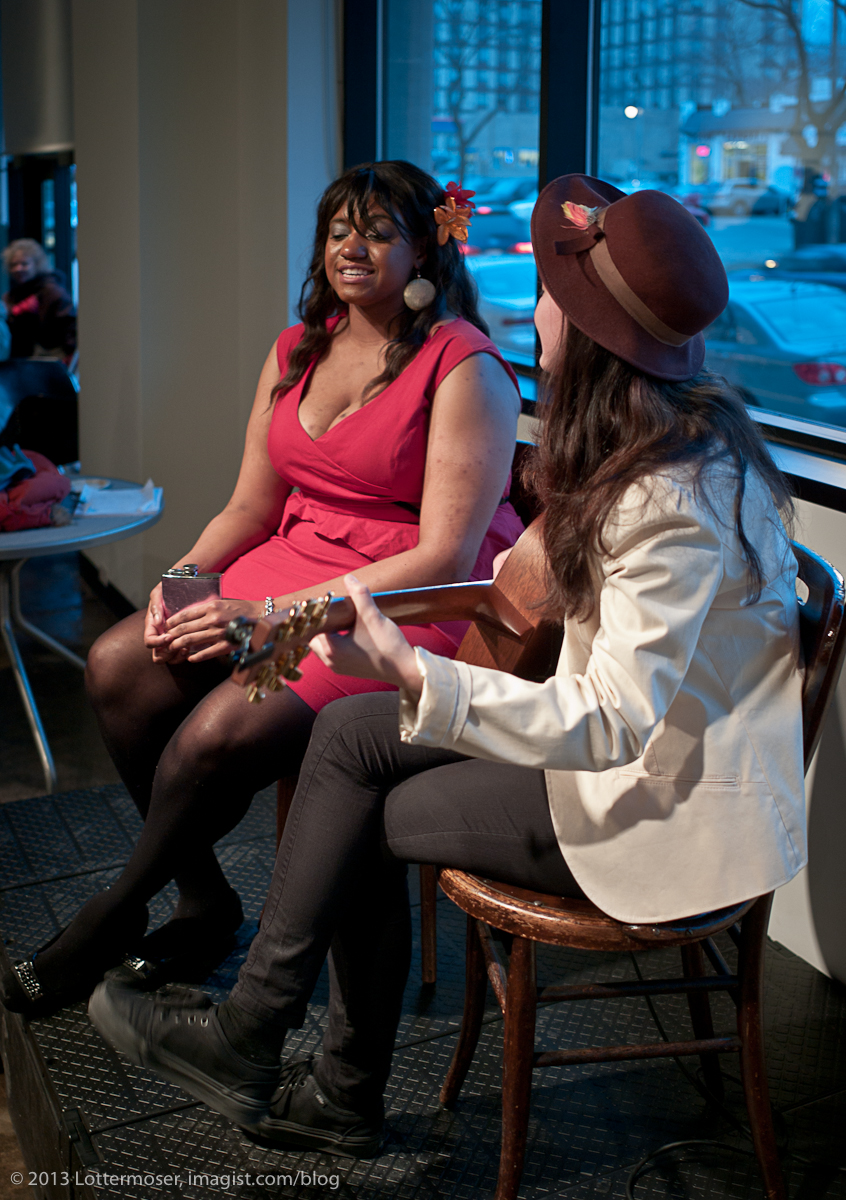

Leica M8, 28 mm Summicron Asph
and
Canon 5D, 24 -70 mm 2.8 L
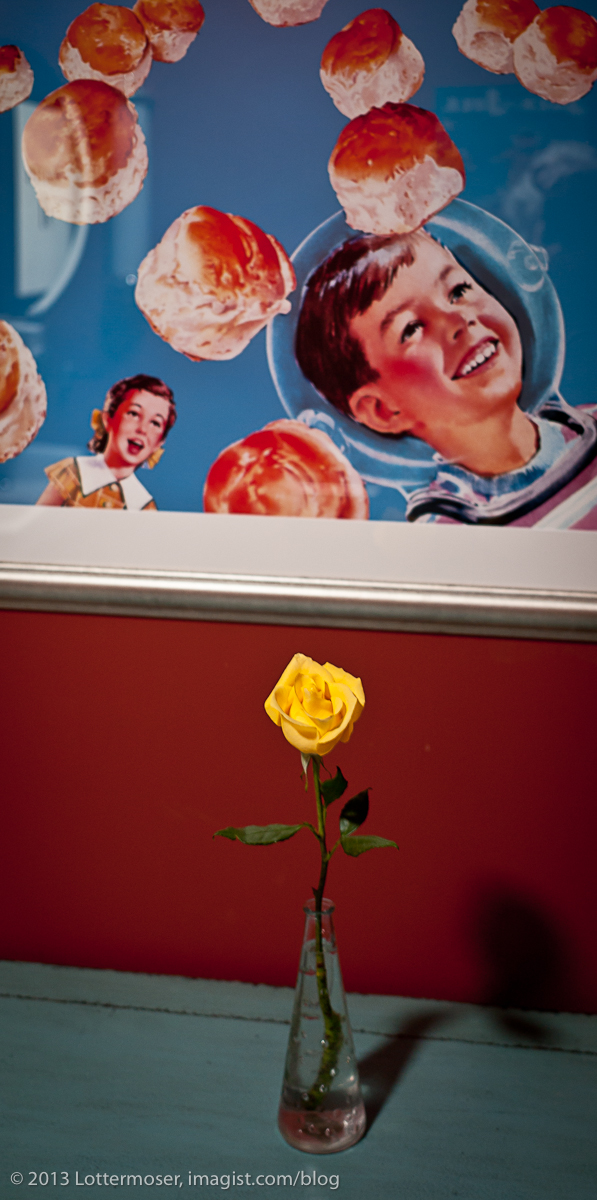
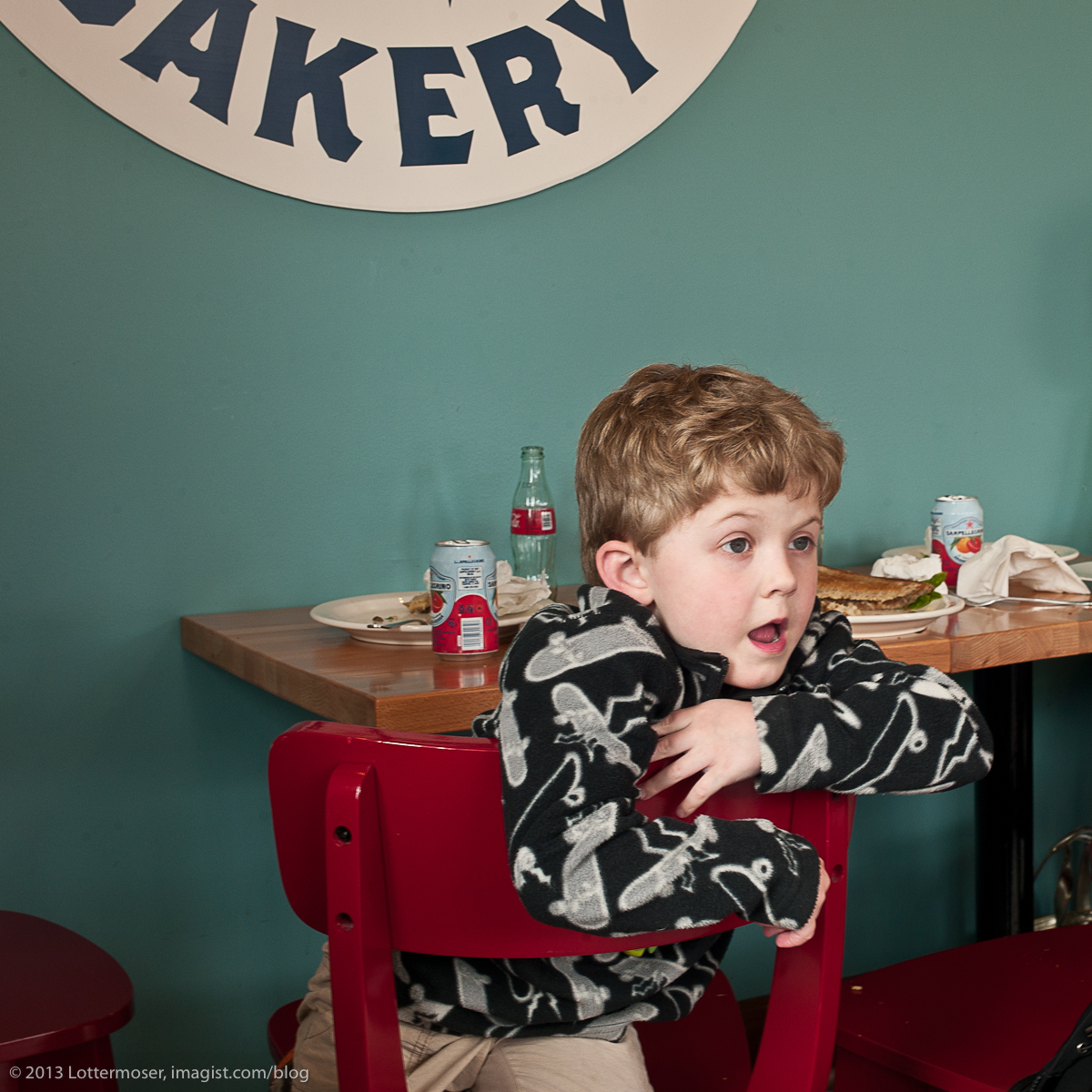
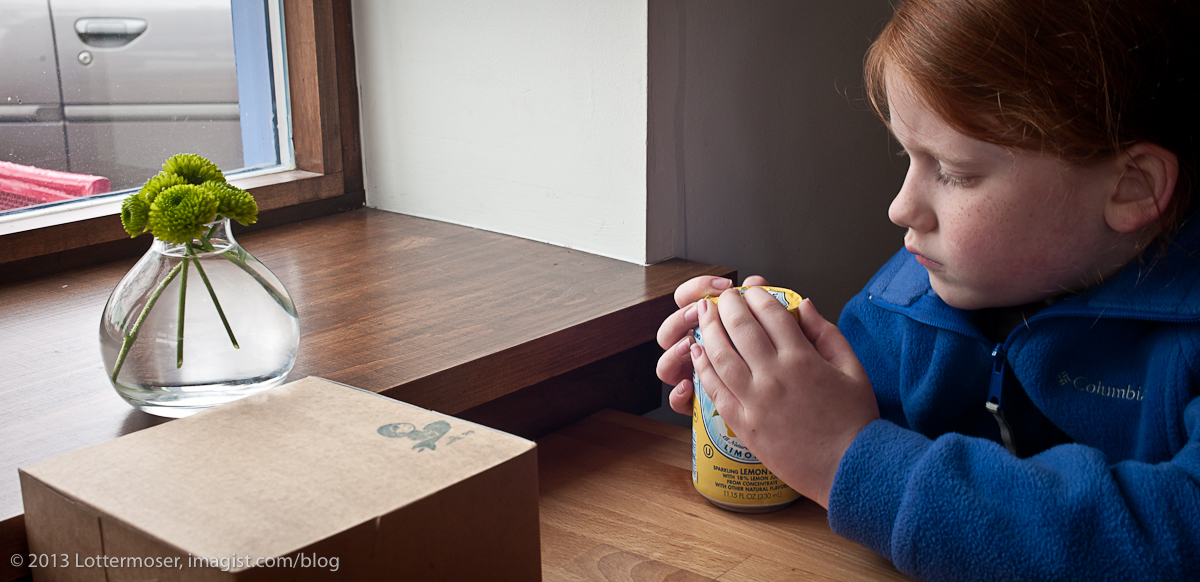
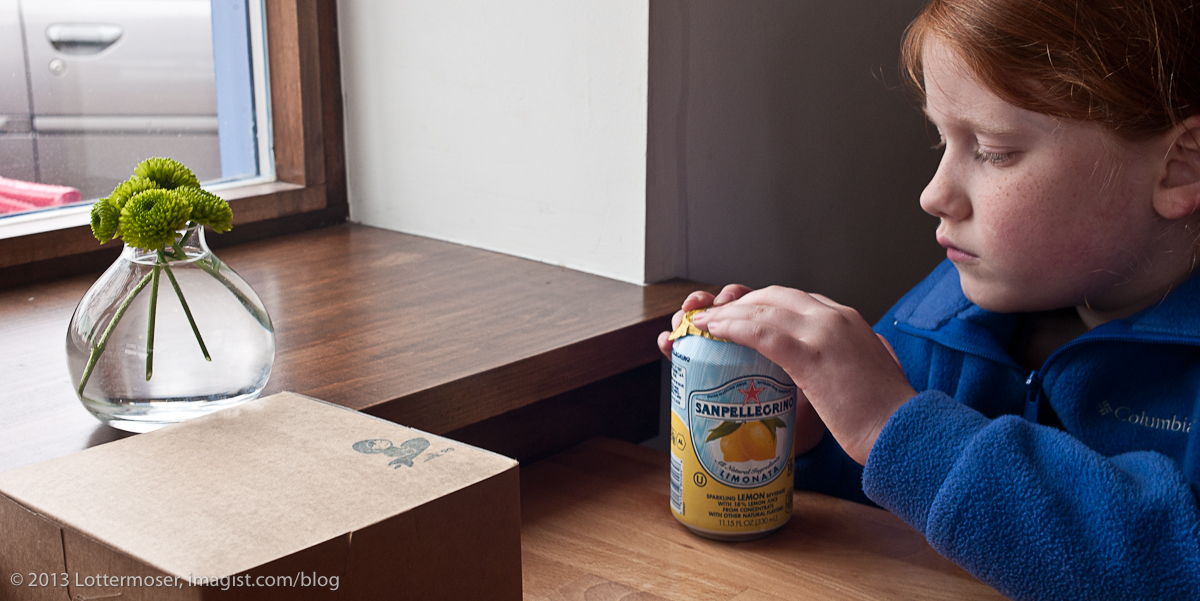
What more could one ask for? Warm sunlight… the company of one’s daughter… and Cafe Corazon serving delightfully fresh and flavorful food, wonderful service and and great value in a remarkable environment.
This working class neighborhood also contains many memories… from my living in “Riverwest” as a student… and this being the neighborhood where my parents actually spent their childhood, adolescence and teens. An amazing old neighborhood where you’ll find residences, with small factory buildings and storefronts, with living quarters above, sprinkled throughout; making it easy to imagine the era when one could walk to work and pickup dinner on the way home; back in the day when neighborhoods were designed to work and “worked” very well.
The neighborhood was first settled in the 1850’s with luxury summer homes on the west bank of the Milwaukee River. As the “working” population grew and spread, from 1900 – 1920s, the neighborhood became more working class with smaller homes; much more densely populated; sprinkled with factories, bars and storefronts. Dad’s family lived in “rented flats” in or near this neighborhood from the 1920s well into the 50s. Dad’s parents were first generation immigrants (Dad was born in 1922, the youngest, with three older sisters who survived birth and childhood).
In my university student days (1964 – 72), the rents were low; yet located close enough to the University of Wisconsin – Milwaukee campus for walking and biking. The storefronts made great art studios. My first studio was about 4 blocks south of this restaurant. My first student/shared apartment about 8 blocks south.
(click photograph for larger view)
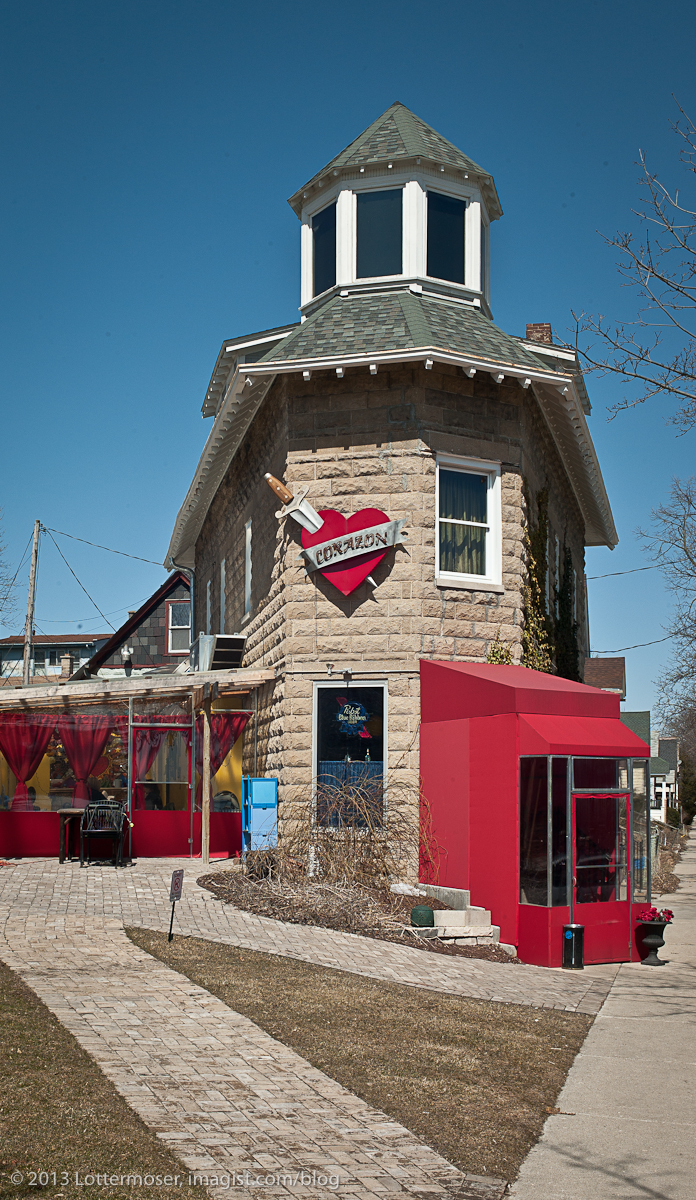
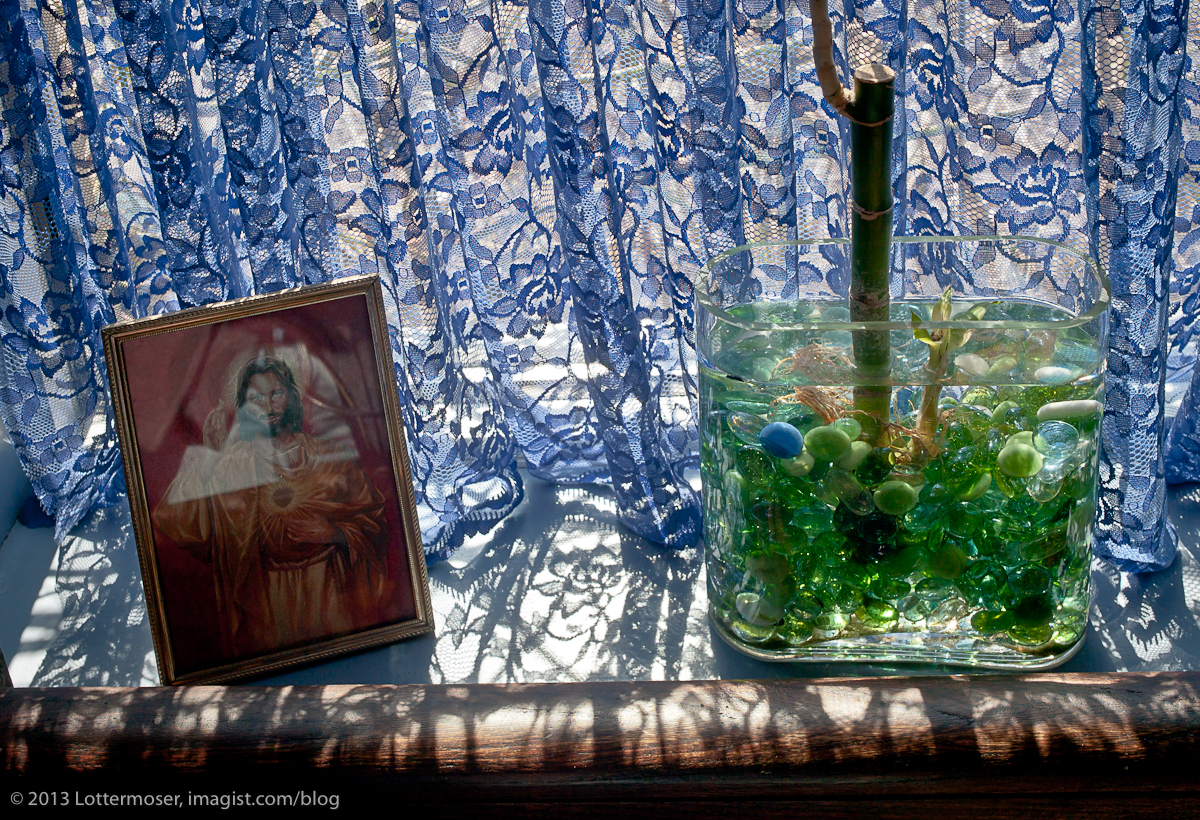
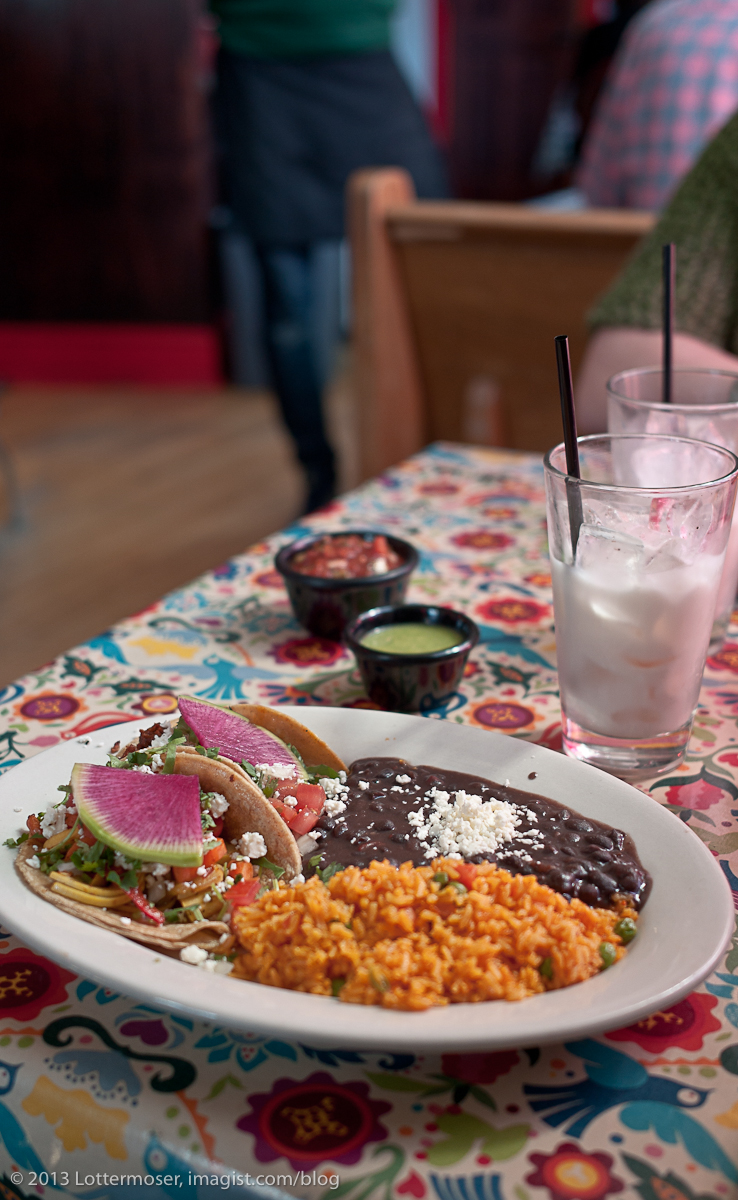
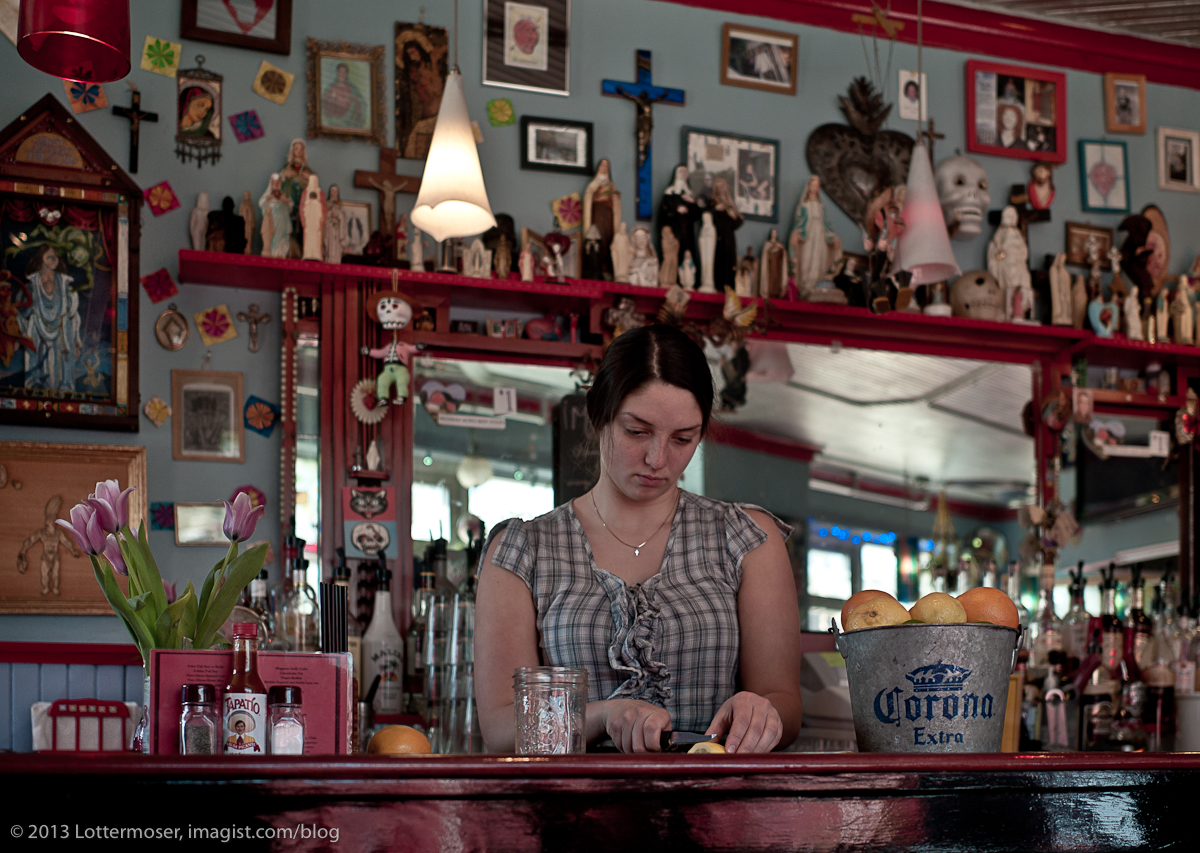
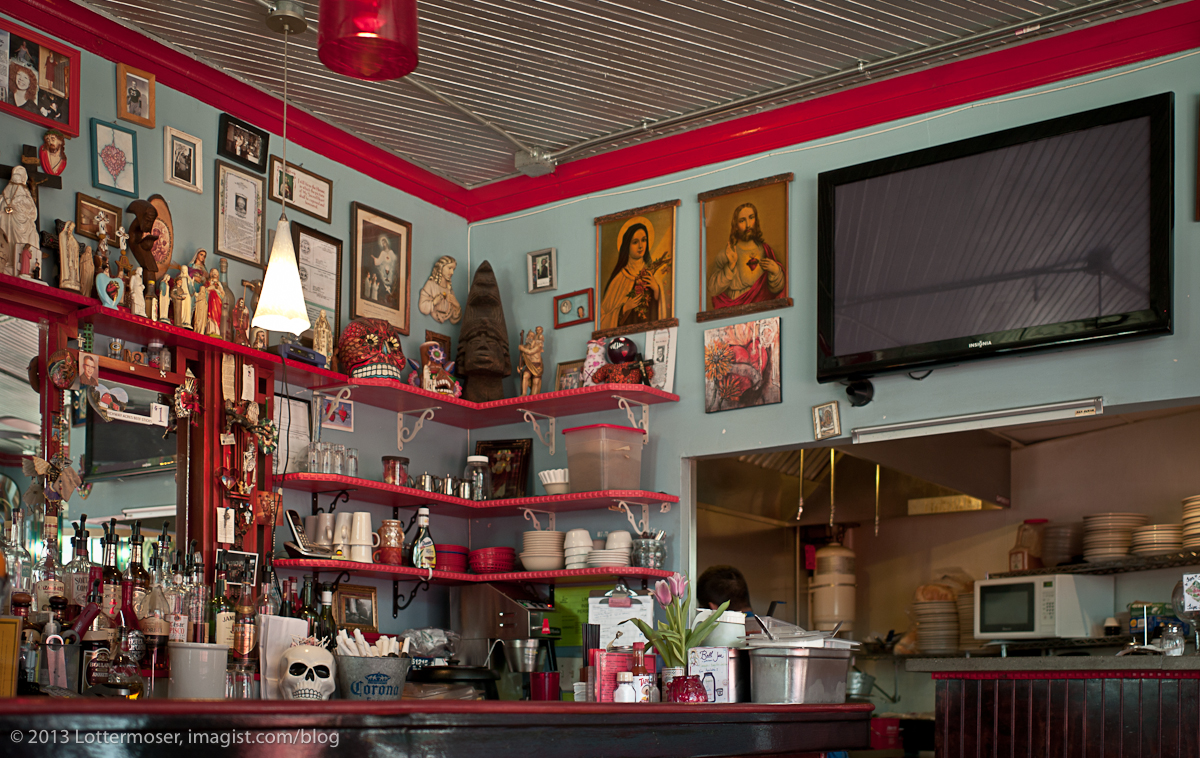
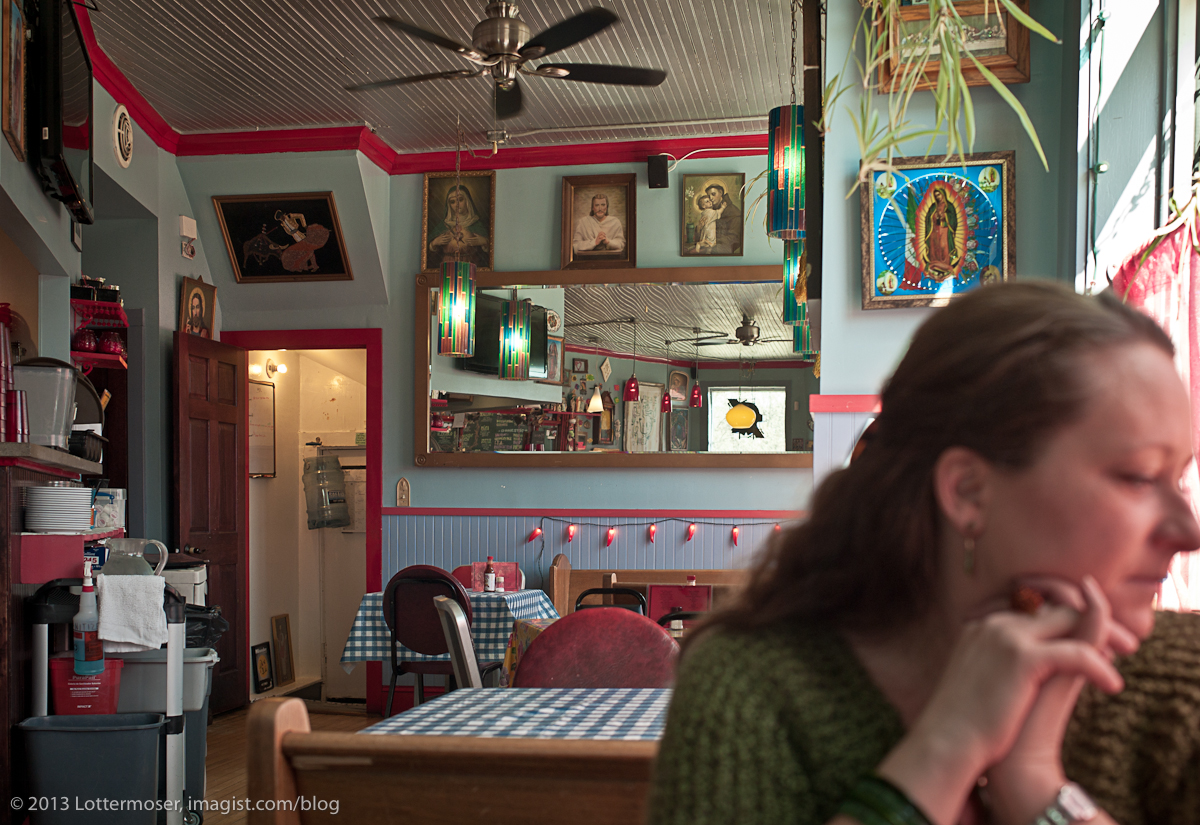
Leica M8, 28 mm Summicron Asph
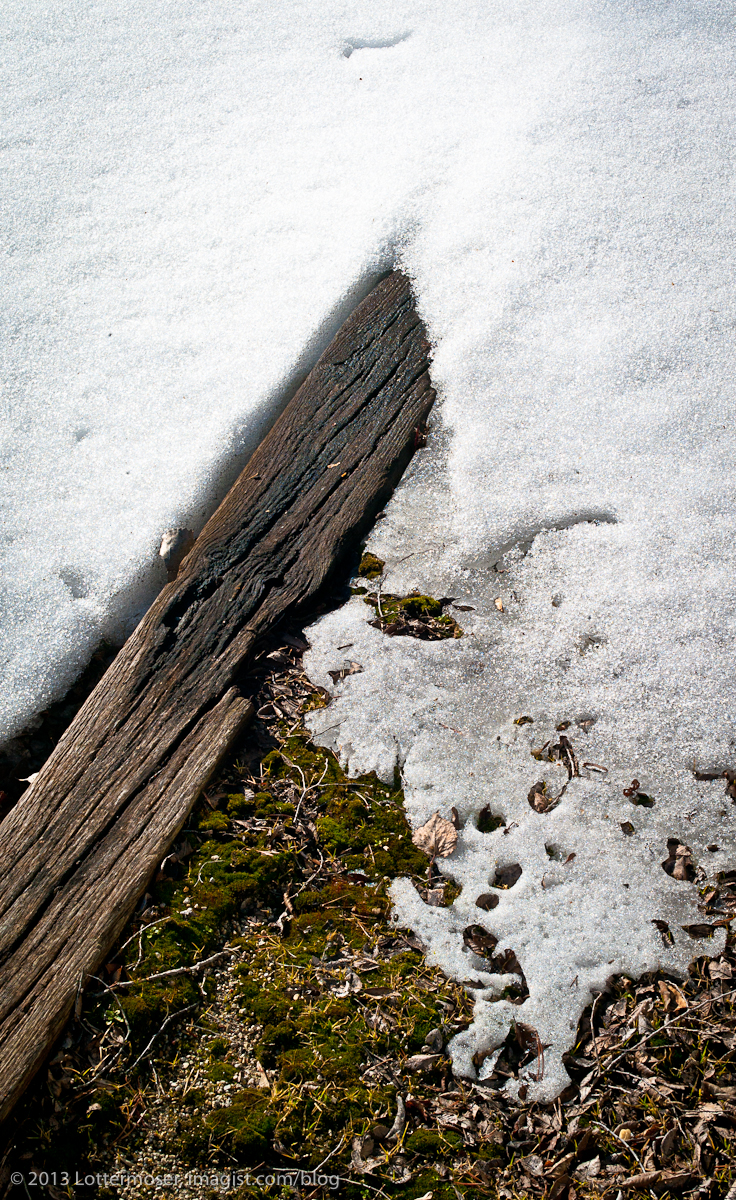
with temperatures reaching 45 degrees F…
walking has become pleasant… again
(click photograph for larger view)
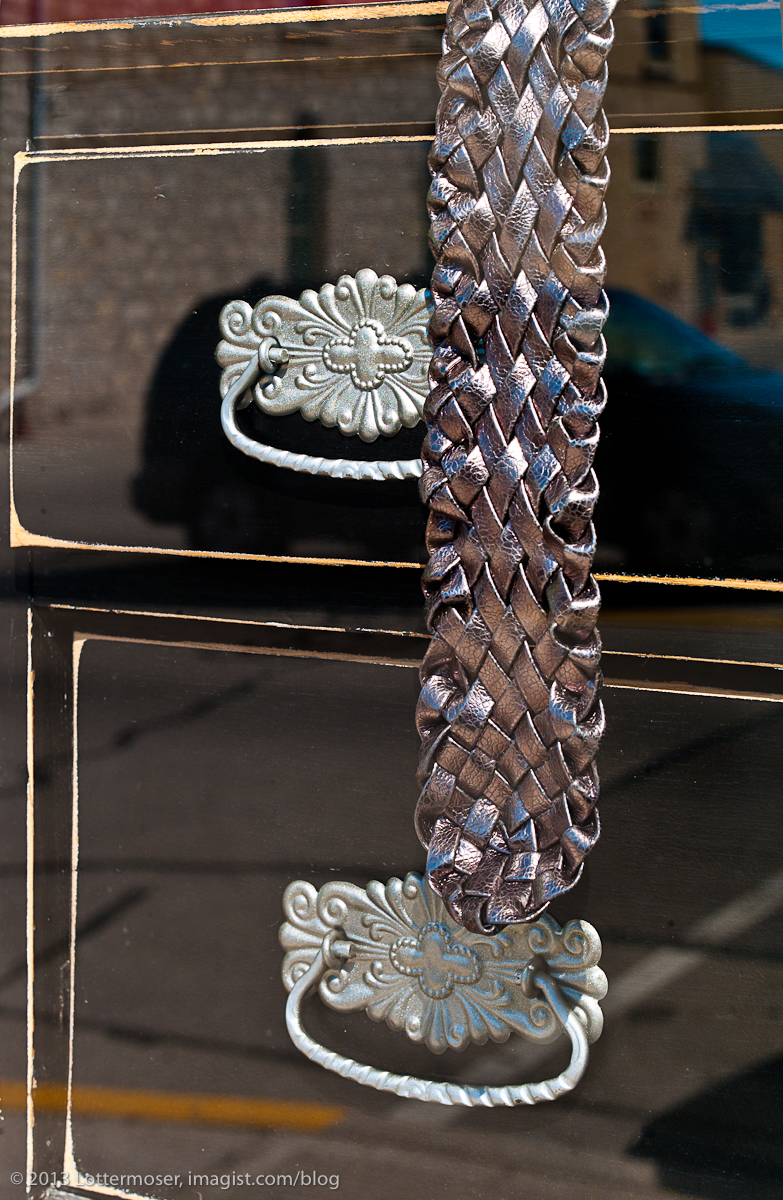
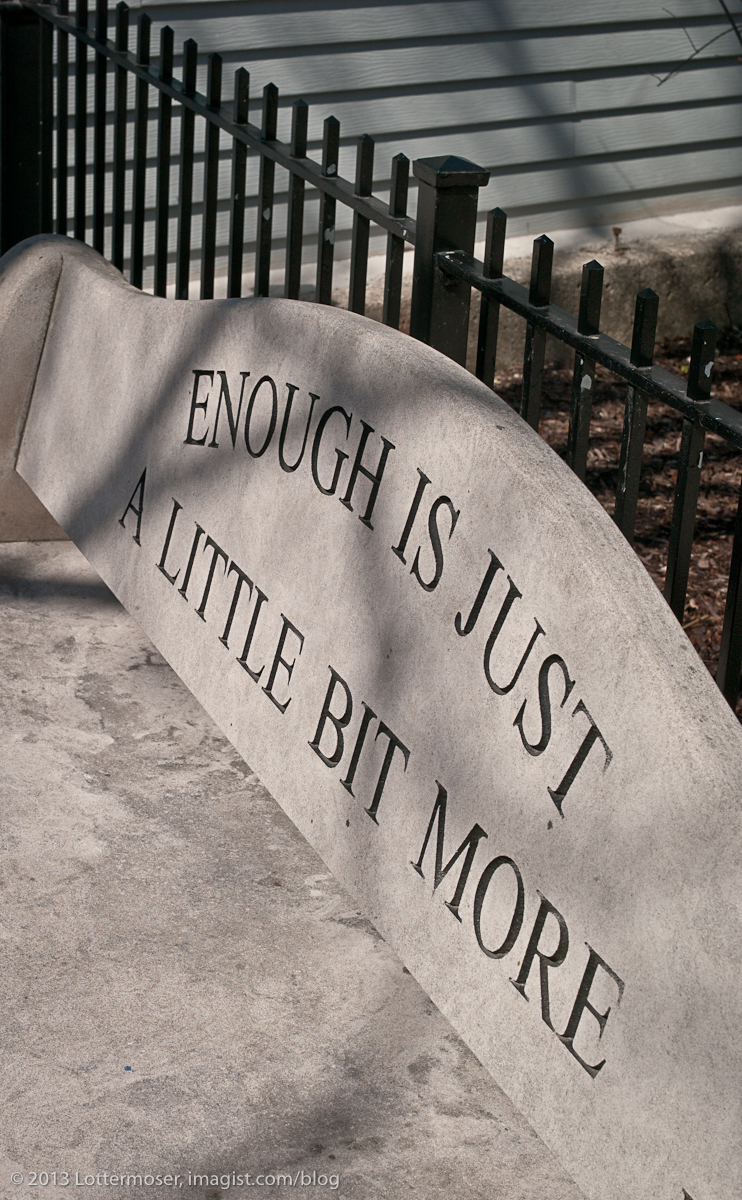

Leica M8, 50 mm Summilux Asph
(click photograph for larger view)


Leica R8/DMR, 60 mm Macro Elmarit