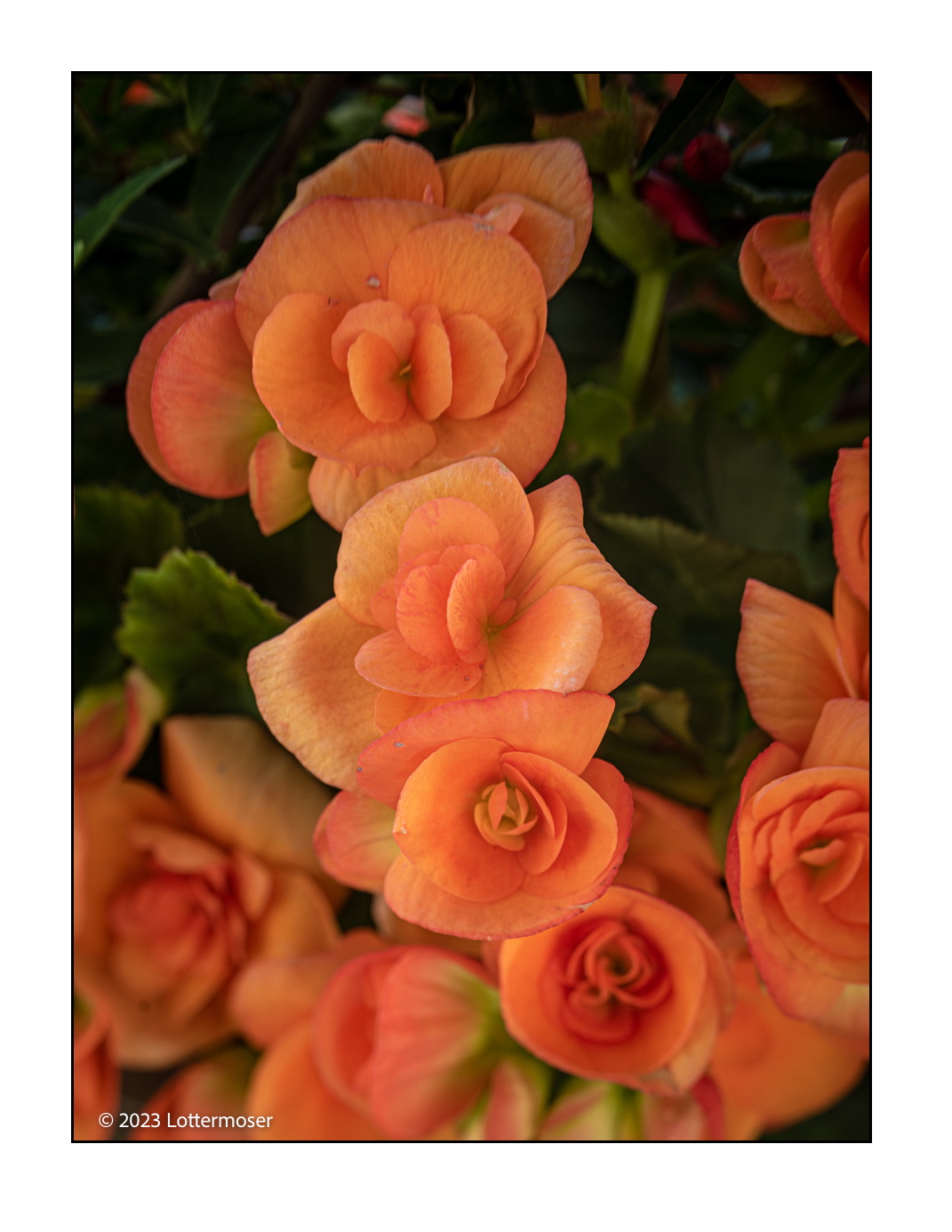
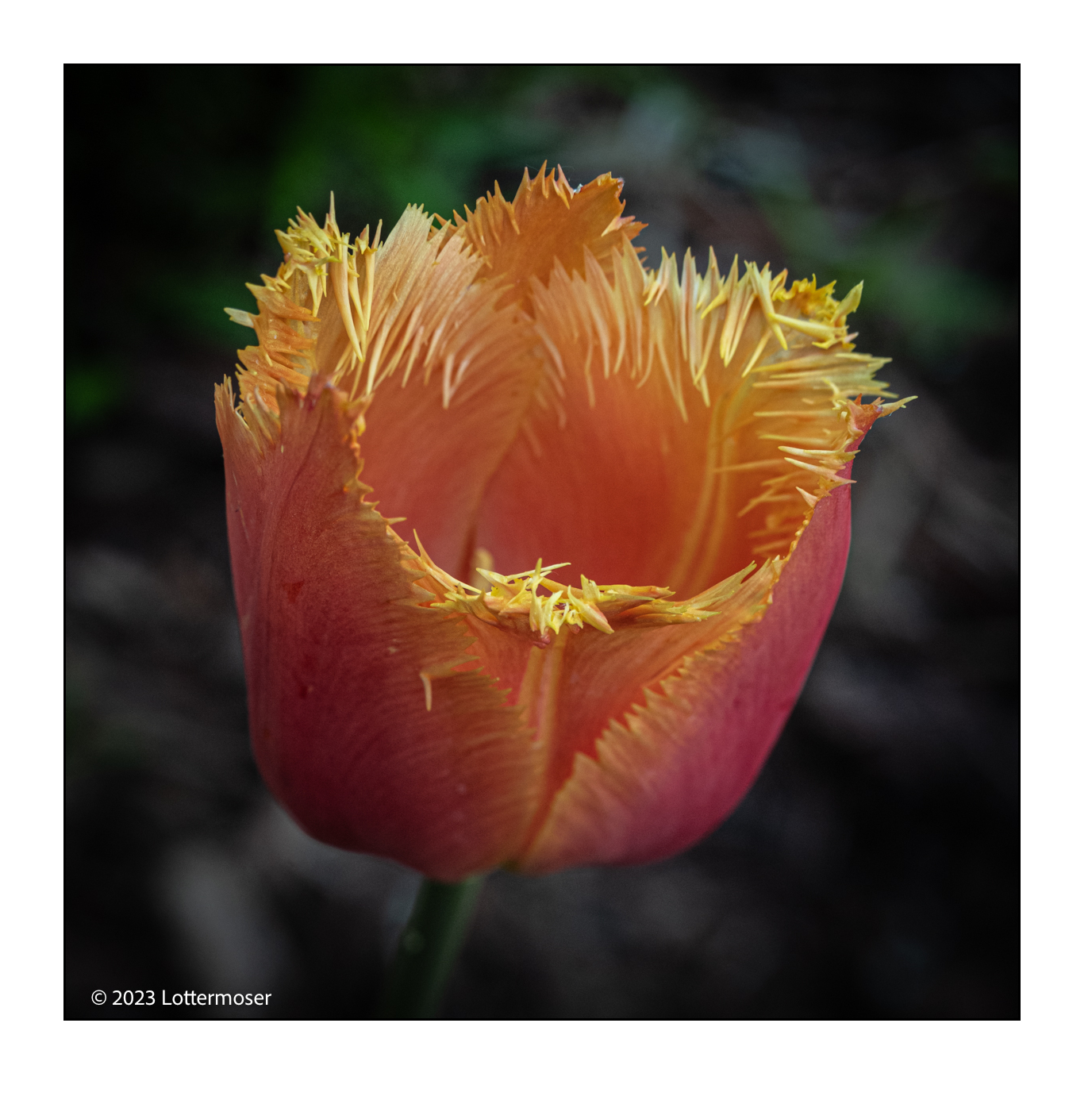
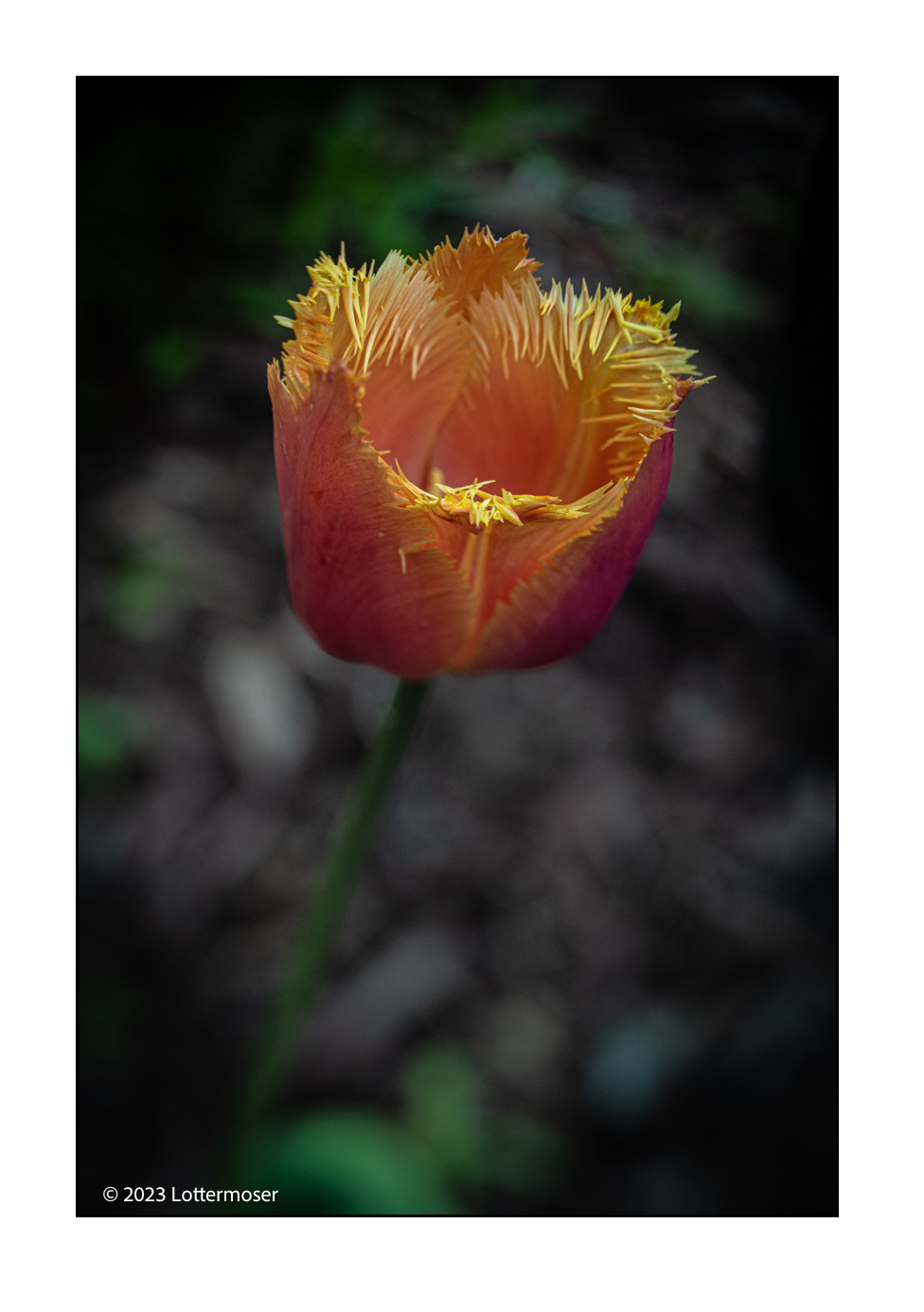
(click images for larger view)
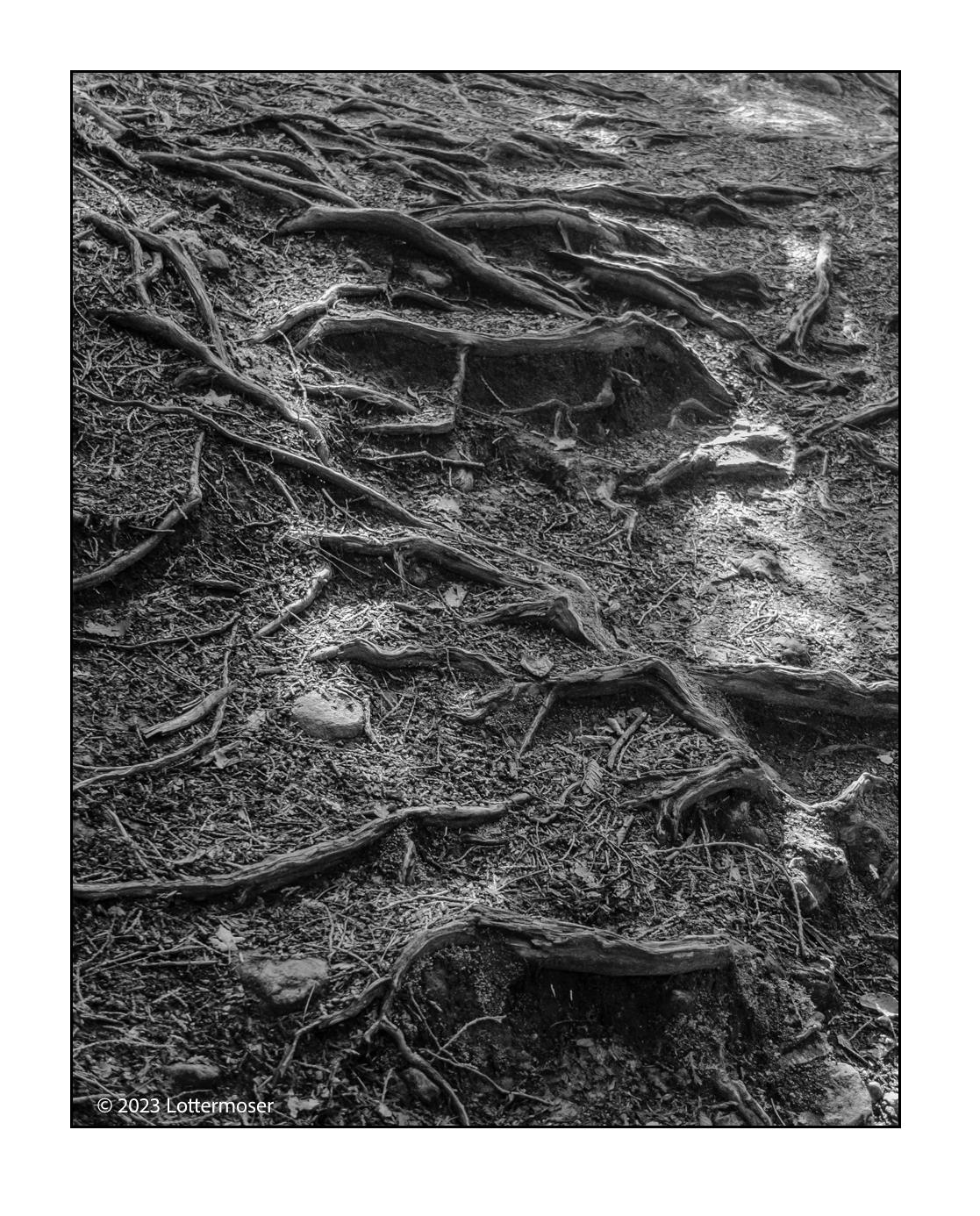
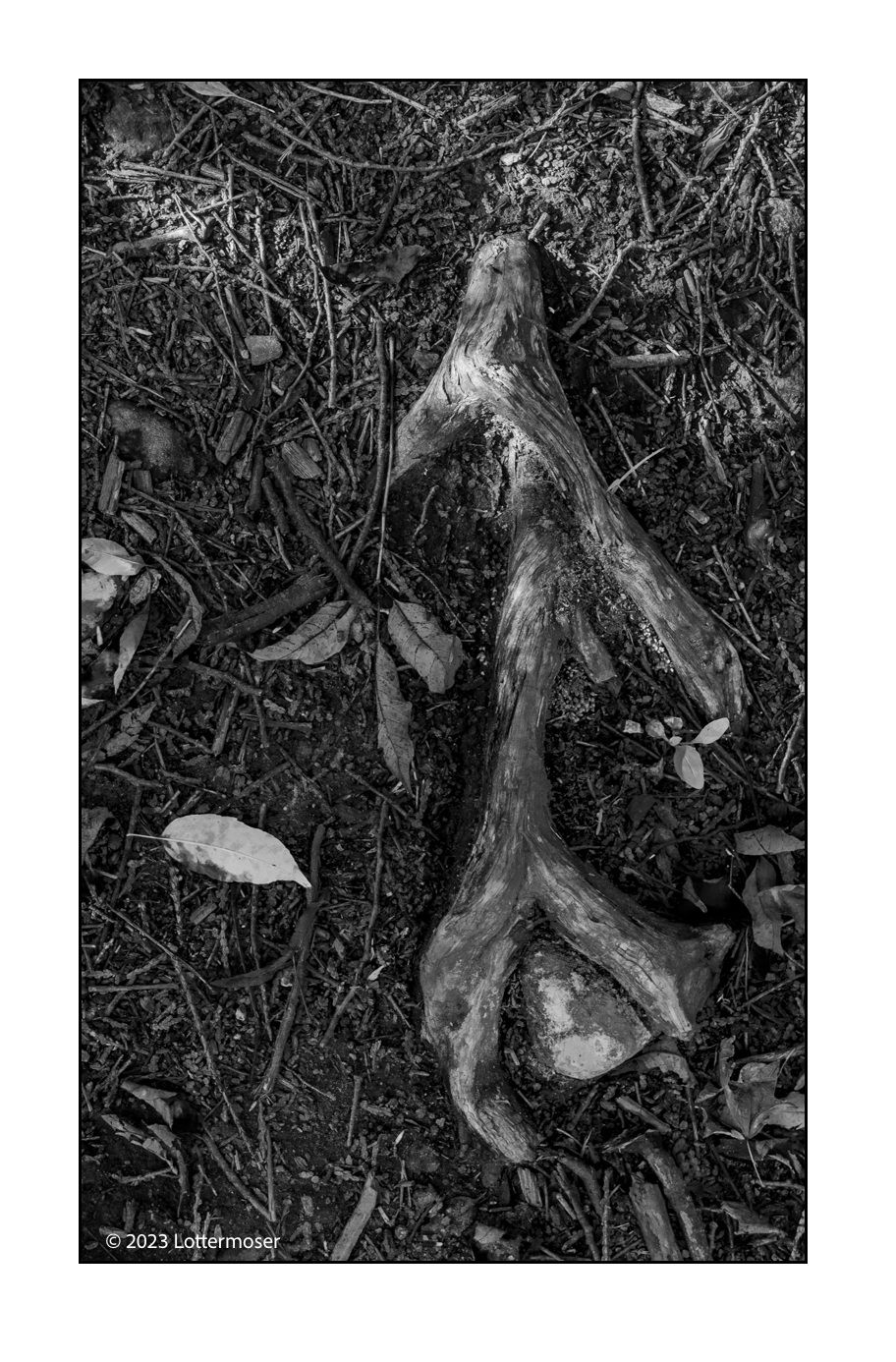
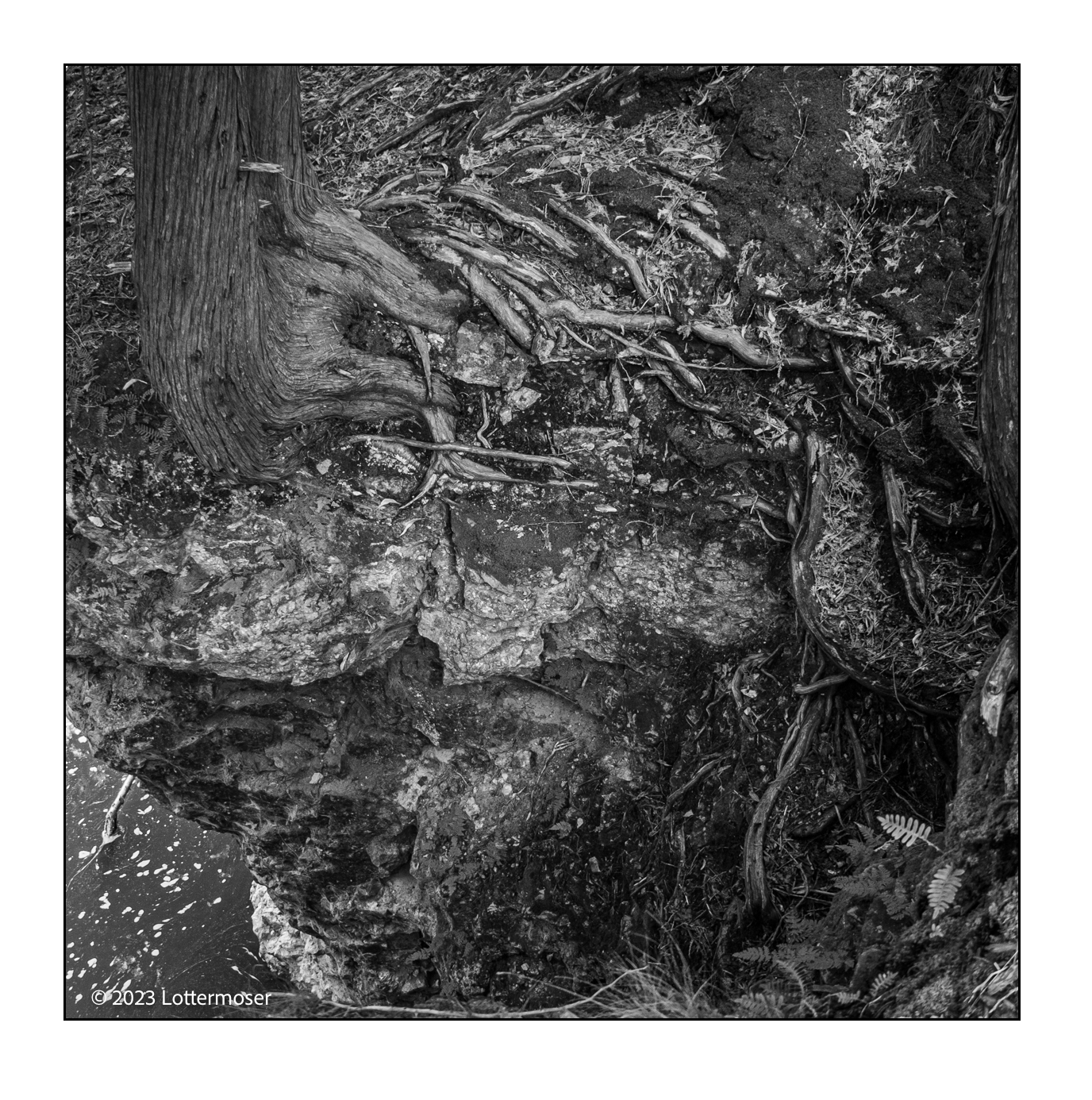

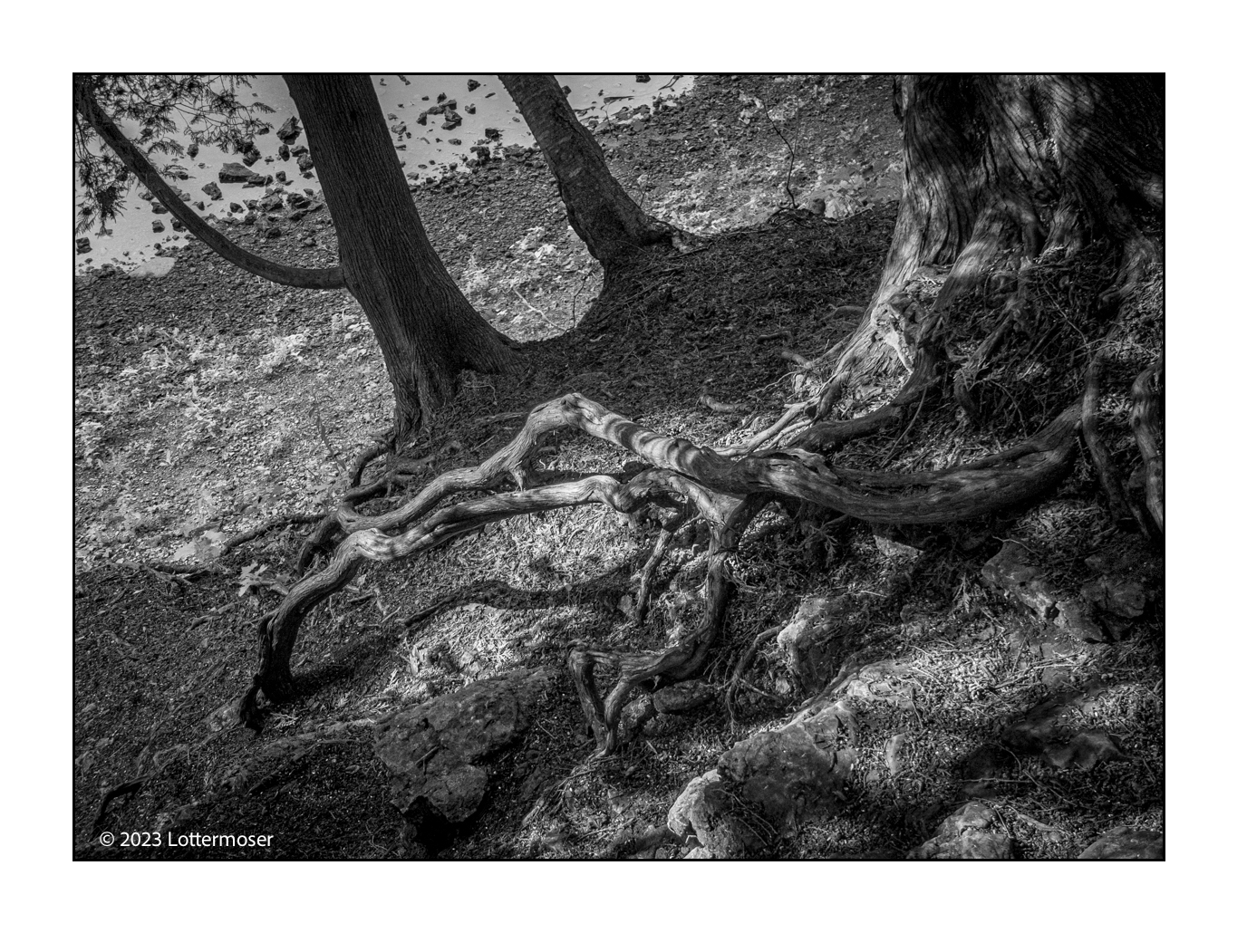
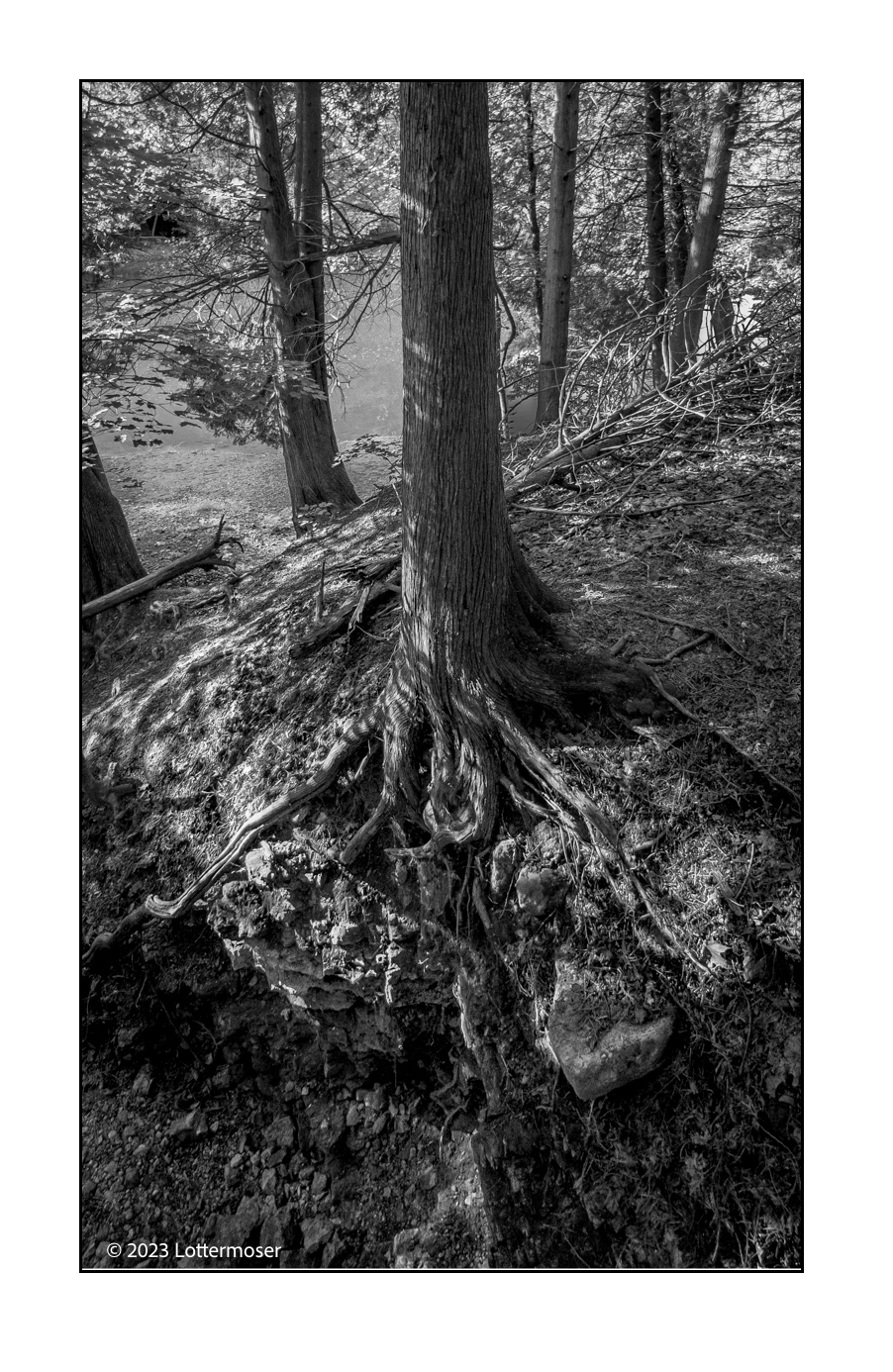
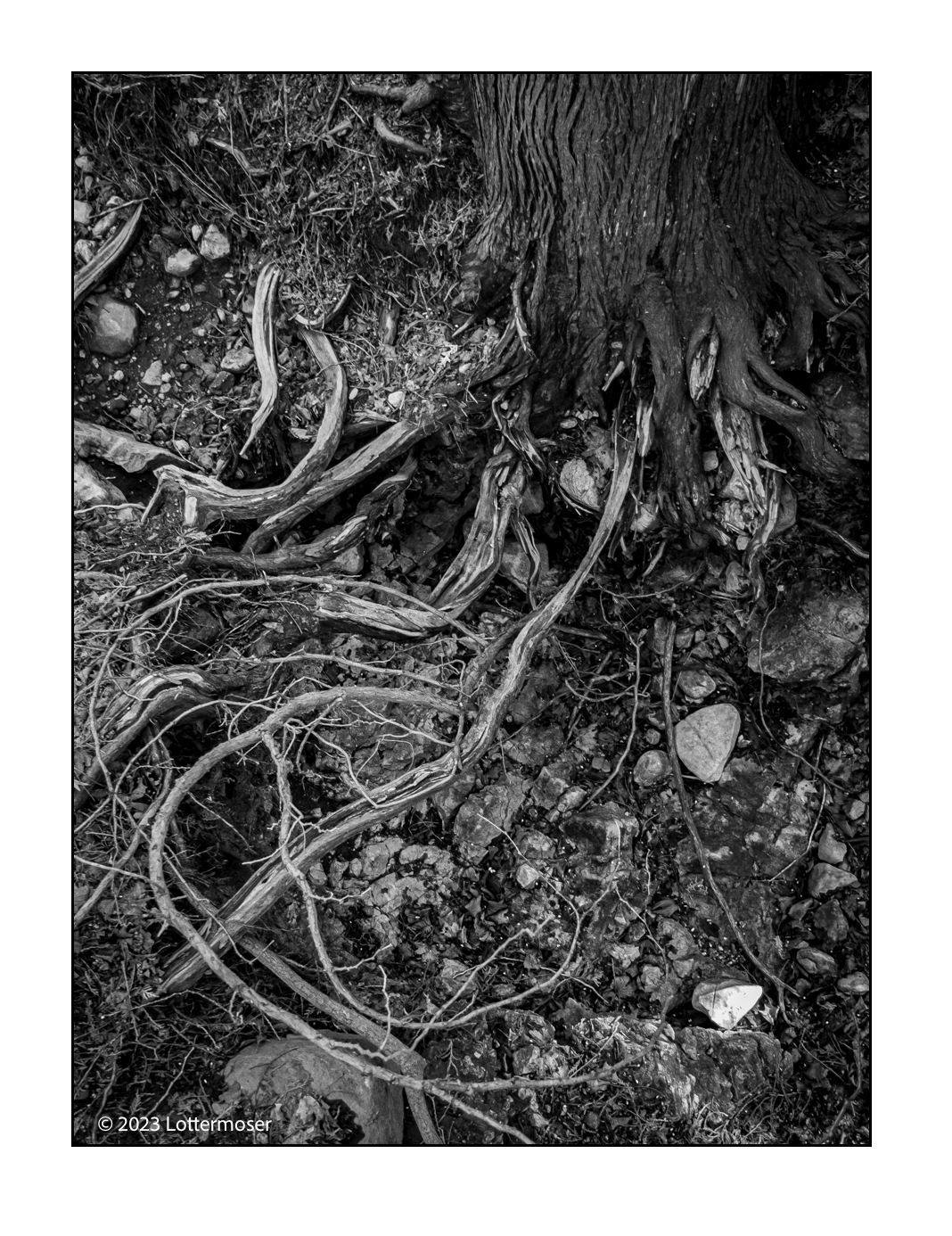
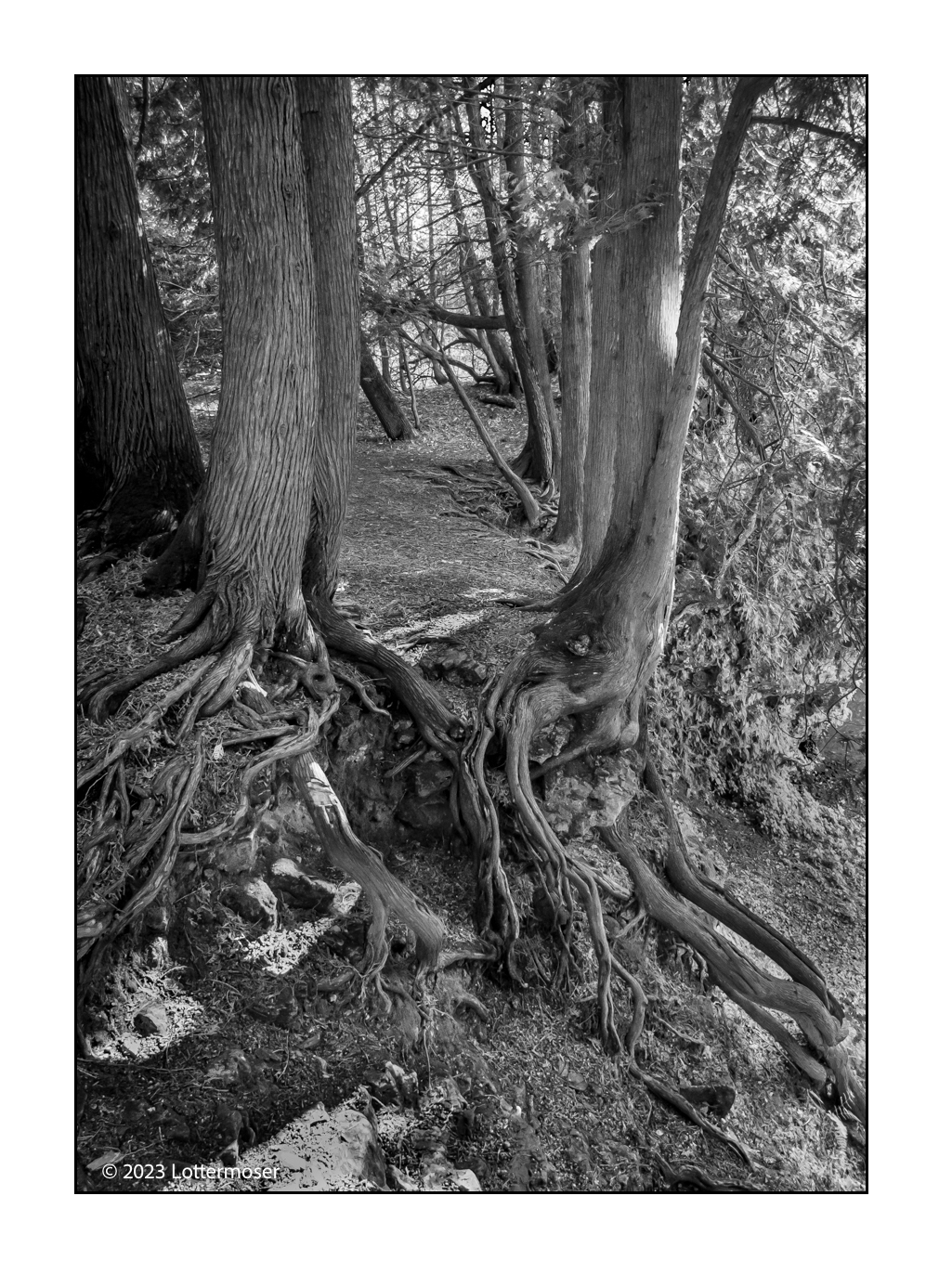

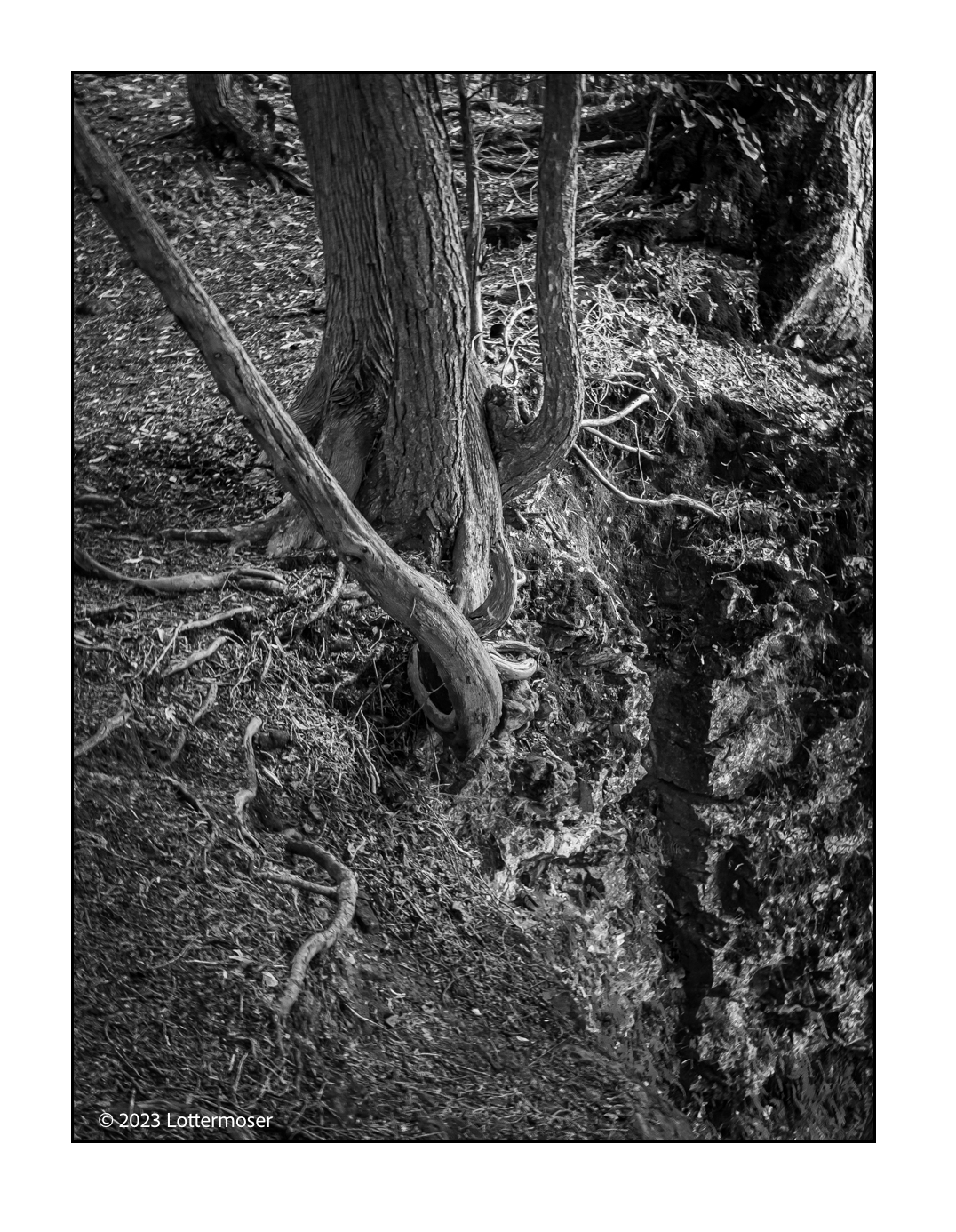
(click images for larger view)
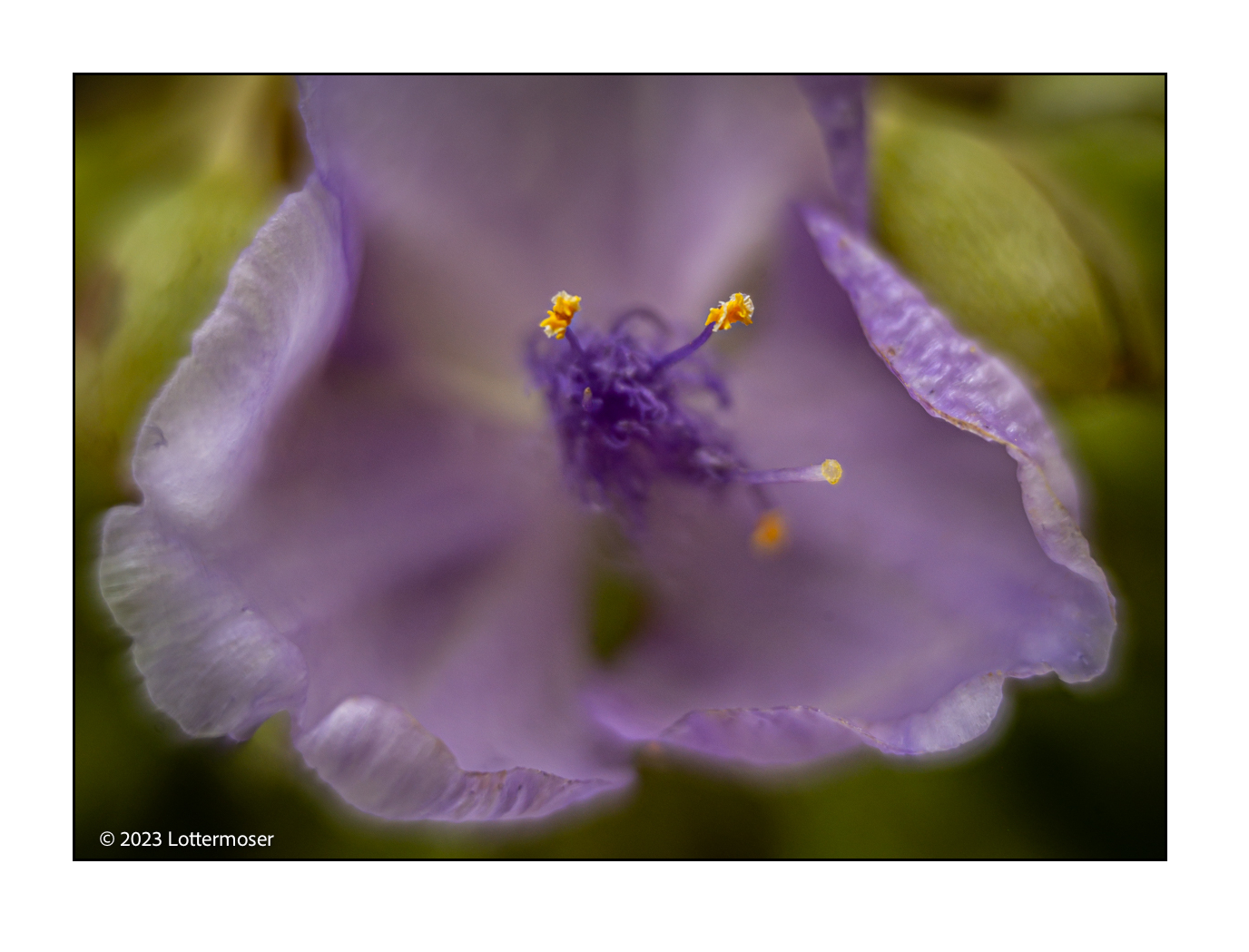
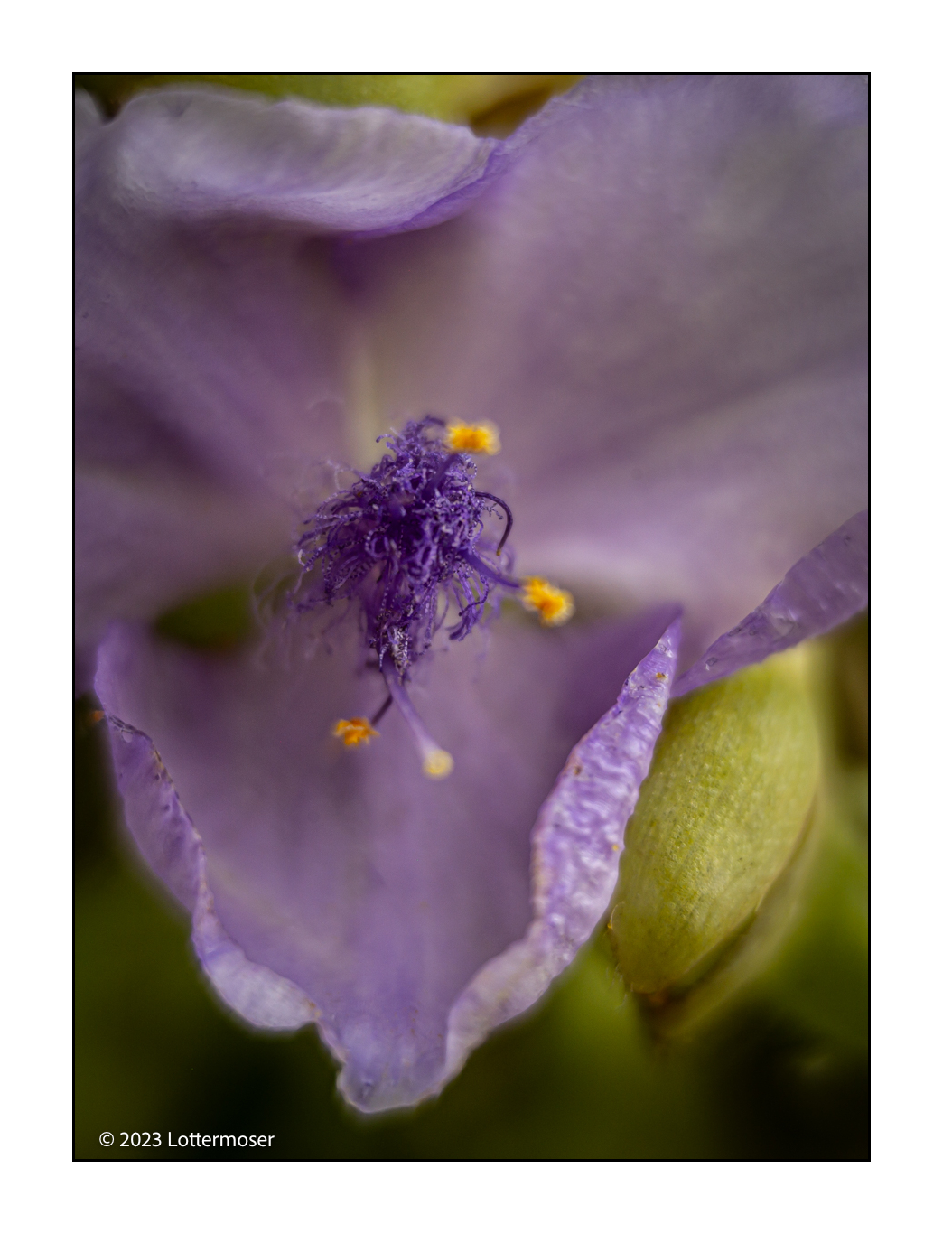
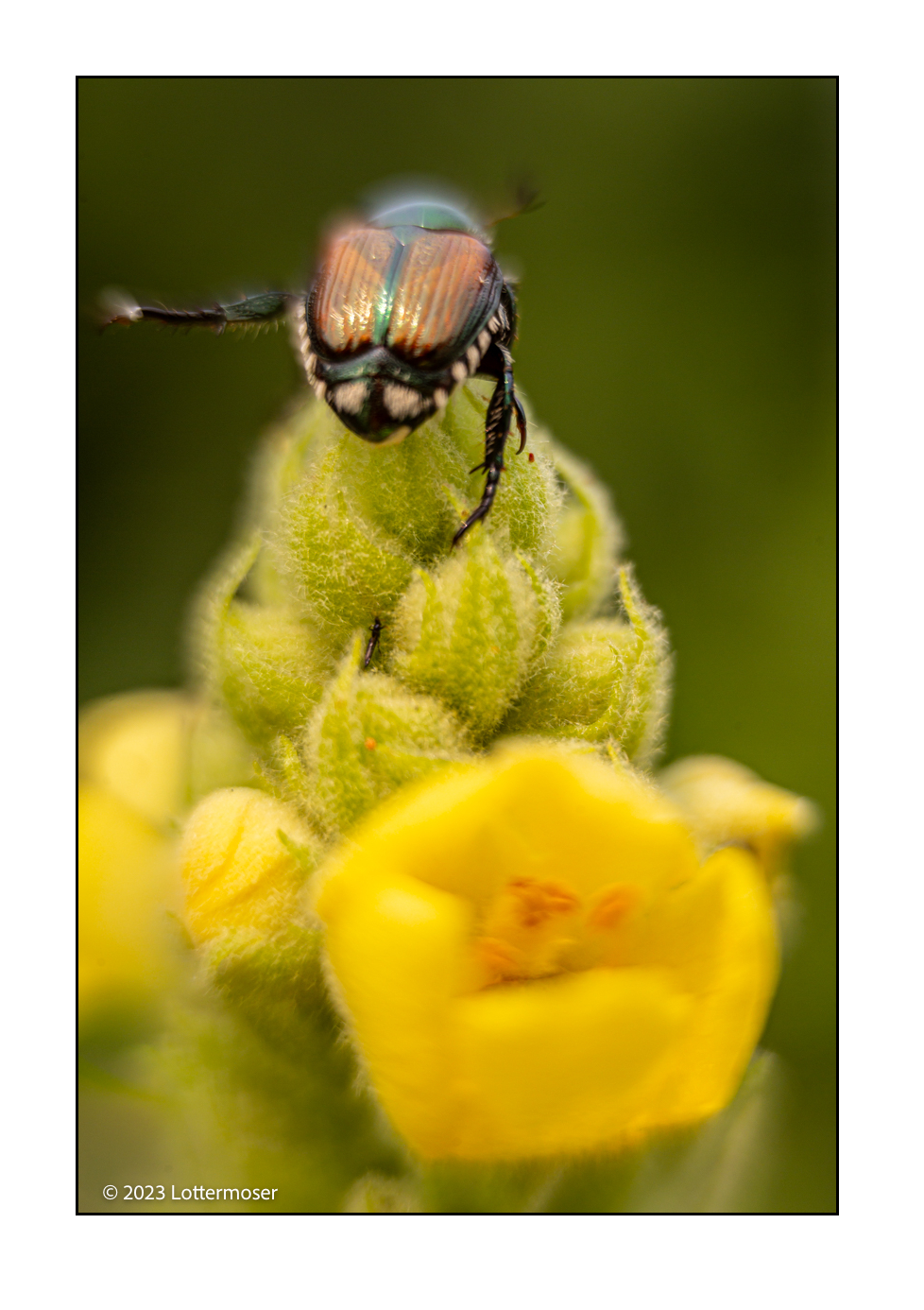
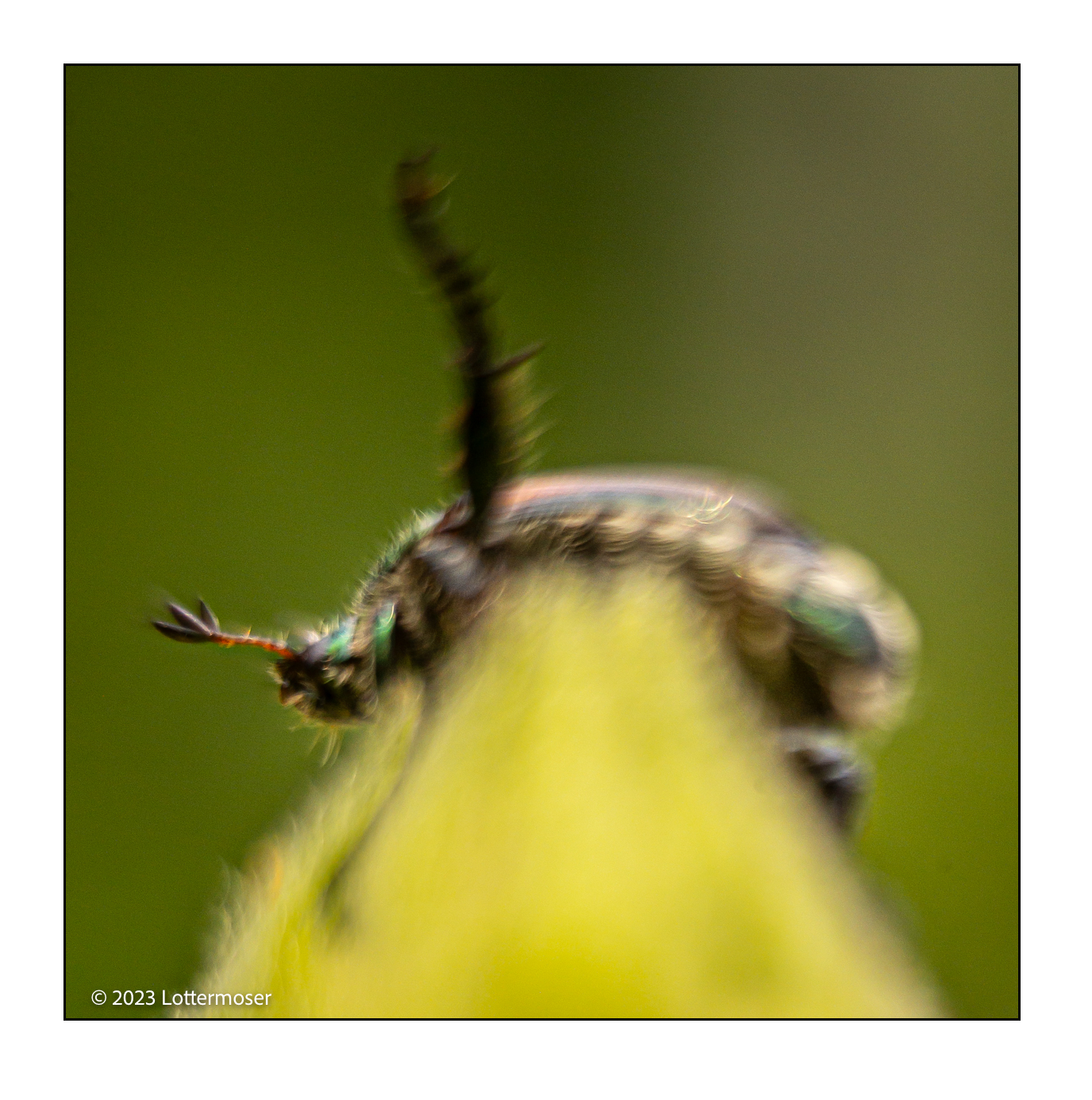
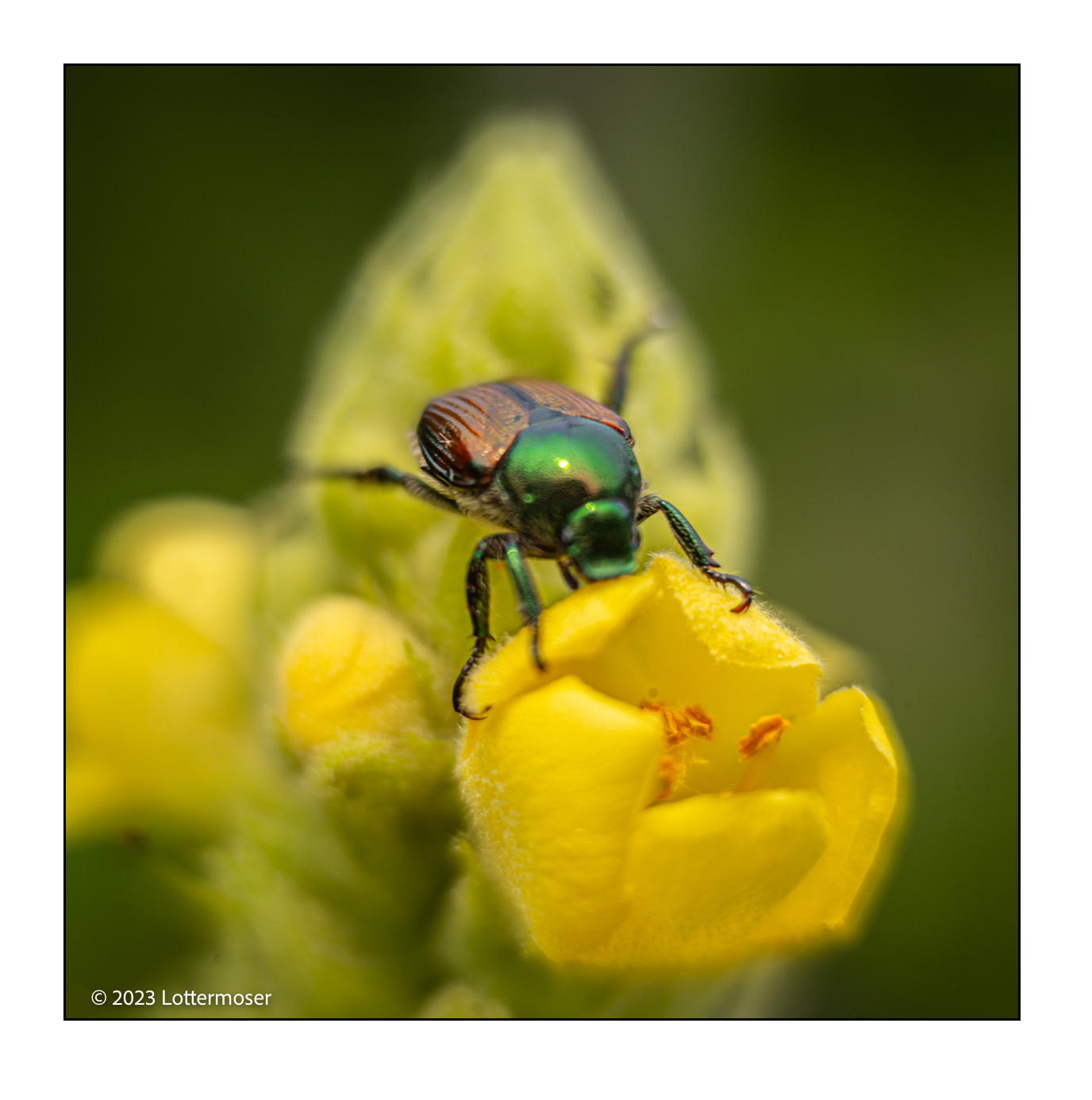
Last evening I found myself organizing the many “macro” options I’ve managed to collect.
A Leitz Wetzlar 160/-4/0.10 Microscope Lens among them.
I’ve not mounted this lens to a camera for quite some time. At least a decade. Maybe more.
It renders beautiful images with a lovely glow.
This morning I mounted it to the Leica M 240. Glad I did.
(click images for larger view)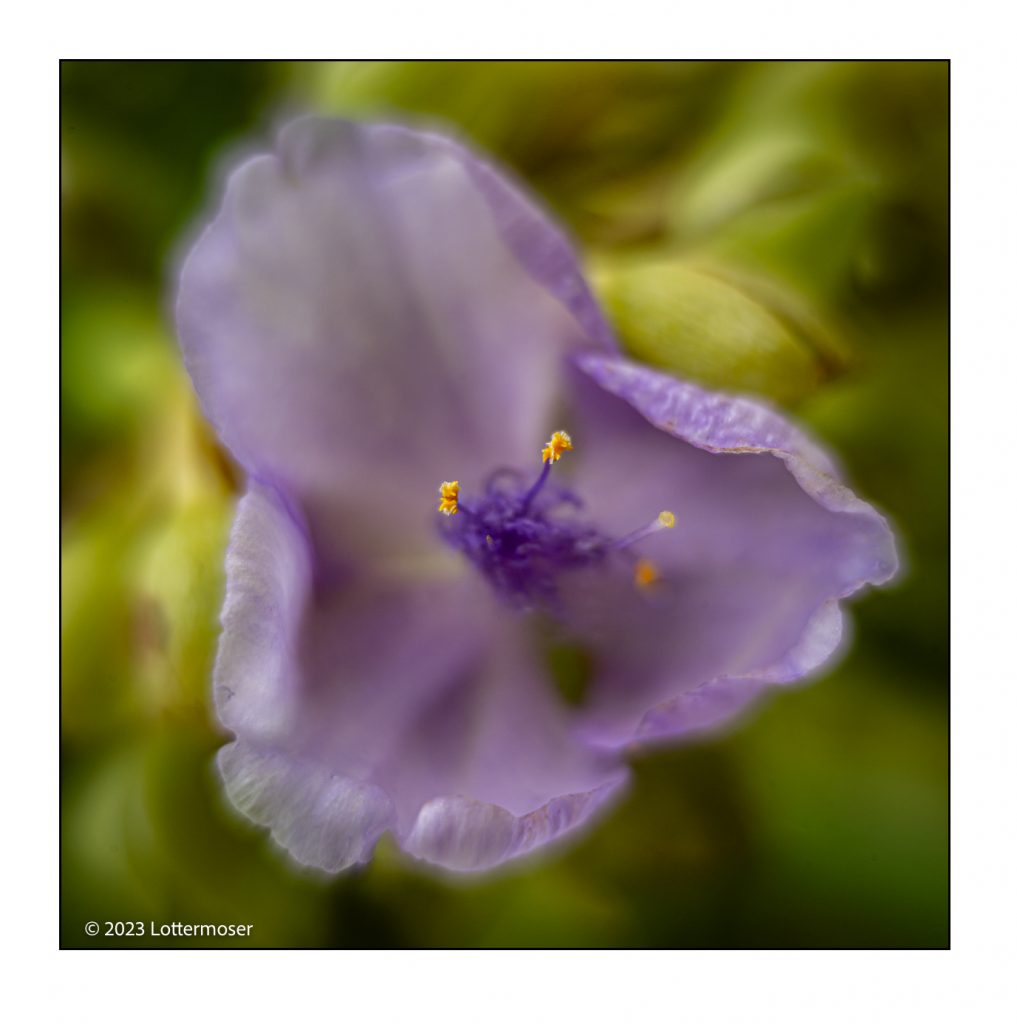


(click images for larger view)


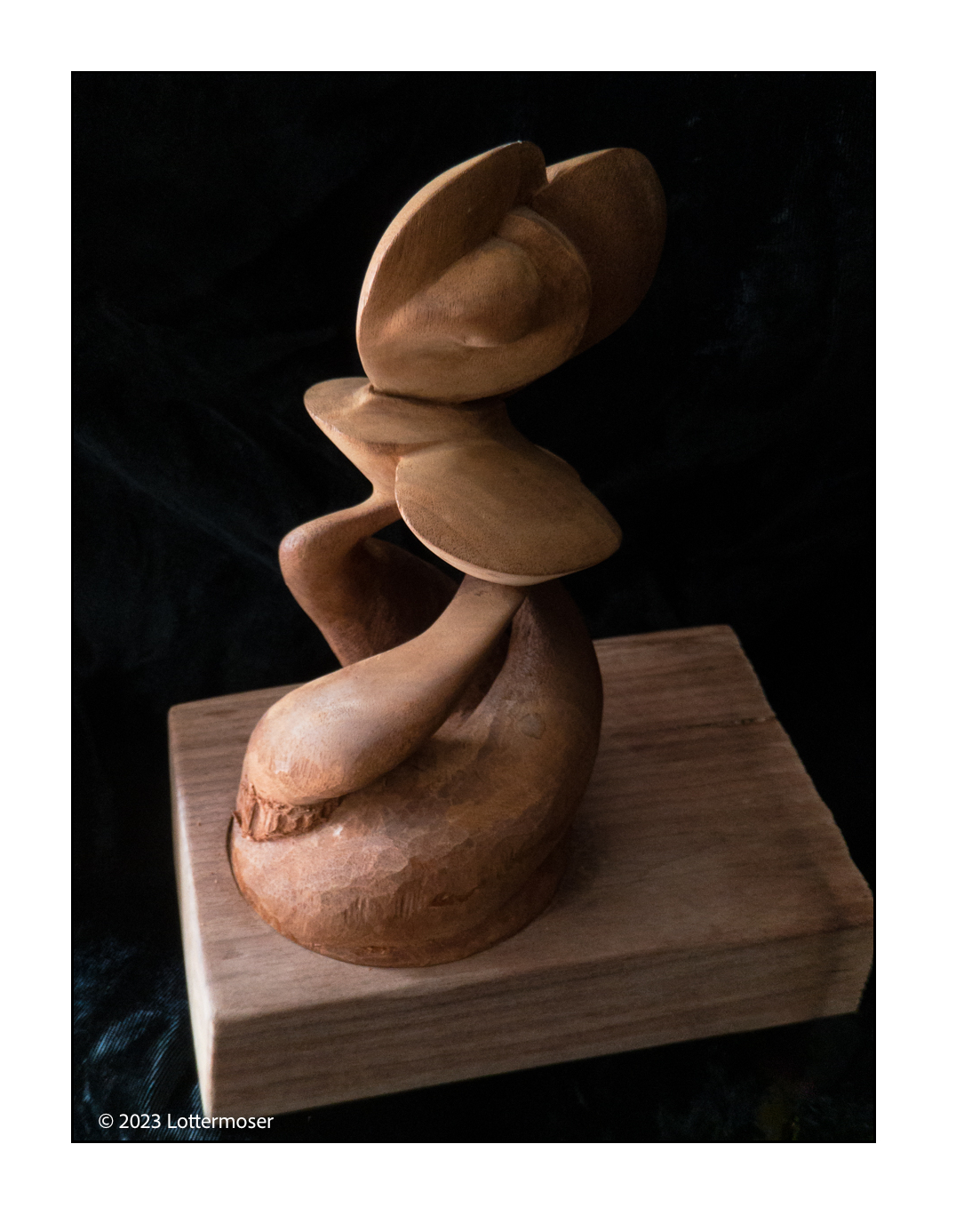
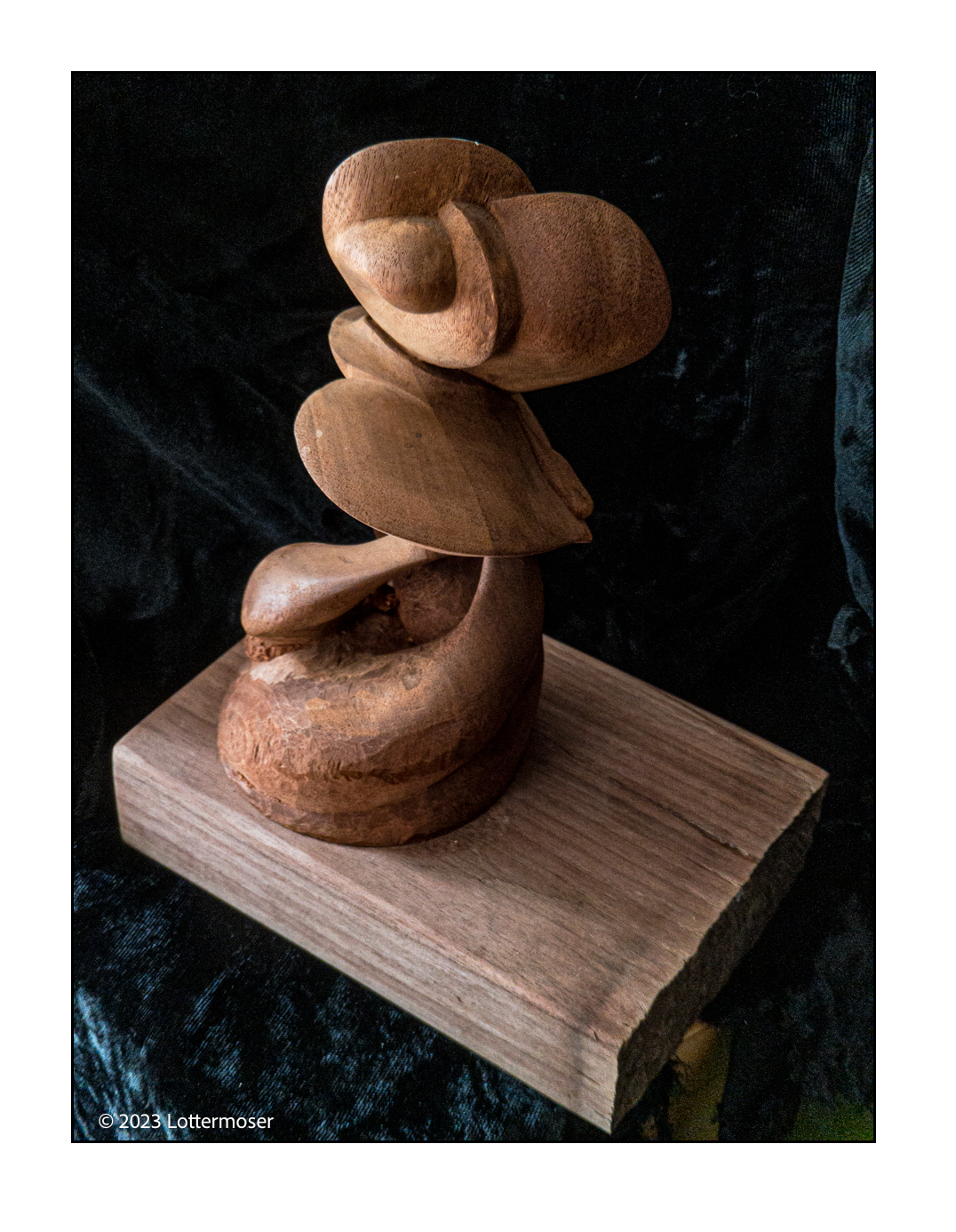
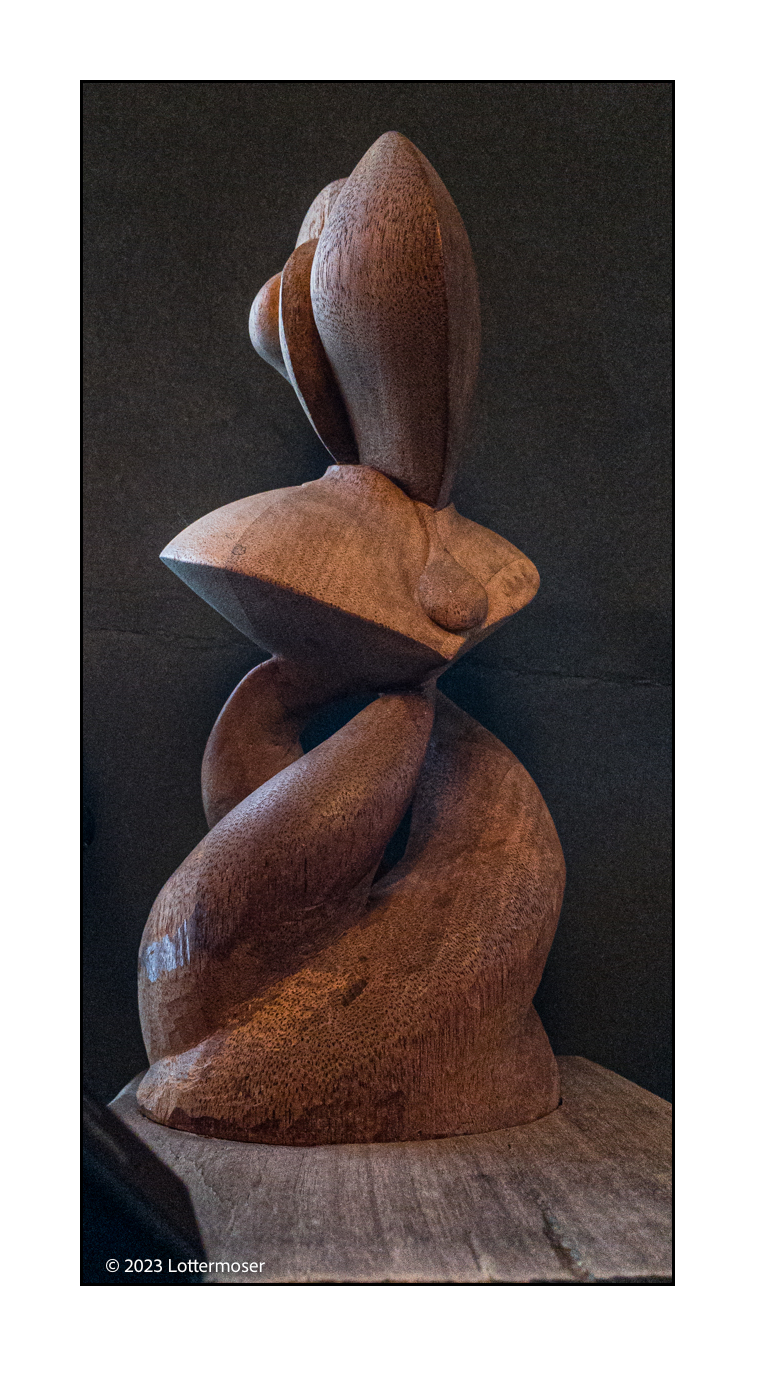 “Wounded” / 13″ x 5.5″ x 8″ / Mahogany on Walnut Base
(nearing completion) (click images for larger views)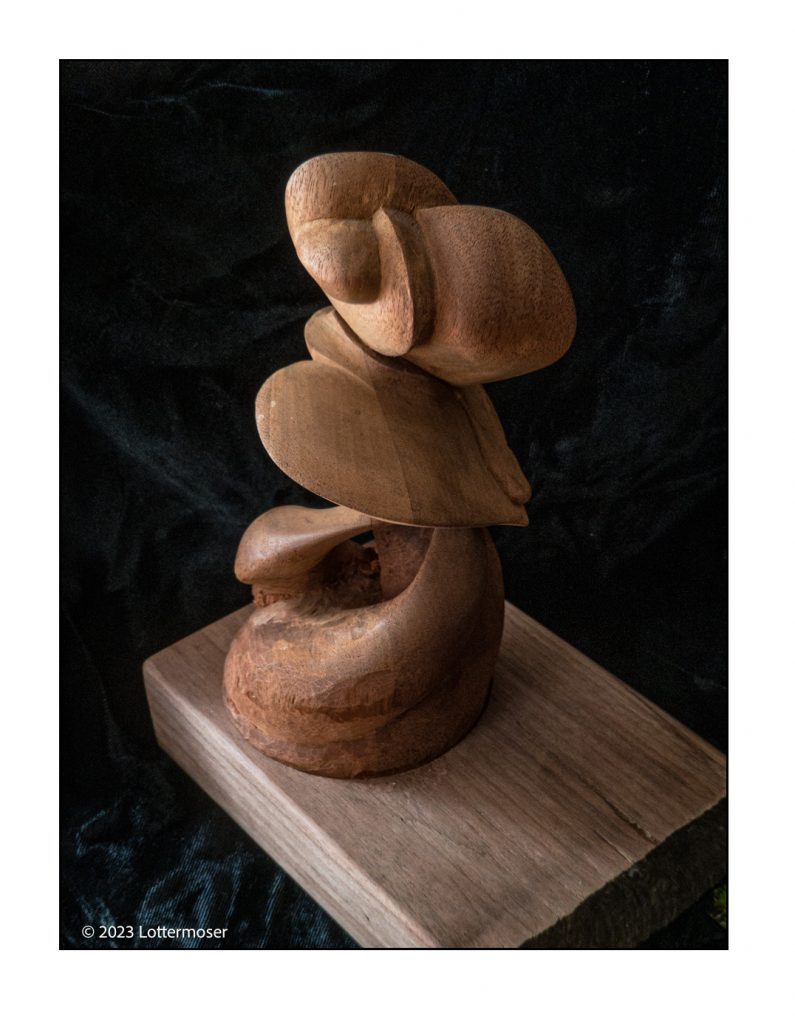
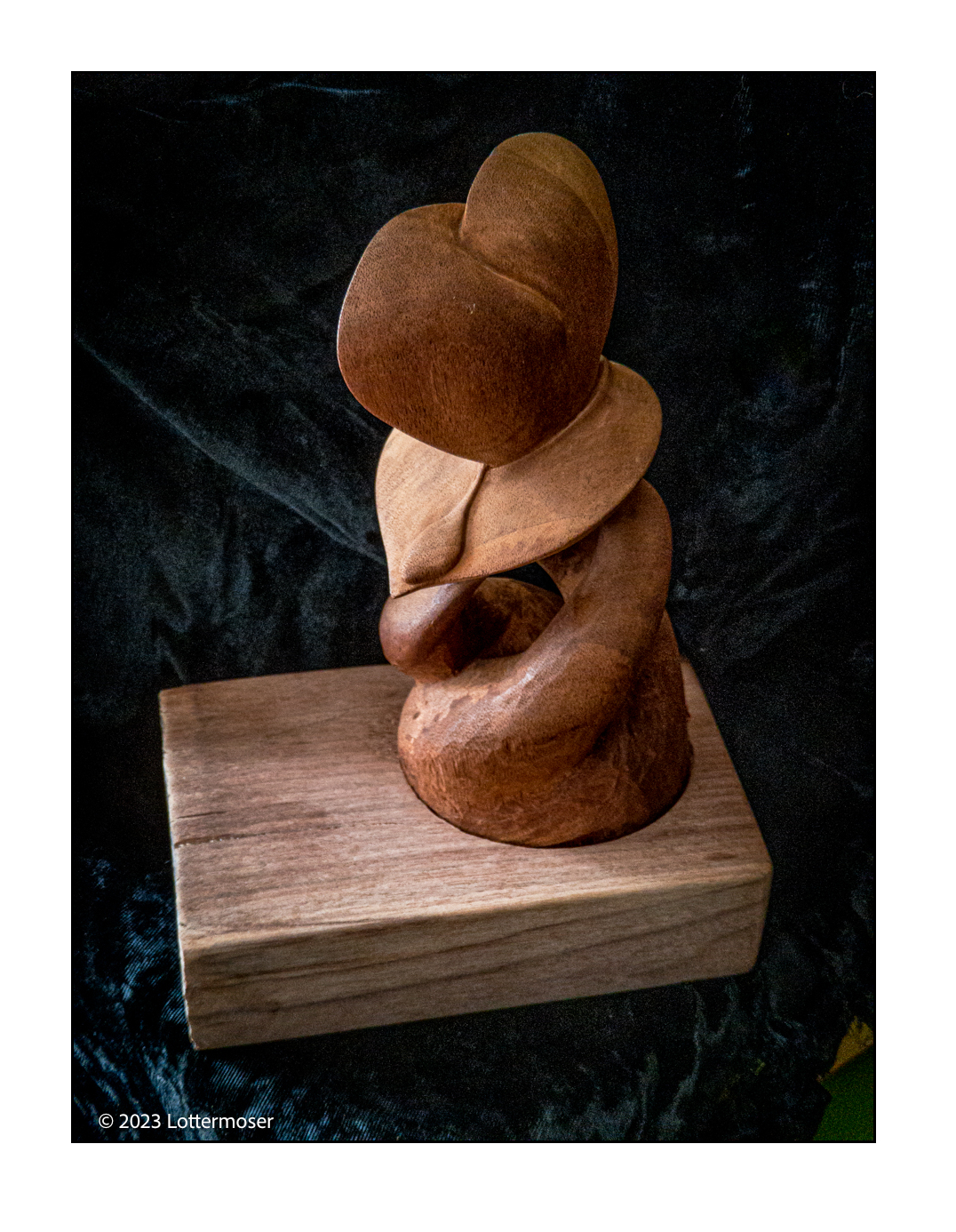
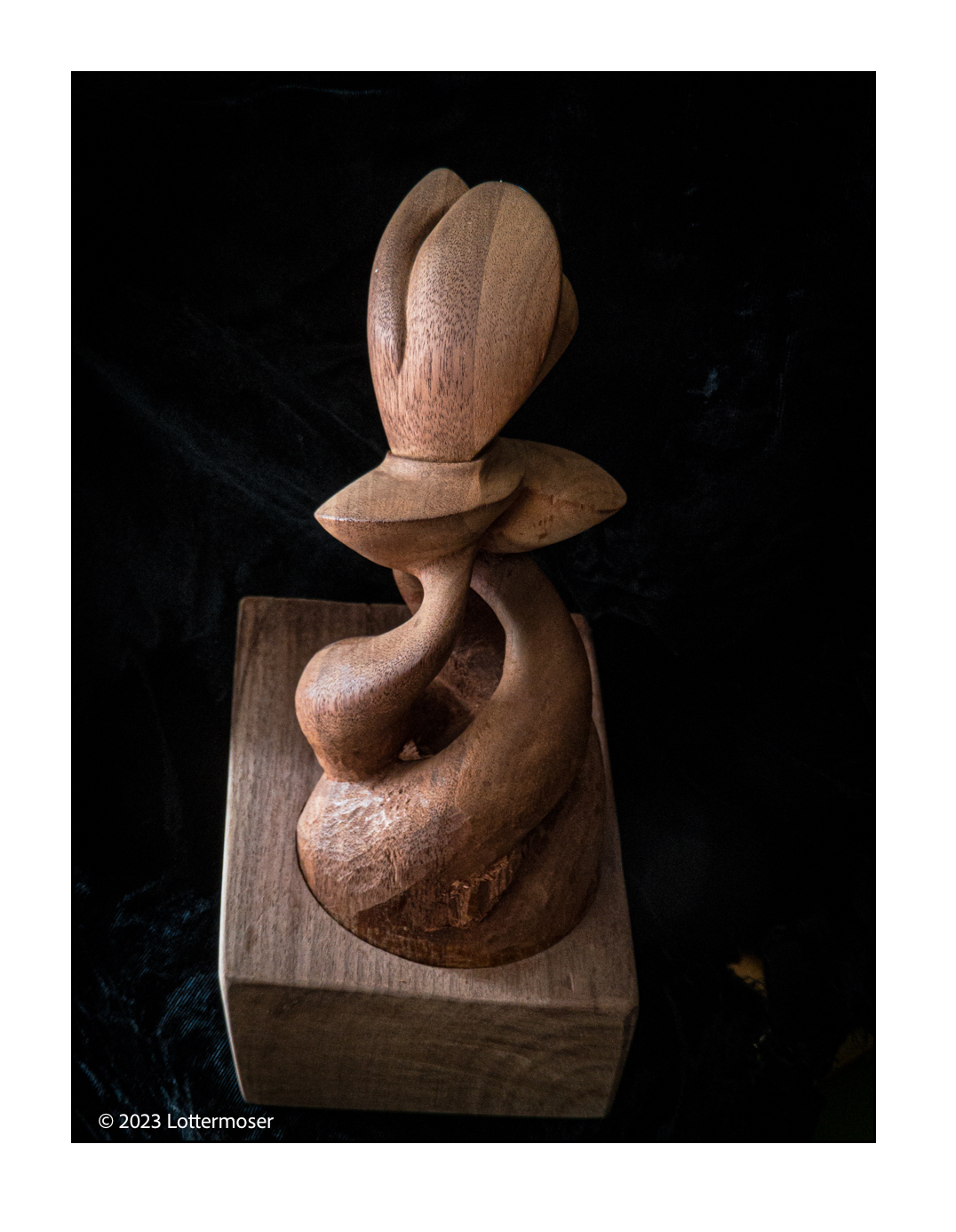
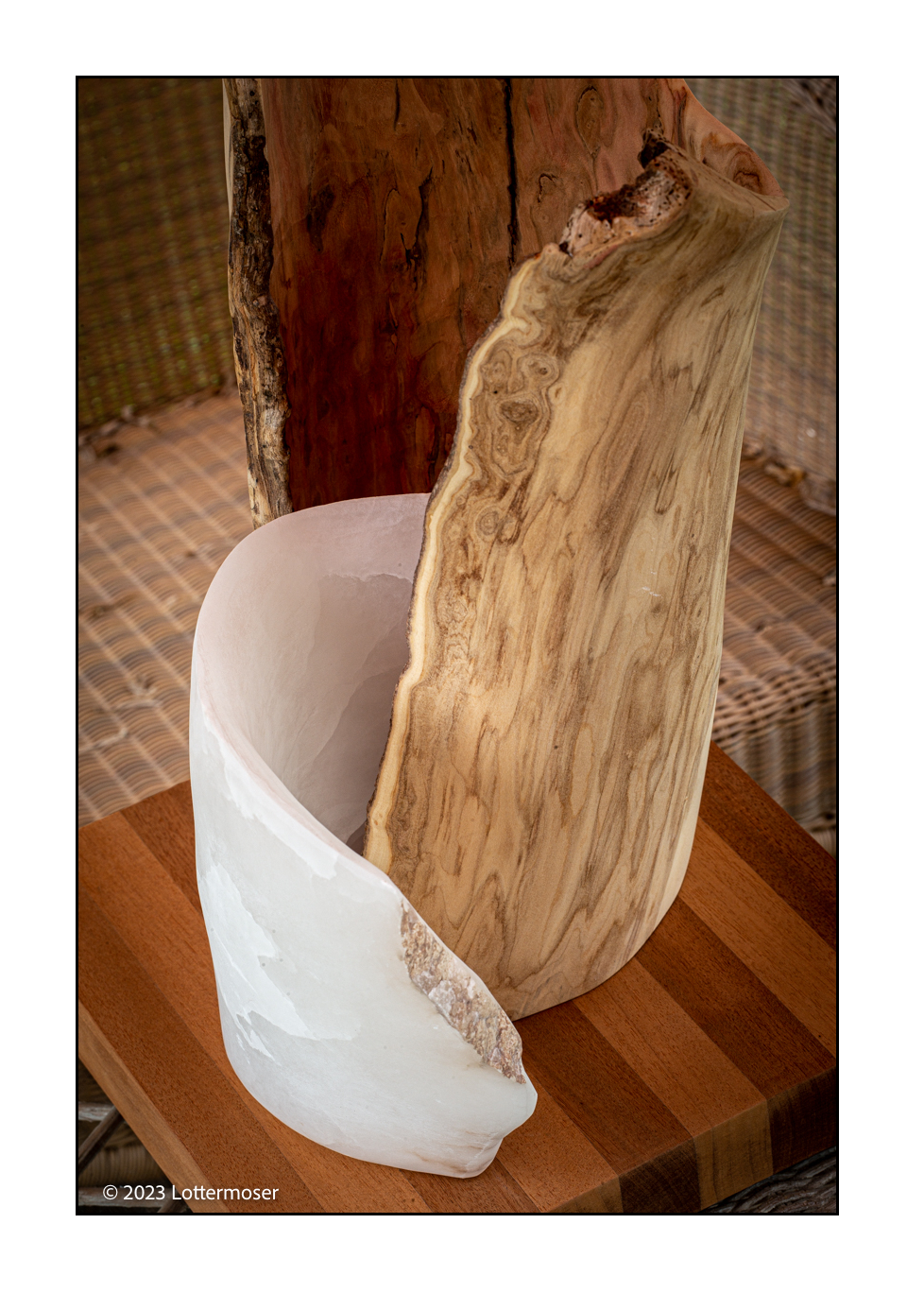
 “Getting to Know You” / 22″ x 13″ x 13″ / Box Elder, Alabaster, on Mahogany Base
(nearing completion)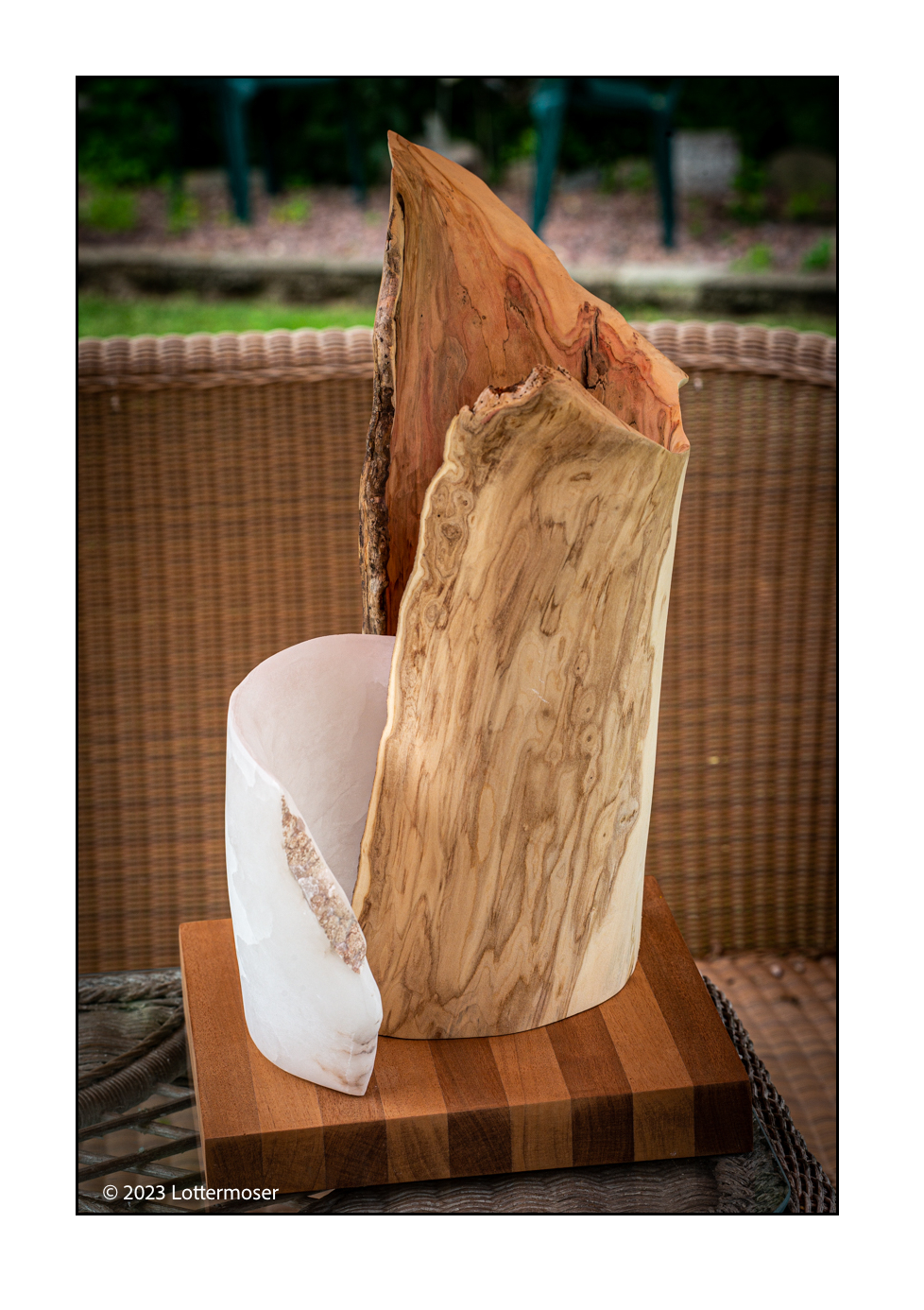
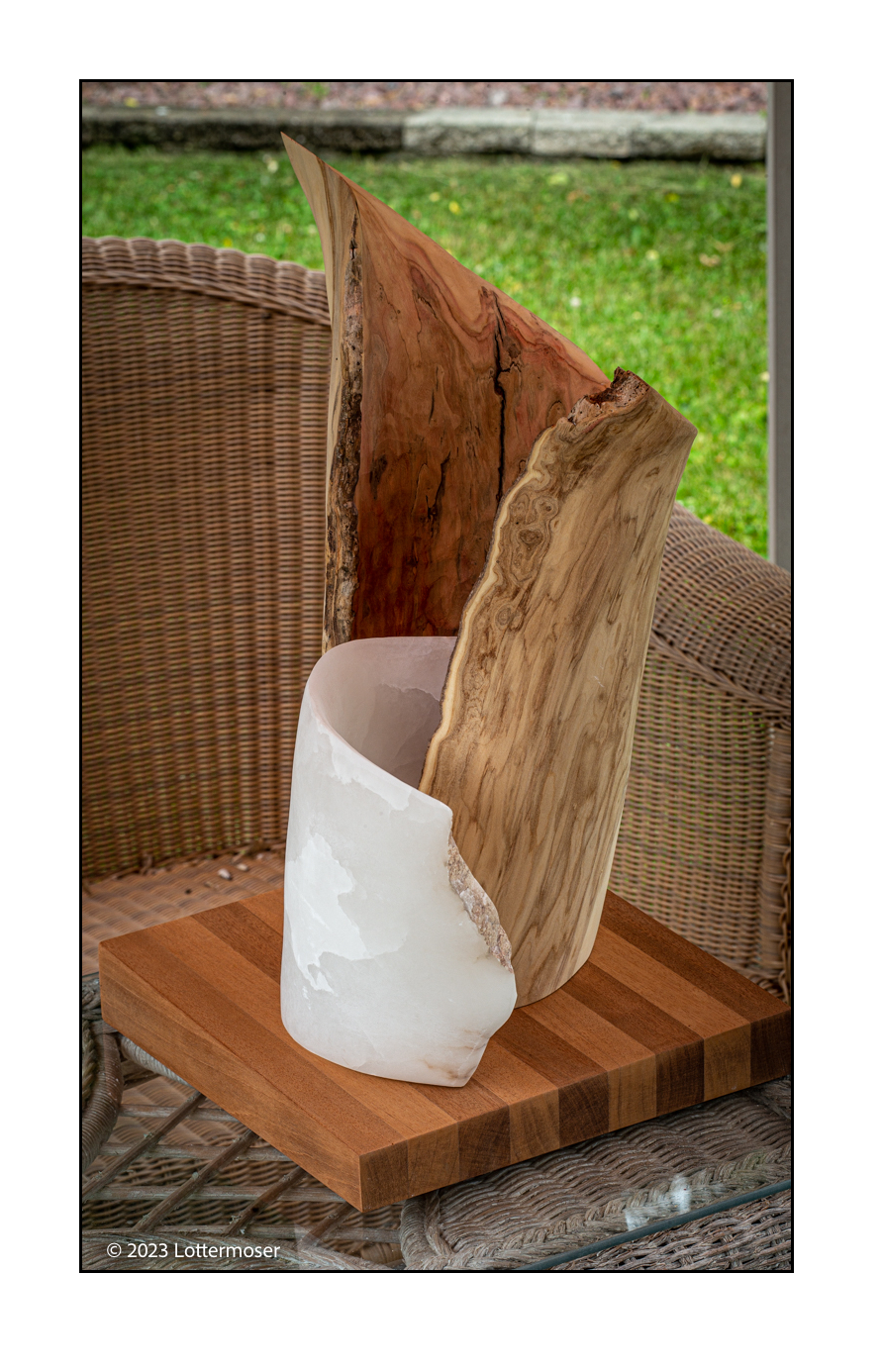
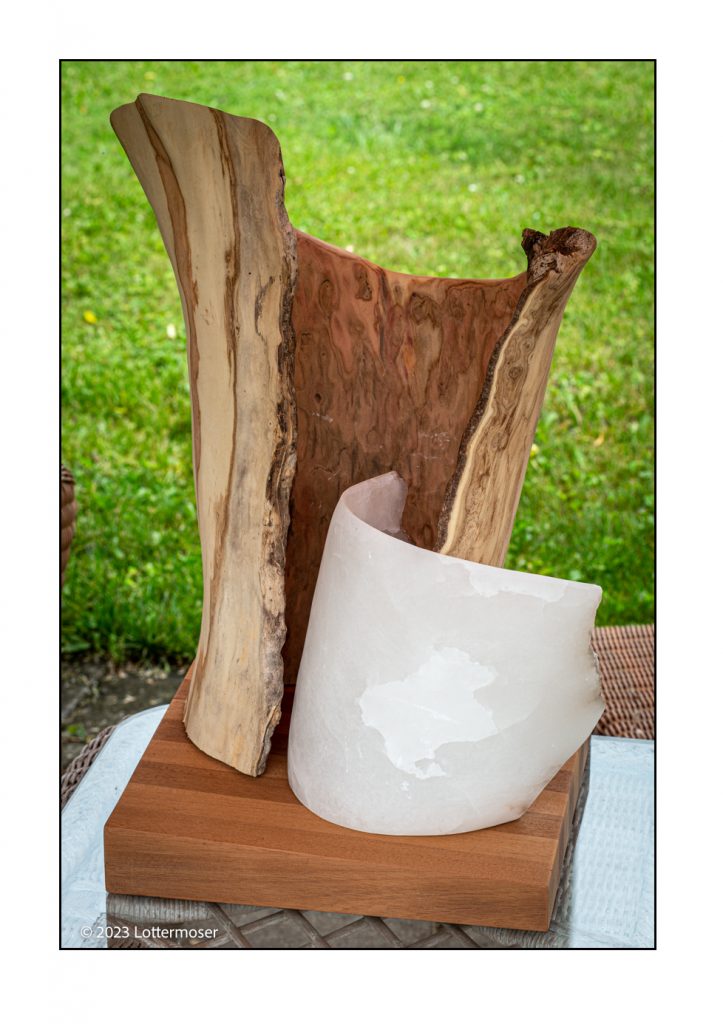 And finally… driven to draw the similarities of forms
in ocean waves, flowers and the human body… for love of graphite on paper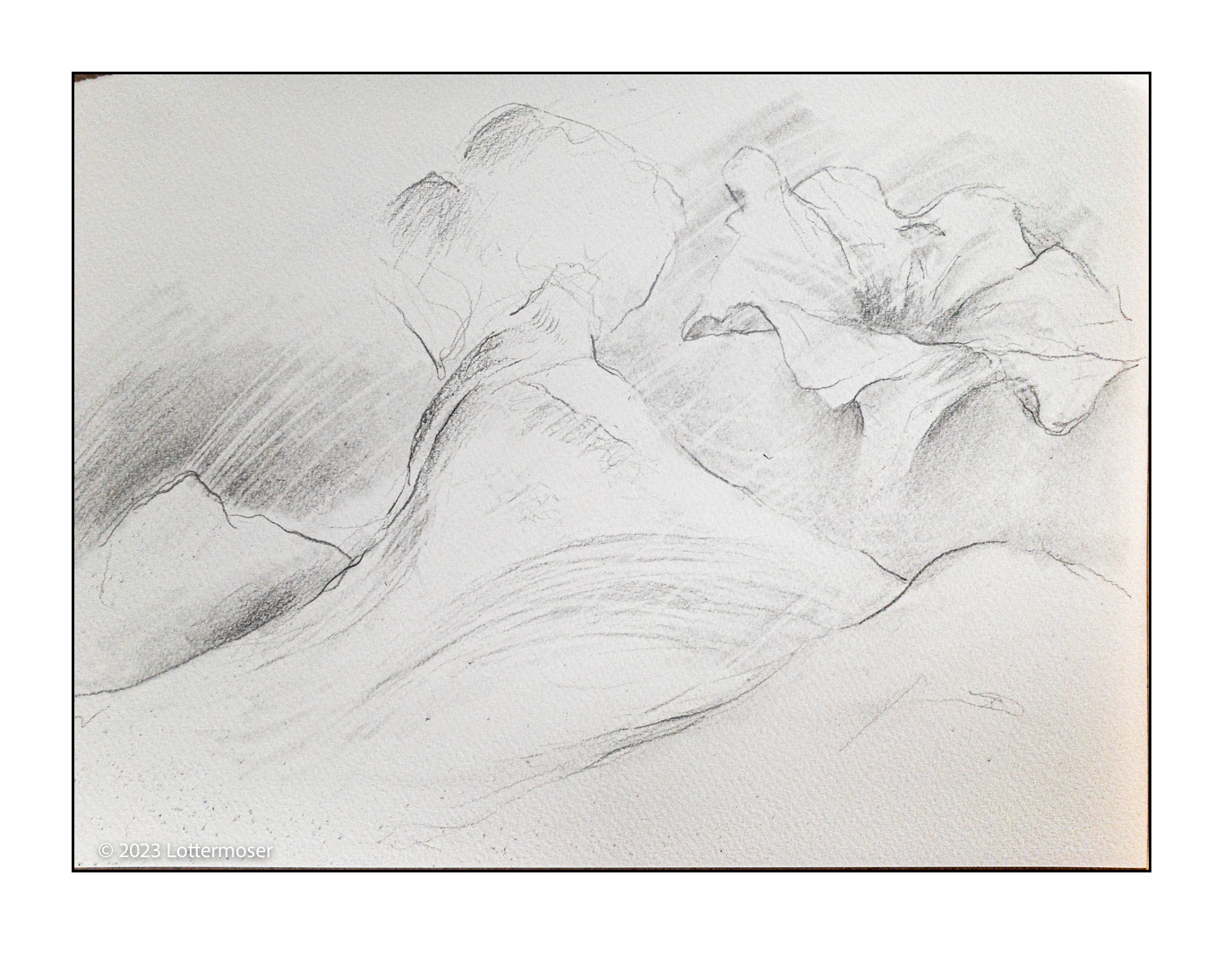
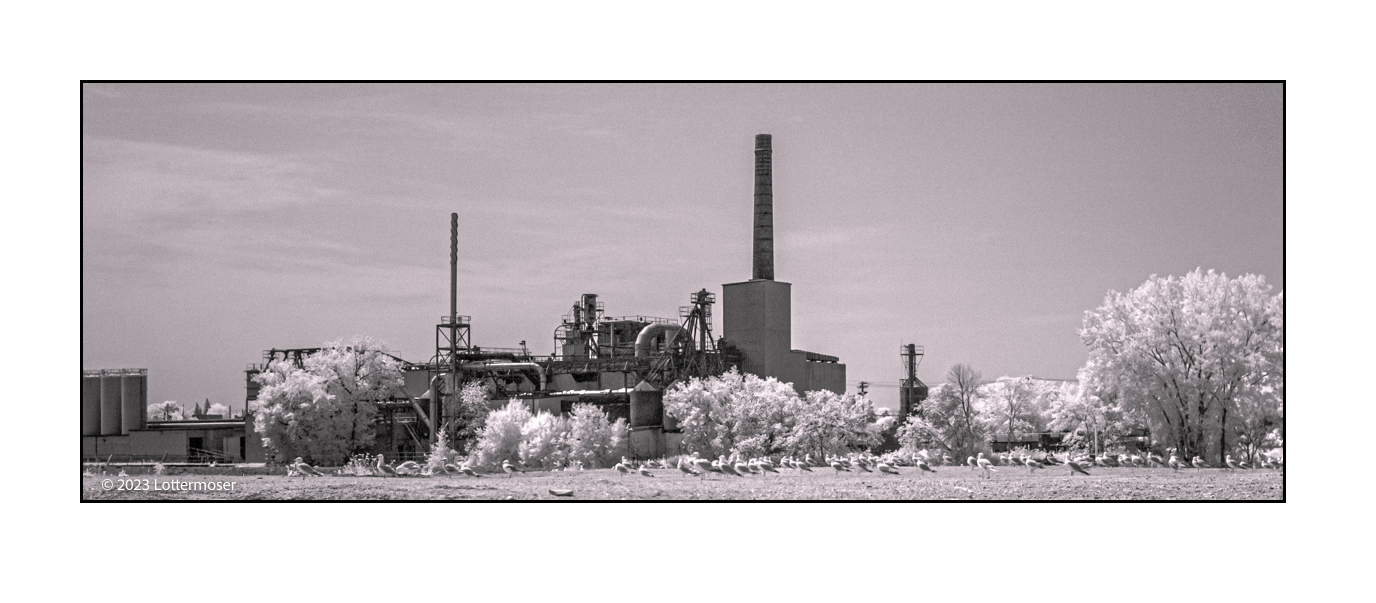
To participate in the Global Earth Exchange, you make an offering of beauty “somewhere.”
I chose “home town” as somewhere.
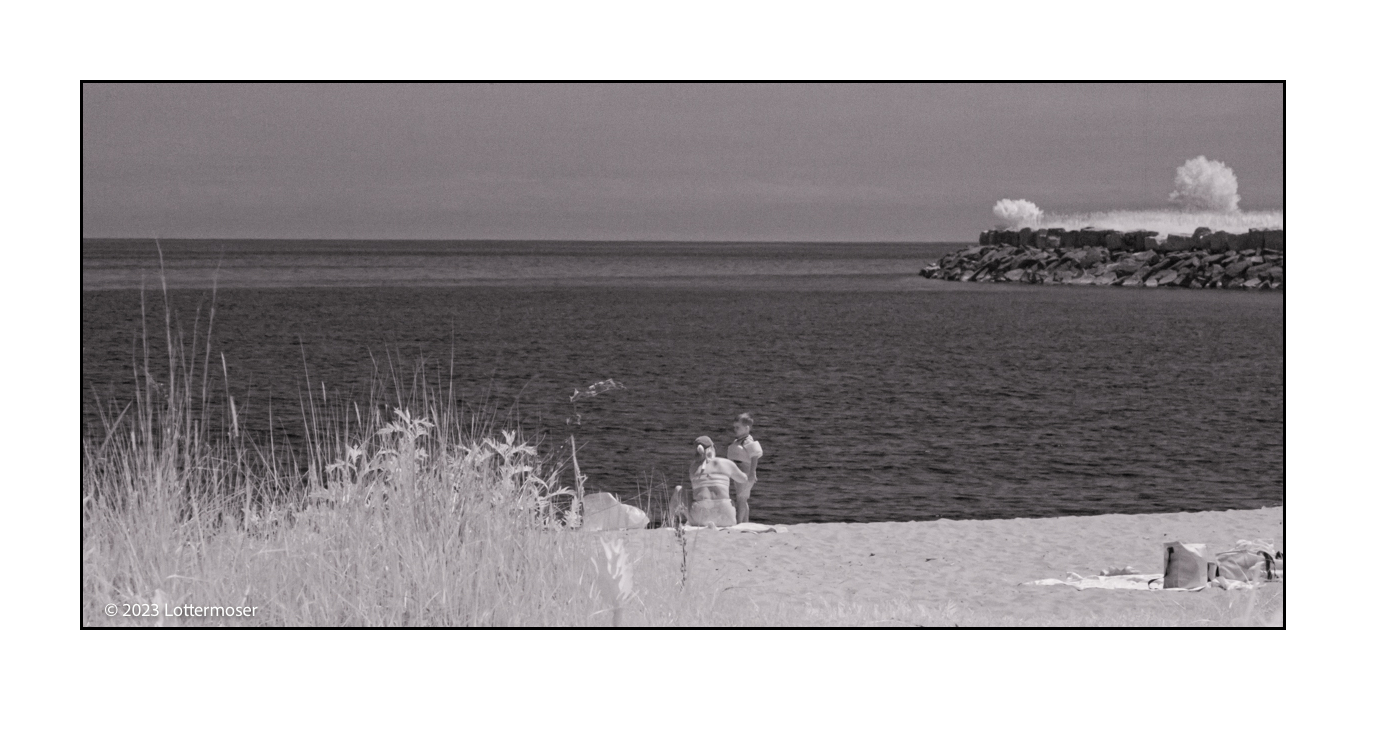
And chose the slightly extraordinary infrared wave length
to graphically render my experience.
“In the days before settlement, our area was named Manitowoc by the Native Americans who called this area their home. Manitowoc, meaning home of the good spirit, was regarded as a magical place for the mixed bands of Ottowa, Potawatomi, Menominee and Ojibwa people.
There were 3 fairly large sized Indian villages located in our area: one in Manitowoc Rapids, one near Two Rivers, and another at the fork of the Manitowoc River. Many smaller Villages or encampments could also be found throughout the area.
The band in Manitowoc Rapids was situated about 2 miles from the mouth of the river, where the historic Indian trail along Lake Michigan was located.” —Manitowoc County Historical Society
My home sits on a high point above Manitowoc Rapids, adjacent to what we know, now, as Henry Schuette Park; and includes a segment of the 1,200 mile Ice Age Scenic Trail. East of the Park we see the historical industrial remnants along the Manitowoc River as it winds its way toward the Great Lake Michigan; many long abandoned but for the sea gulls; former ship building, lumber processing, granaries, foundries…
The little Lighthouse Park beach just north of the breakwater, and Manitowoc Marina, always beckons to spend a few moments with the horizon.
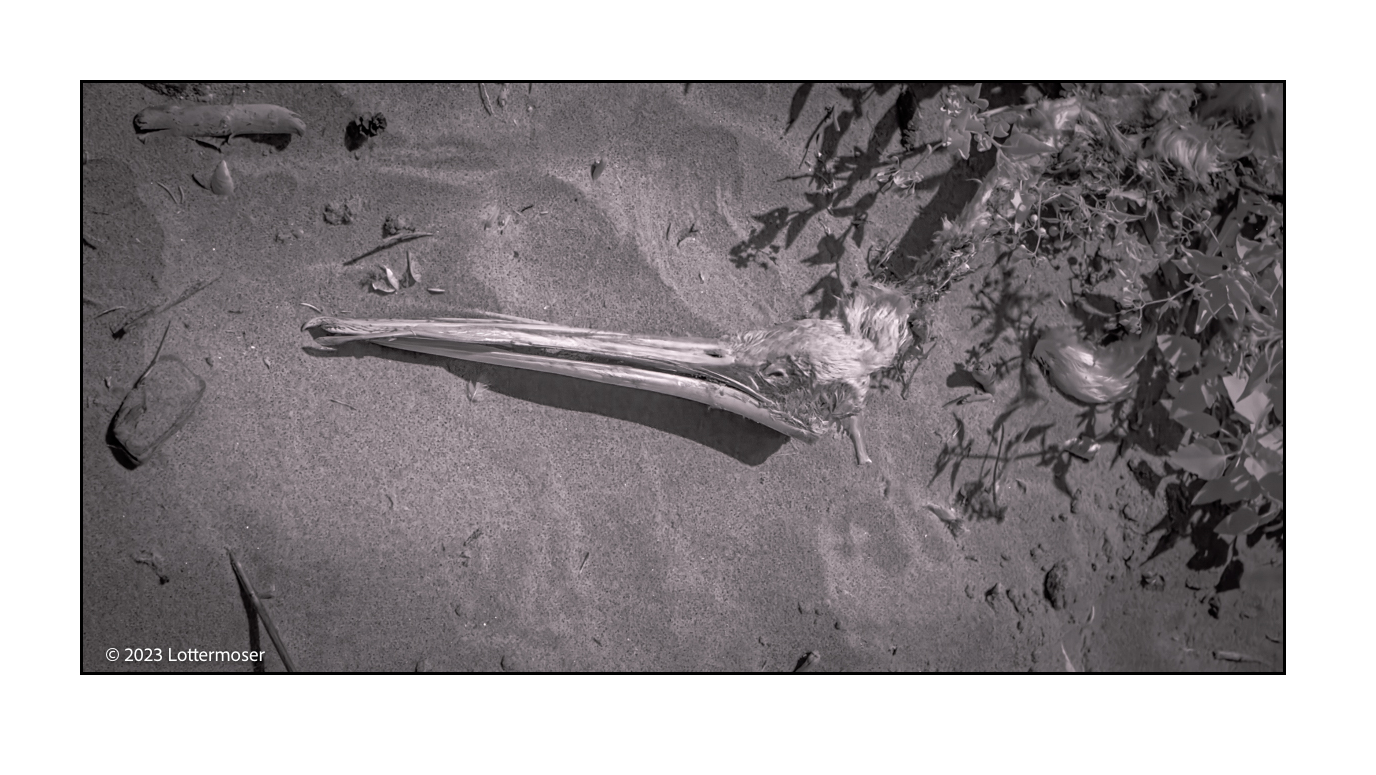
Discovering the remains of the Great Egret, on this little beach, shook me a bit. I wonder if tears… if feeling grief… if spending time with “remains”… may qualify as “make an offering of beauty.”
(click photograph to view larger)
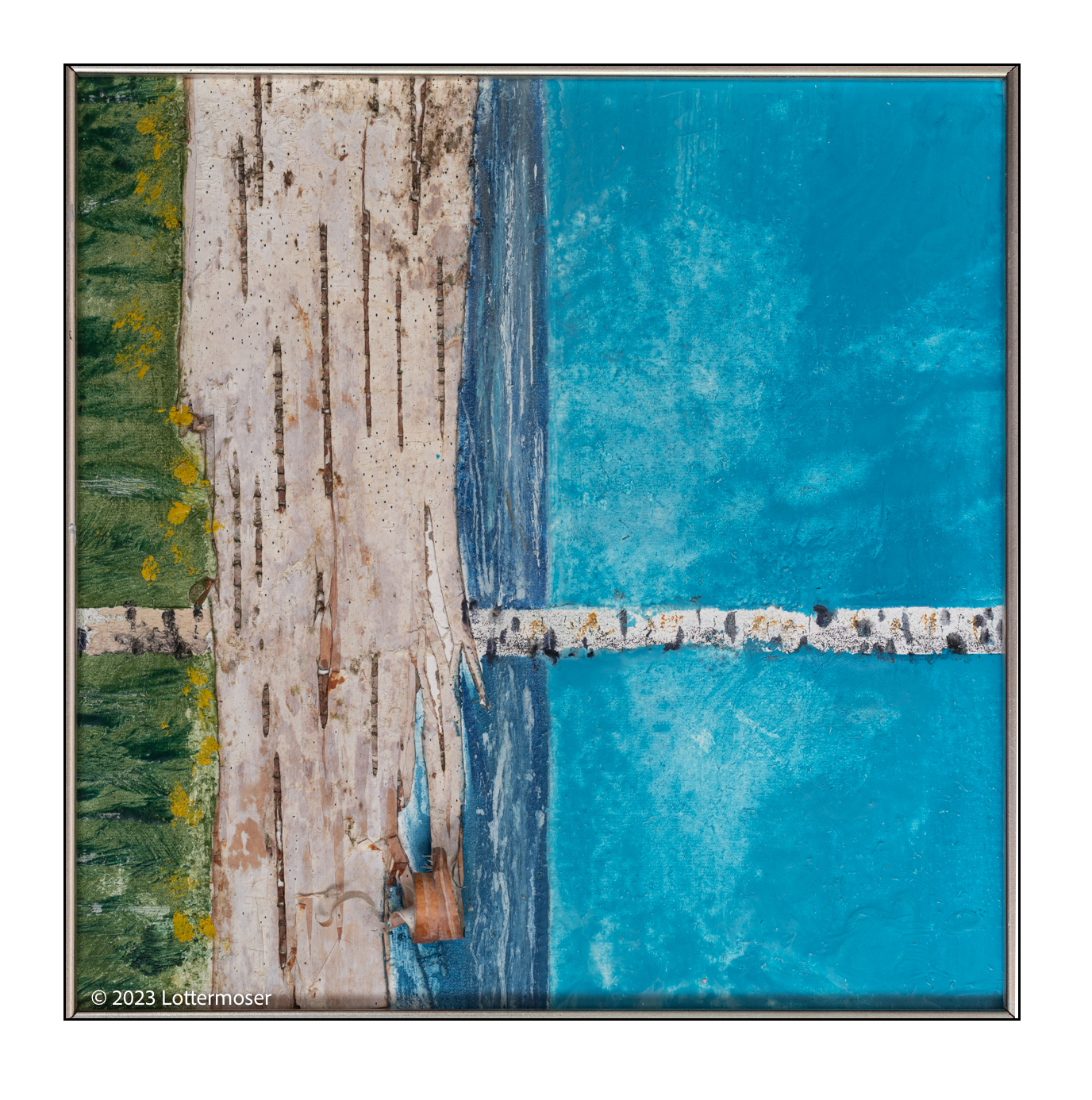
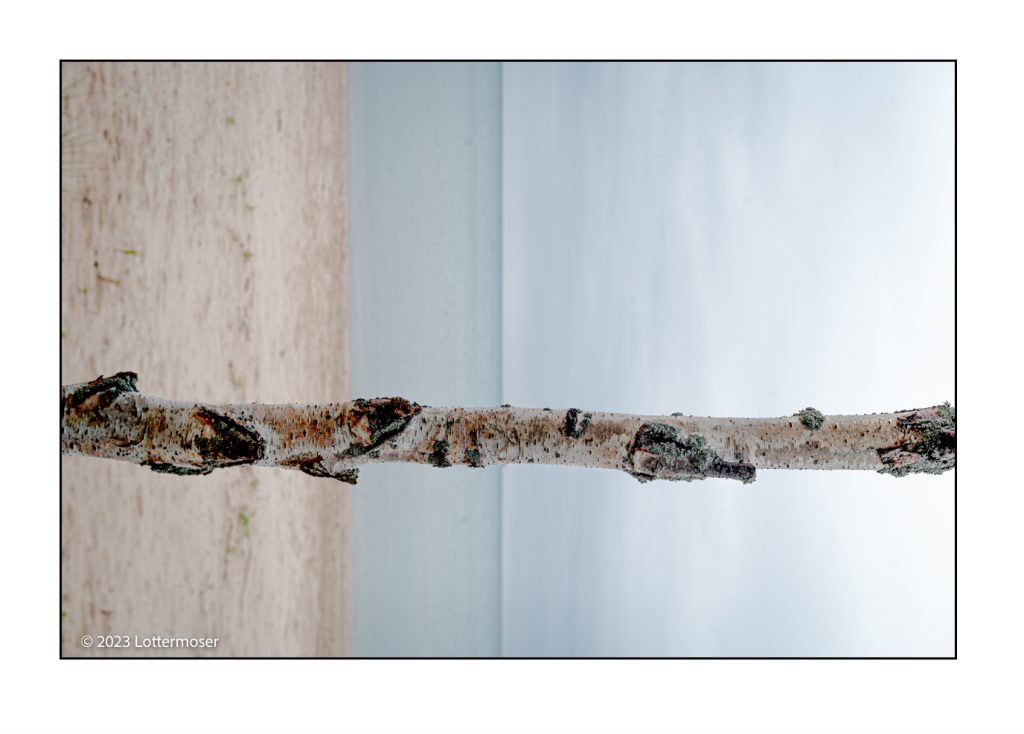
“this thought” came to mind
when I picked up the birch bark shed in a woods.
I painted the thought with pigment, suspended in hot bee’s wax (encaustic)
on Monday, 6/12/23.
(click images for larger view) Later that afternoon a fellow artist, whom I respect, suggested I present it with a 90 degree turn:
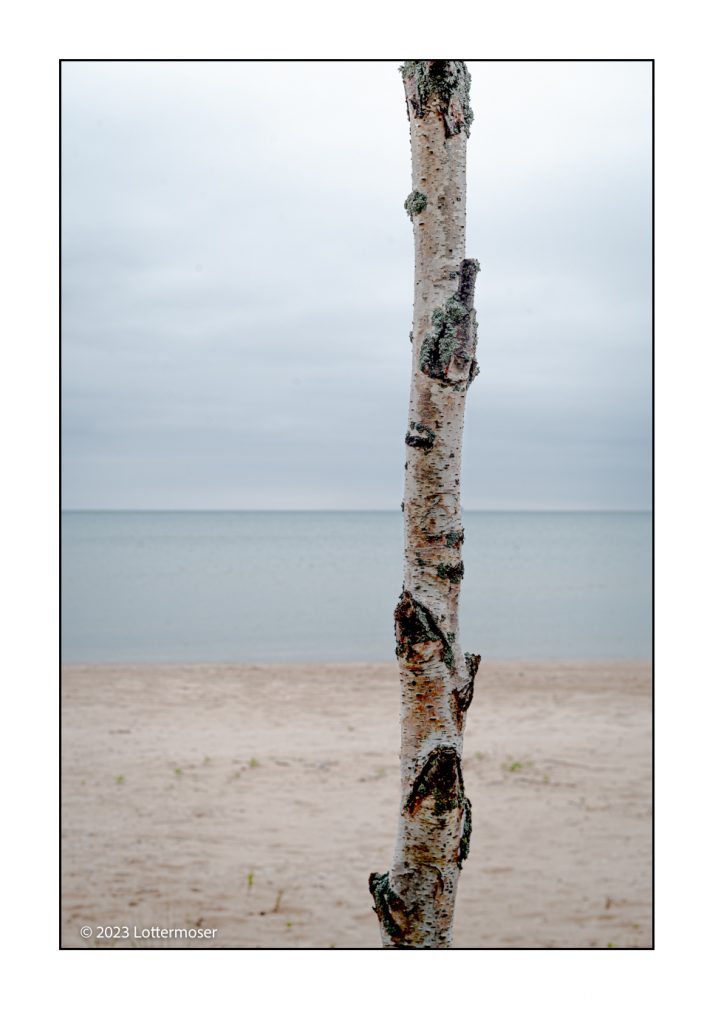
 This morning 6/15/23, while photographing other subjects,
I found the original thought, presented to me as reality.
My life within these times and spaces can seem quite non-linear;
as well as non-dual; and entirely abstract; even when “upright.”
 And so i wonder:
“was a time…” when a subject came to the large, studio portrait camera
for a “portrait sitting” with the photographer and camera; or before the easel of the painter.
Those 8×10 or 5×7 film cameras had “swing;”
which allowed the film plane, lens plane, and the plane of the subject’s face,
to maintain focus of both the subject’s eyes,
even though one eye may be further from the lens than the other;
and the large format, longish focal length lenses had very limited depth of field.
This morning, after I completed my gardening task, Dolly Stokes invited me in,
to see Ron Stokes’ paintings. A lovely art collection; each with a story; of course.
And I asked Dolly if she might “sit” for me for a portrait study;
as well as a proof of concept in the use of my imagist-swing-tilt-shift-contraption
to achieve classical portraits. She graciously agreed.
Investing time used to be an important part of the way we created photographs.
Time to find the light, angle, point of view, manually adjust camera movements to arrive at…
the one, exposure on a large sheet of film.
And while we made these fine adjustments we also had time to get to know our subjects.
Not only how they looked in beautiful light; but also time to talk to them; and more importantly:
allow them to talk… allow them to reflect… much beautiful light reflects off a face…
a subject’s thought streams, if allowed the time, can reflect through their eyes.
“Windows to the soul.” It’s been said.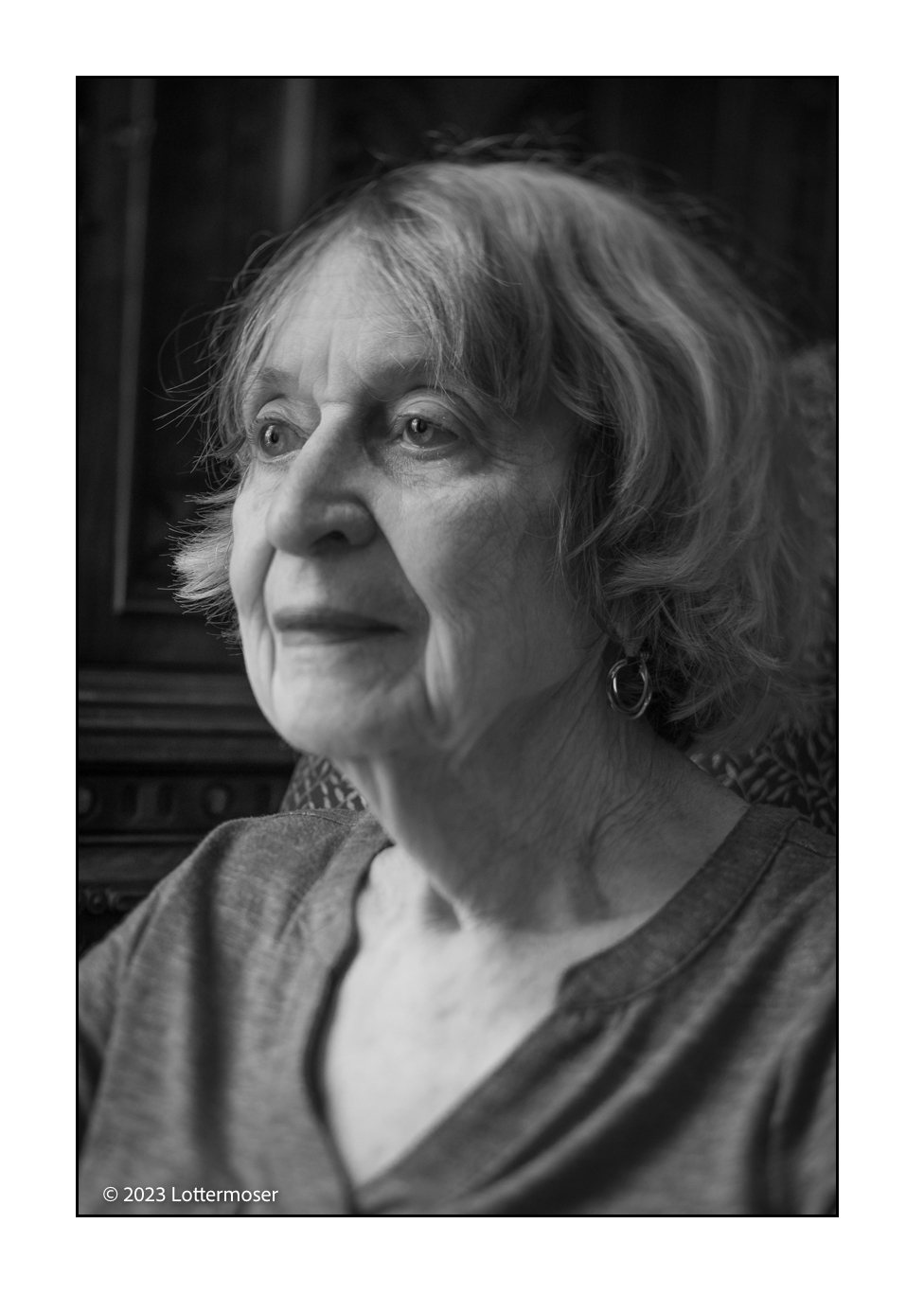
(click image for larger view)
The imagist-swing-tilt-shift-contraption: with Leica SL, and the 1970 Leitz Elmar 1:3.5 / 65.
North window light, 11ish, Exposure: ASA 800, 1/60th second, wide open @ f:3.5. It works.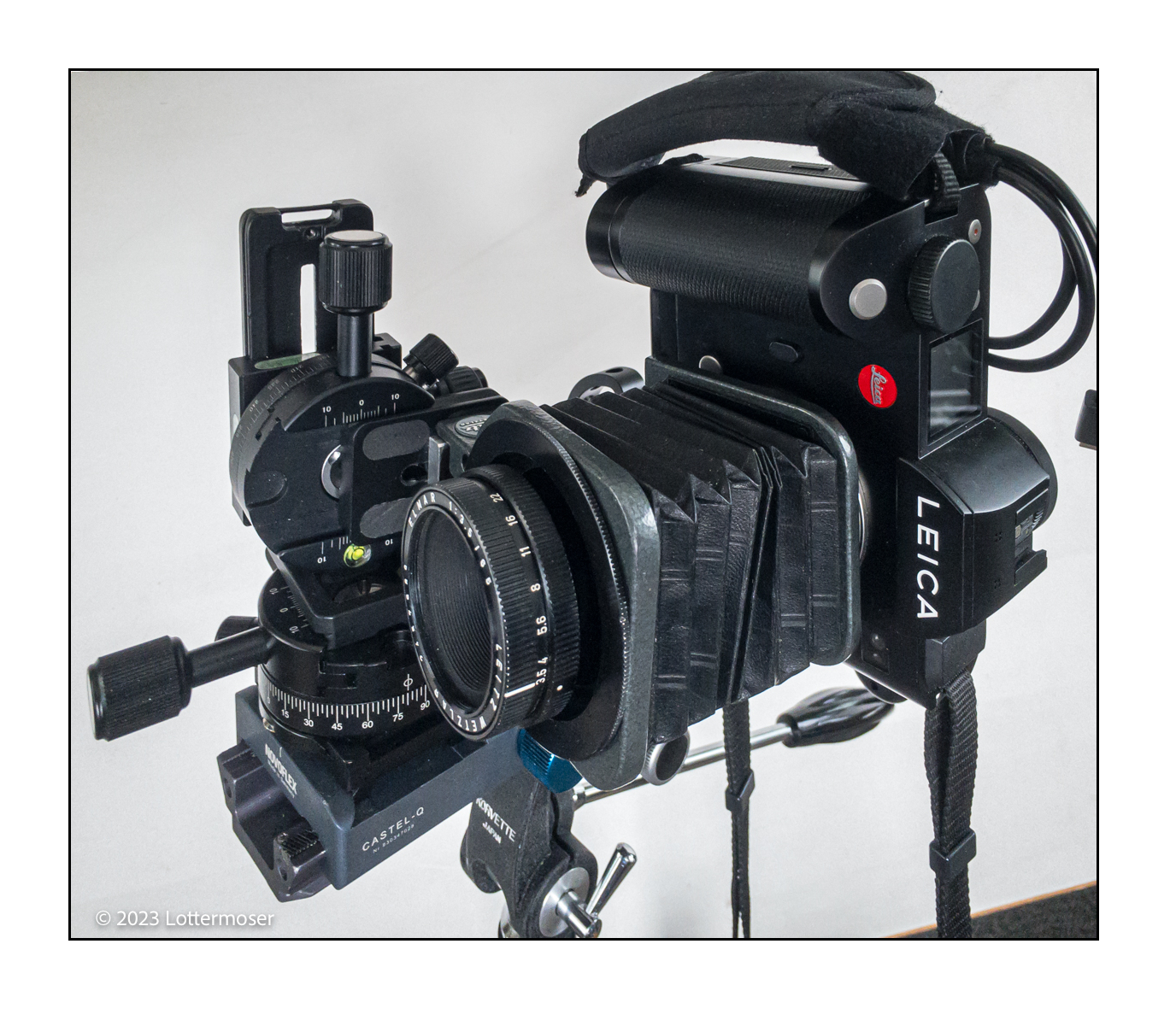
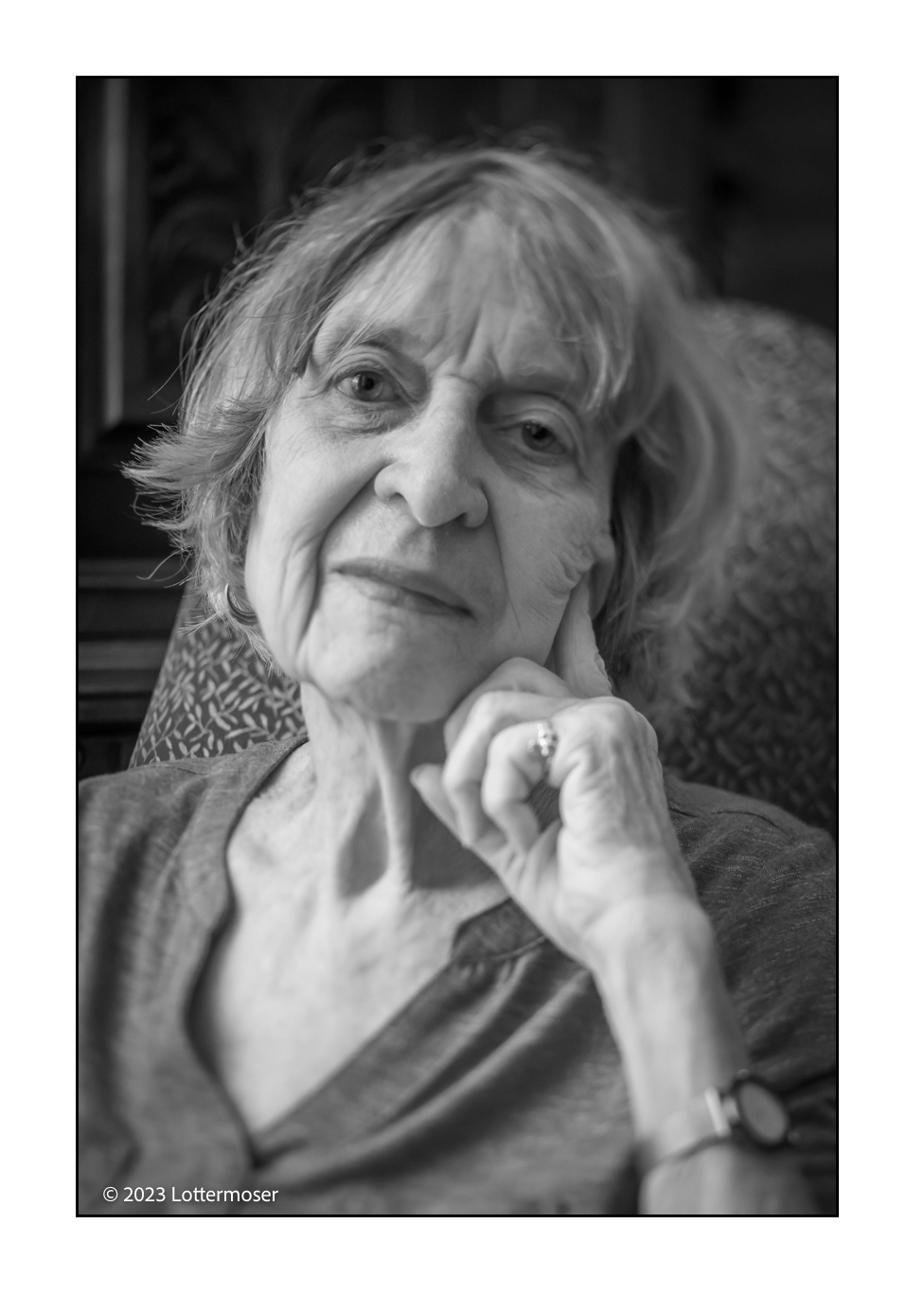 And what a marvelous “talk-time” we had.
To Understand. To Know. To Express…
something about the sumptuous mysteries we find ourselves immersed in.
To compassionately come to know leads to loving… then losing…
I immediately saw this little tulip as delicate and weak.
It stood tall for its first few days. Then. Gradually. Slumped.
Lay its head on the ground. Lived there. Resting for a few days.
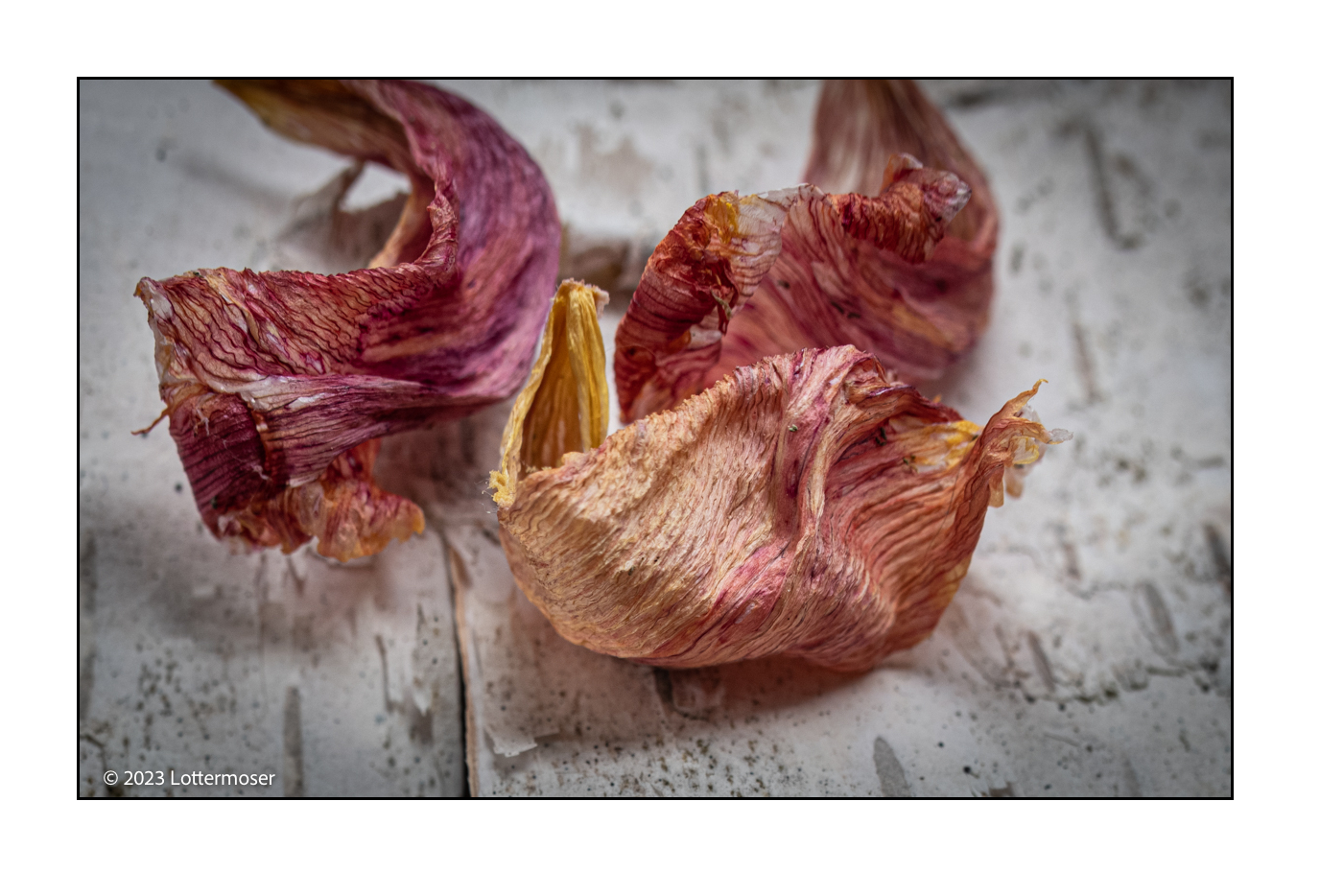
Then. Done. With being a tulip blossom.
For the time; being remains.
(click images for larger view)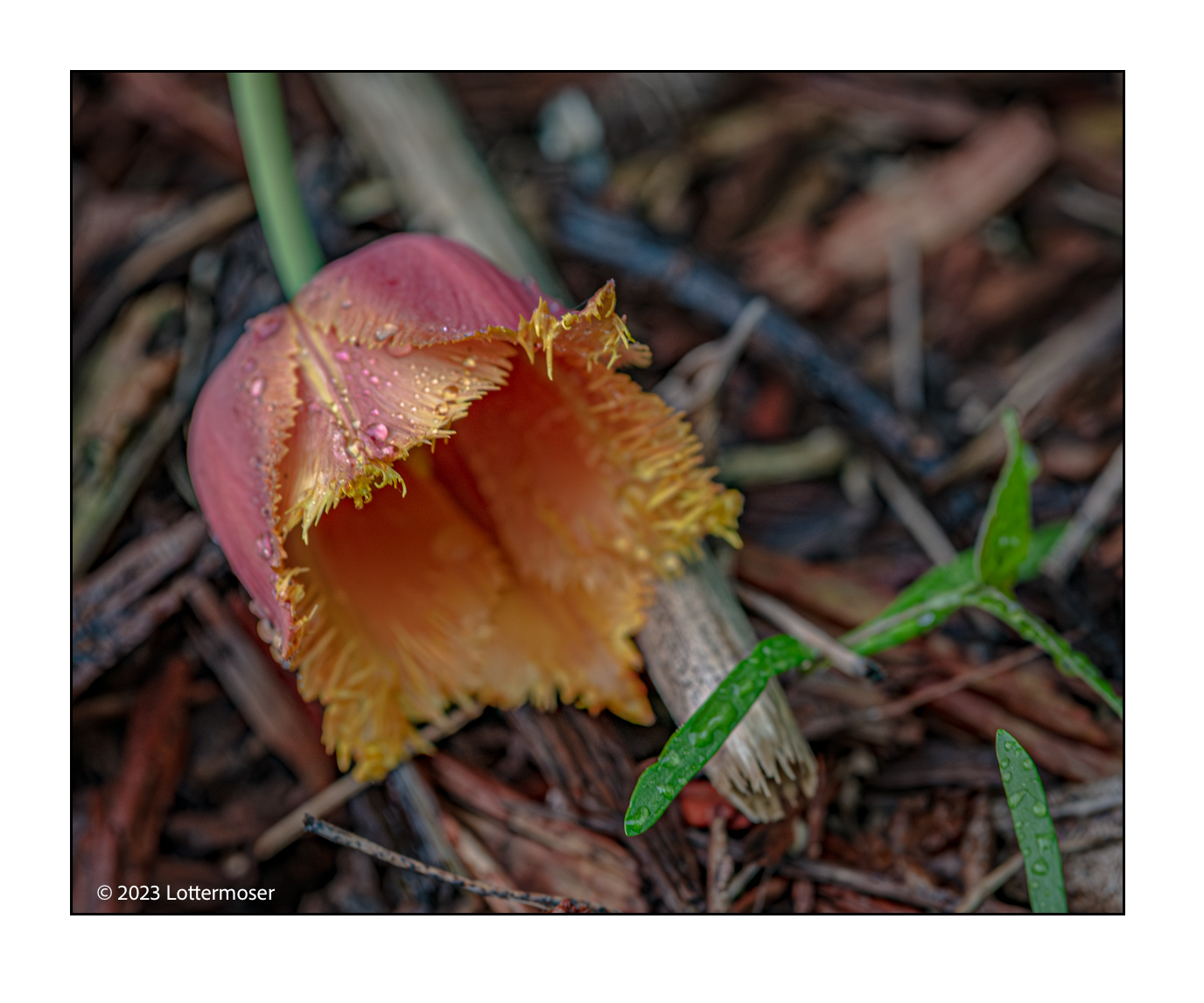
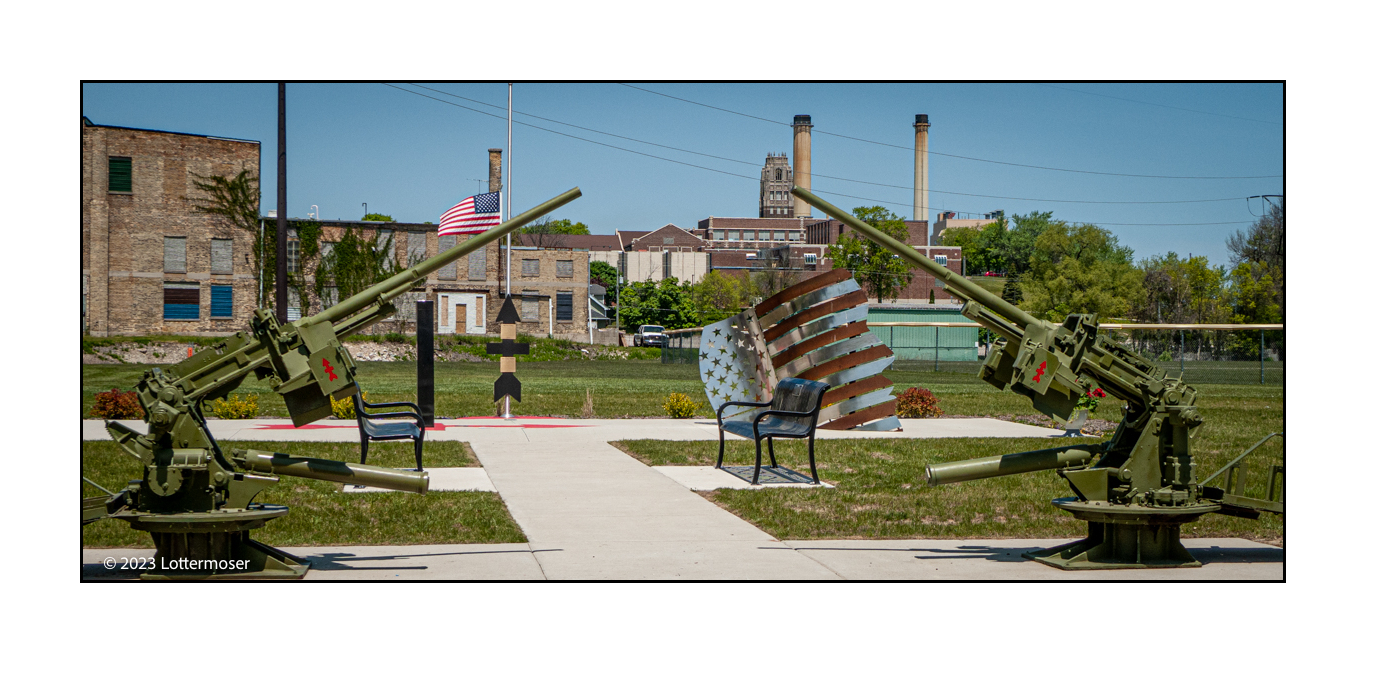

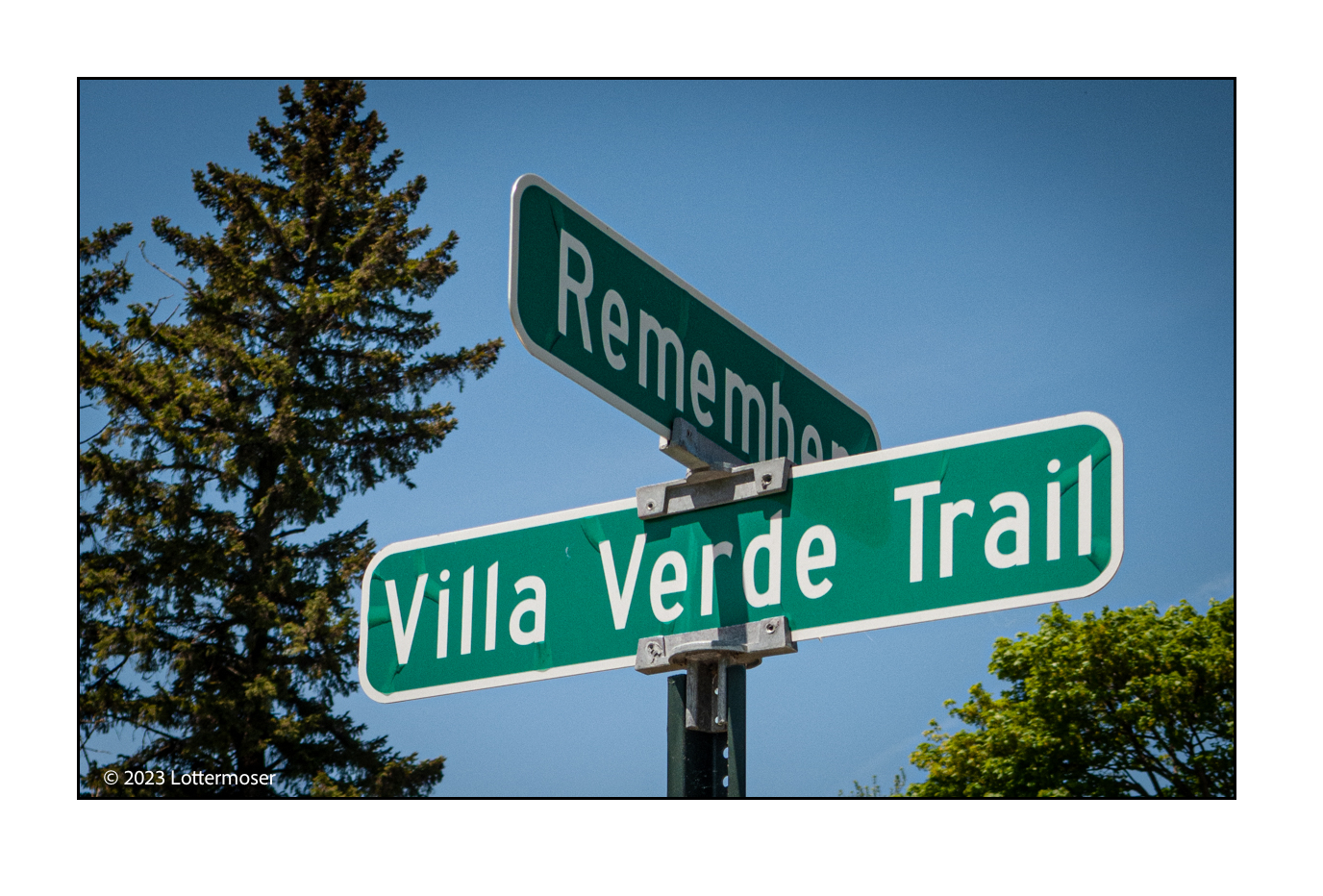

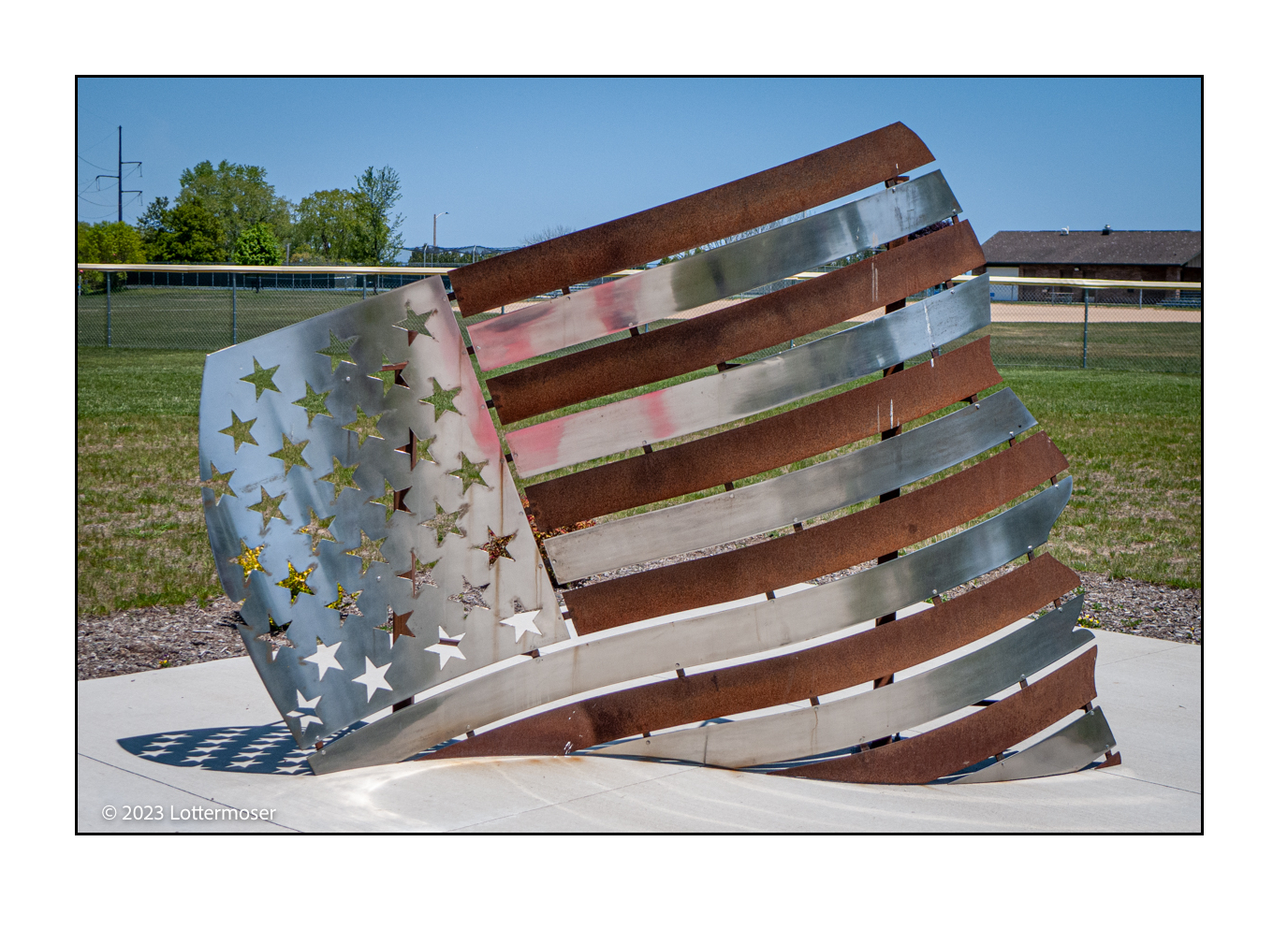
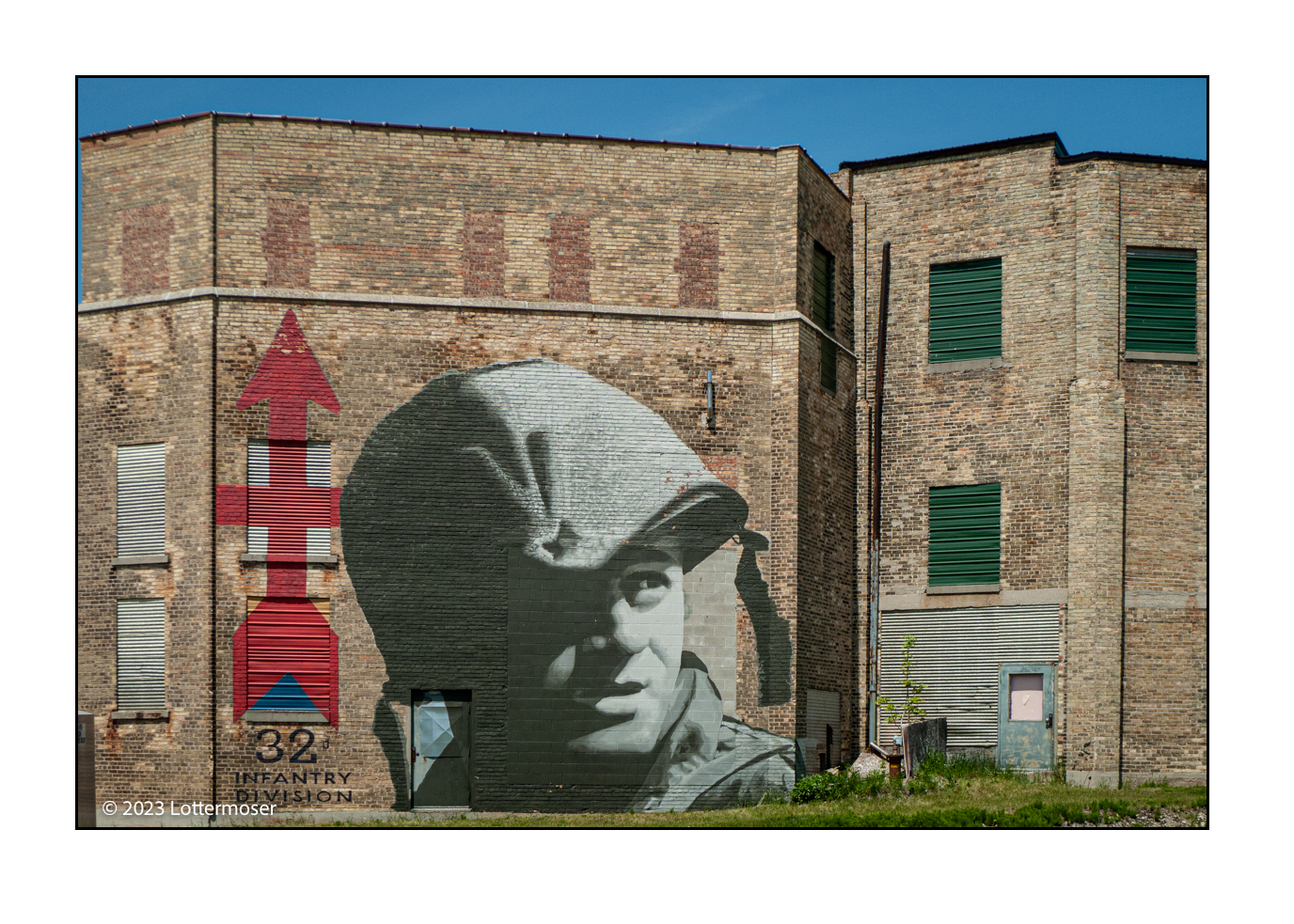 AND in Honor of my life, lived as an Anti-War Activist, I offer, with gratitude: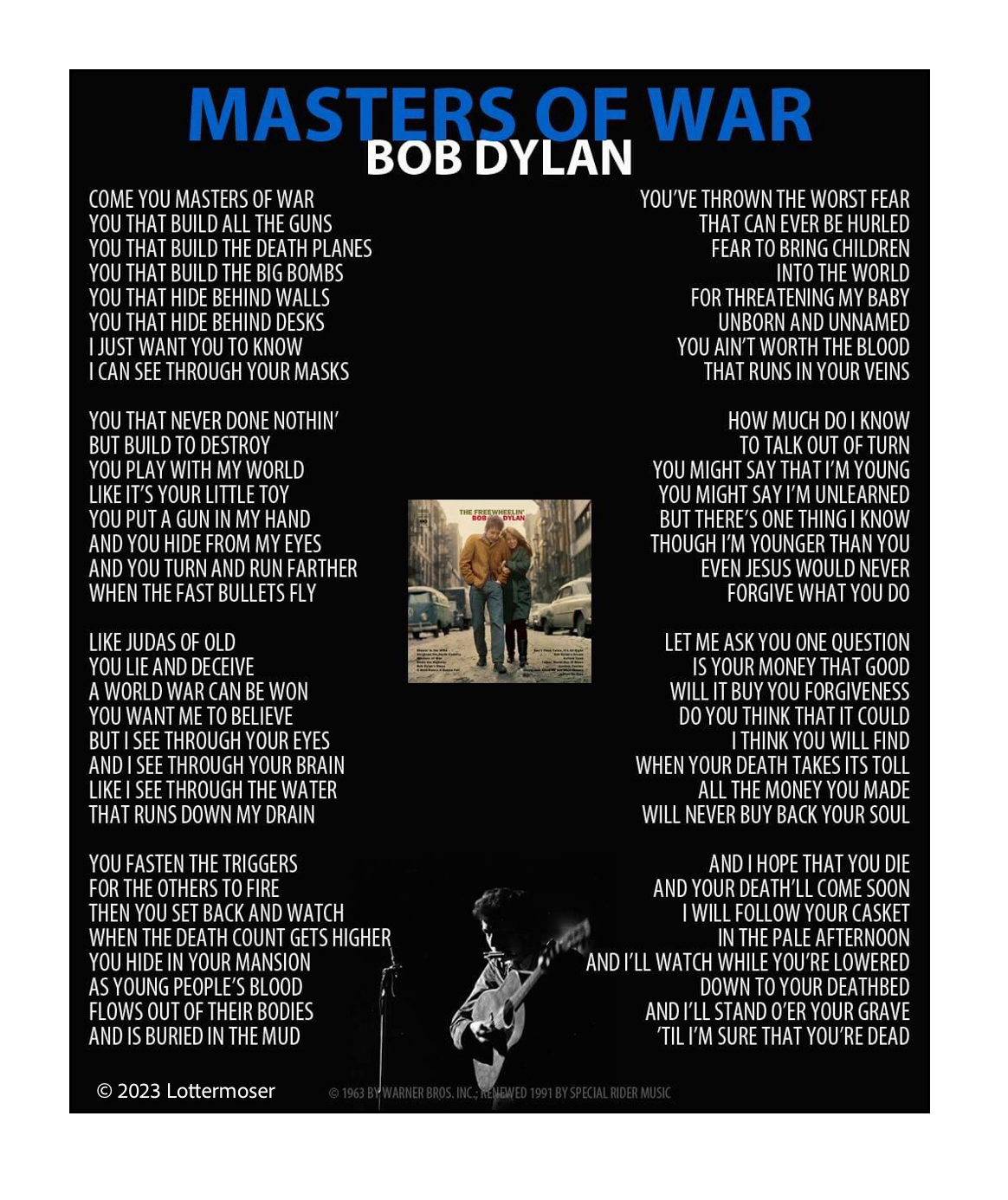
Based on a Leica M Bellows, disassembled, and carefully hacksawed, a Novoflex Castel Q focusing rail, 2 Chinese Rotating quick release clamps, and both Really Right Stuff and Chinese quick release plates. The device goes together and comes apart in a minute or two; and allows for swinging and shifting both lens and body, and tilting the lens; to achieve changing the plane of focus on the sensor. Here we see the platform with Leica M 240 body and a 1970 Leitz Wetzlar 1:3.5/ 65 mm Elmar. The next 2 photographs show the results.
(click photo to view larger) Test Photo 1 – The flower image below was taken without swing or shift and wide open @ f:4. You can see the everything behind the point of focus quickly falling out of focus.
 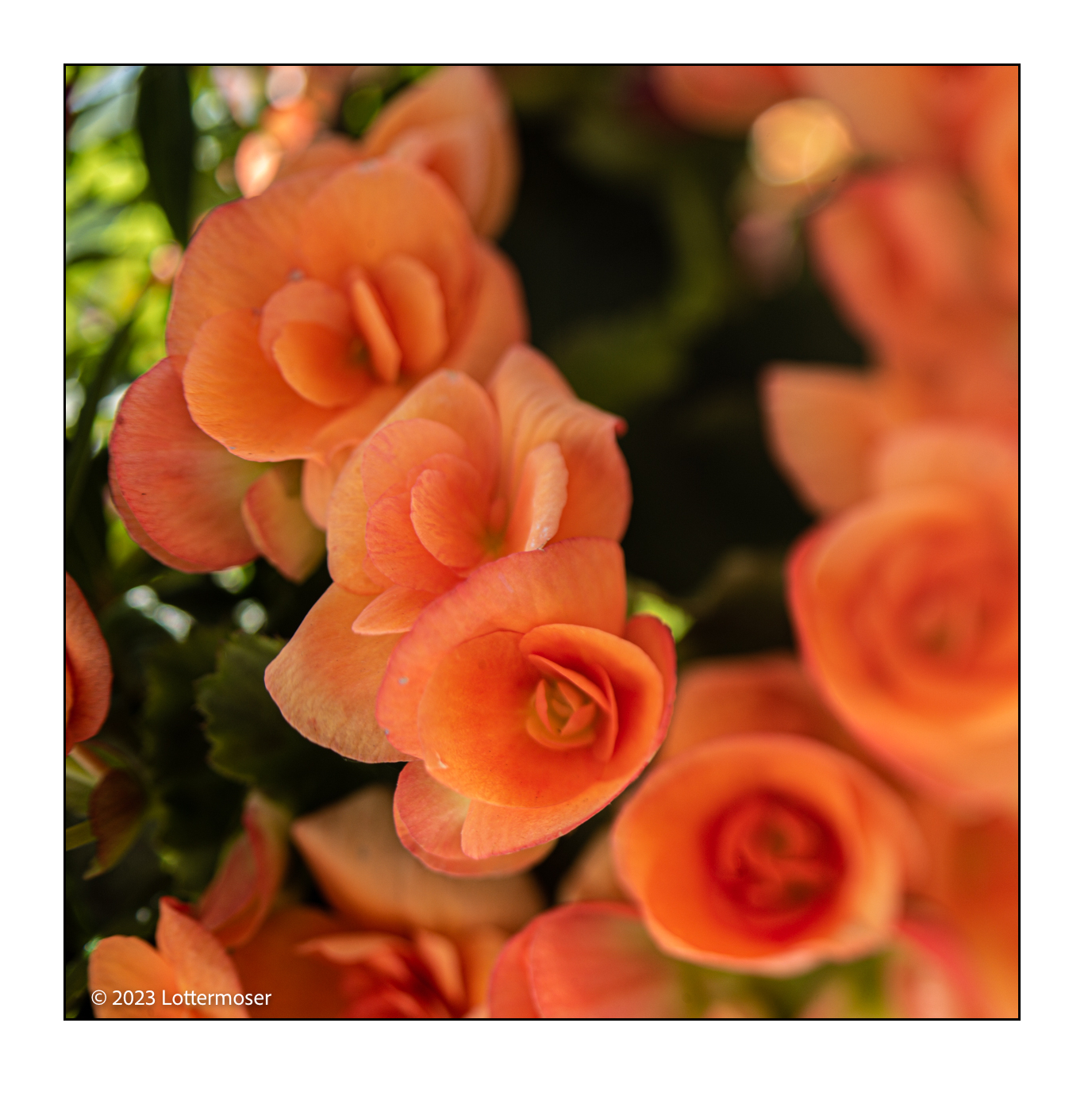 Test Photo 2 – By swinging and shifting the lens you can see, below, those elements, behind the point of focus coming more into focus, even including some of the distant, sunlit background. The camera did not move. The aperture did not change its only the effect of swinging and shifting the lens. This “look” can only be achieved “optically.” It cannot be achieved digitally in post processing. Here we see the degree of swing and shift used to achieve the look in Test Photo – 2.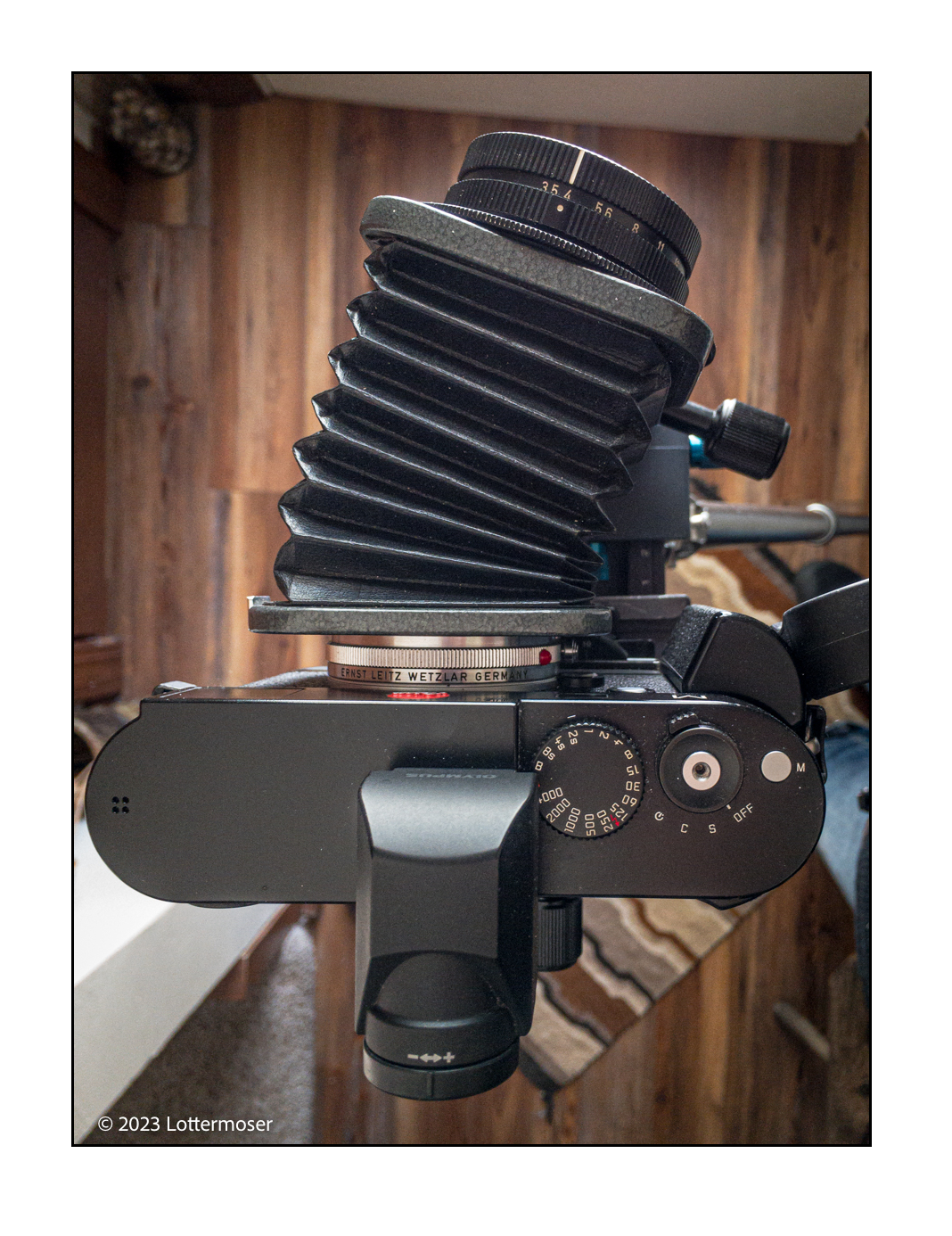
Today I also checked to make sure the contraption will work the Leica SL body. Below we see the result achieved with this body, and same 53 year old Leitz lens, on the platform; with a bit more time spent considering composition . The result of a threesome:
a Leica SL digital body,
a 1970 Leitz Wetzlar 65mm lens,
and a contraption I’ve
been developing over years;
just to stay in touch with
“the optical bench”
that was the “view camera” experience.
The 65mm Leitz Elmar sits among the ‘bokeh’ royalty; in my occasionally humble opinion.